

 +507 6792-0894


Tarangire, Serengeti & Ngorongoro: 5-Day Camping Safari & Maasai Visit



















Summary
Wildebeest herds, sunrise in the crater and Maasai stories
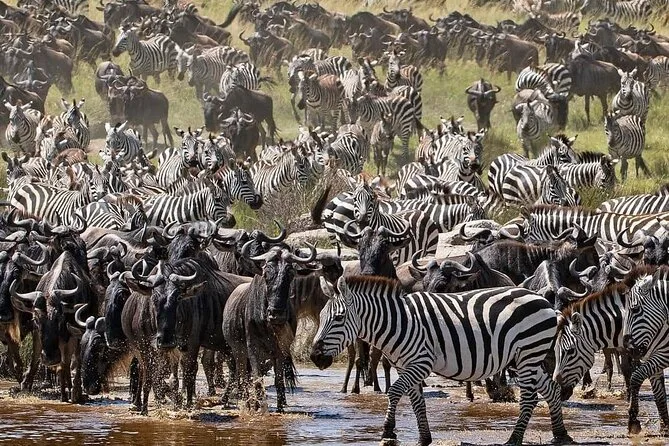
You’ll wake up with sunrise chills in Ngorongoro crater, follow wildebeest herds across Serengeti’s plains with your guide, share laughter under Tarangire’s baobabs, and meet Maasai villagers near Mto wa Mbu. Every day brings new faces and wild surprises—leave room for dusty shoes and unexpected wonder.

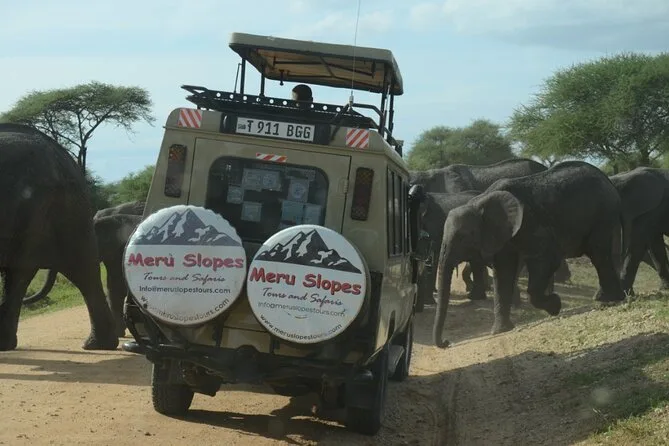
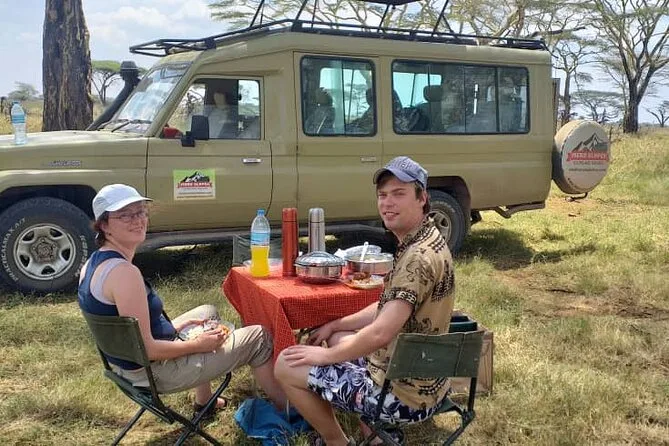
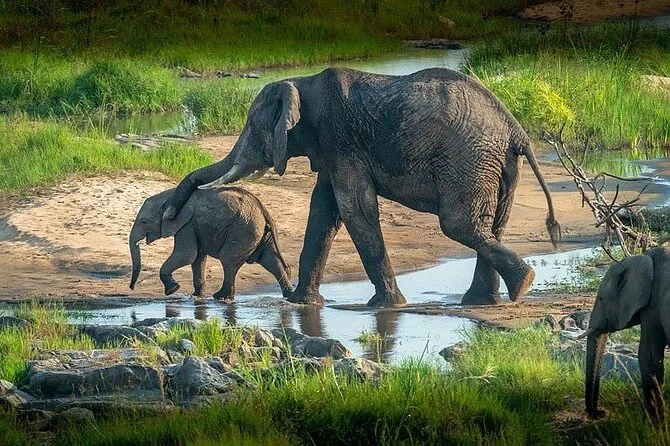
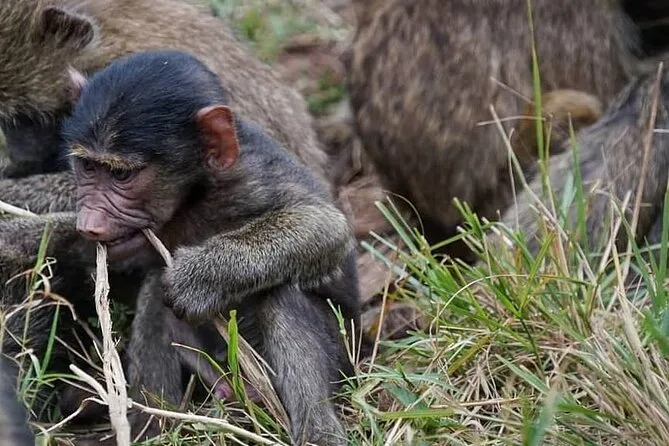
I’ll be honest, we almost missed our pickup in Arusha because I couldn’t find my other sock. Our guide, Daniel, just grinned when we finally tumbled into the jeep—he said “pole pole,” which I guess means “slowly slowly” in Swahili. That set the pace for Tarangire: baobab trees that looked like something out of a storybook, elephants everywhere (I mean everywhere), and this dusty heat that clung to your skin but somehow felt right. Lunch was under a tree with monkeys eyeing our sandwiches—one actually tried to grab mine. We laughed so hard I nearly choked.
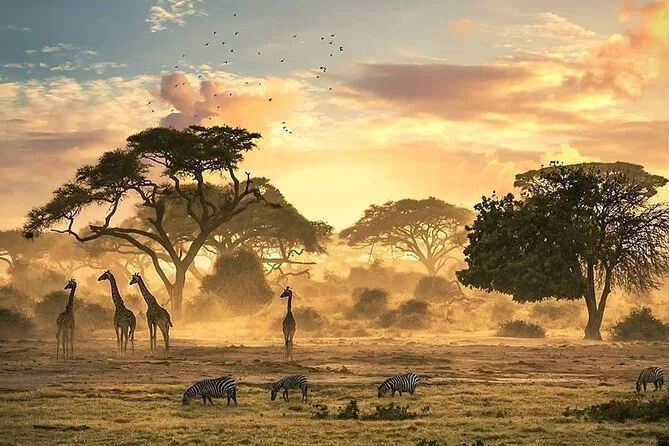
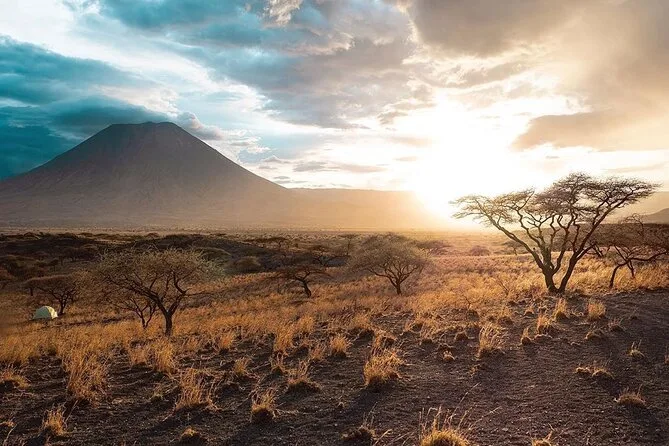
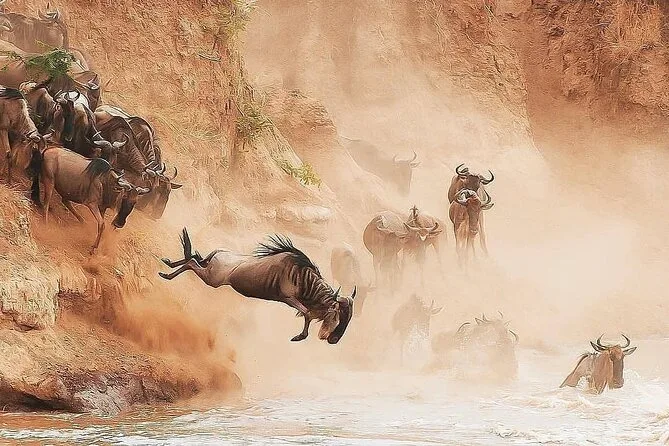
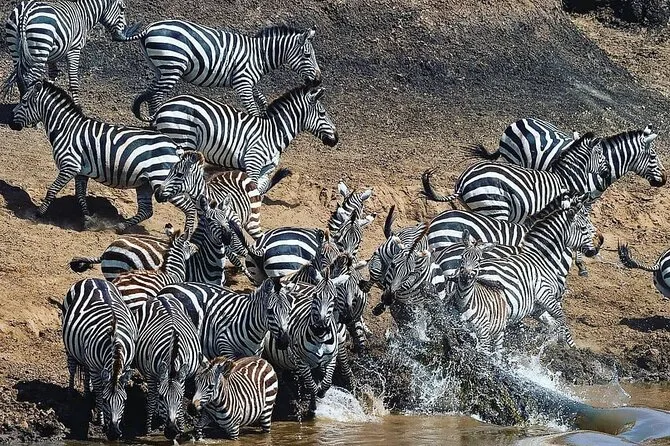
The drive to Serengeti was longer than I expected; I dozed off somewhere past Karatu’s green hills and woke up to endless golden plains. The Serengeti is… well, it’s not what you imagine from TV. It’s louder—birds calling, engines humming softly, wind whipping dust through open windows. We chased the wildebeest migration for hours with Daniel pointing out which way they’d go (“they follow the rain,” he said). At one point we stopped just to listen—the sound of a million hooves is more like thunder than anything else. Dinner at camp tasted smoky and simple; I still think about that stew sometimes.
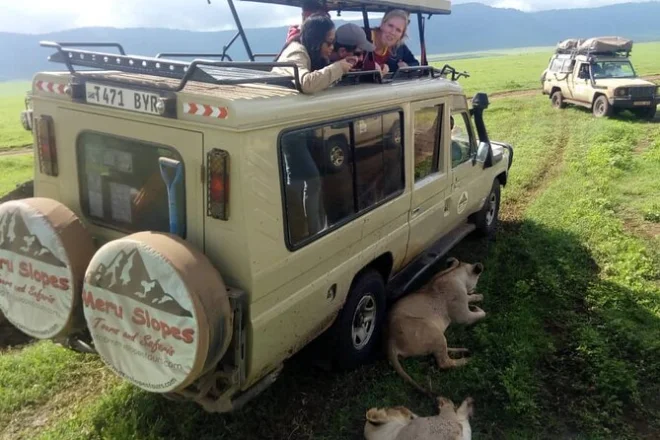
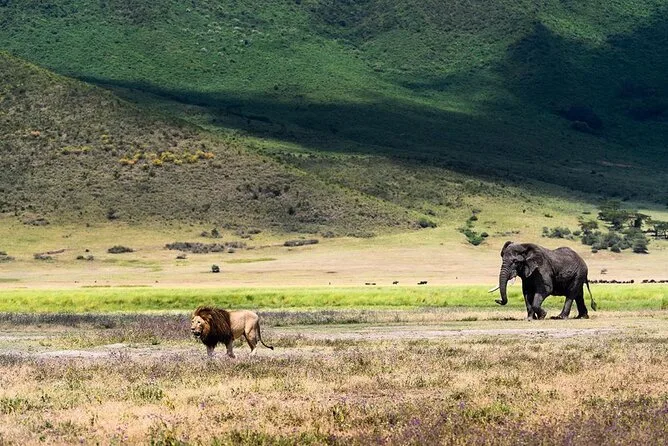
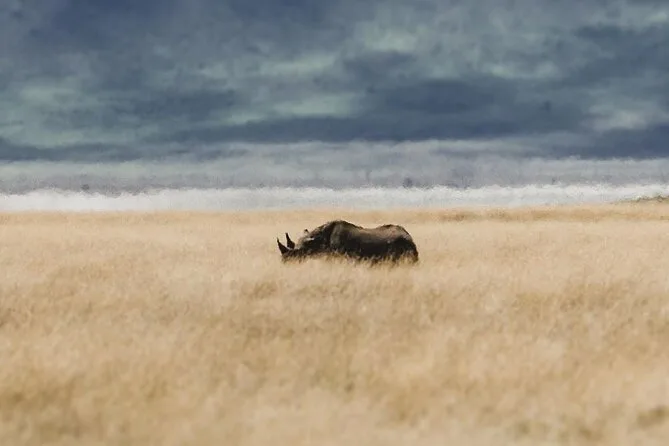
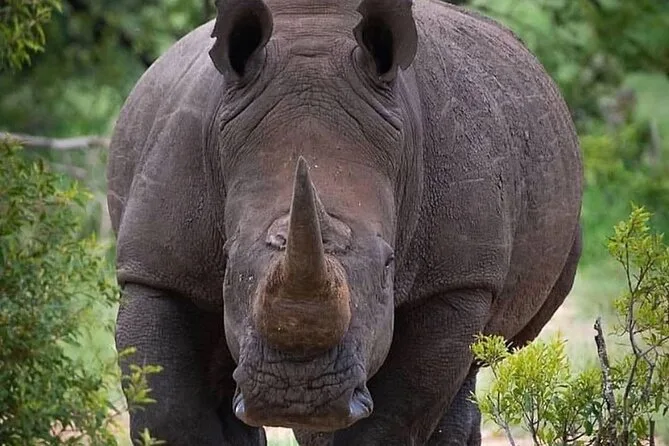
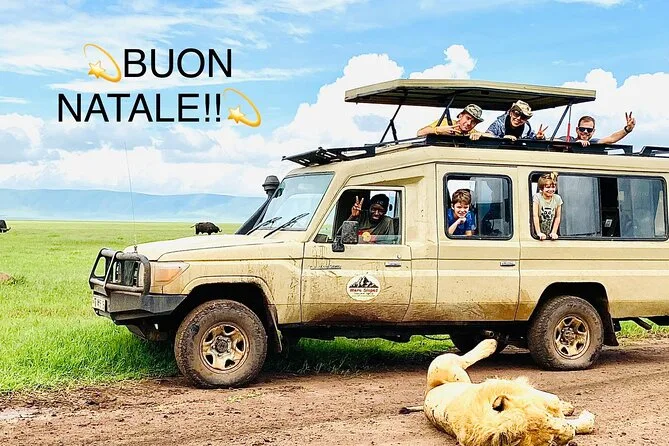
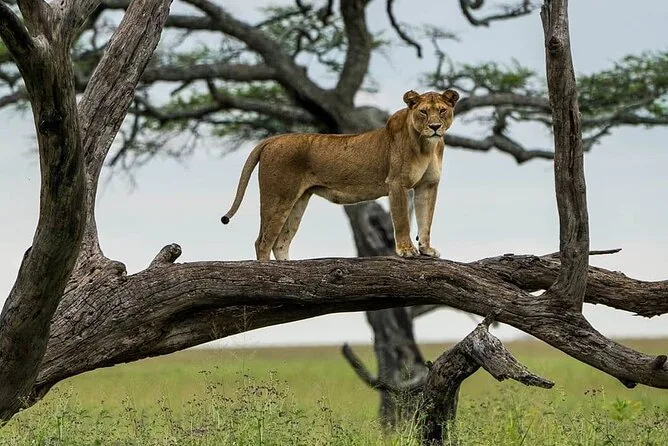
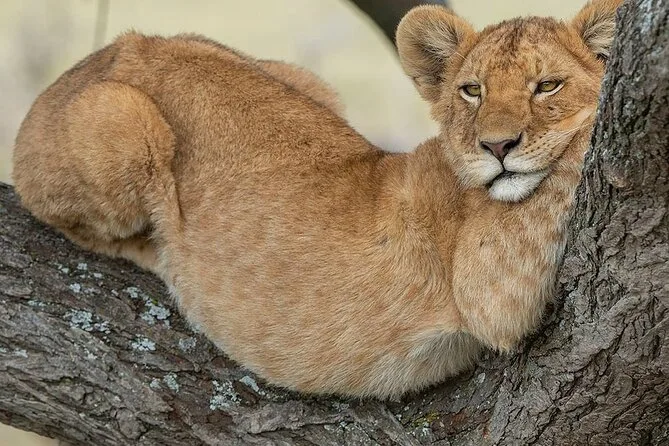
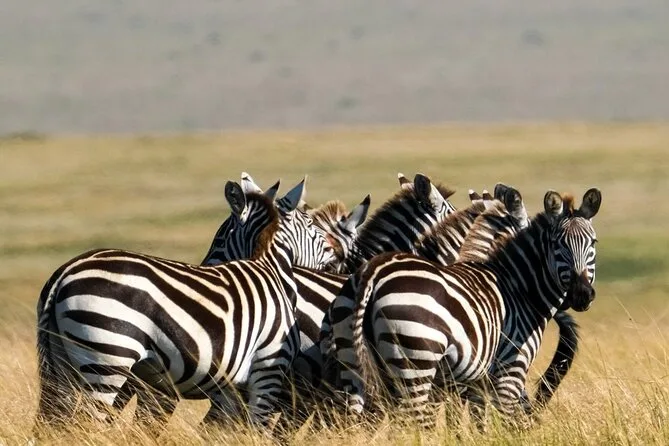
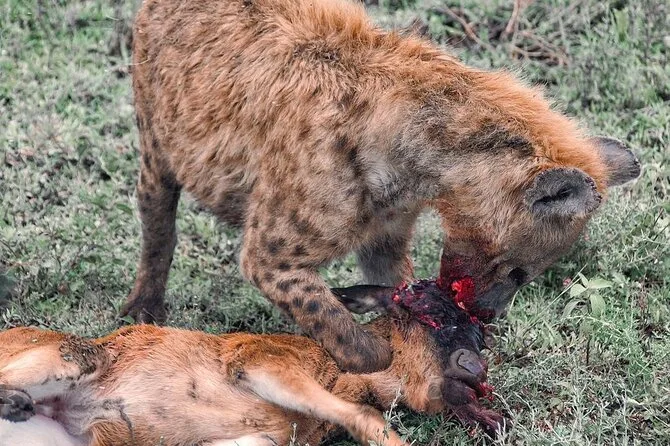
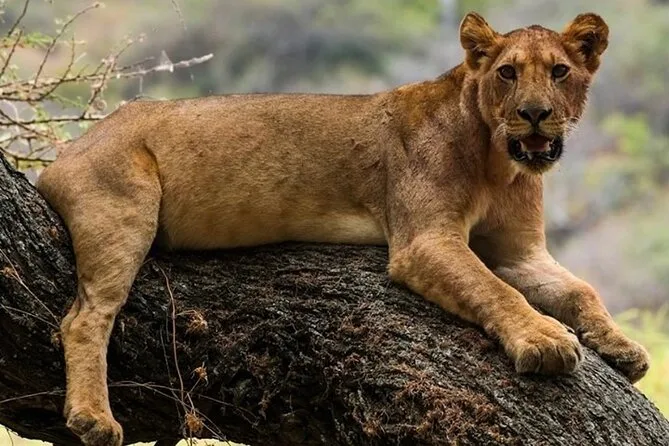
I didn’t expect mornings to be so cold. One sunrise in Ngorongoro crater had us all shivering over mugs of tea, watching light spill across the grass while hyenas yawned nearby. The crater itself feels ancient—like you’re inside some giant bowl where everything is sharper: zebra stripes, lion tails flicking in the grass, even the silence between animal calls. We saw a black rhino through tall grass (Daniel whispered “rare!”) and everyone held their breath until it vanished.
On our last day we stopped at Mto wa Mbu village. Our local guide there showed us banana plantations (so many types—I lost count), and kids waved as we passed by. He answered every question patiently—even my awkward ones about daily life here—and laughed when I tried to pronounce “asante sana.” By then, my socks were filthy and I’d lost track of time completely—which felt kind of perfect.
 5d
5d

Step-by-step itinerary
Day 1 — Arusha to Tarangire National Park
- Pick up from Arusha hotel at 8:00 AM
- Drive 3 hours to Tarangire National Park
- Full day game drive in Tarangire
- Drive to Jambo lodge for dinner and overnight
Day 2 — Tarangire to Serengeti National Park
- Breakfast at lodge
- Drive via Karatu and Ngorongoro Conservation Area
- Arrive Serengeti Seronera area for lunch
- Afternoon game drive in Serengeti until sunset
Day 3 — Serengeti Wildebeest Migration Tour
- Early breakfast
- Full day game drive following wildebeest migration
- Return to Seronera campsite for dinner and overnight
Day 4 — Serengeti to Ngorongoro Crater
- Wake early for sunrise and breakfast
- Morning game drive until 11:30 AM
- Return to campsite for hot lunch and pack
- Game drive en route to Ngorongoro Simba campsite
- Dinner and overnight at Simba campsite
Day 5 — Ngorongoro Crater to Arusha
- Early breakfast and drive down into Ngorongoro Crater
- Game viewing inside the crater
- Ascend crater walls and drive to Mto wa Mbu village
- Short village tour with local guide
- Drive to Arusha for overnight

Top questions

How long does it take to drive from Arusha to Tarangire?
It takes about 3 hours by jeep from Arusha to Tarangire.
Is accommodation included before and after the safari?
Yes, free accommodation is included for the night before and after your safari in Arusha.
Can vegetarians join this camping safari?
Yes, vegetarian options are available if you let them know when booking.
What animals can you see during this safari?
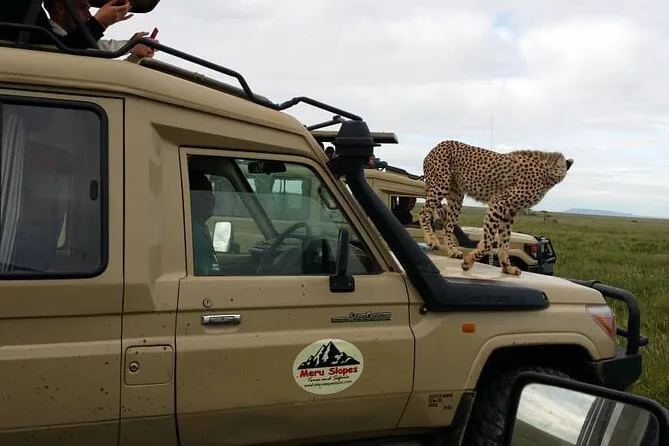
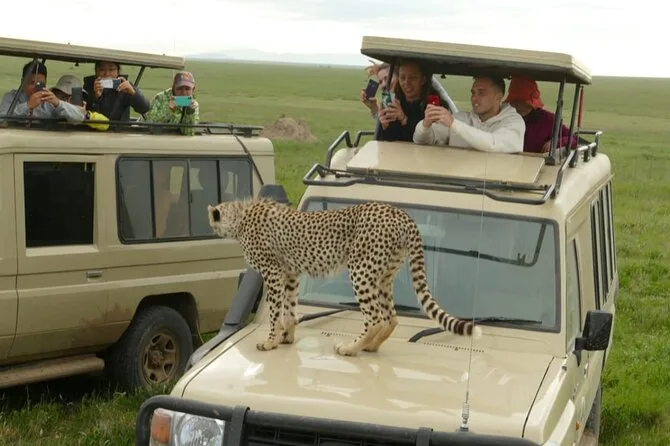
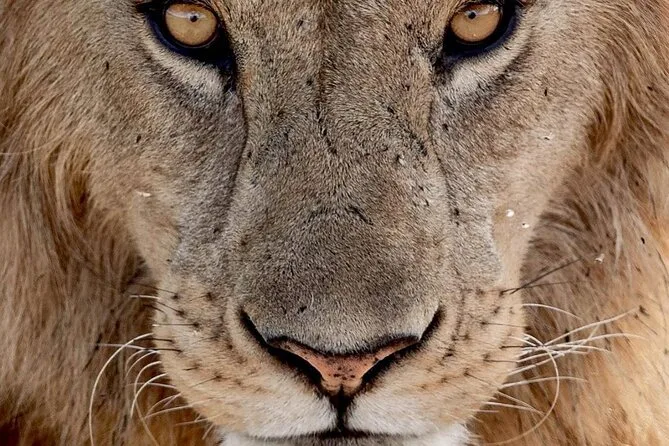
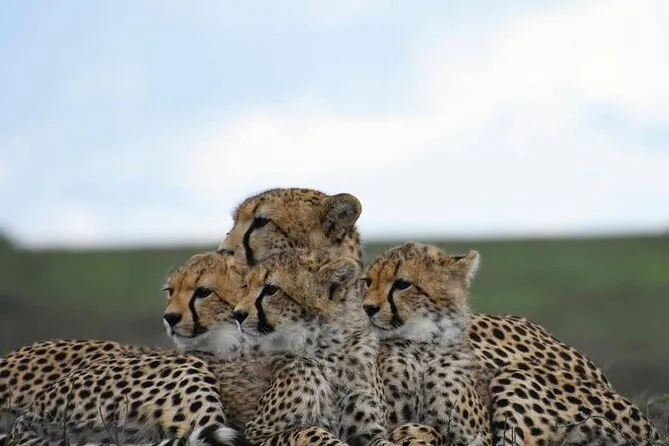
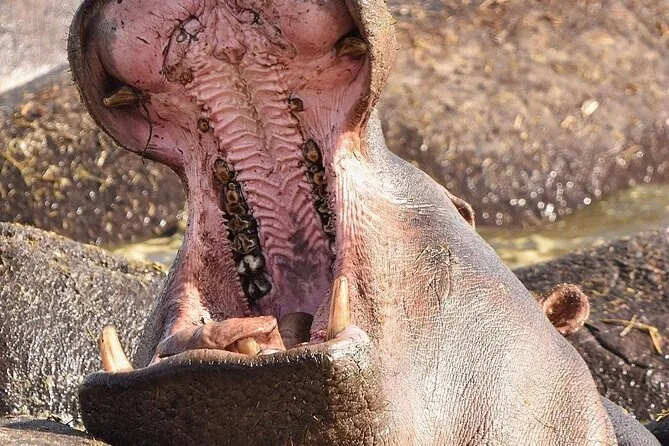
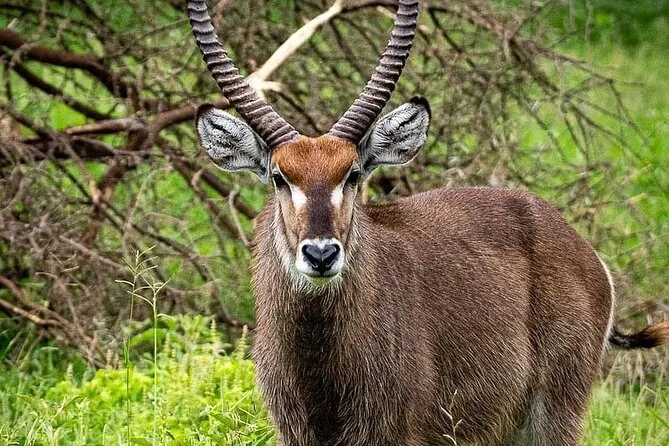
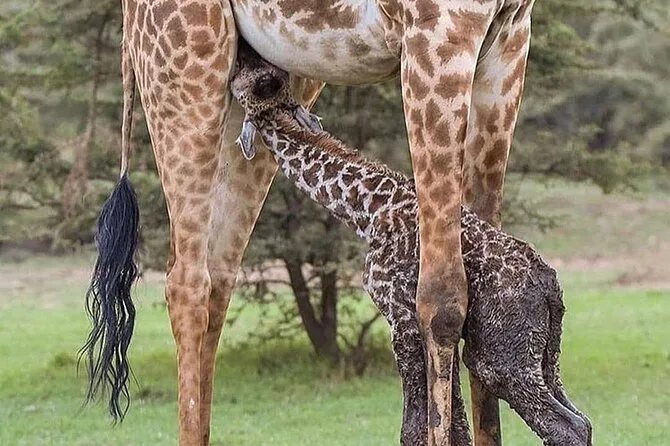
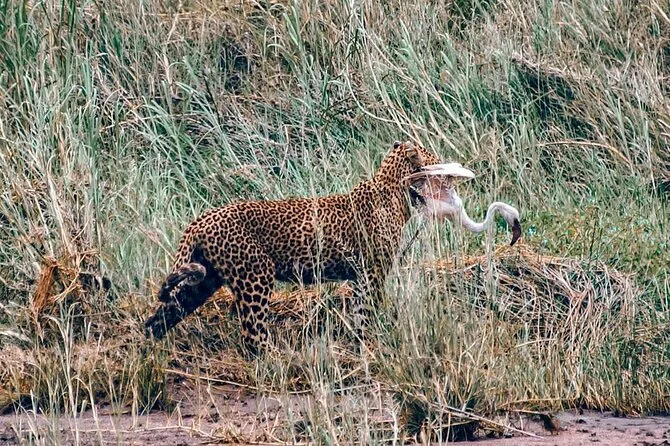
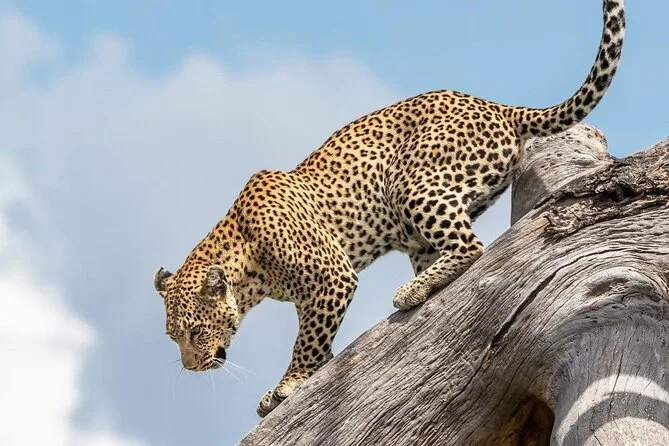
You can see elephants, lions, leopards, wildebeest migration herds, zebras, gazelles, pythons, and possibly black rhinos.
Do you visit any local villages on this tour?
Yes, there’s a visit to Mto wa Mbu village with a local guide where you see banana plantations and learn about community life.
Is water provided during the safari?
Unlimited drinking water is included throughout your tour.
Are park entry fees included in the price?
Yes, all fees and taxes are covered in your booking.
How many days do you spend in each park?
You spend one day in Tarangire, two days in Serengeti (including migration areas), and one day touring Ngorongoro crater.
Is there WiFi available during the tour?
Free WiFi is available inside the safari jeep during your trip.

What’s included
Your journey includes hotel pickup in Arusha (with free nights before and after), all park entry fees and taxes taken care of for you, unlimited drinking water throughout those bumpy game drives plus free WiFi inside your jeep so you can send photos home right away—and every meal along the way is sorted too (vegetarian options if needed). Local guides lead both wildlife safaris and village visits before dropping you back at your hotel at the end.
 Super deal
  Free booking, free cancellation.
  Don't lose your place.


 Do you need help planning your next activity?
  +507 6792-0894


