

 +507 6792-0894


Tanzania: Serengeti Migration Safari & Ngorongoro Crater Camping
















Summary
Wildebeest herds, crater sunrise, village walks and wild nights under canvas
You’ll wake up to wild sounds in Serengeti campsites, follow massive herds across open plains with your guide tracking every move, descend into misty Ngorongoro Crater for lunch among wildlife, then walk through Mto wa Mbu village tasting local food before ending at Lake Manyara watching flamingos scatter in pink clouds—there’s no way to see Tanzania quite like this.

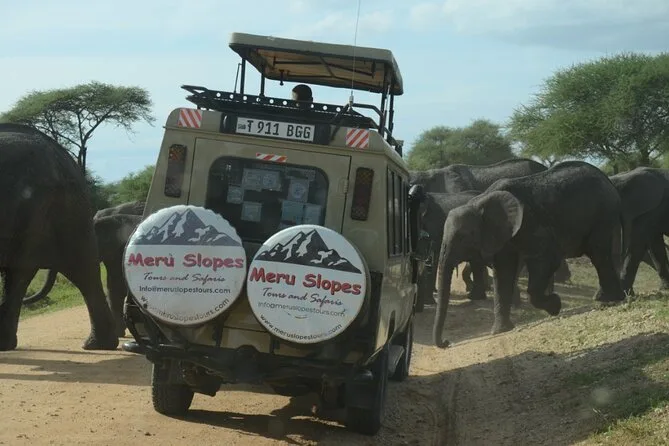
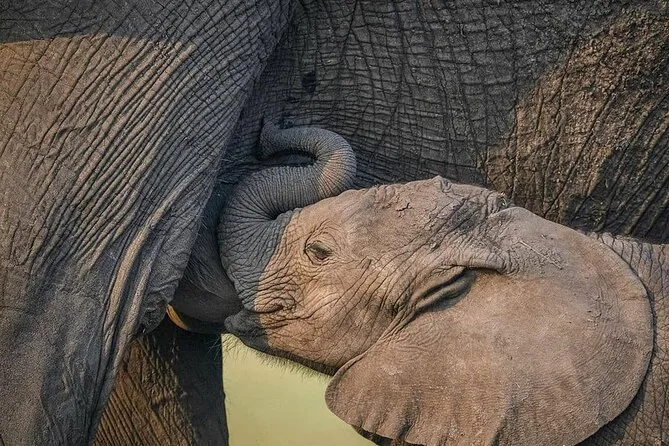
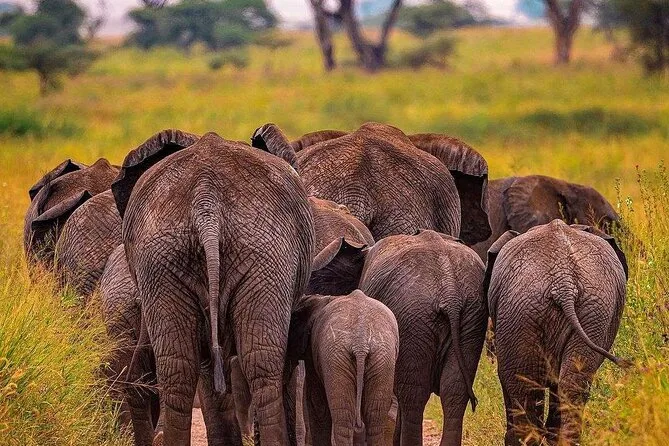
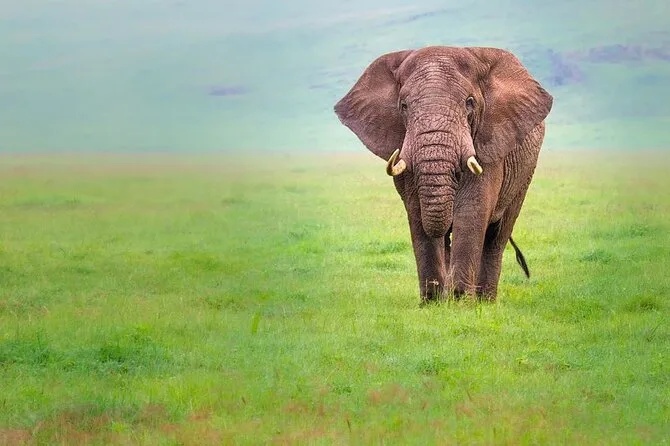
The first morning started with a scramble — I’d set my alarm for 6pm instead of 6am. So when our guide, Joseph, knocked at the door of our Arusha hotel, I was still half in my sleeping bag. He just grinned and said, “No rush, but the elephants don’t wait.” That became kind of a theme. We piled into the jeep (coffee in hand) and headed for Tarangire. The drive was longer than I thought — three hours with the windows down, dust kicking up and that dry grass smell everywhere. At one point we stopped for a herd of goats crossing the road; their bells clanged in this oddly calming way. Joseph pointed out baobab trees that looked like upside-down roots — he said they live longer than most people can imagine.
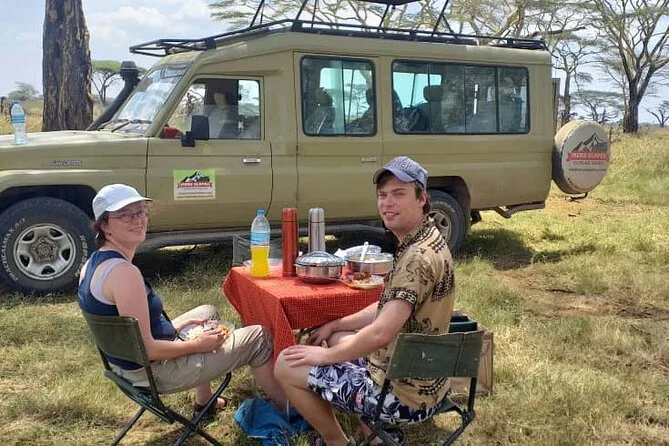
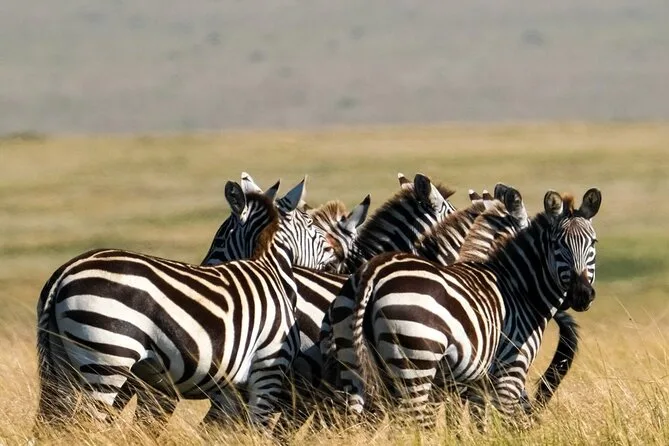
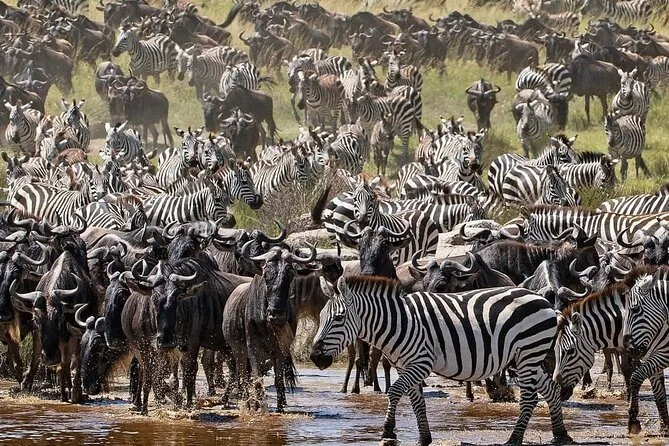
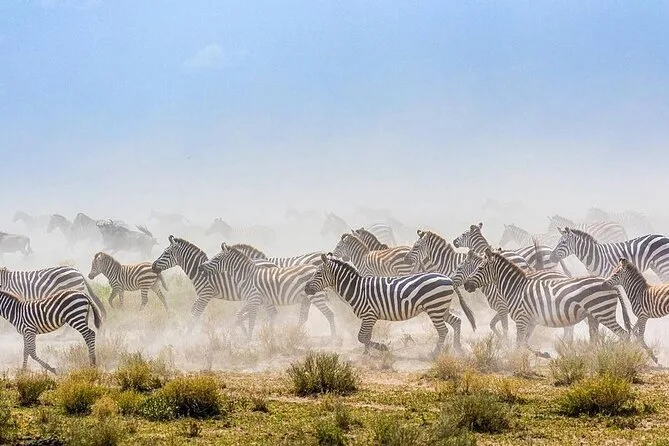
Serengeti was next — honestly, I’d seen so many photos before but nothing really prepares you for how wide it feels. We ate lunch out of the back of the jeep while watching zebras flick flies off each other’s tails. The main thing everyone talks about is the wildebeest migration, right? But what got me was the sound: thousands of hooves thumping over cracked earth, and this low grumbling noise they make when they’re bunched together. Joseph kept checking his radio for updates from other guides to track where the herds were moving that day. He seemed genuinely excited every time we spotted another group (“Look! There!”), which made me feel like it wasn’t just a job for him.
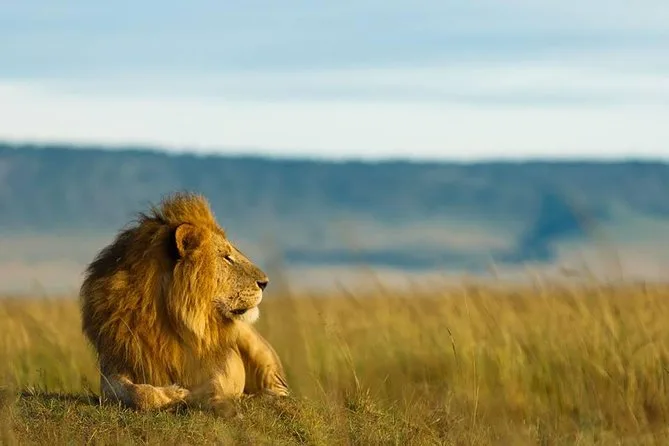
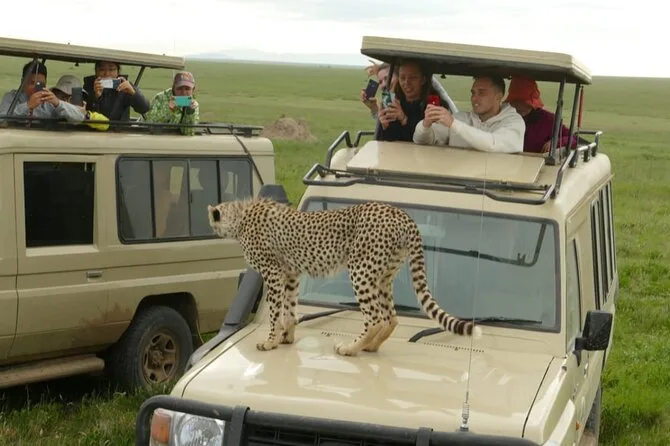
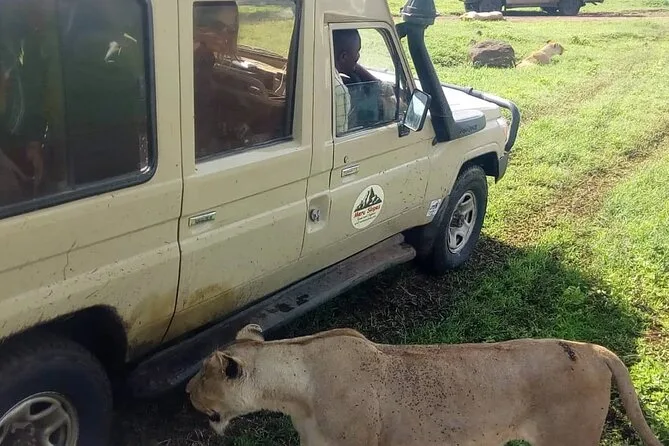
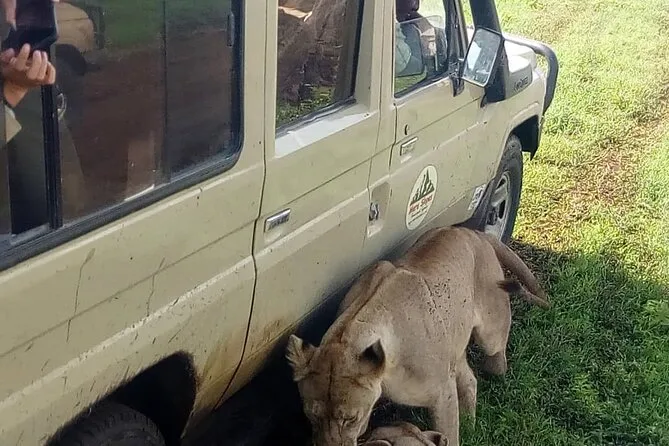
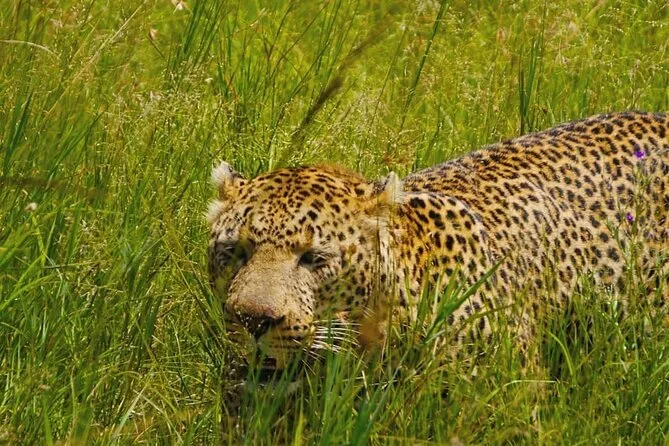
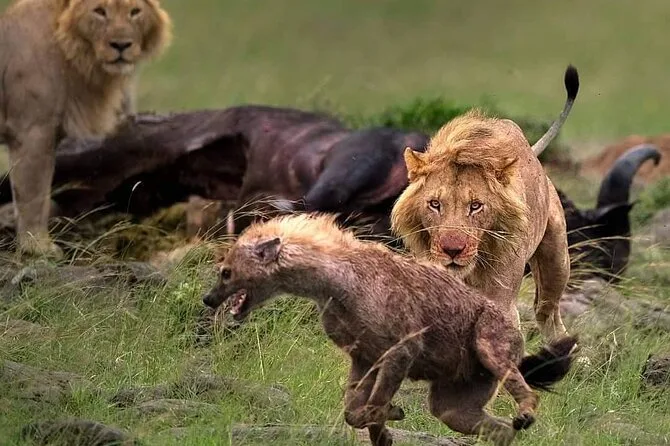
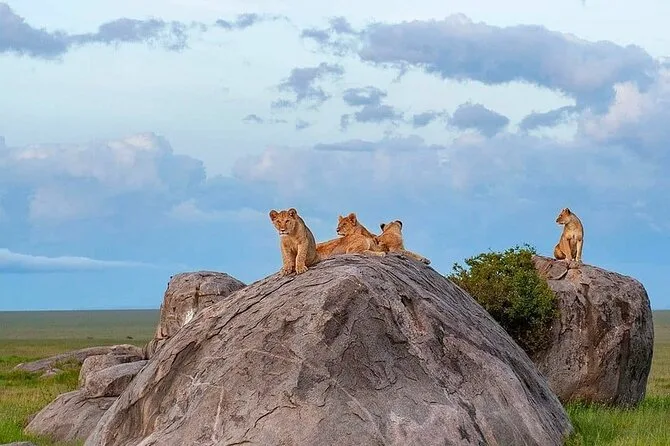
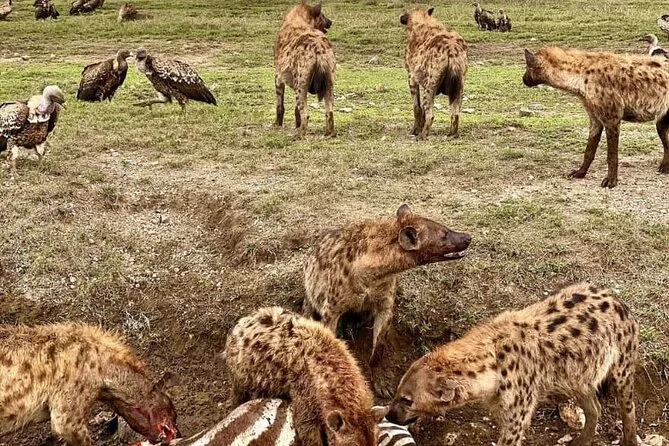
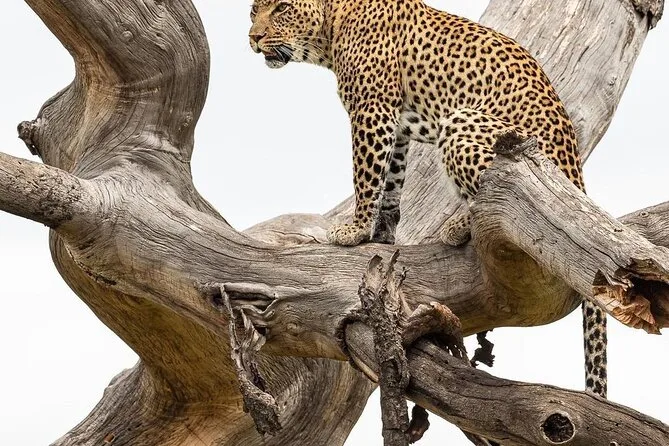
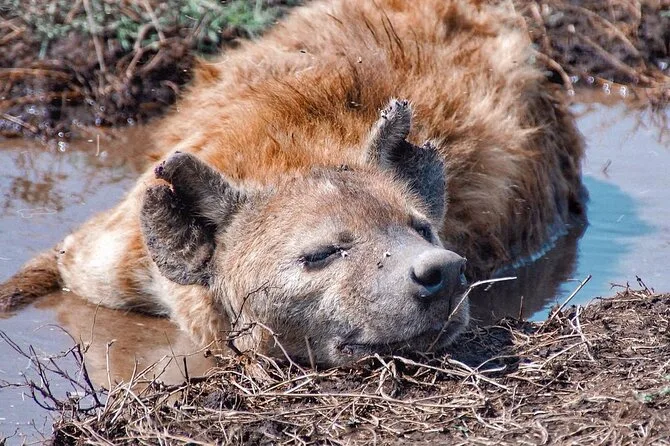
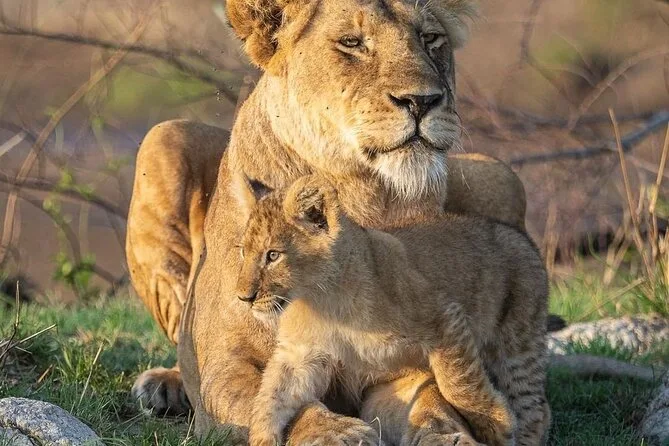
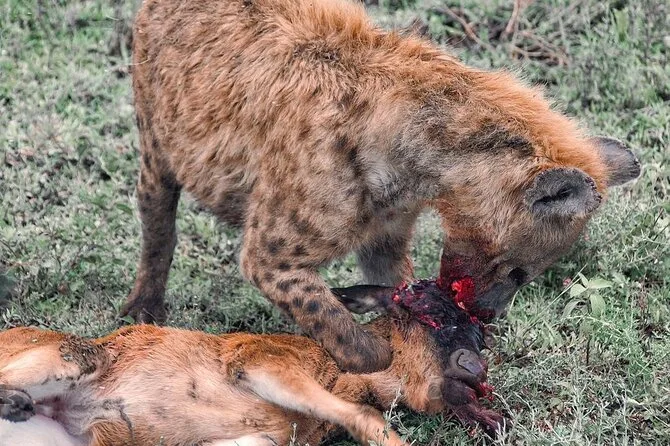
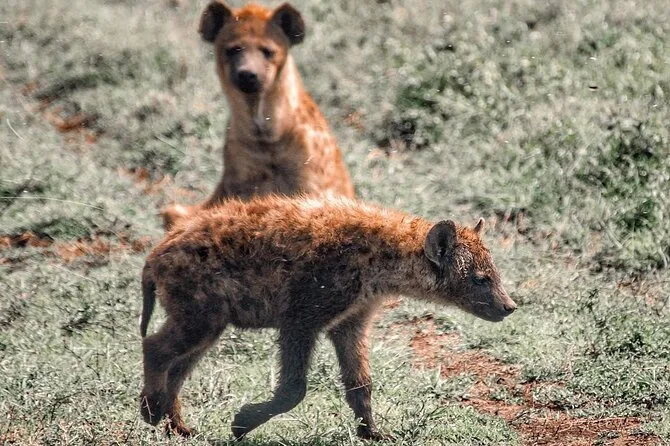
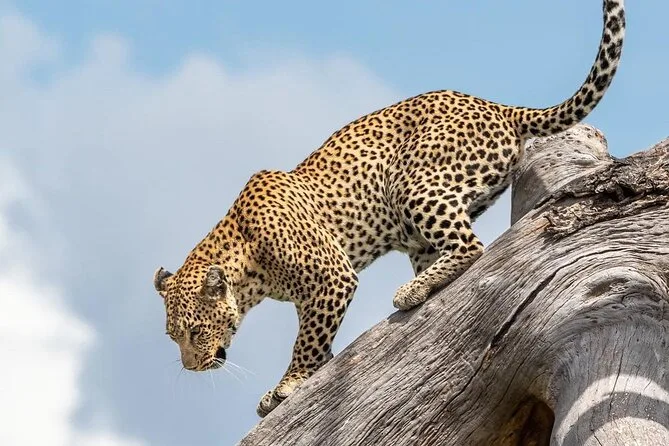
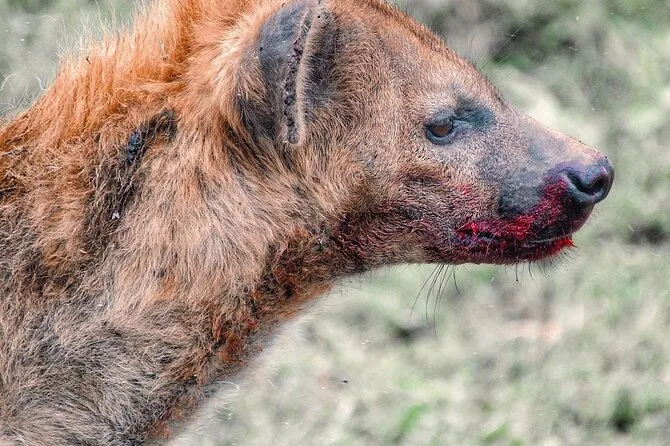
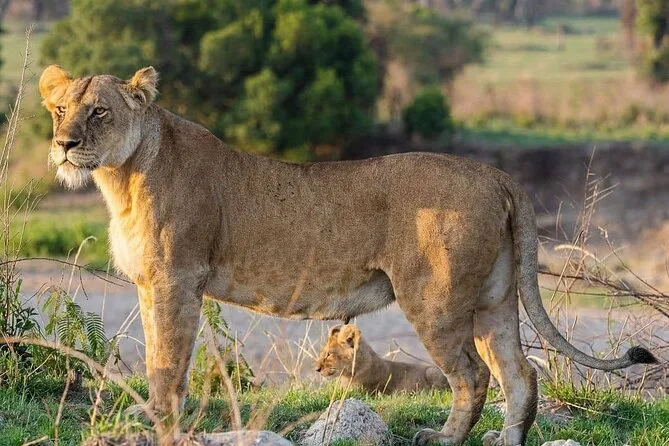
Camping in Seronera was… let’s say rustic. The showers were cold and at night you could hear hyenas whooping somewhere not far from our tents. One morning I woke up before sunrise and just sat outside with tea (they always had hot water ready somehow), watching light creep over the plains. It’s weird how quickly you get used to sleeping on hard ground when there’s so much to see during the day — lions lounging under acacias, giraffes chewing leaves sideways, even a python draped across a branch (I nearly missed it until Joseph pointed). The keyword “Tanzania budget camping safari” doesn’t really capture how alive everything feels out there.
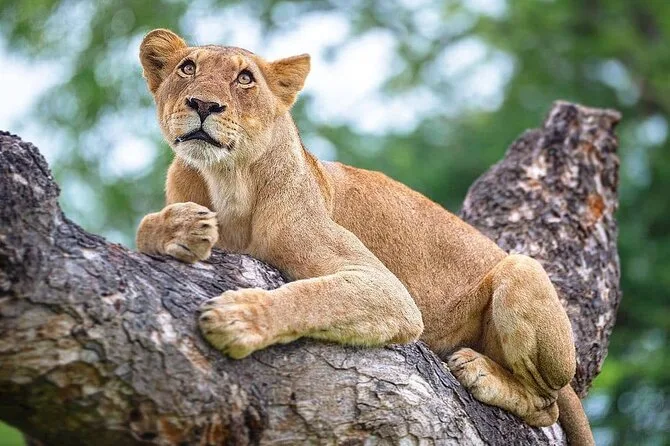
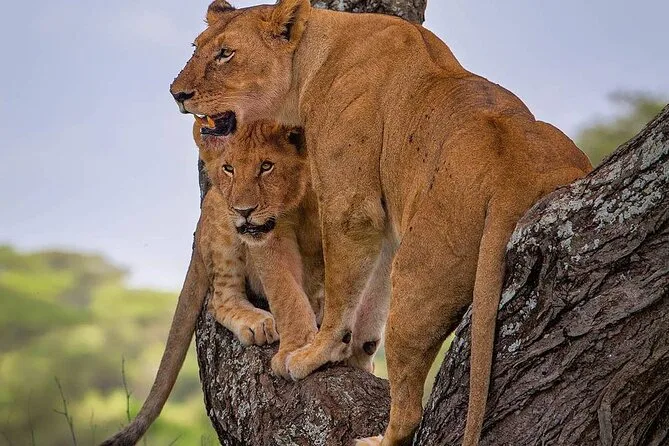
Ngorongoro Crater is something else entirely — descending into it felt like entering a lost world. Mist hung over everything and buffalo grazed so close you could see their breath in the cool air. Lunch inside the crater meant sandwiches with flamingos strutting by on one side and a couple of curious warthogs on the other. Later we visited Mto wa Mbu village; kids waved as we walked past banana plantations and tried ugali with beans (I definitely didn’t master eating it without a fork). Our last stop was Lake Manyara — more flamingos, tree-climbing lions (though we only saw one sprawled on a branch), and finally back to Arusha with dust still stuck behind my ears.
 6d
6d

Step-by-step itinerary
Day 1 — Arusha to Tarangire National Park
- Pick up from Arusha hotel at 8:00 AM
- Drive 3 hours to Tarangire National Park
- Full day game drive in Tarangire
- Drive to Jambo Lodge for dinner and overnight
Day 2 — Tarangire to Serengeti National Park
- Have breakfast and pack luggage
- En-route game drive to Serengeti with lunch in jeep
- View Rift Valley and Ngorongoro Crater
- Arrive Serengeti around 3 PM
- Evening game drive in central Serengeti
- Dinner and overnight at Seronera campsite
Day 3 — Serengeti Wildebeest Migration Tour
- Early breakfast
- Full day game drive following wildebeest migration
- Dinner and overnight at Seronera campsite
Day 4 — Serengeti to Ngorongoro
- Wake early for sunrise and breakfast
- Morning game drive until 11:30 AM
- Return to campsite for hot lunch and pack
- Game drive en-route to Ngorongoro
- Dinner and overnight at Simba campsite
Day 5 — Ngorongoro to Mto wa Mbu and Lake Manyara
- Early breakfast
- Descend to Ngorongoro Crater floor for game drive
- Lunch inside crater watching wildlife
- Ascend from crater and pack at campsite
- Drive to Mto wa Mbu village
- Walking cultural tour in Mto wa Mbu
- Dinner and overnight at Jambo Lodge
Day 6 — Lake Manyara to Arusha
- Breakfast
- Full day game drive in Lake Manyara National Park
- Visit hot spring
- Visit Maasai boma cultural tour
- Drive back to Arusha for dinner and overnight

Top questions

How long does this Tanzania budget camping safari last?
The safari lasts 6 days including all major parks and activities.
Is hotel pickup included?
Yes, pickup from your Arusha hotel is included at the start of the tour.
Do I get to see the Serengeti wildebeest migration?
Your guide will track current locations of the migration so you have a strong chance to see it during your trip.
Are meals provided during the safari?
Yes, all meals as per itinerary are included throughout your 6-day safari.
What kind of accommodation is used?
You’ll stay at campsites inside or near each park plus two nights’ hotel accommodation in Arusha town.
Can children join this safari?
Yes, children can join but must be accompanied by an adult.
Is WiFi available during the tour?
Free WiFi is available inside your safari jeep during game drives.
Which parks are visited on this tour?
You’ll visit Tarangire, Serengeti (for migration), Ngorongoro Crater, Lake Manyara plus Mto wa Mbu village.
Are park entry fees included?
All taxes, fees and park entry charges are covered in your booking price.

What’s included
Your days include hotel pickup and drop-off in Arusha, all park entry fees and taxes handled upfront so you don’t have to worry about them later; unlimited mineral water throughout those dusty drives; coffee or tea every morning (lifesaver); free WiFi in your safari jeep; professional local guides who actually listen to what you want to see; six nights’ accommodation split between campsites near wildlife action and hotels in town; plus all meals as laid out in your itinerary—so you can focus on tracking lions or trying ugali instead of logistics.
 Super deal
  Free booking, free cancellation.
  Don't lose your place.


 Do you need help planning your next activity?
  +507 6792-0894


