


Serengeti & Ngorongoro: 7-Day Great Migration Safari Drive





Summary
Wildebeest herds, Maasai lands, flamingos at Lake Natron and crater rim nights
You’ll follow wildebeest across open plains, walk with Maasai guides along Lake Natron’s pink shores, watch sunrise spill into Ngorongoro Crater, and share quiet moments with Hadzabe hunters near Lake Eyasi. This isn’t just wildlife spotting — it’s long drives full of stories, laughter around campfires, and those small surprises you only get when someone local leads the way.

“You see that mountain?” our driver grinned, pointing through the dusty window as we rattled north from Arusha. “Ol Doinyo Lengai — Mountain of God.” It looked like it was floating above the Rift Valley, all sharp edges and a weirdly calm presence. The air smelled faintly of woodsmoke and something mineral. We’d barely started this seven-day Serengeti safari and already I felt out of place in the best way. Past Maasai herders in their bright wraps, we bumped along toward Lake Natron — that’s where the flamingos gather. Our guide Musa said there were millions but I thought he was exaggerating until we got close enough to hear them squabbling over the shallows, pink against the almost-white crust. I still think about that sound.
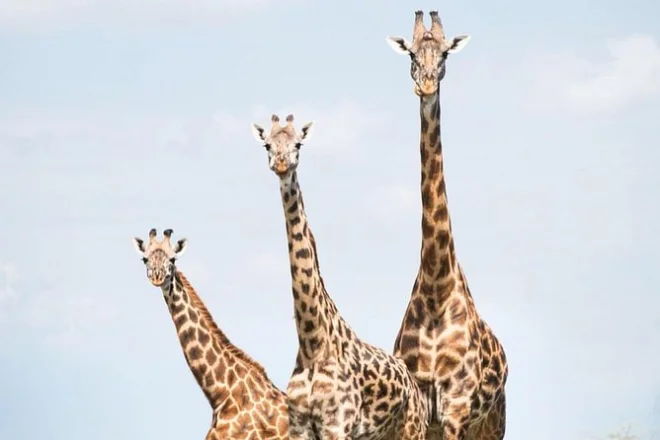
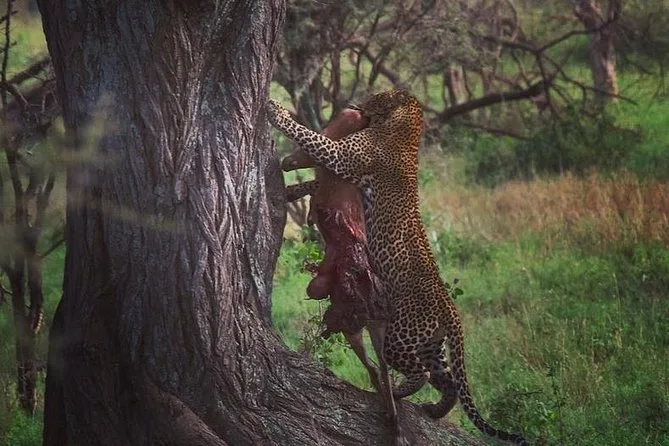
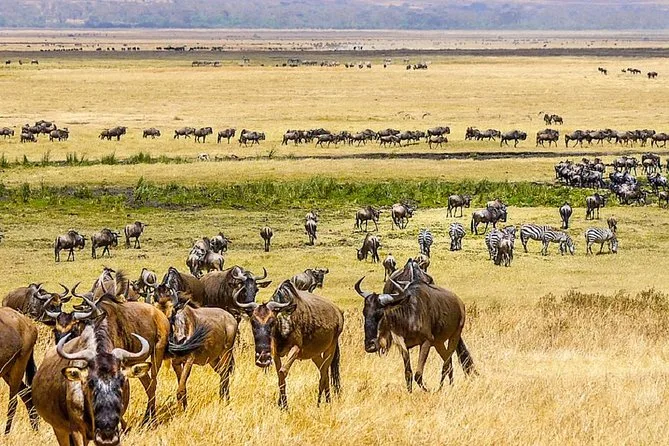
The drive up to northern Serengeti is long — not gonna lie, my legs cramped up a bit — but you can’t really complain when giraffes just wander past or you spot a leopard draped over a branch. We stopped for picnic lunches (the bread always kind of dry but honestly, who cares) and watched for wildebeest herds kicking up dust in Lobo. Musa explained how the migration shifts with the seasons; between October and December they cross back south, so if you’re lucky you catch that wild rush. Some moments are loud — engines idling, birds yelling — but then there’s these sudden silences when everyone’s watching a lion move through grass taller than me.
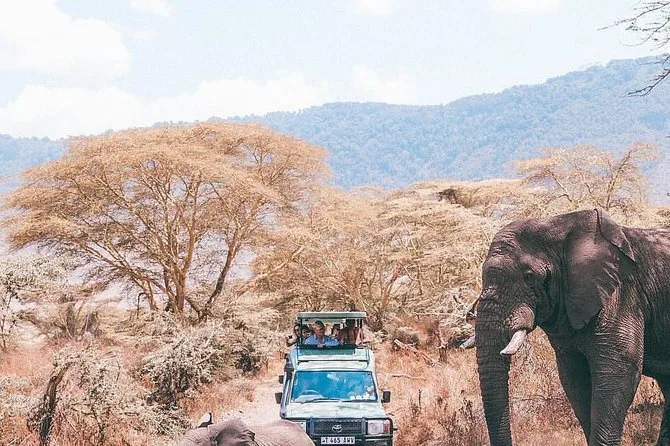
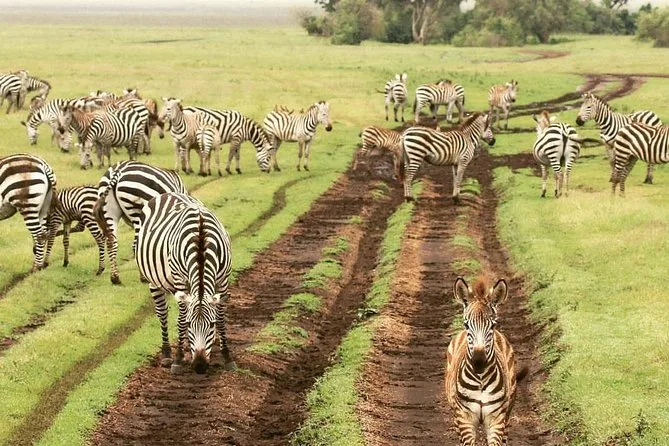
Central Serengeti felt different: more cars sometimes, but also more stories. Musa quizzed us on gazelles (I failed), and once we waited nearly an hour for a cheetah to stand up from its nap. At night in the tented lodges I’d hear hyenas whooping somewhere far off. The crater rim at Ngorongoro is cold — bring an extra layer — but waking up to mist curling inside that vast bowl is something else entirely. That’s where I realized how much life fits into one view: buffaloes munching near zebras while elephants trundle by like it’s no big deal.
Lake Eyasi was quieter, almost gentle after all that animal drama. We met Hadzabe hunters at sunrise; their laughter made me feel clumsy with my bow (they were polite about it). There’s this smoky smell from their fires and everything feels slower somehow. On our last evening drive back to Arusha, I kept thinking about how many names I’d learned for places I’d never even heard of before this trip — and how none of my photos quite catch what it felt like to be out there with dust on your shoes and nothing scheduled except whatever comes next.
 8d
8d

Step-by-step itinerary
Day 1 — Arusha to Lake Natron
- Pick up from airport or lodge
- Drive off-the-beaten-track to Lake Natron
- Pass through Masai land and see Ol’doinyo Lengai
- Visit Masai village Ngare Sero
- Guided bush walk to Lake Natron
- Optional walk to nearby waterfall
- Overnight at Lake Natron Tented Camp
Day 2 — Lake Natron to Northern Serengeti
- Early drive north with serpentine turns
- View Lake Natron before leaving Rift Valley
- Pass village of Wasso
- Enter Serengeti at Kleins Gate
- First game drive in Lobo area
- Overnight at Lobo Wildlife Lodge
Day 3 — Game viewing in Northern Serengeti
- Full day game drive in Northern Serengeti
- Observe migratory herds and resident wildlife
- Overnight at Lobo Wildlife Lodge
Day 4 — Seronera Valley wildlife viewing
- Morning drive to Central Serengeti
- Wildlife observation in Seronera Valley
- Learn to distinguish gazelle species
- Overnight at Ang'ata migration Tented Lodge
Day 5 — Serengeti to Ngorongoro Crater
- Morning game drive in Serengeti
- Drive to Ngorongoro Conservation Area
- Learn about Ngorongoro’s topography and culture
- Overnight at Ang'ata Ngorongoro Tented Lodge
Day 6 — Ngorongoro Crater to Lake Eyasi
- Drive along crater rim to Seneto Gate
- Descend into Ngorongoro Crater floor
- Game viewing including Big Five and rhinos
- Drive to Lake Eyasi
- Overnight at Lake Eyasi Safari Lodge
Day 7 — Lake Eyasi to Arusha
- Visit Hadzabe and Datoga villages
- Participate in traditional dances and crafts
- Learn about hunting and gathering lifestyle
- Drive to Arusha
- Overnight at Arusha Tourist Inn Hotel

Top questions

Is airport pickup included in this Serengeti safari?
Yes, roundtrip airport transfer is included at the start or end of your tour.
Do we visit both Serengeti & Ngorongoro Crater?
Yes, the itinerary includes time in both Serengeti (north & central) and Ngorongoro Conservation Area.
Are meals provided during the safari?
Breakfasts, picnic lunches, and dinners are included each day.
Can I join local cultural activities during this tour?
Yes, visits to Hadzabe and Datoga communities near Lake Eyasi are part of the experience.
What kind of accommodations are used?
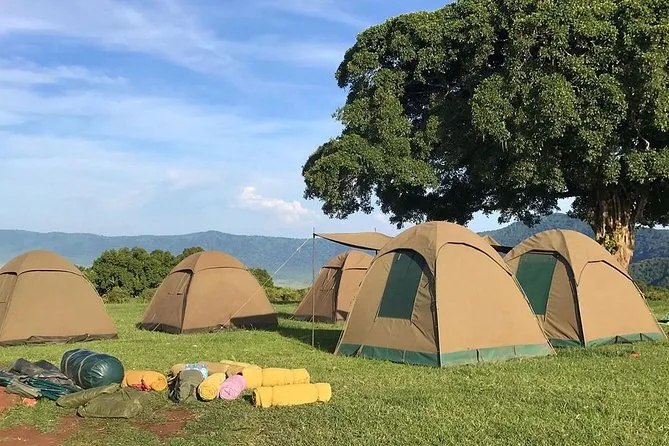
You’ll stay in private lodges or tented camps throughout the 7 days.
Is this safari suitable for travelers with health issues?
This tour isn’t recommended for those with spinal injuries or poor cardiovascular health.
Will we see flamingos at Lake Natron?
If timing is right, you’ll see thousands breeding on Lake Natron’s alkaline shores.
Are guided walks included?
A guided bush walk at Lake Natron is included; other walks depend on location & safety conditions.

What’s included
Your week includes private transportation across Tanzania’s wild north with professional driver-guide support every step; use of binoculars; all lodging in tented camps or lodges; roundtrip airport transfers; three meals daily (including picnic lunches); guided bush walks at Lake Natron; game drives through Serengeti and Ngorongoro; village visits at Lake Eyasi; plus all necessary equipment for camping or activities as needed before returning to Arusha in the evening.
 Super deal
  Free booking, free cancellation.
  Don't lose your place.


 Do you need help planning your next activity?


