

 +507 6792-0894


Kilimanjaro: Machame route trek with local guide & meals


Summary
Six days on Kilimanjaro’s Machame route—mud, laughter, and sunrise at the roof of Africa
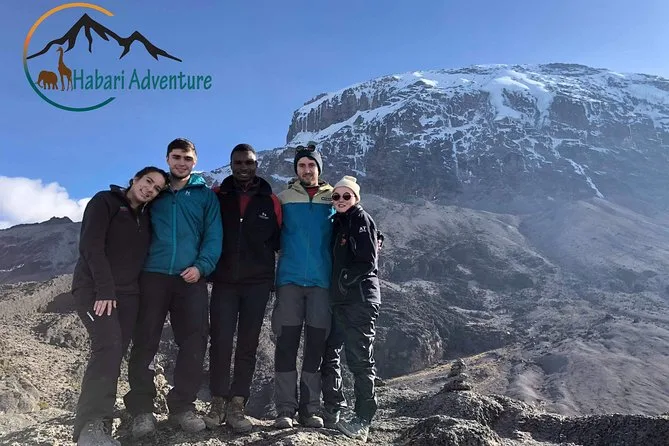
You’ll trek through Kilimanjaro’s shifting landscapes—from thick rainforest to alpine desert—guided by locals who know every twist of the trail. Expect muddy boots, shared jokes over camp dinners, sunrise above Africa from Uhuru Peak, and that strange mix of exhaustion and joy you’ll remember long after coming down.

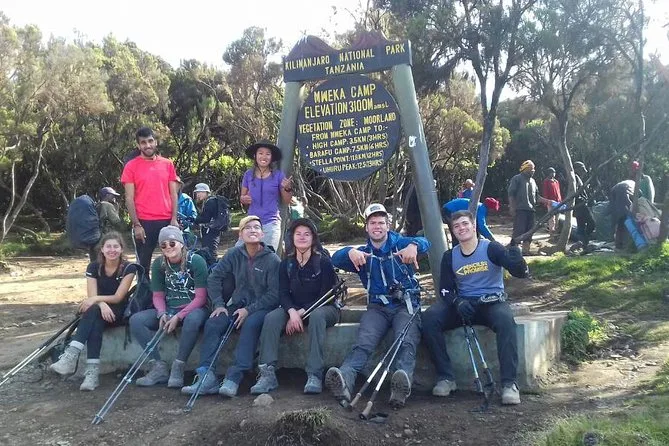
We started out from Moshi just after breakfast, still half-asleep when our driver pulled up. The road to Machame Gate wound through fields of banana and coffee — I remember the smell, earthy and sweet, drifting in through the open window. Our guide, Joseph, pointed out the Chagga farmers working early. He joked that if we walked as fast as them, we’d be at the summit by lunch. I laughed but honestly felt a bit nervous looking up at the clouds hiding Kilimanjaro’s peak. At the gate there was paperwork (and a lot of chatter in Swahili), then suddenly we were off into the rainforest. It was humid and green and louder than I expected — birds everywhere, boots squelching in mud. Lunch was a sandwich eaten sitting on a mossy log; my hands were already dirty but I didn’t care.
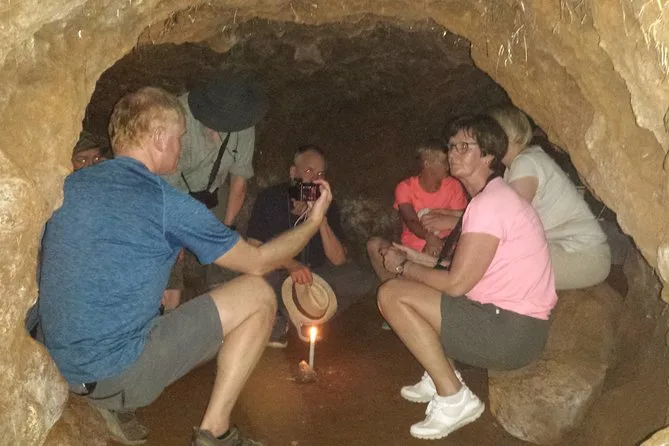
The second day felt different — colder air, less jungle, more rocks underfoot. We climbed out of the trees into moorland where everything looked faded by sun and wind. Joseph knew every plant; he stopped to show us this tiny purple flower (I forgot the name) that only grows here. The group got quieter as we climbed higher — maybe saving breath or just thinking about what lay ahead. By Shira Cave Camp that night my legs were jelly but dinner tasted better than anything I’d had in months. There was this moment before bed when the sky cleared and you could see stars like someone spilled salt across black velvet — cheesy but true.
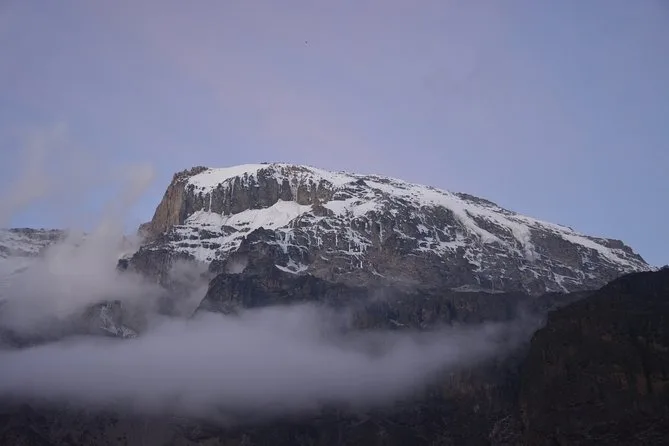
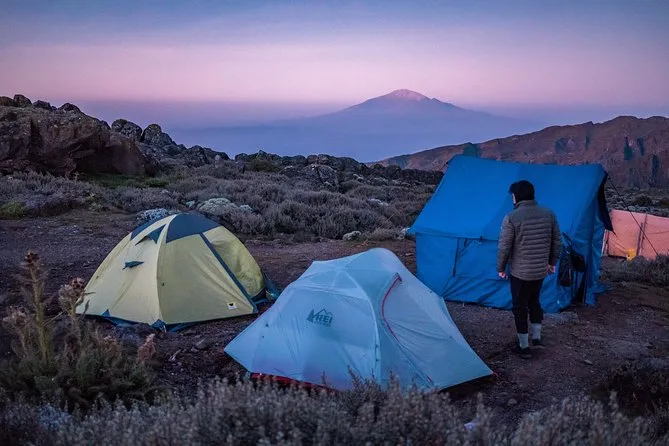
The day we crossed to Barranco Camp was long — up past Lava Tower where my head throbbed a little from altitude (Joseph checked our oxygen levels with this finger-clip thing). The landscape turned almost lunar: dust, boulders, not much else except these weird giant groundsels that looked like something Dr. Seuss would draw. That night waiting for dinner I watched clouds pour over Barranco Wall below us; it felt both huge and strangely quiet up there.
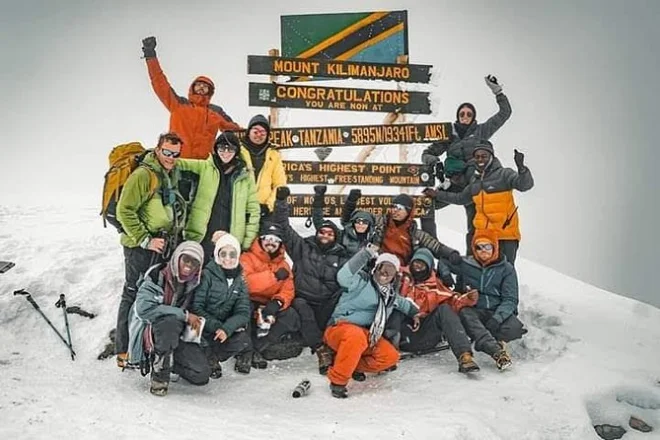
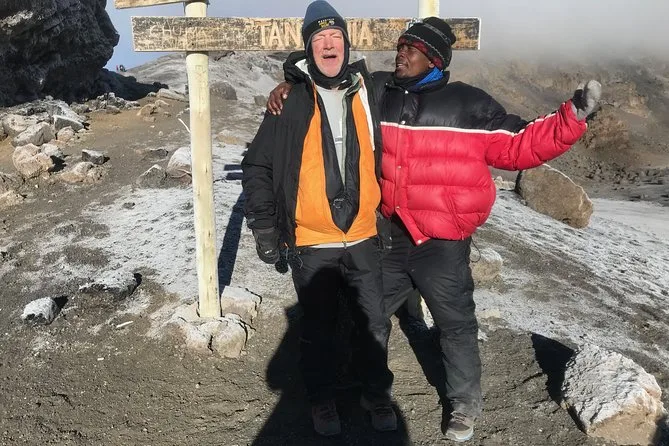
Summit day is still kind of a blur for me. We woke at midnight for tea and cookies (I barely managed either), then started climbing by headlamp in single file — just boots crunching on scree and Joseph’s calm voice now and then: “Pole pole.” Slow slow. Sunrise hit us right at Stella Point; I actually cried a little from relief or exhaustion or both, not sure which. Uhuru Peak itself was freezing and crowded but also… peaceful? Everyone hugging strangers, taking photos with numb fingers before heading down again fast because your brain is just done by then.
The last morning walking back through rainforest to Mweka Gate felt like waking from a dream — legs wobbly, face dirty, but so happy to see trees again. When they handed me my certificate I laughed because it felt both official and totally unreal at once. If you’re thinking about doing the Machame route Kilimanjaro climb with a local guide… well, just know it’s hard but somehow worth every muddy sock.
 6d
6d

Step-by-step itinerary
Day 1 — Machame Gate to Machame Camp
- Hike through montane forest to Machame Camp
Day 2 — Machame Camp to Shira Cave Camp
- Hike through moorland to Shira Cave Camp
Day 3 — Shira Cave Camp to Baranco Camp
- Hike alpine desert to Lava Tower and descend to Baranco Camp
Day 4 — Barranco Camp to Barafu Camp
- Climb Barranco Wall and hike to Barafu Camp
Day 5 — Barafu Camp to Uhuru Peak and Millenium Camp
- Summit Uhuru Peak and descend to Millenium Camp
Day 6 — Millennium Camp to Mweka Gate
- Descend through moorland and rainforest to Mweka Gate

Top questions

How many days does the Machame route Kilimanjaro climb take?
The Machame route trek takes 6 days from start to finish.
Are meals included during the Kilimanjaro trek?
Yes, all meals—breakfast, lunch, and dinner—are included each day on the trek.
Is hotel pickup provided for this tour?
Yes, private transportation picks you up from your hotel before starting the climb.
What is the highest point reached on this trek?
The highest point is Uhuru Peak at 5,895 meters above sea level.
Do local guides lead the Machame route tour?
Yes, experienced local guides from Tanzania lead every group on this trek.
Is special equipment provided for climbing Kilimanjaro?
Mountain equipment such as oxygen tanks and first aid kits are provided during the tour.
What kind of terrain will I hike through?
You’ll cross rainforest, moorland, alpine desert zones—and rocky ridges near glaciers.
Is this tour suitable for beginners?
A moderate level of physical fitness is required; it’s not recommended for those with poor cardiovascular health.

What’s included
Your six-day journey includes private hotel pickup and drop-off in Moshi or Arusha, all meals prepared fresh along the trail (breakfasts, lunches—even tea at midnight before summit), expert local guides trained in safety with oxygen and first aid gear always on hand; plus mountain equipment provided throughout your climb.
 Super deal
  Free booking, free cancellation.
  Don't lose your place.


 Do you need help planning your next activity?
  +507 6792-0894


