
6 Days Budget Tanzania Camping Safari: Tarangire, Serengeti & Ngorongoro

Affordable Tanzania Camping Safari: Wildlife & Adventure
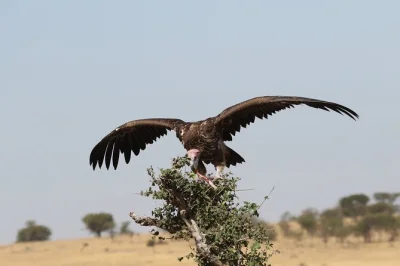
If you want real adventure without breaking the bank, this 6-day camping safari lets you get close to Tanzania’s wild side—lions outside your tent flap, sunrise over Serengeti grasslands, and stories shared around campfires. You’ll see famous parks like Tarangire and Ngorongoro with friendly guides who know their stuff—and all you need is your backpack.
 6d
6d

Step-by-step itinerary
Day 1 — Arusha to Tarangire
- Drive to Tarangire National Park, game drive, picnic lunch
- Dinner and overnight at Nsya Campsite
Day 2 — Lake Manyara Game Drive
- Full day game drive in Lake Manyara National Park
- Overnight at Nsya Campsite
Day 3 — Serengeti Afternoon Drive
- Drive to Serengeti, afternoon and sunset game drive
- Overnight at Seronera Campsite
Day 4 — Full Day Serengeti Safari
- Full day game drive in Serengeti
- Overnight at Seronera Campsite
Day 5 — Serengeti to Ngorongoro
- Half day game drive in Serengeti, transfer to Ngorongoro
- Overnight at Simba Campsite
Day 6 — Ngorongoro Crater and Return
- Half day game drive in Ngorongoro Crater
- Drive back to Arusha after lunch

The Experience
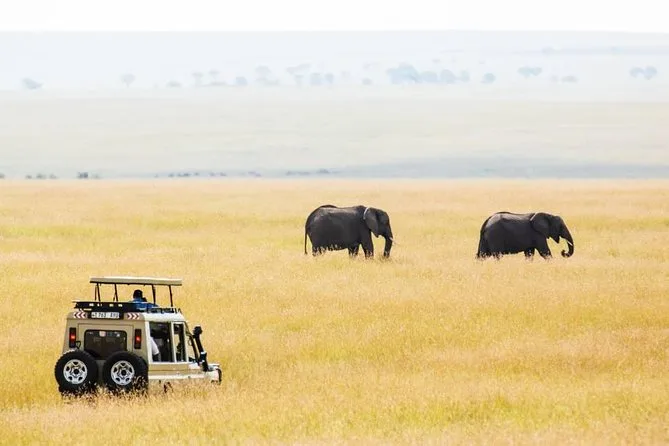
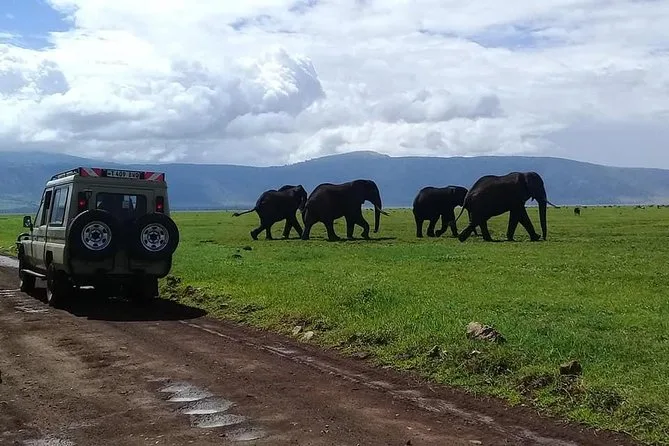
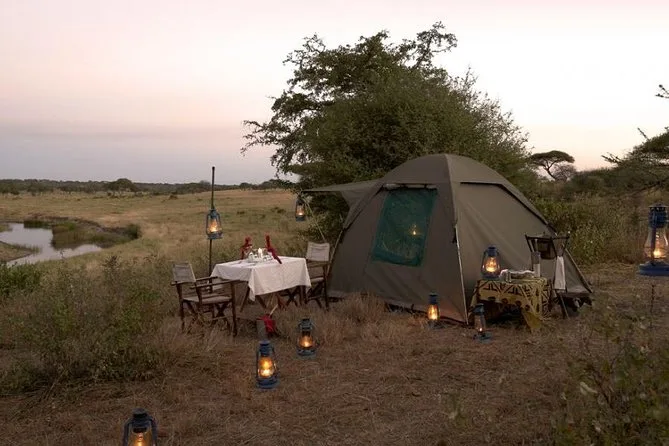
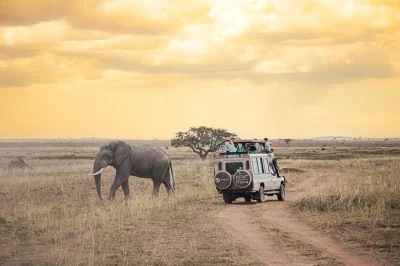
We kicked off early from Arusha, the air still cool and a bit dusty as we loaded up the 4x4. Our driver, Joseph, had that easy laugh you hear a lot in Tanzania. By mid-morning, we rolled into Tarangire National Park—baobabs everywhere and elephants just wandering by like it was no big deal. Lunch was out of a picnic box under an acacia tree (watch out for the monkeys—they know how to unzip bags). That night at Nsya Campsite, I could hear distant hyenas whooping while I zipped up my tent. The guards patrolled quietly with flashlights; honestly, I slept better than expected.
The next day started with eggs and chapati cooked up by our camp chef, Mama Rehema. Lake Manyara was misty at first light and full of bird calls—flamingos looked almost fake against the water. We spent hours spotting tree-climbing lions (didn’t think they’d really do it till I saw one myself) and watched local kids selling mangoes near the park gate on our way back.
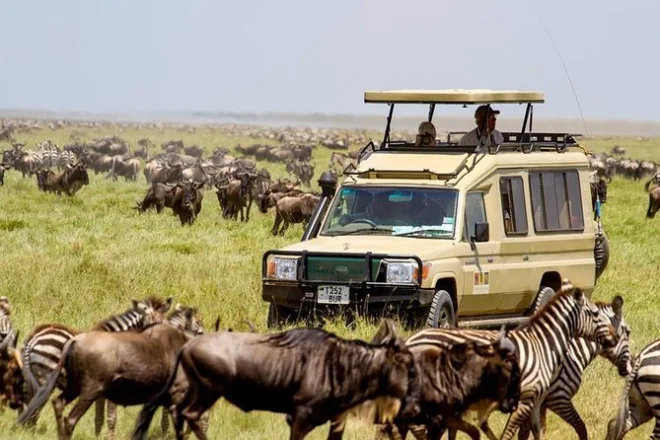
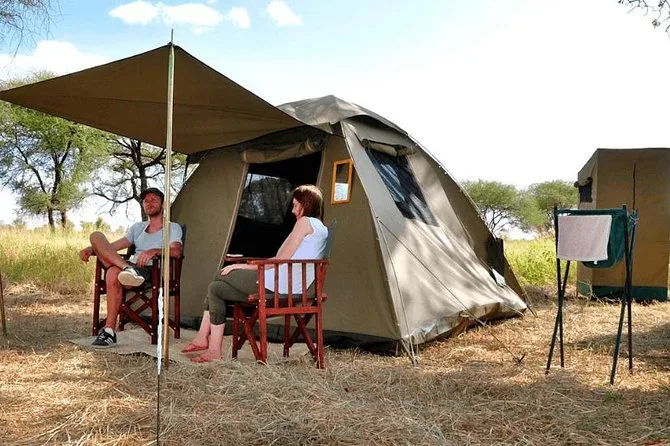
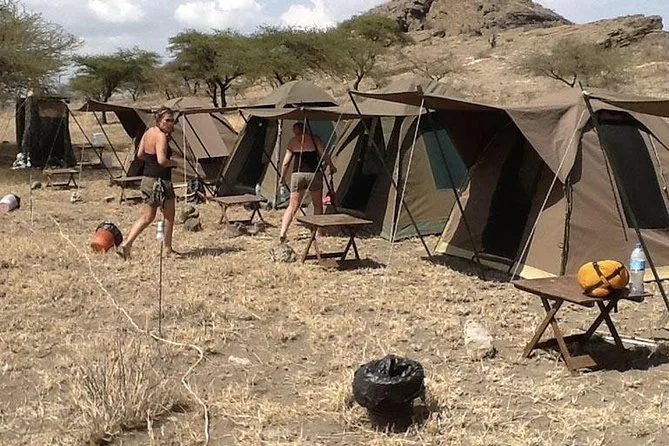
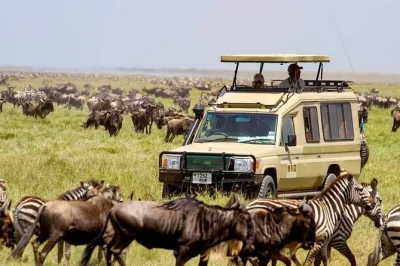
On day three, after a quick breakfast, we hit the road for Serengeti. The drive’s long but you see Maasai herders moving cattle along the roadside. By afternoon we were deep in those endless plains—herds of wildebeest everywhere, dust hanging in the air as they moved. Sunset game drive felt unreal; golden light on everything. At Seronera Campsite, tents are basic but clean, showers are solar-heated (sometimes lukewarm), and there’s always someone around to swap stories with over dinner.
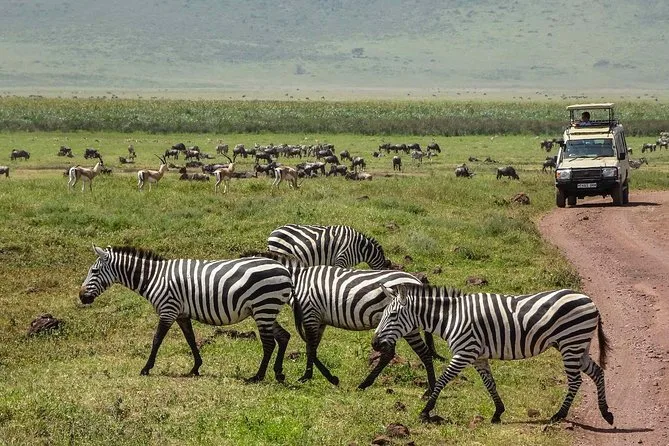
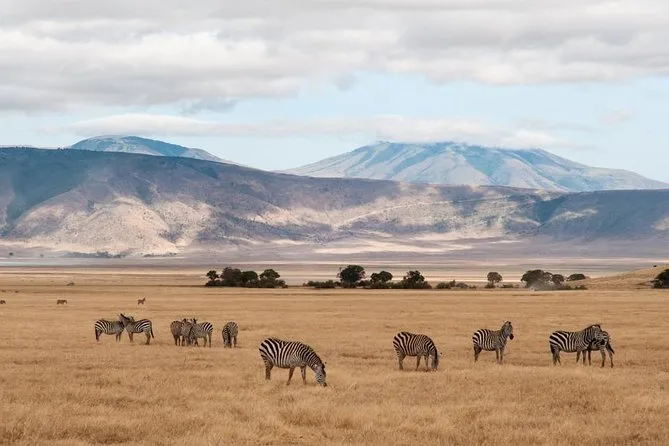
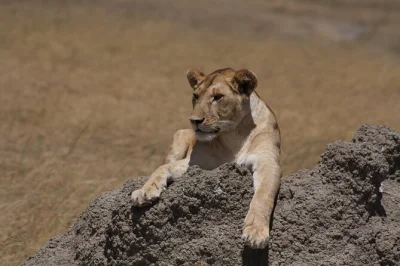
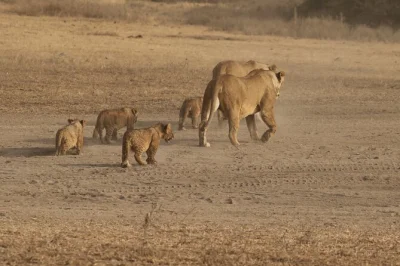
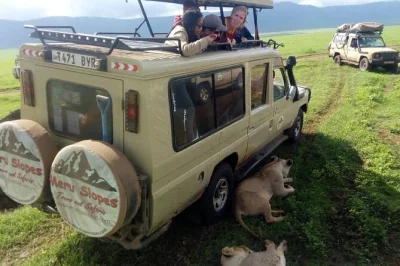
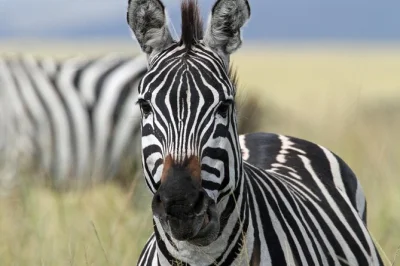
Full day in Serengeti meant early start—coffee before sunrise and then out searching for lions and cheetahs. Our guide knew every track; he pointed out fresh paw prints near a kopje where we finally spotted a pride lounging in the shade. Lunch was simple but filling—rice and beans eaten right from your lap while zebras grazed nearby.
The fifth day took us through more of Serengeti’s open country before heading to Ngorongoro Conservation Area. Simba Campsite sits right on the crater rim—the wind picks up at night and you’ll want an extra layer. Waking up above the clouds is something else.
Last morning: quick breakfast (hot tea hits different when it’s chilly), then down into Ngorongoro Crater itself. It’s packed with wildlife—you can spot rhinos if you’re lucky—and feels like its own world down there. After lunch under a shady fig tree, we headed back to Arusha tired but buzzing from everything we’d seen.

What’s included
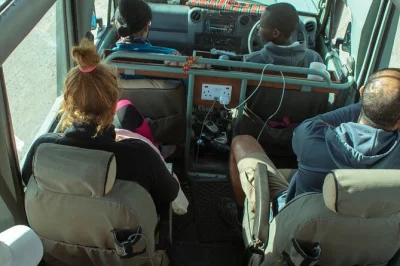
- Your safari includes all transport in a pop-up roof 4x4 for game viewing.
- airport transfers.
- all camping equipment (tents, sleeping bags, cots).
- mineral water.
- experienced driver-guide and cook.
- all park fees.
- accommodation as listed.
- plus wheelchair-accessible options if needed.
Operated by Simba Adventures
Traveler reviews
Compare the 13 similar options
 6 Days Budget Tanzania Camping Safari: Tarangire, Serengeti & Ngorongoro★ 5.00 (6)6dEN · DE +3US$ 1,780
 Tanzania Safari: Serengeti, Ngorongoro & Tarangire Group CampingWake up to wild sounds, spot elephants in Tarangire, camp under Serengeti stars, and descend into Ngorongoro Crater—all with meals, park fees, and pickup included.★ 4.98 (1,353)4dENUS$ 1,100View ›
 Tanzania Safari: Serengeti, Ngorongoro & Lake Manyara CampingWake up to wild sounds in Serengeti, spot tree-climbing lions at Lake Manyara, and descend into Ngorongoro Crater. Includes camping, all meals, and guide pickup.★ 4.98 (863)5dENUS$ 1,400View ›
 Tanzania Safari: Tarangire, Serengeti & Ngorongoro 4-DayFour-day group safari from Arusha through Tarangire, Serengeti and Ngorongoro Crater with certified guide, lodge stays and all transport included★ 4.95 (490)4dENUS$ 1,750View ›
 2-Day Tarangire & Ngorongoro Safari from Arusha: Includes dinnerTwo-day safari from Arusha with game drives through Tarangire National Park and the Ngorongoro Crater, camping included★ 4.98 (159)2dENUS$ 550View ›
 Tanzania Safari 7 Days: Serengeti, Ngorongoro & TarangireSeven-day wildlife safari from Arusha through four parks with private 4x4, expert driver-guide and all park fees included—start at Lake Manyara★ 4.99 (1,670)7dEN · DE +3US$ 4,426View ›
 Tanzania Safari: Serengeti, Crater & Game DrivesSeven-day wildlife safari from Arusha covering Tarangire, Lake Manyara, Serengeti and Ngorongoro Crater with private guide★ 4.99 (700)7dEN · DE +3US$ 4,840View ›
 5-Day Tanzania Safari: Tarangire, Serengeti & Ngorongoro CraterFive-day camping safari from Arusha visiting Tarangire, Serengeti and Ngorongoro Crater with game drives★ 4.95 (313)5dENUS$ 1,320View ›
 Tanzania Safari: Tarangire, Serengeti & Ngorongoro 5-DayFive-day camping safari from Arusha through Tarangire, Serengeti and Ngorongoro Crater with game drives, meals and 4WD transport included★ 4.85 (107)5dENUS$ 1,120View ›
 Private Tarangire & Ngorongoro Safari with Walking TourSpot elephants in Tarangire, descend into Ngorongoro Crater, and join a guided walking safari near Lake Manyara. Includes hotel pickup, meals, and expert guide.★ 5.00 (40)4dUS$ 720View ›
 5-Day Safari: Tarangire, Serengeti & Ngorongoro from ArushaPrivate 5-day safari from Arusha through Tarangire, Serengeti and Ngorongoro Crater with driver-guide, all meals and lodging — see elephant herds, lions★ 4.98 (105)5dENUS$ 2,211View ›
 Tarangire, Serengeti & Ngorongoro: 4-Day Safari Private JeepWake up to elephants in Tarangire, cross Serengeti’s endless plains, and descend into Ngorongoro’s crater. Private safari from Arusha with all meals and lodge stays.★ 4.94 (180)4dENUS$ 1,753View ›
 Tanzania Safari 6-Day Private 4x4 Serengeti & TarangirePrivate 6-day safari from Arusha in a 4x4 with professional guide, park fees and lodge stays included. Game drives through Tarangire★ 4.91 (98)6dEN · DE +3US$ 2,783View ›
Top questions
Is camping safe in these parks?
Yes—it’s safe! Campsites have guards at night and your guide stays close by. Wildlife usually keeps its distance if you follow instructions.
What kind of food is served?
You’ll get fresh meals daily—think eggs for breakfast, rice or pasta dishes for dinner—with vegetarian options available if needed.
Do I need to bring my own camping gear?
Nope! Tents, sleeping bags, cots—all provided. Just bring your clothes and personal items.
Are showers available at campsites?
Yes—most have solar-heated showers (sometimes warm), plus eco-friendly toilets.
Is this tour suitable for families or people with limited mobility?
Absolutely! Transport is wheelchair accessible and infant seats are available on request.
6 Days Budget Tanzania Camping Safari: Tarangire, Serengeti & Ngorongoro
6d · EN · DE +3 · at your hotel
from US$ 1,780 per person
★★★★★★★★★★5.006 reviews
