

 +507 6792-0894


6-Day Machame Route Kilimanjaro Trek: Climb & Camp Experience


Summary
Guided Kilimanjaro Trekking Adventure on the Machame Route
If you're looking for a real adventure up Kilimanjaro—with time to acclimatize and camp under African skies—the 6-day Machame Route delivers every step of the way. You'll hike through rainforest, scramble rocky ridges, watch sunrise from above the clouds at Uhuru Peak, and share laughs with local guides who know every twist of the trail.

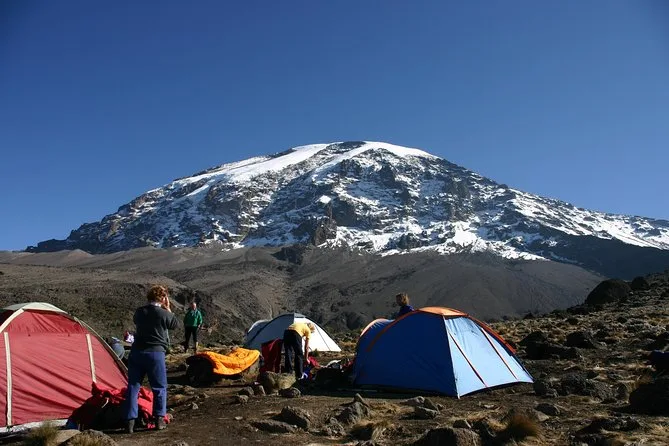
The drive out from Moshi to the park gate is a bit bumpy—takes just under an hour, and you’ll pass through Machame village where locals sell bananas by the roadside. At the gate, there’s this earthy smell from the rain forest, especially if it’s rained overnight. We started off with our guide, Daniel, who reminded us to keep our gaiters handy—the first stretch can get muddy and slick. The forest is alive with birdsong and sometimes you catch a whiff of wildflowers as you climb up toward Machame Camp. By late afternoon, we reached camp, tents already pitched by the porters, steam rising from mugs of tea.
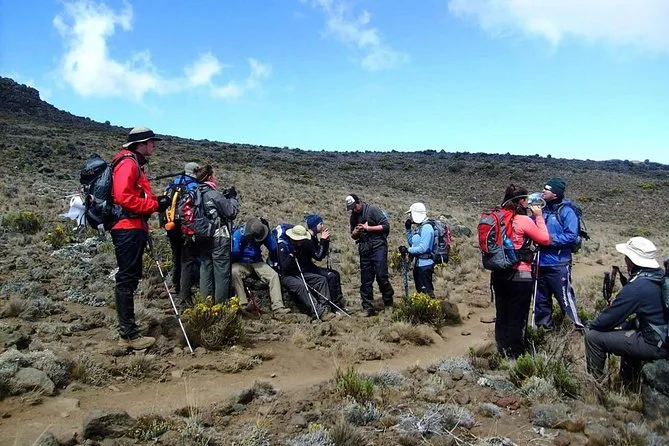
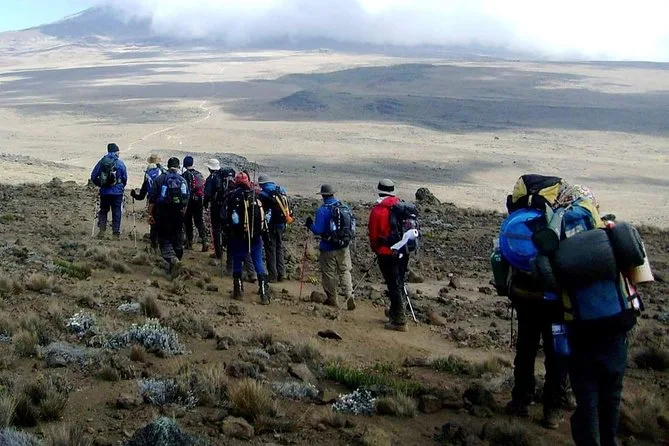
The next morning felt cooler as we left behind the thick trees and hit open heather slopes. There’s a rocky ridge that really gets your legs working—good boots matter here. I remember stopping for water and noticing how quiet it got except for wind rustling through low shrubs. Shira Camp sits out on a plateau; at sunset, clouds roll in fast and everything turns gold for about five minutes before dusk settles.
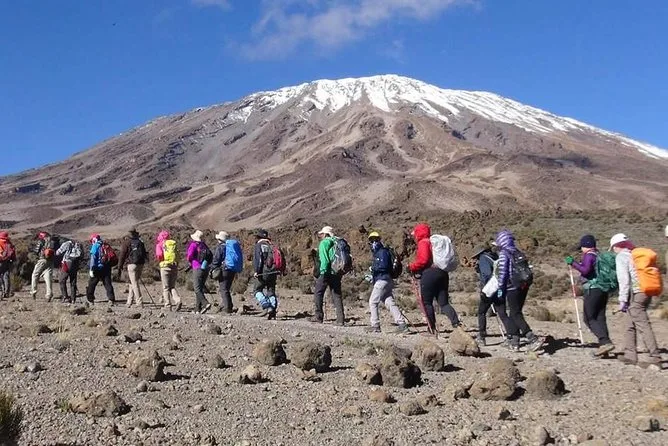
Day three is long but worth it. Heading up toward Lava Tower (locals call it Shark’s Tooth), you feel the altitude kick in—breathing gets heavier. Our guide pointed out Kibo peak in the distance while we snacked on dried mangoes. After Lava Tower, there’s a big descent to Barranco Camp; knees will feel it but you get used to the rhythm after a while. Dinner that night tasted extra good—maybe just relief or maybe because they served hot soup right as it started to drizzle.
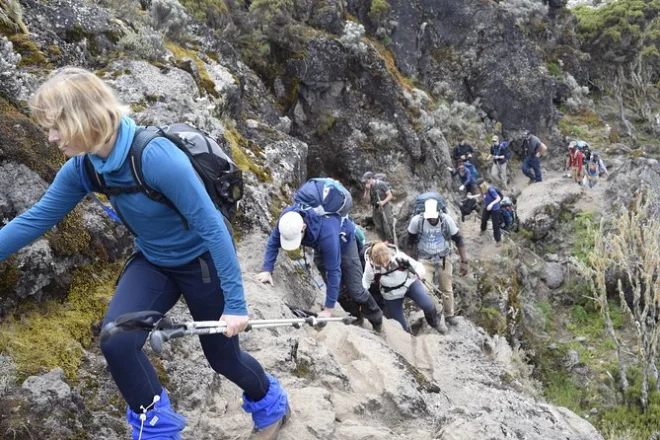
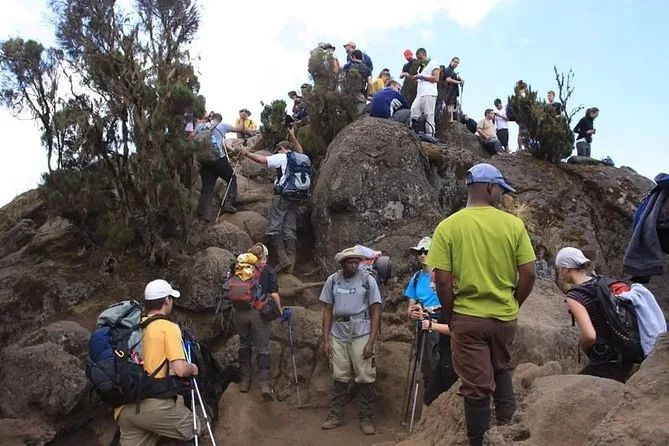
Leaving Barranco means tackling the Barranco Wall—a scramble that looks worse than it is. You’ll probably hear porters joking in Swahili as they pass you with impossible loads balanced on their heads (I still don’t know how they do it). The trail winds down into Karanga Valley before climbing again to Barafu Camp. Here, Mawenzi and Kibo peaks stand out against the sky—makes you realize how far you’ve come already.
Summit day starts in pitch dark—headlamps bobbing along as everyone moves slow and quiet between Rebmann and Ratzel glaciers. It’s cold enough that your water bottle might freeze if you’re not careful. Reaching Stella Point just as dawn breaks is something I won’t forget—the horizon glows orange and pink over endless clouds below. The last push to Uhuru Peak feels surreal; legs are tired but adrenaline takes over when you see that sign at Africa’s highest point. The descent back down is tough on your knees—loose gravel everywhere—but lunch at Barafu tastes like victory food.
The final stretch down through rain forest is almost relaxing after everything else—bird calls again, air thick with green smells after rain showers. At Mweka Gate, there’s a little ceremony where guides hand out summit certificates (everyone claps). Shorts and t-shirts finally feel right again by then, though I kept my rain jacket close just in case.
 6d
6d

Step-by-step itinerary
Day 1 — Moshi to Machame Camp
- Drive Moshi to Kilimanjaro Park Gate
- Hike Machame Gate to Machame Camp through rainforest
Day 2 — Machame to Shira Camp
- Hike Machame Camp to Shira Camp crossing valley and ridge
Day 3 — Shira to Barranco Camp via Lava Tower
- Hike Shira Camp to Lava Tower and descend to Barranco Camp
Day 4 — Barranco to Barafu Camp
- Hike Barranco Camp to Karanga Valley and then Barafu Camp
Day 5 — Summit Day and Descent to Mweka
- Midnight ascent to Uhuru Peak, then descend to Mweka Hut
Day 6 — Mweka to Moshi
- Descend from Mweka Camp to Mweka Gate and drive to Moshi

Top questions

How difficult is this 6-day Machame Route trek?
This route's challenging but manageable if you're moderately fit—you'll need stamina for long days and steep sections like Barranco Wall. Guides pace things well for acclimatization.
What kind of camping gear is provided?
Tents, sleeping mats, cooking equipment—all set up by porters before you arrive at each camp. Just bring your own sleeping bag suited for cold nights.
Is bottled water available during the trek?
Yes! Bottled water's provided throughout so you don't have to worry about purification or carrying too much weight yourself.
Are meals included? What about dietary needs?
All meals are included—hot breakfasts, packed lunches, hearty dinners at camp. Let us know any dietary requirements when booking; cooks can adapt menus easily.
Can children join this trek?
Kids can join if accompanied by an adult and physically prepared—it’s not easy terrain but older children with hiking experience usually do fine.

What’s included
Your trek covers all camping equipment (tents set up for you), bottled water daily, experienced guides (often multilingual), all meals on the mountain, park fees, transfers between Moshi and trailheads—and summit certificates at journey's end!
 Super deal
  Free booking, free cancellation.
  Don't lose your place.


 Do you need help planning your next activity?
  +507 6792-0894


