

 +507 6792-0894


6-Day Kilimanjaro Bike Trek via Kilema Route – Summit Adventure









Summary
Kilimanjaro Mountain Biking: Kilema Route Itinerary & Tips
If cycling up Africa's tallest peak sounds wild—that's because it is! This tour lets you pedal all the way up Mount Kilimanjaro via the unique Kilema Route alongside expert local guides who know every twist of trail and trick of altitude adjustment. You'll experience everything from alpine deserts to lush rainforest—and yes, you'll actually ride your bike right up near Uhuru Peak itself.

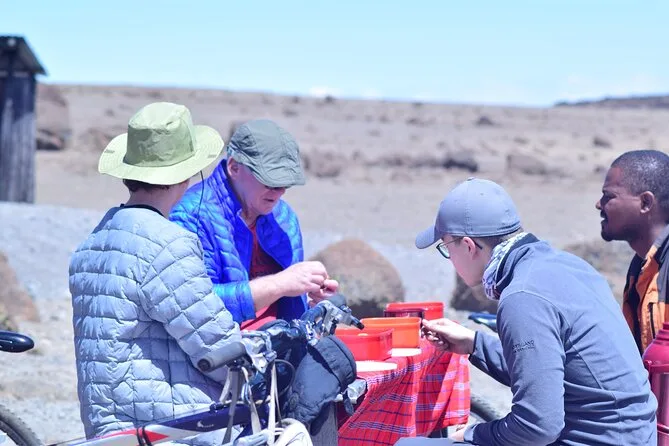
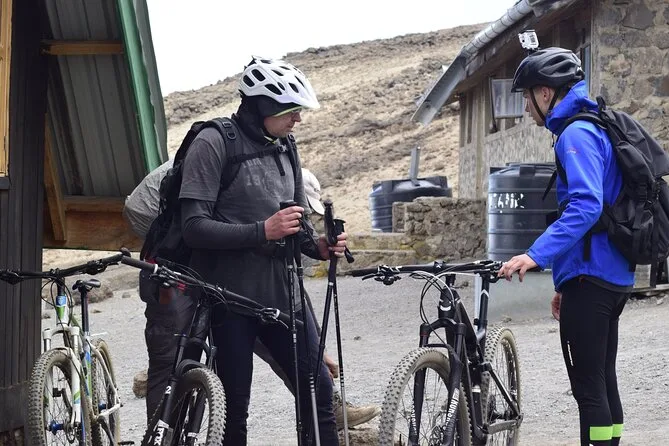
The morning air in Moshi always feels a bit cool, even when the sun’s already up. After a quick breakfast and some last-minute gear checks, we met our guide—he was already waiting with his bike outside the lodge, grinning like he’d done this a hundred times (he probably had). The drive to Marangu Gate took about 45 minutes, winding past small shops and banana groves. At the park office, there’s this buzz of excitement—porters chatting in Swahili, hikers sorting out their packs. Once we’d registered, we bumped along to Kilema Gate where the real adventure started. A final check on my mountain bike (brakes are your best friend here), water bottles topped up, and off we went—16km ahead to Horombo Hut. The first stretch is gentle enough but don’t let it fool you; altitude sneaks up fast. We stopped often—sometimes just to catch our breath or listen to birds you only hear at this height. Reaching Horombo around 3pm felt like a win already.
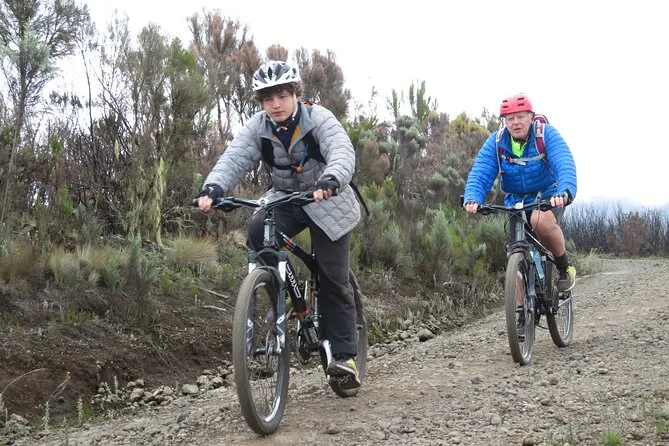
Acclimatization day isn’t just a fancy word—it’s essential. After breakfast at Horombo Hut (the coffee’s surprisingly decent), we set out towards Mawenzi Hut across what they call ‘alpine desert’. The ground crunches under your tires, and every so often you’ll spot these weirdly beautiful giant groundsels poking through the rocks. Most of today’s ride is doable on two wheels—about 10km round trip—but there are patches where you’ll need to push through loose stones. Back at Horombo by late afternoon, legs tired but lungs feeling a bit more used to the thin air.
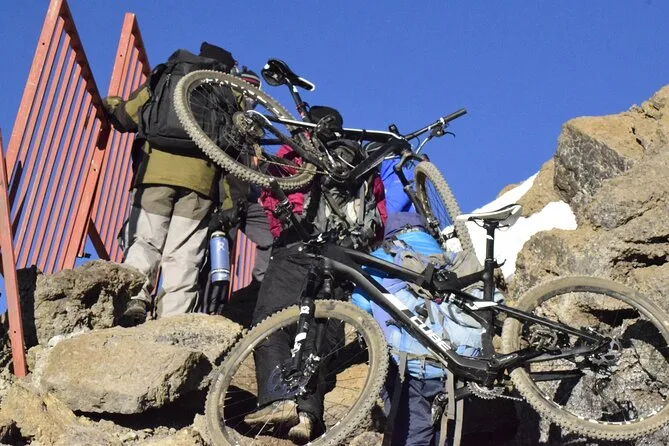
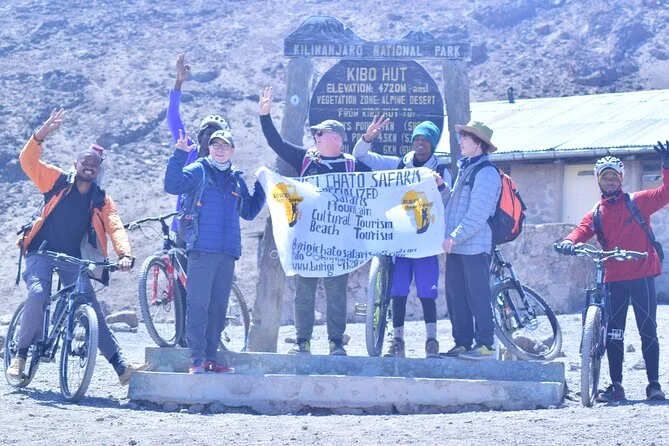
The ride from Horombo to Kibo Hut starts rocky—literally. The first few kilometers are rough going; I found myself walking sections while our guide pointed out old lava flows and told stories about climbers who’d underestimated this part. Once you hit the Saddle between Mawenzi and Kibo peaks though, it flattens out and you can really get moving again—even if every pedal stroke feels heavier than usual because of the altitude and cold wind biting at your cheeks. Lunch at Kibo Hut is simple but tastes amazing after that effort. The downhill back toward Horombo is wild—fast in places but tricky with loose gravel and sharp turns that keep you on your toes.
Next morning meant another climb back to Kibo Hut—a good trail for biking most of the way but by now everyone’s moving slower, saving energy for what’s coming next: summit night. Our guide ran through gear checks with us (extra batteries for headlamps are non-negotiable) and suggested filling water bottles with warm tea instead of plain water—it freezes less quickly that way. By 7pm we were all tucked into sleeping bags, hoping for a few hours’ rest before the big push.
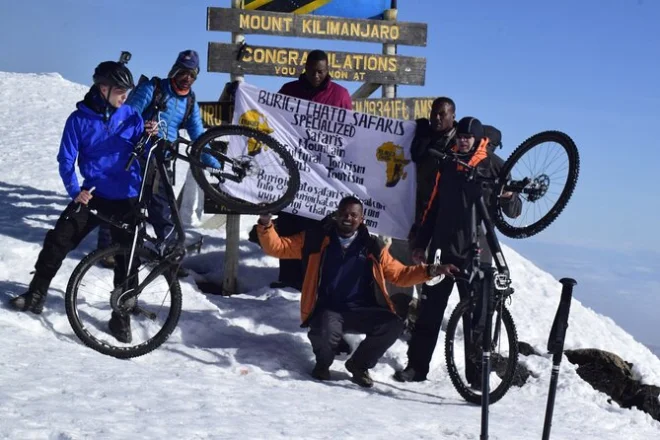
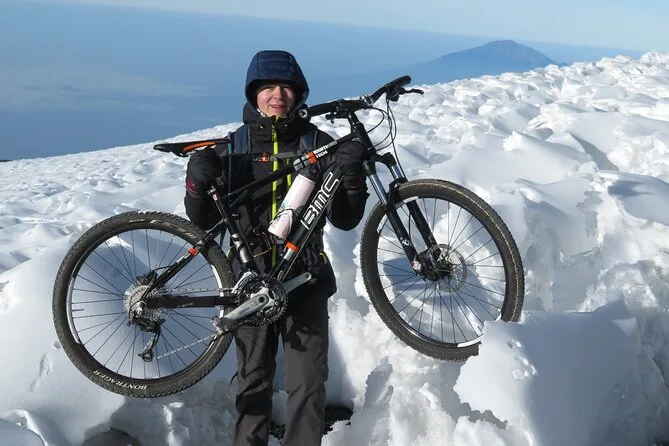
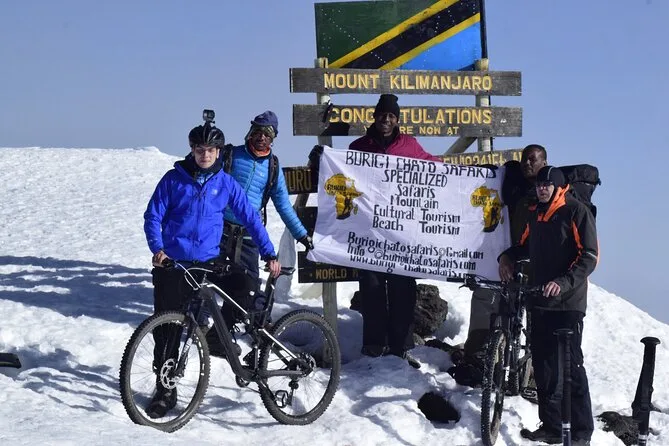
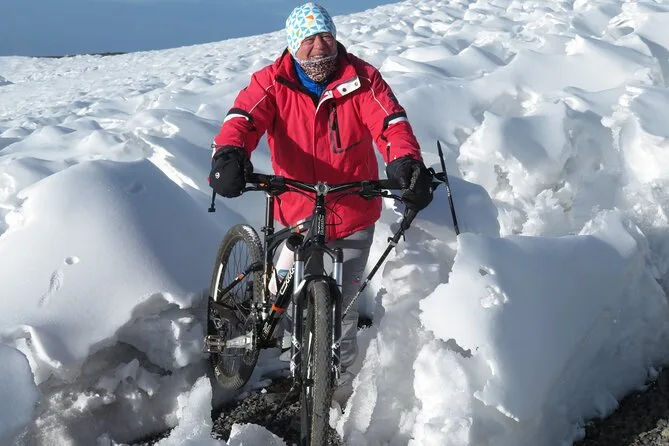
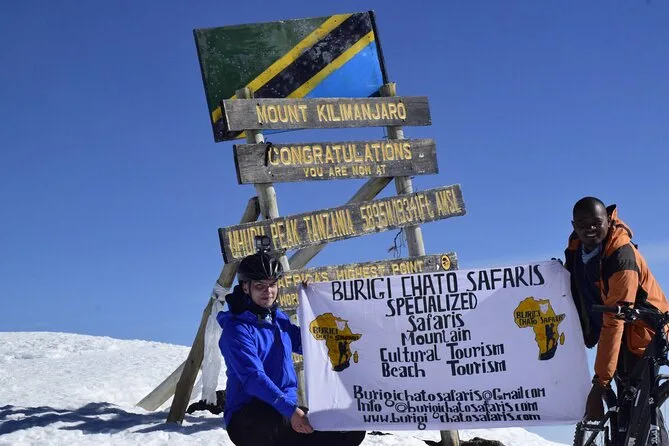
Summit day starts early—like 4am early—with guides waking us quietly in the dark. There’s something surreal about zigzagging up scree slopes by headlamp; all you hear is boots crunching and your own breathing. Hans Meyer Cave comes after about two hours—a good spot for a quick snack before things get steeper toward Gilman’s Point. Here’s where porters hand over your bike for the final push to Uhuru Peak—the highest point in Africa! It’s not easy riding at this altitude but rolling those last meters feels unreal. We didn’t linger long at the top (wind cuts right through you), just enough for photos before heading down to Stella Point then back toward Horombo Hut for lunch and much-needed rest.
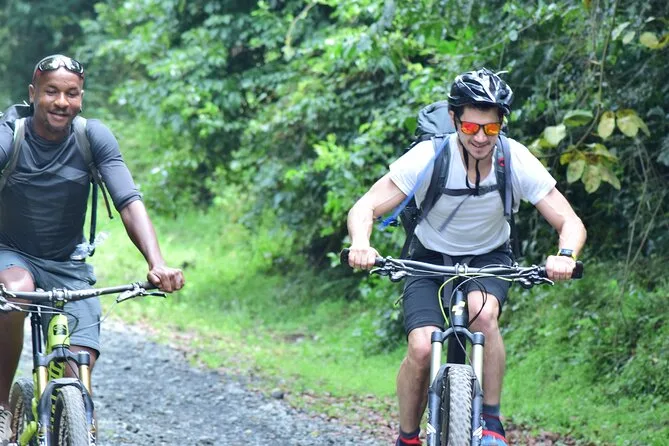
The final ride down from Horombo through alpine meadows into rainforest is pure joy—the smells shift from dry earth to damp moss as you descend, birdsong gets louder, and suddenly it’s warm again. At Kilema Gate we checked out with tired smiles before heading back to Moshi for hot showers and soft beds at Chanya Lodge.
 6d
6d

Step-by-step itinerary
Day 1 — Moshi to Horombo Hut
- Transfer to Marangu gate
- Register at Marangu gate
- Drive to Kilema gate
- Check mountain bike and daypack
- Cycle 16km from Kilema gate to Horombo Hut
Day 2 — Horombo Hut Acclimatization Ride
- Cycle 10km to Mawenzi Hut and back
Day 3 — Horombo to Kibo and Back
- Cycle rocky trail to Kibo Hut
- Lunch at Kibo Hut
- Downhill cycle 10km back to Horombo Hut
Day 4 — Rest and Summit Preparation
- Pack and prepare duffel bags
- Cycle 7km to Kibo Hut
- Lunch and rest at Kibo Hut
- Optional hike summit path orientation
- Rest and sleep before summit attempt
Day 5 — Summit Climb and Descent
- Start climb at 4am to Hans Meyer’s Cave
- Climb to Gilman’s Point
- Ride bike to Uhuru Peak
- Descend to Stella Point
- Lunch and ride down to Horombo Hut
Day 6 — Descent to Moshi
- Cycle down to Kilema gate
- Transfer to Marangu gate and check out
- Transfer to hotel in Moshi

Top questions

Is previous mountain biking experience required?
You should be comfortable riding off-road trails and have good fitness since some sections are technical or steep—but our guides help pace things based on group ability.
What kind of bikes do we use?
We use sturdy mountain bikes suited for rough terrain; you're welcome to bring your own if preferred (just check compatibility first).
How cold does it get near the summit?
Nights above 4,000m can drop below freezing—even colder near Uhuru Peak—so thermal layers are essential!
Are vegetarian meals available?
Yes! Just let us know dietary needs when booking so our cook can prepare suitable options throughout the trek.

What’s included
Your tour covers private transport throughout (including airport pickup/drop-off), experienced local guides and crew wages, accommodation before/after trekking (can be arranged by us or booked directly), all gate transfers, daily meals during trek, plus support from porters who help carry gear so you can focus on riding—and enjoying every moment on Kilimanjaro!
 Super deal
  Free booking, free cancellation.
  Don't lose your place.


 Do you need help planning your next activity?
  +507 6792-0894


