
Kilimanjaro Region: 5-Day Big Five Safari & Ngorongoro Crater

Five Days Chasing the Big Five Across Tanzania's Northern Parks
You spend five days in three of Tanzania's premier northern parks — Lake Manyara, Serengeti and Ngorongoro — with a guide who knows where the animals congregate and when. Hotel pickup, lodge accommodation, all game drives and park entry are handled, which means you show up and the itinerary unfolds. The Ngorongoro Crater alone, with 20,000 animals in a contained space, is worth the trip.
 5d
5d

Step-by-step itinerary
Day 1 — Travel to Lake Manyara National Park
- Pick up at hotel in morning
- Drive to Lake Manyara National Park
- Game drive in Lake Manyara National Park
- Travel to lodge for overnight
Day 2 — Drive to Serengeti National Park
- Breakfast at lodge
- Drive through crater highlands
- Arrive at Serengeti National Park plains
- Reach lodge for overnight
Day 3 — Full day game drive Serengeti
- Breakfast at lodge
- Full day game drive in Serengeti
- Optional visit to Serengeti Visitor Centre
- Overnight at lodge
Day 4 — Serengeti to Ngorongoro Conservation Area
- Breakfast at lodge
- Morning game drive in Seronera Valley
- Lunch at picnic spot
- Drive to Ngorongoro Crater
- Enjoy sunset at crater rim lodge
Day 5 — Ngorongoro Crater to Moshi/Arusha
- Breakfast at lodge
- Drive down into Ngorongoro Crater
- Game drive in Ngorongoro Crater
- Picnic lunch in crater
- Drive back to Moshi or Arusha

The Experience
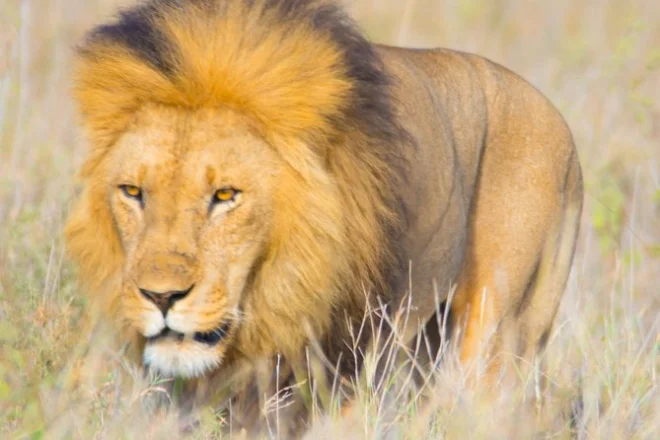
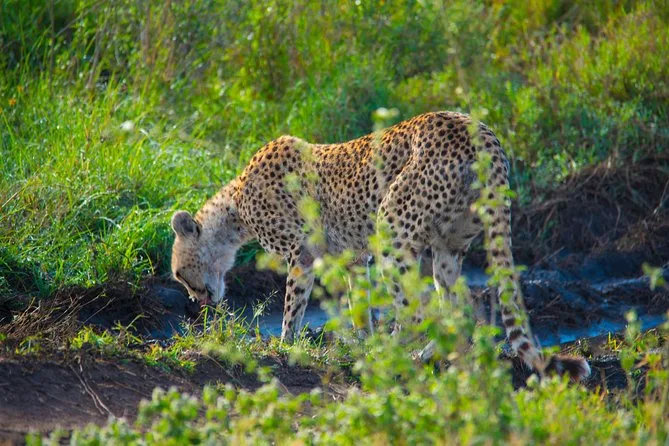
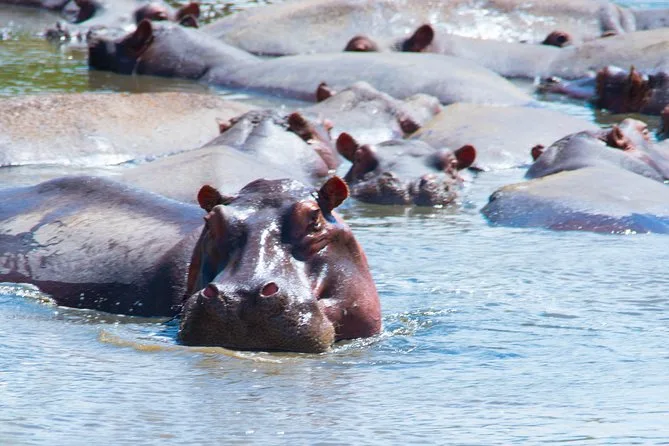
So you're thinking five days in the Serengeti sounds long until you realize how much ground there is to cover — and how easy it is to miss the animals if you're rushing. This safari starts with a morning pickup from your hotel in Moshi or Arusha and heads straight into Lake Manyara National Park, where the first surprise is usually the tree-climbing lions draped across acacia branches like they own the place. The park's shallow alkaline lake pulls in thousands of pink flamingos, and you'll spot elephants, giraffes, hippos and troops of baboons moving through the grassy plains and forest. The open-roof safari vehicle means nothing between you and the view — no glass, no barrier, just the sound of the engine and the birds. You're back at the lodge by late afternoon, which sounds relaxed until you realize you've already seen more wildlife than most people see in a year.
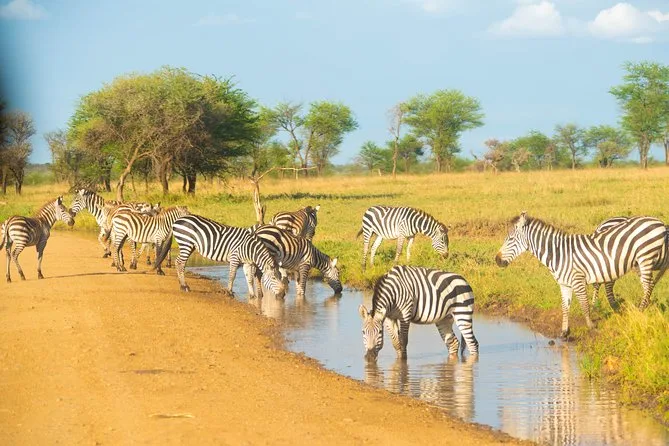
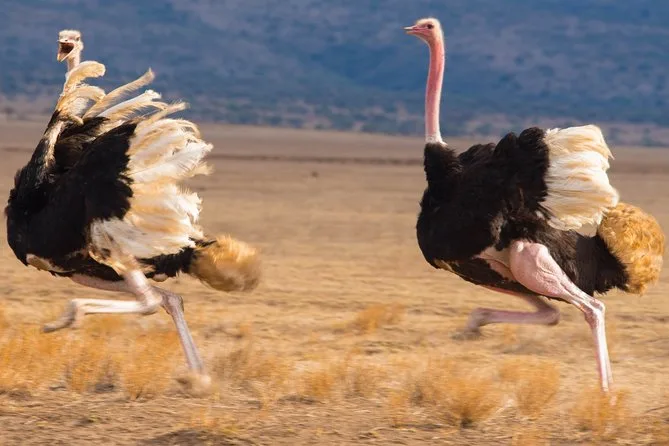
Day two is the long drive to the Serengeti, and it's worth the early start because the route takes you through the crater highlands where the landscape shifts from farmland — wheat, corn, coffee — to the endless plains that give the Serengeti its name (it means "the place of the plains" in Maasai). By midday you're in Tanzania's largest national park, and the scale hits you immediately. The Serengeti isn't one thing; it's short grass plains, savannah, thick bush, swamps and lakes all at once, and the animals move with the rains — hundreds of thousands of wildebeest and zebras migrate north in the longer rainy season (April to June) and back south in the shorter one (November to December). Your guide knows where the herds are likely to be, and that knowledge is what separates a good day from a wasted one. You spend two full days here, one driving the park on your own schedule, the other with time to visit the Serengeti Visitor Centre if you want to understand the research and history behind what you're seeing.
The Ngorongoro Crater comes on day four, and the approach is the thing — you drive toward it and then suddenly you're looking down into a caldera about 20 kilometers wide, a UNESCO World Heritage Site that holds over 20,000 animals in one enclosed space. The lodge sits on or near the rim, and the sunset from there is the kind of thing you remember without trying. On the final morning you descend the steep crater path for a full game drive inside, where the Big Five — lion, elephant, buffalo, rhino and leopard — live alongside zebras, hyenas, waterbucks, bushbucks and more than 500 bird species. The rare black rhino is here too. After a picnic lunch in the crater you drive back to Moshi or Arusha, arriving in the early evening.
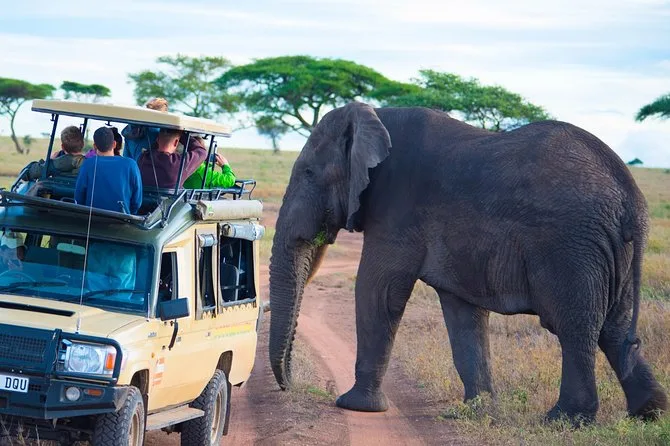
The whole five-day lodge safari includes hotel pickup, all game drives, accommodation at lodges like Eileens Trees Inn and Tukaone Camps, and park entry fees. You're traveling in a safari vehicle with an open roof, which means you're exposed to the sun and the elements — bring sunscreen, a hat and layers because the mornings are cool and the afternoons can be hot. Infants sit on an adult's lap. The pace is steady but not strenuous; most of the day you're sitting and watching, though there's walking around the lodge and at the Visitor Centre if you choose it.

What’s included
- Your five days include hotel pickup from Moshi or Arusha on the morning of day one and return in the early evening on day five.
- All game drives across Lake Manyara National Park, Serengeti National Park and Ngorongoro Conservation Area are guided.
- You stay four nights in lodges — Eileens Trees Inn near Lake Manyara and Ngorongoro, and Tukaone Camps or similar in the Serengeti — with the Ngorongoro lodge positioned on the crater rim.
- Park entry fees for all three parks are included.
- Meals at the lodges and picnic lunches during the game drives are part of the package.
- The safari vehicle has an open roof for unobstructed viewing.
- A visit to the Serengeti Visitor Centre is optional.
Operated by Bujo Tours
Is this one for you?A good fit if you want to see the Big Five and the Ngorongoro Crater without arranging transport, park permits or daily logistics yourself — the five-day structure is what makes visiting three major parks and staying in lodges on the crater rim possible in one trip. Expect early starts and long days in the vehicle; that's how the guide positions you for the best wildlife viewing.
Traveler reviews
Compare the 9 similar options
 Kilimanjaro Region: 5-Day Big Five Safari & Ngorongoro Crater★ 5.00 (6)5dENUS$ 2,310
 Tanzania Safari: Serengeti, Ngorongoro & Lake Eyasi Luxury TourWake up to elephants in Tarangire, meet Maasai near Ngorongoro, and share sunrise with Hadzabe at Lake Eyasi. Includes luxury lodges, all meals, transfers.★ 5.00 (90)8dEN · DE +3US$ 6,999View ›
 7-day Tanzania Safari: Serengeti & Ngorongoro Wildlife TourSeven-day safari from Moshi through four parks with hotel pickup, game drives led by an English-speaking guide, and all meals and park fees included★ 4.99 (80)7dENUS$ 2,100View ›
 Tarangire, Serengeti & Ngorongoro: 5-Day Camping Safari & Maasai VisitWake to sunrise over Serengeti, watch wildebeest migration, explore Ngorongoro crater, and meet Maasai locals. Includes all transport, meals, and park fees.★ 4.97 (87)5dENUS$ 1,320View ›
 Tanzania Safari: Lake Manyara, Serengeti & Ngorongoro TourFive-day wildlife safari from Arusha through Lake Manyara, Serengeti, Ngorongoro Crater and Tarangire with professional guide and 4x4 vehicle to see African wildlife.★ 4.99 (73)5dEN · DE +3US$ 1,250View ›
 Group safari from Moshi: 4 days, three parks4-day group safari from Moshi through Lake Manyara, Serengeti and Ngorongoro with guide, meals, lodging and 4WD transport included. Daily departures.★ 4.78 (18)4dEN · DE +3US$ 970View ›
 6-Day Safari Serengeti, Ngorongoro & Tarangire: Lodge Stays & Jeep6-day lodge safari from Moshi through Serengeti, Ngorongoro Crater and Tarangire with private 4x4 jeep and guide included.★ 4.00 (1)6dENUS$ 2,742View ›
 Tanzania Safari & Zanzibar Beach: Kilimanjaro to Spice Island8-day safari from Arusha through Lake Manyara, Serengeti & Ngorongoro Crater, then flight to Zanzibar beaches. Includes park entry, game drives, accommodations & transfers.★ 3.00 (5)9dEN · DE +3US$ 4,103View ›
 Moshi: 4-Day Serengeti & Ngorongoro Safari with Big FiveFour days across Serengeti, Ngorongoro Crater and Lake Manyara with chances to see the Big Five. Includes hotel pickup, private vehicle, lodge stays and all park fees.★ 4.88 (8)4dENUS$ 1,847View ›
Top questions
What animals will I see on this safari?
The Big Five (lion, elephant, buffalo, rhino, leopard) are present across all three parks. Lake Manyara is known for tree-climbing lions and thousands of flamingos. The Serengeti has the largest animal diversity and the yearly migration of wildebeest and zebras. Ngorongoro Crater holds over 20,000 animals including the rare black rhino, plus hyenas, zebras, waterbucks and 500+ bird species.
Is this safari suitable for families with young children?
Yes, it's suitable for all physical fitness levels. Infants must sit on an adult's lap. Most of the time is spent in the safari vehicle, so young children can participate, though the long drives and early starts may be challenging for very small children.
What lodges will I stay in?
Accommodation includes lodges such as Eileens Trees Inn (Lake Manyara and Ngorongoro areas) and Tukaone Camps or similar (Serengeti). The Ngorongoro lodge is positioned on or near the crater rim.
When is the best time to see the wildebeest migration?
The migration follows the rains. The longer rainy season (April to June) sees herds moving north from the southern plains. The shorter rainy season (November to December) brings them back south. Your guide will know where the herds are likely to be at the time of your visit, as locations vary year to year.
Is hotel pickup included?
Yes, you are picked up at your hotel in Moshi or Arusha in the morning on day one, and you return to your hotel in the early evening on day five.
What is included in the price?
Hotel pickup, all game drives, lodge accommodation for four nights, and park entry fees for Lake Manyara, Serengeti and Ngorongoro are included. Meals at the lodges are typically included, though the itinerary specifies a picnic lunch on days four and five.
Do I need a visa for Tanzania?
Visa requirements depend on your nationality. Check with the Tanzanian embassy or consulate for your country before booking.
Kilimanjaro Region: 5-Day Big Five Safari & Ngorongoro Crater
5d · EN · at your hotel
from US$ 2,310 per person
★★★★★★★★★★5.006 reviewsVerified traveler reviews via our booking provider
