

 +507 6792-0894


3-Day Camping Safari: Tarangire, Ngorongoro & Lake Manyara


Summary
Wildlife Camping Adventure in Northern Tanzania Parks
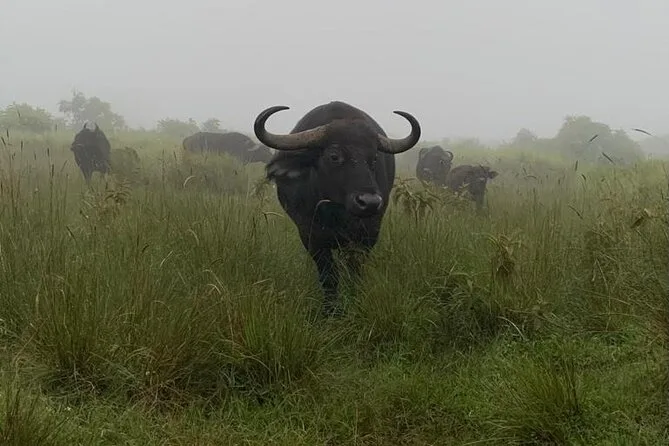
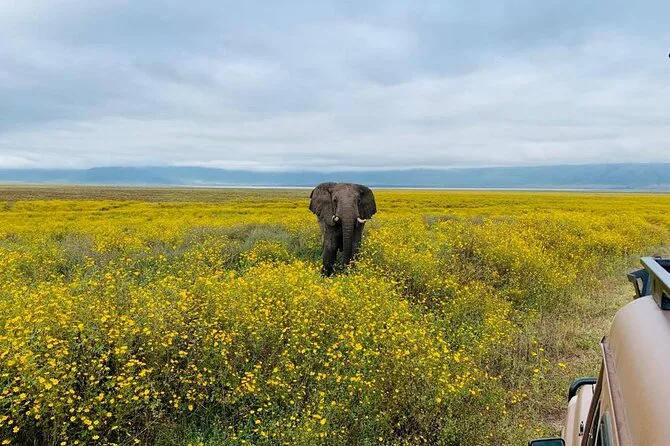
You’ll get close to elephants in Tarangire, descend into Ngorongoro’s wild crater for big game viewing, and end with birdlife at Lake Manyara—all while camping under African skies with a small group and local guides who know these parks inside out.

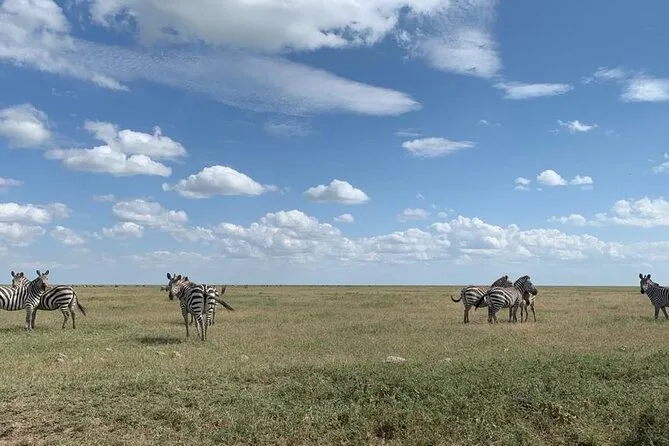
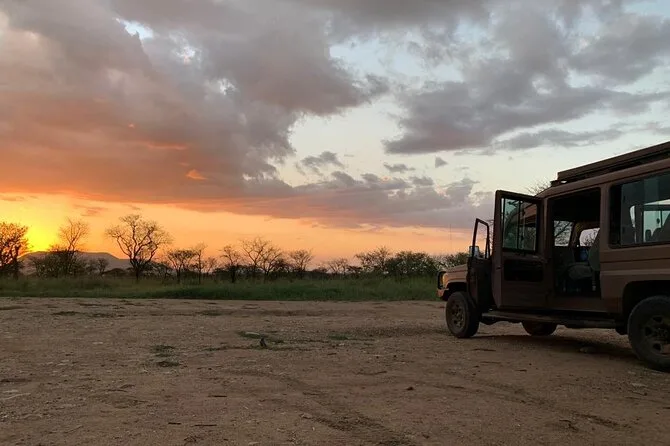
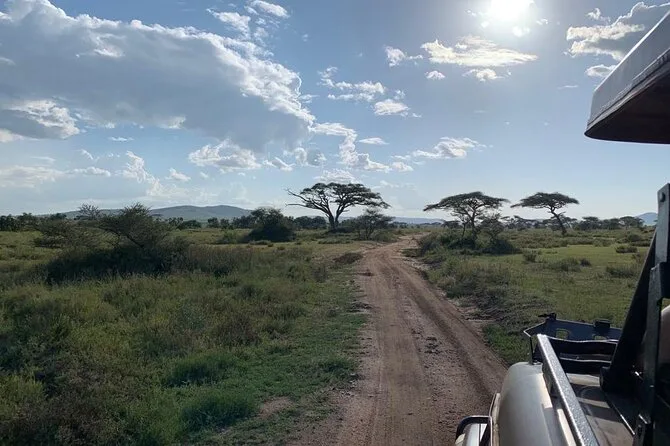
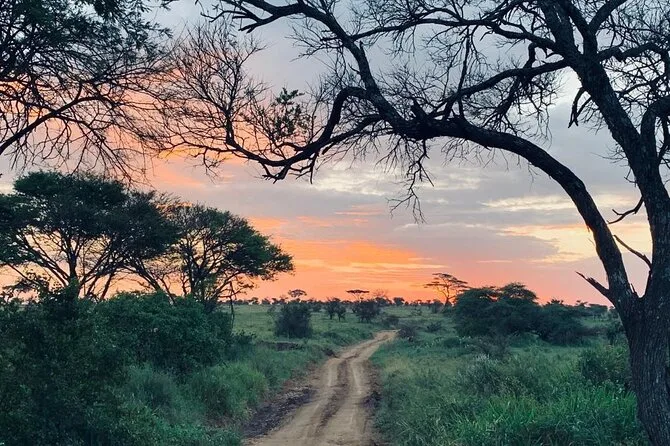
Dust kicked up behind our jeep as we left Arusha just after sunrise—there’s something about the early morning air here that wakes you right up. Our guide, Joseph, had a knack for spotting animals before anyone else did. By mid-morning, we were rolling into Tarangire National Park. Elephants wandered so close you could see the mud caked on their skin from last night’s rain. We ate lunch under an acacia tree while vervet monkeys eyed our sandwiches (don’t leave your food unattended—they’re quick!). As the sun dipped lower, we set up camp nearby. The night was filled with distant hyena calls and the smell of woodsmoke drifting from our cook’s fire.
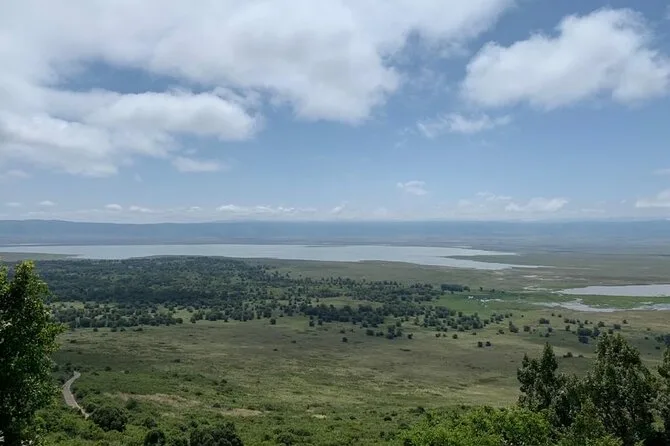
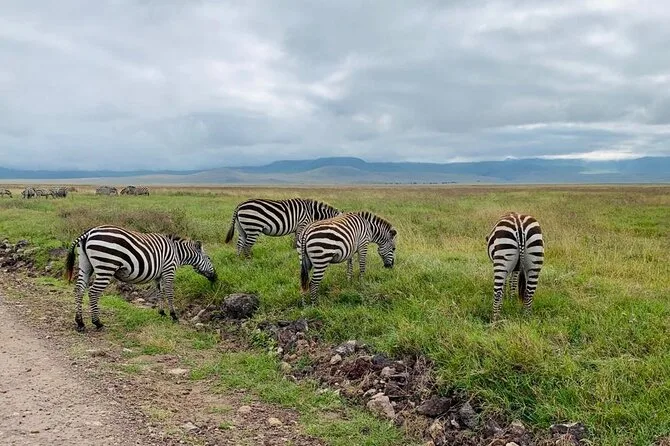
The next day started early—Ngorongoro Crater waits for no one. The descent into the crater is steep and a little bumpy; I gripped my camera tight as we zigzagged down. Down on the floor, it felt like another world: lions lounging in the grass, hippos wallowing in muddy pools, and flamingos flashing pink along the lake’s edge. Joseph shared stories about Maasai traditions and pointed out tracks in the dust—he seemed to know every inch of this place. Lunch was simple but tasted great after a morning of fresh air and excitement. Back at camp that evening, everyone swapped stories over mugs of hot tea as dusk settled in.
On our last day, Lake Manyara National Park surprised me most. It’s smaller than the others but packed with life—baboons everywhere, tree-climbing lions if you’re lucky (we weren’t), and birds I’d never seen before darting through fig trees. The air smelled sweet from wildflowers blooming near the water’s edge. Around mid-afternoon, we headed back to Arusha—tired but happy, still brushing dust off our shoes when we rolled into town just before sunset.
 3d
3d

Step-by-step itinerary
Day 1 — Arusha to Tarangire Park
- Drive from Arusha to Tarangire National Park for game viewing
- Overnight camping and dinner at campsite
Day 2 — Ngorongoro Crater Safari
- Drive to Ngorongoro Crater for game viewing
- Return to campsite for dinner and overnight camping
Day 3 — Lake Manyara to Arusha
- Drive to Lake Manyara National Park for full day game viewing
- Drive back to Arusha for drop off

Top questions

How physically demanding is this safari?
This trip suits most fitness levels since game drives are by vehicle and campsites are accessible. If you have spinal injuries or mobility concerns, it may not be ideal.
What kind of food can I expect?
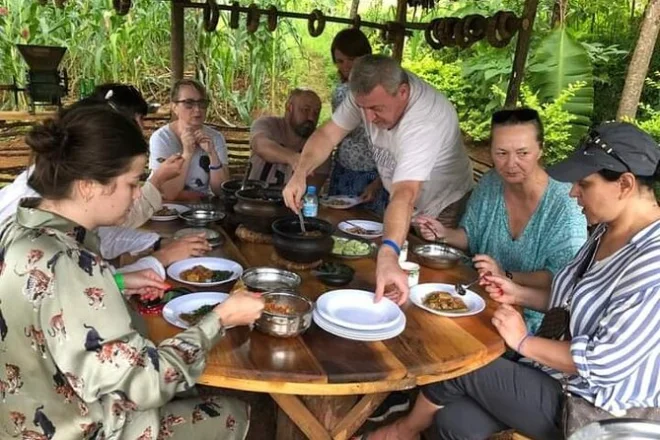
Your cook prepares simple but tasty meals—think stews, rice dishes, fresh fruit—and picnic lunches for days out in the parks.
Will I see all the Big Five?
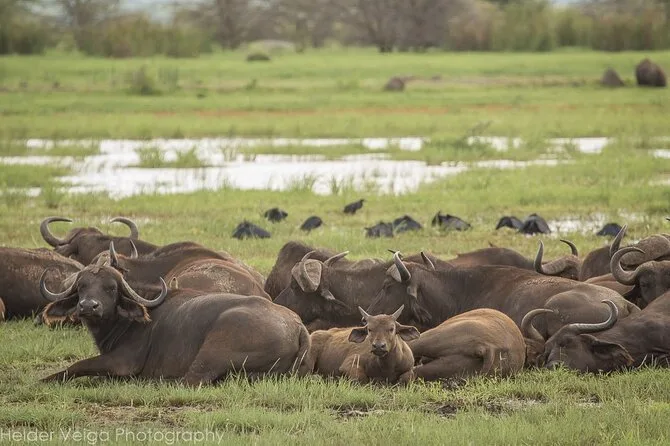
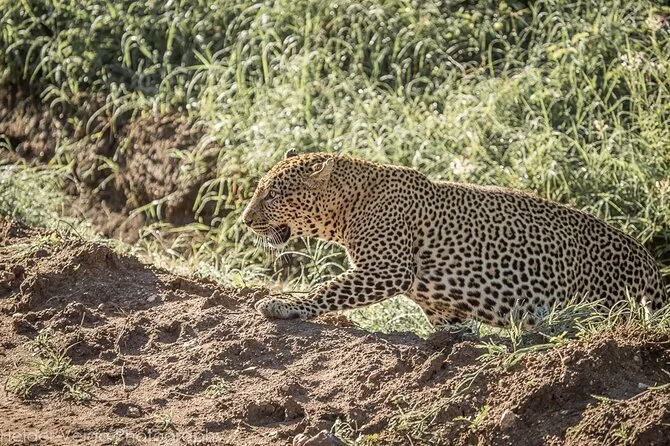
No guarantees—it depends on luck and timing—but these parks offer good chances to spot elephants, lions, buffaloes, rhinos (in Ngorongoro), and leopards.
Is camping safe inside these parks?
Campsites are fenced or monitored by rangers at night. Guides brief you on safety rules; follow their advice and you’ll be fine.

What’s included
This safari covers all park entry fees, guided game drives with a local expert, camping equipment (tents and sleeping mats), meals from lunch on day one through lunch on day three, drinking water during activities, and transfers between Arusha and each park by 4x4 vehicle.
 Super deal
  Free booking, free cancellation.
  Don't lose your place.


 Do you need help planning your next activity?
  +507 6792-0894


