
Taipei Old Town Walking Tour: Ximen, Red House & 228 Park
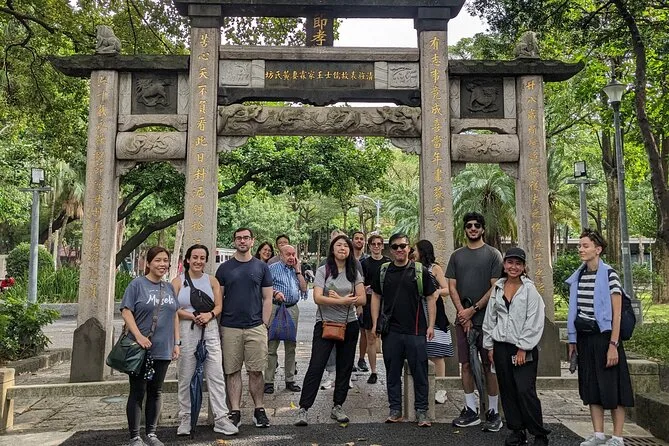
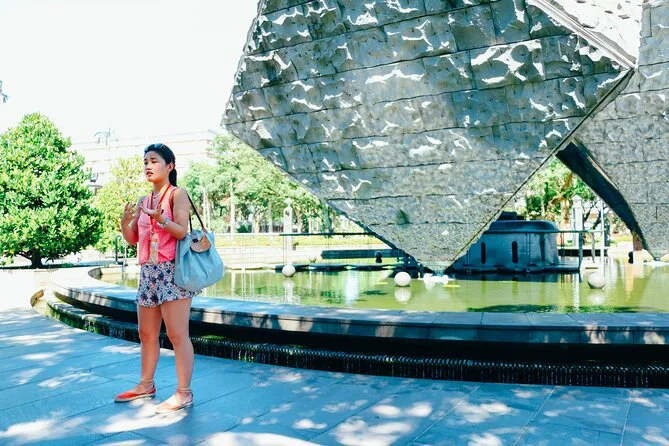
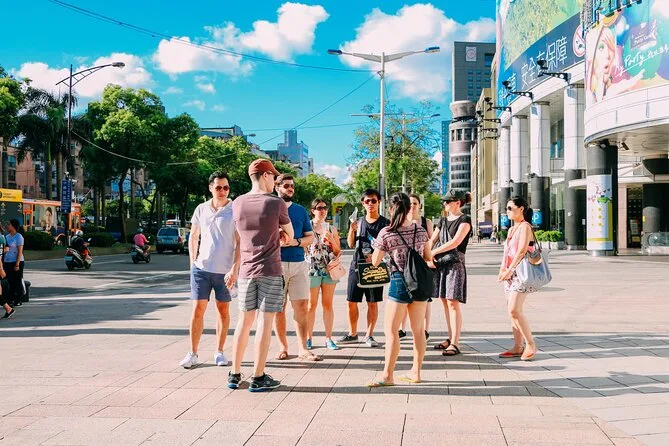
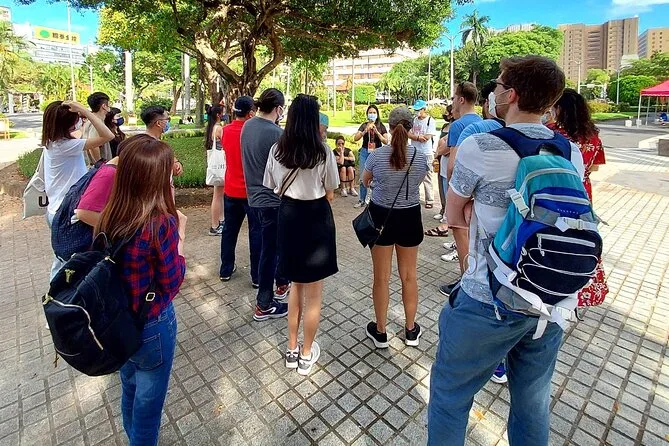
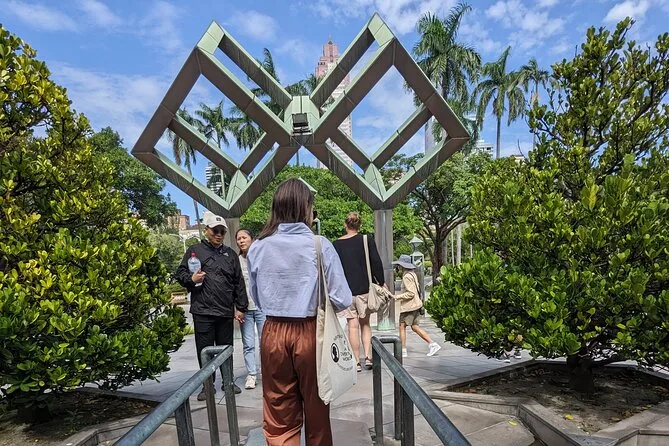
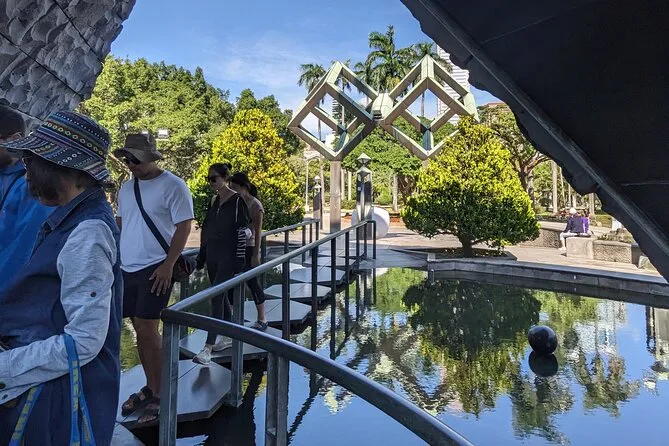

Stories of Taipei’s old streets, history and daily life
You’ll start at NTU Hospital Station and walk through Taipei’s old town with a local guide who shares stories behind places like 228 Peace Memorial Park, Ximen’s lively streets, and the Red House creative hub. Expect small surprises—like snack smells wafting from markets—and honest conversations about Taiwan’s history. By the end you’ll feel both grounded and curious for more.
 2h 15m

Step-by-step itinerary
Explore Taipei Old Town and Ximen
- Meet at NTU Hospital Station Exit 4
- Visit 228 Peace Memorial Park
- Pass by Presidential Office Building
- Shop at colorful covered bazaar
- Explore Ximen shopping and culture area
- Visit Red House creative market
- See historic Zhongshan Hall

The Experience
The first thing I noticed was the way the air changed near 228 Peace Memorial Park — a little heavier, maybe because of the trees or maybe just what this place means to people here. Our guide, Li, started with a story about the February 28 Incident. I’d read about it before but hearing it in the middle of Taipei, with locals walking their dogs and kids chasing each other past the memorial stone, hit different. There was this mix of quiet respect and everyday life that I didn’t expect. Someone nearby was practicing tai chi; you could hear birds and distant traffic blending together.
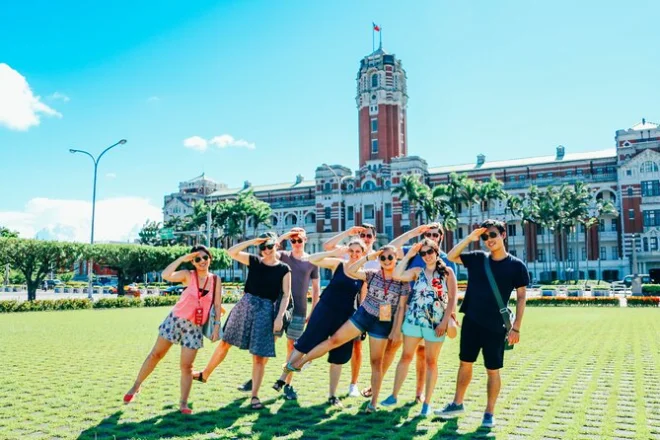
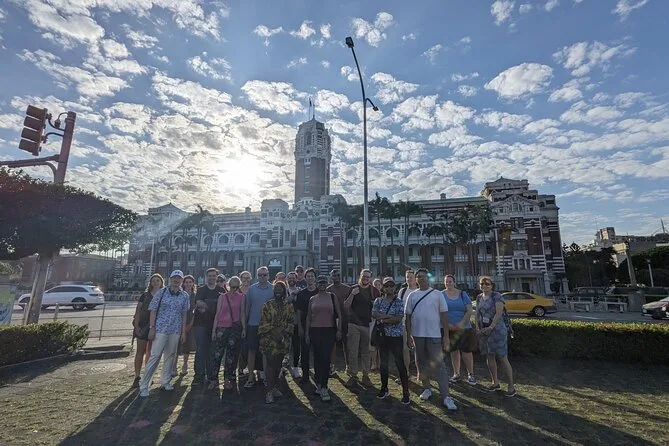
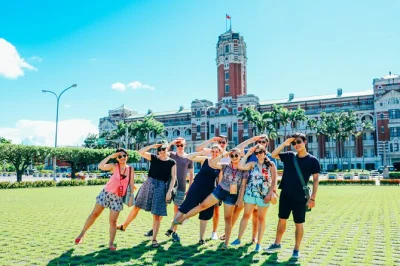
We wandered over to the Presidential Office Building next. It’s huge — kind of imposing — but Li pointed out some damage still visible from WWII bombings (I wouldn’t have spotted that on my own). She told us how it used to be the Japanese Governor-General’s office and later became this symbol for Taiwan’s government after everything shifted post-war. The sun was out but not too harsh, so we stood in the shade while she explained how different powers left their mark on the city. I tried to say “Zhongzheng” like she did — pretty sure I butchered it because she laughed and helped me try again.
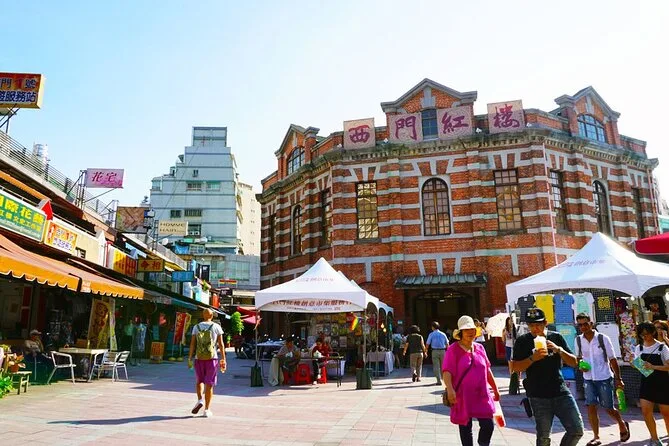
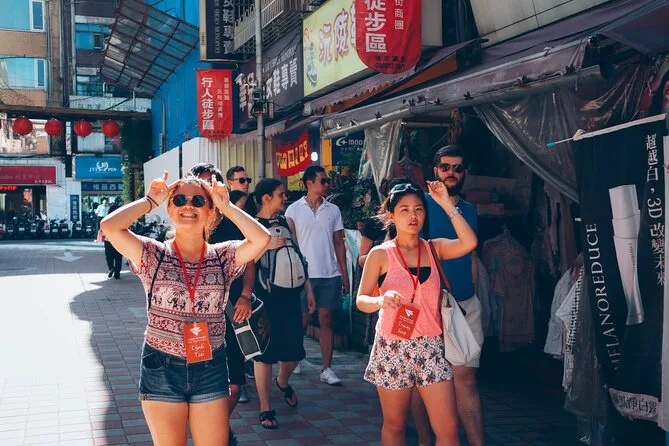
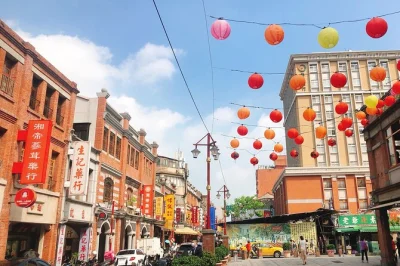
After that we cut through this bazaar area where you can smell fried snacks (someone said ba-wan dumplings are a must). The group split up for a minute to grab drinks — there’s always bubble tea within arm’s reach in Taipei, which honestly feels like a superpower. Then we ended up in Ximen, which is loud and bright even in daylight. The Red House is right there with its odd octagonal entrance; Li explained how it started as a market but now hosts artists and performances. Some local designers were setting up stalls outside when we passed by — lots of color everywhere.
Zhongshan Hall was our last stop, but by then my brain was full (in a good way). It used to be an auditorium; now it’s mostly for concerts or ceremonies. Walking back toward the metro, I kept thinking about how every corner had layers — Japanese brickwork next to street art or someone selling lottery tickets under neon signs. It’s not always pretty or neat but it feels real, you know? I still think about that park sometimes when things get noisy at home.

What’s included
Your day includes meeting at NTU Hospital Station Exit 4 before joining a professional local guide for a relaxed walk through historic sites like 228 Peace Memorial Park, Presidential Office Building, Ximen district with its markets and creative spaces such as Red House—all at your own pace. Snacks aren’t included but you’ll find plenty along the way; tips for your guide are appreciated separately.
Operated by TourMeAway - Free Walking Tour In Taipei
Traveler reviews
Compare the 10 similar options
 Taipei Old Town Walking Tour: Ximen, Red House & 228 Park★ 4.81 (220)2h 15mENUS$ 1
 Taipei Walking Tour: Historic West, Temples & Chiang Kai-shekStep into Taipei’s layered history on a small-group walking tour. Explore Longshan Temple, Ximen Red House, and Chiang Kai-shek Memorial Hall with a local guide.★ 4.83 (255)3hENUS$ 5View ›
 Taipei: Morning Bike Tour with Temples, Markets & BreakfastStart your Taipei morning cycling past temples, markets, and Dihua Street. Includes traditional breakfast, local guide, and all gear for a relaxed city ride.★ 4.90 (446)4hENUS$ 83View ›
 National Palace Museum & Taipei City Private Tour: 6 hoursPrivate 6-hour Taipei tour with National Palace Museum entry, hotel pickup and English or Chinese-speaking guide—walk Dihua Street★ 5.00 (2)6hEN · CMUS$ 149View ›
 Taipei day tour: Jiufen, Shifen Waterfall, Yehliu GeoparkSee Taipei's north coast in one day—Jiufen's old street, Taiwan's widest waterfall, and dramatic coastal rock formations★ 5.00 (1)8hZHUS$ 155per groupView ›
 Taipei Private Walking Tour: Highlights & Hidden GemsPrivate walking tour of Taipei with a local host who designs your itinerary around your interests—temples, markets★ 4.80 (79)2h–5hEN · CMUS$ 60View ›
 Taipei: Walking Tour Taipei 101, Chiang Kai-shek & Longshan TemplePrivate Taipei walking tour of Taipei 101, Chiang Kai-shek Memorial Hall, Ximending and Longshan Temple. 3-4 hours with English guide and MRT access.★ 4.00 (1)3h–4hEN · RU +1US$ 36View ›
 Taipei Landmarks Day Tour: Palace Museum, Temples & 101Step into Taipei’s history and modern life on a small-group day tour—see the National Palace Museum, Longshan Temple, Ximending, Taipei 101, and more. Includes pickup.★ 4.83 (167)9hEN · VI +3US$ 85View ›
 Keelung to Taipei: Private City Tour, Taipei 101 & Temple StopsFeel the pulse of Taipei on a private 6-hour city tour from Keelung Port. See Taipei 101, Longshan Temple, Ximending or Chiang Kai-shek Memorial Hall. Includes pickup.★ 4.74 (80)6hEN · CMUS$ 149View ›
 Taipei 8-Hour Layover: Taipei 101, Longshan Temple & Night MarketVisit Taipei 101, Longshan Temple, Dihua Street and Huaxi Night Market in your eight-hour layover. Includes airport pickup and drop-off, private vehicle, and English-speaking driver.★ 5.00 (9)8hEN · ZH +1US$ 180View ›
Top questions
Where does the Taipei Old Town walking tour start?
The tour starts at NTU Hospital Station Exit 4 at street level.
Is this Taipei walking tour wheelchair accessible?
Yes, transportation options and routes are wheelchair accessible.
What sites are included on this Taipei Old Town tour?
The tour includes 228 Peace Memorial Park, Presidential Office Building, Ximen district, Red House, Zhongshan Hall, and local markets.
Is lunch included in the Taipei Old Town walking tour?
No lunch is included but there are opportunities to buy snacks along the way.
Do I need to tip my guide on this Taipei walking tour?
Yes, tips for your guide are not included in the booking fee.
Can infants or small children join this Taipei Old Town walking tour?
Yes, infants can ride in prams or strollers during the tour.
Are service animals allowed on this Taipei walking tour?
Yes, service animals are permitted throughout the route.
Taipei Old Town Walking Tour: Ximen, Red House & 228 Park
2h 15m · EN
from US$ 1 per person
★★★★★★★★★★4.81220 reviewsVerified traveler reviews via our booking provider
