
Sri Lanka 12-Day Tour: Ancient Ruins & Tea Highlands


Twelve days across Sri Lanka without building the itinerary yourself
This 12-day guided tour from Negombo covers Sri Lanka's major sites—Sigiriya Rock Fortress, Anuradhapura's ancient temples, Kandy's sacred shrine, tea country around Ella, Yala's wildlife, and three nights on the southern beach—with a live English, French or German-speaking guide, air-conditioned mini-coach, all accommodation and most meals included. Children from age 1 are welcome; the tour suits all fitness levels.
 12d
12d

Step-by-step itinerary
Day 1 — Arrival and Negombo introduction
- Check-in beachfront hotel
- Guide introduces tour program
- Walk along beach street at sunset
- Dinner at Negombo seaside restaurant
Day 2 — Negombo to Anuradhapura journey
- Visit local fishing market
- See 17th Century Dutch canal and lagoons
- Visit sacred Bodhi tree and UNESCO site
Day 3 — Explore Sigiriya via Habarana
- Visit Samadhi statue and ancient sites
- See oldest tree in the world
- Visit Ruwanweli Maha Seya stupa
- Explore Kuttam Pokuna ponds
- Visit Giant Eth pond
- Learn about ancient stupa history
- Visit Isurumuniya Vihara and Ranmasu Uyana
- Visit Ritigala Forest Monastery and lunch
Day 4 — Sigiriya sunrise and cultural evening
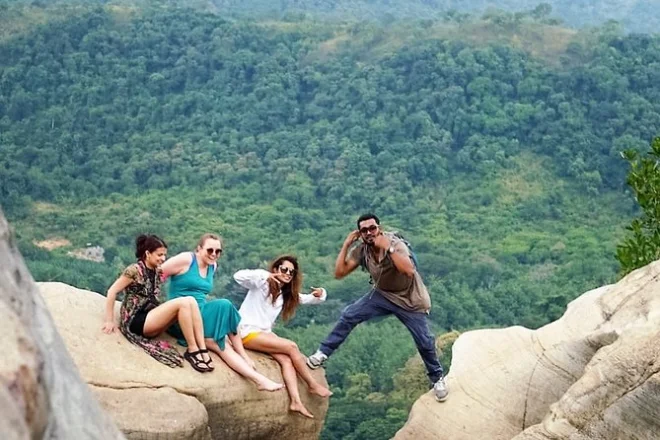
- Early morning climb to Pidurangala rock
- Breakfast on top of Pidurangala rock
- Visit Sigiriya Rock Fortress and museum
- Optional visit to Dambulla rock cave
- Evening catamaran ride on lake
- Enjoy local wine and bonfire dinner
Day 5 — Travel from Sigiriya to Kandy
- Visit spice garden with massage and tea
- Explore Kandy city and lake
- Visit Temple of the Tooth Relic
- Dine at exclusive Japanese restaurant
Day 6 — Kandy to Ella via Nuwara Eliya
- Drive through hills to Nuwara Eliya
- Walk in Nuwara Eliya town and park
- Enjoy snacks at Gregory Lake park
Day 7 — Ella tea process and sightseeing
- Learn about tea process in Ella
- Walk on live train tracks
- Visit Nine Arch Bridge
- Tuk-Tuk ride back to Ella town
- Dinner at Café Chill
Day 8 — Ella to Yala nature experience
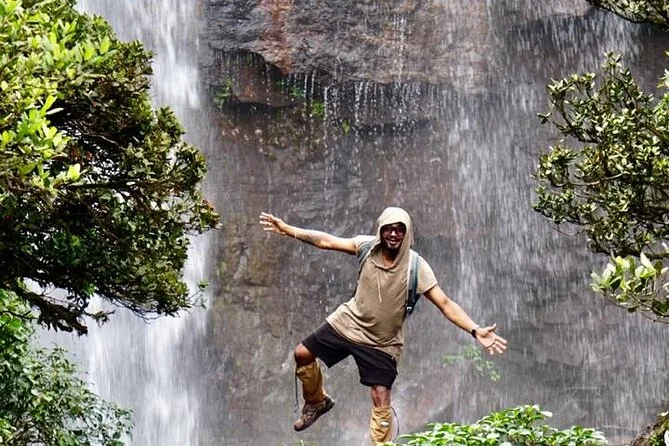
- Swim in natural pools and waterfalls
- Lunch with scenic view
- Visit Buduruwagala ancient temple
- Optional evening safari in 4x4 jeep
Day 9 — Yala to Kosgoda beach stay
- Early morning safari in Yala National Park
- Return and refresh at hotel
- Visit buffalo milk curd production
- Walk Galle Fort and learn history
Day 10 — Leisure day at Kosgoda beach
- Relax at beach and hotel pool
- Enjoy spa and sunbathing
Day 11 — Final night at Bentota beach
- Visit sea turtle hatchery
- Release baby turtles into ocean
- Optional activities: pool, cinnamon, boat, fishing
- Farewell seafood dinner with music and bonfire
Day 12 — Departure and airport transfer
- Breakfast at hotel
- Transfer to airport by tour bus
- Optional relaxation near airport before flight

The Experience
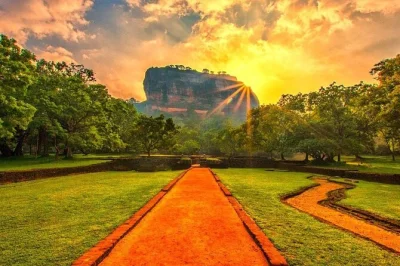
You arrive at Colombo airport and transfer to a beachfront hotel in Negombo, where the guide introduces the route over dinner—fresh grilled fish and local curry facing the sunset. From there the mini-coach carries the group north to Anuradhapura, stopping at a 17th-century Dutch canal and lagoons en route. The next two days are built around Sigiriya Rock Fortress: you climb Pidurangala at sunrise for breakfast on the rock face, then tackle the fortress itself with a museum visit and guide narration about the 1,500-year-old frescoes and water gardens. A catamaran ride on the lake at dusk—with local wine and a bonfire dinner cooked by village women—breaks up the climbing.
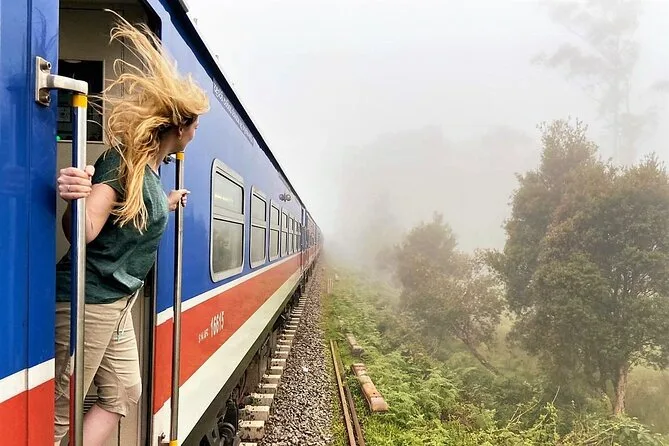
The route then climbs into the central highlands, passing through Ceylon tea terraces and stopping at a spice garden where you get a head and shoulder massage and learn about local remedies before lunch. Kandy sits in the middle of the island with a lake and the Temple of the Tooth Relic at its heart; you have free time to walk the old streets before dinner at a Japanese restaurant. The train journey from Nuwara Eliya to Ella is the centerpiece of the highlands section—you pass waterfalls and infinity views while climbing to 1,890 meters, then walk Ella's train tracks to the Nine Arch Bridge and ride a tuk-tuk back into town. A visit to Ritigala Forest Monastery includes lunch with local martial arts masters overlooking rice fields and herbal tea made by villagers.
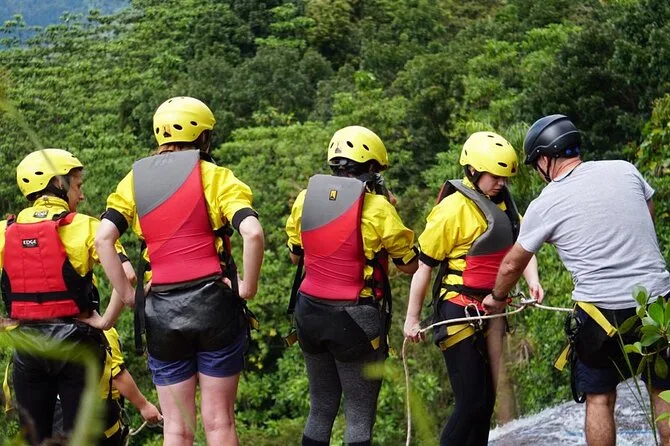
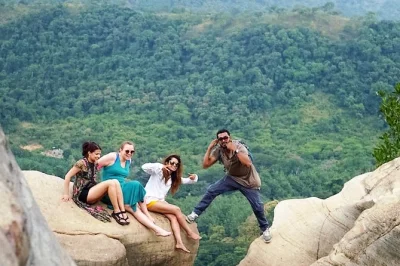
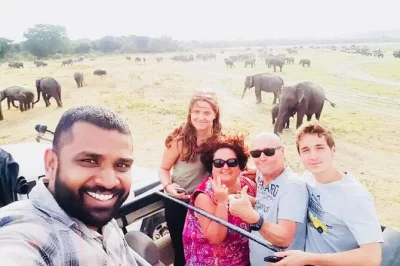
The southern leg starts with a stop at Diyaluma Falls, where natural pools allow swimming and cliff jumping for those willing; the guide confirms safe spots and brings local guides who know every step. Yala National Park comes next—a 5 a.m. departure in a 4x4 jeep to see leopards across 125,000 acres (the safari jeep and entrance are optional extras). The final stretch moves to the beach: Galle Fort gets a guided walk along the rampart walls at sunset, then three nights at a beach resort in Bentota. On the last evening, the guide takes you to the Kosgoda Sea Turtle Conservation Project to release three-day-old baby turtles into the Indian Ocean, followed by a farewell dinner on the beach with seafood and a bonfire. The tour ends with a transfer back to the airport the morning after.

What’s included
- Air-conditioned mini-coach transport throughout the 12 days.
- accommodation at 3-star and 4-star hotels.
- breakfast, lunch and dinner on most days (including a beachfront dinner in Negombo, lunch at a spice garden, a catamaran dinner with local wine, and a farewell beach dinner).
- entry to Sigiriya Rock Fortress, Anuradhapura's ancient temples, Kandy's Temple of the Tooth Relic, Galle Fort, Ritigala Forest Monastery and the Kosgoda Sea Turtle Conservation Project.
- a live guide in English, French or German.
- snorkelling equipment.
- use of a bicycle.
- hotel pickup and airport transfer.
Operated by SkyFeather Holidays
Is this one for you?Book this tour if you want to see Sri Lanka's major sites—ruins, highlands, wildlife and beaches—without organizing transport, guides or meals yourself. The fixed schedule and included guide mean you move through the country as a group, and the mix of active days and beach time suits families, couples and solo travelers equally.
Traveler reviews
Compare the 13 similar options
 Sri Lanka 12-Day Tour: Ancient Ruins & Tea Highlands★ 5.00 (17)12dEN · DE +1US$ 1,500
 Sri Lanka: Multi-Day Private Tour with Safari, Tea & Galle FortFeel Sri Lanka’s rhythm on a private multi-day tour—climb Sigiriya, sip Ceylon tea in the highlands, spot elephants on safari, and stroll Galle Fort. Includes airport pickup.★ 4.99 (103)10dENUS$ 415per groupView ›
 Sri Lanka 8-Day Private Tour: Sigiriya, Kandy, Ella & ChauffeurFeel the rhythm of Sri Lanka on an 8-day private tour from Colombo with a safe driver, hotel stays, and iconic sites like Sigiriya Rock and Galle Fort. Includes pickup.★ 4.98 (167)8dENUS$ 788View ›
 Sri Lanka 14-Day Tour: Negombo, Sigiriya & Mirissa with Car14-day Sri Lanka tour from Negombo with luxury car, English-speaking driver, hotel breakfast and all fees included. Covers Sigiriya, Kandy, Ella, Yala and coastal beaches.★ 4.96 (130)14dENUS$ 1,125View ›
 7-Day Private Car & Driver Tour Sri Lanka: Sigiriya to GalleSeven-day private tour of Sri Lanka with your own driver and air-conditioned car, starting from Negombo. Visit Sigiriya rock fortress, tea plantations★ 5.00 (237)7dENUS$ 590per groupView ›
 10-day Sri Lanka tour: Sigiriya, Kandy, Ella and Galle FortTen-day guided tour across Sri Lanka with private transport, certified driver and stops at Sigiriya Rock Fortress, Temple of the Sacred Tooth Relic★ 5.00 (158)10dENUS$ 850per groupView ›
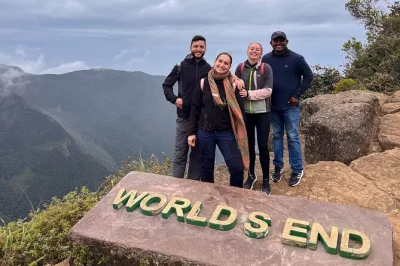 Sri Lanka: 8-Day Private Tour with Local Guide & PickupExperience Sigiriya, Kandy, Ella & Galle on a private 8-day Sri Lanka tour. Includes hotel pickup, local guide, safari, beach time & UNESCO sites.★ 5.00 (65)8dENUS$ 750View ›
 7-Day Sri Lanka Sightseeing Tour: Private Car, Guide & All HotelsSeven-day private tour of Sri Lanka with driver-guide, air-conditioned car, all accommodations and meals included; live English-speaking guide★ 5.00 (33)7dENUS$ 899View ›
 Sri Lanka 7-Day Private Tour: Sigiriya, Kandy & UdawalaweSeven-day private car tour across Sri Lanka with English-speaking driver. Covers Sigiriya Rock Fortress, Temple of the Sacred Tooth Relic, Udawalawe National Park, and Gregory Lake. Includes transport and tolls.★ 4.84 (203)7dEN · DE +3US$ 640per groupView ›
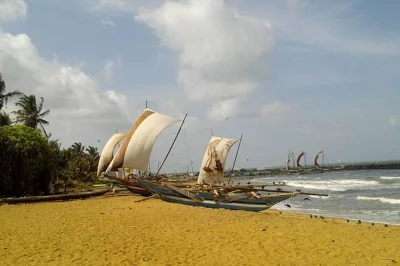 Sri Lanka Group Bus Tour: Sigiriya, Kandy & Ancient CitiesDiscover Sri Lanka by bus—Sigiriya Rock, Sacred Tooth Temple, safaris, tea plantations. Small group tour with local guides. Book your Sri Lanka adventure.★ 5.00 (20)12dENUS$ 1,983per groupView ›
 Sigiriya & Kandy: Private city tour with local driverExperience Sigiriya Rock Fortress, Pidurangala, and Kandy’s Sacred Tooth Temple with a Sri Lankan guide. Includes private transport and all entry fees.★ 5.00 (45)2dENUS$ 130per groupView ›
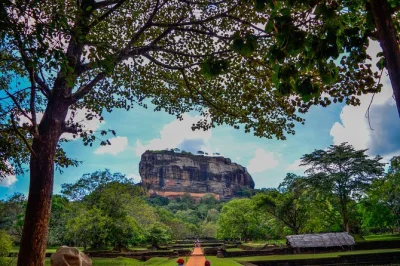 14-Day Private Sri Lanka Tour: Beaches, Culture & WildlifePrivate 14-day Sri Lanka tour with safaris, UNESCO sites, beaches, and local culture. Includes Sigiriya, Kandy, Ella, Colombo & more. Book your trip now.★ 4.89 (9)14dENUS$ 1,200View ›
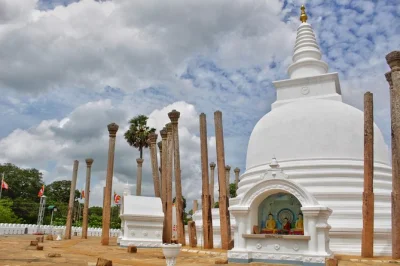 Sri Lanka Ancient Cities Tour: Anuradhapura, Sigiriya & KandyDiscover Sri Lanka’s ancient cities—Anuradhapura, Sigiriya, Kandy—on a private multi-day tour. Explore sacred temples, rock fortresses, and local life.★ 4.89 (19)8dENUS$ 920View ›
Top questions
What's included in the 12 days and what costs extra?
The tour includes accommodation at 3-star and 4-star hotels, most meals (breakfast, lunch and dinner on most days), the air-conditioned mini-coach with driver, a live guide in your chosen language, entry to major sites like Sigiriya, Anuradhapura temples, Kandy's Temple of the Tooth, Galle Fort and the Kosgoda turtle project, snorkelling equipment, and a bicycle. Optional activities—the Yala safari jeep, evening excursions in Bentota, cliff jumping at Diyaluma—are subject to an extra charge. Flights and travel insurance are not included.
How physically demanding is climbing Sigiriya Rock Fortress?
Sigiriya involves a steep climb of many steps to the summit, but the tour is designed for all fitness levels. The guide is trained to pace the group and explain the historical and architectural details as you go, framing it as a time travel rather than just a hike. You also climb Pidurangala at sunrise before tackling Sigiriya itself, so the two peaks are split across different days.
What happens on the leisure beach days in Bentota?
Two of the three nights in Bentota are free time—you can use the hotel pool, enjoy the spa, or sunbathe on the beach. On the final evening, the guide takes you to release baby sea turtles at the Kosgoda hatchery, then returns for a farewell dinner with music and a bonfire on the sand.
Is the train journey from Nuwara Eliya to Ella included?
Yes, the train ride through the tea plantations and mountains is included in the tour. You walk through Nuwara Eliya town with the guide first, visit Gregory Lake park for a snack lunch, then board the train to Ella. The guide checks train timings beforehand and walks you to the Nine Arch Bridge afterward.
Can children travel on this tour?
Children are welcome from age 1. The tour mixes active days (climbing, walking, jeep rides) with leisure time at the beach and in towns, so families can pace themselves. Meals and accommodation are arranged for all ages.
What languages does the guide speak?
The live guide is available in English, French or German. You choose your language when you book, and the same guide leads the group throughout the 12 days.
Sri Lanka 12-Day Tour: Ancient Ruins & Tea Highlands
12d · EN · DE +1 · at your hotel
from US$ 1,500 per person
★★★★★★★★★★5.0017 reviews
