

 +507 6792-0894


Santiago de Compostela: Finisterre, Costa da Morte & Ézaro Day Trip





Summary
Galicia’s rugged coast, ancient legends and wild Atlantic air
You’ll taste salt on your lips as you walk Galicia’s wild coast from Santiago de Compostela to Finisterre and Costa da Morte. Hear local stories from your guide, watch waves crash at Ézaro waterfall, explore fishing villages and medieval bridges, and share a slow lunch by the sea. It’s less about sightseeing than feeling what makes this place linger inside you.

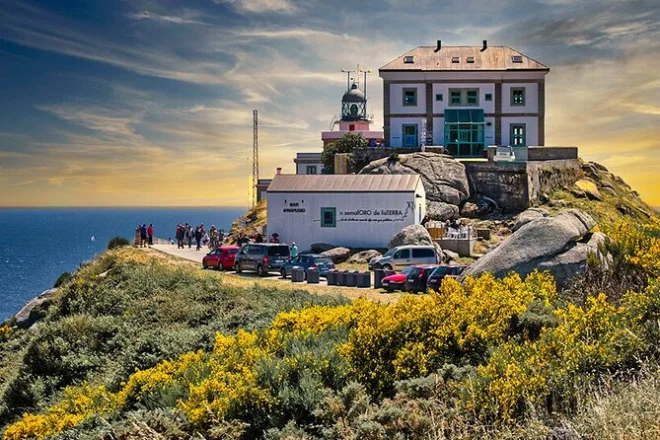
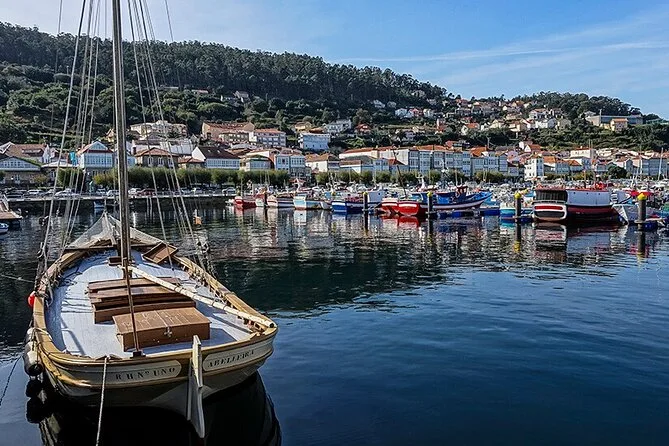
I’d heard stories about the “end of the world” before, but standing at Finisterre with the wind in my face felt different — like something old and heavy in the air. We started early from Santiago de Compostela, still a bit sleepy, but our guide (María — she had this dry humor I liked) kept pointing out little things I would’ve missed. There was a moment in Muros when I caught the smell of fish from a stall mixing with fresh bread from a bakery nearby, and suddenly I realized how much these towns live by the sea. I tried to ask for a pastry in Spanish and got a smile and something extra with my order — not sure if it was pity or kindness.
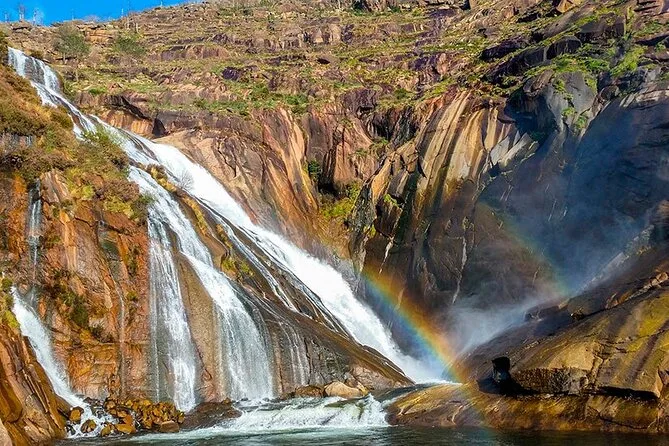
The drive along Costa da Morte is kind of hypnotic — gray rocks, green hills, then flashes of blue where the ocean just appears. At Carnota beach we stopped for photos but mostly just stood there because it’s so long you can’t really fit it into your head. The Ézaro waterfall surprised me; you hear it before you see it, crashing down right into the salt air. María told us it’s the only river in southern Europe that does this — empties straight into the sea. She also called Mount Pindo “the Celtic Olympus,” which sounds dramatic but seeing the mist around its top, I sort of believed her.
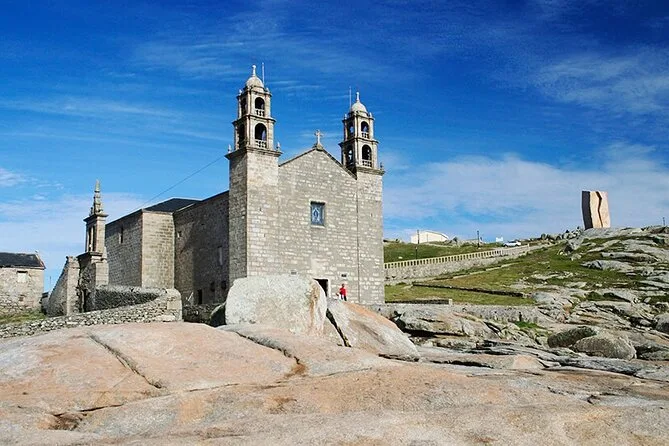
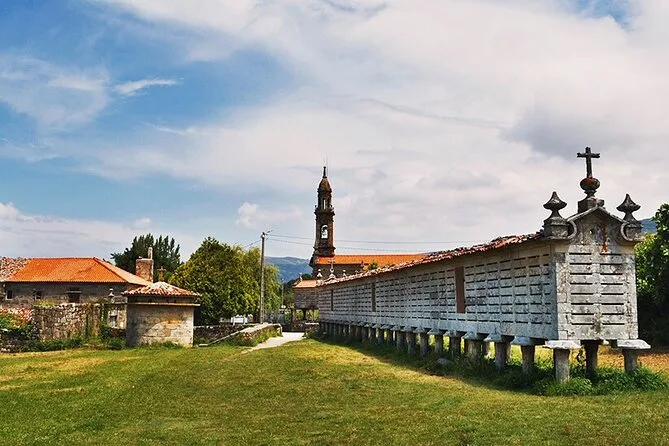
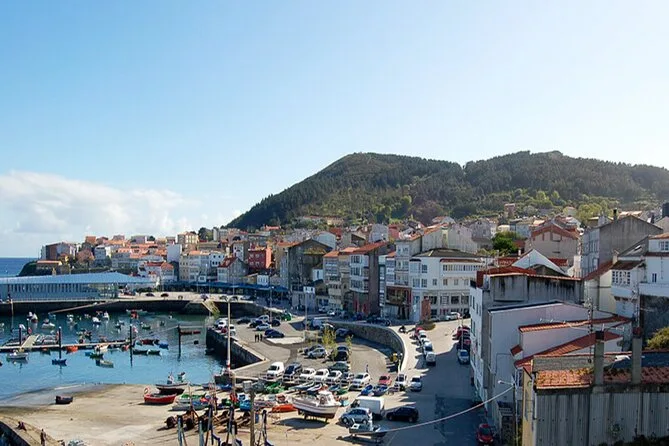
Lunch was wherever we wanted in another fishing village (I picked grilled sardines; maybe too many bones but worth it). People here move slowly, like they’re used to watching tides instead of clocks. In Muxía we wandered up to the Sanctuary of Nuestra Señora de la Barca — lots of stone everywhere and some pilgrims lighting candles inside. Someone tried to explain one of the holy stones’ legends to me but honestly I got lost halfway through; still, you feel something old there. The last stop was Pontemaceira with its medieval bridge and mills — quiet except for water running under old stones. I still think about that silence sometimes when things get noisy back home.
 9h
9h

Step-by-step itinerary
Day 1 — Explore Costa da Morte and nearby towns
- Walk through medieval town and visit bridge
- Stop at beautiful fishing village for walk
- Visit key granite monument near longest beach
- See waterfall flowing into the sea
- Free time to eat and explore port
- Visit Sanctuary of Nuestra Señora de la Barca
- Visit end of Roman world and lighthouse

Top questions

How long is the day trip from Santiago de Compostela to Finisterre?
The tour is a full-day excursion with multiple stops along Costa da Morte including Finisterre.
Is lunch included on this Costa da Morte day trip?
No, lunch is not included but there is free time to eat at local restaurants in one of the fishing villages.
Are guides available in English?
Yes, professional guides provide commentary in both English and Spanish.
Is transportation wheelchair accessible?
Yes, transportation options are wheelchair accessible for this tour.
Does this tour include pickup?
The tour includes guided transport starting from Santiago de Compostela.
What are some key stops on this day trip?
The itinerary includes Muros, Carnota beach, Ézaro waterfall, Finisterre lighthouse, Muxía sanctuary and Pontemaceira.
Can children join this excursion?
Yes, children are welcome and receive a 50% discount on tickets.
Are service animals allowed on this tour?
Yes, service animals are permitted during the excursion.

What’s included
Your day covers guided transport from Santiago de Compostela with commentary in English or Spanish throughout every stop along Costa da Morte. All insurances are included for peace of mind; families can bring strollers or prams for small children and service animals are allowed too. You’ll have free time for lunch (not included) in one of the fishing villages before returning together at day’s end.
 Super deal
  Free booking, free cancellation.
  Don't lose your place.


 Do you need help planning your next activity?
  +507 6792-0894


