
Cartagena & Murcia private tour: Roman Theatre and Punic Wall
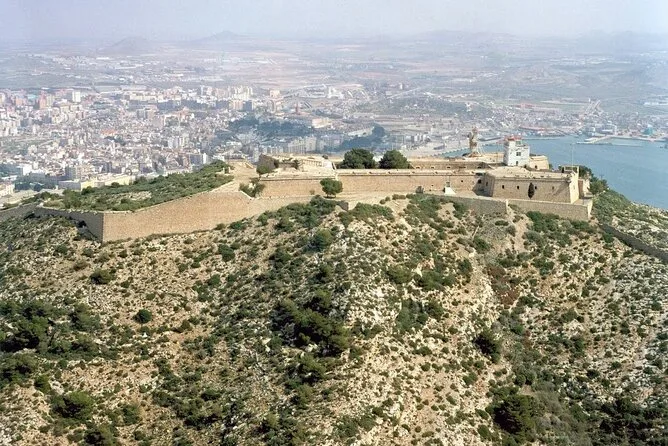
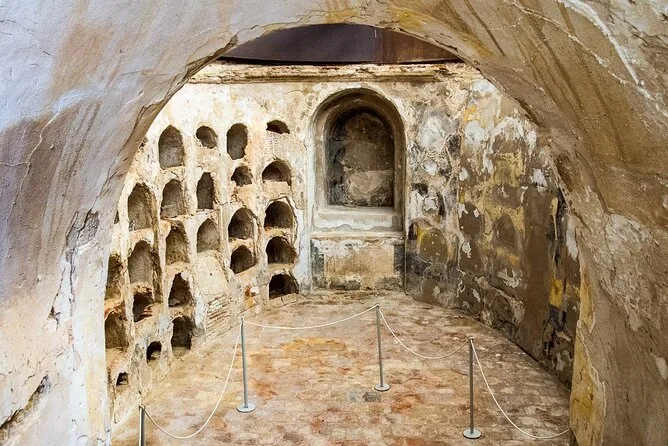



A Carthaginian defensive wall from the 3rd century BC still stands in Cartagena's old town.
A 6-hour private guided walking tour of Cartagena and Murcia covers two cities' layered history—from Carthaginian fortifications to Roman theatres to baroque churches. Your guide meets you at your hotel or the cruise port, drives you 45 minutes to Murcia for its downtown sights, then returns you to Cartagena to walk the Punic Wall, ride the panoramic lift to Castle Esplanade, and explore Calle Mayor. Hotel pickup and drop-off, air-conditioned transport, and a professional licensed guide in English or Spanish are included; food and drinks are not.
 6h
6h

Step-by-step itinerary
Explore Murcia and Cartagena highlights
- Meet guide at Cartagena port or hotel
- Drive 45 minutes to Murcia
- Visit Fuensanta Sanctuary in Murcia
- Walk through La Glorieta de España square
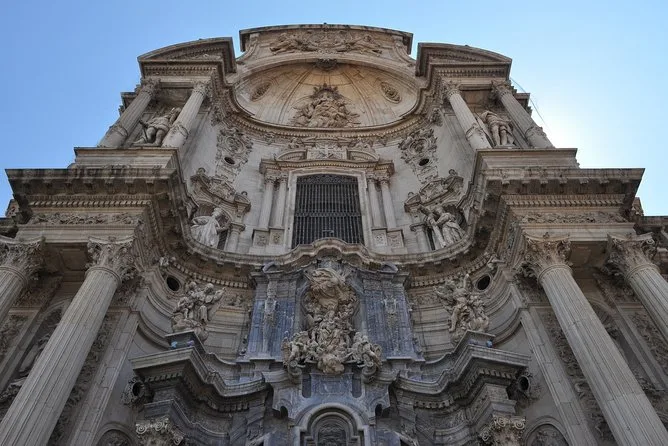
- Tour Murcia Cathedral
- See Royal Casino of Murcia
- Drive back to Cartagena
- Visit Punic Wall archaeological site
- Take panoramic lift to Castle Esplanade
- View Cartagena City Hall building
- Explore Roman Theatre of Cartagena
- Walk along Calle Mayor street

The Experience
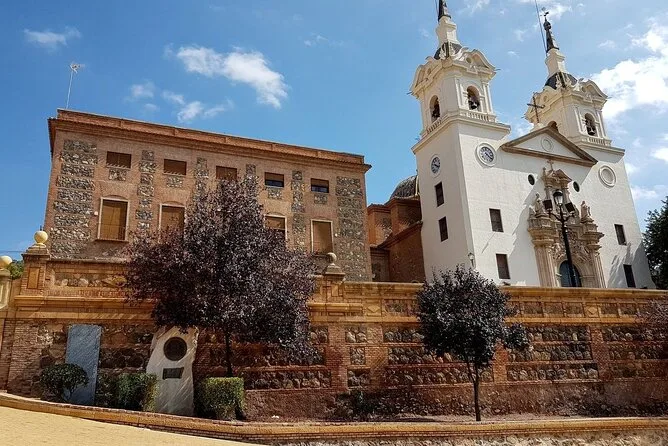
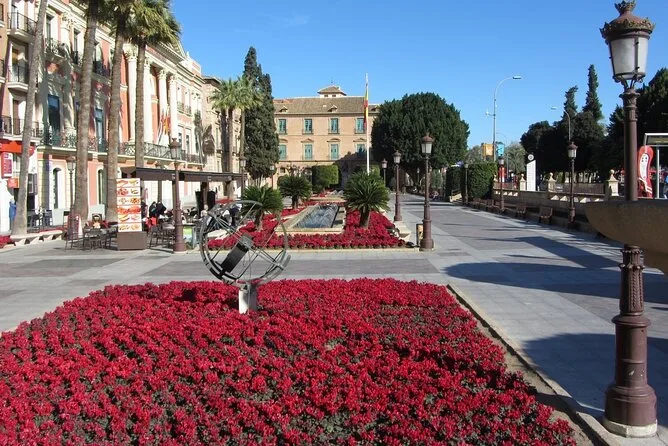
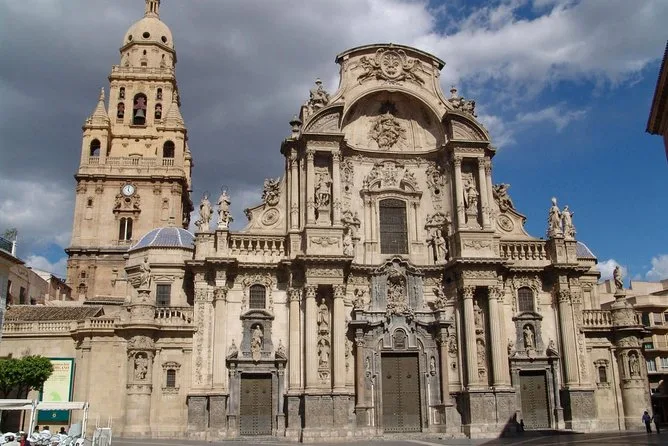
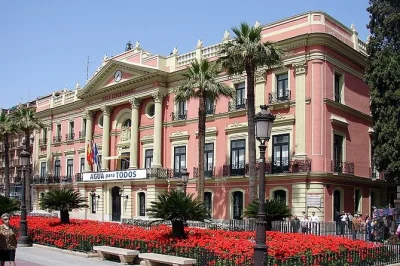
The tour starts at your hotel or the cruise ship port in Cartagena, where your guide collects you for the drive inland to Murcia. The 45-minute route gives you a sense of the region before you arrive in the capital of Murcia, Spain's 7th most populated city. Downtown, you walk past the Fuensanta Sanctuary—a Baroque church completed in 1705 with reliefs and sculptures by Jaime Bort—and La Glorieta de España, the elongated pedestrianized square next to the Segura river with the Town Hall and Episcopal Palace facing each other across flower beds. The Murcia Cathedral, a Roman Catholic church that serves as the diocese seat, anchors the old town nearby.
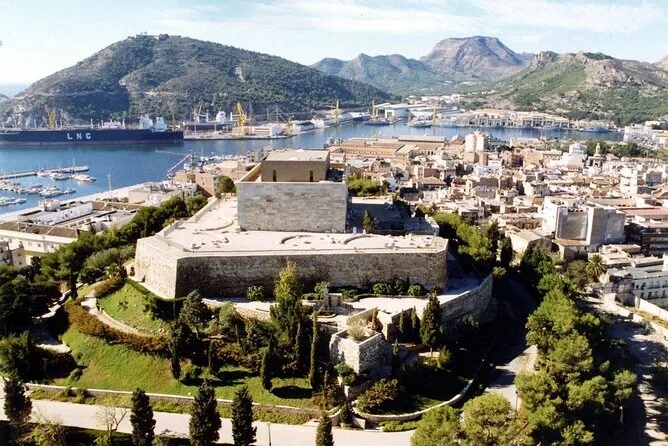
The Royal Casino of Murcia, finished in 1901 with an eclectic facade mixing classical and modernist details, sits on Trapería street where the guide shows you the building's evolution from its 1847 origins in a small palace. After the downtown walk, you drive back toward Cartagena—a scenic return that sets up the second half of the day. The Punic Wall, a 3rd-century BC defensive fortification built by the Carthaginians, marks one of the few remaining traces of Carthaginian civilization in Spain and connects directly to the Second Punic War, one of the Mediterranean's most pivotal ancient conflicts. A panoramic lift carries you up to Castle Esplanade without the climb; from there, you get sweeping views of the city and port and can photograph the 3,000 years of history layered below.
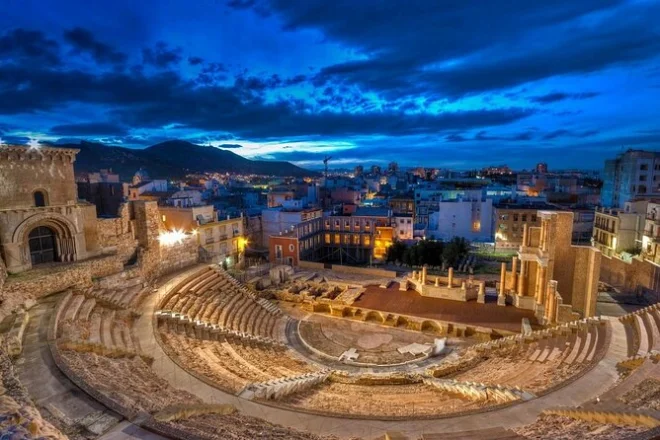
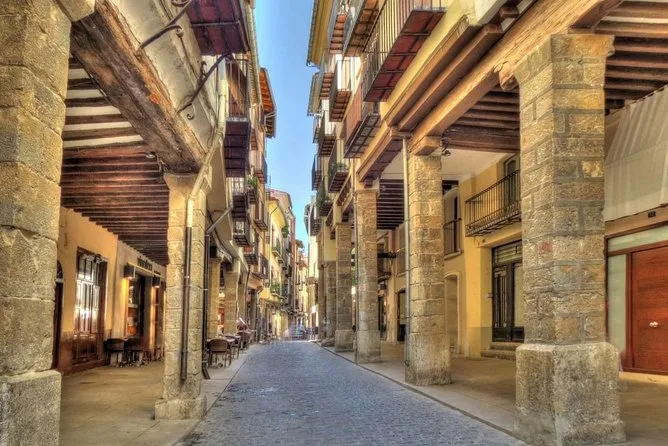
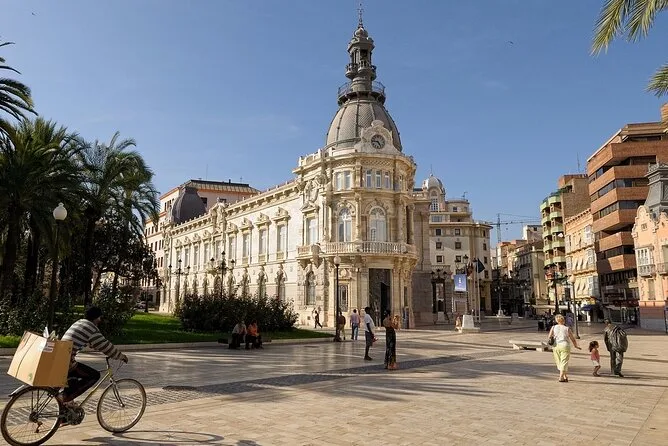
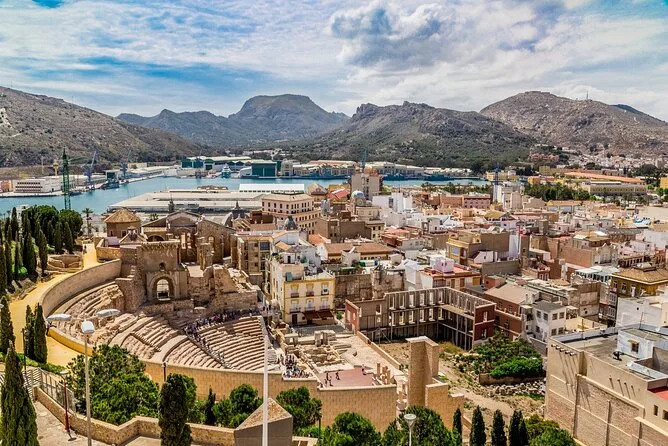
Back in the old town, you walk Calle Mayor, the main pedestrian street lined with beautiful architecture, passing the Roman Theatre—built between 5 and 1 BC and dedicated to Gaius and Lucius Caesar, grandsons of Augustus—and the Church of Santa Domingo. The City Hall, an eclectic French-style building from 1900–1907 with split pediments, elliptical windows, and carved female heads, stands as one of Cartagena's most ornate structures. The tour ends at the city center or near the port, wherever suits your schedule.

What’s included
- Hotel pickup and drop-off.
- transportation by air-conditioned vehicle.
- a professional licensed guide in English or Spanish.
- all fees and taxes.
Operated by Uopera tours
Is this one for you?The 6-hour span with a 45-minute drive each way suits a half-day or full morning from a cruise port or hotel base, since you cover two cities without rushing the walking sections in either one. Choose this if you want both Cartagena's ancient sites and a proper look at Murcia's downtown, rather than staying in one city alone.
Traveler reviews
More experiences you might like
 Cartagena & Murcia private tour: Roman Theatre and Punic Wall★ 5.00 (3)6hEN · ES€ 532
 Murcia & Cartagena Private Shore Experience with Local GuideDiscover Murcia’s cathedral, taste traditional meat pie, and explore Cartagena’s ancient Punic Wall with a local guide. Includes pickup and entry fees.★ 4.93 (14)6hEN · ES€ 490View ›
 Cartagena & Mar Menor: Trike Tour Mining Area, Lemon GrovesFeel the wind on a Rewaco trike from Cartagena to Mar Menor, passing old mines, Spanish villages, and lemon groves. Includes private transport for two.★ 4.99 (99)3hEN€ 145View ›
Top questions
What is the Punic Wall and why does it matter?
The Punic Wall is a 3rd-century BC defensive fortification built by the Carthaginians, one of the few remaining traces of Carthaginian civilization in Spain. It stands as evidence of the Second Punic War, one of the most important events in ancient Mediterranean history, and you see it during the Cartagena portion of the tour.
How long is the drive between Cartagena and Murcia?
The panoramic drive from Cartagena to Murcia takes about 45 minutes each way. You spend the first part of the tour in Murcia's downtown, then return to Cartagena for the second half.
When was the Roman Theatre of Cartagena built?
The Roman Theatre was built between 5 and 1 BC and was dedicated to Gaius and Lucius Caesar, grandsons of Augustus. You see it during the walk along Calle Mayor in the old town.
Does the tour include a visit inside the Murcia Cathedral?
The tour includes a walking view of the Murcia Cathedral, the Roman Catholic church that serves as the diocese seat in the old town. Your guide shows you the exterior and its role in the city's layout.
What does the panoramic lift at Castle Esplanade do?
The panoramic lift carries you up to Castle Esplanade without requiring a walk up the hill, giving you sweeping views of Cartagena's city and port. The castle itself has served as a Roman temple site, a Muslim fortress, a medieval castle, and during the Civil War, housed a siren that warned residents of bombing.
Is pickup from my hotel included?
Yes, hotel pickup and drop-off are included in the tour price. If you arrive by cruise ship, your guide meets you at the Cruise Ship Port instead.
Cartagena & Murcia private tour: Roman Theatre and Punic Wall
6h · EN · ES · at your hotel
from € 532 per person
★★★★★★★★★★5.003 reviewsVerified traveler reviews via our booking provider
