
Santiago de Compostela: Finisterre & Costa da Morte Full Day
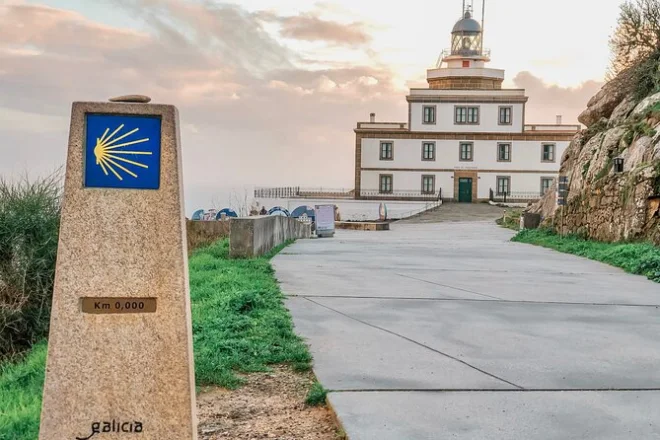
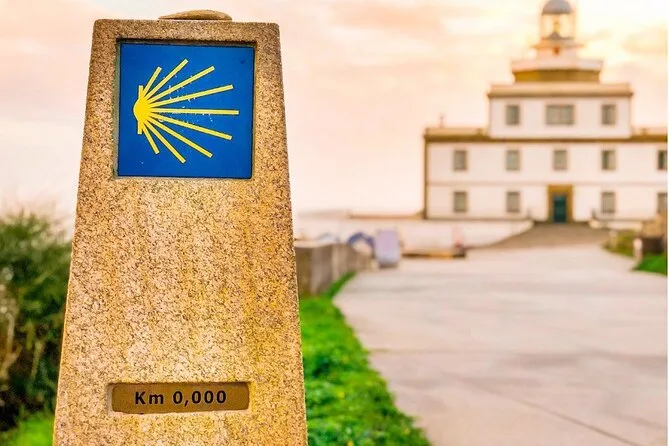








Where the Romans thought the world ended, and the ocean still proves them right
You'll travel from a Roman bridge through two sanctuaries and the village of Finisterre, stop for lunch with free time to explore, then see Ezaro Waterfall, a traditional hórreo, and the Muros estuary. The guide handles all the history and logistics. You just show up and move through the day. Eight hours, one coach, no planning required on your end.
Compare the 6 alternatives
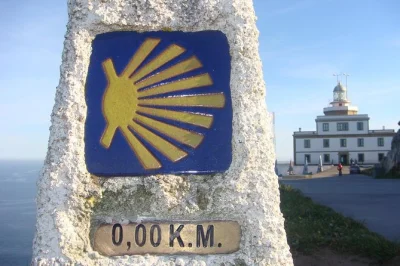 Finisterre, Muxia & Costa da Morte tour from Santiago: 7 stopsEvery day · 09:00★ 4.84 (1,773)9h 15mEN · ES€ 52View ›
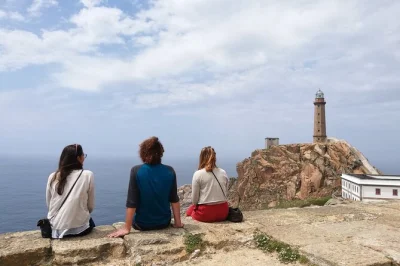 Santiago de Compostela: Finisterre, Muxía & Costa da MorteEvery day · 09:00 · All ages★ 4.79 (273)9hEN · ES€ 52View ›
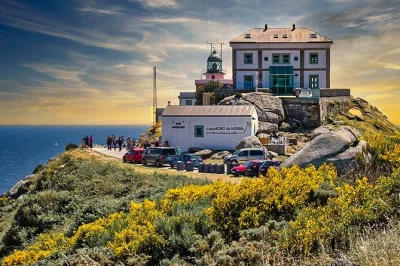 Santiago de Compostela: Finisterre & Costa da Morte Day TripEvery day · 09:00 · All ages★ 4.55 (230)9hEN · ES€ 49View ›
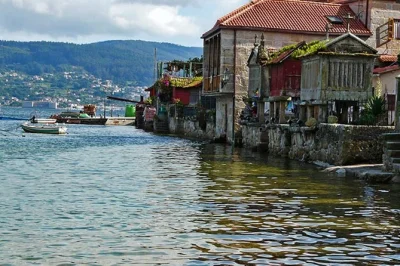 Santiago de Compostela: Rías Baixas Winery & Mussel Boat TourEvery day · 09:00 · All ages★ 4.83 (328)9h 30mEN · ES€ 47View ›
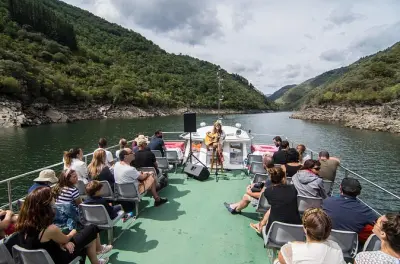 Ribeira Sacra tour from Santiago: Boat trip and monasteriesSat · 08:00 · All ages★ 4.69 (13)10hEN · ES€ 55View ›
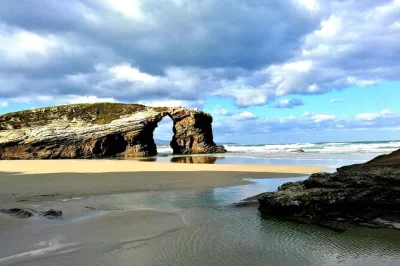 Santiago de Compostela: Cathedrals Beach & Lugo Private TourEvery day · 08:00 · All ages★ 4.87 (187)9h 30mEN · ES€ 59View › Compare more experiences like this »
Step-by-step itinerary
Explore Finisterre and Costa da Morte
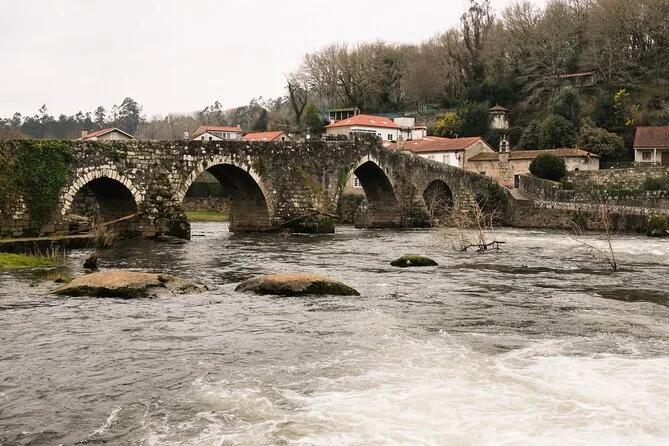
- Visit Roman bridge of Pontemaceira
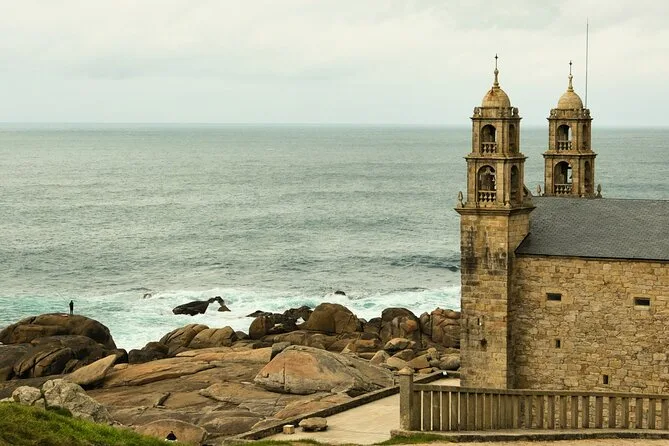
- See Sanctuary of Virxe da Barca
- Explore Muxia sanctuary and stones
- Enjoy lunch in Finisterre village
- Free time to eat in town
- View Ezaro Waterfall
- Discover large Galician granary
- Admire Muros Stuary and bateas
The experience
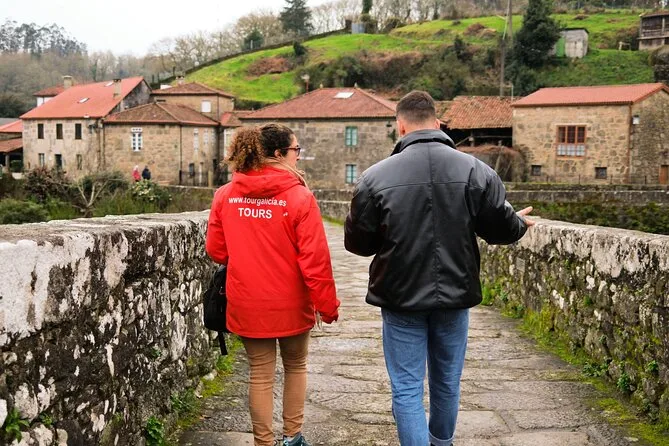
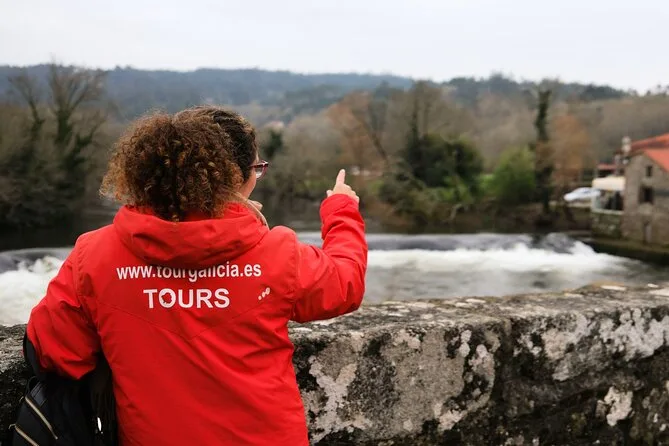
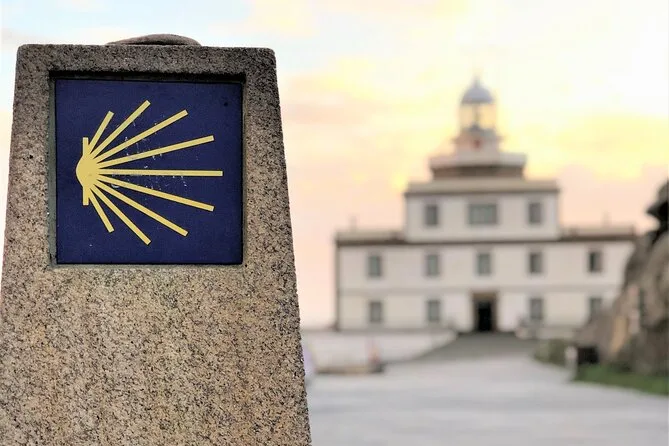
The Pontemaceira Roman bridge is where this day starts, and it's the first marker on what locals call the Finisterranean way: a route that runs toward the edge of everything. Your guide will walk you across stone that's been holding up under Galician weather for centuries, then point out toward the coast and explain why medieval pilgrims believed the world actually stopped here. It's not just scenery. It's the geography of an old fear, and it shapes how you see the rest of the day.
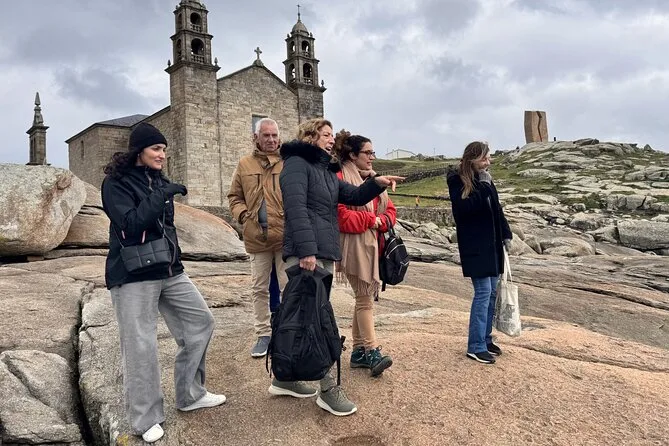
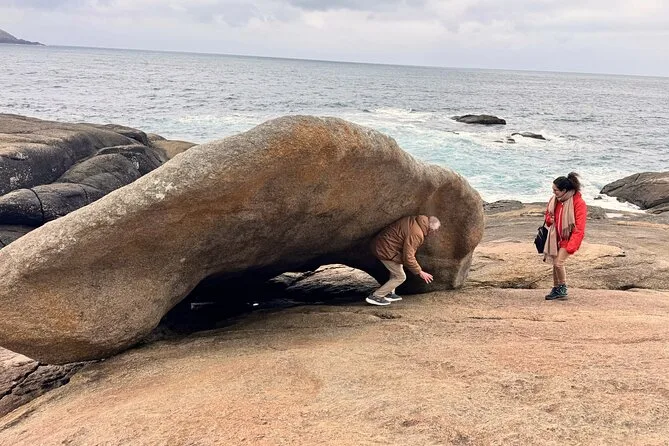
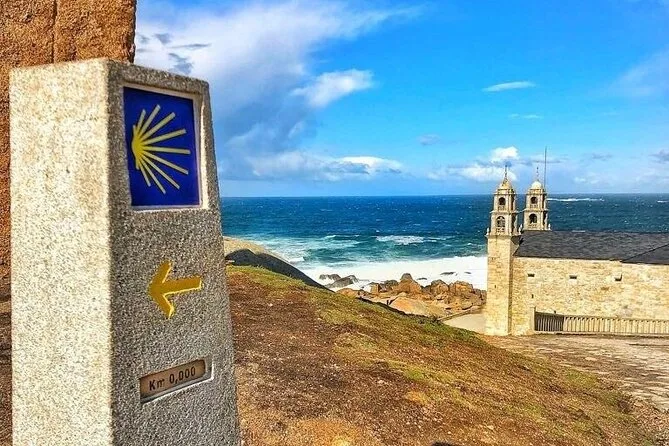
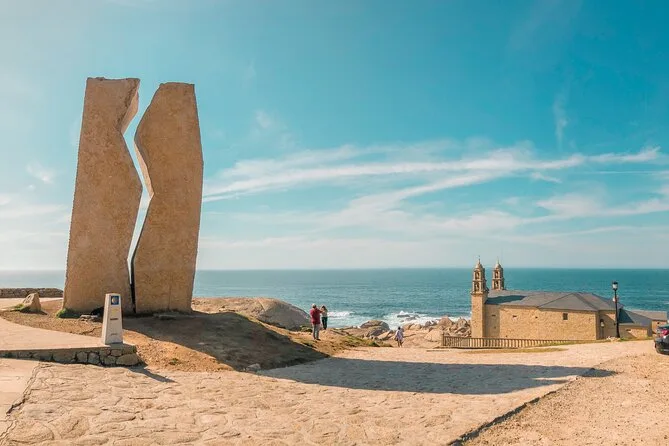
After the bridge, you'll reach the Sanctuary of Virxe da Barca in Muxía, where the ocean hits the rocks with enough force that you feel it in your chest. This is where pilgrims on the Camino de Santiago came to stand before the water and listen to stories about the Apostle's arrival: the kind of legends that don't make sense until you're actually standing there. Then comes Muxía's sanctuary itself, where two stones sit in the shallows and locals have performed rituals on them for centuries. Your guide will explain what those rituals are and, if you're curious, you can try them yourself. The whole Finisterre and Costa da Morte coastline moves like this: one story folding into the next, each one tied to the place itself.
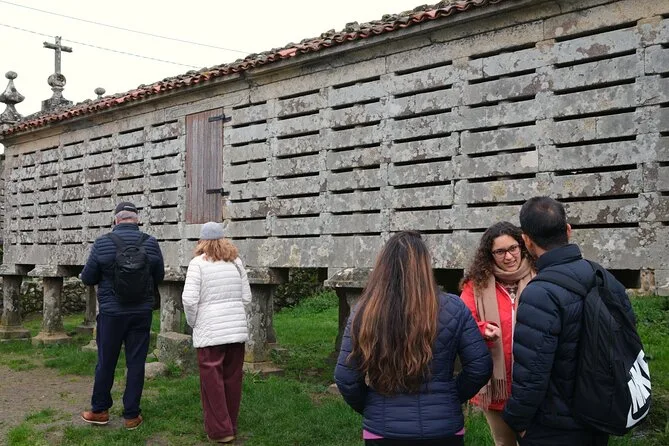
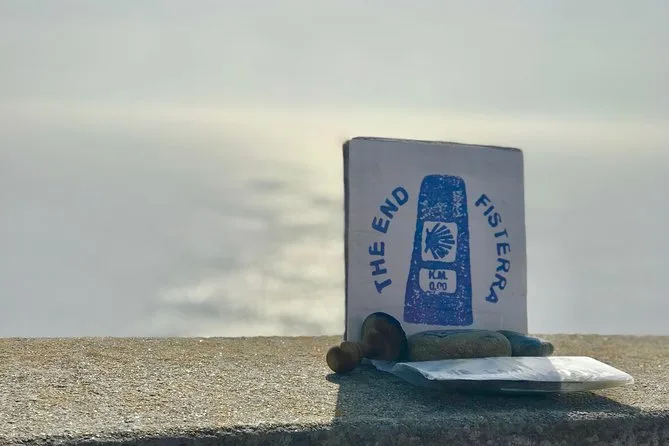
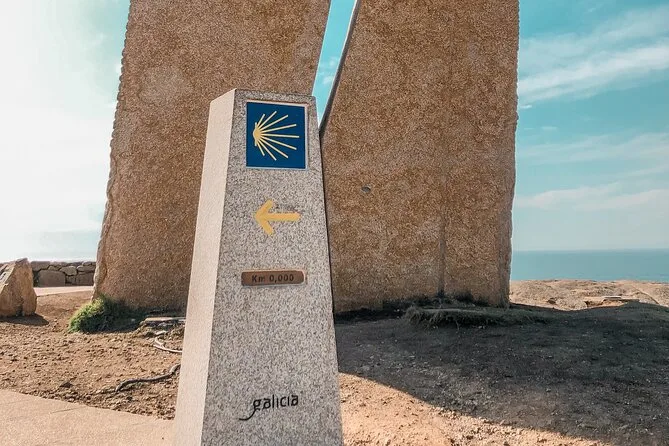
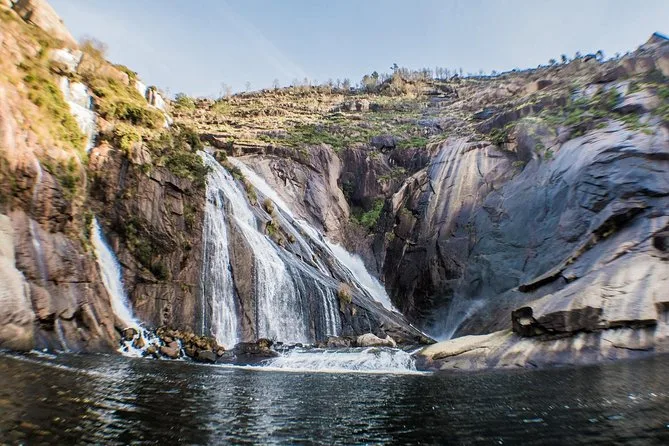
Finisterre village is where you'll eat lunch, and the restaurants there know what they're doing with local fish and seafood at prices that don't punish you for being a tourist. After you eat, there's time to walk around and actually look at the place: the cliffs, the light, the way the town sits on the edge. Then the tour takes you inland to Ezaro Waterfall, which drops straight into a gorge and carries pre-Roman history in its spray. Your guide will connect it to the older beliefs that shaped this region before Christianity arrived. You'll also stop at one of Galicia's largest hórreos (those wooden granaries on stilts that you see everywhere here), and learn why they became so central to how Galicians think about themselves. The final stop is the Muros estuary, where you can see the bateas, the floating platforms where locals farm mussels and scallops, and understand how the coast feeds the people who live on it.
The whole tour runs about eight hours in an air-conditioned coach with an English and Spanish-speaking guide. Transportation, insurance and the guide are included. You pay for your own lunch in Finisterre. If you're traveling with children, they need to be with an adult, and infants sit on a lap. The pace suits all fitness levels because you're mostly riding and stopping to look, not hiking.
What’s included
- Your day includes air-conditioned coach transport, an English and Spanish-speaking guide, and insurance.
- You'll stop at the Pontemaceira Roman bridge, the Virxe da Barca sanctuary in Muxía, Muxía's sanctuary with its ritual stones, the village of Finisterre with free time for lunch at local restaurants (at your own cost), Ezaro Waterfall, one of Galicia's largest hórreos, and the Muros estuary.
- The tour lasts around eight hours total.
Before you book
Prices and times updated yesterday
Operated by Tour Galicia
Is this one for you?Book this if you want the main Finisterre and Costa da Morte sites in one day without arranging transport, a guide or timing yourself: the fixed route and schedule handle all three, leaving you to focus on the stories and the landscape.
Traveler reviews
Top questions
What languages is the guide in?
Live guide in English and Spanish.
Can children come?
Yes. Ticket types: Youth (4 to 12 years); Child (under 4).
What happens if it rains?
It may be canceled due to bad weather. If that happens, you're offered another date or a refund. Free cancellation up to 24 h before the start.
How long is the tour?
Around eight hours, including the lunch stop in Finisterre.
What's included in the price?
Coach transport, English and Spanish-speaking guide, and insurance. Lunch is not included. You pay separately at restaurants in Finisterre.
Is there time to eat in Finisterre?
Yes. The itinerary includes a lunch stop with free time to choose a restaurant and eat at your own pace.
Can I do this tour if I'm not very fit?
Yes. The tour is suitable for all fitness levels because most of the day is spent in the coach. Stops involve short walks and standing.
What is the Finisterranean way?
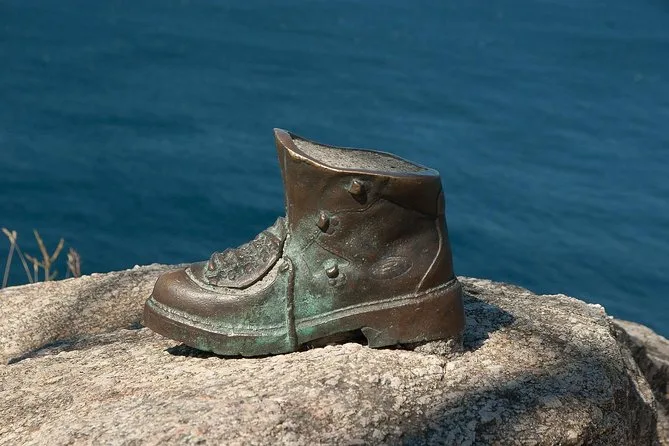
A historic route that runs toward Finisterre, following the old Camino de Santiago pilgrimage path and ending at the cliffs where Romans believed the world ended.
What are hórreos?
Traditional Galician wooden granaries built on stilts, used for storing grain and other goods. They're an iconic part of Galician culture and landscape.
Is there public transport to the meeting point?
Yes, public transportation options are available nearby.
Santiago de Compostela: Finisterre & Costa da Morte Full Day
9h 30m · EN · ES
from € 52 per person
4.78896 reviewsVerified traveler reviews via our booking provider