
Seoul DMZ Tour: 3rd Tunnel & North Korea Views with Hotel Pickup

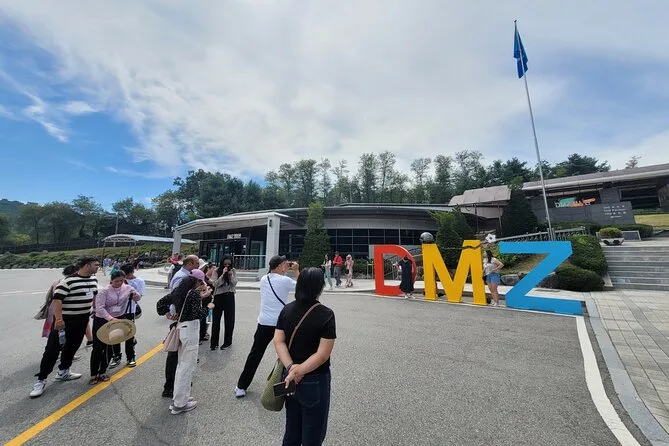
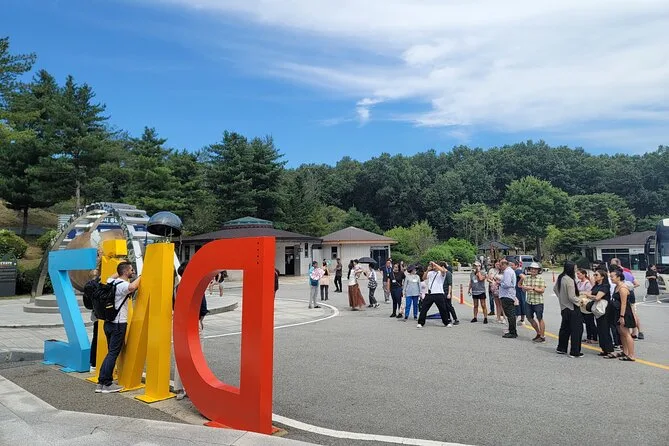


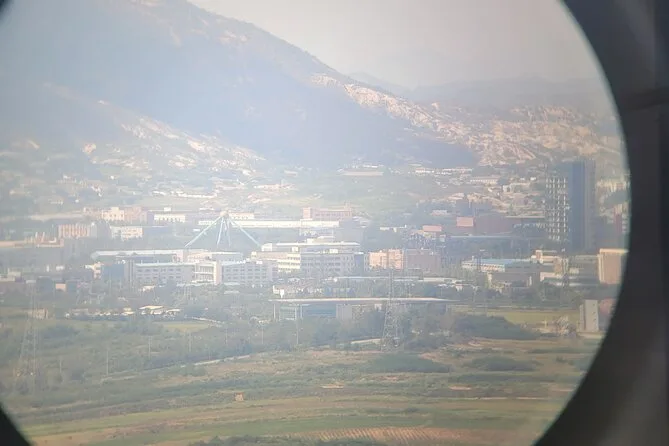
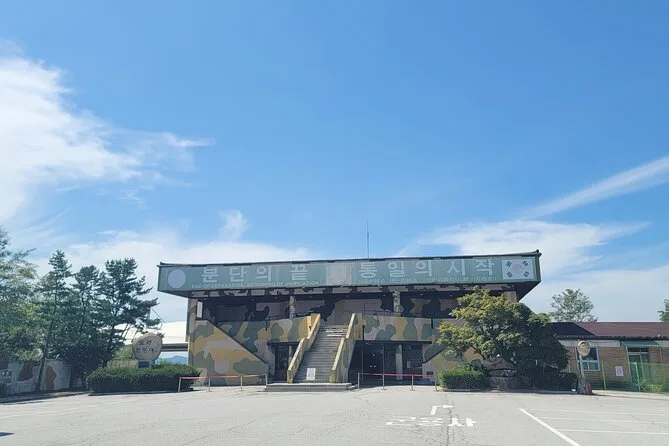
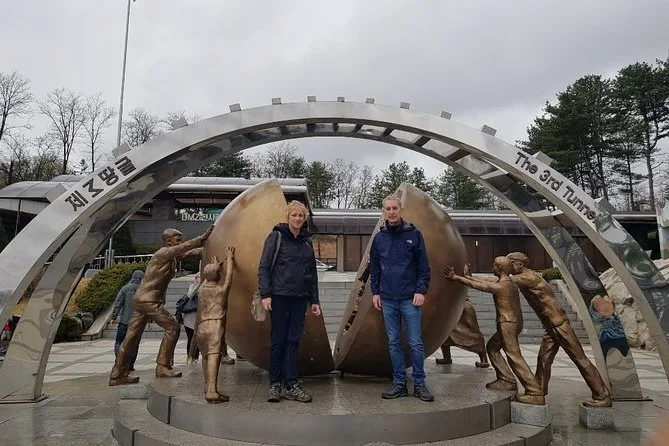
What does it actually feel like to stand at the border and see North Korea through binoculars?
You're picked up from your Seoul hotel and driven to the DMZ, where you descend into the Third Tunnel, view North Korea through binoculars at Dora Observatory, and walk through Imjingak Peace Park. The tour includes entrance fees, an English-speaking guide, airsoft shooting, and JSA Studio photos, with dropoff at your choice of three central Seoul locations.
Compare the 12 alternatives
 2-Day Seoul and DMZ Tour: Third Tunnel and Palace SightseeingEvery day · 07:30 and 09:00 · All ages★ 4.88 (99)2dEN · CMUS$ 99View ›
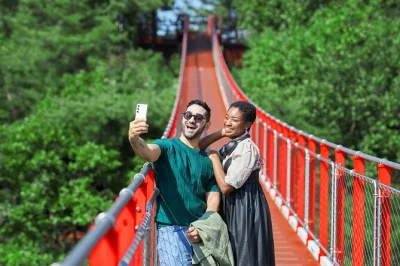 Seoul DMZ Tour: Third Tunnel & Dora Observatory with Suspension BridgeTue–Sun · 07:00, 09:00 and 10:00 · All ages★ 4.94 (52,538)7h–9hEN · CMUS$ 50View ›
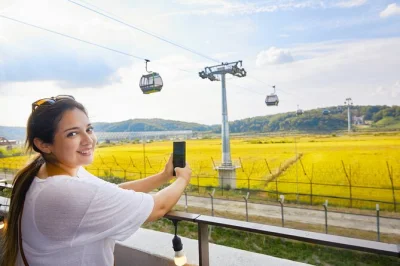 Seoul DMZ Tour: JSA Museum & Bridge CrossingTue–Sun · 07:00, 09:00 and 10:00 · All ages★ 4.94 (2,827)7h 30mEN · CMUS$ 49View ›
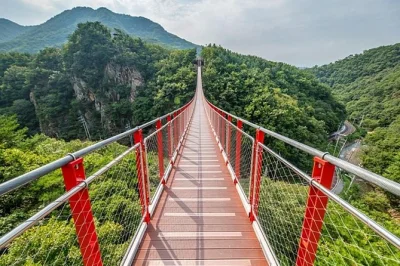 Seoul DMZ Tour: North Korea Defector Q&A & 3rd TunnelEvery day · first departure 07:00, last 09:30★ 4.97 (30,337)6h–9hEN · JAUS$ 50View ›
 Seoul DMZ Tour: JSA Museum & North Korea ViewsTue–Sun · 07:00 and 10:00 · All ages★ 4.95 (1,579)8hEN · CMUS$ 49View ›
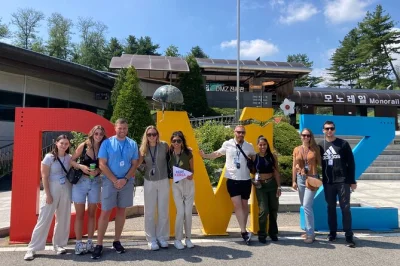 Seoul DMZ & Mt. Gamaksan Bridge Tour with Hotel PickupTue–Sun · 07:00 and 07:30 · All ages★ 4.92 (2,451)8h–10hEN · KOUS$ 65View ›
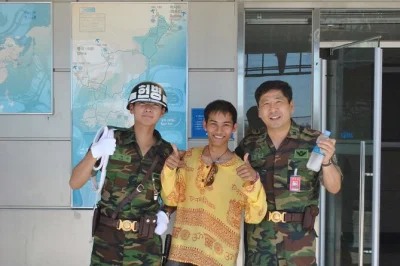 Seoul DMZ & 3rd Tunnel Tour with North Korean Defector TalkTue–Sun · 07:00, 09:00 and 10:00 · All ages★ 4.95 (3,511)7h 30mEN · CMUS$ 49View ›
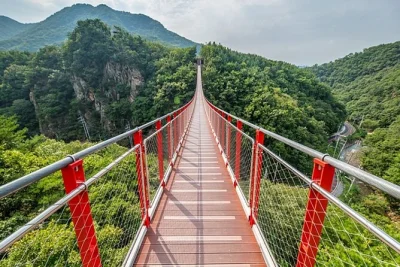 DMZ & 3rd Tunnel Private Tour: Suspension Bridge OptionsTue–Sun · first departure 07:30, last 09:00 · All ages★ 4.95 (759)8h–9hENUS$ 198View ›
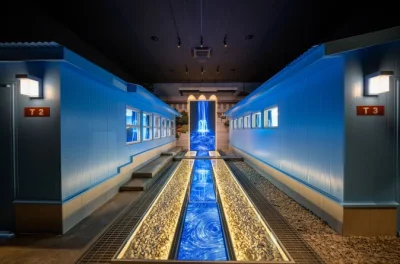 Seoul DMZ & JSA Museum Tour with Third Tunnel AccessTue–Sun · 07:00, 09:00 and 10:00 · All ages★ 4.96 (2,783)8hEN · CMUS$ 49View ›
 DMZ Tour from Seoul: 3rd Tunnel, Dora Observatory & Defector TalkTue–Sun · 07:30 · All ages★ 4.88 (6,038)7h–9hEN
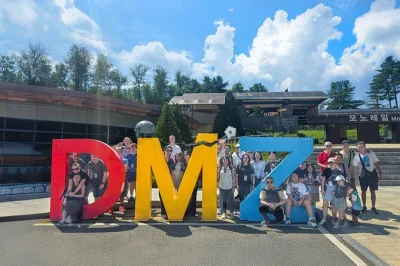 Seoul DMZ Tour: 3rd Tunnel, Gondola & Suspension BridgeEvery day · first departure 06:30, last 09:00 · All ages★ 4.91 (1,289)9h–11hENUS$ 48View ›
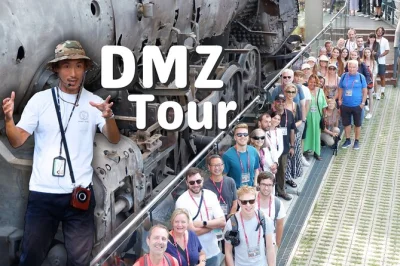 Seoul DMZ Tour: 3rd Tunnel, Dora Observatory & No Shopping StopsTue–Sun · first departure 06:40, last 09:30 · All ages★ 4.98 (4,153)7h–9hENUS$ 40View › Compare more experiences like this »
Step-by-step itinerary
- DMZ2h · entry included
- Third Tunnel of Aggression1h · entry included
- Dora Observatory30m · entry included
- Hongdaepass by
- Myeongdong Shopping Streetpass by
- Gwangjang Marketpass by
DMZ tour with Seoul hotel pickup
- Hotel pickup in Seoul
- Visit Imjingak Peace Park
- See derailed locomotive and Bridge of No Return
- Explore Freedom Bridge at Imjingak
- Visit Third Tunnel of Aggression
- Tour Dora Observatory for North Korea views
- Stop at Unification Village for rest and shopping
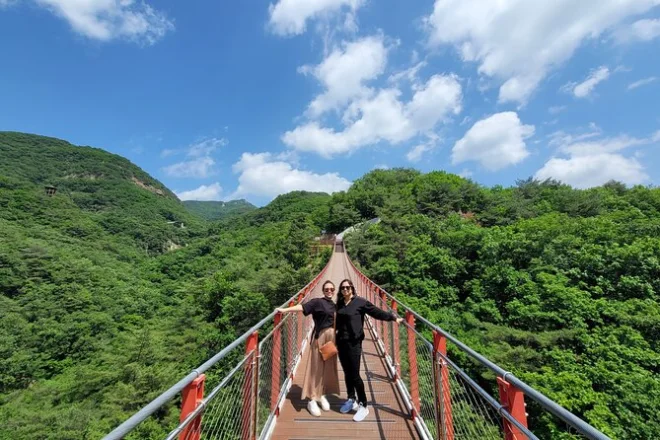
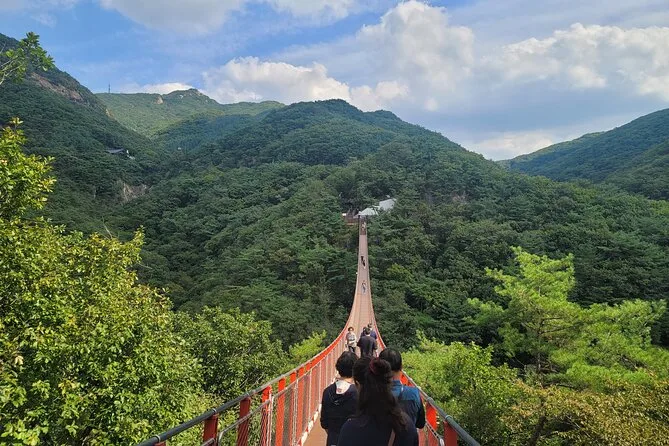
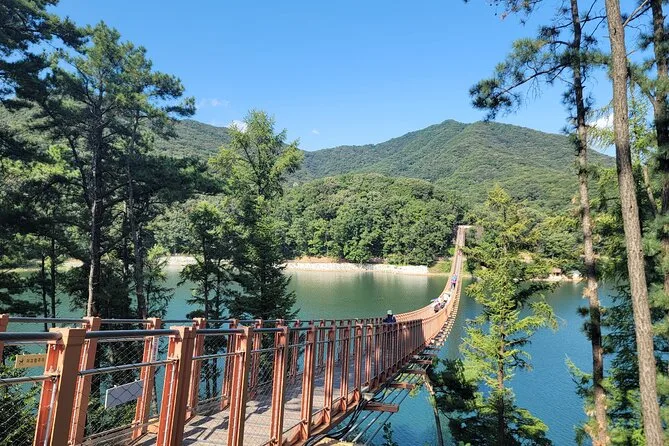
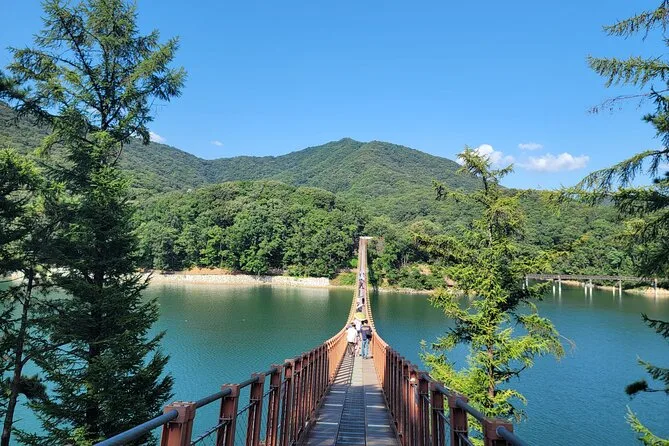
- Optional visit to Suspension Bridge at Mt. Gamaksan
- Visit JSA studio and Airsoft shooting range
- Hotel dropoff in Seoul
The experience
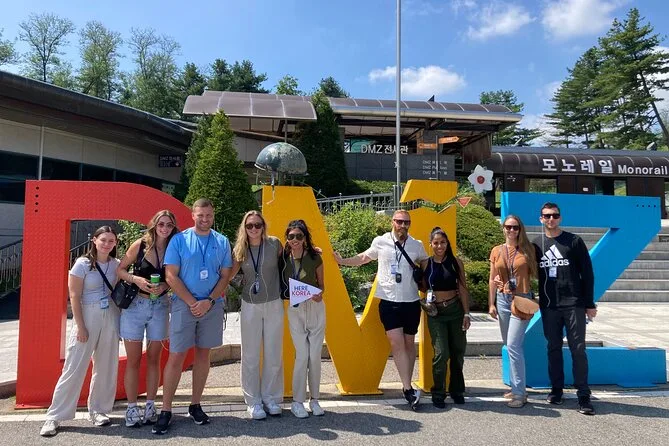
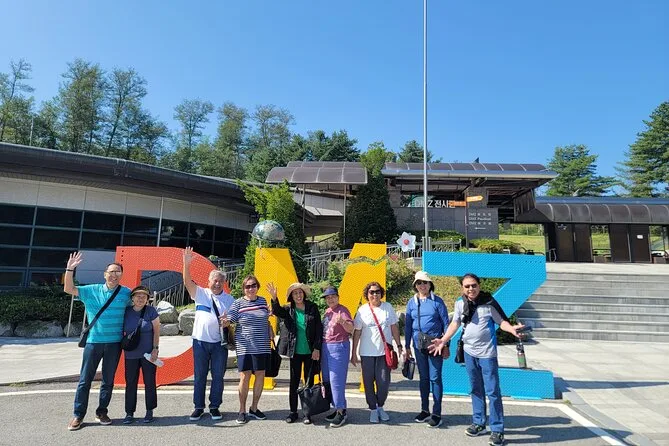
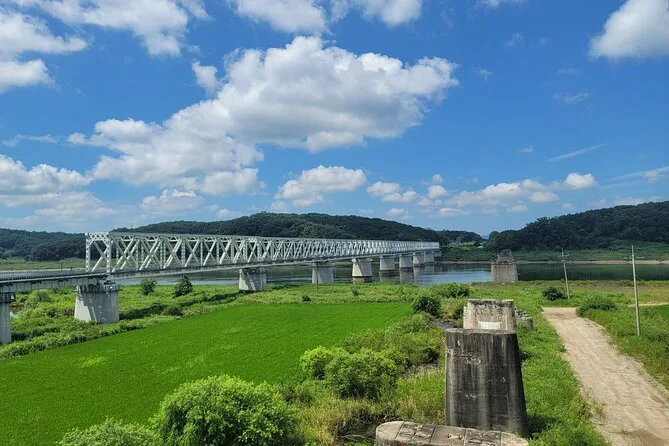
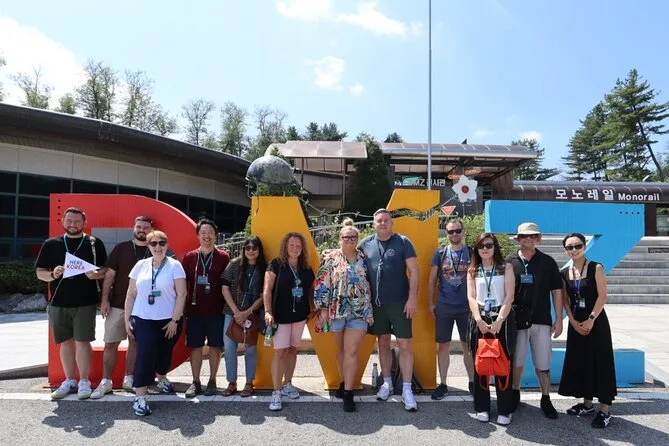
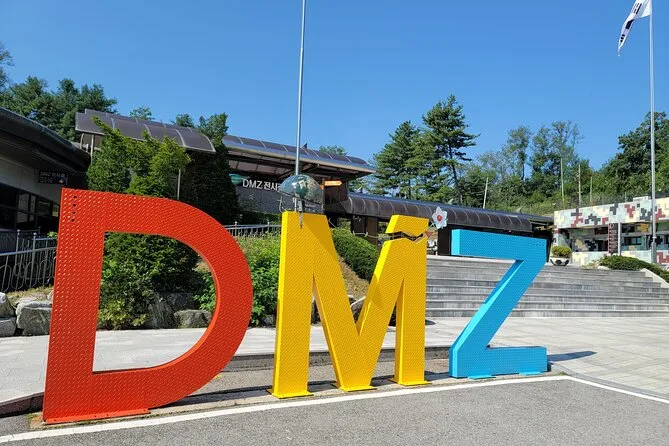
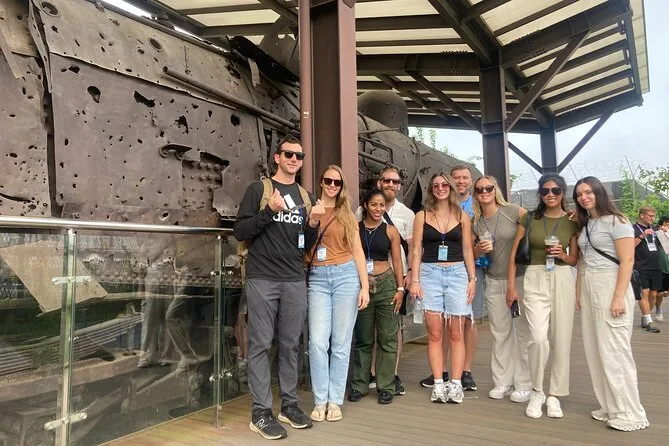
The pickup happens at your hotel in Seoul, and from there the drive north takes you past the city limits into a landscape that shifts: fewer buildings, more checkpoints, a different kind of quiet. Your guide briefs the group on the way: the Korean War, the division, what you're about to see. It's not a lecture. It's context that makes the next six hours make sense. The DMZ tour itself moves through four main stops, and the first one is Imjingak Peace Park, where you'll see the derailed locomotive from the war, the Bridge of No Return where prisoners were exchanged, and the beginning of what separates the peninsula.
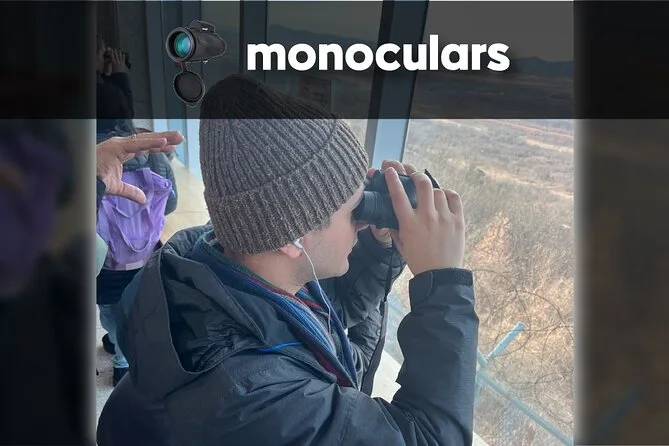
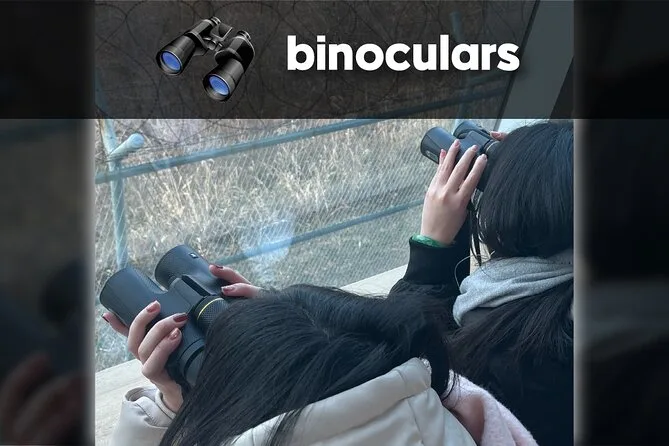
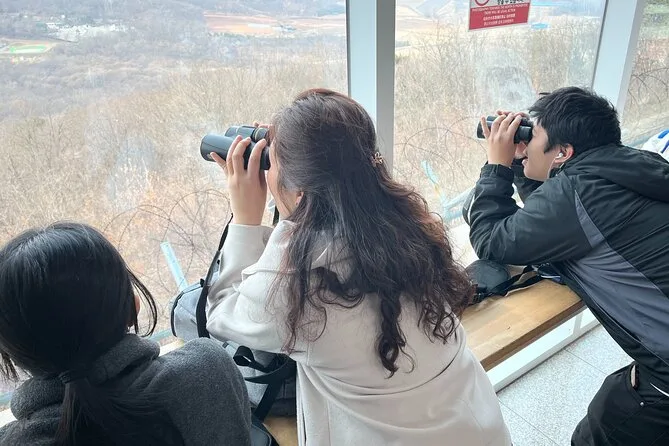
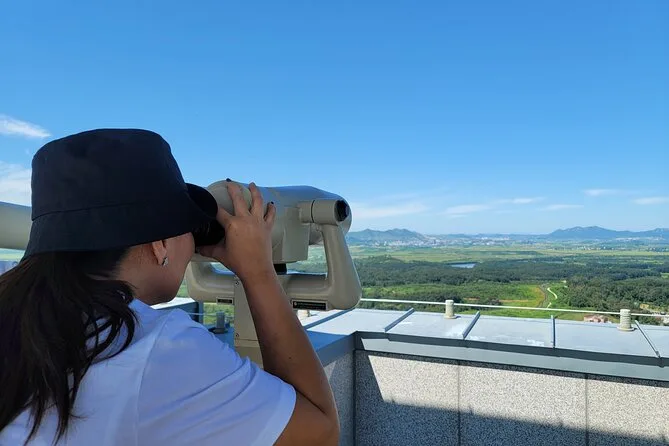
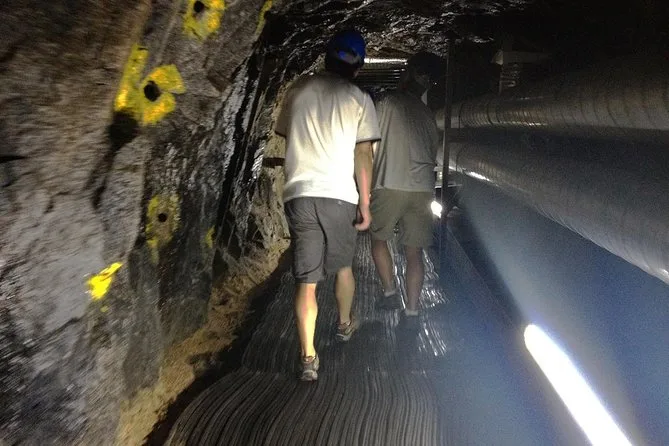
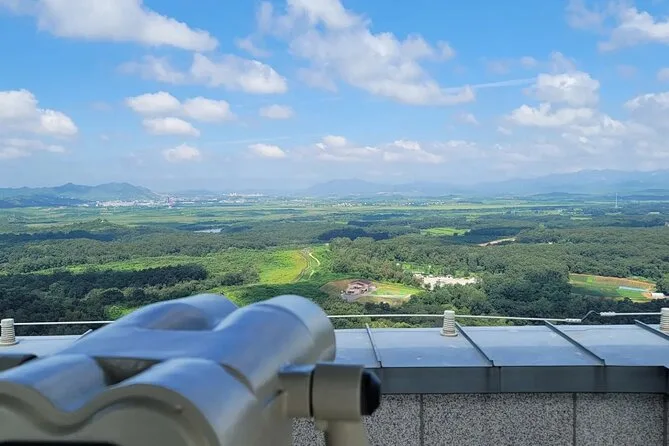
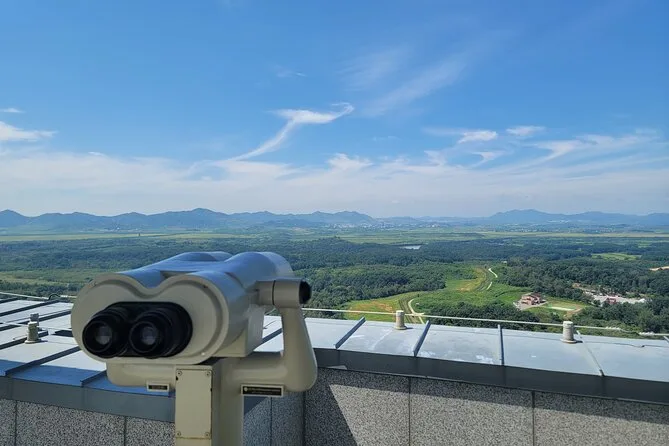
Then you descend into the Third Tunnel of Aggression: an actual tunnel North Korea dug after the war, meant as an infiltration route, now open to visitors. You walk down into it, crouch through sections, feel the weight of the concrete and history. It's the kind of thing that stays with you. After that, Dora Observatory is where the real moment happens: binoculars in hand, you look across the DMZ and see Gaeseong, North Korea's third-largest city, and sometimes soldiers moving in the distance. The guide points out what you're looking at: the village, the industrial complex, the actual border. No filter, no screen. Just distance and the knowledge of what that distance means.
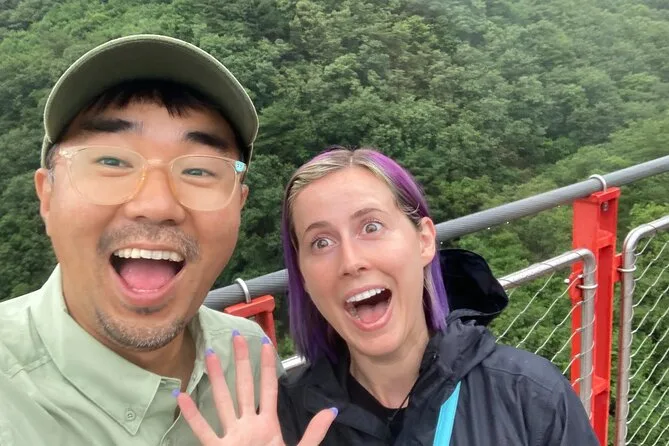
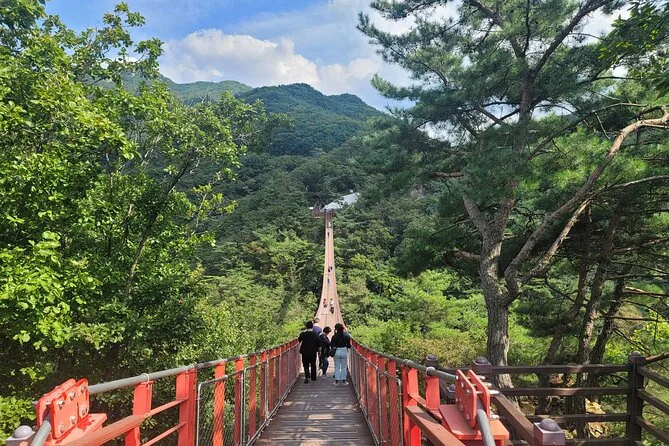
The day includes a stop at a village in the Civilian Control Zone where locals still live under military restrictions. There's a rest stop, cafes, and small shops, though nothing is mandatory. If you add the suspension bridge option at Mt. Gamaksan, you get views of the forest where some of the fiercest fighting happened during the war. The tour wraps with a visit to the JSA Studio, where you can take photos in themed booths, and a free airsoft shooting range if you want it (18 and up). Hotel dropoff happens at one of three locations: Myeongdong Shopping Street, Gwangjang Market, or near Dongdaemun, so you can end the day where you want to be.
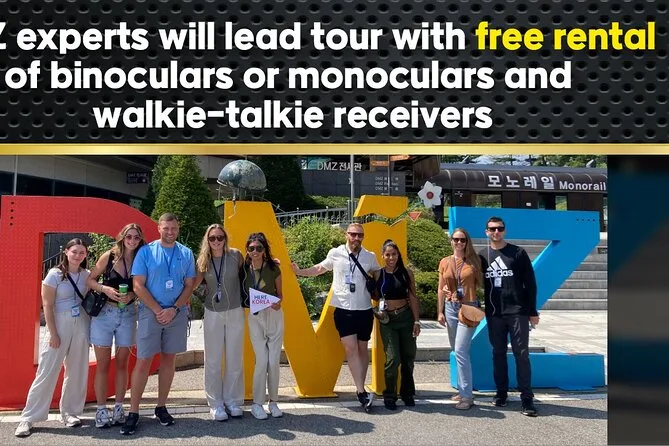
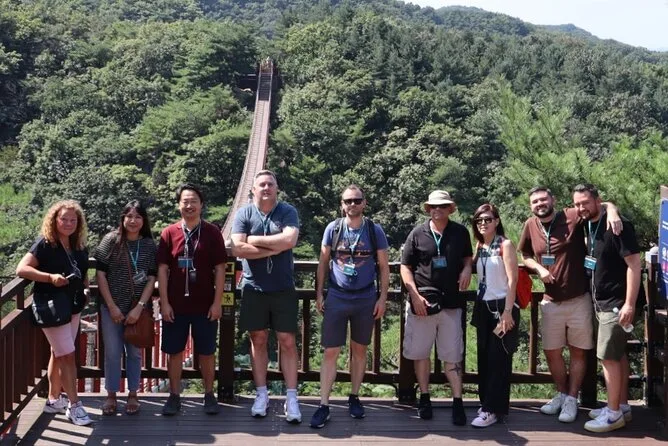
The whole thing runs as a small group, which is why hotel pickup and dropoff are possible: larger tours can't manage it. Your guide speaks English and has worked the DMZ route long enough to answer the questions that come up. You need a valid passport on the day of travel, and the itinerary involves stairs and tunnel walking, so moderate fitness helps. Check your hotel pickup time in the booking confirmation before you arrive.
What’s included
- Your day includes hotel pickup and dropoff in Seoul, entrance fees to all DMZ sites, an air-conditioned vehicle with an experienced English-speaking guide, access to the Third Tunnel, Dora Observatory with binoculars, Imjingak Peace Park, a stop in the Civilian Control Zone village, free airsoft shooting range (18+), and JSA Studio for themed photos.
- The suspension bridge at Mt.
- Gamaksan is an optional add-on.
Before you book
Prices and times updated today
Operated by Here Korea Travel
Is this one for you?Book this if you want to see the DMZ and North Korea without arranging transport, permits, or timing yourself: the small group format and hotel pickup remove the logistics, and the fixed itinerary gets you through four major sites and back to Seoul in one day.
Traveler reviews
Top questions
What languages is the guide in?
Live guide in English and Korean.
Can children come?
Yes. Ticket types: Child (4 to 8 years); Infant (under 4).
What happens if it rains?
It may be canceled due to bad weather. If that happens, you're offered another date or a refund. Free cancellation up to 24 h before the start.
How long is the DMZ tour from Seoul?
The full day tour runs approximately 8–9 hours including hotel pickup and dropoff.
Do I need a passport for the DMZ tour?
Yes, a current valid passport is required on the day of travel.
Can I go inside the Third Tunnel?
Yes, you descend into the actual Third Tunnel of Aggression and walk through sections of it.
What's included in the price?
Hotel pickup and dropoff, all DMZ entrance fees, air-conditioned vehicle, English-speaking guide, JSA Studio access, and free airsoft shooting range (18+).
Is this tour suitable for seniors?
The tunnel descent involves stairs and can be challenging for some seniors. Check with the operator about your specific mobility before booking.
Can I choose where to be dropped off?
Yes, dropoff is available at Myeongdong Shopping Street, Gwangjang Market, or near Dongdaemun.
Is the North Korea Defector meeting included?
It's listed as optional. You can choose to participate or skip it during the tour.
What's the group size?
It's a small group tour, which is why hotel pickup and dropoff are available.
Seoul DMZ Tour: 3rd Tunnel & North Korea Views with Hotel Pickup
6h–10h · EN +1 · at your hotel
from US$ 90 per person
4.96884 reviewsVerified traveler reviews via our booking provider