
DMZ Tour from Seoul: Third Tunnel & Dora Observatory








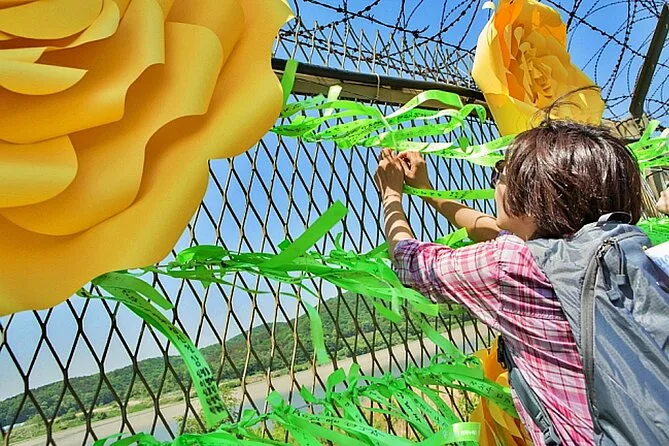


The Third Tunnel was built to move an entire division per hour across the border.
A 7-hour guided tour from Seoul into the Korean DMZ, visiting the Third Tunnel of Aggression (a 1,635-meter passage North Korea dug to invade the South), the Dora Observatory perched on the border, and Unification Village, with an English-speaking guide and pickup at one of three Seoul meeting points. On Mondays and national holidays when the tunnel closes, the itinerary shifts to the Jangsan Natural Observatory, a suspension bridge hike, and memorial sites instead. The tour runs year-round, including holidays, and ends at City Hall Station.
 9h
9h

Step-by-step itinerary
DMZ tour from Seoul
- Meet guide at designated meeting point
- Visit Imjingak Park and Pyeonghoa-Nuri Park
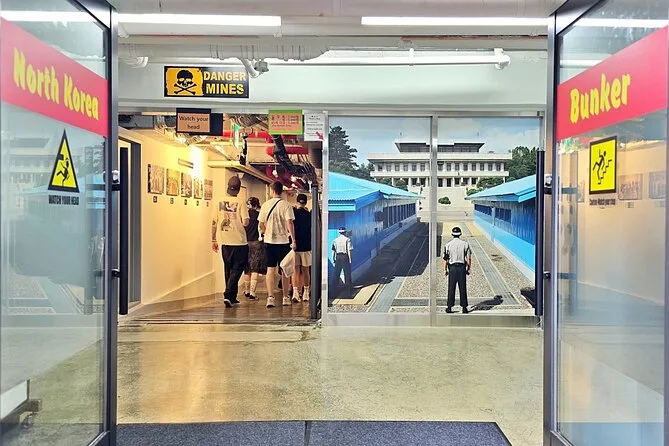
- Explore North Korea Experience Hall
- Tour Third Tunnel of Aggression (Tue-Sun)
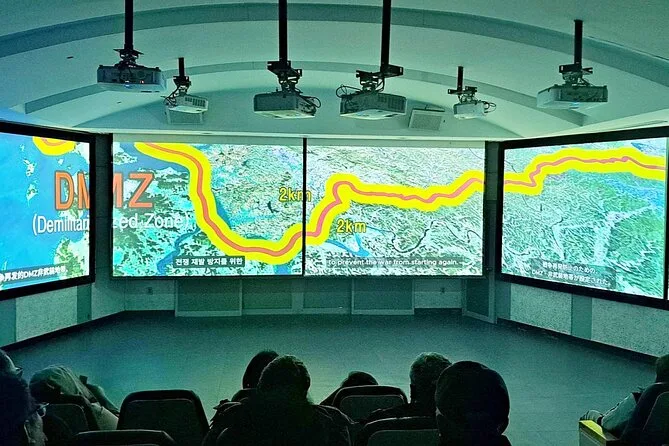
- Watch film at DMZ Theater and visit Exhibition Hall (Tue-Sun)
- Visit Dora Observatory (Tue-Sun)
- See Tongilchon Village (Tue-Sun)
- Return to Seoul City Hall or Hongik Univ. Station

The Experience
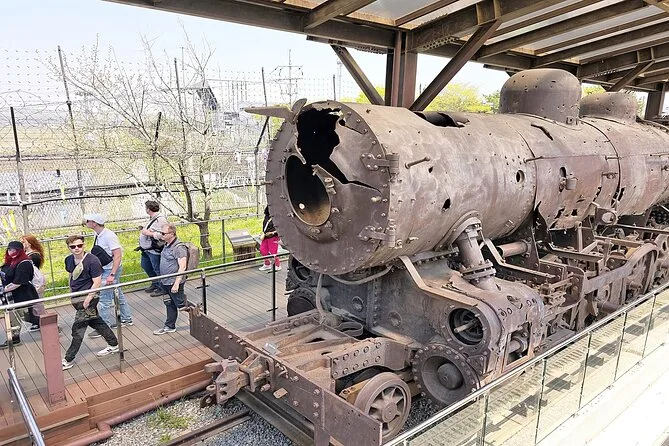
The tour starts before dawn—pickup runs from 6am to 6:50am during peak season, 7am to 7:50am in low season—and the drive to the DMZ takes roughly an hour from Seoul. You begin at Imjingak Park, where monuments like the Freedom Bridge and a war-damaged steam locomotive mark the original refuge zone for North Korean defectors during the Korean War. The North Korea Experience Hall sits nearby, offering Q&A sessions with defectors and audiovisual documentaries to frame what you are about to see.
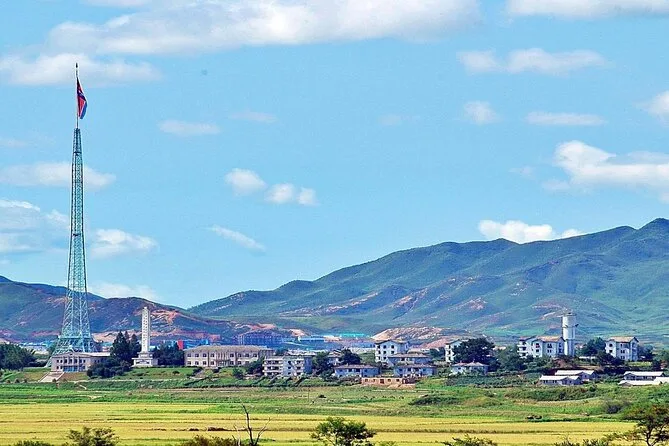
The core of the tour depends on the day. Tuesday through Sunday, you descend into the Third Tunnel of Aggression, discovered in 1978 about 52 kilometers from Seoul. The tunnel measures 1,635 meters long, 2 meters high and 2 meters wide—built to move a full military division per hour. After emerging, you watch an 8-minute film at the DMZ Theater about the Korean conflict and walk through the Exhibition Hall's photographs, documents and historical artifacts. From the Dora Observatory on Dorasan Mountain, the northernmost point on the western front, you use telescopes to see the Gaeseong Industrial Complex and North Korean territory across the border. The route ends at Unification Village, a settlement inside the Civilian Control Zone where locally grown Jangdan soybeans are sold as specialties, before dropping you at City Hall Station.
Mondays and national holidays bring a different itinerary: the Third Tunnel closes, so instead you ride the Imjin River gondola (Korea's only one, spanning 850 meters), visit the Jangsan Natural Observatory for views stretching into North Korea, and walk a 15-minute uphill trail to the Heroes' Suspension Bridge on Gamaksan Mountain. Memorial sites honoring British and other allied soldiers from the Korean War replace some stops. Weather and military schedules can shift the route without notice; heavy rain or snow may close the bridge or memorial parks, sending you to the Odusan Unification Observatory or the War Memorial of Korea instead. The tour requires a minimum of five participants to run.

What’s included
- Professional English-speaking guide.
- pickup at your choice of Myeongdong, Hongik University Station, or City Hall.
- entry to the Third Tunnel, DMZ Exhibition Hall and Theater, Dora Observatory, and Unification Village (or their Monday/holiday equivalents).
- the 8-minute Korean conflict film.
- use of telescopes at the observatory.
- and drop-off at City Hall Station at the end of the day.
Operated by Seoul N Tour
Is this one for you?Book the Tuesday–Sunday departure if you want to descend into the actual tunnel and stand at the Dora Observatory looking directly into North Korea; choose a Monday or national holiday tour if you prefer the gondola ride and the suspension bridge hike instead, with memorial sites that tell the story of allied soldiers in the Korean War. The itinerary you pick determines which sites close and which open, so choose based on whether you prioritize the tunnel experience or the alternative historical stops and outdoor elements.
Traveler reviews
Compare the 13 similar options
 DMZ Tour from Seoul: Third Tunnel & Dora Observatory★ 4.97 (235)9hENUS$ 59
 Seoul DMZ Tour: JSA Museum & Bridge CrossingFull-day DMZ tour from Seoul with JSA Museum, Third Tunnel, Dora Observatory & bridge crossings. Pickup from Myeongdong, City Hall or Hongdae. Small groups.★ 4.94 (2,789)7h 30mEN · CMUS$ 49View ›
 Seoul DMZ Tour: Third Tunnel & Dora Observatory with Suspension BridgeDMZ tour from Seoul includes Third Tunnel of Aggression, Dora Observatory, and Bridge of Freedom. English guide, hotel pickup, full day. Passport required.★ 4.94 (50,854)7h–9hEN · CMUS$ 50View ›
 Seoul DMZ Tour: 3rd Tunnel & North Korea Defector MeetFull-day DMZ tour from Seoul with 3rd Infiltration Tunnel, Dora Observatory & North Korean defector meeting. Includes coach transport, guide, admission. 8–9 hours.★ 4.91 (5,740)6h 30mEN · CM +1US$ 50View ›
 Pottery Class & Makgeolli Tasting from Seoul: Make & TasteDay trip from Seoul to Korea's largest ceramic art village for pottery-making, makgeolli tasting at a working brewery, and traditional Korean lunch with private transport.7hEN · KO +4US$ 133View ›
 Seoul DMZ Tour: Defector Talk, 3rd Tunnel & Suspension BridgeHear a North Korean defector’s story, walk the DMZ’s 3rd Tunnel, and cross the Gamaksan Suspension Bridge on this Seoul day trip with expert guides and transport.★ 4.88 (5,737)7h–9hENUS$ 38View ›
 Seoul DMZ & JSA Museum Tour with Third Tunnel AccessFull-day DMZ tour from Seoul with exclusive JSA Museum access, Third Tunnel walk, Dora Observatory, and North Korea views. Includes guide, entry fees. 8–9 hours.★ 4.97 (2,476)8hEN · CMUS$ 49View ›
 Seoul DMZ Tour: 3rd Tunnel, Dora Observatory & No Shopping StopsStart your morning in Seoul with a DMZ tour—walk the 3rd Tunnel, scan North Korea from Dora Observatory, and hear local stories. Includes pickup & guide.★ 4.98 (3,692)7h–9hENUS$ 40View ›
 Seoul DMZ & 3rd Tunnel Tour with North Korean Defector Talk5.5-hour DMZ tour from Seoul with 3rd Tunnel entry, Dora Observatory & defector Q&A. Hotel pickup, professional guide, all fees included. Small groups.★ 4.95 (3,504)7h 30mEN · CMUS$ 49View ›
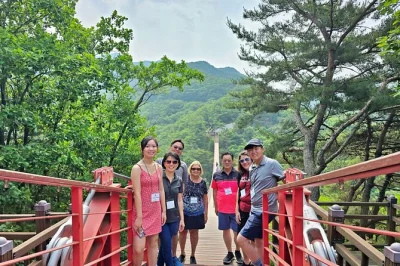 Seoul DMZ Tour: North Korea Observatory & Suspension BridgeFull-day DMZ tour from Seoul with Third Tunnel, Dora Observatory, North Korea Experience Hall, and Gamaksan Suspension Bridge. Includes guide and entry fees.★ 4.91 (1,433)9hENUS$ 65View ›
 Seoul DMZ Tour & Defector Interview with Suspension BridgeDMZ tour from Seoul with North Korean defector interview, Third Tunnel, Dora Observatory & optional Gamaksan suspension bridge. Includes transport, English guide, all fees.★ 4.51 (100)7h–9hENUS$ 40View ›
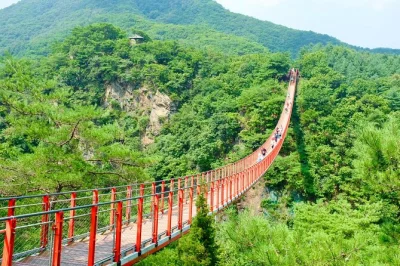 Seoul DMZ Tour: 3rd Tunnel & Dora ObservatorySeoul DMZ tour visiting Third Tunnel of Aggression, Dora Observatory overlooking North Korea, and Imjingak Park. Includes guide, entry tickets, and transport. Passport required.★ 4.96 (1,337)8h–9hENUS$ 60View ›
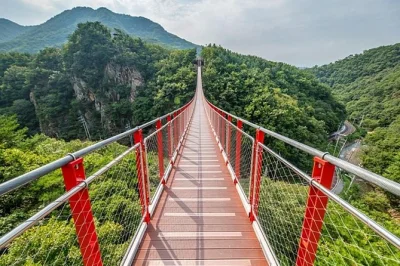 Seoul DMZ Tour: North Korea Defector Q&A & 3rd TunnelMeet a North Korean defector, walk the 3rd Tunnel, and see North Korea from Dora Observatory. Includes Seoul pickup, guide, and admission. Half-day and premium options.★ 4.97 (28,770)6h–9hEN · JAUS$ 50View ›
Top questions
What exactly is the Third Tunnel and why was it built?
The Third Tunnel of Aggression is a 1,635-meter passage North Korea excavated beneath the DMZ to invade South Korea, discovered in 1978. It stands 2 meters high and 2 meters wide, with capacity to move an entire military division per hour. When found, North Korea falsely claimed South Korea had built it; the evidence points clearly to North Korean construction. You walk inside it as part of the Tuesday–Sunday itinerary.
Can I see North Korea from the Dora Observatory?
Yes. The Dora Observatory sits on Dorasan Mountain, the northernmost point on the western front, and offers a direct view across the border into North Korea. Telescopes at the observatory let you see details of the Gaeseong Industrial Complex and Songhaksan Mountain in North Korea up close on clear days.
What happens if I visit on a Monday or national holiday?
On Mondays and national holidays, the Third Tunnel, Dora Observatory and Unification Village close, so the tour visits different sites instead: the Imjin River gondola, Jangsan Natural Observatory (with views into North Korea), a 15-minute hike to the Heroes' Suspension Bridge, and memorial parks honoring soldiers from the Korean War. The route and stops shift, but the tour still operates and departs on schedule.
How early do I need to be at the meeting point?
Arrive 10 minutes before your scheduled pickup time. Pickups run from 6am to 6:50am during peak season (March–June and September–January) and 7am to 7:50am in low season (Mondays, national holidays, and late June through August). The tour departs promptly once all guests have arrived.
Is this tour physically demanding?
Yes. Visiting the Third Tunnel and the Heroes' Suspension Bridge requires at least moderate physical fitness. The tunnel walk and the 15-minute uphill hike to the bridge are the most demanding sections. The tour is not recommended for individuals with heart conditions, serious medical issues, or pregnant women. Public transportation options are available near the meeting points if you need an alternative.
What if weather or military activity closes parts of the DMZ?
The DMZ is a military zone and may close without notice. Heavy rain, snow or security restrictions can shut the Third Tunnel, memorial parks or the suspension bridge. If that happens, the guide will substitute similar sites—such as the Odusan Unification Observatory or the War Memorial of Korea—without advance notice. The tour itinerary and stops may also shift due to military schedules or traffic. Refunds are not provided for military closures.
DMZ Tour from Seoul: Third Tunnel & Dora Observatory
9h · EN
from US$ 59 per person
★★★★★★★★★★4.97235 reviewsVerified traveler reviews via our booking provider
