

 +507 6792-0894


Seoul DMZ: 3rd Tunnel, Red Bridge & Dora Observatory Tour


Summary
DMZ day trip from Seoul with tunnels, bridges and distant borders
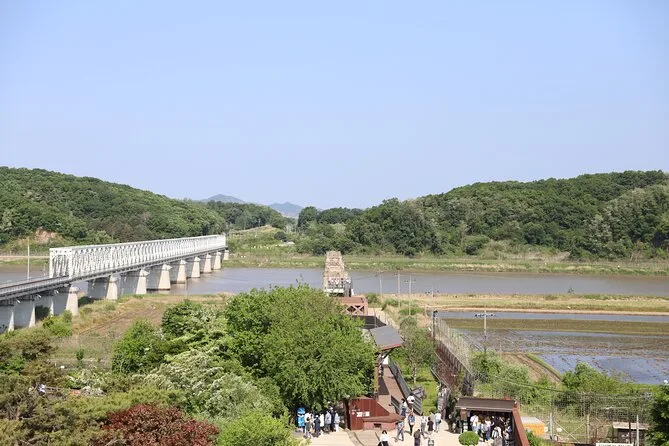
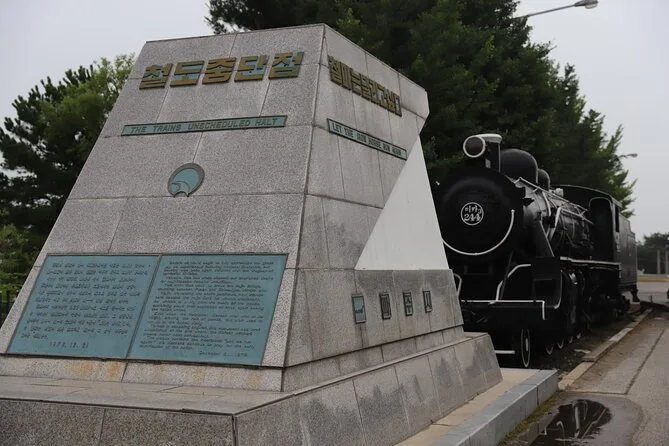
You’ll walk across ribbons of memory at Imjingak Park, cross the swaying red bridge at Mt. Gamak where history lingers in the air, descend into the shadowy 3rd Tunnel with your guide’s stories echoing around you, and stare across a tense border from Dora Observatory—each stop leaving its own mark on your day.

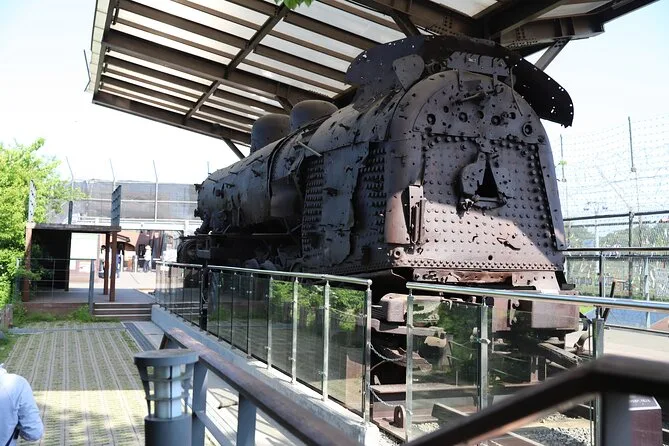
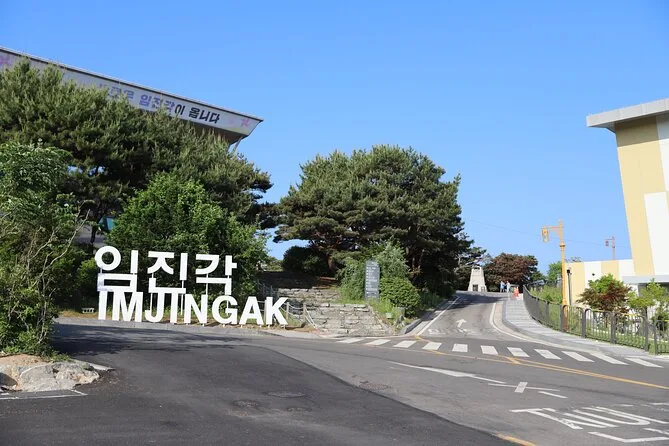
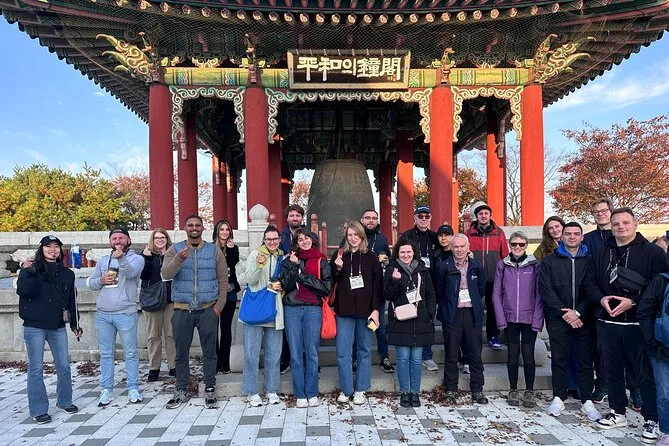
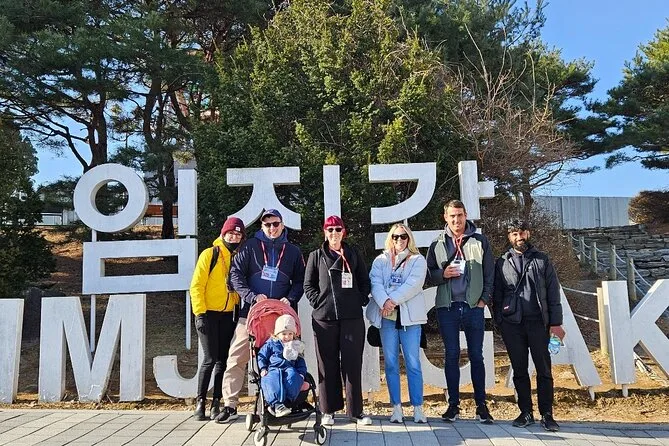
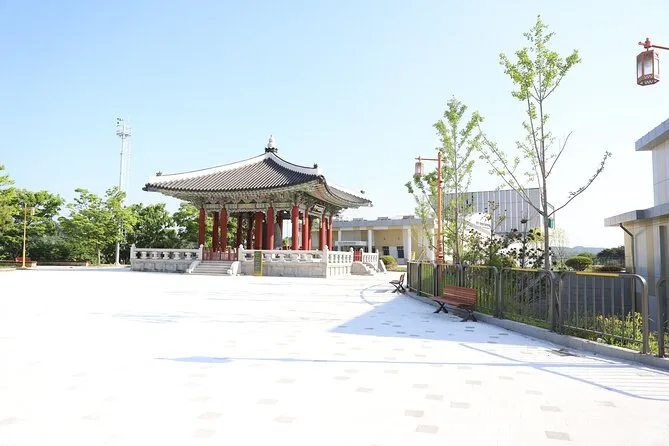
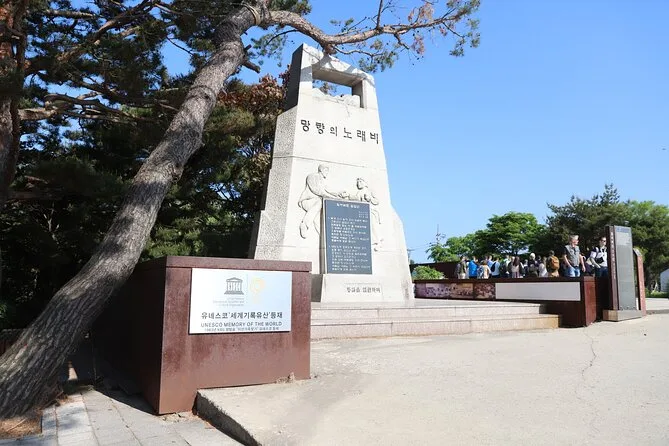
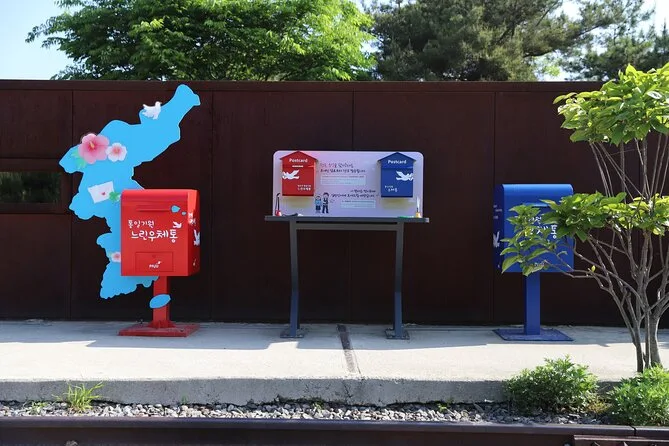
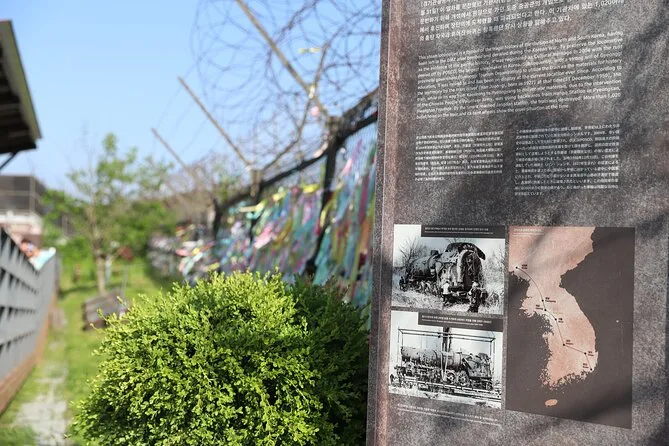
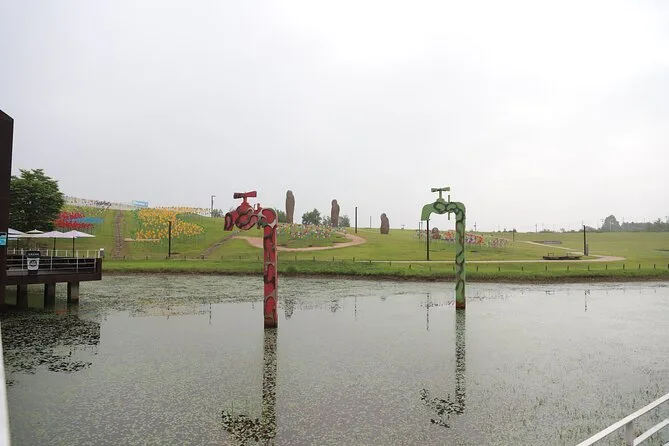
The first thing I noticed when we pulled up to Imjingak Park was the wind. It’s not even that far from Seoul—maybe an hour?—but it felt like a different world. Our guide, Mr. Kim, started telling us about families separated by the war as we walked past Mangbaedan. There were ribbons everywhere, fluttering on fences, messages written in shaky handwriting. I tried to read one but my Korean’s terrible—I just stood there for a second, thinking about all those people still waiting.
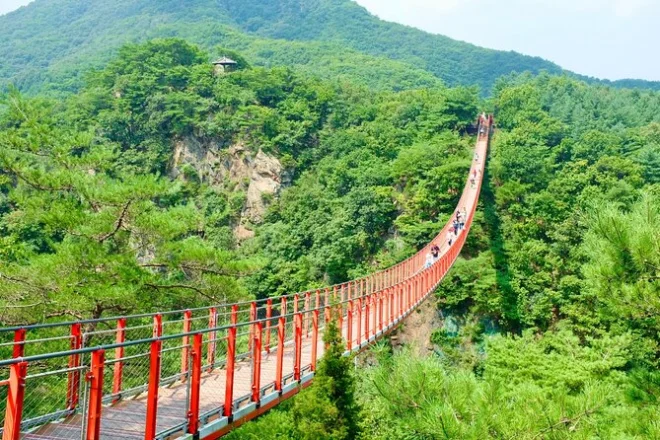
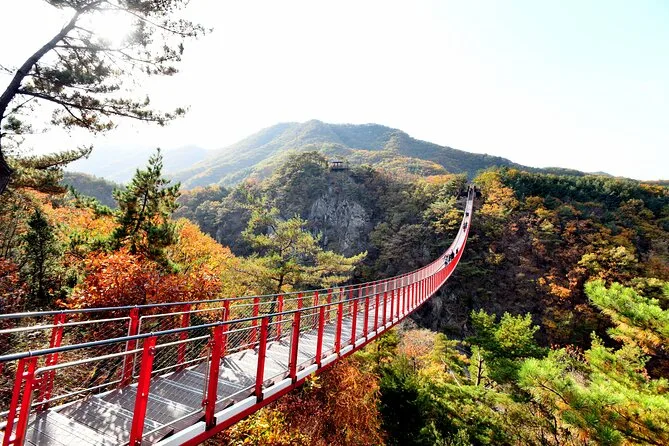
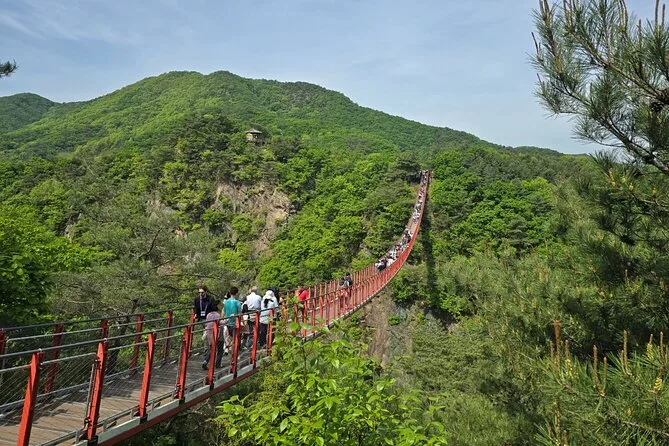
After that, we drove out to Mt. Gamak for the red suspension bridge. It’s called Gamaksan Chulleong Bridge and honestly I didn’t expect it to be so narrow or high up. The view down is kind of dizzying (my friend grabbed my arm and laughed at me). Mr. Kim pointed out where British troops held off thousands during the Battle of Gloster Hill—he got quiet for a moment and so did we. The air smelled sharp, almost metallic, maybe from the river below or just my nerves.
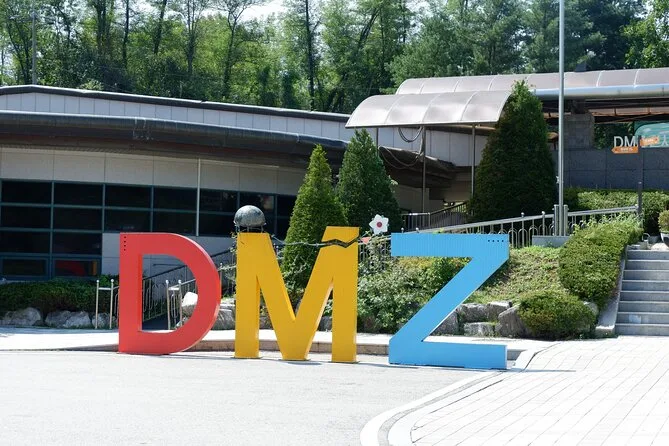
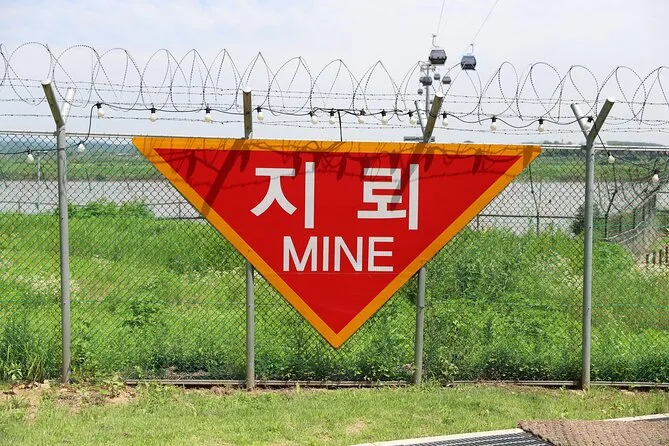
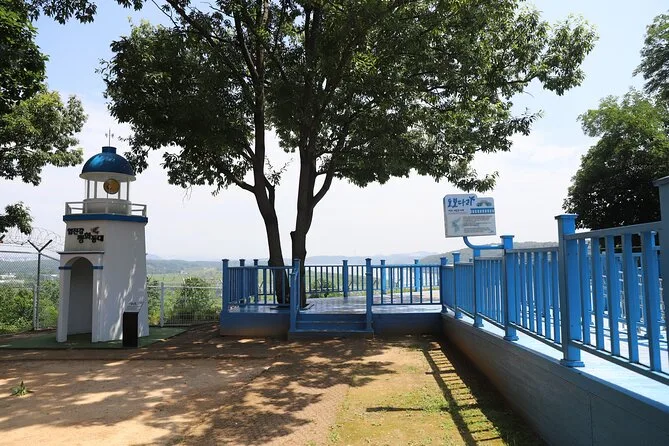
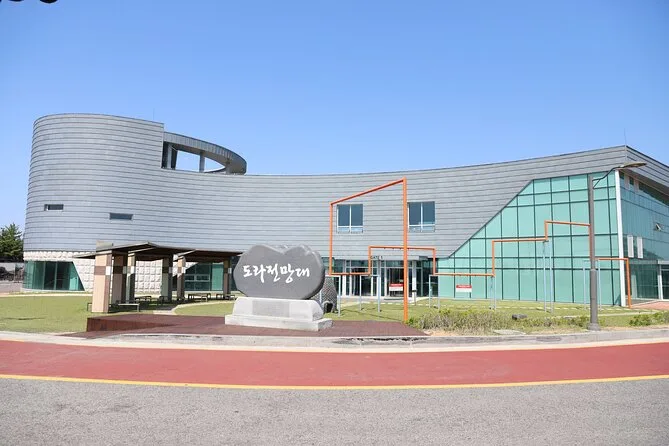
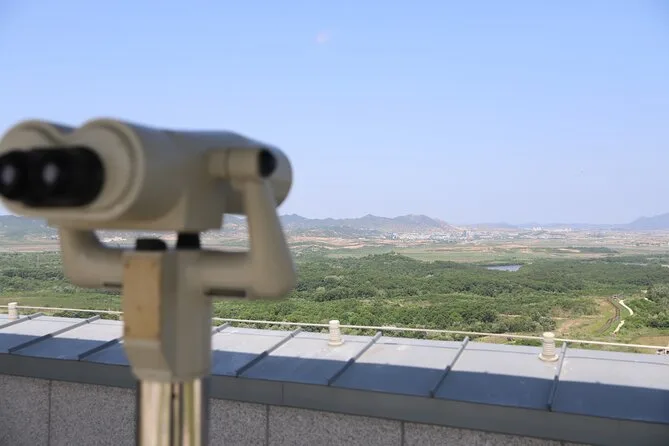
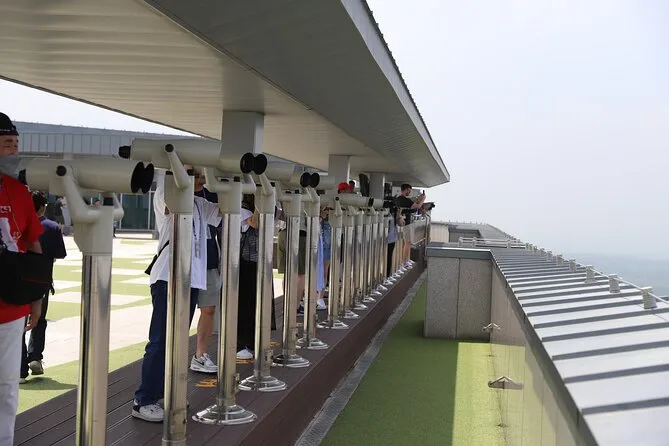
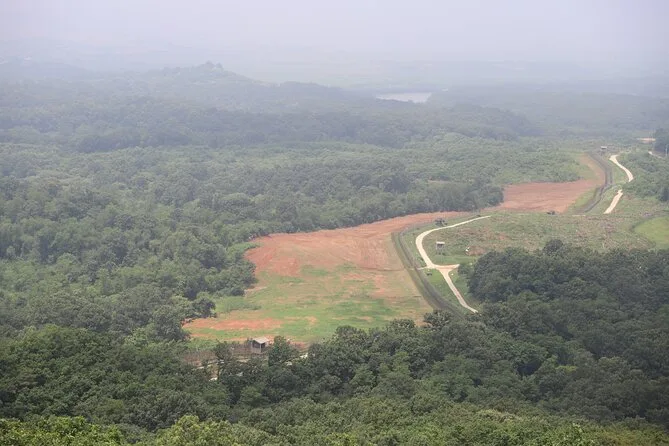
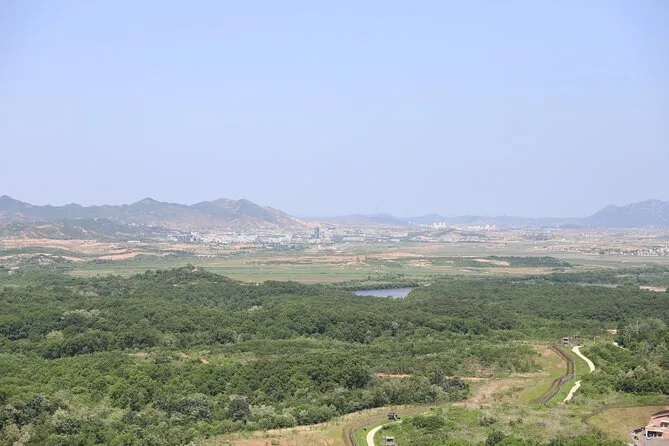
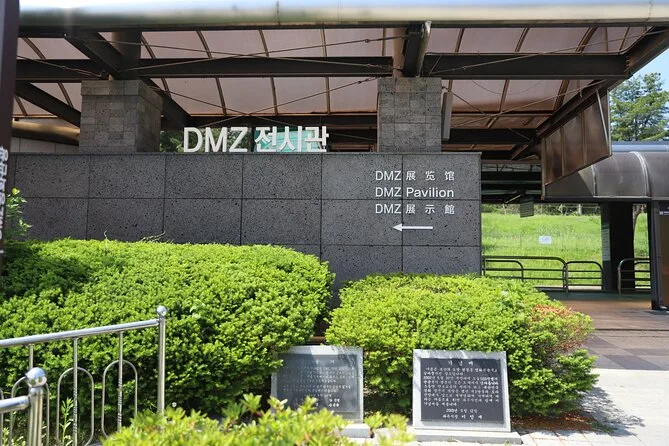
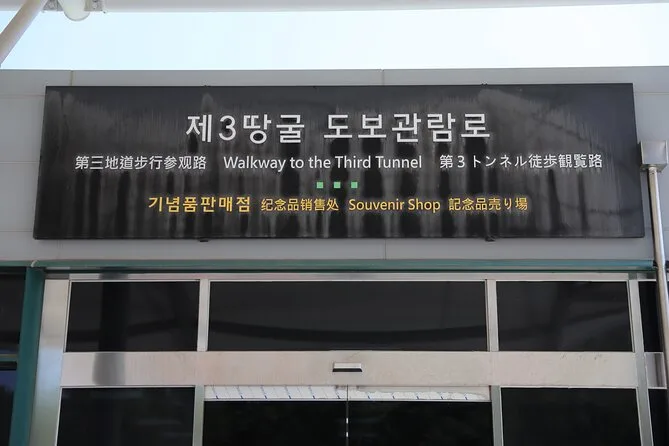
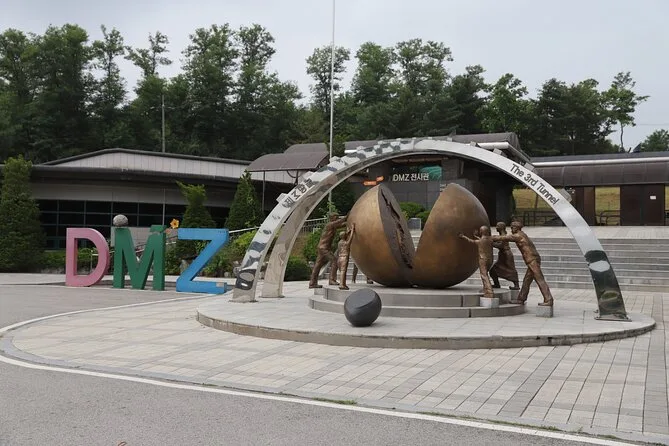
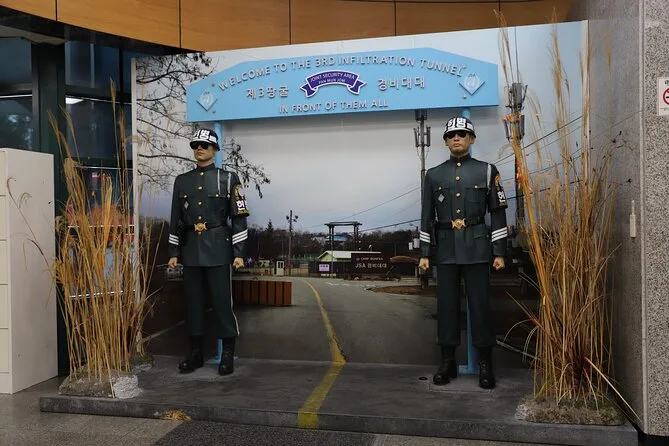
The highlight was definitely the 3rd Tunnel. Hard hats on, we ducked inside—it’s cold and damp in there, barely wide enough for two people side by side. Apparently North Korea dug it all the way under here in secret; you can still see drill marks on the walls if you look close. My glasses fogged up halfway through so I just listened to our footsteps echoing ahead. By the time we reached Dora Observatory, clouds had rolled in over North Korea—you could just make out some buildings through the binoculars. Someone next to me whispered they saw movement but I’m not sure if I really did.
I kept thinking about all those invisible lines—families split up, soldiers fighting on hills most people never hear about. When we got dropped off back in Seoul (City Hall Station for me), everything felt louder and brighter than before. Not sure what I expected from a DMZ tour but it stuck with me longer than I thought it would.
 8h
8h

Step-by-step itinerary
Day 1 — Visit DMZ sites and historical landmarks
- Meet your guide
- Travel to Imjingak Park
- Explore Imjingak Park and monuments
- Visit Mangbaedan
- Walk the Gamaksan Suspension Bridge
- Tour the 3rd Tunnel
- View North Korea from Dora Observatory
- Return to city Hall Station or Myeongdong

Top questions

How long does the DMZ day trip from Seoul take?
The tour typically takes a full day including travel time from Seoul and all stops at Imjingak Park, Gamaksan Bridge, 3rd Tunnel and Dora Observatory.
Is hotel pickup included in this DMZ tour?
Pickup is arranged according to your selected designated meeting point in Seoul; check your booking confirmation for details.
Do I need my passport for the DMZ tour?
Yes, you must bring a valid passport as required by military authorities operating the DMZ area.
Can children join this tour?
Infants are allowed but must sit on an adult's lap; however, it's not recommended for travelers with certain health conditions or limited mobility.
What should I bring for this DMZ day trip?
It's highly recommended to bring snacks and drinks for energy during the day; also wear comfortable shoes for walking.
Does this tour include lunch or shopping stops?
No lunch or shopping center stops are included; focus is on historical sites only.
How close do you get to North Korea on this tour?
You can view North Korea from Dora Observatory and visit locations near the Military Demarcation Line but do not cross into North Korean territory.
Is entry to all attractions included?
Yes, admission tickets to Imjingak Park, 3rd Tunnel and other sites are included in your booking.

What’s included
Your day includes roundtrip transportation from Seoul (pickup at your chosen meeting point), entry fees for Imjingak Park and all main sites like Gamaksan Chulleong Bridge and the 3rd Tunnel of Aggression, plus a knowledgeable local guide who shares stories you won’t find in any textbook along every stop.
 Super deal
  Free booking, free cancellation.
  Don't lose your place.


 Do you need help planning your next activity?
  +507 6792-0894


