
Najran 2-Day Tour: Hima Wells & AlOkhdood Archaeological City

Discover Ancient Najran: Hima Cultural Area & Historic Sites
You’ll get to walk ancient trade routes, see real petroglyphs up close, hear stories from guides who grew up here—and taste Saudi hospitality along the way. This trip isn’t just about sites; it’s about feeling connected to Najran’s living history.
 1.2d
1.2d

Step-by-step itinerary
Day 1 — Explore Hima Wells & Najran City
- Drive from Abha
- Visit Hima Wells UNESCO Site
- Explore Wadi Najran Valley
- Tour Emarah Palace Museum
- Overnight in Najran City
Day 2 — AlOkhdood Archaeological Site Visit
- Visit AlOkhdood Archaeological Site
- Relax at King Fahd Park
- Return drive to Abha

The Experience
The drive out of Abha at 8 a.m. felt easy—just that cool morning air and the hum of the road. Our guide, Khaled, had this knack for pointing out things you’d never spot alone. Somewhere past the halfway mark, we pulled over at a roadside stall for cardamom coffee. The smell stuck with me all day.
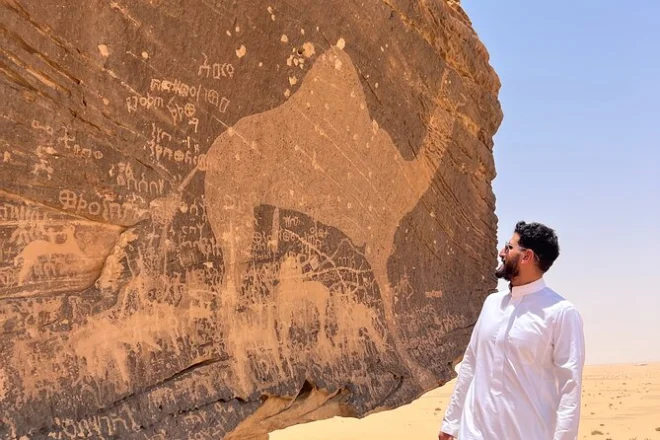
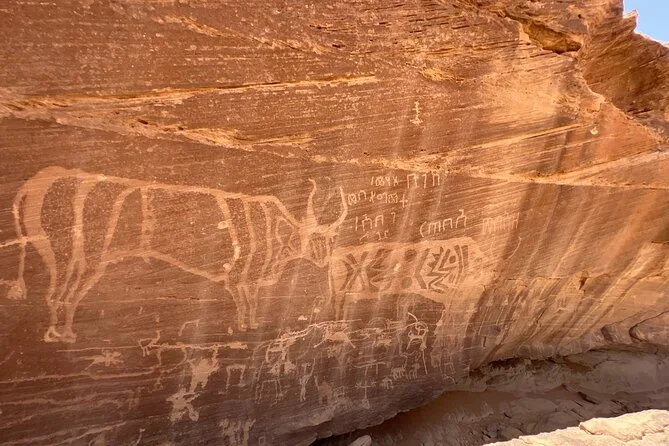
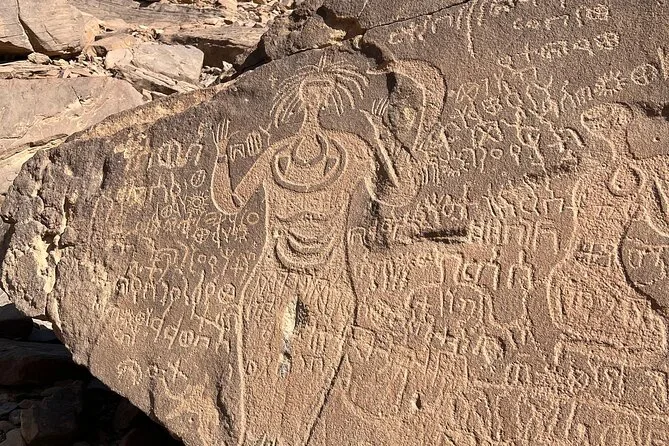
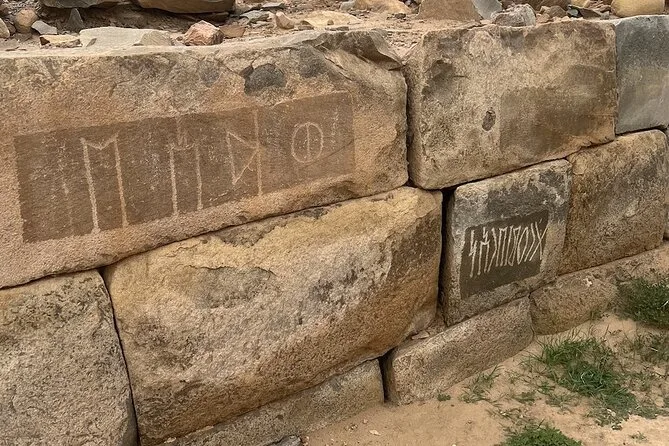
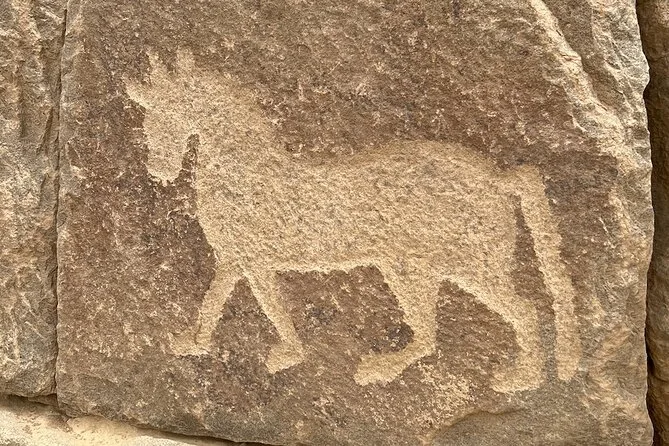
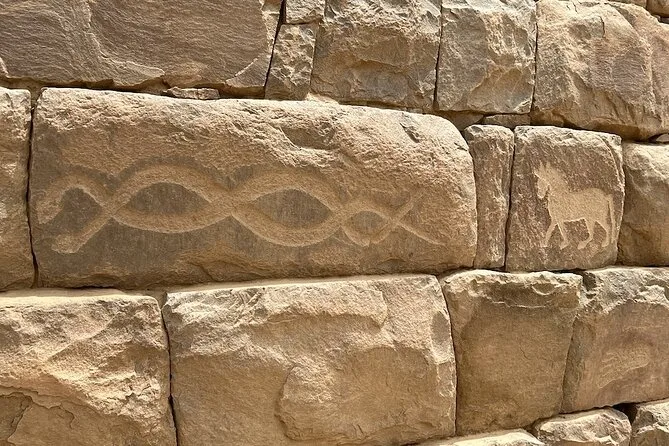
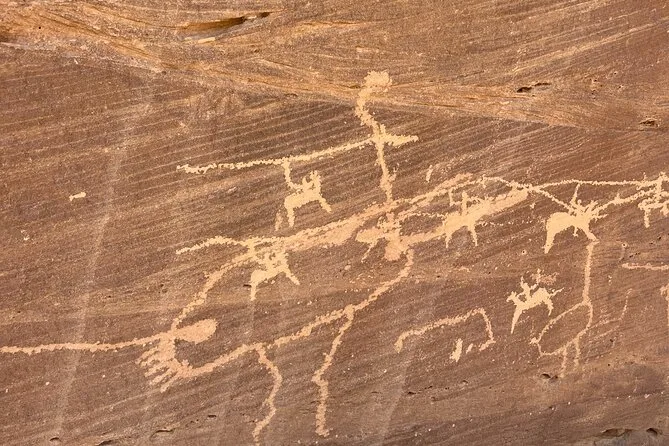
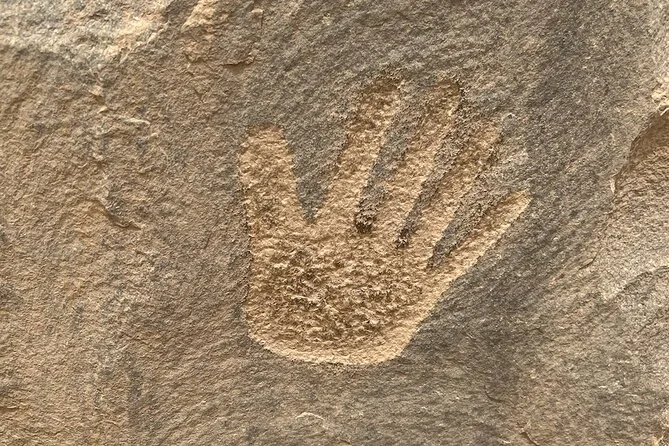
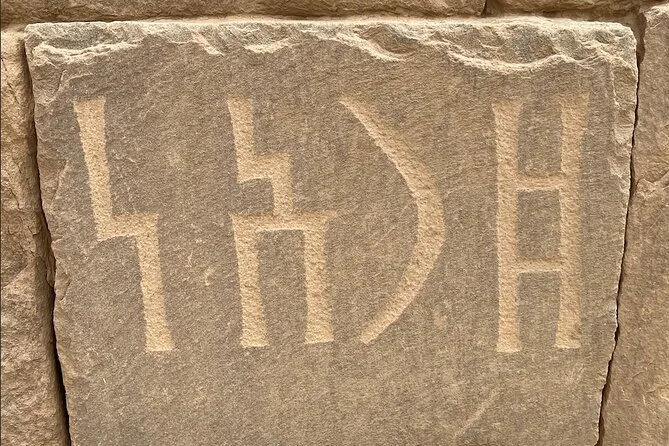
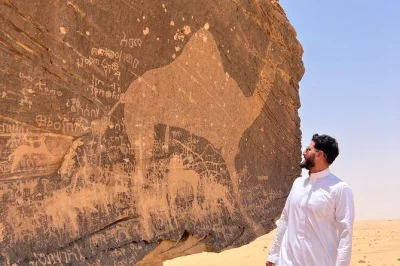
First stop: Hima Wells. You can’t really picture it until you’re there—old stone wells surrounded by endless rock faces covered in carvings. Some are faded, others sharp as if scratched yesterday. Khaled explained how traders and travelers left these marks centuries ago; he even read out an old inscription in Arabic, translating as he went. The sun was already climbing but there was a breeze coming off the hills, so it wasn’t too hot yet.
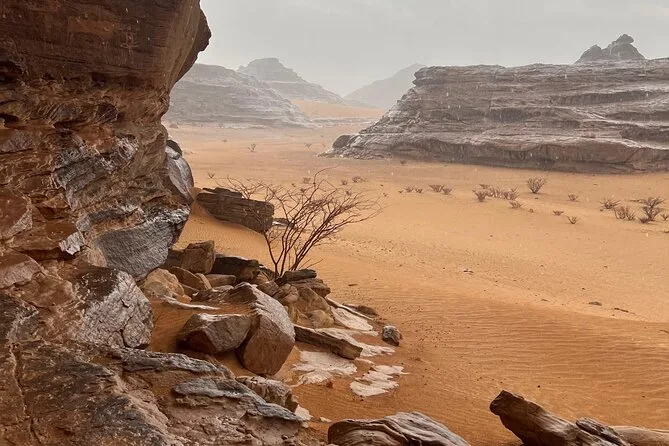
We followed Wadi Najran next—a huge valley stretching east toward the Empty Quarter. The landscape shifts fast here: green patches near the water, then suddenly sand and rock as far as you can see. I remember hearing birds echoing off the canyon walls while we stopped for photos.
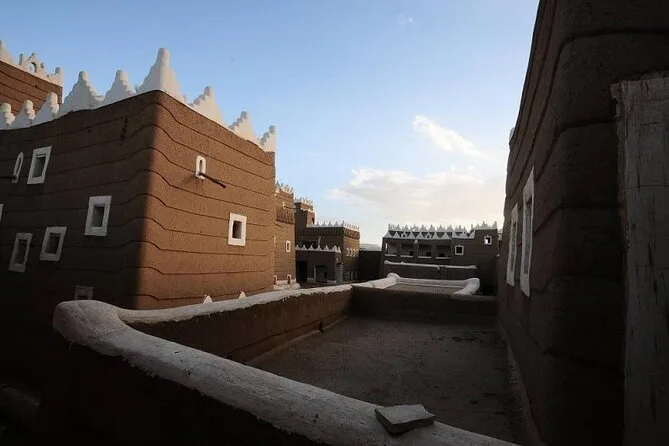
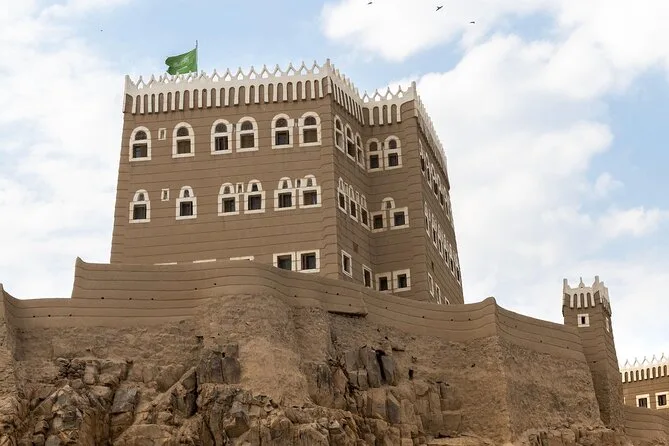
By midday we reached Emarah Palace in central Najran. Built in 1944 but sitting on much older ground, it’s massive—65 rooms! Inside is a small museum with old telegraph equipment and family photos from when the first governor moved in. A local caretaker told us about how the palace once doubled as a police post and even had its own well.
That night we stayed right in Najran city—not fancy, but comfortable enough after a long day outside. There’s something about falling asleep with distant city sounds mixed with desert quiet.
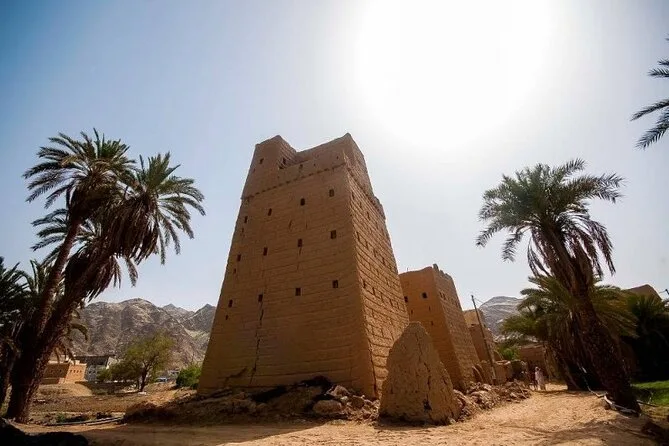
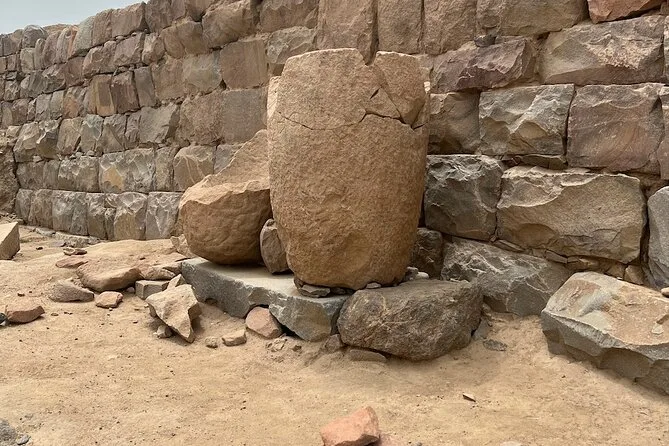
The next morning started early at AlOkhdood Archaeological Site. It’s mostly ruins now—crumbling walls and scattered stones—but you can still see where streets ran and homes stood. Our guide shared the story of King Dhu Nuwas and what happened here (it’s actually mentioned in the Quran). Standing among those stones, it hit me how much history is packed into this place.
Before heading back to Abha, we took a walk through King Fahd Park in Saqam Forest—kids playing soccer, families picnicking under big trees. It’s one of those spots locals love but most visitors miss.

What’s included
Your trip covers private transportation from Abha, snacks during stops (think fresh dates or cardamom coffee), plus guidance from friendly locals who know every corner of Najran’s history.
Operated by Abha Trips
Traveler reviews

Top questions
Is this tour suitable for families with young kids?
Yes! The route is manageable for all ages and strollers are welcome. There are plenty of breaks and snacks provided along the way.
Are English-speaking guides available?
Absolutely—all our guides speak fluent English and share lots of local stories to make everything easy to follow.
Do I need any special fitness level?
No special fitness needed—the walks are gentle and transport is private throughout.
Can I bring my service animal?
Yes, service animals are allowed on this tour without any problem.
Najran 2-Day Tour: Hima Wells & AlOkhdood Archaeological City
1.2d · EN · at your hotel
from US$ 549 per person
★★★★★★★★★★5.001 reviewVerified traveler reviews via our booking provider
