

 +507 6792-0894


Timisoara: Walking City Tour with History & Architecture



Summary
Timisoara’s layered past on foot opera house cathedrals art nouveau corners
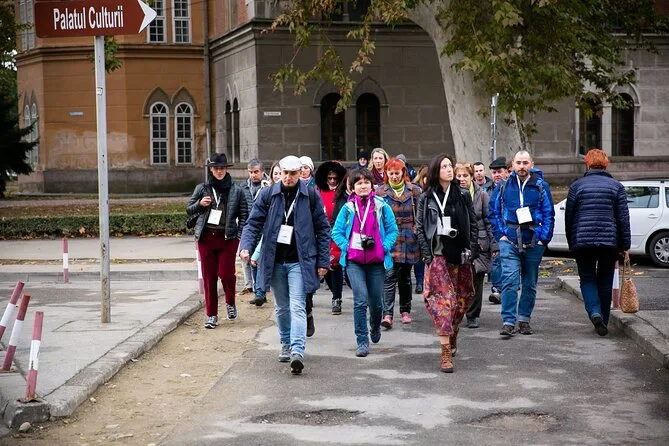
You’ll walk Timisoara’s historic streets with a local guide who brings its stories alive — from electric lights and revolutions to quiet cathedrals and quirky Art Nouveau corners. Expect moments of laughter, reflection, and plenty of time to soak up the atmosphere as you wander between grand squares and hidden details most visitors miss.

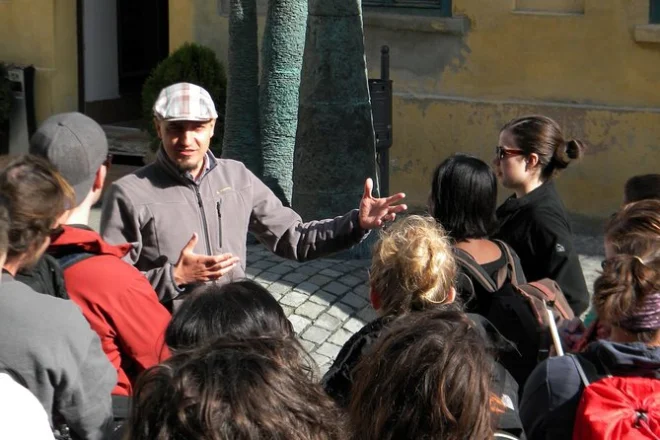
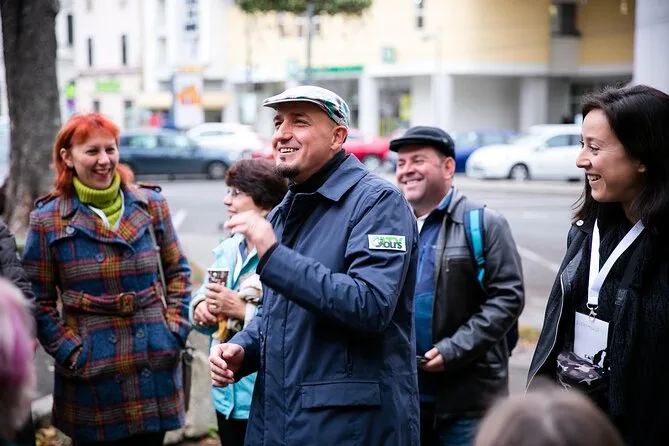
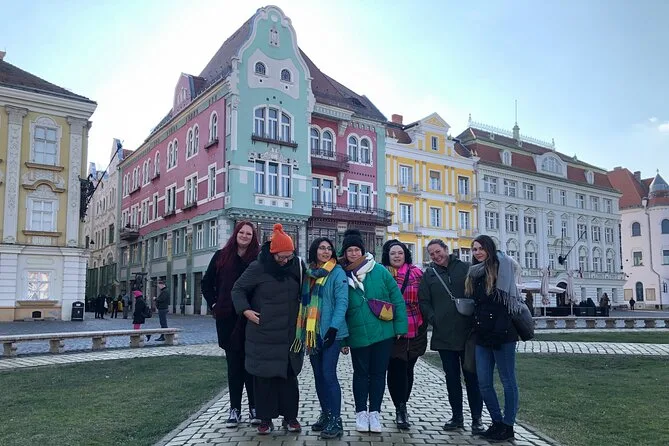
Someone was waving at us from under the chestnut trees — turned out to be our guide, Andrei, who greeted us like we were old friends even though we’d just met. He started right in, pointing at a row of colorful facades near Victory Square and asking if we could spot which one had been built during the big real-estate boom (I guessed wrong). The air smelled faintly of coffee drifting from a nearby cafe, and honestly, I was still waking up. But then he started weaving in stories about how Timisoara was the first city in Europe with electric streetlights, and suddenly I was wide awake. You could almost picture it: people in old coats shuffling along these same stones under new lights. I didn’t expect to feel so connected to a city I barely knew.
We wandered through Liberty Square — it’s got this faded grandeur that feels both proud and a bit worn. Andrei told us about the 1989 Revolution right where we stood; he pointed to a spot by the Opera House where crowds gathered for freedom. There was this pause in his voice when he talked about it, like even now it’s hard to explain what that meant for people here. At one point, an old man passed by on a bike and nodded at us — not sure why but that felt oddly grounding, like life goes on around all these monuments.
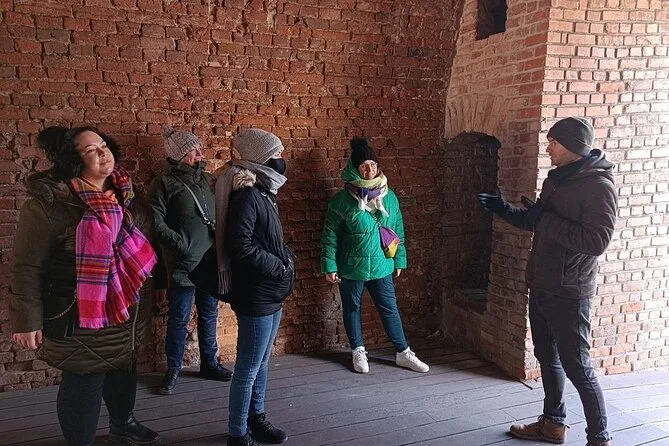
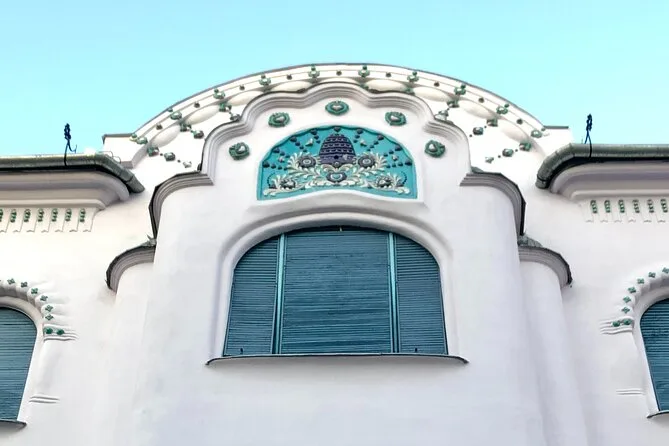
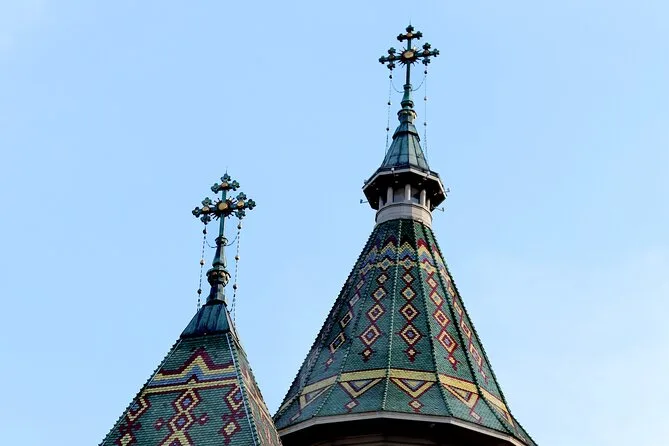
The Orthodox Cathedral loomed up ahead, red brick glowing against the sky (the clouds were moving fast that day). Inside, everything smelled of candle wax and something sweet I couldn’t place. We didn’t stay long but I caught myself whispering just because everyone else did. After that came Art Nouveau palaces — honestly, some details are so strange you have to squint to see them properly. Andrei laughed when I tried pronouncing “Mitropolia” (I definitely butchered it), but he said locals appreciate when you try. We finished near one of those old bastions; he explained how Timisoara’s fortifications shaped everything here — even the way people walk across town now.
I’m still thinking about that moment outside the Opera House, actually. You can read about history all you want but standing there with someone who knows every twist makes it stick in your bones somehow. So yeah, if you’re curious about Timisoara’s story — not just its buildings — this city tour is worth every step.
 2h
2h

Step-by-step itinerary
Day 1 — Explore Timisoara's historic landmarks
- Visit Opera House and Mitropolita Cathedral
- See Art Nouveau palaces
- Walk through old downtown
- Pass by Timisoara symbol
- Visit historic 1875 building
- Explore old administrative center
- Learn about largest bastion fortification
- Admire beautiful historic building
- See typical Baroque Cathedral

Top questions

Is this Timisoara city tour wheelchair accessible?
Yes, transportation options and routes are wheelchair accessible throughout the tour.
How long does the walking tour in Timisoara last?
The duration isn’t specified exactly but covers main squares and sights within central Timisoara at a relaxed pace.
Does the tour include entry fees or just outside visits?
The focus is mostly on exterior visits with stories; some interiors like churches may be entered briefly if open.
Is pickup included for this Timisoara walking tour?
No pickup is mentioned; you meet your guide at an agreed spot in central Timisoara.
Are children allowed on this city tour?
Yes, children can join but must be accompanied by an adult.
Can infants or small children join in strollers?
Yes, infants and small children can ride in a pram or stroller during the tour.
Will we visit both Baroque and Art Nouveau buildings?
Yes, you’ll see Baroque cathedrals as well as Art Nouveau palaces along the route.
Are service animals allowed on this walking tour?
Yes, service animals are permitted during the tour.

What’s included
Your day includes a professional local guide leading you through Timisoara’s main squares and architectural highlights; routes are accessible for wheelchairs or strollers, service animals are welcome too—so everyone can take part comfortably as you explore together.
 Super deal
  Free booking, free cancellation.
  Don't lose your place.


 Do you need help planning your next activity?
  +507 6792-0894


