
Krakow: Jewish Quarter & Ghetto Walking Tour
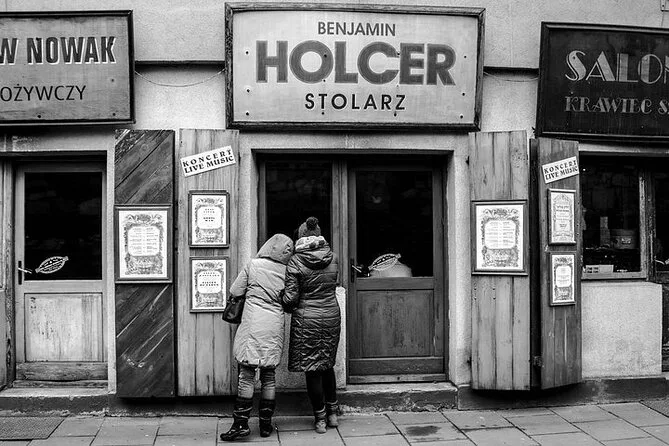

Walking Krakow's 700-Year Jewish Quarter Through WWII & Revival
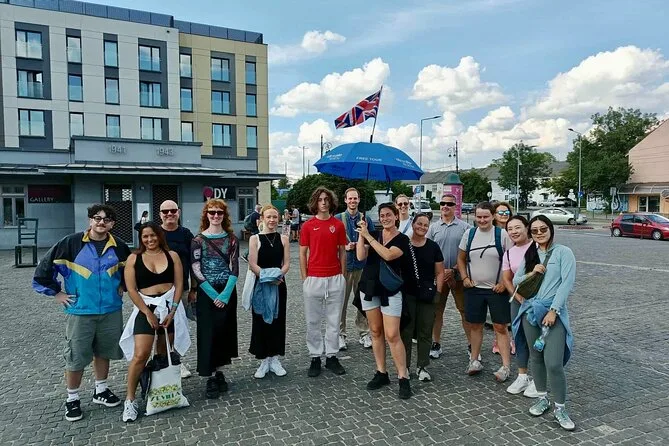
You walk through Krakow's 700-year-old Jewish Quarter with a professional guide, visiting the Old Synagogue, Ghetto Heroes Square with its Holocaust memorial, and sites from Schindler's List. The tour ends in revived Kazimierz, now a hub of street art and food. You pay what you think it's worth at the end, and the guide meets you at St. Mary's Basilica under a blue umbrella.
Compare the 8 alternatives
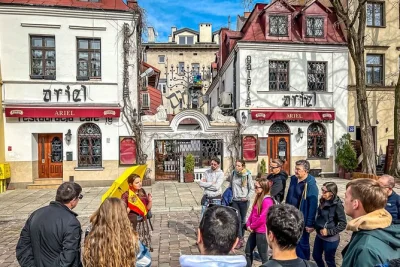 Krakow: Jewish Quarter Walking Tour & 7 SynagoguesEvery day · 10:30, 14:30 and 16:30 · All ages★ 4.90 (355)2h 30mENUS$ 27View ›
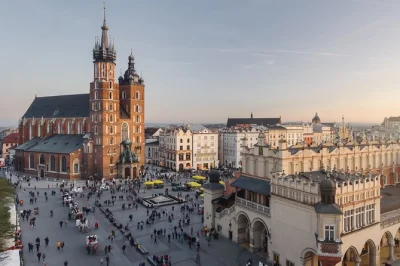 Historic Krakow Walking Tour: Old Town & Wawel CastleEvery day · 11:00 and 14:00 · All ages★ 4.93 (552)2h 30mENUS$ 4.01View ›
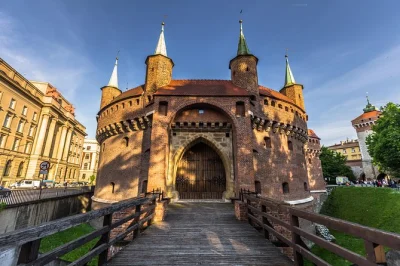 Krakow Old Town & Wawel Castle Walking Tour, No LinesEvery day · 10:00, 11:00 and 14:00 · All ages★ 4.89 (1,706)2h 30mENUS$ 25View ›
 Krakow Pub Crawl: Old Town Bars & Clubs with ShotsEvery day · 10:00, 12:00 and 14:00 · 18–80 years★ 4.99 (155)4hEN · DE +1US$ 42View ›
 Krakow Old Town & Wawel Walking Tour: Local Tips & Food SpotsEvery day · 10:00 · All ages★ 4.94 (268)2h 30mEN · PL +2
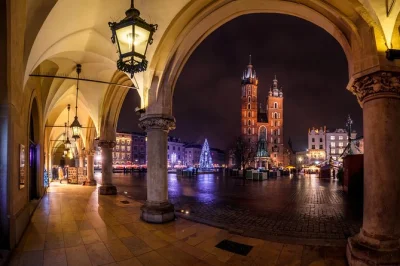 Krakow: Dark History Walking Tour & Medieval TalesEvery day · 17:00 and 19:15 · From age 16★ 4.68 (145)2hEN · PLUS$ 21View ›
 Krakow: Old Town & Wawel Castle Private Walking TourEvery day · first departure 09:30, last 18:00★ 4.97 (145)3hENUS$ 78View ›
 Krakow Old Town Walking Tour: St. Mary's Basilica & AltarMon–Sat · first departure 11:00, last 14:00 · All ages★ 5.00 (2)1h 30mEN · DE +4US$ 34View › Compare more experiences like this »
Step-by-step itinerary
- Old Synagoguepass by
- Ghetto Heroes Square20m
- Zakrzowek10m
Explore Krakow's Jewish Quarter history
- Walk Jewish Quarter's picturesque street
- Visit Poland's oldest synagogue
- Learn about Krakow Ghetto Holocaust
- See Kazimierz main market square
- Cross Krakow's most beautiful bridge
- End at lively square with street food
The experience
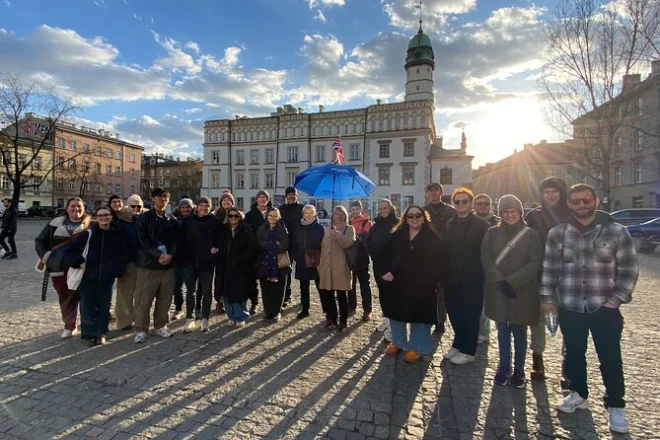
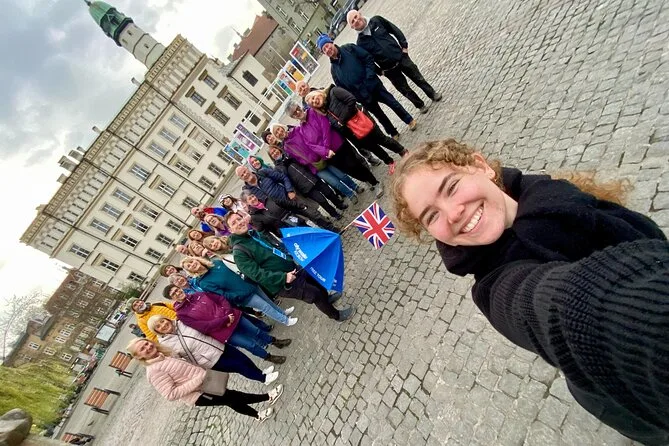
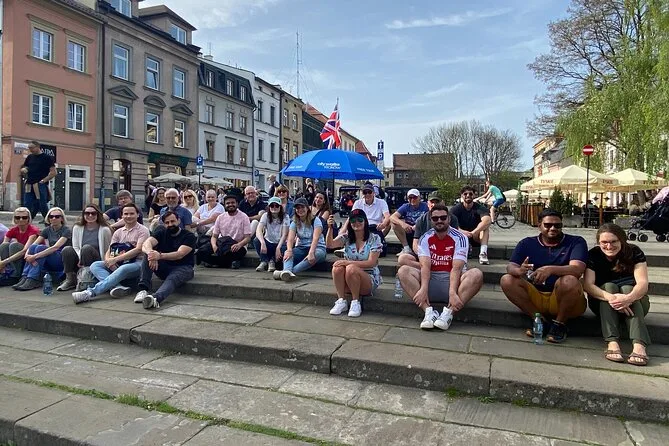
Hands rise to shield eyes from the afternoon light as the group gathers in front of St. Mary's Basilica, looking for the blue umbrella. That's how the Krakow Jewish Quarter tour begins, not with a speech, but with a simple signal that anchors thirty strangers to one guide and one story. The tour itself is donations-based, which means you pay what feels right at the end, and the guide works because they believe in the history, not because they're clocking hours. It changes the whole rhythm of the walk.
Kazimierz, the heart of the Jewish Quarter, sits on cobbled streets that have held 700 years of life. You'll move through the picturesque lanes past the Old Synagogue (Poland's oldest and most important), and stop at Ghetto Heroes Square, where empty bronze chairs face the space where the memorial stands. The guide walks you through what happened here during the German occupation, the logic of the ghetto's borders, the names and numbers. It's not abstract. You're standing in the actual streets where it occurred. The tour also passes Schindler's List filming locations, which grounds the history in something many people have seen, and then moves to the market square that was once the second largest in Europe.
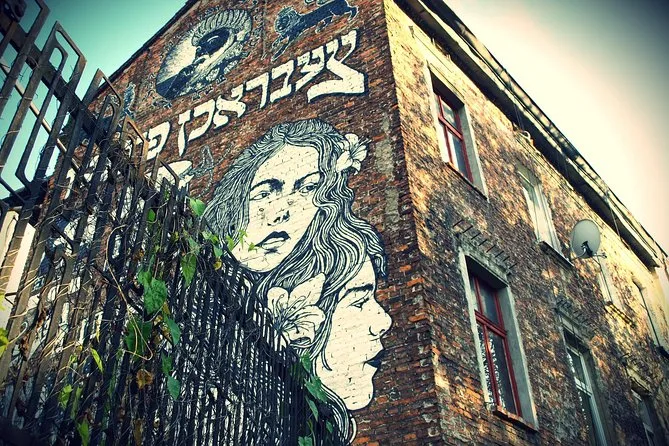
What strikes people most is the contrast. You finish in Zakrzowek, one of Krakow's liveliest squares now, filled with street food stalls, restaurants, and street art that has reclaimed the neighborhood. The same streets that held tragedy now hold life again. The walk takes you across one of Krakow's most beautiful bridges and through the full arc of the quarter, from its medieval roots through the Holocaust to its current revival. It's a moderate walking pace, so you need reasonable fitness, but the guide sets the speed and stops often.
Meet in front of St. Mary's Basilica and look for the blue umbrella. The tour is led by a professional guide who works on donations, so bring cash and decide at the end what the experience was worth to you.
What’s included
- Your tour includes a professional guide, walking access to the Jewish Quarter's historic streets and synagogues, entry to the sites visited, and the full narrative of Kazimierz from medieval times through the Holocaust to its current revival as a cultural hub. You pay a booking fee to the booking platform to secure your place.
- on the day, the guide works on donations, and you contribute what you feel the experience is worth.
Before you book
Prices and times updated yesterday
Operated by City Walks Krakow
Is this one for you?Choose this tour if you want to understand Krakow's Jewish history and WWII ghetto without arranging a private guide or navigating the quarter alone. The donations model means you're not locked into a fixed price, and the professional guide handles the difficult history with the depth it deserves.
Traveler reviews
Top questions
What's included in the tour price?
A professional guide and access to the walking route. The fee you pay upfront to the booking platform is a booking fee. On the day, the guide works on donations, and you decide the amount at the end.
Where do we meet?
In front of St. Mary's Basilica. Look for the blue umbrella.
Is this tour suitable for children?
Infants and small children can ride in a pram or stroller. The tour covers sensitive historical content, so consider the child's age and maturity.
Do I need to be very fit?
A moderate level of physical fitness is required, as it's a walking tour through cobbled streets. The guide sets a manageable pace with stops.
Can I use public transportation to get there?
Yes, public transportation options are available near St. Mary's Basilica.
Are service animals allowed?
Yes, service animals are allowed on the tour.
What will I learn about the ghetto?
The guide explains the history of the WWII ghetto, the German occupation of Krakow, and the meaning of Ghetto Heroes Square, the memorial to those lost.
Krakow: Jewish Quarter & Ghetto Walking Tour
2h 30m · EN
from US$ 3.43 per person
4.91316 reviewsVerified traveler reviews via our booking provider