

 +507 6792-0894


Salkantay Trek to Machu Picchu: 5-Day Hiking Adventure Guide


Summary
Hiking Salkantay: From Cusco to Machu Picchu via Humantay Lake & Santa Teresa
If you’re looking for an adventure that mixes high mountains with jungle trails—and ends at Machu Picchu—the Salkantay Trek really delivers. You’ll hike past glaciers and waterfalls, meet local farmers along the way, sleep under stars, and finish with a guided tour of one of Peru’s most iconic sites.

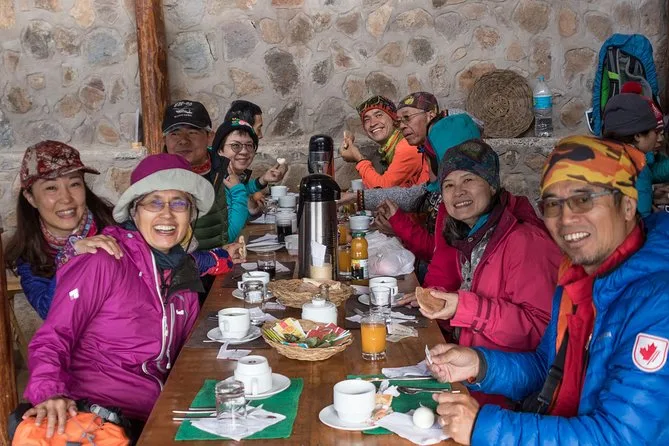
The alarm went off before dawn in Cusco, and I barely had time to grab a quick coffee before our bus rolled out at 4:30 am. The ride to Mollepata was quiet—most of us dozing, but I caught glimpses of the Apurímac canyon through the window as the sun crept up. Once we hit Cruzpata, breakfast was simple but filling (eggs and fresh bread), and then we started climbing. The trail wound past tiny irrigation channels locals use for their crops, and every so often you’d spot a hummingbird darting between wildflowers. Lunch at Cruzpata felt like a reward after that first uphill push.
Later that afternoon, some of us hiked up to Humantay Lake. The air got thin fast—my lungs worked overtime—but when we reached the top, that turquoise water against the snowy Humantay peak made it worth every step. It’s chilly up there; I could see my breath even with the sun out. Back at Soraypampa camp, our cook handed out hot tea around six (the coca leaves help with altitude), and dinner was warm quinoa soup followed by chicken stew. Tents were already set up—nothing fancy, but after a day on foot, it felt like luxury.
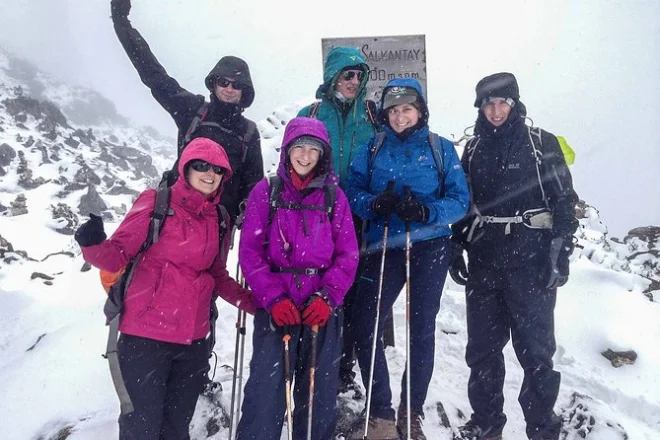
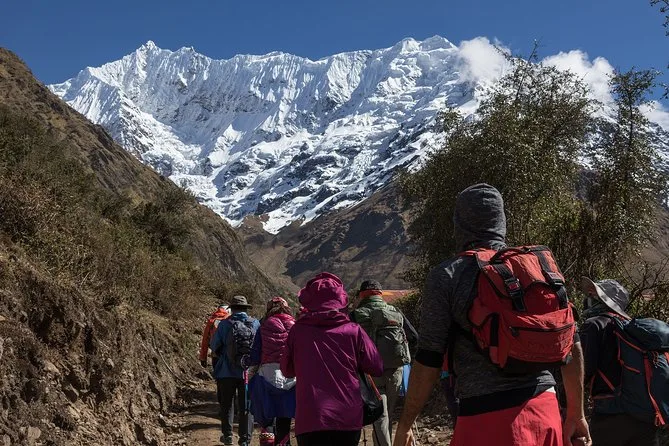
The next morning started early again. Leaving Soraypampa behind, we trekked under Salkantay’s shadow—the mountain is massive and always seems closer than it is. Our guide, Luis, pointed out glacial streams and explained how locals believe Salkantay is an “Apu,” or sacred spirit. By midday we reached Huayracmachay for lunch (I remember the soup steaming in the cold air). Afterward came a long descent into greener valleys; you could feel the temperature shift as we dropped down toward Chaullay.
Day three brought a real change—waking up surrounded by jungle sounds instead of mountain silence. Breakfast included sweet local bananas from a nearby farm. We passed coffee bushes heavy with red berries and stopped to chat with a farmer who let us taste passion fruit straight from his field—sticky hands and all. The trail here is muddy in spots; my boots were caked by lunchtime at La Playa village. That night, falling asleep to distant river noise instead of wind was oddly comforting.
The fourth day took us along the Vilcanota river valley—lush and full of birdsong. There’s a canopy bridge at Oroya where you can spot parrots if you’re lucky (we saw two). From Sahuayaco you catch your first glimpse of Machu Picchu mountain through the trees—a surreal moment after days on foot. At Hydroelectric station we boarded a rattling train for Aguas Calientes; hot showers at our hostel felt incredible after three nights camping.
Our last morning started before sunrise again—we wanted those quiet hours at Machu Picchu before crowds arrived. The climb up is steep but seeing mist lift off ancient stones is something I’ll never forget. Our guide walked us through hidden corners of the citadel for about two hours, sharing stories about Inca engineering and daily life here centuries ago. Later that afternoon there was time for a soak in Aguas Calientes’ hot springs (bring coins for lockers). The train back to Ollantaytambo left just before dark; by the time we rolled into Cusco I was tired but honestly didn’t want it to end.
 5d
5d

Step-by-step itinerary
Day 1 — Cusco to Soraypampa
- Bus from Cusco to Mollepata
- Hike to Cruzpata and lunch
- Ascent to Humantay Lake
- Descent to Soraypampa campsite
Day 2 — Soraypampa to Chaullay
- Hike through highlands to Huayracmachay
- Downhill hike to Chaullay campsite
Day 3 — Chaullay to Santa Teresa
- Morning hike to Peruvian Jungle border
- Hike to La Playa village campsite
Day 4 — Santa Teresa to Aguas Calientes
- Hike along Vilcanota river to Hydroelectric
- Train to Aguas Calientes
Day 5 — Machu Picchu and return to Cusco
- Guided tour of Machu Picchu
- Train from Aguas Calientes to Ollantaytambo
- Transfer from Ollantaytambo to Cusco

Top questions

How difficult is the Salkantay Trek?
The trek covers about 73 km over five days with some steep climbs (up to 4,650 meters). You should be moderately fit and comfortable walking several hours each day.
Are meals included during the trek?
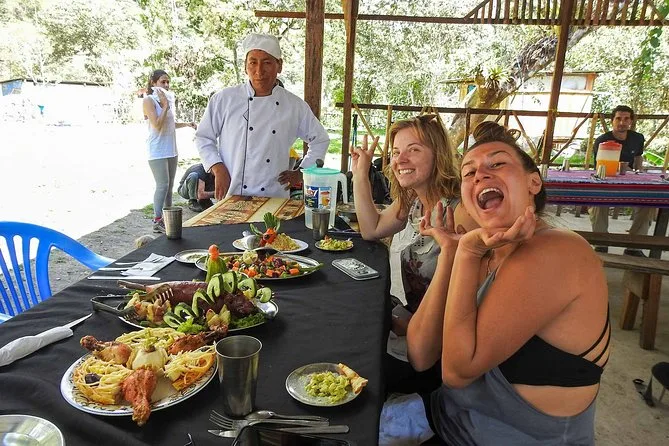
Yes! All meals are provided from breakfast on day one through breakfast on day five—expect hearty Peruvian dishes prepared by our camp chef.
What kind of accommodation should I expect?
You’ll camp for three nights (tents provided) and stay one night in a basic hostel with hot water and WiFi in Aguas Calientes.
Is there support if someone feels unwell or gets altitude sickness?
Your professional bilingual guide carries a first-aid kit and checks on everyone regularly; coca tea helps too! If needed, evacuation can be arranged from certain points.
Do I need special gear or permits?
Tents are provided but bring your own sleeping bag and hiking gear (boots/layers/rain jacket). Entrance fees for Machu Picchu are included in your booking.

What’s included
Your trip includes transport from Cusco to Mollepata, all entrance fees (including Machu Picchu), professional bilingual guides throughout the trek, high-quality camping equipment (tents for two people), all meals except lunch/dinner on final day, train ticket from Aguas Calientes back to Ollantaytambo plus bus transfer to Cusco city—and daily briefings so you know what’s coming next!
 Super deal
  Free booking, free cancellation.
  Don't lose your place.


 Do you need help planning your next activity?
  +507 6792-0894


