
Lake Titicaca: Uros & Taquile Islands Day Trip with Lunch





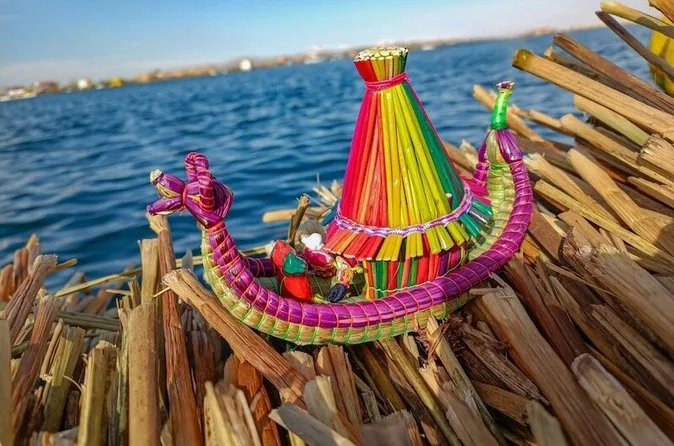



Float across Lake Titicaca to Uros & Taquile with local stories
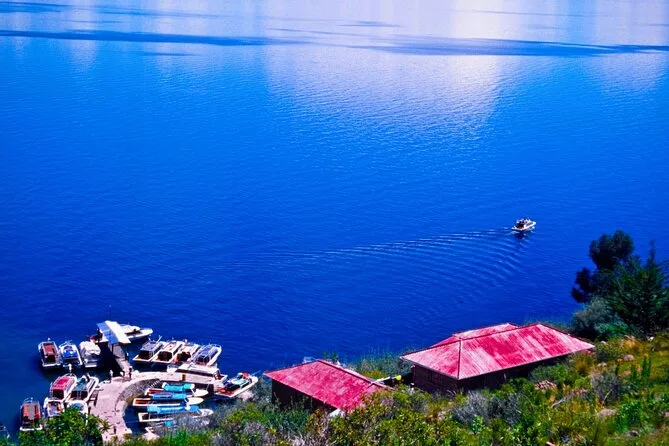
You’ll float across Lake Titicaca to visit the Uros Floating Islands—walking on reeds and meeting families who live atop them—then head out to Taquile Island for a home-cooked lunch and stories from local knitters. Expect small surprises: new tastes, unfamiliar silences, laughter over language mix-ups… plus hotel pickup and all logistics sorted so you can just soak it all in.
 9h
9h

Step-by-step itinerary
Visit Uros and Taquile Islands
- Pick up from hotel in Puno
- Stop at boat pier for snacks
- Board motor boat to Uros Island
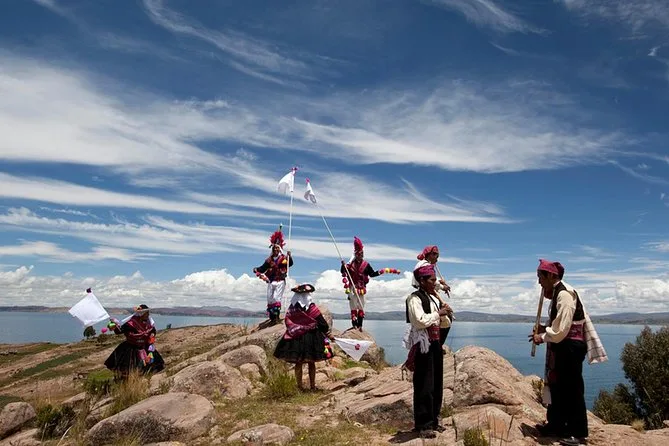
- Welcome with Andean folkloric music
- Introduction by guide and captain
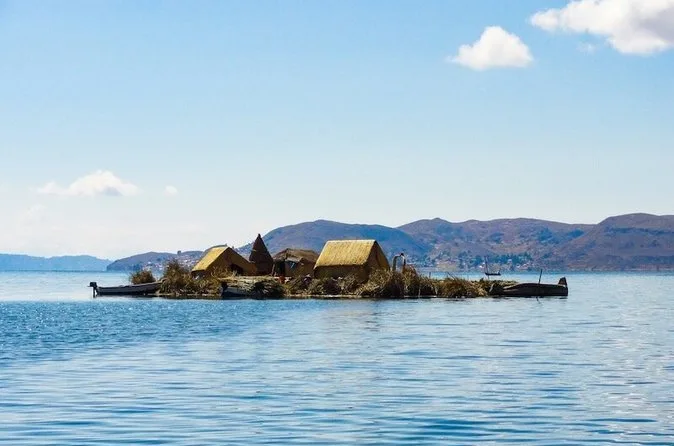
- Boat ride to Uros Floating Islands
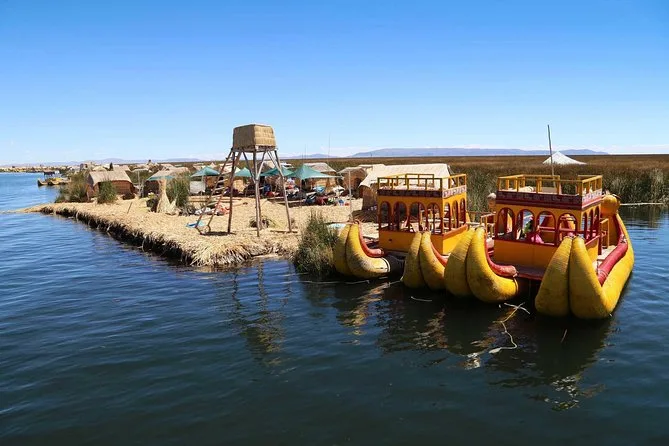
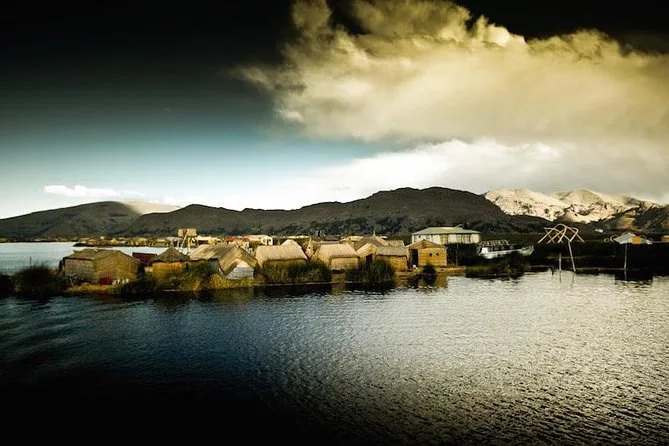
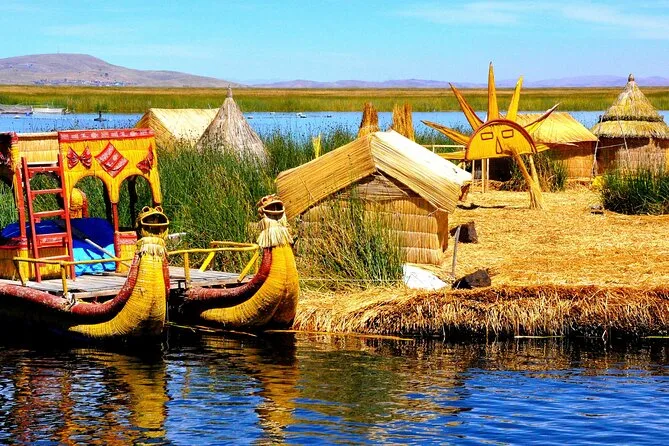
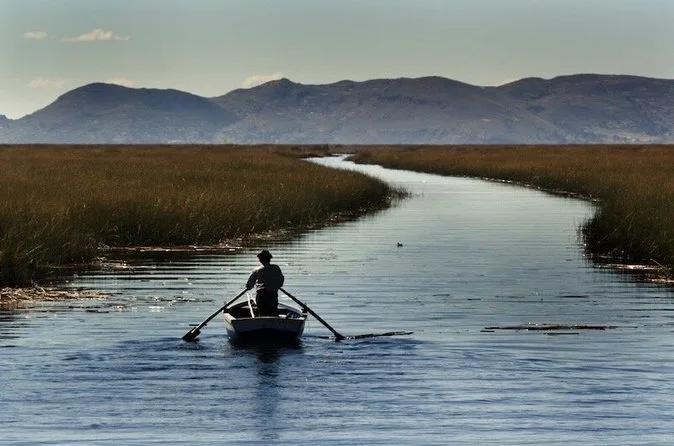
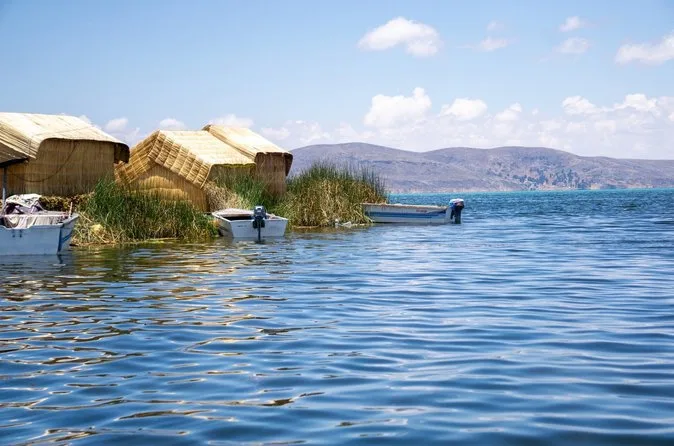
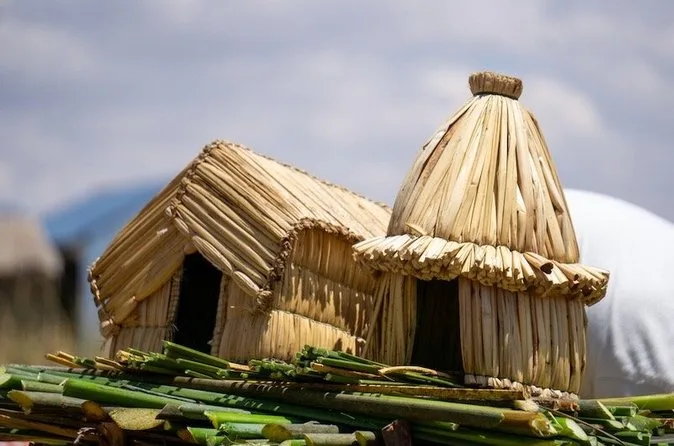
- See totora plants on the lake
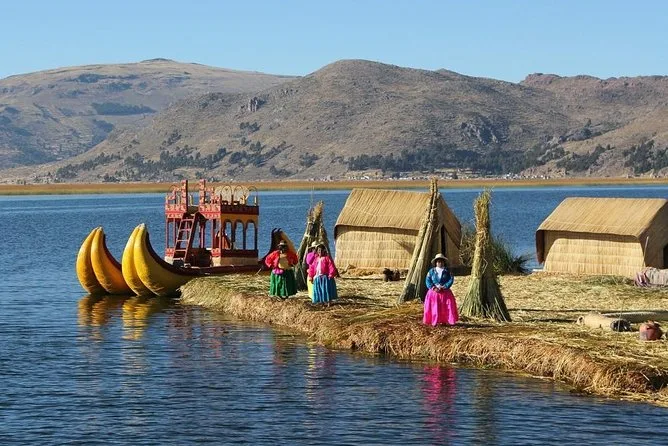
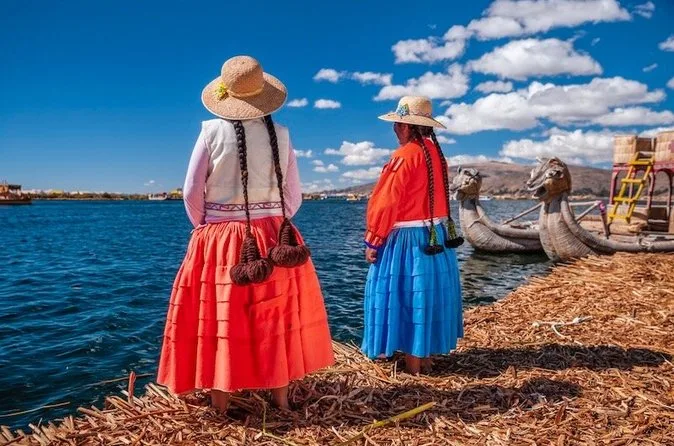
- Meet local women in traditional attire
- Island head demonstrates island building
- Buy handicrafts from natives
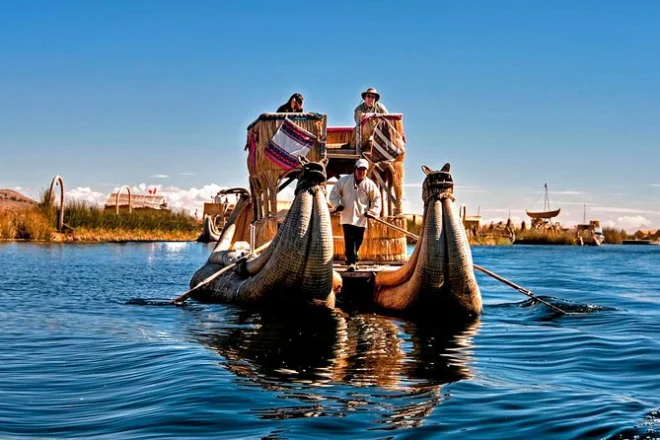
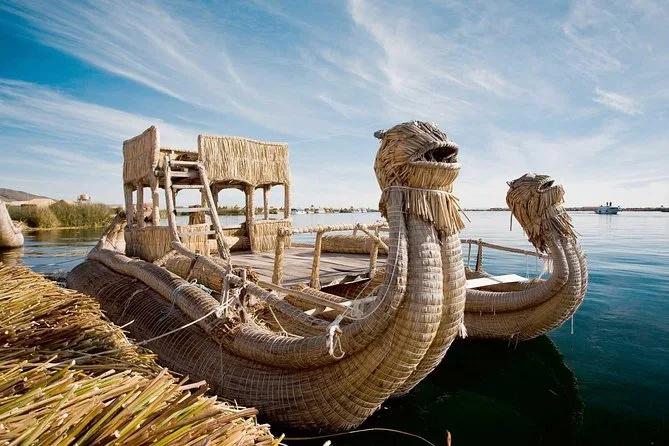
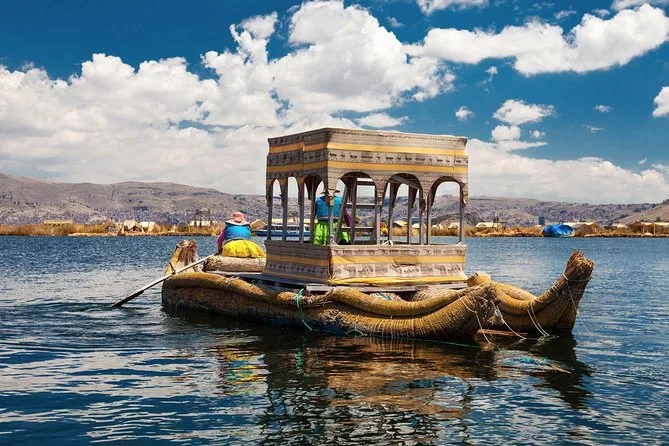
- Optional totora reed boat ride
- Optional passport stamping
- Boat ride to Taquile Island
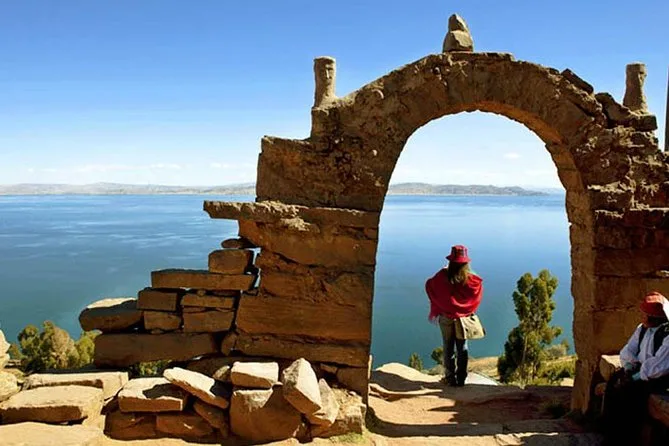
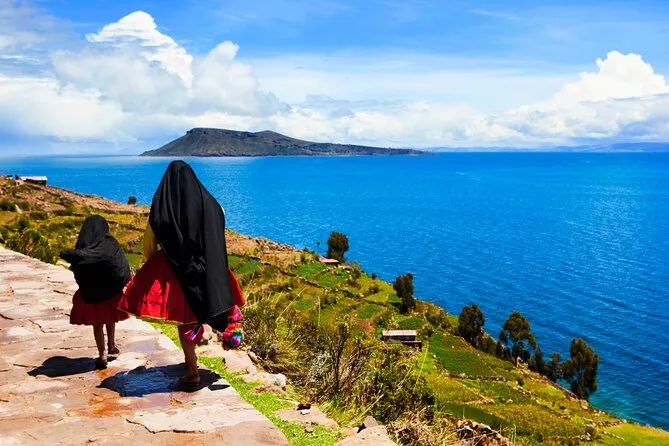
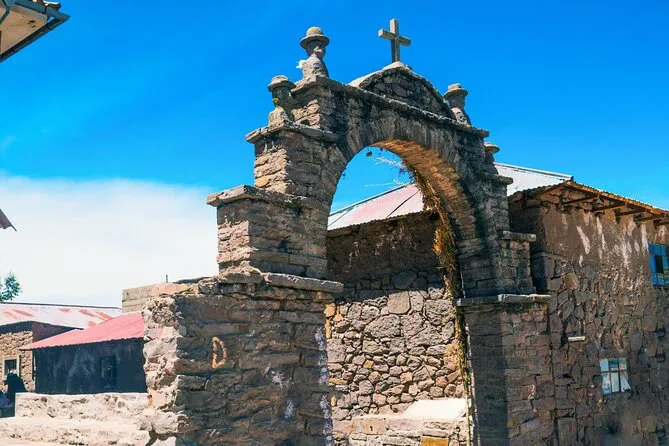
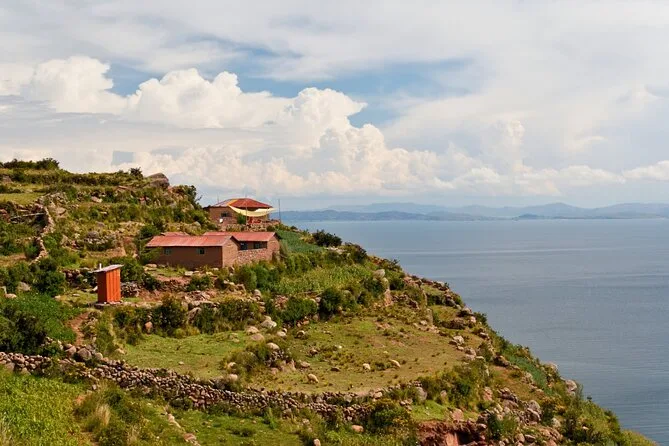
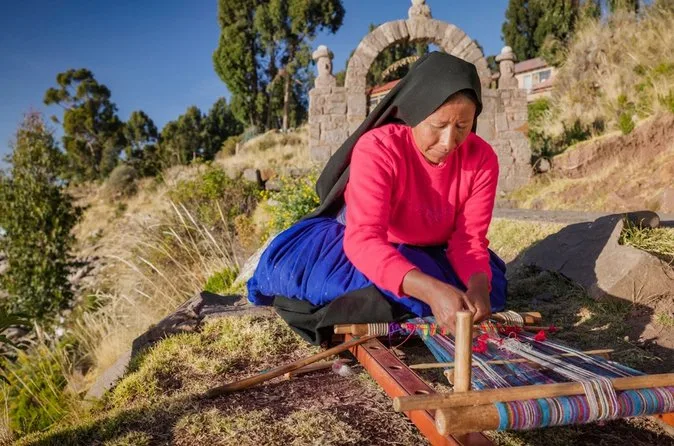
- Explore Taquile Island culture and crafts
- Lunch at local restaurant
- Boat back to Puno
- Arrive at Puno boat pier
- Drive back to hotel in historic center

The Experience
The first thing I remember is the reeds — golden, soft under my shoes, and that faint earthy smell as we stepped off the boat onto the Uros Floating Islands. Our guide, Rosa, laughed when I wobbled a bit (it’s bouncy, honestly), then introduced us to Señora Julia and her family. They waved us over with wide smiles and handed out little totora reed samples — I chewed one out of curiosity. It tasted like cucumber, but somehow sweeter? The air was chilly but bright; you could hear water lapping underneath every time someone shifted their weight.
I didn’t expect how quiet it would feel out there. Even with a group, there’s this hush between conversations — just distant music from another island and the sound of women’s skirts brushing against reeds. Julia showed us how they build their homes layer by layer; she spoke in Aymara at first (I caught maybe two words), then switched to Spanish so Rosa could translate. There was an option to ride a traditional reed boat for 10 soles — I did it mostly for the novelty, but honestly just sitting low on the water watching kids wave from their own patch of island felt oddly peaceful. Got my passport stamped too; probably unnecessary but now it’s a weirdly special souvenir.
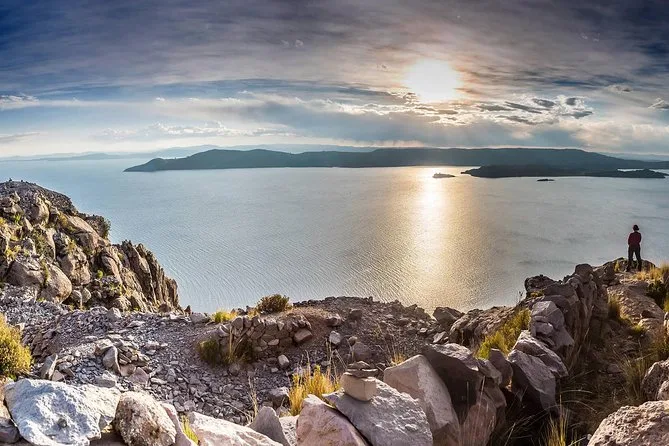
The boat ride to Taquile Island took longer than I thought (about an hour or so), but I ended up on the upper deck with a few others, wind in our faces and sunburn creeping in. On Taquile, we climbed up stone steps past terraced hills where sheep grazed lazily. Lunch was trout — fresh from the lake — with potatoes and a minty tea that tasted like wild herbs. The men here knit hats as they walk (seriously), and one named Mateo showed me his half-finished chullo while explaining which patterns mean what in Quechua tradition. It’s funny how hands can tell stories better than words sometimes.
By late afternoon we were back on the boat heading toward Puno again. My shoes still smelled faintly of reeds and lake water. There’s something about seeing life built literally on water that sticks with you — not sure I’ll ever forget those quiet moments between islands or Julia’s laugh when I tried to say “sumaq” (beautiful) and totally butchered it.

What’s included
Your day includes pickup from your Puno hotel in the historic center, all entrance fees for both Uros Floating Islands and Taquile Island, a bilingual English-Spanish guide throughout, lunch at a local restaurant on Taquile (with fresh fish if you want), plus return transport back to your hotel after docking at Puno pier in the evening.
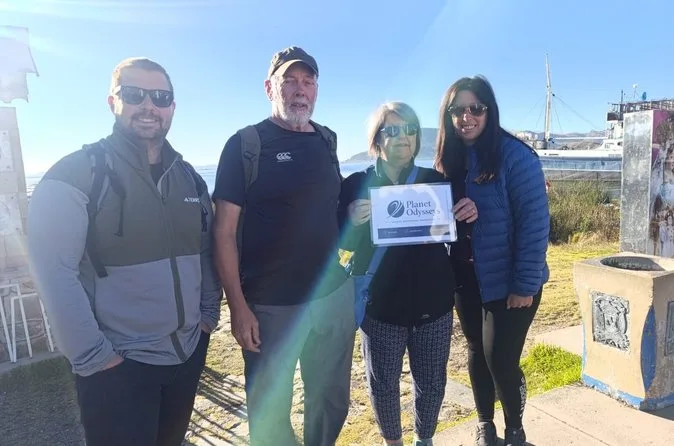
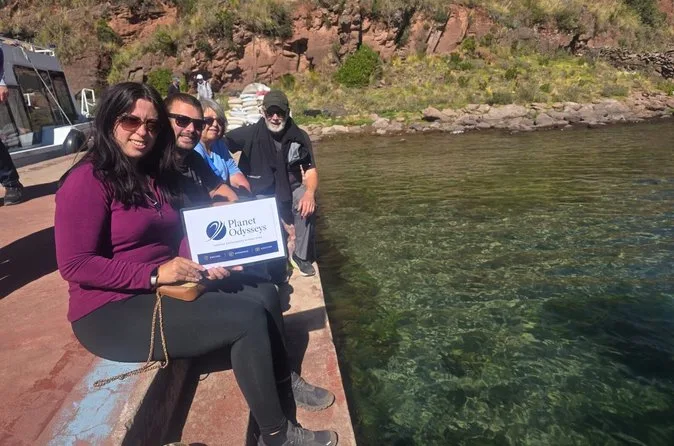
Operated by Planet Odysseys
Traveler reviews
Compare the 13 similar options
 Lake Titicaca: Uros & Taquile Islands Day Trip with Lunch★ 4.68 (252)9hEN · ESUS$ 55
 Lake Titicaca: Uros & Taquile Fast Boat Day Trip with LunchFeel the reeds underfoot on Uros, hike Taquile’s hills, and share a lakeside lunch—speedboat from Puno, hotel pickup, and local guide included for a relaxed day.★ 4.90 (515)8hEN · ESUS$ 30View ›
 Puno: Uros Floating Islands Boat Tour & Lake TiticacaHalf-day boat tour from Puno to the Uros Floating Islands on Lake Titicaca. Includes motorboat, island entry, bilingual guide, and hotel pickup. Around 4 hours.★ 4.55 (22)3hEN · ESUS$ 19View ›
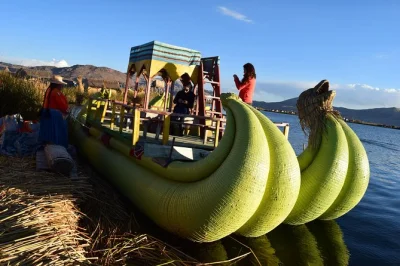 Lake Titicaca: Uros & Taquile Islands Day Trip by Fast BoatStep onto floating reed islands, meet Uros locals, and hike Taquile for a lakeside lunch on this Lake Titicaca day trip from Puno—includes hotel pickup and fast boat.★ 4.72 (272)9hEN · ESUS$ 49View ›
 Uros Floating Islands tour from Puno: 3 hours on Lake TiticacaSail to the Uros Floating Islands from Puno on Lake Titicaca with a bilingual guide, hotel pickup included3hEN · ESUS$ 10View ›
 Lake Titicaca: 2-Day Islands Tour with Homestay & Local MealsWake up on Amantani Island, meet Uros families, and share meals with locals on this Lake Titicaca tour from Puno. Includes hotel pickup, guide, and all meals.★ 4.74 (195)2dEN · ESUS$ 89View ›
 Lake Titicaca: Uros & Taquile Islands Speedboat Day TripFeel the rush of a speedboat from Puno to the Uros floating islands & Taquile, with a local guide, lunch overlooking Lake Titicaca, and hotel pickup included.★ 4.78 (128)9hEN · ESUS$ 49View ›
 3-Hour Uros Floating Islands Tour from Puno3-hour boat tour of Lake Titicaca's Uros Floating Islands from Puno with bilingual guide, hotel pickup and island visits -- see how reed islands are built★ 4.52 (25)3hEN · ESUS$ 22View ›
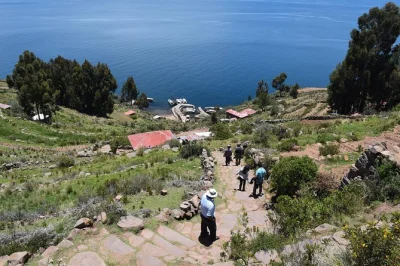 Puno: Uros & Taquile Island Day Trip by BoatFull-day Lake Titicaca tour from Puno visiting Uros floating islands and Taquile. Includes boat, guide, lunch with trout or quinoa, hotel pickup. 2.5 hours each way.★ 4.58 (26)10hEN · ESUS$ 60View ›
 Puno: Lake Titicaca & Uros Floating Islands 3h Boat Tour3-hour boat tour from Puno to Uros Floating Islands on Lake Titicaca. Includes hotel pickup, guide, entry & covered motorboat. Choose 9am, 12pm or sunset departure.★ 4.80 (113)3hEN · ESUS$ 28View ›
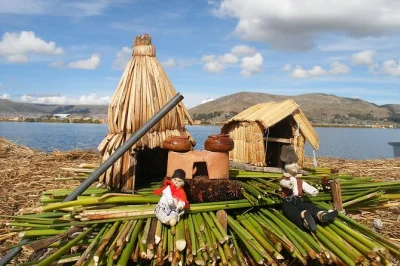 Lake Titicaca: Uros, Amantani & Taquile Islands Full Day12-hour Lake Titicaca tour from Puno visiting three islands: Uros floating villages, Amantani hike & temple, Taquile textiles. Includes boat, meals, guide & hotel pickup.★ 5.00 (9)12h 30mEN · ESUS$ 290View ›
 Lake Titicaca: Uros & Taquile Speedboat Day Trip with LunchFeel the rush of Lake Titicaca on a speedboat day trip from Puno, meeting Uros islanders and sharing lunch with Taquile locals. Includes hotel pickup and guide.★ 4.78 (157)9hEN · ESUS$ 30View ›
 Puno: Uros Floating Islands & Taquile Island Private TourPrivate Lake Titicaca tour from Puno with Uros reed islands, totora canoe ride, Taquile Island hike and trout lunch. Hotel pickup, English guide.★ 5.00 (2)8hEN · ESUS$ 351View ›
Top questions
How long does the Lake Titicaca day trip take?
The tour starts around 7:00 AM with hotel pickup in Puno and returns by about 4:30 PM.
Is lunch included during the Lake Titicaca tour?
Yes, lunch is included at a local restaurant on Taquile Island.
Are entrance fees covered for Uros & Taquile Islands?
All entrance fees are included in the day trip price.
Is there hotel pickup for this Lake Titicaca tour?
Pickup is provided from hotels within Puno's historic center.
Can you ride a traditional reed boat at Uros Islands?
You can ride a totora reed boat for an extra 10 soles if you wish.
What languages do guides speak on this trip?
The tour includes a bilingual guide who speaks English and Spanish.
Is this day trip suitable for all fitness levels?
The tour is suitable for most fitness levels but not recommended for those with poor cardiovascular health due to some walking and altitude.
Can you get your passport stamped at Uros Islands?
Yes, you can have your passport stamped as a souvenir at Uros Islands if desired.
Lake Titicaca: Uros & Taquile Islands Day Trip with Lunch
9h · EN · ES · at your hotel
from US$ 55 per person
★★★★★★★★★★4.68252 reviewsVerified traveler reviews via our booking provider
