

 +507 6792-0894


Inca Jungle Trail 4-Day Adventure to Machu Picchu




Summary
Active Machu Picchu Trek: Inca Jungle Route with Cycling & Rafting
If you're after more than just photos of Machu Picchu, this four-day Inca Jungle trek mixes biking, rafting, hiking, ziplines—and even a soak in natural hot springs—with real moments among Peru's landscapes and people.

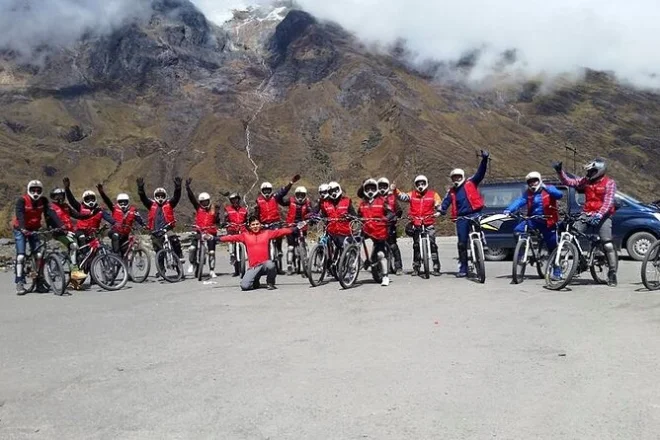
The first morning kicked off early in Cusco—still chilly, with that thin mountain air making my backpack feel heavier than it should. Our guide met us right at the hotel lobby, all smiles and quick jokes. The drive up to Abra Málaga took about three hours; I dozed off for a bit but woke up just as we hit the pass. The wind up there is sharp and cold, but you can see forever—snow on one side, green valleys on the other. They handed out bikes (mine had good brakes, which I was grateful for) and we started downhill toward Huamanmarca. It’s wild how fast you drop altitude; my hands were numb from gripping the handlebars but by halfway down, you could already smell wet earth and jungle plants. Lunch in Santa Maria was simple but filling—rice, chicken, and some kind of sweet local fruit juice.
That afternoon we swapped bikes for paddles and hit the Urubamba River. I’d never rafted before—honestly, I was a little nervous—but our rafting guide explained everything in both Spanish and English. The water’s cold but not freezing; after a few splashes you just stop caring. Dinner that night in Santa Maria was loud with chatter from other travelers—everyone swapping stories about near-misses on the river or how fast they’d gone on the bikes.
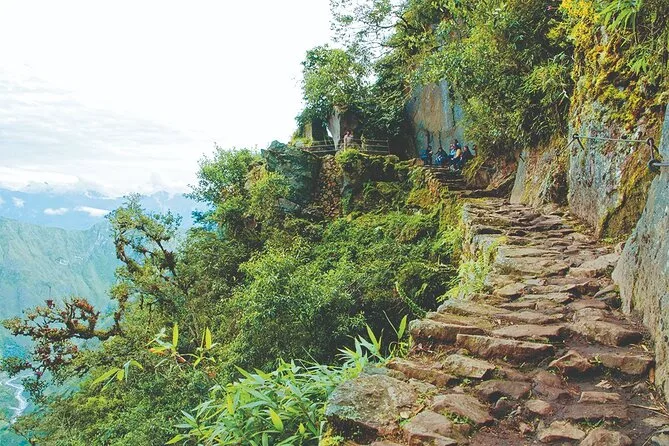
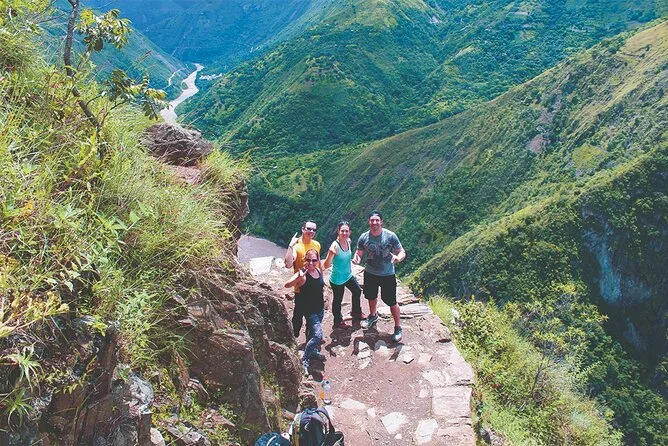
Next day started with eggs and bread at sunrise—roosters crowing somewhere nearby. We hiked through coffee fields and banana trees toward Santa Teresa, sometimes catching glimpses of old Inca stones poking out of the dirt. There’s a stretch where you walk along what’s left of an ancient trail; our guide pointed out some faded stonework most people would miss if they weren’t looking for it. After lunch in Quillomayo (the trout is worth trying), we zipped across a canyon on a zipline—heart racing stuff—and then walked down to Cocalmayo hot springs. Sitting in those warm pools as dusk settled over the jungle felt like pure reward; steam rising, frogs croaking somewhere close by.
The third day meant more hiking—this time up to Llactapata for that first real view of Machu Picchu way off in the distance. It’s smaller than you expect from photos but seeing it peek through clouds is something else entirely. Lunch at Hydroelectric was quick (lots of rice again), then we followed train tracks into Aguas Calientes as trains rumbled past every so often. The town itself is busy—market stalls selling ponchos and snacks everywhere—but there’s time to wander before dinner with our group.
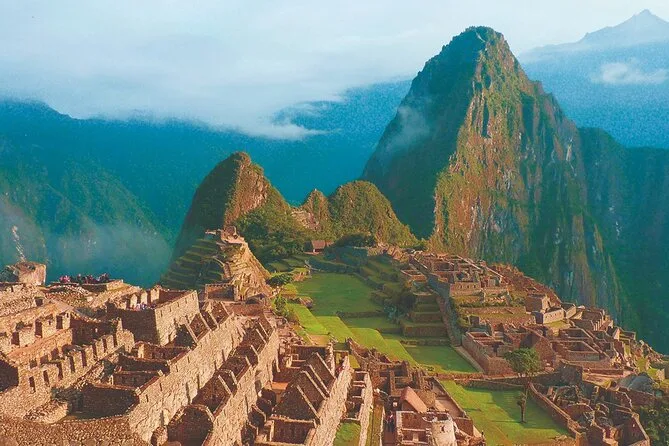
Machu Picchu day starts early—some folks take the bus up, but I decided to walk (it takes about 90 minutes if you’re steady). Our guide met us at the gate right on time; he knew every corner of those ruins and told stories about each temple and terrace that made them feel alive again. If you’ve got energy left, climbing Huayna Picchu is an extra challenge (I skipped it this time). Heading back down to Aguas Calientes felt bittersweet—I didn’t want it to end yet—but there’s still a long ride back to Cusco ahead.
 4d
4d

Step-by-step itinerary
Day 1 — Cusco to Santa Maria Adventure
- Pick up at hotel
- Bus to Abra Málaga
- Bike to Huamanmarca ruins
- Transport to Santa Maria
- Lunch at Santa Maria hostel
- Rafting on Urubamba River
- Dinner at lodge
Day 2 — Hike and Zipline to Santa Teresa
- Breakfast in Santa Maria
- Transport to jungle brow start
- Hike to Santa Teresa via Inca Trail
- Lunch in Quillomayo
- Zipline activity
- Thermal baths at Cocalmayo
- Walk to Santa Teresa
- Dinner and overnight at lodge
Day 3 — Hike to Aguas Calientes
- Breakfast in Santa Teresa
- Hike to Llactapata ruins
- Lunch at Hydroelectric
- Walk to Aguas Calientes
- Check-in lodging
- Free time in town
- Dinner at local restaurant
Day 4 — Machu Picchu Tour and Return
- Travel to Machu Picchu entrance (bus or walk)
- Guided tour of Machu Picchu ruins
- Optional visit to Mountain or Huayna Picchu
- Return to Aguas Calientes (bus or walk)
- Walk back to Hydroelectric
- Transport from Hydroelectric to Cusco
- Arrive in Cusco

Top questions

How hard is the Inca Jungle Trail? Is it okay for beginners?
You’ll need moderate fitness since there’s biking, hiking (sometimes steep), rafting, and ziplining involved—but our guides help everyone along the way! If you’re comfortable being active outdoors for several hours each day, you’ll be fine.
Are meals included? What kind of food will we get?
Yes—all main meals are included during the tour! Expect lots of local Peruvian dishes: rice, chicken or trout, fresh fruit juices, plus vegetarian options if needed.
What should I pack for this trip?
Bring layers—it gets cold at high altitudes but warm in the jungle. Good walking shoes are essential; also pack swimwear for Cocalmayo hot springs and rain gear just in case.
Is entrance to Machu Picchu included? Will we have a guide?
Your ticket to Machu Picchu is covered! You’ll have a professional bilingual guide with you throughout who shares history and tips at every stop.

What’s included
You get all your transport (buses between towns plus return to Cusco), entrance tickets—including Machu Picchu and Cocalmayo hot springs—a solid bike set-up with safety gear for cycling days, basic lodging each night (private room upgrades may be possible), all main meals during the trek itself, plus full support from your bilingual guide from start to finish.
 Super deal
  Free booking, free cancellation.
  Don't lose your place.


 Do you need help planning your next activity?
  +507 6792-0894


