
Cusco to Puno day trip: Route of the Sun with four cultural stops


Four centuries of Andean history unfold between two cities
The Route of the Sun is a 10-hour guided day trip from Cusco to Puno that stops at four cultural sites along the Andes: the Church of San Pedro de Andahuaylillas (a 16th-century Baroque chapel built atop an Inca foundation), the Temple of Wiracocha at Raqchi (one of the largest surviving Inca structures), the mountain pass at La Raya, and the pre-Inca settlement of Pucará. The trip includes transport in a luxury air-conditioned bus, a guided tour at each stop, an Andean buffet lunch, onboard restroom and drinks, and oxygen access for the high altitude. Entrance fees to the sites are paid separately in cash.
 10h
10h

Step-by-step itinerary
Scenic journey from Cusco to Puno
- Depart from Cusco
- Visit Church of Saint Peter the Apostle
- Explore Raqchi archaeological site
- Enjoy buffet lunch in highland town
- Stop at Abra La Raya mountain pass
- Visit Pucará archaeological site
- Arrive in Puno

The Experience
The drive leaves Cusco in the morning and climbs steadily into the highlands, stopping first at Andahuaylillas to visit the Church of San Pedro de Andahuaylillas. Built in the 16th century by Jesuit missionaries on top of a sacred Inca site, the church's exterior is simple adobe and brick, but the interior holds gold-leaf altars, vivid frescoes, and intricate paintings that earned it the name "Sistine Chapel of America." A guide walks you through the blend of Spanish Baroque and Andean symbolism that defines the space.
Next is Raqchi, an official Best Tourism Village and one of the most significant Inca archaeological sites on the route. The Temple of Wiracocha dominates the site—a massive structure that once stood 15 meters tall and was built to honor Wiracocha, the Supreme God of Andean belief. The temple showcases Inca engineering at scale, and the surrounding ruins and spiritual legacy place you directly in the heart of pre-Columbian civilization. After exploring the complex, you stop for a one-hour buffet lunch in the highland town of Marangani-Sicuani, where the restaurant overlooks the mountains and serves traditional Andean dishes: quinoa soup, roasted vegetables, regional potatoes, fresh salads, and local meats.
The afternoon brings you to Abra La Raya, the mountain pass at over 4,300 meters above sea level that marks the border between Cusco and Puno. The landscape opens into snow-capped peaks and endless sky—a moment to stretch, photograph, and feel the scale of the Andes. The final stop is Pucará, a pre-Inca settlement dating to 500 BC and the earliest major center of the Titicaca Basin. The site is known for its monolithic stone sculptures with geometric and animal forms, and for the vibrant multi-colored ceramics that reveal daily life and sacred rituals of a civilization that predates the Inca. The bus returns you to Puno by late afternoon.

What’s included
- Transport in a luxury air-conditioned bus with onboard restroom and hot and cold drinks.
- guided visits to the Church of San Pedro de Andahuaylillas, the Temple of Wiracocha at Raqchi, La Raya Pass, and the Lithic Museum of Pucará.
- Andean buffet lunch in Marangani-Sicuani.
- oxygen tank access for high altitude.
Operated by Inka Express
Is this one for you?The guide conducts the tour in Spanish with English translation, so you follow the history and context at each stop without needing to read ahead or navigate on your own—the commentary is built into the pace of the day.
Traveler reviews
Compare the 5 similar options
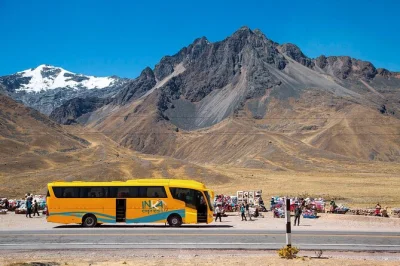 Cusco to Puno day trip: Route of the Sun with four cultural stops★ 4.85 (354)10hUS$ 45
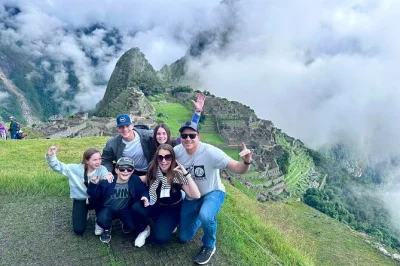 Cusco & Machu Picchu: 6-Day Peru Tour with Lake Titicaca6-day Peru tour from Cusco covering Machu Picchu, Sacred Valley, and Lake Titicaca with hotels, trains, and all entry fees included. Small groups, expert guides.★ 4.80 (129)6dEN · ESUS$ 799View ›
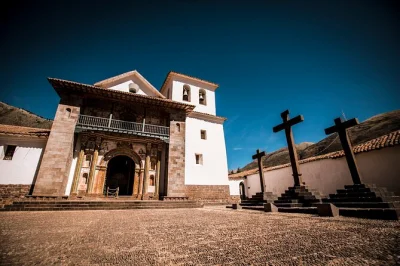 Andean Baroque Route Private Tour from Cusco: Churches & ArtExplore the Andean Baroque Route on a private tour from Cusco. Visit Andahuaylillas, Huaro, and Canincunca churches with a local guide. Book now.★ 3.00 (1)6hEN · ESUS$ 148View ›
 Cusco Half-Day Tour: Sacsayhuaman, Qenqo & QoricanchaFeel the energy of Cusco’s ancient stones, walk Sacsayhuaman’s terraces, explore Qorikancha’s golden walls and meet alpacas—includes hotel pickup and local guide.★ 4.70 (125)5h–6hEN · ESUS$ 15View ›
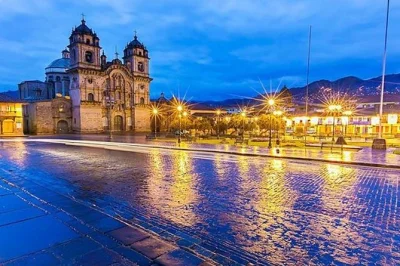 Cusco City Tour: Four Ruins in Half-DayHalf-day Cusco tour with guide covering the Temple of the Sun, Sacsayhuaman fortress, Q'enqo ceremonial center, Puca Pucara and Tambomachay★ 4.86 (640)5hEN · ESUS$ 40View ›
Top questions
What is the Church of San Pedro de Andahuaylillas, and why is it called the Sistine Chapel of America?
San Pedro de Andahuaylillas is a 16th-century Baroque church built by Jesuit missionaries atop a sacred Inca site in the village of Andahuaylillas. The interior is covered in gold-leaf altars, vivid frescoes, and intricate religious paintings that rival the artistic richness of the Sistine Chapel, which is why it earned that nickname—it's one of the most stunning religious sites in South America.
What can I see at Raqchi, and how large is the Temple of Wiracocha?
Raqchi is an Inca archaeological site centered on the Temple of Wiracocha, one of the largest Inca structures still standing. The temple once reached 15 meters tall and was built to honor Wiracocha, the invisible Supreme God of Andean belief. The site is surrounded by ancient ruins and demonstrates the masterful engineering of Inca civilization.
How high is La Raya Pass, and what will I see there?
La Raya Pass sits at over 4,300 meters above sea level and marks the natural border between Cusco and Puno. It's the highest point of the journey, surrounded by snow-capped peaks and open sky—a place to stretch, take photographs, and experience the scale of Peru's highlands.
What is Pucará, and what makes it historically significant?
Pucará is the earliest major settlement of the Titicaca Basin, dating back to 500 BC and predating Inca civilization. Once home to thousands of people—priests, artisans, farmers, and warriors—it's known for its monolithic stone sculptures with geometric and animal forms, and for vibrant multi-colored ceramics that reveal both daily life and sacred rituals of pre-Inca Andean culture.
What meals and drinks are included on the Route of the Sun?
A one-hour Andean buffet lunch is included, served in the highland town of Marangani-Sicuani with mountain views. The meal features quinoa soup, roasted vegetables, Andean potatoes, fresh salads, and regional meats. Onboard, hot and cold drinks are available throughout the journey.
Do I need to pay extra for entrance to the archaeological sites?
Yes, entrance tickets to Andahuaylillas, Raqchi, and the Pucará Museum are not included and cost 53 soles total, paid in cash at each site.
Cusco to Puno day trip: Route of the Sun with four cultural stops
10h
from US$ 45 per person
★★★★★★★★★★4.85354 reviews
