
Cusco City Tour: Inca Ruins, Cathedral & Coricancha Visit
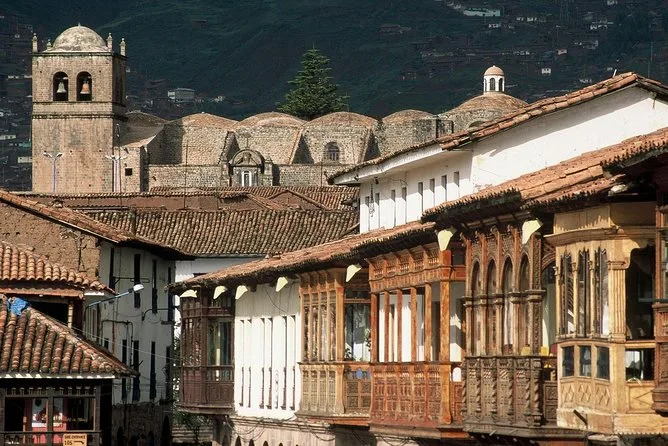
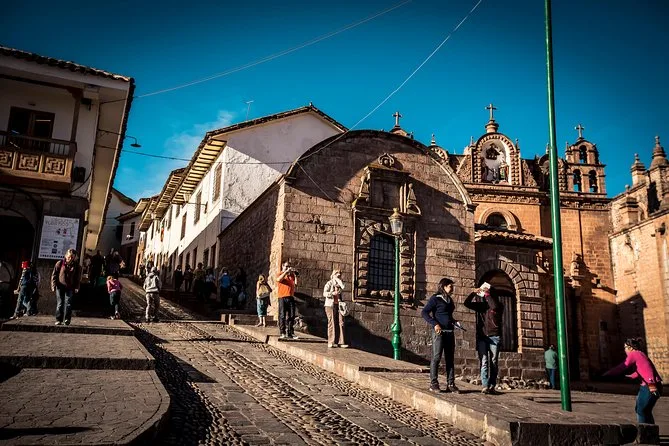
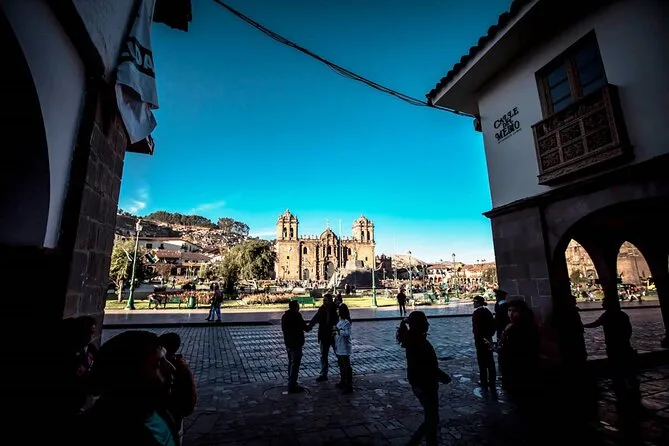
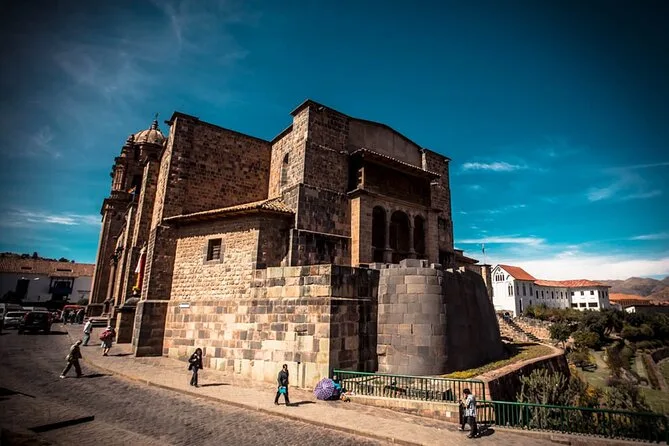


Guided Tour of Cusco’s Archaeological Wonders & Historic Center
You’ll walk ancient Inca paths, see where gold once covered temple walls, and stand among stones that have watched centuries pass by. This tour brings you face-to-face with Cusco’s living history—guided by locals who know every hidden corner.
 5h
5h

Step-by-step itinerary
Cusco City and Archaeological Sites
- Visit Santo Domingo Convent (Temple of the Sun)
- Explore Cusco Cathedral
- Tour Sacsayhuaman Fortress
- Visit Q'enqo Archaeological Site
- See Puka Pukara Fortress
- Explore Tambomachay

The Experience
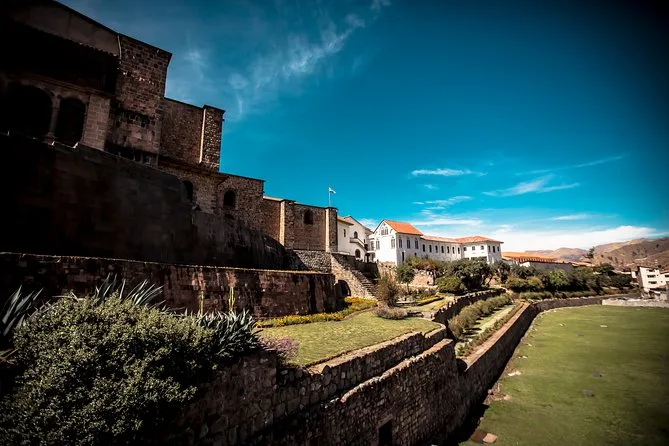
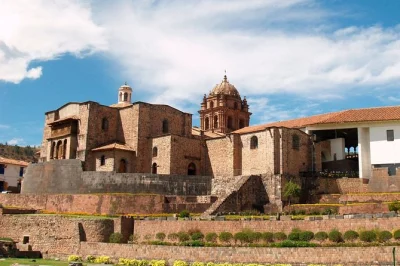
The morning air in Cusco always feels a bit crisp, especially if you’re up early. We started our day at the old heart of the city, where the Santo Domingo Convent sits right on top of what used to be the Inca’s Temple of the Sun—Coricancha. You can still see those massive stone foundations at the base, dark and smooth, almost humming with history. Our guide, Julia, pointed out how the Spanish built their church over these stones—she even showed us a spot where you can touch both Inca and colonial walls at once. There’s something surreal about standing there, imagining how the temple once glowed with gold leaf under the sun.
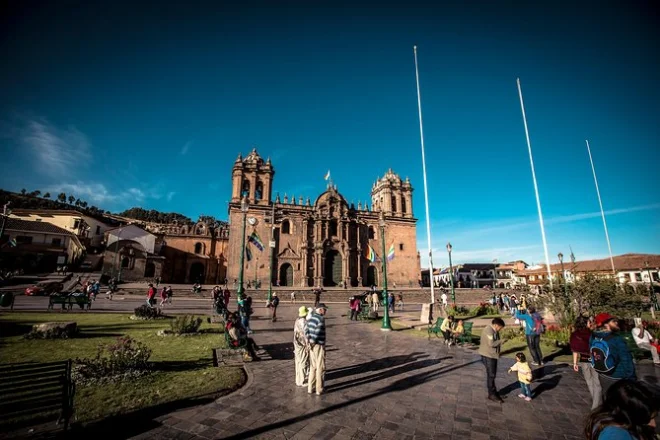
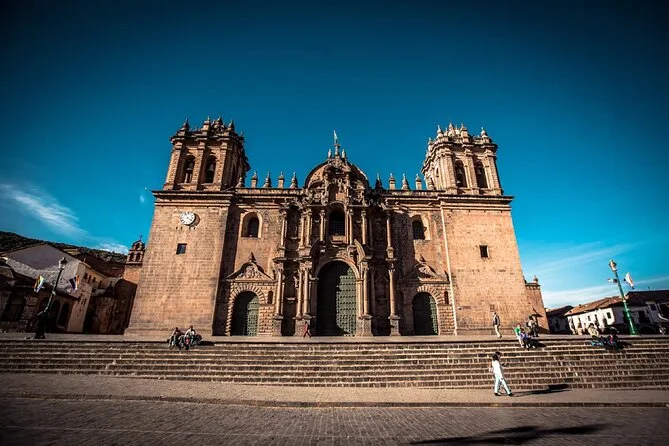
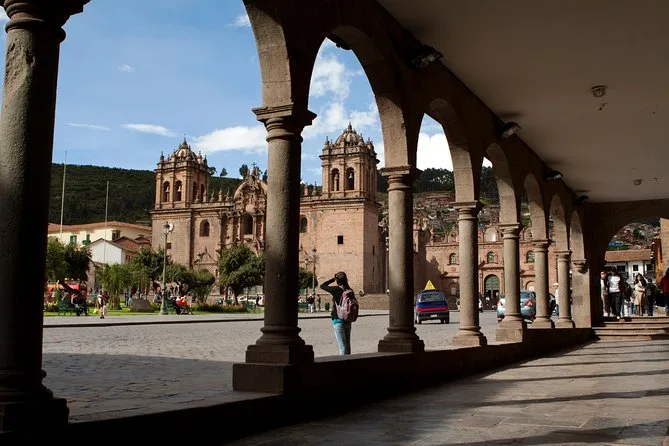
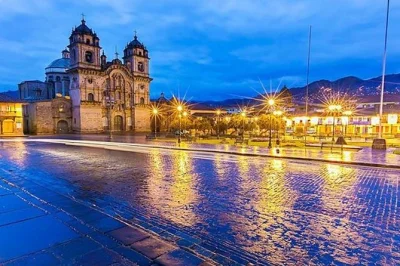
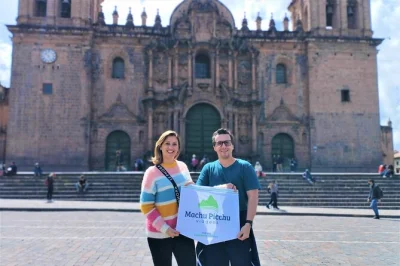
Next stop was the Cathedral on Plaza de Armas. Inside, it’s quiet except for footsteps echoing off old wooden floors. The paintings from the Cusqueña school are everywhere—some show familiar biblical scenes but with llamas or Andean mountains in the background. Julia explained how local artists mixed their own symbols into European stories. I noticed a faint scent of incense lingering near one of the side chapels; someone must’ve just finished morning prayers.
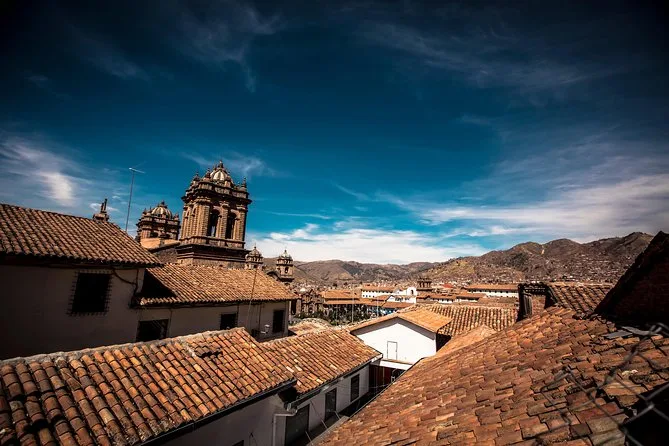
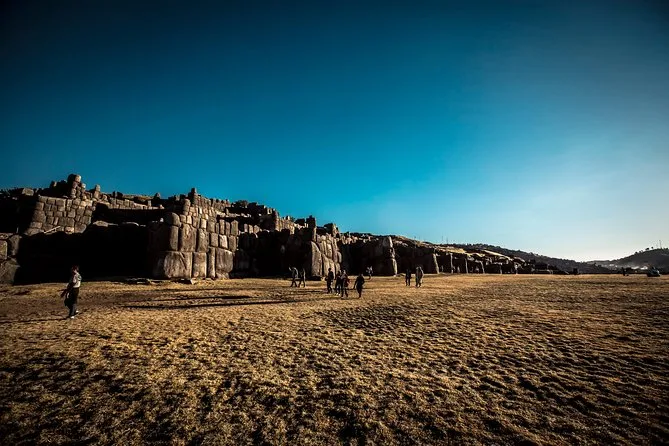
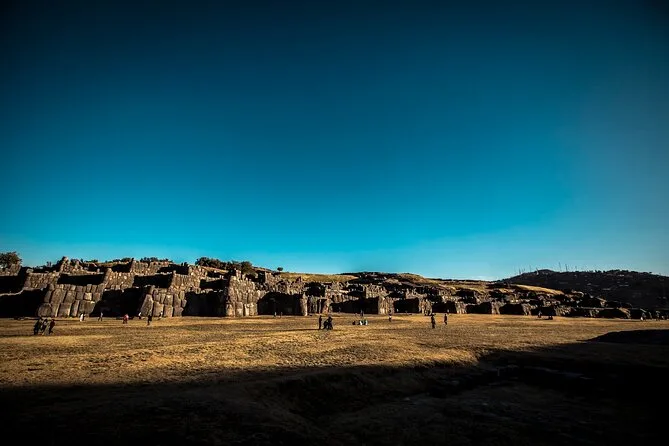
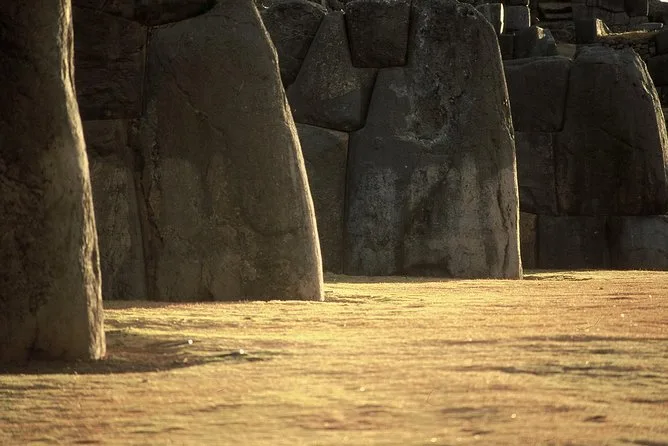
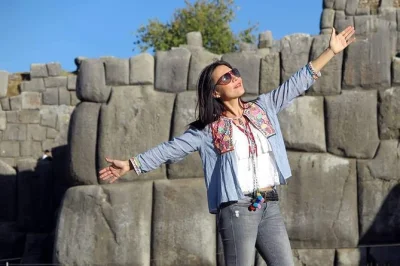
We left the busy center behind and drove up winding roads to Sacsayhuaman. The stones here are enormous—some bigger than my car back home—and fit together so tightly you can’t even wedge a coin between them. There was a group of kids flying kites nearby, their laughter carrying on the breeze. From up here, you get a wide view over all of Cusco; rooftops look like scattered red tiles in a patchwork quilt.
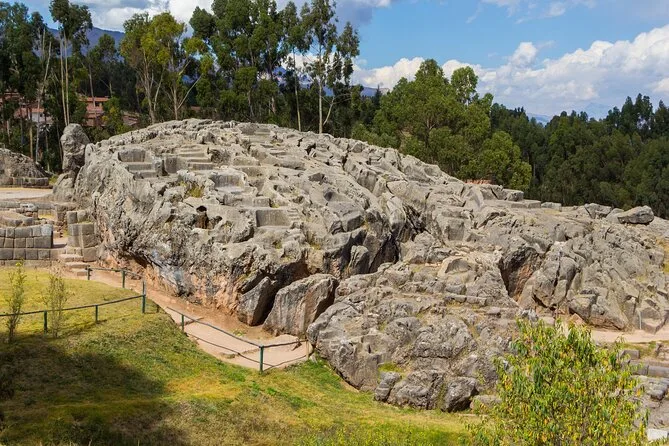
Qenqo was next—a strange place carved right into natural rock. It’s cooler here in the shade, and Julia told us about rituals that happened inside these twisting passages. She pointed out grooves where water used to run during ceremonies. Honestly, it felt a little eerie but fascinating at the same time.
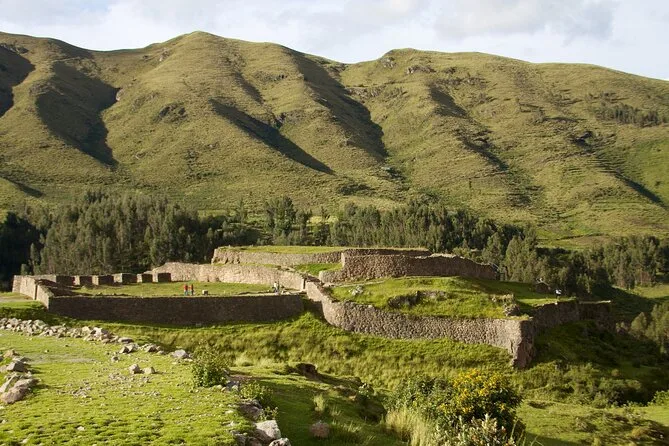
Puka Pukara sits higher still, its reddish stones catching late afternoon light. We wandered through open squares and narrow rooms while Julia explained how this spot guarded approaches to Cusco. Not many people around—just us and a couple of friendly stray dogs napping in the sun.
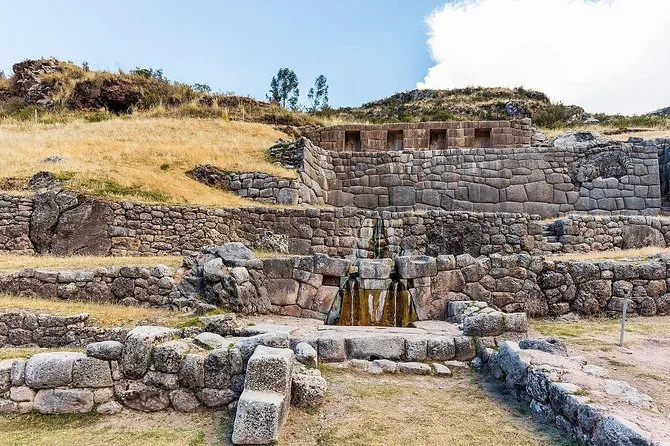
Tambomachay was our last stop before heading back down to town. Water still flows through ancient channels here; you can hear it trickling quietly if you stand close enough. Locals say this place was sacred to the Incas because they believed water was alive—a deity in its own right. By now, my legs were tired but my head was buzzing with stories and images from each site.

What’s included
Your guided tour covers hotel pickup/drop-off in Cusco, entrance fees for Coricancha and the Cathedral, plus an expert local guide (English/Spanish/French/Portuguese). You’ll need to purchase your own Tourist Ticket (BTC) for some archaeological sites—your guide will help with details when you arrive.
Operated by LimaTours
Traveler reviews
Compare the 13 similar options
 Cusco City Tour: Inca Ruins, Cathedral & Coricancha Visit★ 4.33 (21)5hEN · PT +2US$ 49
 Cusco Half-Day Tour: Sacsayhuaman, Qenqo & QoricanchaFeel the energy of Cusco’s ancient stones, walk Sacsayhuaman’s terraces, explore Qorikancha’s golden walls and meet alpacas—includes hotel pickup and local guide.★ 4.70 (125)5h–6hEN · ESUS$ 15View ›
 Cusco City Tour: Four Ruins in Half-DayHalf-day Cusco tour with guide covering the Temple of the Sun, Sacsayhuaman fortress, Q'enqo ceremonial center, Puca Pucara and Tambomachay★ 4.86 (640)5hEN · ESUS$ 40View ›
 Cusco: Private Sacsayhuaman, Qenqo & City Tour with PickupFeel the layers of Cusco’s past on a private tour with hotel pickup, Sacsayhuaman, Qenqo, and the city’s living streets—led by a local guide, snacks included.★ 4.86 (90)4hEN · ESUS$ 87View ›
 Cusco: Private Food Tour with 10 Tastings & San Pedro MarketWake up your senses in Cusco with a private food tour, 10 tastings, city highlights, and stories from your local guide. Includes vegetarian options & all tastings.★ 4.59 (78)3hEN · ESUS$ 89View ›
 Cusco: Koricancha, Sacsayhuaman & Camelid Farm Private TourStart at Cusco’s Plaza de Armas, explore Koricancha and Sacsayhuaman, meet llamas and alpacas up close, with private guide and transport included.★ 4.89 (158)6hEN · PT +2US$ 44View ›
 Cusco, Sacred Valley & Machu Picchu: 6-Day Culture, Train & Local MarketsStep into Inca history in Cusco, explore Sacred Valley villages, shop Pisac market, and ride the train to Machu Picchu. Includes hotels, transfers & guided visits.★ 4.91 (824)6dEN · ESUS$ 892View ›
 Cusco: Inca Ruins, Koricancha & Camelid Museum Small Group TourStep through Cusco’s ancient streets, explore Koricancha and Sacsayhuaman with a local guide, and meet South American camelids—includes transport and bilingual guide.★ 4.74 (87)4h–5hEN · ESUS$ 10.40View ›
 Cusco city tour: Q'oricancha, Sacsayhuaman, five Inca sitesCusco city tour visiting Q'oricancha, Sacsayhuaman, Q'enqo, Pucapucara and Tambomachay with bilingual guide and transport included★ 4.78 (18)5h–6hEN · ESUS$ 30View ›
 Cusco: Qorikancha, Sacsayhuaman & Inca Sites Half-Day TourFeel the pulse of Cusco’s ancient heart on a guided tour to Qorikancha, Sacsayhuaman, and more. Includes pickup, expert guide, and Starlink internet onboard.★ 4.69 (127)4h–5hPT · ESUS$ 23View ›
 Cusco: Sacsayhuaman & Tambomachay Half-Day with PickupHalf-day tour of four Incan sites near Cusco: Sacsayhuaman fortress, Q'enqo shrine, Puca Pucara and Tambomachay. Includes entry tickets, bilingual guide, hotel pickup.★ 4.48 (65)3hEN · PT +3US$ 59View ›
 Cusco City Tour: Sacsayhuaman, Koricancha & Inca MuseumPrivate Cusco city tour with guide and hotel pickup, visiting Sacsayhuaman fortress, the sacred Koricancha temple★ 4.92 (12)6hEN · PT +1US$ 100View ›
 Cusco Archaeological Sites Tour: Sacsayhuaman, Qenqo & CathedralHalf-day guided tour of Cusco's archaeological sites including Sacsayhuaman's massive Incan walls, plus the Temple of the Sun and Cathedral★ 4.28 (103)3h 30mEN · PT +3US$ 77View ›
Top questions
Is hotel pickup included?
Yes, we’ll pick you up from your hotel in central Cusco and drop you off after the tour.
Do I need to buy extra tickets for archaeological sites?
You’ll need a Cusco Tourist Ticket (BTC) for Sacsayhuaman, Qenqo, Puka Pukara & Tambomachay—it’s not included but your guide will help explain how to get it.
Are guides available in English?
Yes! Our professional guides speak English, Spanish, French, and Portuguese.
Is this tour suitable for kids or older travelers?
Absolutely—it’s designed for all fitness levels and families are welcome. Just let us know if you have special needs.
Cusco City Tour: Inca Ruins, Cathedral & Coricancha Visit
5h · EN · PT +2 · at your hotel
from US$ 49 per person
★★★★★★★★★★4.3321 reviews
