
Amazon: 15-Day Jungle Survival Training & Native Guide

Test your limits deep in the Amazon with hands-on survival skills and local guidance
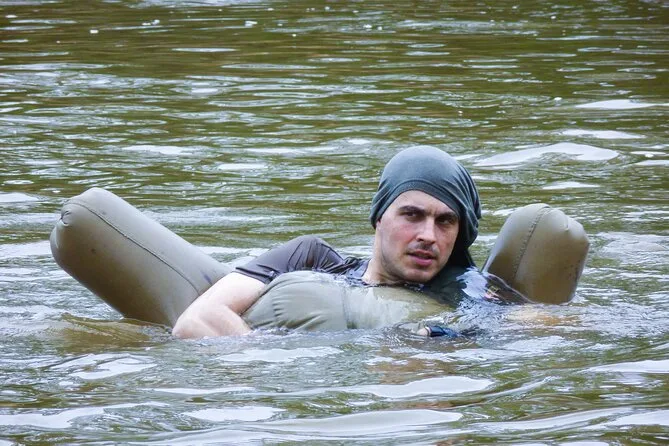
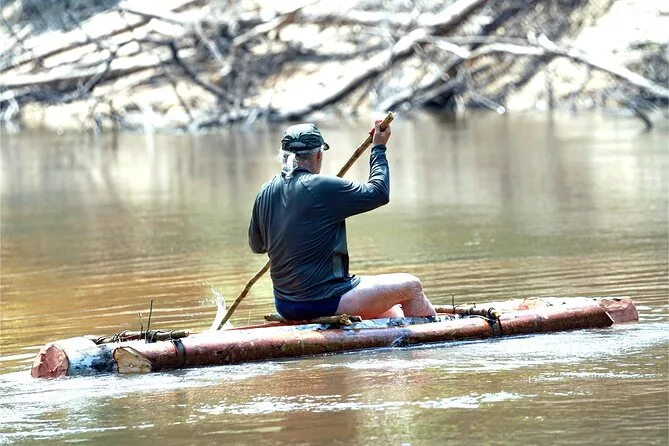
You’ll push yourself in ways you probably haven’t before — learning jungle survival from native guides near Iquitos, building shelters with your own hands, floating rivers on rafts you made yourself. Expect real challenges: finding food, making fire in pouring rain, nights spent listening to the wild around you. If you want to know what you’re made of, this is where you find out.
 15d
15d

Step-by-step itinerary
Jungle survival training and challenge
- Travel from Iquitos to jungle area
- Hike to designated survival area
- Learn machete proper use
- Build individual shelters
- Practice natural navigation signs
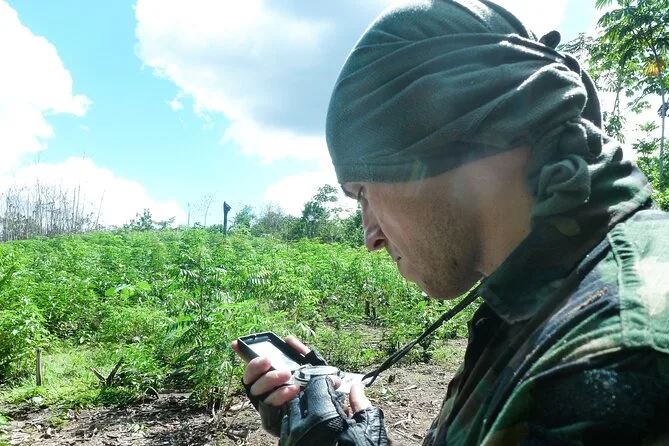
- Train with compass navigation
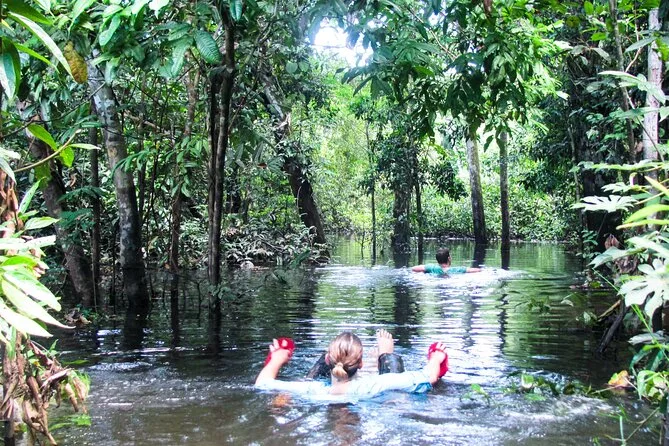
- Learn floating techniques on water
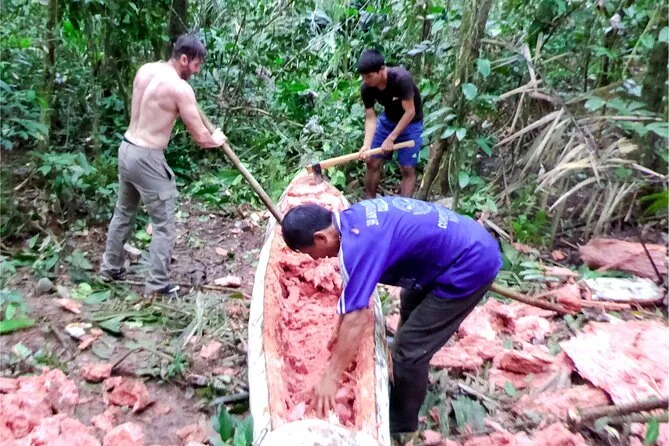
- Build raft and float down river
- Find water and food techniques
- Make campfire under extreme conditions
- Practice improvised fishing
- Prepare food from collected items
- Identify useful survival flora
- Recognize dangerous animals
- Build flotation devices for river
- Learn emergency international signals
- Enter isolation phase in jungle
- Spend nights deep in jungle
- Eat only what is collected
- Apply survival techniques learned

The Experience
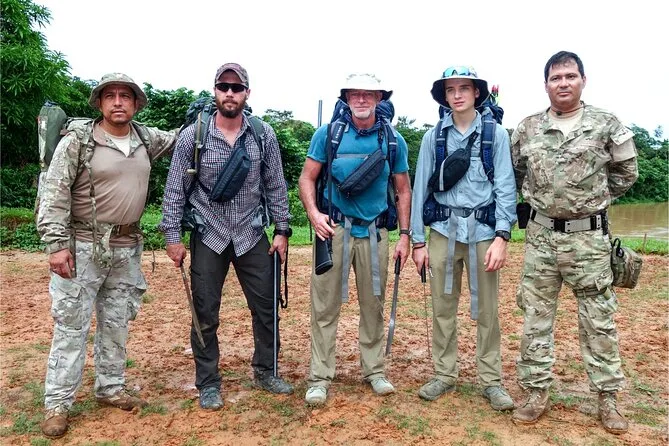
The first thing I remember is the sound — thick, layered, everywhere. Not just birds, but insects, frogs, something big moving in the brush (I tried not to think about that). We’d barely left Iquitos when our guide, Carlos, handed me a machete and grinned like he knew exactly how green I was. “You’ll need this,” he said. He showed us how to swing it without losing a finger — my hands still have tiny scars from those first awkward tries. The air was sticky, smelled like wet leaves and smoke from someone’s breakfast fire drifting over the river.
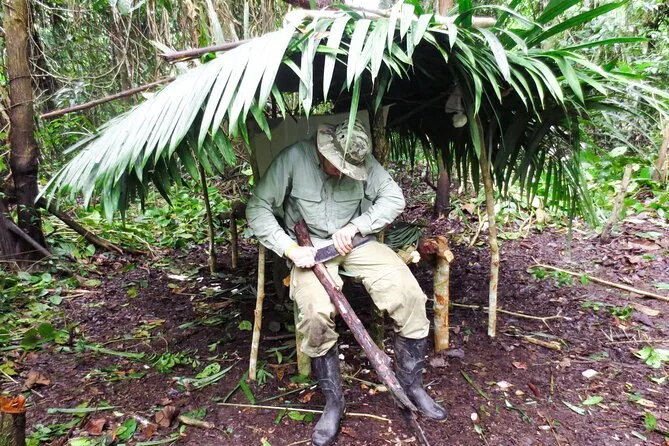
I didn’t expect to feel so clumsy at first. Building a shelter out of palm leaves sounds simple until you’re sweating through your shirt and the mosquitoes are relentless. Carlos moved quietly, showing us which plants to trust for water (the taste is earthy, almost sweet) and which ones would make you sick for days. There was a moment on day four — rain hammering down at dusk — when I wondered what on earth I’d signed up for. But then we managed to get a fire going with damp wood, and everyone cheered like kids at camp.
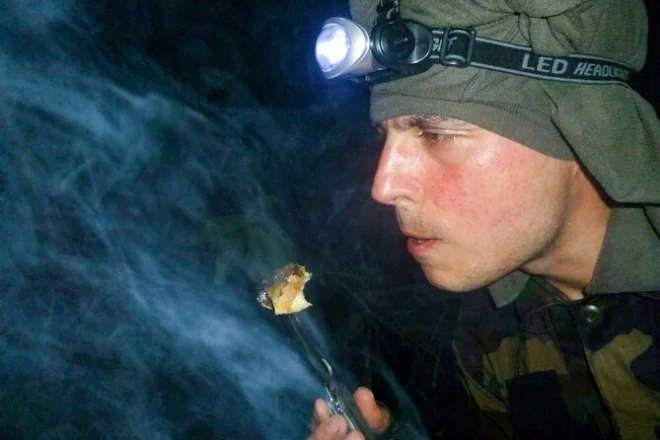
The isolation phase hit me harder than expected. No phones, no outside noise except for whatever lived nearby. Nights were long; sometimes I’d just listen to the river and try not to think about home or snakes or anything really. Food was…well, let’s say fishing with improvised gear is humbling (I got one tiny fish; Carlos caught three in five minutes). The best meal was something we roasted over coals — tasted smoky and wild, probably because we were starving by then.
Fifteen days sounds long until it’s over and you’re back in Iquitos blinking at streetlights again. My boots still smell like mud and woodsmoke. Not sure if I’ll ever look at a supermarket the same way after eating only what we could find or catch out there — but honestly? I still think about that silence some nights.

What’s included
Your journey includes pickup from your hotel or arrival at Iquitos airport, all scheduled land and river transportation throughout the itinerary, guidance by native instructors plus an English-speaking tour leader, use of mosquito nets during overnight stays in the jungle, all required taxes, public speedboat rides as needed between locations—and a certificate upon completion of your Amazon Survival Training challenge.
Operated by Amazon Explorer S.R.L
Traveler reviews
Compare the 5 similar options
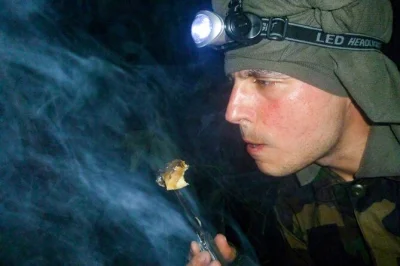 Amazon: 15-Day Jungle Survival Training & Native Guide★ 5.00 (6)15dEN · ESUS$ 3,550
 Iquitos Amazon: 3-Day Jungle Tour with Wildlife & Monkey IslandWake up to the Amazon, spot pink dolphins, visit Monkey Island, fish for piranha, and meet native tribes on this 3-day Iquitos rainforest tour with all transfers included.★ 4.53 (80)3dEN · ESUS$ 459View ›
 Pacaya Samiria 3-day tour: Jungle camping & wildlifeThree-day wildlife tour in Pacaya Samiria National Reserve from Iquitos with private transport, meals, tent camping and guide★ 4.97 (95)3dEN · ESUS$ 390View ›
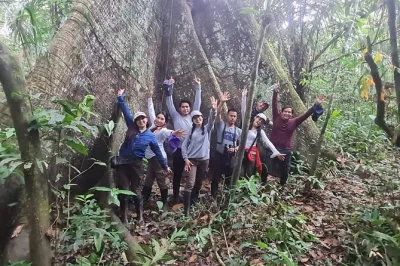 Private 4-Day Amazon Survival Tour from Iquitos with Local GuideExperience a real Amazon survival adventure near Iquitos. Learn jungle skills, spot wildlife, and camp lakeside with an expert local guide.★ 5.00 (17)4dEN · ESUS$ 800View ›
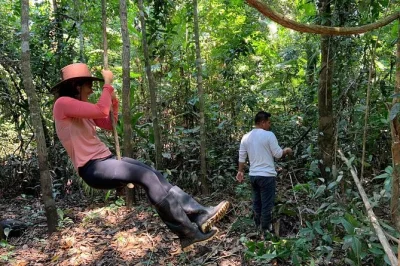 Amazon Survival Course Iquitos: 8 Days Learning Jungle SkillsLearn survival skills in Peru's Amazon near Iquitos over eight days: find water in vines, build balsa rafts, identify medicinal plants★ 5.00 (9)8dEN · ESUS$ 70,000View ›
Top questions
How do I get to the Amazon survival training from Iquitos?
Transfers from Iquitos airport are included; land and river transport is arranged as part of the program.
Is this Amazon survival course suitable for beginners?
This is an advanced jungle survival training; participants should have high physical fitness and some outdoor experience.
What kind of food will be available during the survival training?
You will eat only what can be collected or caught in the jungle; no special diets can be accommodated.
Are vegetarian or gluten-free meals provided?
No special food is provided; vegetarians cannot be accommodated due to reliance on natural sources found during training.
Who leads the Amazon jungle survival course?
The program is led by native instructors with deep knowledge of local survival techniques; an English-speaking tour leader accompanies the group.
How many days does the jungle survival training last?
The full program lasts 15 days in the Amazon rainforest near Iquitos.
Is hotel pickup included for this Amazon experience?
Yes, transfer from your hotel in Iquitos or from the airport is included if details are provided at reservation.
What should I bring for this Amazon jungle tour?
You should arrive prepared for challenging conditions; mosquito nets are provided but personal gear should be rugged and suitable for wet environments.
Amazon: 15-Day Jungle Survival Training & Native Guide
15d · EN · ES · at your hotel
from US$ 3,550 per person
★★★★★★★★★★5.006 reviewsVerified traveler reviews via our booking provider
