
8-Day Private Cusco, Sacred Valley & Machu Picchu Tour

Cusco to Machu Picchu: Complete Andean Adventure
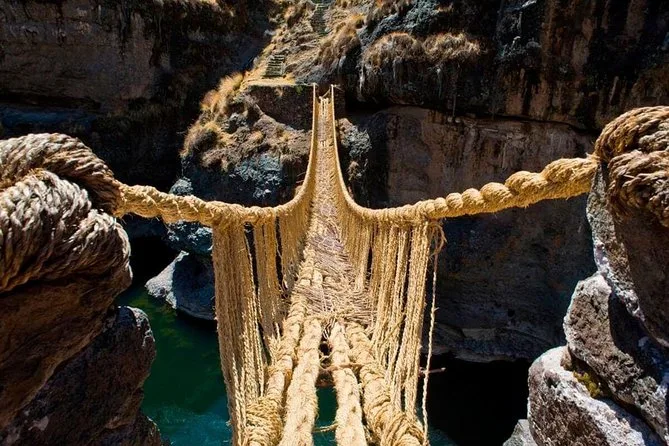
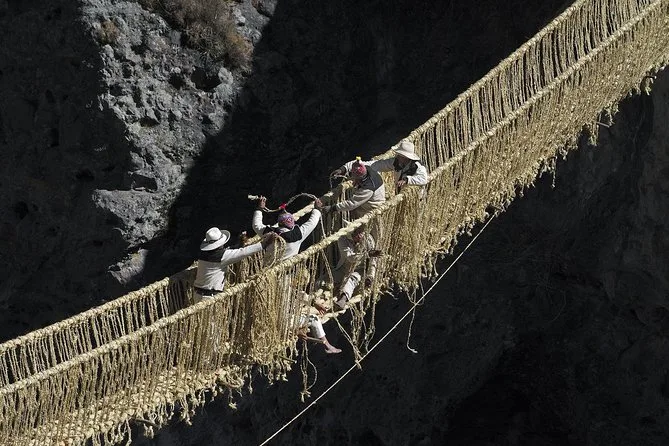
You’ll walk ancient Inca paths, taste real Andean food, see Machu Picchu at sunrise, cross a living Inca bridge—and get stories from locals who know these places inside out.
 8d
8d

Step-by-step itinerary
Day 1 — Arrival and Cusco City Tour
- Airport pickup and hotel transfer
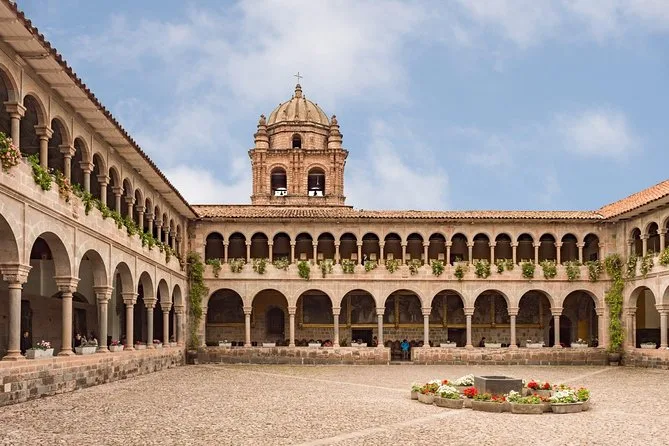
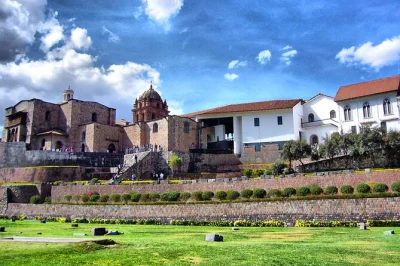
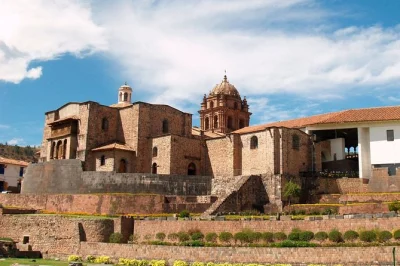
- Visit Koricancha (Temple of the Sun)
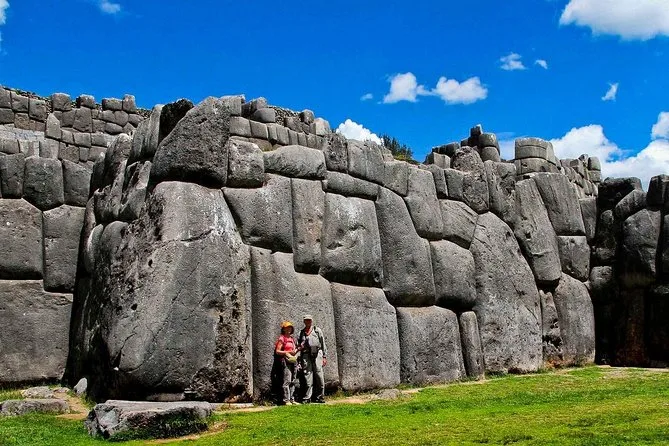
- Travel to Sacsayhuaman
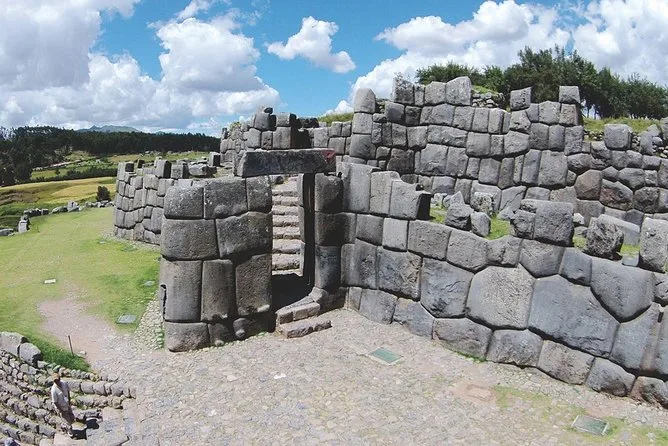
- Visit Sacsayhuaman
- Visit Qenqo
- Travel to PucaPucara
- Visit PucaPucara
- Visit Tambomachay
- Return to Cusco hotel
Day 2 — Sacred Valley and Aguas Calientes
- Travel to Pisaq archaeological site
- Guided tour of Pisaq
- Travel to Urubamba for lunch
- Buffet lunch in Urubamba
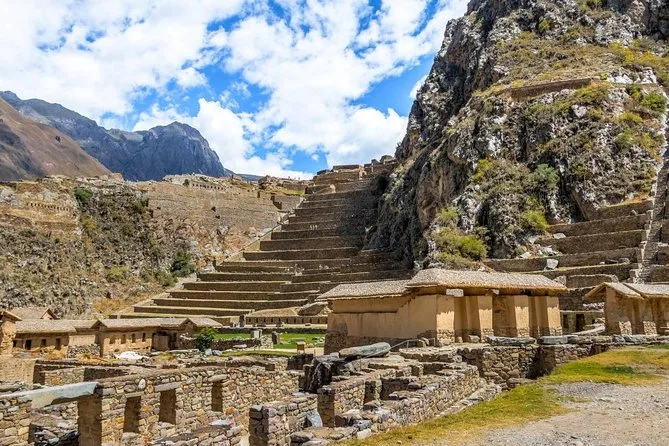
- Travel to Ollantaytambo
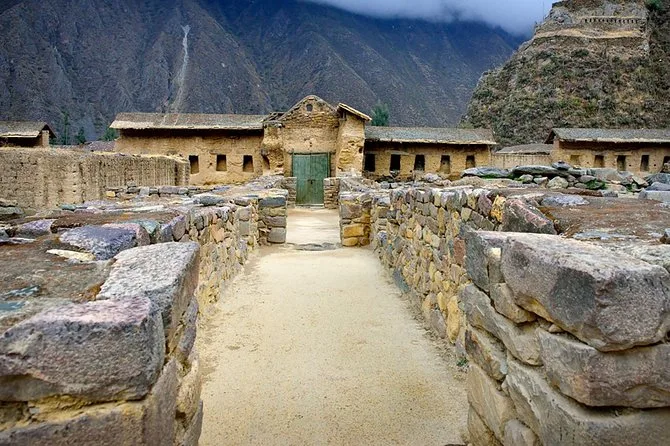
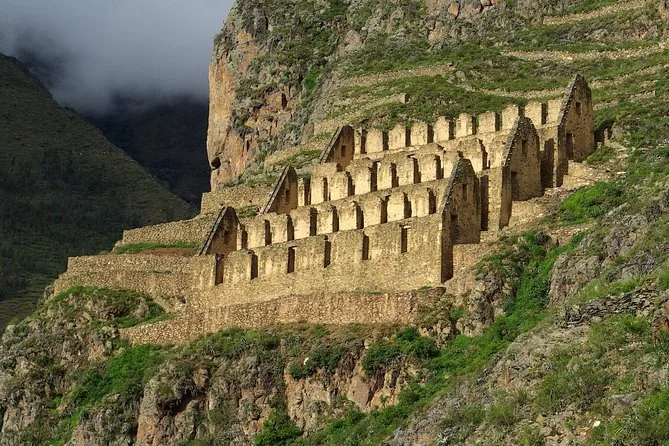
- Guided tour of Ollantaytambo
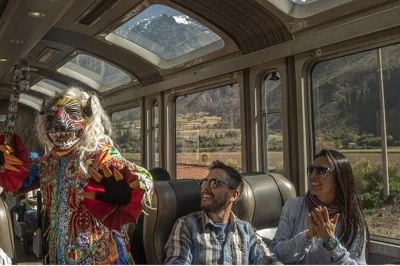
- Train to Aguas Calientes
- Overnight in Aguas Calientes
Day 3 — Machu Picchu Visit
- Bus to Machu Picchu
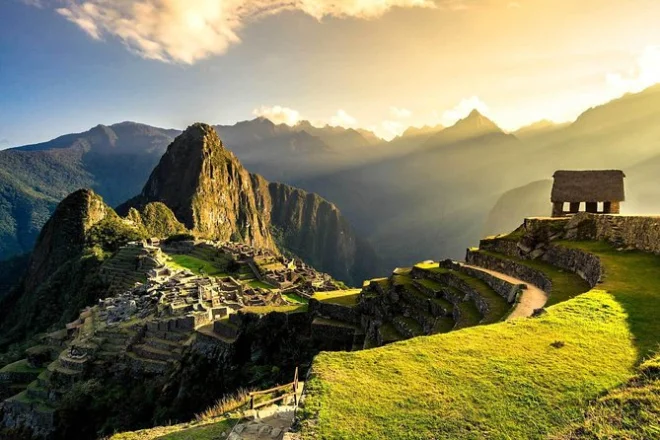
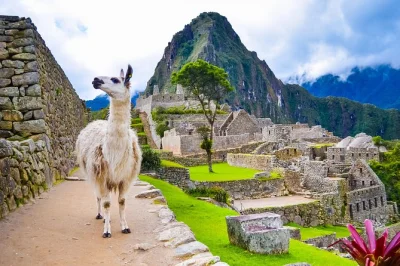
- Guided tour of Machu Picchu
- Free time in Aguas Calientes
- Train to Ollantaytambo
- Transfer to Cusco hotel
Day 4 — Maras and Moray Tour
- Pickup from hotel
- Guided tour of Moray
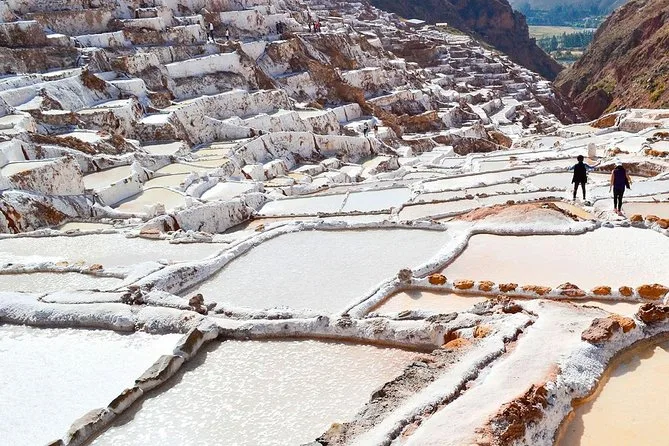
- Travel to Maras Salt Mines
- Tour Maras Salt Mines
- Shopping at Maras
- Return to Cusco
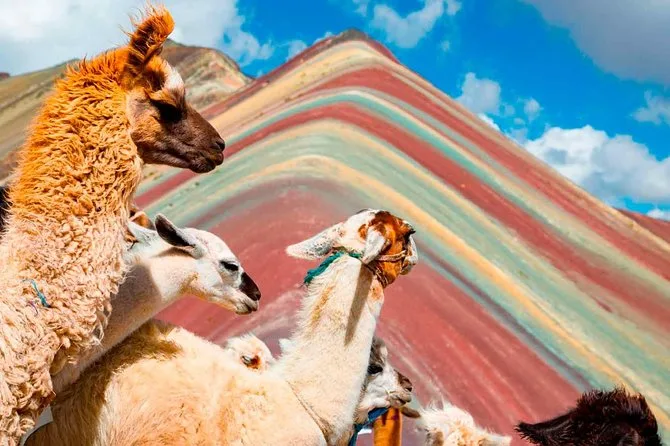
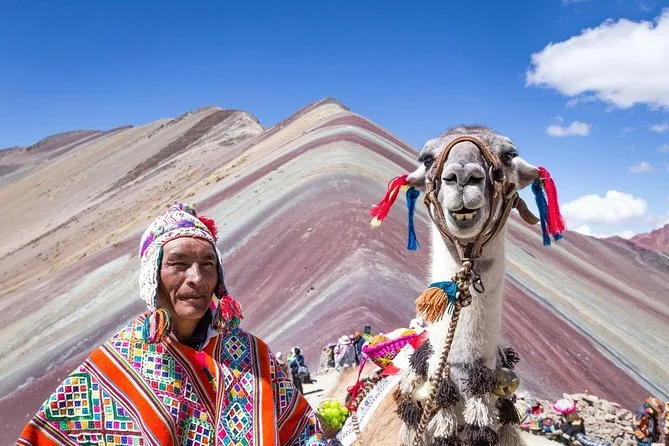
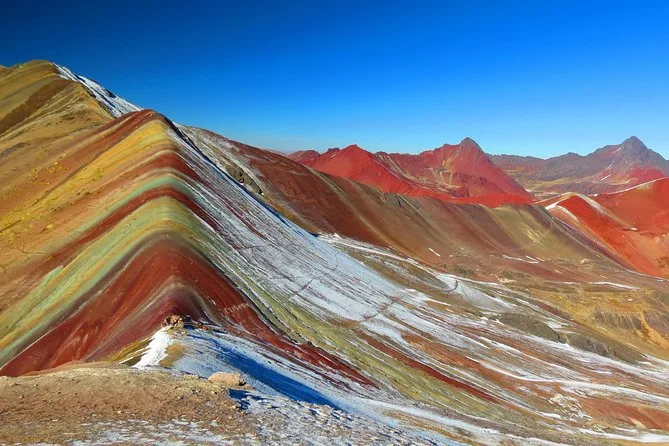
Day 5 — Rainbow Mountain Trek
- Breakfast in Cusipata
- Trek to Rainbow Mountain (one way)
- Visit Rainbow Mountain
- Return trek to vehicle
- Travel to Cusipata restaurant
- Buffet lunch
- Return to Cusco
Day 6 — Humantay Lake Trek
- Pickup from hotel
- Travel to Mollepata
- Breakfast in Mollepata
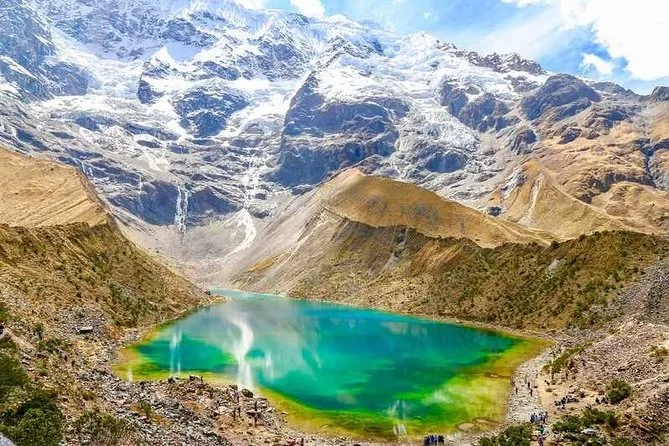
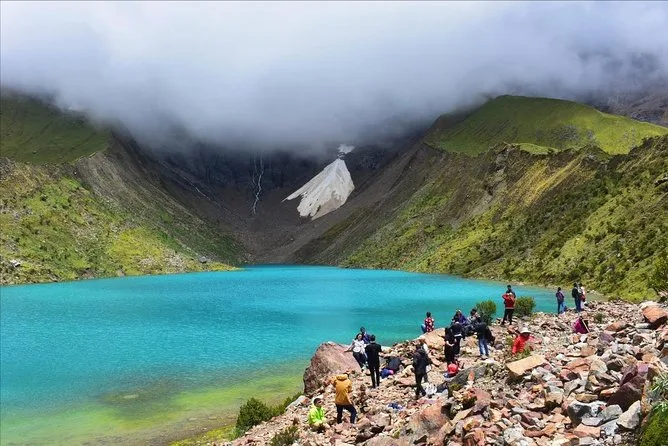
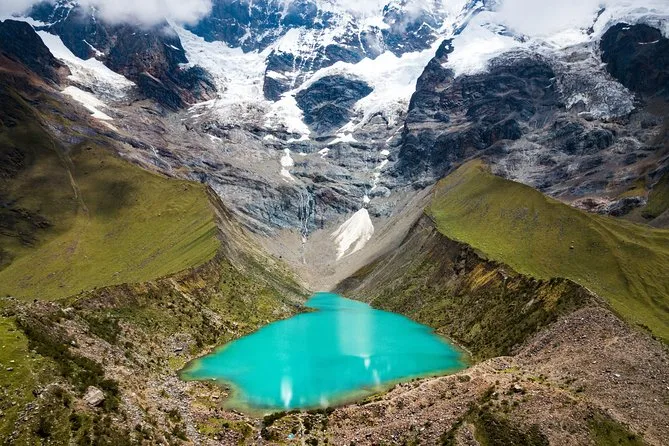
- Trek to Humantay Lake
- Enjoy fauna and flora
- Return to Soraypampa
- Travel to Mollepata
- Lunch in Mollepata
- Return to Cusco
Day 7 — Inca Bridge and Surroundings
- Pickup from hotel
- Travel to four lagoons
- Visit four lagoons
- Visit Pabellones volcano
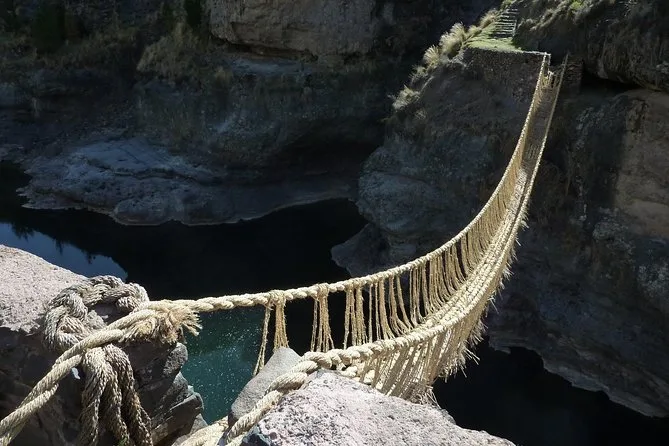
- Visit Inca Bridge of Q'eswachaka
- Cross Inca Bridge
- Visit colonial bridge of Checacupe
- Return to Cusco
Day 8 — Departure or Optional Tour
- Free morning to relax
- Optional Peruvian gastronomy tour

The Experience
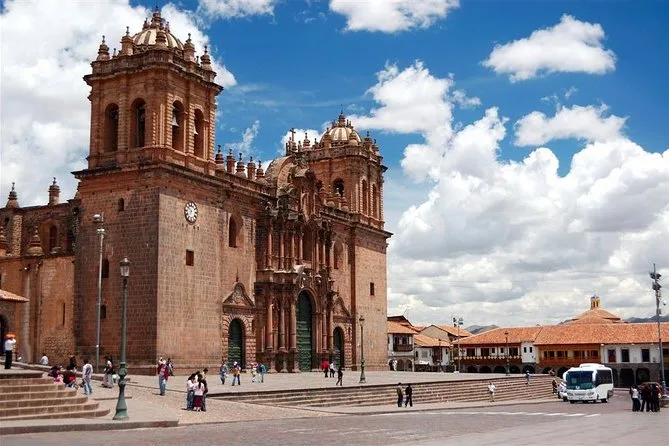
The first morning in Cusco hit me with that crisp mountain air—thin and cool, even with the sun out. Someone from the team was already waiting at the airport, holding a sign with my name. After a quick drive through busy streets (honking taxis everywhere), I checked into a small hotel near Plaza de Armas. The rest of the morning was for resting and letting my body catch up to the altitude—trust me, you’ll feel it. By 2 pm, our guide picked us up for the city tour. Koricancha was our first stop; sunlight bounced off those old stone walls inside the Temple of the Sun. We moved on to Sacsayhuaman—massive stones stacked like puzzle pieces—and then Qenqo, which felt almost eerie inside its carved tunnels. PucaPucara and Tambomachay came next; water still runs through those ancient baths. We got back to Cusco just as dusk settled over the rooftops.
The Sacred Valley day started early—bags packed by 8 am. The drive out of town wound past tiny villages and fields dotted with llamas. Pisaq’s terraces looked unreal in the morning mist; our guide explained how they grew corn here centuries ago. Lunch in Urubamba was buffet-style—lots of quinoa and roasted chicken—and I tried chicha morada for the first time (tastes like spiced fruit punch). Ollantaytambo’s ruins were steep but worth every step for that view over red-tiled roofs and green hills. Later, we caught a train to Aguas Calientes; windows down, you could smell eucalyptus as we rolled along the river. That night, our guide stopped by to go over all the details for Machu Picchu—he even reminded us about bug spray and snacks.
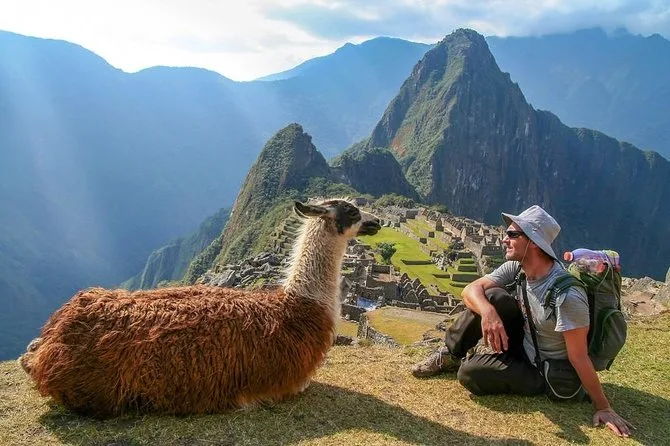
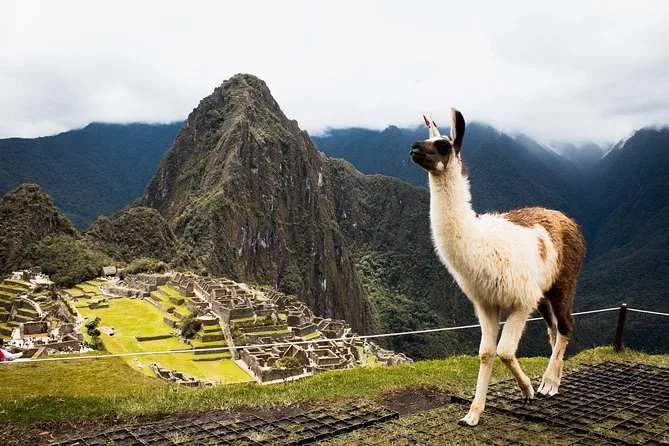
Machu Picchu day meant waking up before sunrise—the whole town seemed to move quietly in sync toward the bus station. Mist hung low as we zigzagged up to the entrance gates. Our guide led us through Circuit 1: temples, terraces, that classic postcard spot where llamas sometimes wander right into your photo. He pointed out little things—a carved rock here, a hidden doorway there—that I’d never have noticed alone. Afterward, lunch back in Aguas Calientes felt extra satisfying (the trout is good). The train ride home was sleepy; someone played Andean flute music softly from their phone.
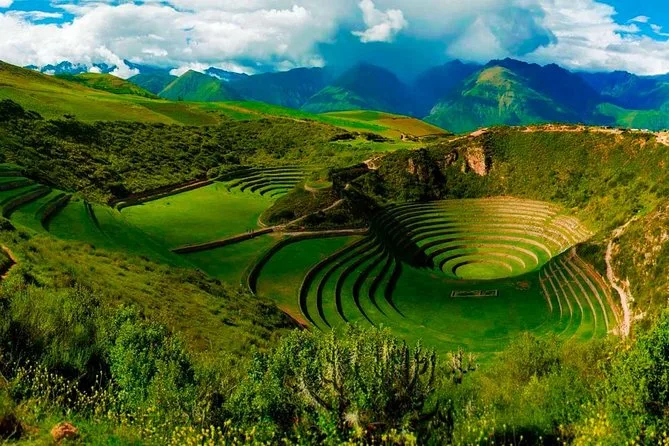
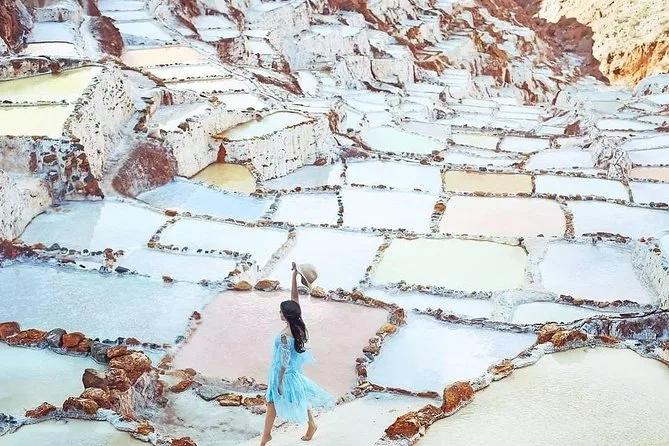
Maras and Moray brought something different—a patchwork of salt pools glinting white under a bright sky and those deep circular terraces at Moray that look almost alien from above. I picked up a small bag of pink salt from one of the vendors (they’ll let you taste it). Rainbow Mountain was an early start—4 am pickup—but watching colors shift across Winicunca as clouds drifted by made it worth every step of that hike (bring layers; weather changes fast). Breakfasts are usually simple: bread rolls, jam, coca tea if you want it.
Humantay Lake surprised me most—the turquoise water against snowy peaks is something photos can’t really capture. The hike up is tough but doable if you pace yourself; locals sometimes pass by leading horses for tired hikers. On another day we crossed Q’eswachaka Bridge—a woven grass bridge swaying gently over rushing water below—and learned from our guide how local communities rebuild it every year with rituals for Pachamama (Mother Earth). On our last morning there was time to relax or join a cooking class focused on Peruvian dishes and pisco sour shaking—if your flight allows.

What’s included
- Your airport transfers in Cusco are covered both ways.
- Every day starts with hotel pickup so there’s no scrambling around town early in the morning.
- All entry tickets for sites like Machu Picchu (circuit 1 or 2), Maras-Moray, Sacred Valley ruins—even Q’eswachaka Bridge—are sorted ahead of time so you skip lines and focus on exploring.
- Professional guides join each main site visit—they know their stuff and share stories beyond what’s in guidebooks.
- Hotels are comfortable three-star spots close to main squares or stations so you can rest easy after long days out.
- Most breakfasts and several lunches are included too; just check your daily plan for details.
Operated by Chullos Travel Peru
Traveler reviews
Compare the 13 similar options
 8-Day Private Cusco, Sacred Valley & Machu Picchu Tour★ 5.00 (14)8dEN · PT +1US$ 1,035
 6-Day Private Cusco & Machu Picchu Tour with Sacred ValleyLuxury 6-day Cusco and Machu Picchu private tour. Explore Sacred Valley, Maras Salt Mines, Rainbow Mountain, and top Inca sites. All tickets & guides included.★ 5.00 (1)6dEN · PT +1US$ 1,143View ›
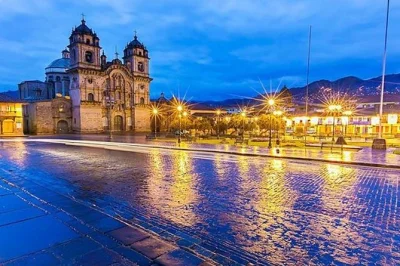 Cusco City Tour: Four Ruins in Half-DayHalf-day Cusco tour with guide covering the Temple of the Sun, Sacsayhuaman fortress, Q'enqo ceremonial center, Puca Pucara and Tambomachay★ 4.86 (640)5hEN · ESUS$ 40View ›
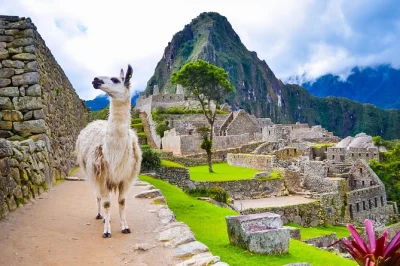 7-Day Private Cusco, Machu Picchu & Rainbow Mountain TourExplore Cusco, Machu Picchu, Sacred Valley & Rainbow Mountain on a private 7-day tour. Includes guides, tickets, transport & local experiences.★ 4.00 (2)7dEN · PT +1US$ 630View ›
 Cusco Half-Day Tour: Sacsayhuaman, Qenqo & QoricanchaFeel the energy of Cusco’s ancient stones, walk Sacsayhuaman’s terraces, explore Qorikancha’s golden walls and meet alpacas—includes hotel pickup and local guide.★ 4.70 (125)5h–6hEN · ESUS$ 15View ›
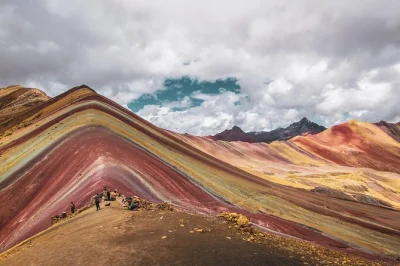 6-Day Machu Picchu, Sacred Valley & Rainbow Mountain TourExplore Cusco, Machu Picchu, Maras, Moray & Rainbow Mountain in 6 days. Includes hotels, guides, tickets & local experiences. Book your Peru adventure.★ 5.00 (2)6dEN · ESUS$ 703View ›
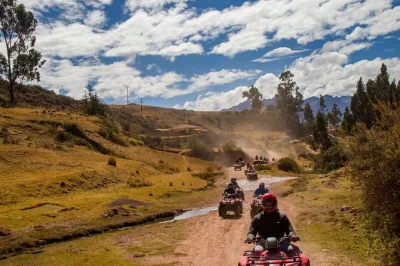 Quad Bike Tour Moray and Maras Salt Mines from CuscoDrive your own ATV through the Sacred Valley to Moray's ancient terraces and Maras salt pools, with helmet, guide, hotel pickup and transport included from Cusco.★ 4.80 (399)6hEN · ESUS$ 29View ›
 Cusco & Machu Picchu: 5-Day Sacred Valley & Moray Tour5-day Cusco tour with Machu Picchu, Sacred Valley, Moray salt mines & Sacsayhuaman. Includes hotels, meals, private guide, train & all transport from airport.★ 5.00 (1)5dEN · PT +1US$ 945View ›
 Cusco: Koricancha, Sacsayhuaman & Camelid Farm Private TourStart at Cusco’s Plaza de Armas, explore Koricancha and Sacsayhuaman, meet llamas and alpacas up close, with private guide and transport included.★ 4.89 (158)6hEN · PT +2US$ 44View ›
 Cusco, Sacred Valley & Machu Picchu: 6-Day Culture, Train & Local MarketsStep into Inca history in Cusco, explore Sacred Valley villages, shop Pisac market, and ride the train to Machu Picchu. Includes hotels, transfers & guided visits.★ 4.91 (824)6dEN · ESUS$ 892View ›
 Machu Picchu & Sacred Valley: Sunrise Tour, Llama Visit, Private GroupWake up to Machu Picchu at sunrise, meet llamas in the Sacred Valley, and explore Ollantaytambo with a local guide. Includes hotel pickup and meals.★ 4.99 (73)2dEN · PT +2US$ 509View ›
 5-Day Private Cusco, Machu Picchu & Q’eswachaka Tour PackageExplore Cusco, Machu Picchu, Sacred Valley & Q’eswachaka Bridge in 5 days. Private service, hotels, guides & tickets included. Book your Peru adventure now.★ 4.90 (10)5dEN · ESUS$ 899View ›
 Machu Picchu Day Trip from Cusco by Train & BusFull-day Machu Picchu tour from Cusco via Expedition Train with guided citadel tour, all transport, meals and entry ticket included. Departs 4:30am, returns evening.★ 4.96 (318)16hEN · ESUS$ 419View ›
Top questions
Is Machu Picchu entry guaranteed?
Machu Picchu tickets depend on availability from Peru's Ministry of Culture—they’re included but specific circuits may vary based on what’s open when you book.
How hard are the hikes?
Some walks are steep or at high altitude (like Rainbow Mountain or Humantay Lake), but guides pace things well and offer support if needed—you should be moderately fit.
Are meals included?
Breakfasts are included daily; lunches are provided on most full-day tours (like Sacred Valley or Rainbow Mountain). Dinners are usually on your own so you can explore local spots.
What should I pack?
Layers for changing weather, comfortable shoes for walking/hiking, sunscreen, bug spray (especially for Machu Picchu), and a refillable water bottle come in handy.
8-Day Private Cusco, Sacred Valley & Machu Picchu Tour
8d · EN · PT +1 · at your hotel
from US$ 1,035 per person
★★★★★★★★★★5.0014 reviews
