

 +507 6792-0894


4-Day Private Cusco, Machu Picchu & Rainbow Mountain Tour


Summary
Cusco City Tour, Machu Picchu & Rainbow Mountain Experience
You’ll explore ancient temples in Cusco, hike up Rainbow Mountain’s wild colors, and stand among Machu Picchu’s ruins—all with local guides who know every shortcut and story. This trip packs Peru’s highlights into four days without rushing you past what matters.

The air in Cusco hits different when you first step out of the airport—thin, a bit chilly even if the sun’s out. Someone was waiting for us with a sign (always a relief after a long flight), and we got to the hotel pretty quick. That first morning? Honestly, I just wanted to nap and let my head get used to the altitude. You’ll appreciate having that slow start.
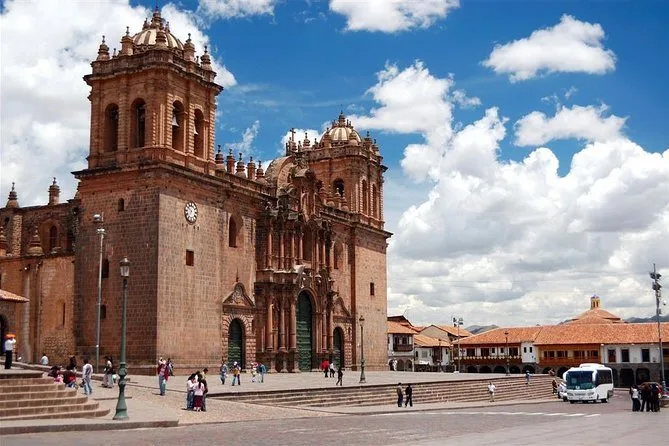
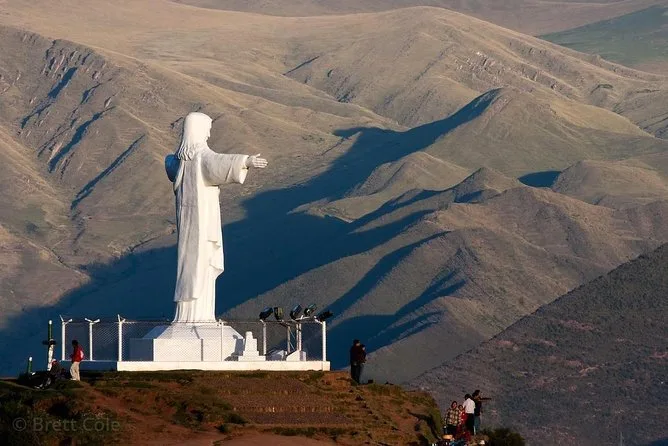
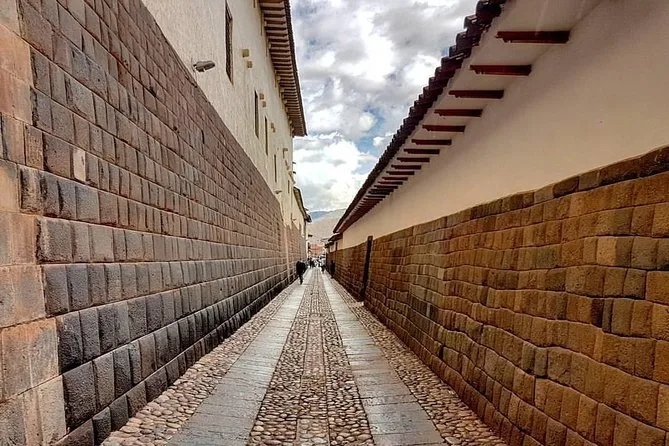
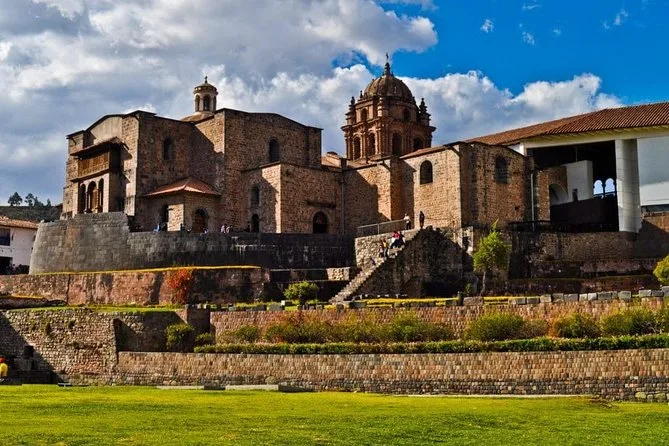
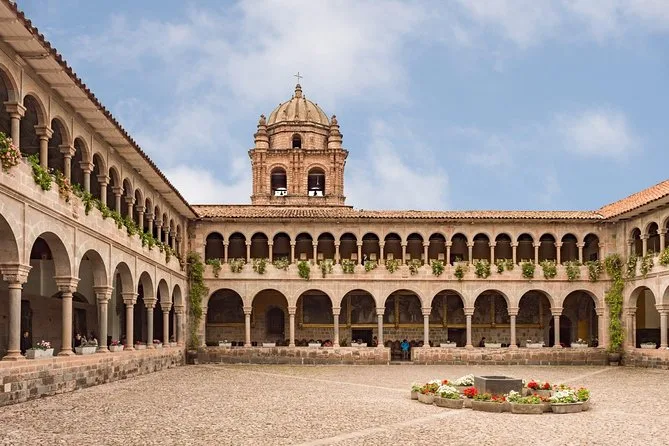
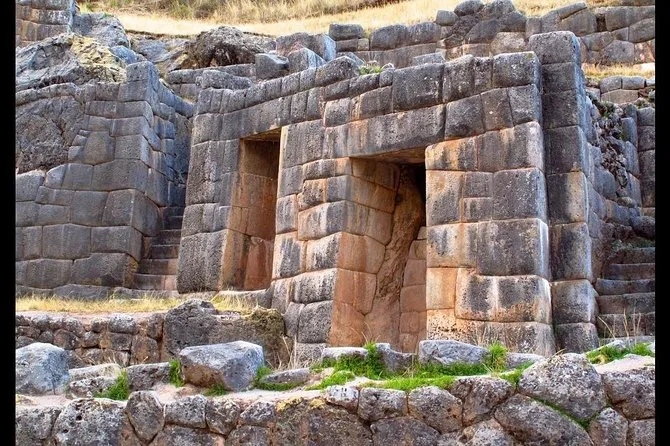
By afternoon, we met up at the Plaza de Armas—locals just call it “the main square.” Our guide started us off at Qorikancha, or Temple of the Sun. You can still see bits of Inca stonework under all that Spanish church stuff. The light inside is kind of golden around 3pm. Next up: Sacsayhuaman. It’s massive—those stones are way bigger than they look in photos—and there’s always this faint smell of eucalyptus from nearby trees. We wandered through Qenqo’s carved tunnels (cool and shadowy), checked out Puca Pucara’s red walls, and finished at Tambomachay where water still trickles through ancient channels. Got back to Cusco just as street vendors were packing up their carts.
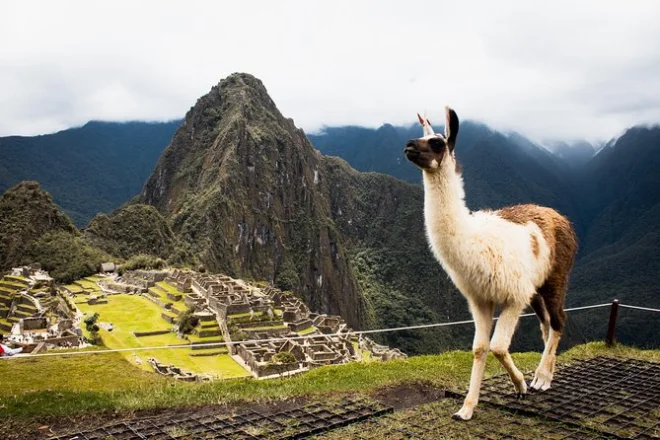
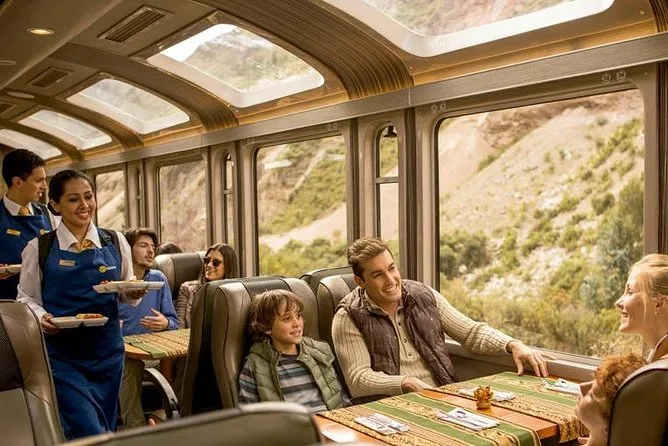
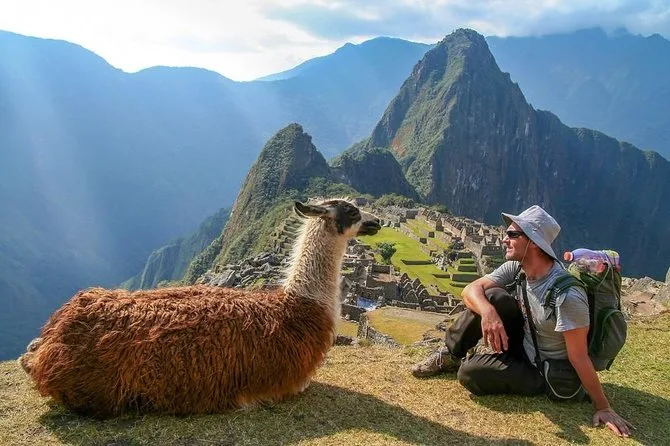
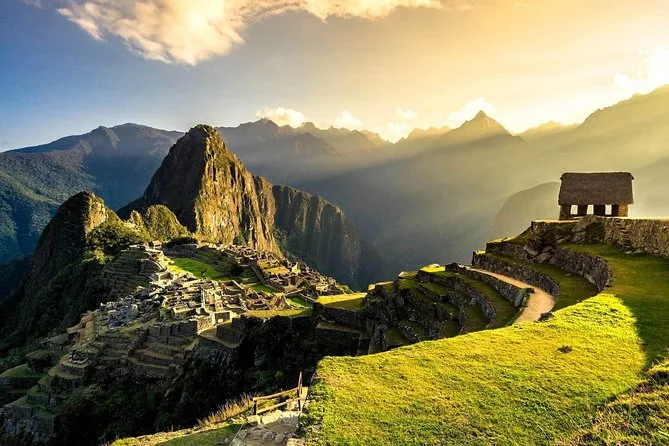
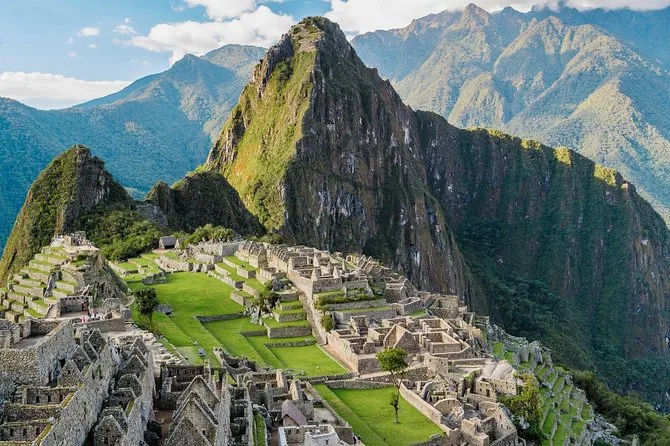
The next day started before sunrise—like 4am early. We drove through sleepy towns to Ollantaytambo and caught the train to Aguas Calientes. The ride is all misty valleys and glimpses of farm dogs chasing shadows along the tracks. At Machu Picchu, our guide handled tickets (don’t lose yours!) and led us up past llamas grazing by old terraces. The tour lasted about two and a half hours; you get time after for your own wandering or photos—there’s always someone offering to snap one for you if you’re solo. Lunch was back in Aguas Calientes; I grabbed trout with rice at a spot near the station before heading back on the train.
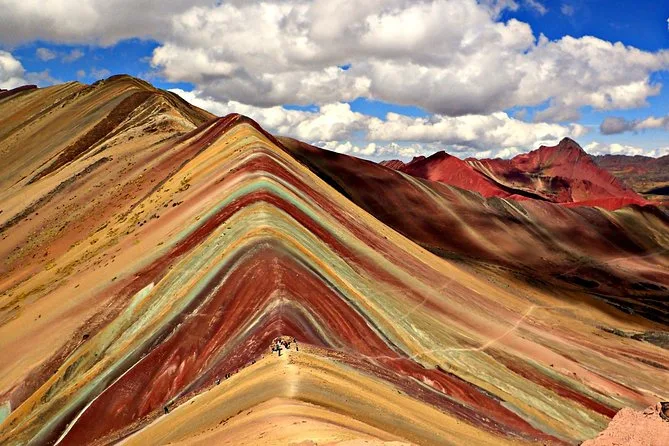
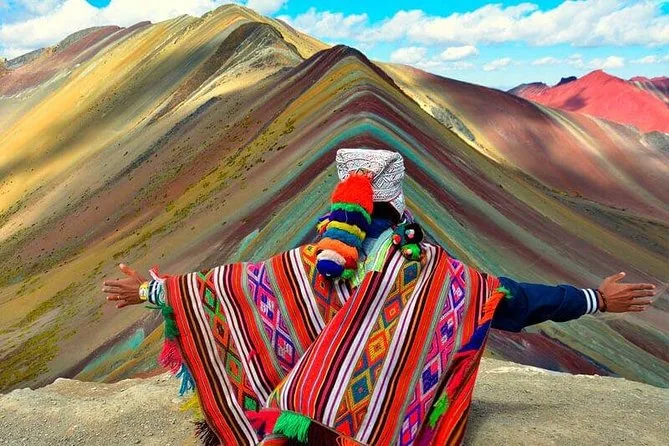
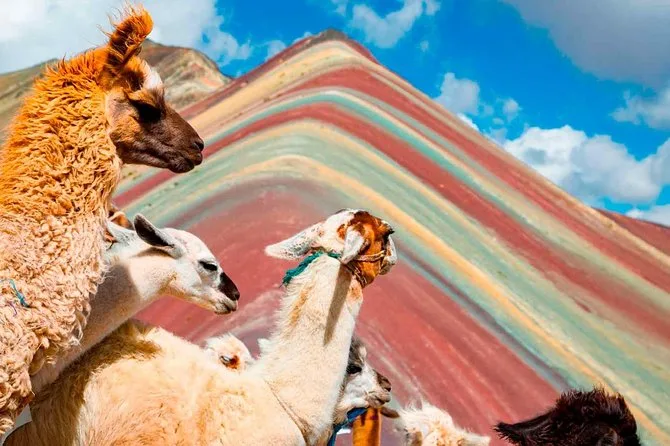
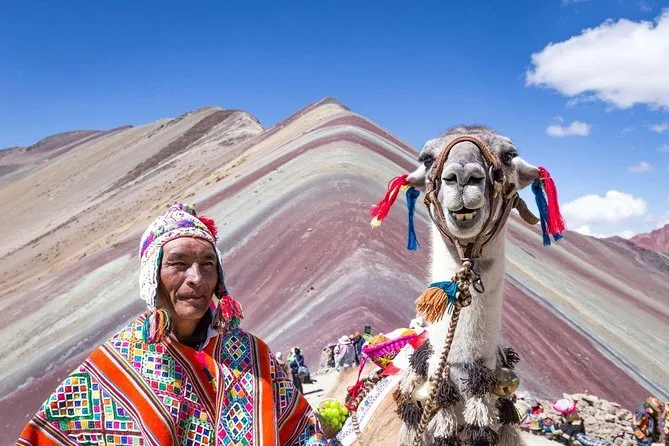
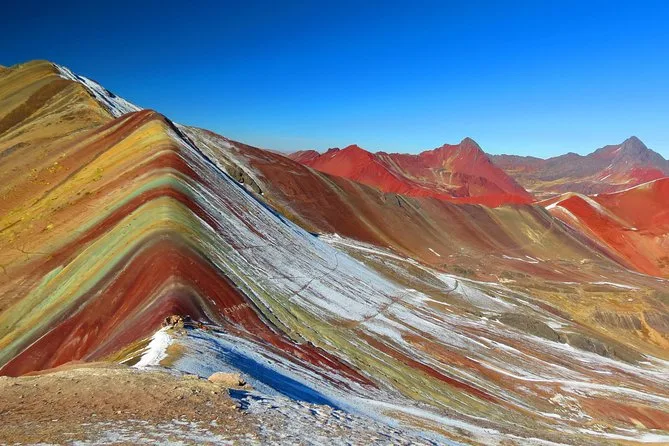
Rainbow Mountain day means another early wake-up—4am again—but breakfast in Cusipata is worth it (try the fresh bread). The trek starts cold but warms up fast once you’re moving; bring layers because wind picks up near the top. The colors really do pop when the sun breaks through clouds—reds, yellows, even some purple stripes if you look close. There are locals renting horses if you need them, and you’ll probably hear Quechua spoken along the trail. After about 40 minutes at the summit (enough for photos and catching your breath), we hiked down for lunch before heading back to Cusco by late afternoon.
Last morning is yours—sleep in or walk around town for souvenirs (alpaca sweaters everywhere). If you’ve got extra time before your flight, there’s an optional food tour where you can try making pisco sour with a local bartender; not as easy as it looks! All airport transfers are sorted so no stress getting out.
 4d
4d

Step-by-step itinerary
Day 1 — Arrival and Cusco City Tour
- Airport pickup and hotel transfer
- Rest and acclimatize
- Visit Koricancha (Temple of the Sun)
- Travel to Sacsayhuaman
- Visit Sacsayhuaman
- Visit Qenqo
- Travel to PucaPucara
- Visit PucaPucara
- Visit Tambomachay
- Return to Cusco
Day 2 — Machu Picchu Tour
- Early departure to Ollantaytambo
- Train to Machu Picchu
- Bus to Machu Picchu citadel
- Guided tour of Machu Picchu
- Free time at Machu Picchu
- Lunch in Aguas Calientes
- Train to Ollantaytambo
- Transfer back to Cusco
Day 3 — Rainbow Mountain Trek
- Pickup from hotel
- Breakfast in Cusipata (30 min)
- Travel to Wasipata
- Trek to Rainbow Mountain (90 min)
- Visit Rainbow Mountain
- Trek back (75 min)
- Return to Cusipata
- Buffet lunch (30-40 min)
- Return to Cusco
Day 4 — Departure or Optional Tour
- Free morning to relax
- Optional Peruvian gastronomy and pisco sour tour

Top questions

Is entry to Machu Picchu guaranteed?
Machu Picchu tickets depend on availability from Peru's Ministry of Culture. If tickets aren’t available for your dates, you'll get a full refund.
How tough is Rainbow Mountain?
The hike is moderate but altitude makes it harder; horses are available along the trail if needed.
Are meals included?
Yes—breakfasts and lunches on excursion days are included, plus lunch in Aguas Calientes after visiting Machu Picchu.
What should I pack?
Bring layers for changing weather, sturdy shoes for hiking, sunscreen, water bottle, and your passport for Machu Picchu entry.
Is this tour suitable for everyone?
This tour isn’t recommended for pregnant travelers or those with heart/spinal issues due to altitude and hiking demands.

What’s included
You’ll have all city tour tickets covered; guided visits at each site; round-trip train between Ollantaytambo and Aguas Calientes; bus rides; walking sticks; oxygen support if needed; breakfasts and lunches on activity days; airport transfers both ways; entrance fees for Machu Picchu (circuit 1 or 2 based on what’s available); plus an option to join a Peruvian food experience on your last day if time allows.
 Super deal
  Free booking, free cancellation.
  Don't lose your place.


 Do you need help planning your next activity?
  +507 6792-0894


