
11-Day Peru Tour: Lima to Machu Picchu with Puno & Lake Titicaca
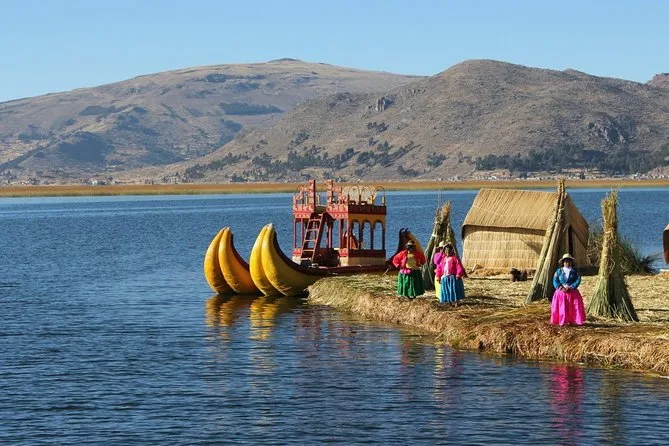

From Lima's colonial streets to Machu Picchu's stone terraces, then down to Lake Titicaca's floating islands
An 11-day guided tour through Peru's main attractions, starting with airport pickup in Lima and ending with a transfer to Cusco airport. You visit Lima, Paracas, Ica, the Nazca Lines, Cusco's ruins, the Sacred Valley, Machu Picchu, Rainbow Mountain, and Lake Titicaca's Uros and Taquile islands. Professional guides lead each section in English or Spanish; all transport, entry tickets, most meals and hotel pickups are included. Machu Picchu tickets depend on Ministry of Culture availability—if none are available for your dates, you receive a full refund.
 11d
11d

Step-by-step itinerary
Day 1 — Airport reception and Lima city tour
- Meet representative at Lima airport
- Transfer to hotel in Lima
- Start Lima city tour at 2:00 pm
- Visit Colonial and Contemporary Lima
- Return to hotel by 6:00 pm
Day 2 — Lima to Paracas and Ica tour
- Transfer to bus terminal at 4:00 am
- Bus Lima to Paracas
- Ballestas Islands boat tour
- Transfer Paracas to Ica by bus
- Visit Plaza de Armas and church in Ica
- Tour artisanal wine cellar and taste Pisco
- Visit Huacachina Oasis and free time
- Adventure tour: tubulares and sandboarding
Day 3 — Ica to Nasca and return to Lima
- Bus transfer Ica to Nasca at 8:30 am
- Arrival and transfer to Maria Reiche airfield
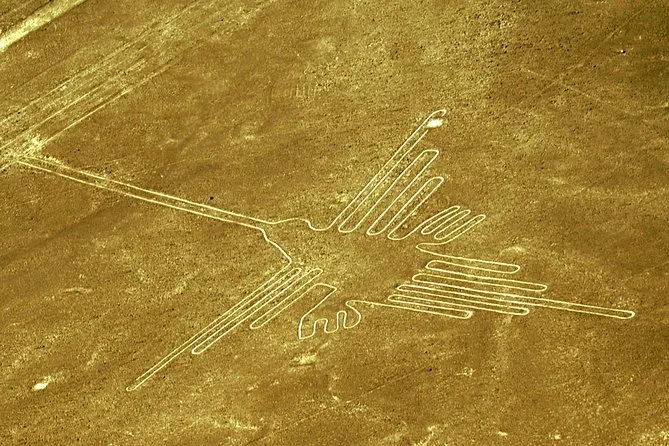
- Overflight Nasca Lines
- Bus Nasca to Lima at 4:30 pm
Day 4 — Lima to Cusco and city tour
- Transfer hotel to Lima airport in morning
- Flight Lima to Cusco
- Reception and transfer to hotel in Cusco
- Enjoy coca tea and acclimatize
- Start Cusco city tour at 2:00 pm
- Visit Koricancha, Sacsayhuamán, Qenqo, Puca Pucara, Tambomachay
- Return to hotel by 6:30 pm
Day 5 — Sacred Valley tour
- Pick up from hotel at 8:00 am
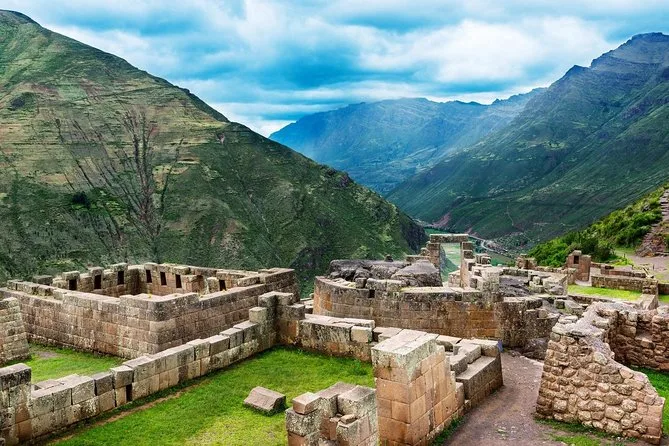
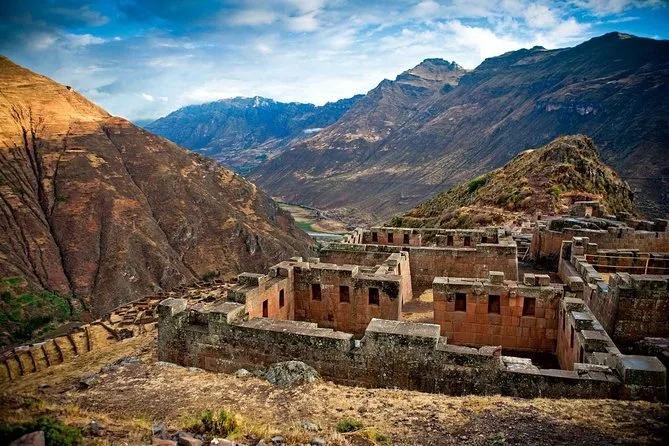
- Visit Pisaq archaeological site with guided tour
- Travel to Urubamba for buffet lunch
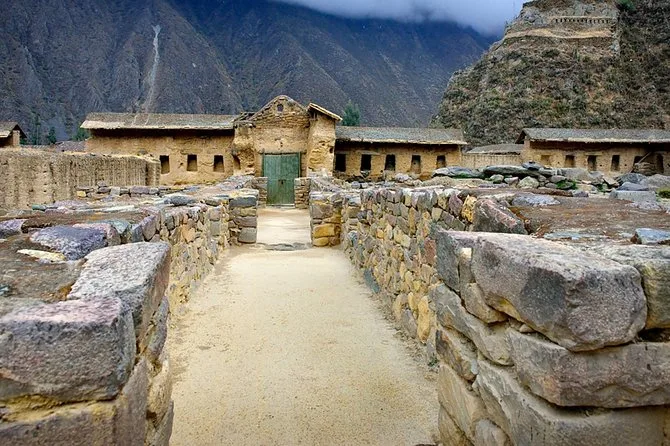
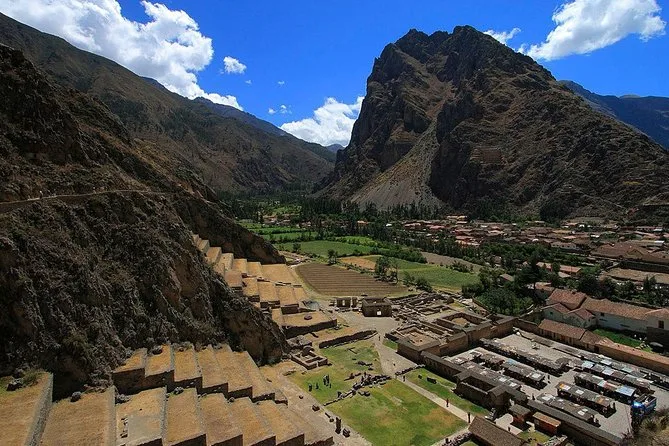
- Visit Ollantaytambo archaeological site with guided tour
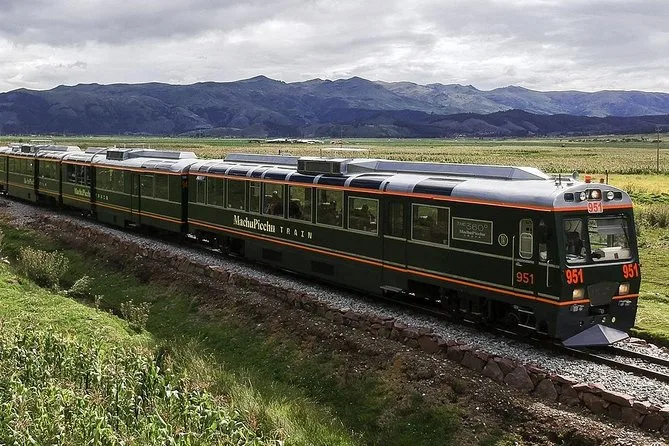
- Board train to Aguas Calientes
- Overnight in Aguas Calientes
- Guide provides Machu Picchu visit details at night
Day 6 — Machu Picchu visit and return to Cusco
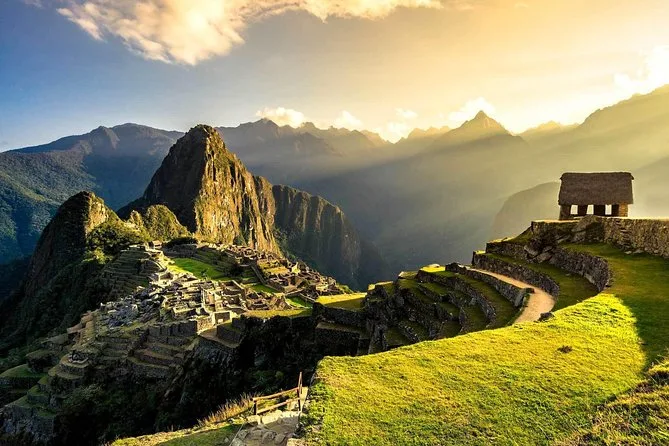
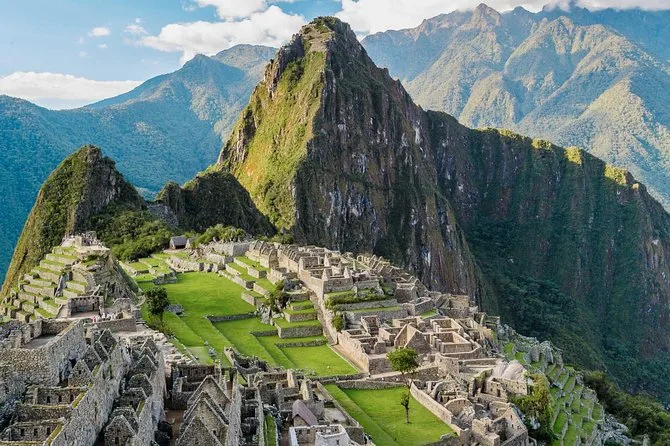
- Early bus to Machu Picchu ruins
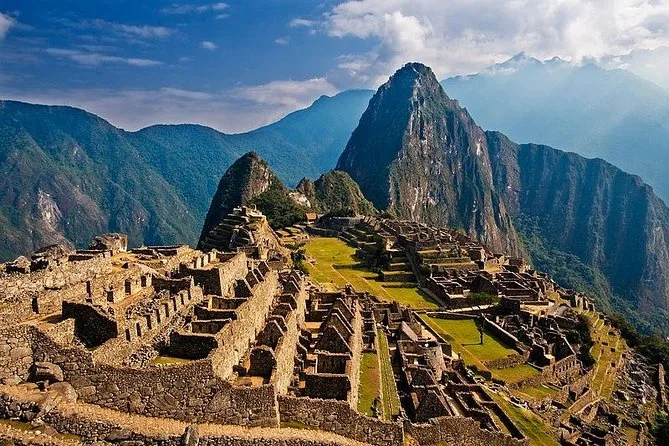
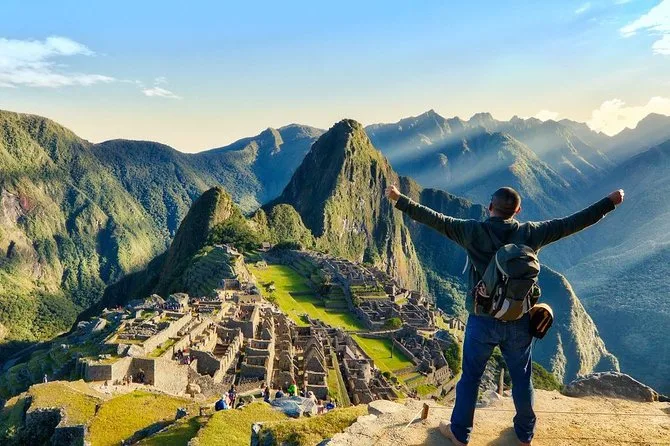
- Guided tour of Machu Picchu
- Return to Aguas Calientes for lunch
- Free time in Aguas Calientes
- Train to Ollantaytambo
- Bus from Ollantaytambo to Cusco
Day 7 — Maras salt mines and Moray tour
- Pick up from hotel at 8:00 am
- Visit town of Maras
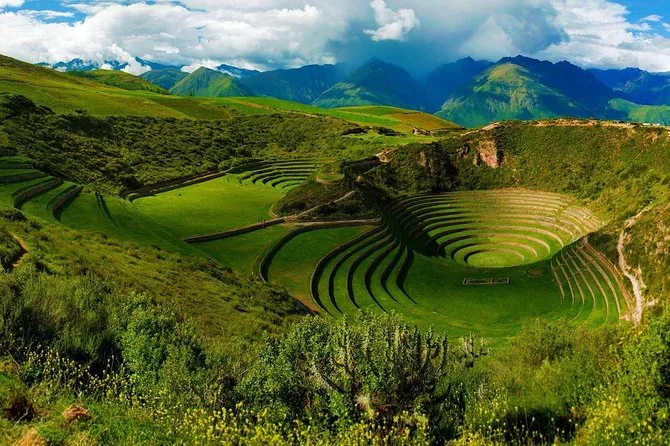
- Guided tour of Moray agricultural site
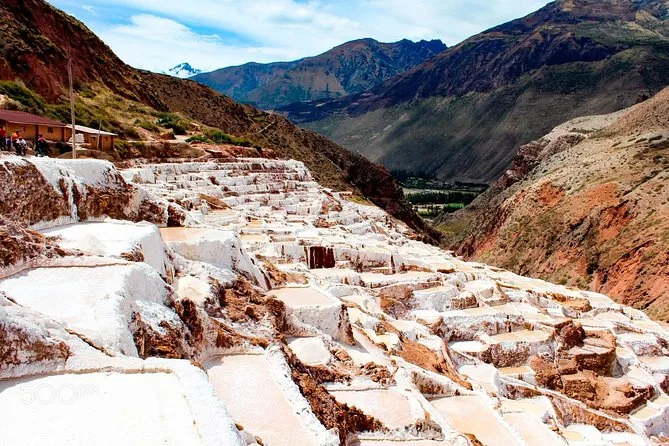
- Visit Salineras salt mines and shopping
- Return to Cusco by 3:00 pm
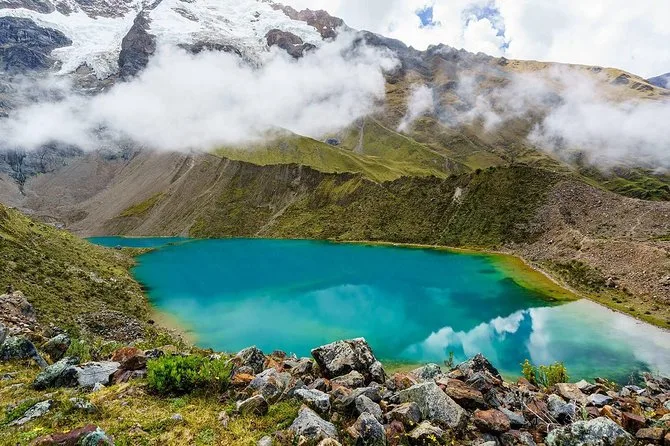
Day 8 — Humantay Lake trek
- Pick up from hotel at 4:00 am
- Travel to Mollepata and have breakfast
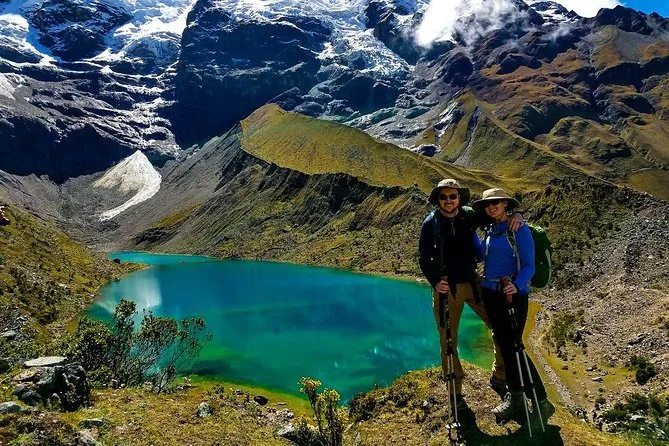
- Hike to Humantay Lake (1.5 hours)
- Enjoy lake and surrounding nature
- Return to Mollepata
- Lunch in Mollepata
- Return to Cusco by 5:00 pm
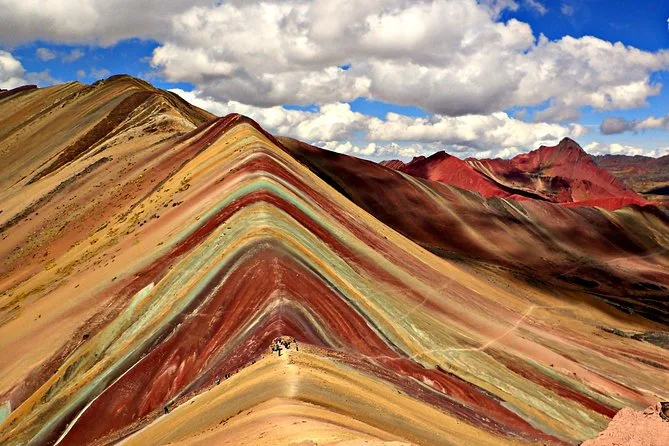
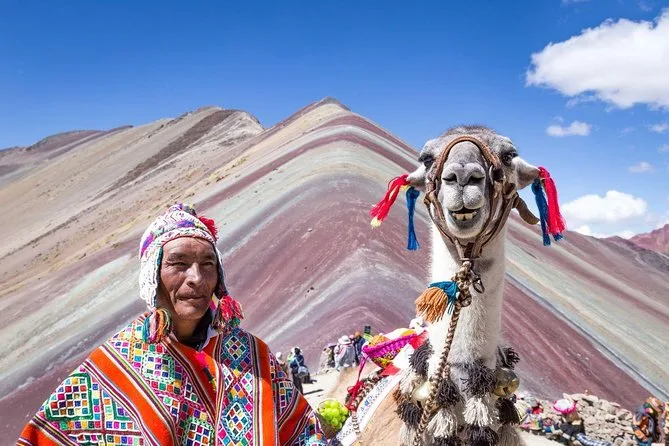
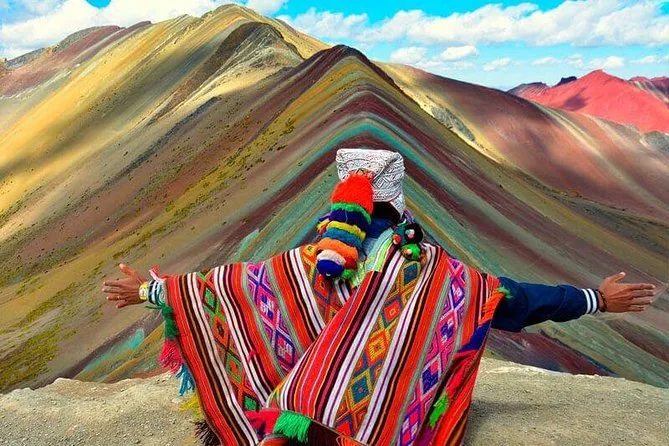
Day 9 — Rainbow Mountain trek
- Pick up from hotel at 4:00 am
- Travel to Cusipata district
- Buffet breakfast at 6:30 am
- Travel to Wasipata area
- Start trek to Rainbow Mountain (1.5 hours)
- Visit Rainbow Mountain (40 minutes)
- Return trek to bus (1 hour 15 minutes)
- Buffet lunch in Cusipata at 1:00 pm
- Return to Cusco by 4:30 pm
Day 10 — Lake Titicaca Uros and Taquile Islands
- Breakfast at hotel
- Pick up at 8:00 am for port transfer
- Boat tour to Uros Floating Islands (2 hours)
- Visit Uros customs and crafts
- Boat tour to Taquile Island
- Guided visit of Taquile Island (2 hours)
- Lunch with panoramic lake view
- Return to Puno port and transfer to hotel
Day 11 — Transfer to airport
- Transfer from hotel to airport

The Experience
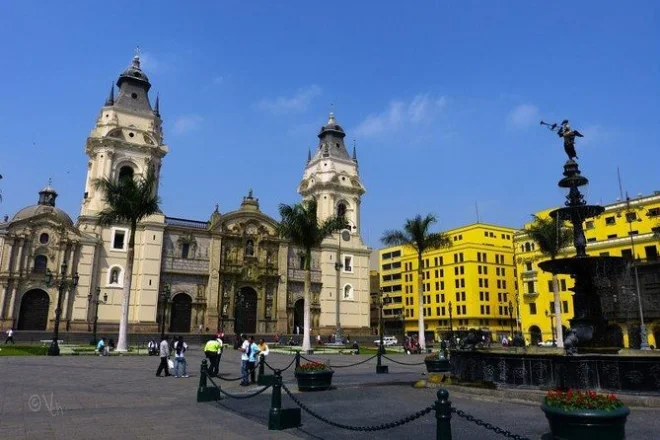
You arrive at Lima airport and a representative meets you for transfer to your hotel. The afternoon is free to rest; at 2 pm a guide picks you up for a five-hour city tour through Lima's colonial center and contemporary neighborhoods. That evening you stay in Lima.
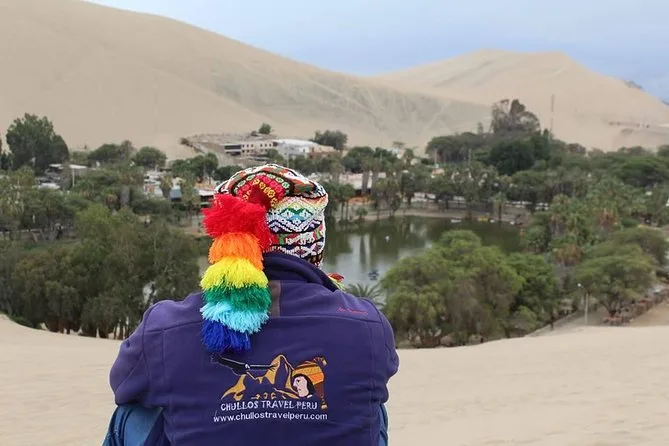
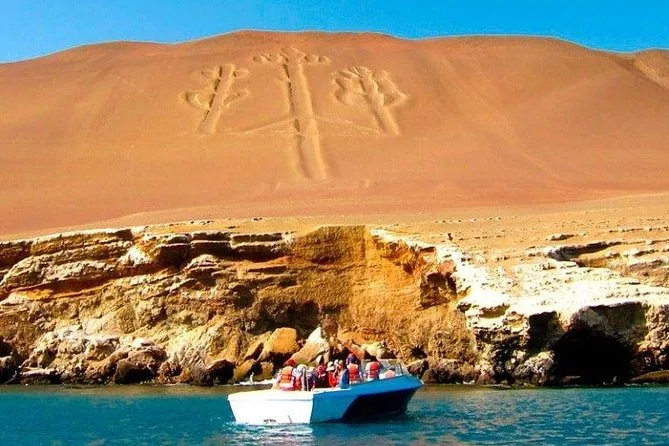
Day 2 starts before dawn with a 4 am pickup for the bus to Paracas. By 7:30 am you're on a boat heading to the Ballestas Islands, where you see the Candelabra geoglyph carved into the cliffs, sea lions, penguins, and pelicans. After the boat tour you travel by bus to Ica, visit the Plaza de Armas and a traditional Pisco winery where you taste the local brandy, then spend the afternoon at Huacachina oasis surrounded by dunes. The day ends with a tubular and sandboarding adventure across the desert—you ride boards down the sand dunes before returning to Ica for the night.
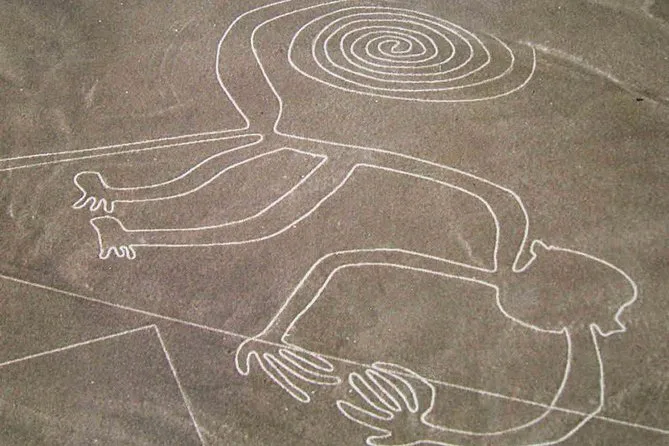
Day 3 is a long travel day: an early bus to Nazca, a 30-minute overflight of the Nazca Lines where you see the condor, monkey, and hummingbird figures from the air, then a night bus back to Lima on a Cruz del Sur sleeper bed. Day 4 you fly from Lima to Cusco, acclimatize with coca tea at your hotel, and take a five-hour afternoon city tour visiting Koricancha temple, Sacsayhuamán fortress, and four smaller ruins before returning to your hotel.
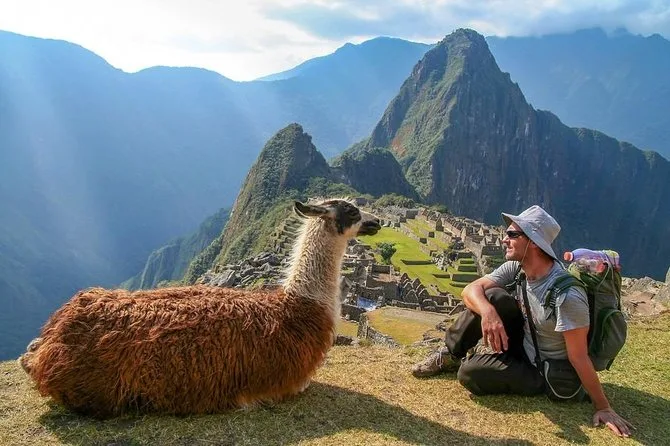
Days 5 and 6 center on Machu Picchu. On Day 5 you travel through the Sacred Valley for 90 minutes to Pisac ruins with a one-hour guided tour, have lunch in Urubamba, then spend an hour at Ollantaytambo ruins before boarding the train to Aguas Calientes. Day 6 you wake early, take a bus up to Machu Picchu for a guided tour (duration depends on which circuit your ticket allows), have lunch in Aguas Calientes, then train and bus back to Cusco. Days 7, 8, and 9 are optional high-altitude excursions: Maras salt mines and Moray agricultural site; Humantay Lake at 4,250 meters with a 90-minute walk; and Rainbow Mountain (Winicunca) with a 90-minute trek, breakfast and lunch included both days.
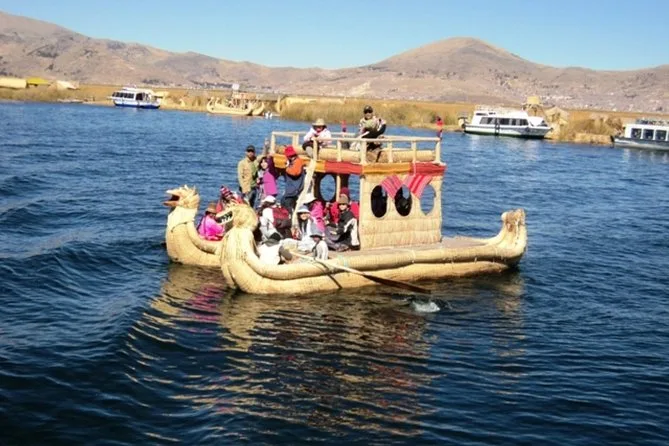
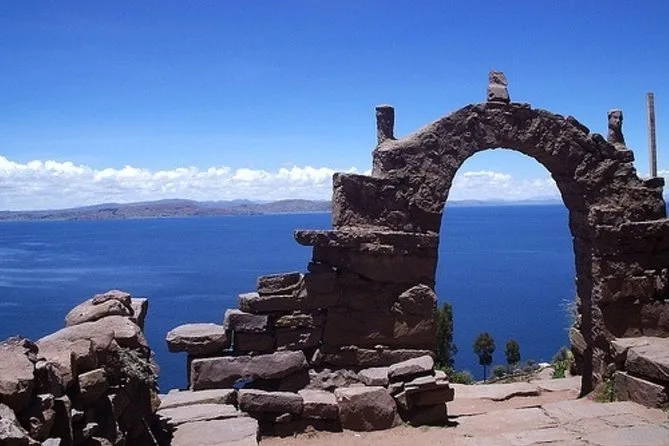
Day 10 you travel from Cusco to Puno (a separate bus ticket is included). From Puno's port you take a tourist boat to the Uros floating islands for two hours, then to Taquile Island for a two-hour guided visit and lunch with views of Lake Titicaca before returning to Puno. Day 11 is your transfer to Cusco airport. Throughout the tour, professional guides speak English or Spanish, hotel pickups are arranged each morning, and entry tickets to all attractions are included—though Machu Picchu tickets are subject to Ministry of Culture availability and may be circuits 1 or 2 only.

What’s included
Airport pickup in Lima and Cusco, hotel pickups throughout the tour, all transport by bus and train (including the Ollantaytambo-Aguas Calientes train and return), the Ballestas Islands boat tour, Nazca Lines overflight, entry to Machu Picchu (circuits 1 or 2, subject to availability), entry to all archaeological sites and attractions (Pisac, Ollantaytambo, Koricancha, Sacsayhuamán, Maras, Moray, Rainbow Mountain, Uros, Taquile), professional guides in English or Spanish, breakfasts and lunches on most days, coca tea and oxygen in Cusco, walking sticks for mountain treks, and the return transfer to Cusco airport on Day 11.
Operated by Chullos Travel Peru
Is this one for you?Book this if you're arriving in Lima without a rental car—all transport between regions and daily hotel pickups are arranged, so you only need to show up each morning.
Traveler reviews
Compare the 13 similar options
 11-Day Peru Tour: Lima to Machu Picchu with Puno & Lake Titicaca★ 5.00 (4)11dEN · ESUS$ 941
 Lima to Nazca Lines, Paracas & Huacachina: Flight, Dune Buggy, PiscoFeel the rush of a Nazca Lines flight, cruise Ballestas Islands, taste pisco in Ica, and ride Huacachina’s dunes—2 days from Lima with pickup & expert guides.★ 4.75 (729)2dEN · ESUS$ 279View ›
 ATV Riding from Lima: Buggy & Sandboarding in HuacachinaRide dune buggies through Peru's highest sand dunes for two hours, then watch the sunset from the desert floor with a picnic spread across the sand★ 4.94 (1,663)17hEN · ESUS$ 135View ›
 Peru: 12-Day Machu Picchu, Nazca Lines & Lake Titicaca TourFeel the Andes, see Machu Picchu, fly over Nazca Lines, and explore Lake Titicaca on this 12-day Peru tour with all transfers, hotels, and local guides included.★ 4.80 (82)12dEN · ESUS$ 2,289View ›
 Lima City Tour: Miraflores, Barranco & Larco MuseumFull-day Lima tour from Callao port with guided visits to Miraflores, Barranco and the Larco Museum7hEN · ESUS$ 180View ›
 Paracas & Huacachina Day Trip: Ballestas Islands, Pisco TastingDay trip from Lima to Paracas and Huacachina with Ballestas Islands speedboat tour, pisco tasting, dune buggy and sandboarding, ending with sunset toast in the desert.★ 4.88 (9,407)16hEN · ESUS$ 94View ›
 Paracas & Huacachina Tour: Ballestas Islands Desert BuggyDay tour from Lima to Paracas, Ica and Huacachina with Ballestas Islands boat trip, pisco tasting and desert buggy ride★ 4.92 (1,200)17hEN · ESUS$ 80View ›
 Lima Historic Center Walking Tour: Small Group with CatacombsHalf-day walking tour of Lima's Historic Center with a local guide—visit the Plaza de Armas, Cathedral★ 4.93 (1,795)3h 30mEN · ESUS$ 36View ›
 Paracas, Ballestas Islands & Huacachina: Buggies, Sandboarding, WineryFeel the wind on the Ballestas Islands, race buggies at Huacachina Oasis, and taste pisco at a local winery—all with transport from Lima and a guide.★ 4.86 (505)17hEN · ESUS$ 270View ›
 Miraflores Food Tasting & Chocolate Workshop: Six Stops in LimaKennedy Park leads into a six-dish Peruvian food tour through Miraflores, followed by chocolate-making at ChocoMuseo. Three to four hours with hotel pickup.★ 5.00 (1)3h–4hEN · PT +1US$ 90View ›
 Pachacámac Archaeological Tour: Temple of the Sun & MuseumPachacámac tour from Barranco with guide, museum entry and hotel pickup—climb to the Temple of the Sun for views across the Lurín Valley to the Pacific★ 4.86 (102)4hEN · ESUS$ 37View ›
 Lima to Paracas & Huacachina: Ballestas Islands, Dune Buggy, Pisco TourWake up early in Lima for wild sea lions at Paracas, taste pisco in Ica’s vineyards, and race dune buggies in Huacachina. Includes hotel pickup and luxury bus ride.★ 4.83 (502)2dEN · ESUS$ 149View ›
 Lima: Highlights Day Tour with Catacombs & Ceviche LunchLet a local guide show you Lima’s ancient pyramid, Miraflores coastline, Barranco street art, the Chorrillos fish market, and San Francisco catacombs. Includes lunch.★ 4.95 (832)7hEN · PT +1US$ 110View ›
Top questions
What happens on my first day if I land in Lima in the morning?
You have a free morning after airport pickup and transfer to your hotel. At 2 pm a guide meets you to start a five-hour city tour through Lima's colonial and contemporary districts, returning by 6 pm.
Do I need to book Machu Picchu tickets separately, or are they included?
Machu Picchu entry is included, but tickets are subject to availability from Peru's Ministry of Culture. Tickets are purchased as circuits 1 or 2; other circuits may be available for an additional charge. If no tickets are available for your travel dates, you receive a full refund of the entire tour package.
What is the Ballestas Islands tour like?
You board a boat from Paracas to see the Candelabra geoglyph etched into the cliffs, rock formations, sea lions, penguins, pelicans, and other marine wildlife. The boat tour lasts around two hours.
How much walking and altitude am I doing on this tour?
The Sacred Valley and Machu Picchu days involve moderate walking on archaeological sites. Optional days include a 90-minute walk to Humantay Lake at 4,250 meters and a 90-minute trek to Rainbow Mountain. The tour requires at least moderate physical fitness; it is not recommended for travelers with spinal injuries, cardiovascular issues, or pregnancy.
What meals are included, and when do I eat on my own?
Breakfasts and lunches are included on most days—in Mollepata, Tintinco, Urubamba, Aguas Calientes, Taquile, and during the mountain excursions. Dinners and meals on travel days not listed are your own.
Does the guide speak English?
Professional guides lead each section of the tour in English or Spanish, depending on your group's preference.
11-Day Peru Tour: Lima to Machu Picchu with Puno & Lake Titicaca
11d · EN · ES · at your hotel
from US$ 941 per person
★★★★★★★★★★5.004 reviews
