

 +507 6792-0894


Kokoda Track: 8-Day History Trek with Aussie Guide & Dawn Service


Summary
Follow the Kokoda Trail’s wartime footsteps with stories, mud, and quiet dawns
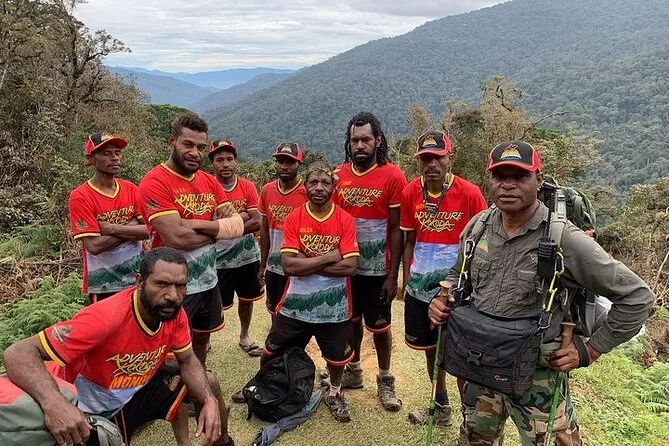
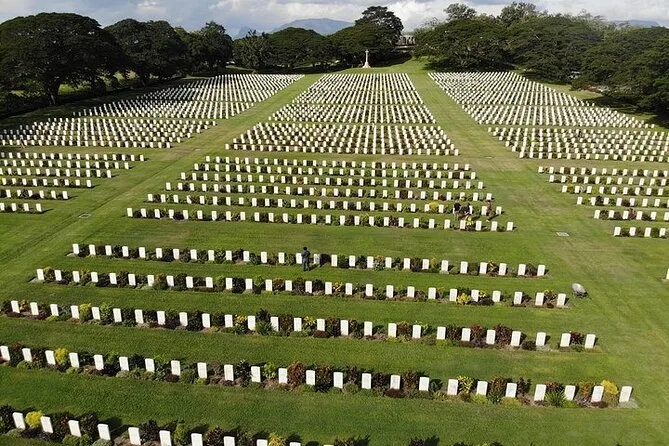
You’ll walk the original Kokoda Track with an Australian guide and local PNG team, stopping at battle sites like Isurava Memorial for a moving dawn service. Expect muddy boots, campfire meals cooked by your crew, and honest conversations under jungle skies. By the time you reach Owers Corner or stand quietly at Bomana War Cemetery, something will have shifted inside you.

The first thing I noticed stepping off the little charter plane in Kokoda was the heat — not just warmth but that thick, green air that sticks to your skin. We met our PNG guides right away; their smiles were quiet but steady. Our Australian trek leader, Rob, handed me a battered topographic map and grinned like he’d done this a hundred times (probably had). The first few hours were mostly laughter and awkward introductions — someone tried to say “monin tru” and got it half-right. I was already sweating through my shirt before we even left Hoi village.
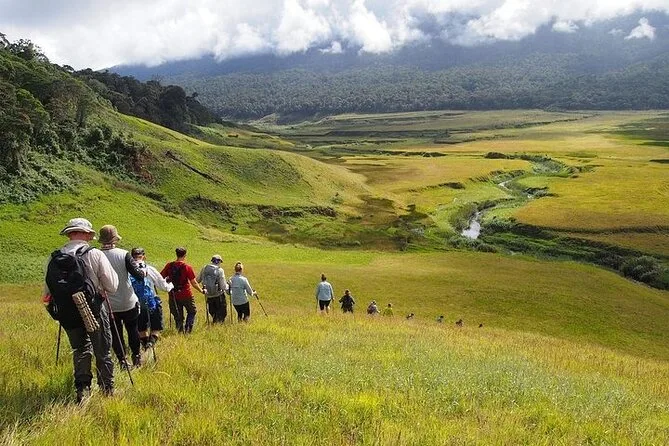
We moved slow at first. There’s no rushing on the Kokoda Track — every step is either up or down, mud sucking at your boots. Sometimes you’d hear nothing but birds and your own breath. At Deniki I remember sitting on a log chewing sweet pineapple our cook had chopped up. Rob pointed out where the first fighting happened in ’42 — it’s strange how quiet those ridges feel now. The local porters would sometimes sing softly as we walked, which made the whole thing feel less heavy somehow.
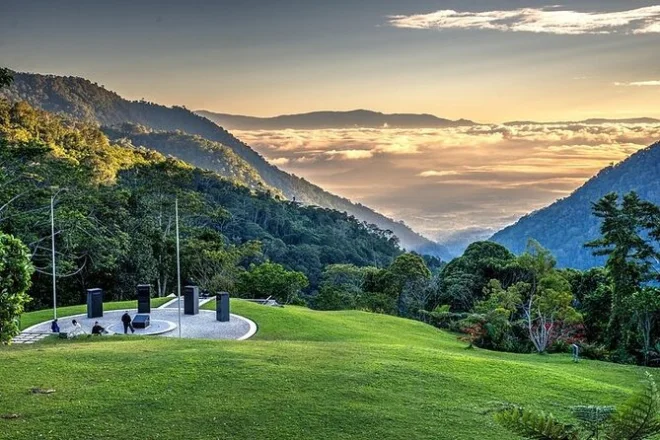
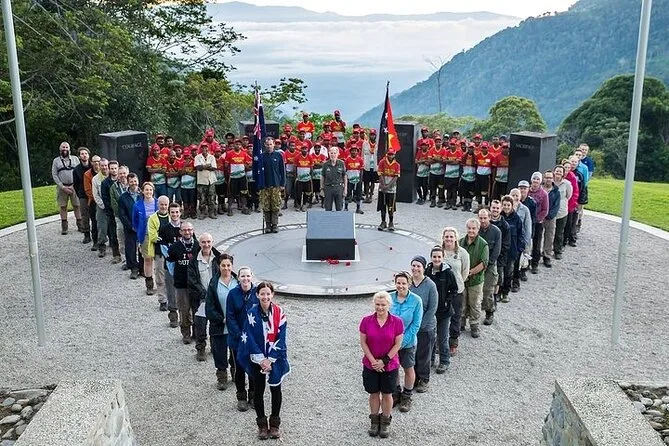
I didn’t expect the Dawn Service at Isurava Memorial to hit so hard. It was still dark when we gathered — just us trekkers and our PNG crew standing together in silence while mist curled around the stone pillars. Someone read out names; I couldn’t see much except shapes in torchlight. That moment stuck with me more than anything else on this day trip along the Kokoda Track from Cusco (wait, sorry — long week, meant Port Moresby). Anyway… after that morning everything felt different. The trail got tougher but also sort of lighter? Hard to explain.
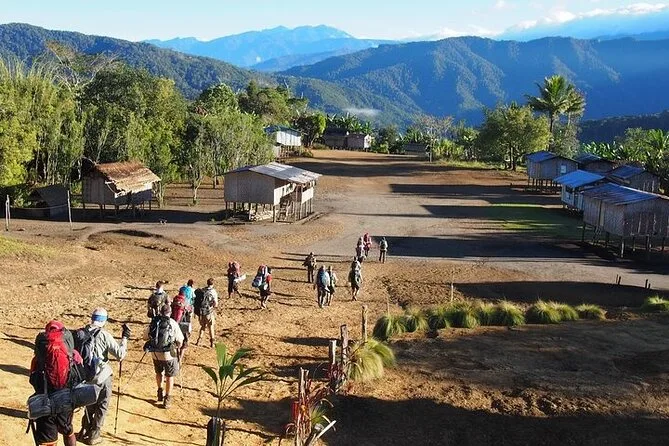
The days blurred into each other: Templeton’s Crossing with its icy water on tired feet; Efogi village where kids waved as we passed; Brigade Hill where Rob told stories that made us go quiet for a bit. Meals were always hot and simple — rice, greens, sometimes tinned meat — but somehow tasted better after hours of slogging through jungle rain. One night I listened to frogs outside my tent and thought about how far we’d come (and how far there was left). You get used to being muddy all the time.
 10d
10d

Step-by-step itinerary
Day 1 — Arrival and briefing in Port Moresby
- Arrive Port Moresby
- Check into hotel
- Trek briefing
- Dinner and introductions
Day 2 — Flight to Kokoda and trek to Hoi
- Charter flight to Kokoda
- Trek to Hoi village
Day 3 — Trek from Hoi to Isurava Memorial
- Trek from Hoi campsite
- Pass Deniki and Isurava Village
- Arrive at Isurava Memorial
Day 4 — Trek to Templeton's Crossing
- Trek from Isurava
- Pass Alola
- Arrive at Templeton's Crossing
Day 5 — Trek to Efogi village
- Trek from Templeton's Crossing
- Pass Kokoda and Kagi Gaps
- Arrive at Efogi village
Day 6 — Trek to Agulogo via Brigade Hill
- Trek from Efogi village
- Pass Brigade Hill and Menari
- Arrive at Agulogo
Day 7 — Trek to Ofi Creek via Nauro
- Trek from Agulogo
- Pass Nauro
- Arrive at Ofi Creek
Day 8 — Trek to Goldie River
- Trek from Ofi Creek
- Pass Ioribaiwa Ridge
- Arrive at Goldie River
Day 9 — Return to Port Moresby
- Trek from Goldie River to Owers Corner
- Visit Bomana War Cemetery
- Check into Port Moresby hotel
Day 10 — Departure from Port Moresby
- Check out of hotel
- Check in at airport

Top questions

How difficult is the 8-day Kokoda Track trek?
This trek requires a high level of physical fitness due to steep climbs, humidity, and long days walking over rough terrain.
Is there a guide on the Kokoda Track tour?
Yes, an Australian expedition leader guides you along with local PNG porters and support staff.
Are meals included during the trek?
Yes, fresh meals are prepared by a local cook each day on the trail.
Does this tour include hotel accommodation?
Your stay includes pre- and post-trek hotel nights in Port Moresby plus camping along the track.
What is special about the Isurava Memorial stop?
The group holds a dawn service at Isurava Memorial—a highlight for many trekkers due to its emotional impact.
How do you get from Port Moresby to Kokoda?
A private charter flight takes you from Port Moresby directly to Kokoda village to start trekking.
Are tents provided on this trek?
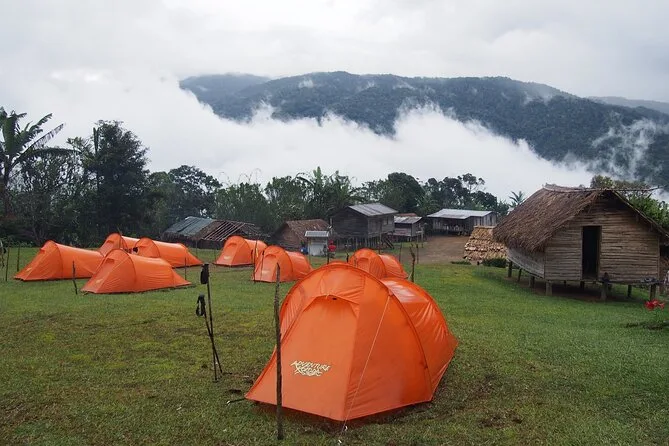
Each trekker gets a personal mosquito-proof tent carried and set up by guides.
Is transport included after finishing at Owers Corner?
All vehicle transfers in PNG are included as part of your booking.

What’s included
Your journey covers hotel pickup in Port Moresby, a private charter flight to Kokoda village, all group camping gear including tents carried by guides, daily fresh meals cooked by your PNG team, entry fees for campsites along the track, historical presentations at key battle sites led by your Australian guide, a moving dawn service at Isurava Memorial shared with locals, vehicle transfers throughout Papua New Guinea including return from Owers Corner via Bomana War Cemetery back to your hotel—plus maps and even laundry-worn camaraderie thrown in for good measure.
 Super deal
  Free booking, free cancellation.
  Don't lose your place.


 Do you need help planning your next activity?
  +507 6792-0894


