


Belfast Murals & Peace Wall Taxi Tour with Local Stories




































































































































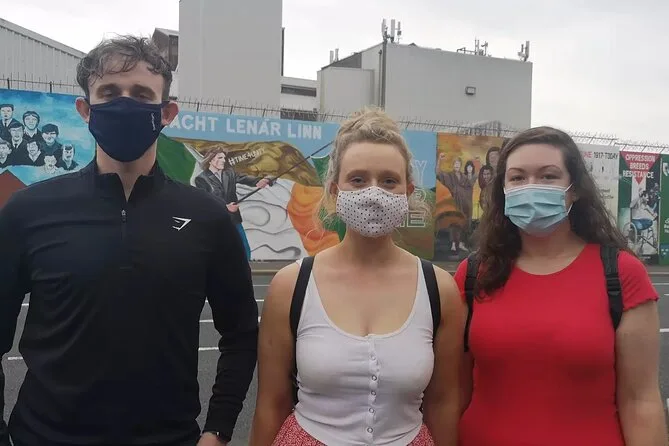
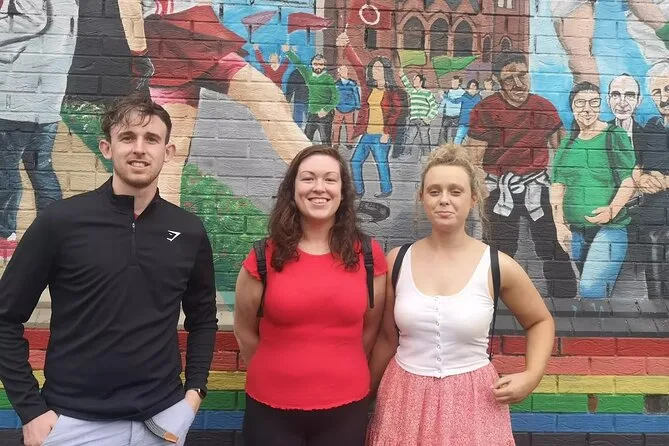

Summary
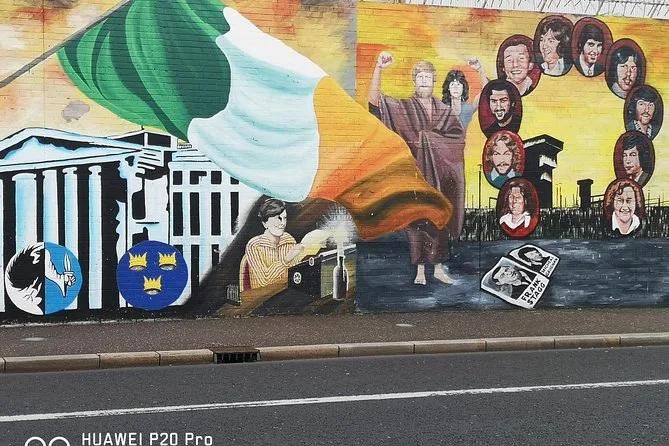
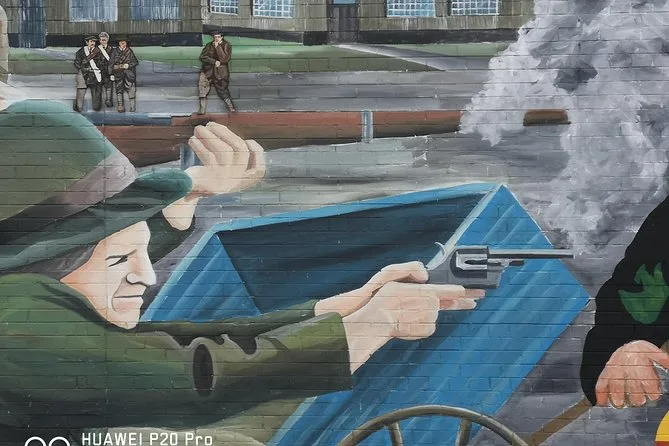
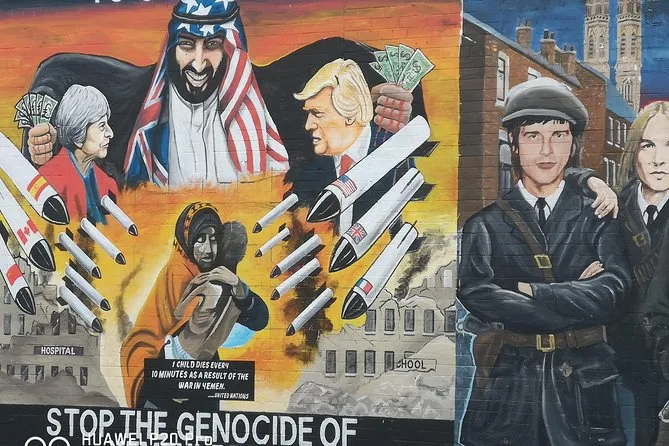
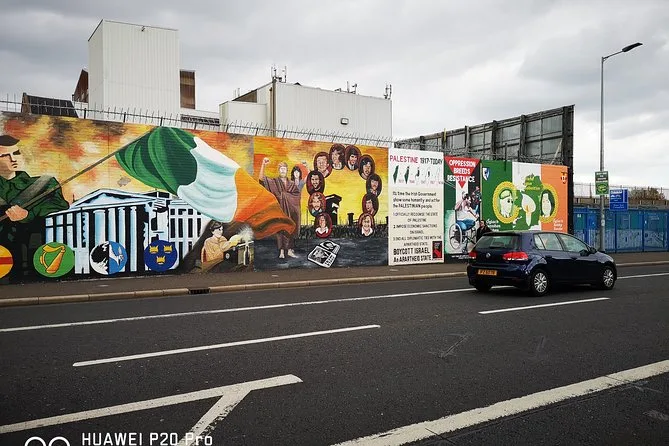
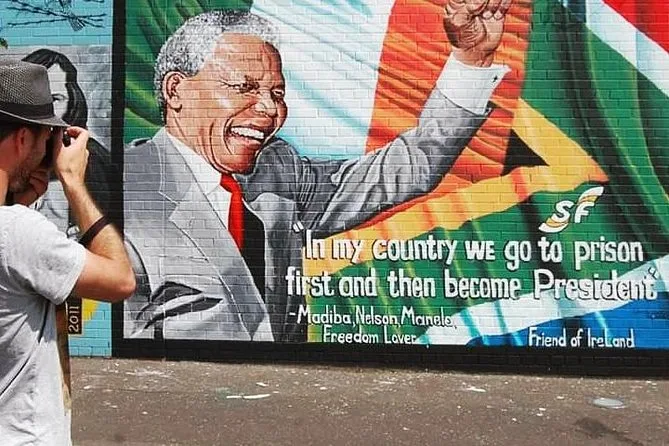
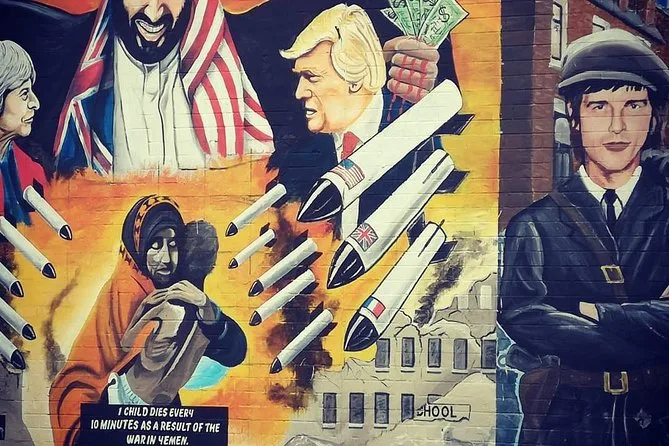
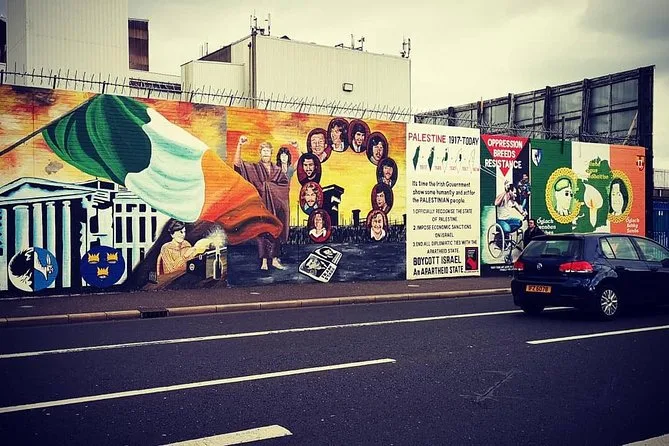
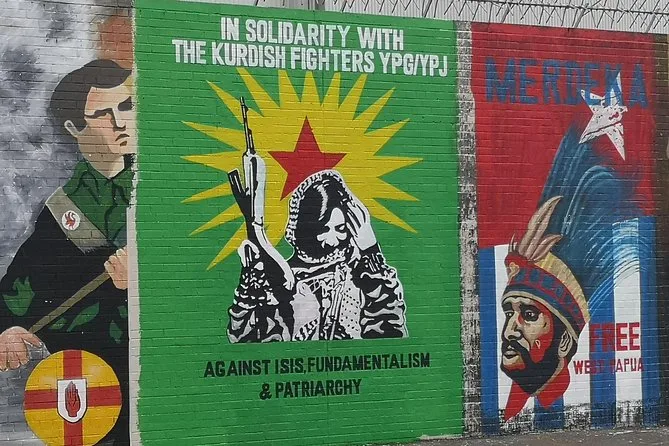
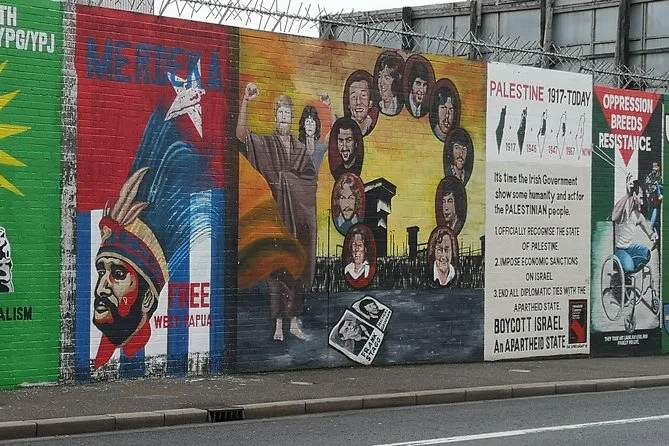
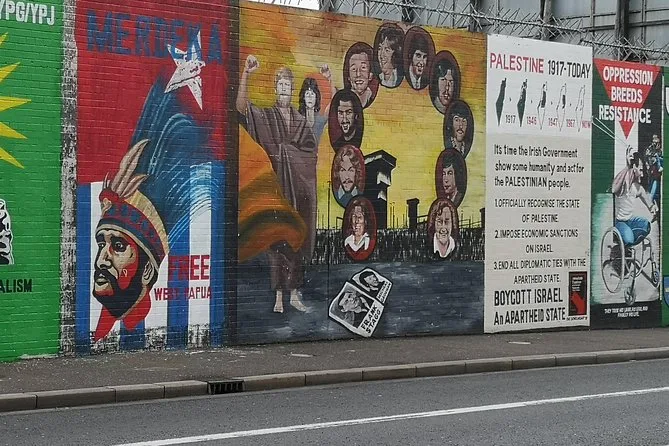
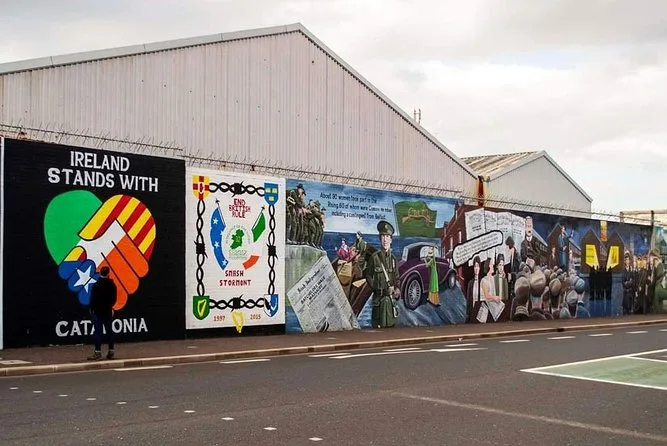
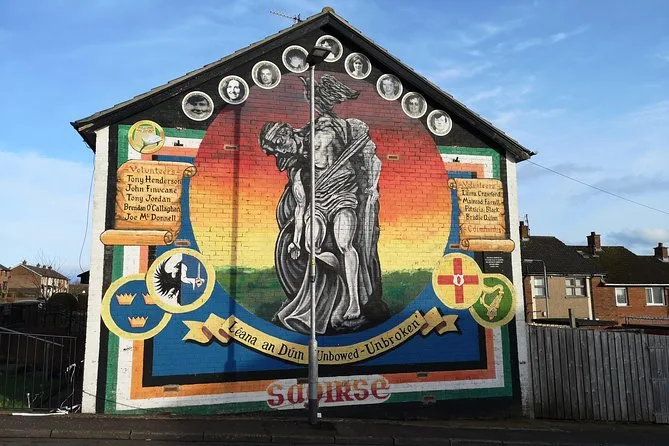
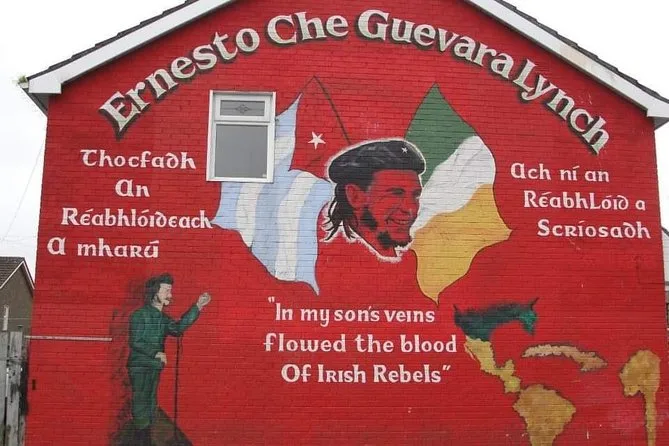
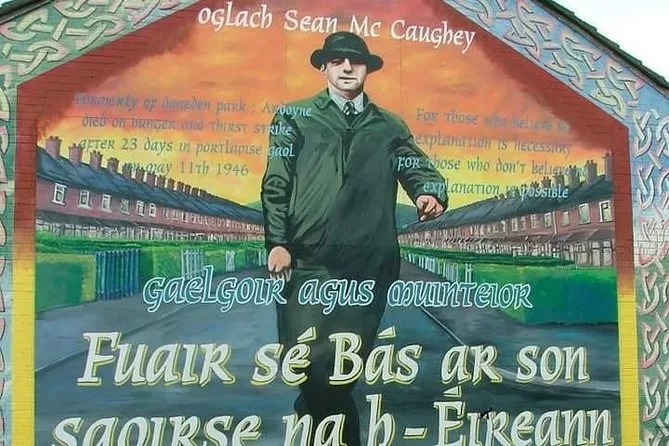
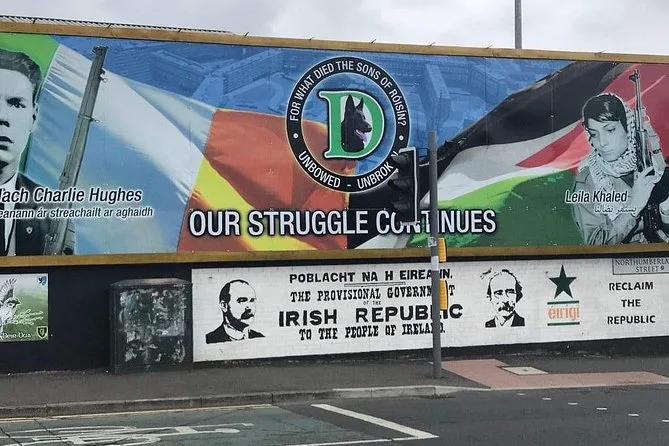
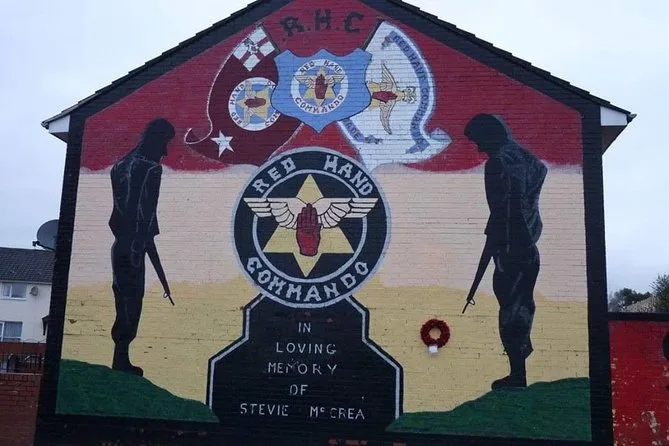
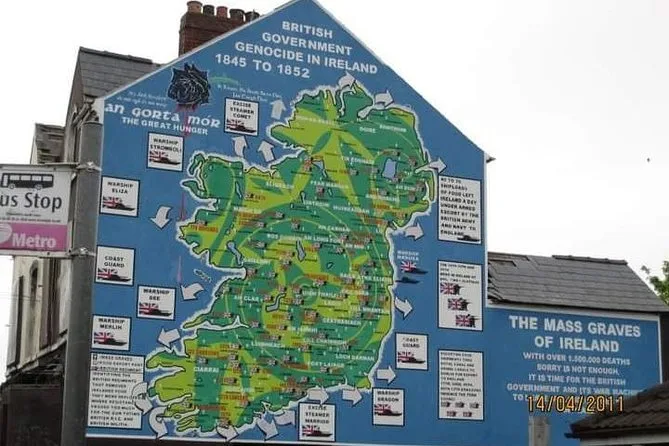
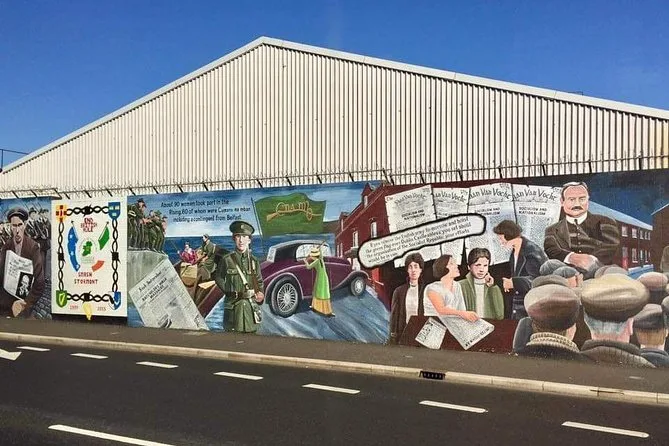
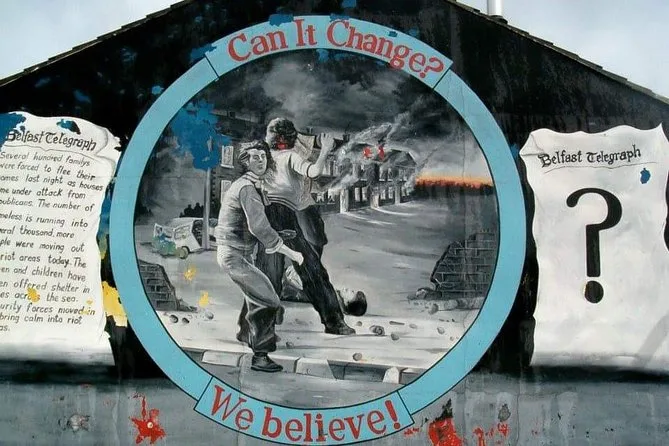
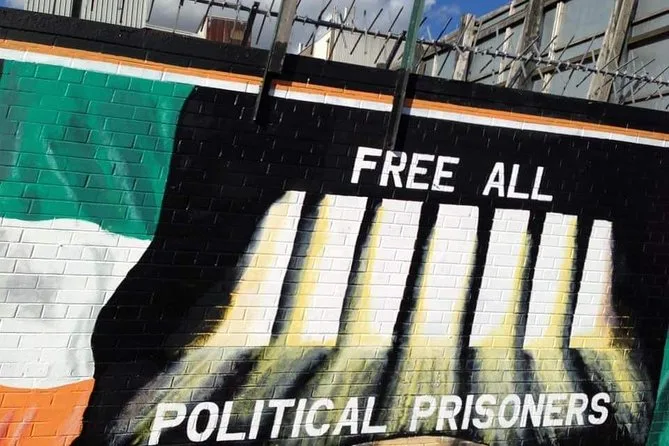
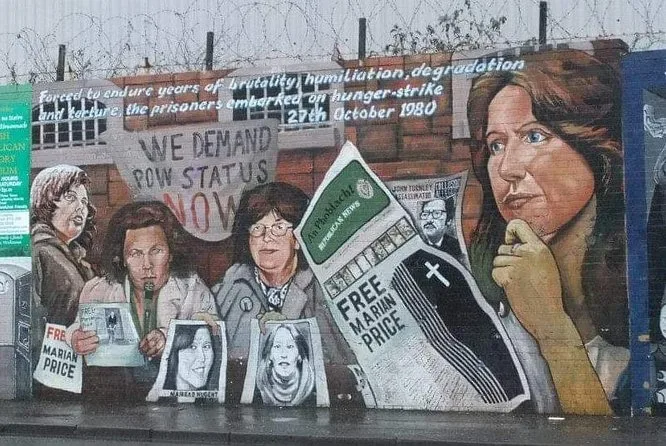
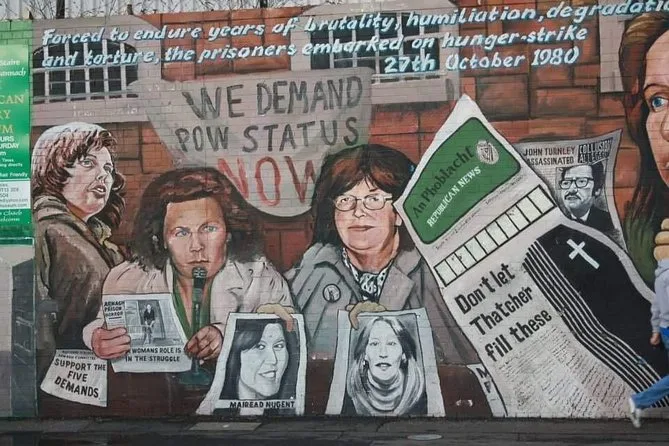
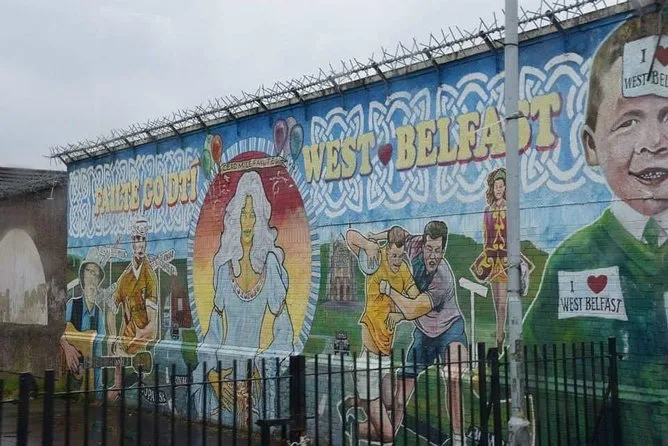
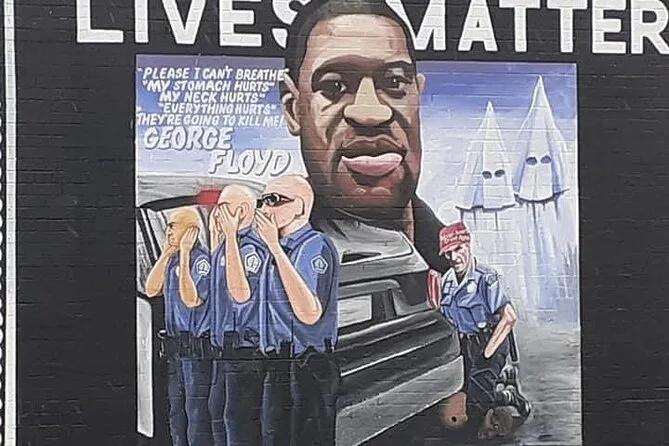
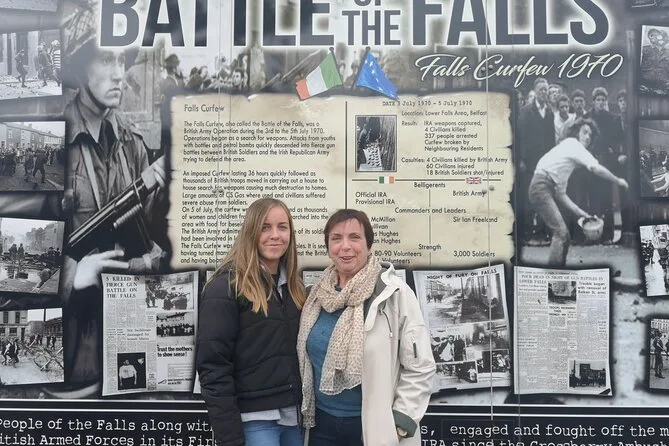
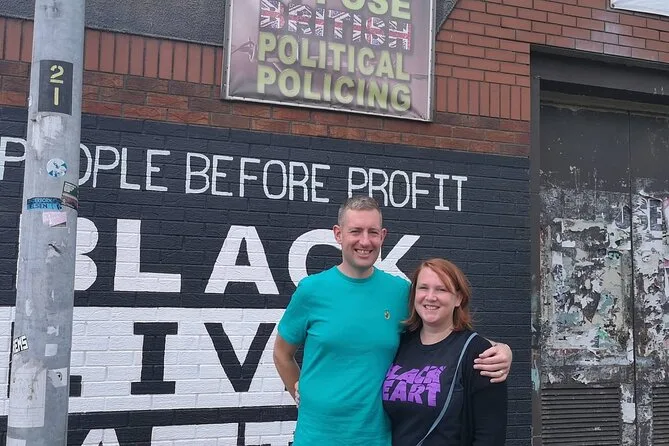
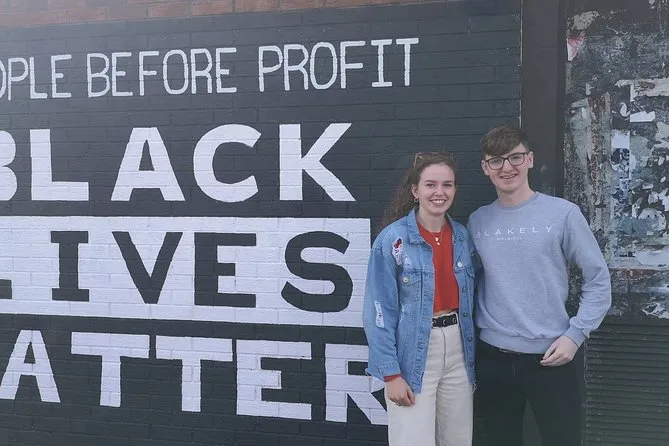
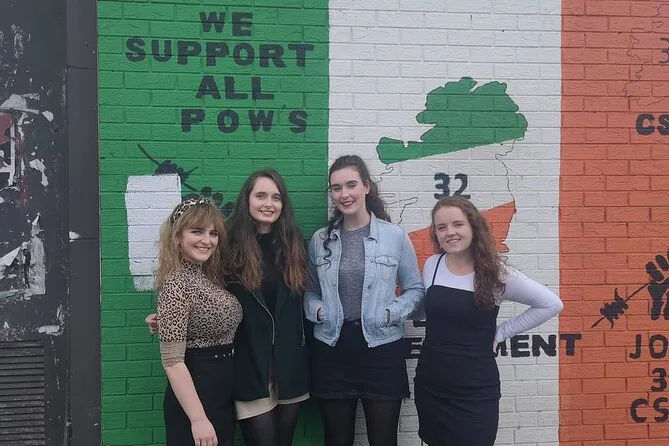
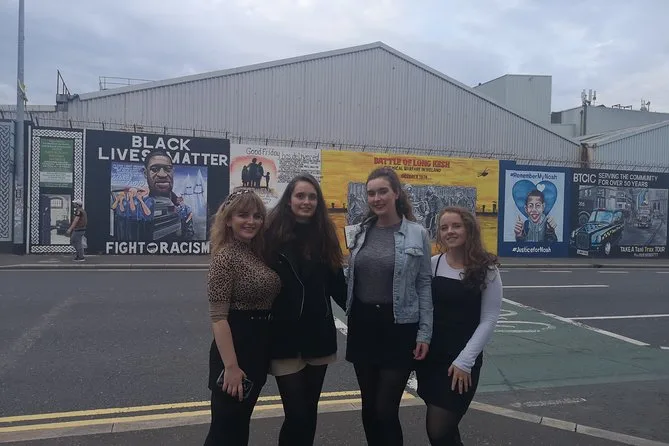
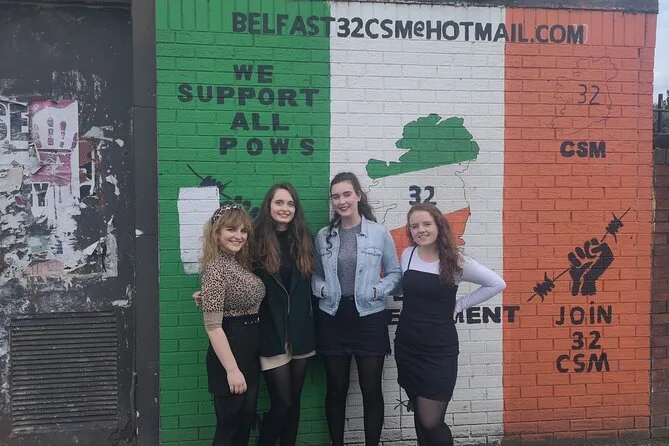
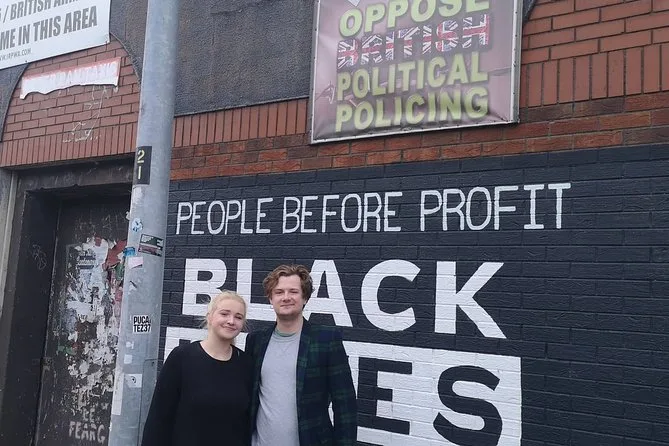
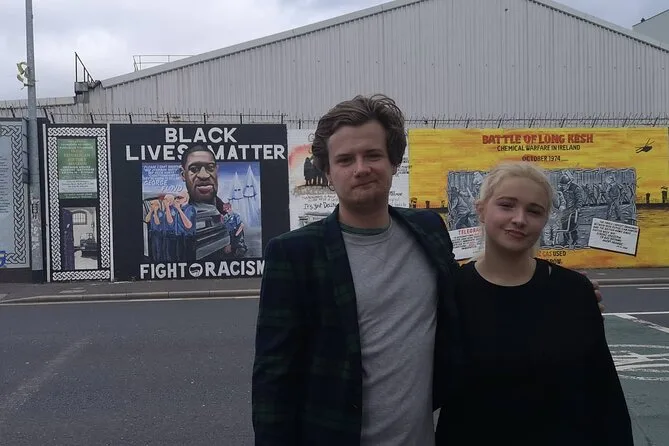
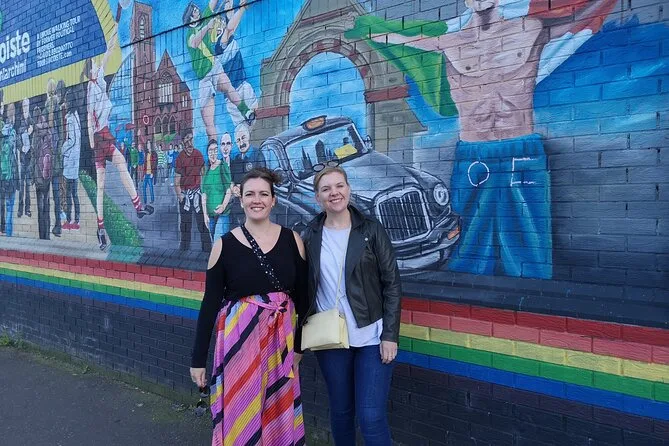
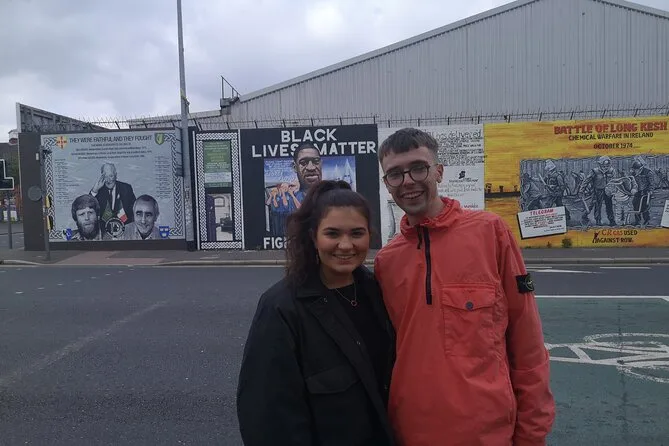
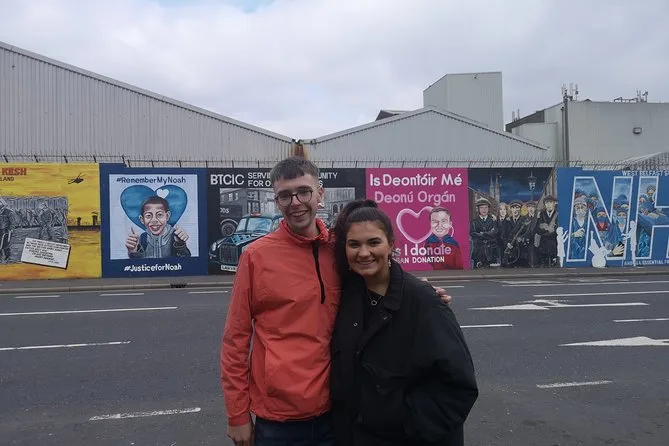
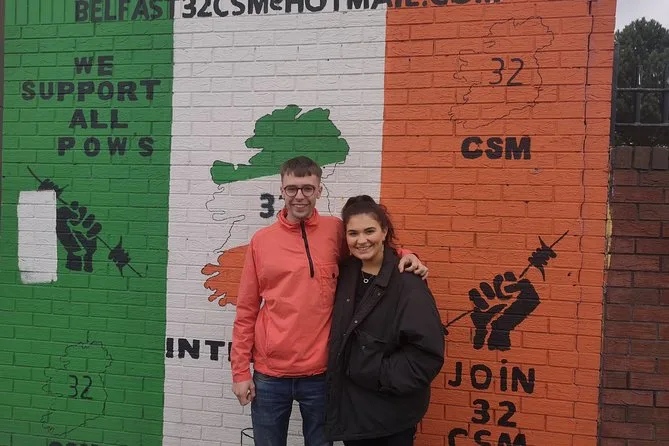
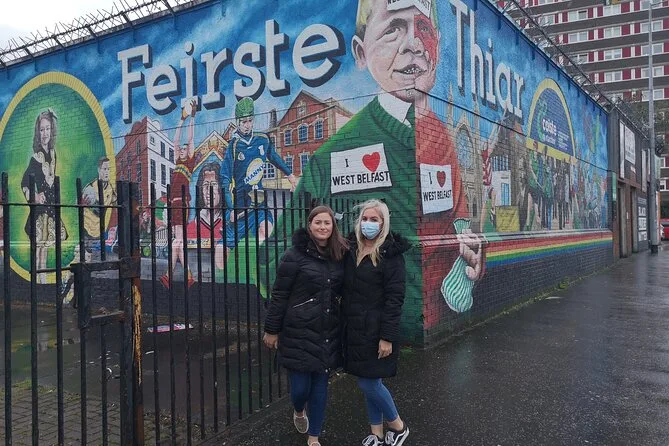
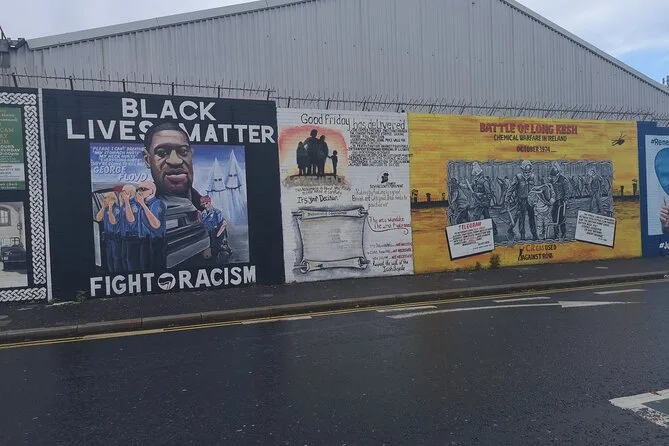
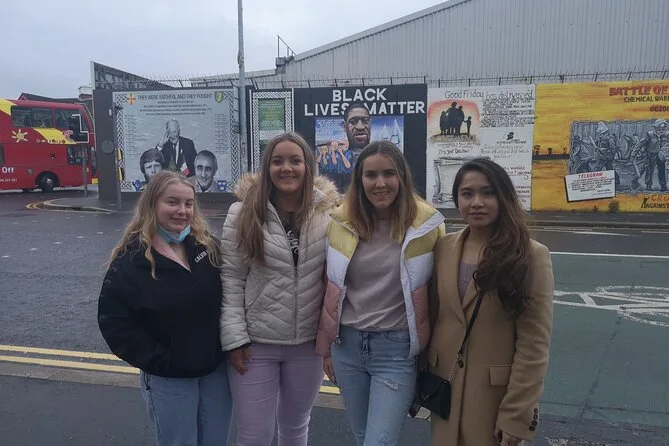
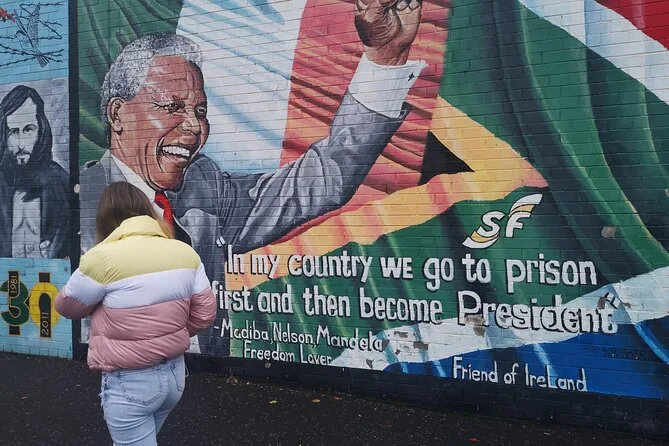
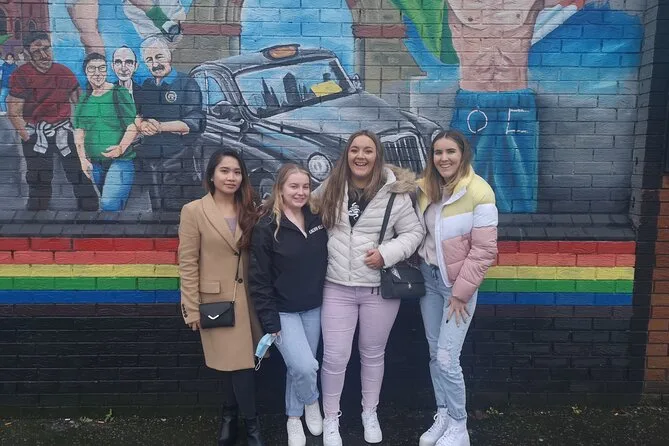
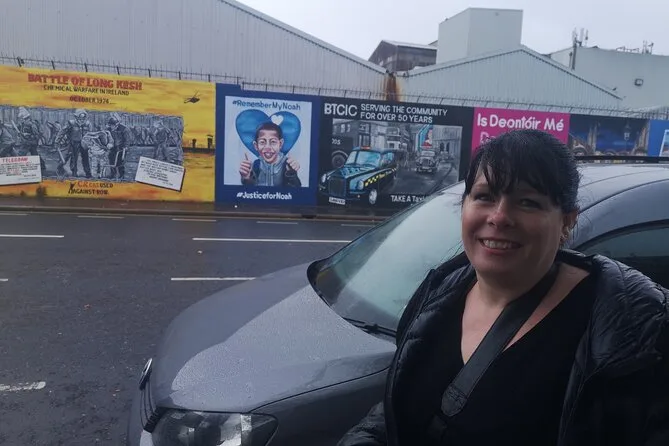
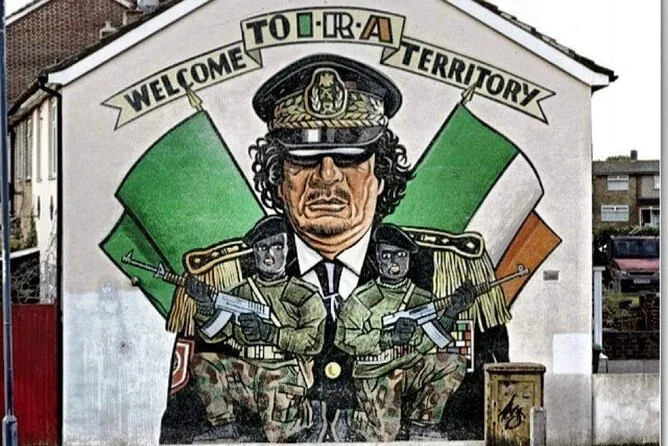
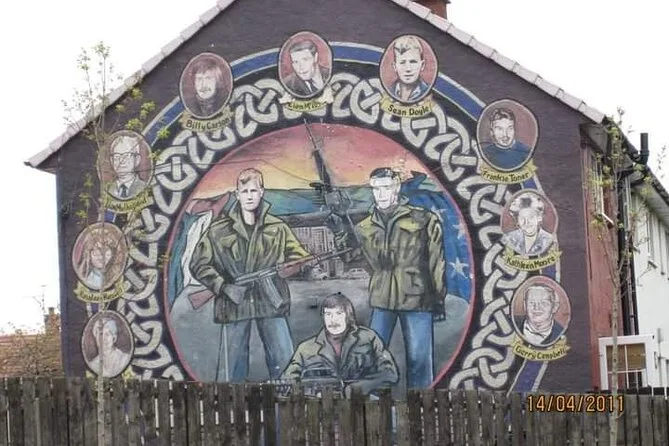
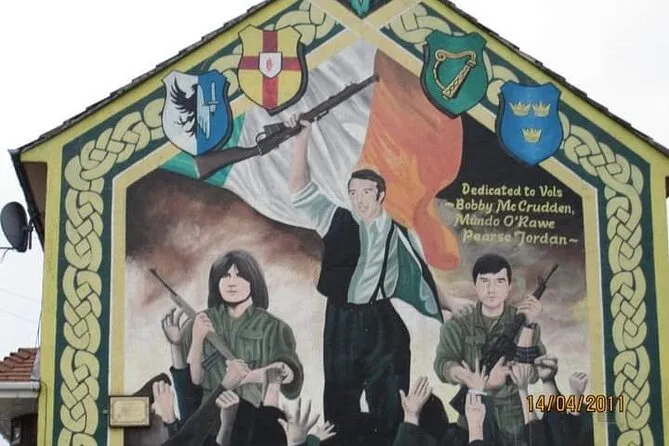
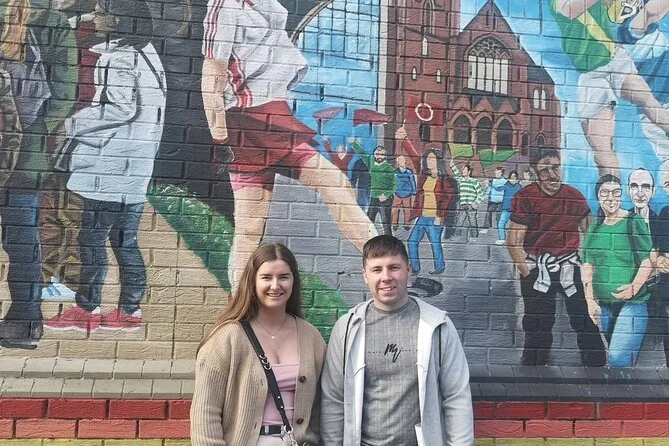
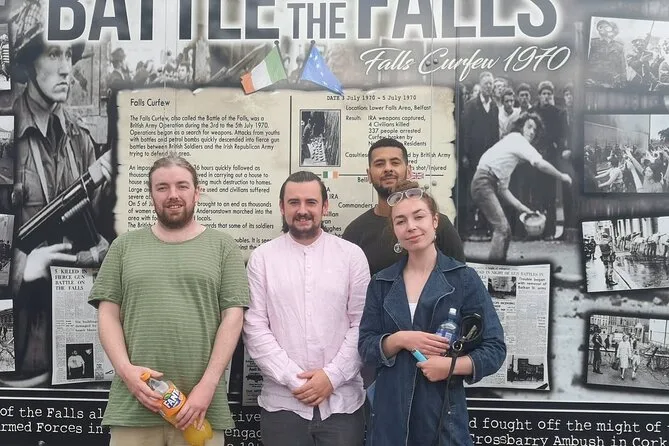
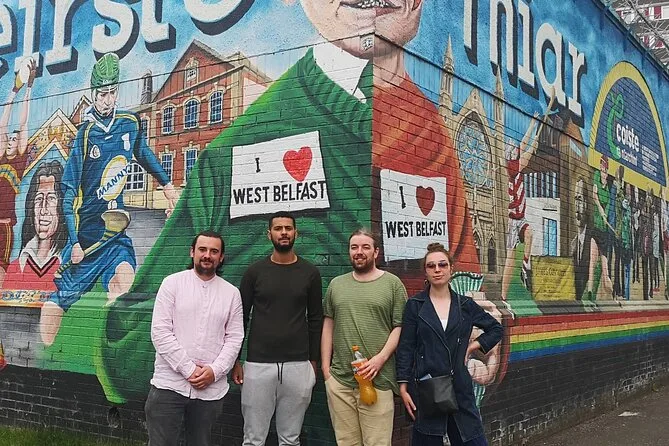
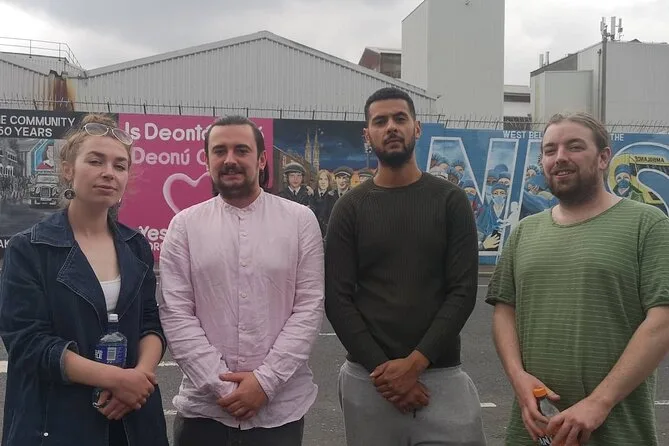
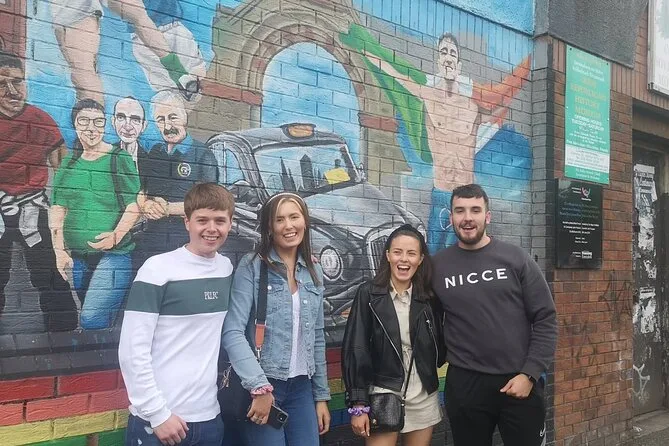
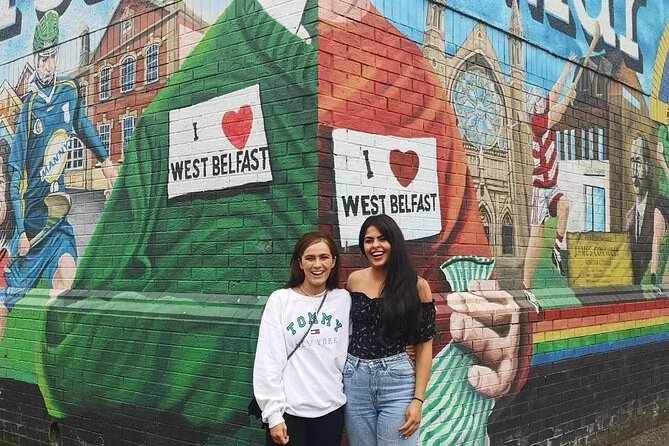
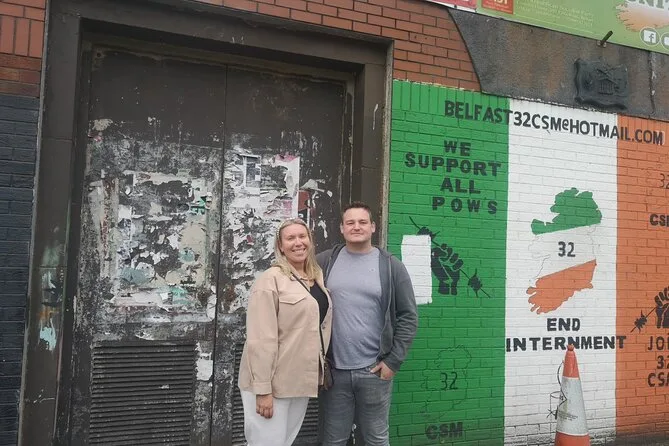
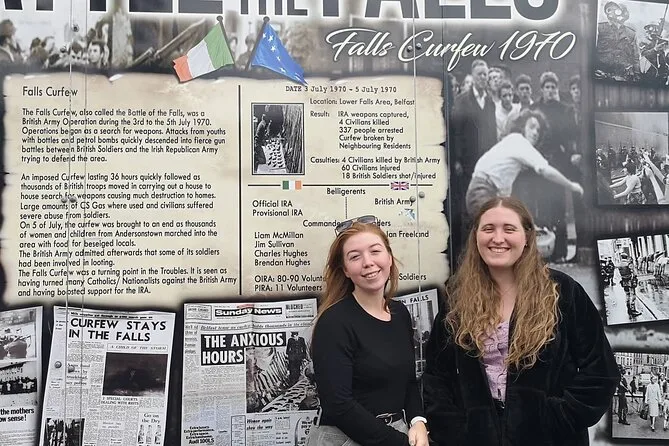
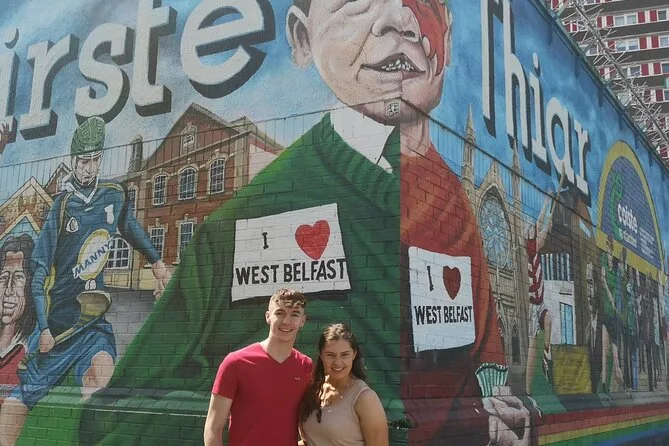
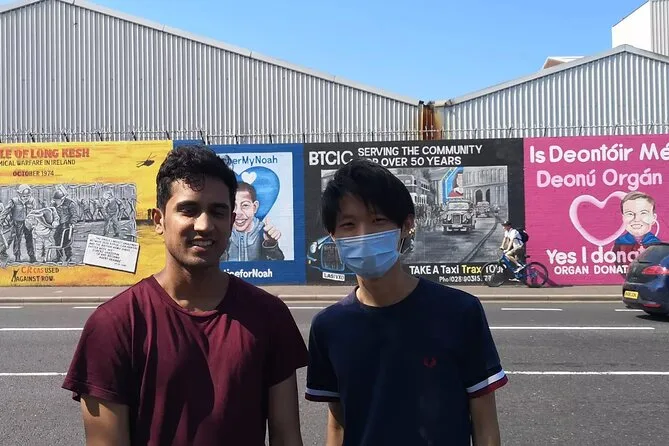
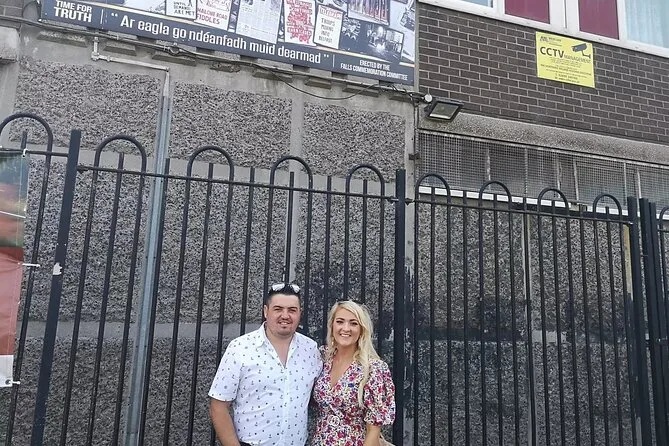
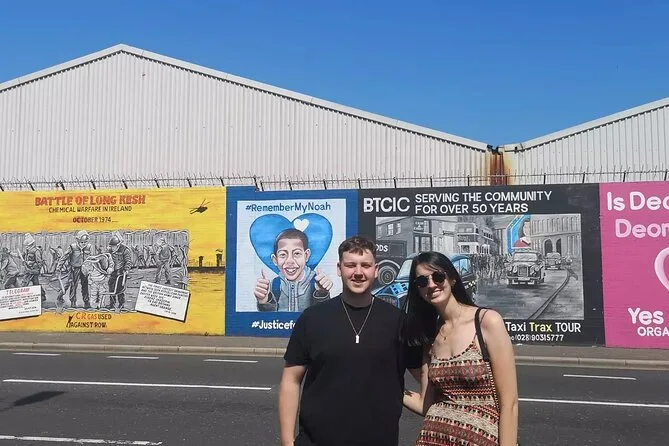
Murals of belfast’s troubled past up close with locals’ stories
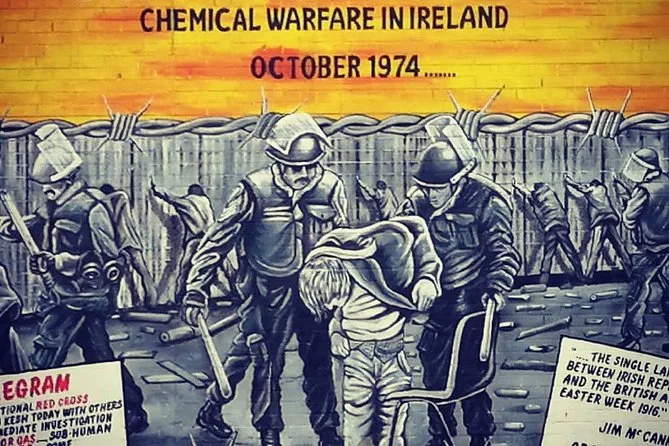
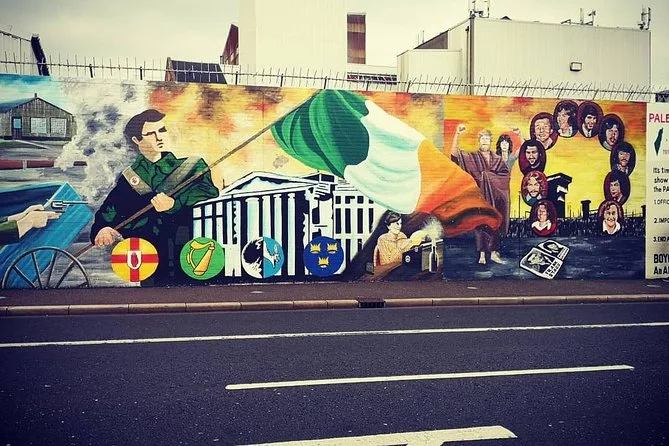
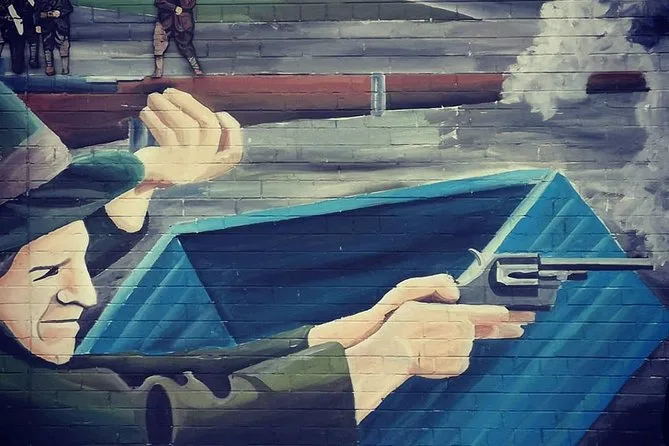
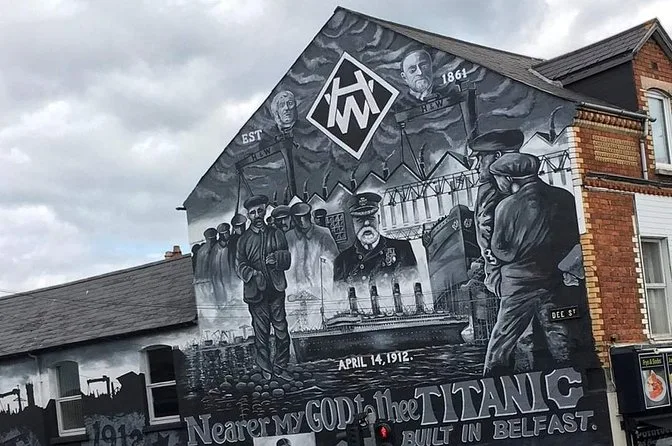
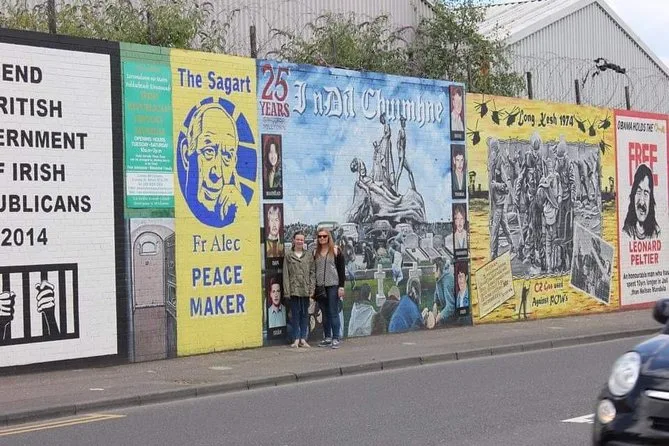
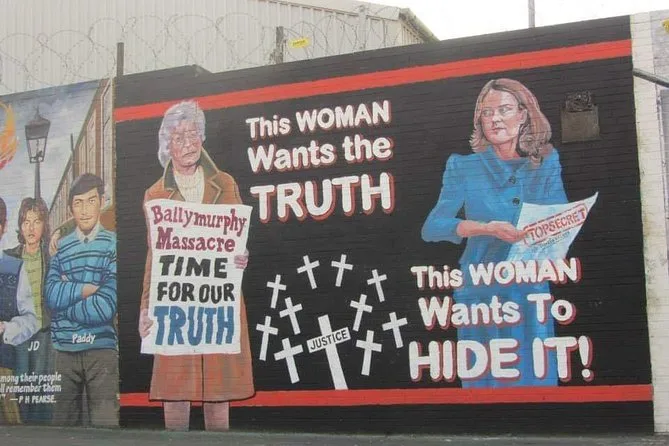
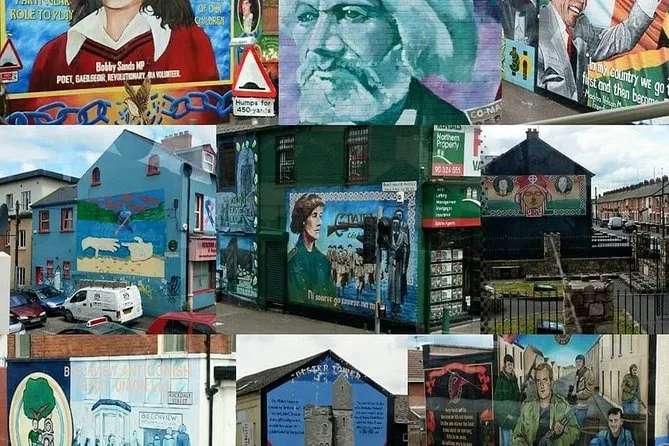
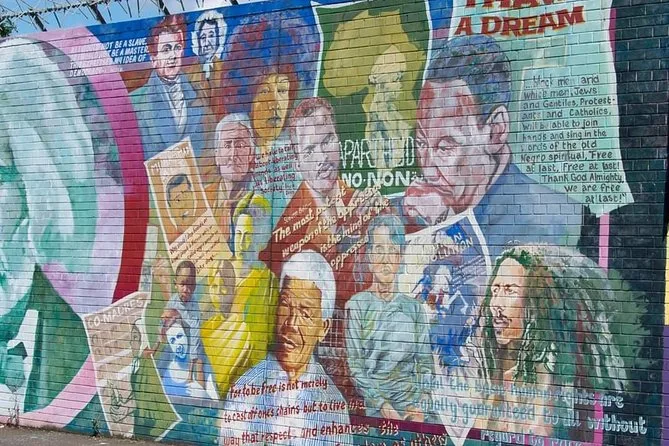
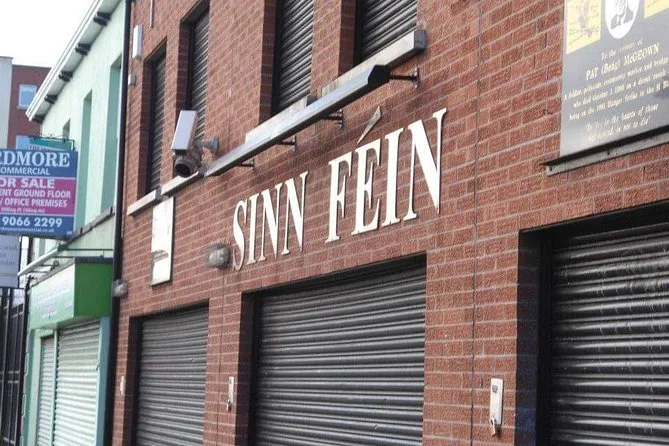
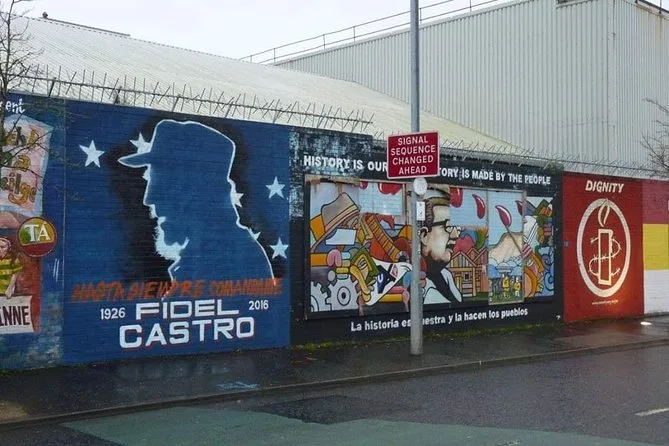
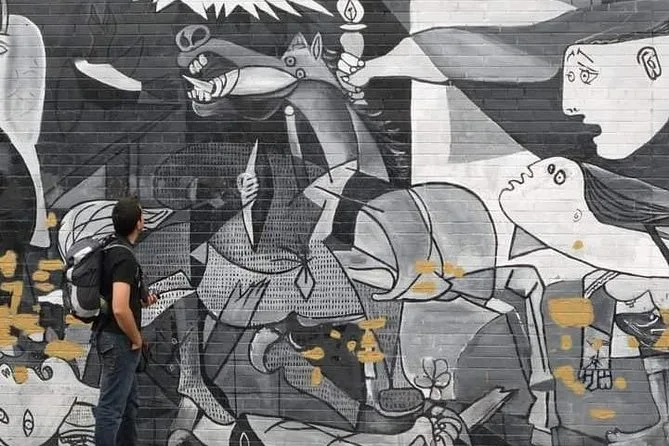
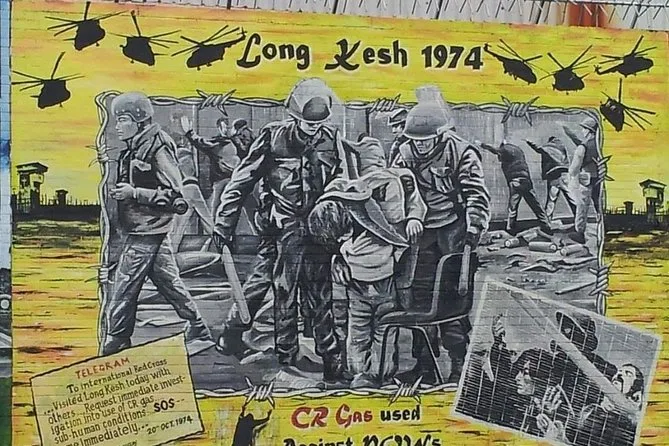
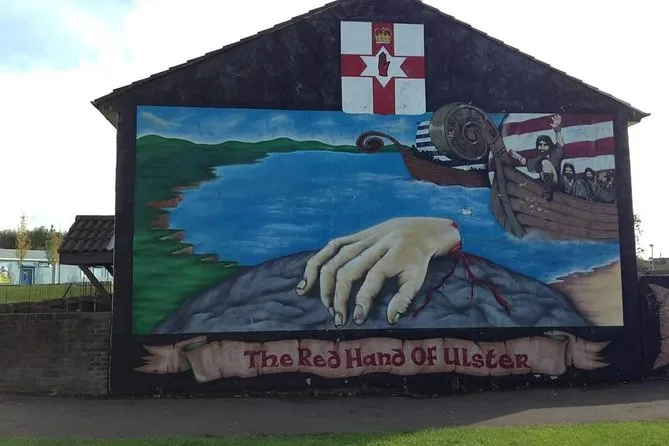
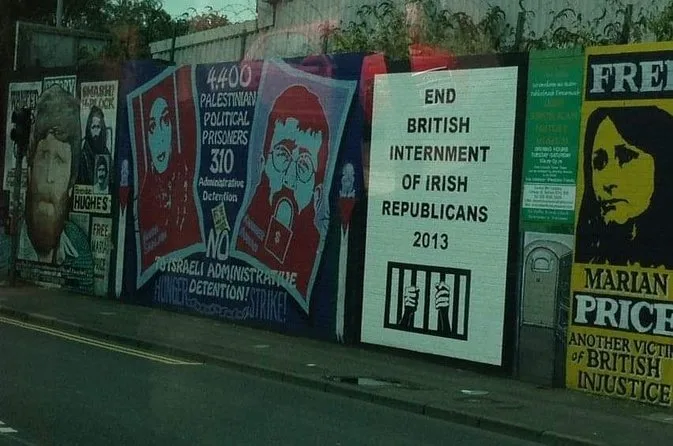
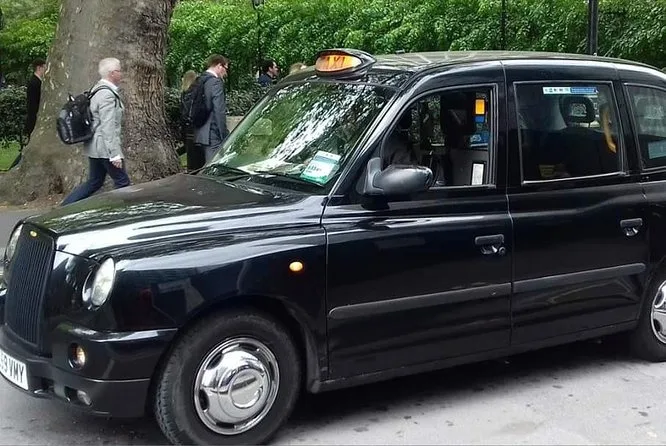
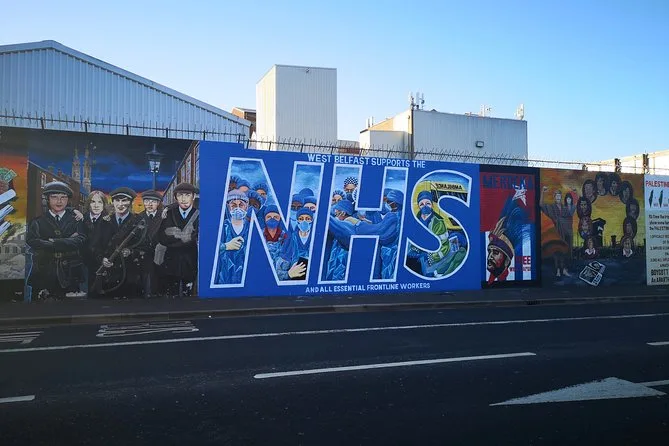
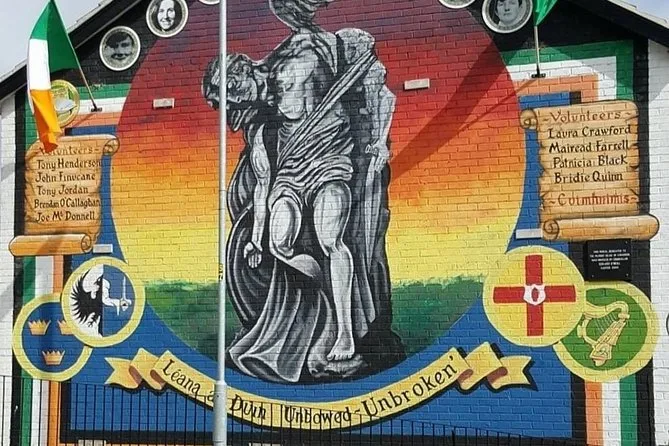
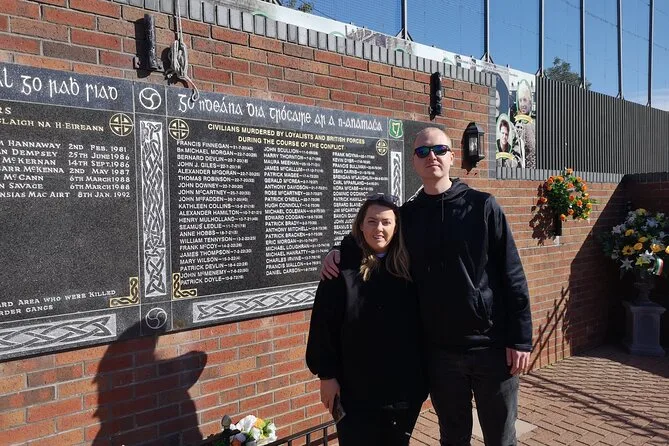
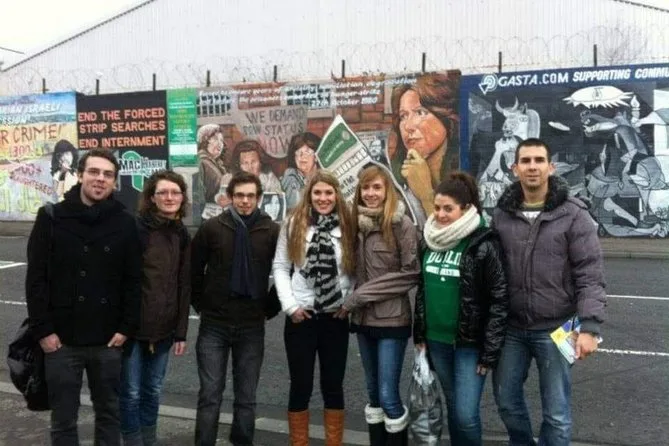
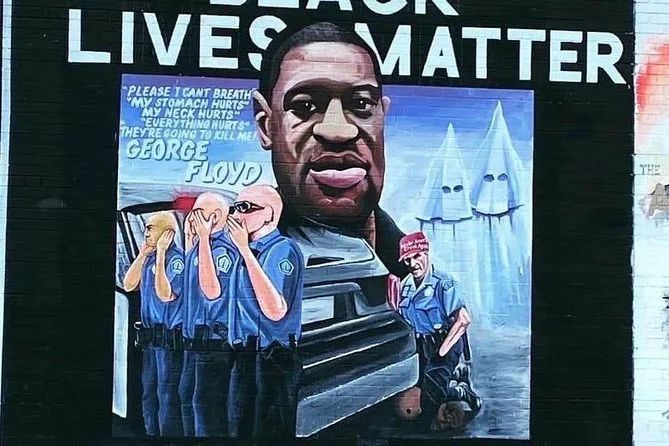
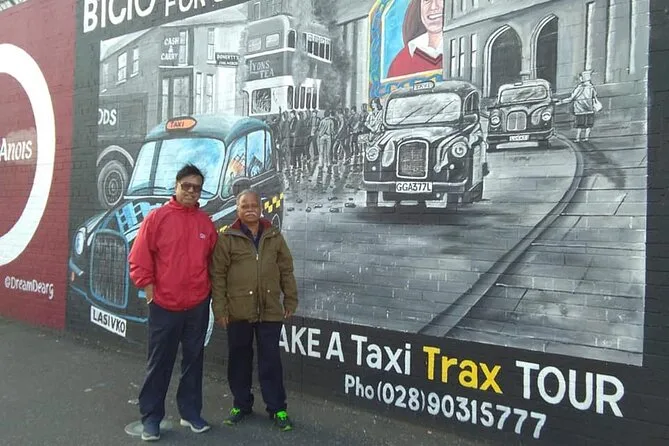
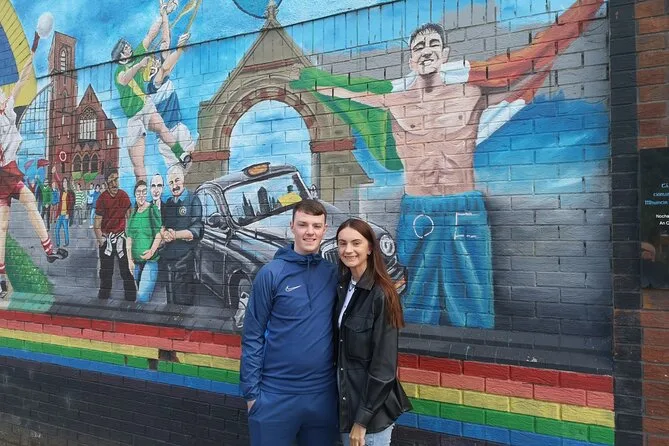
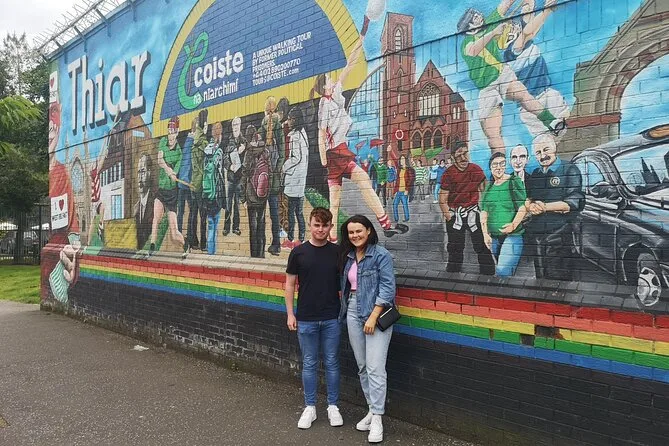
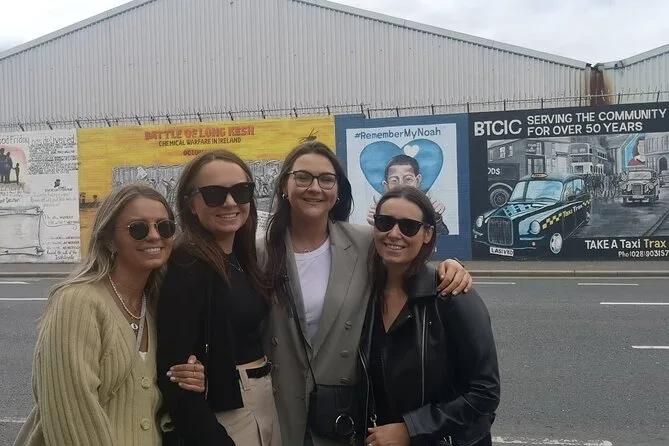
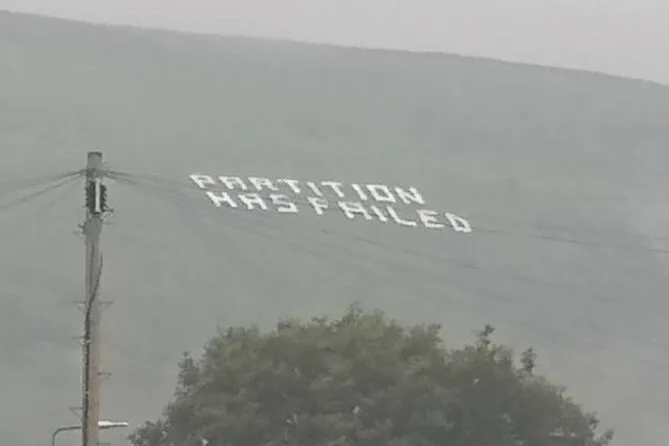
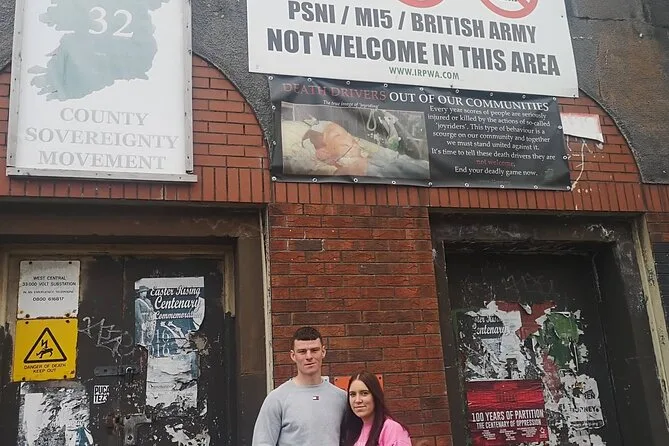
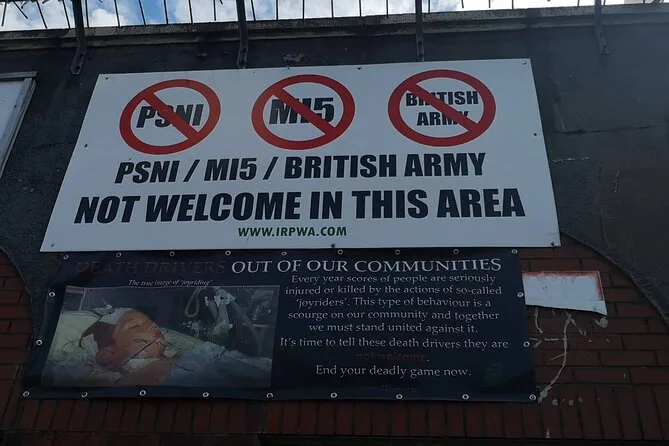
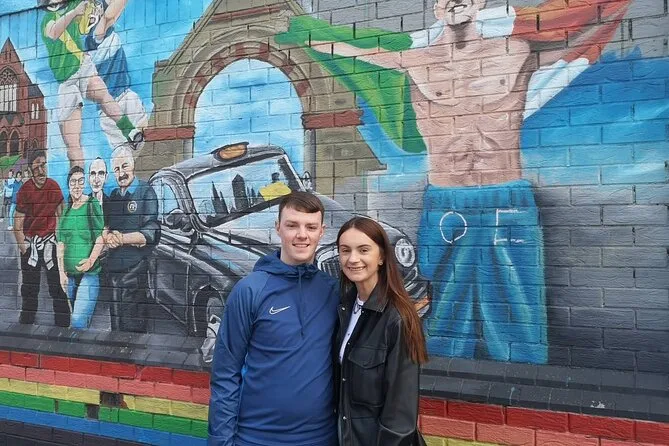
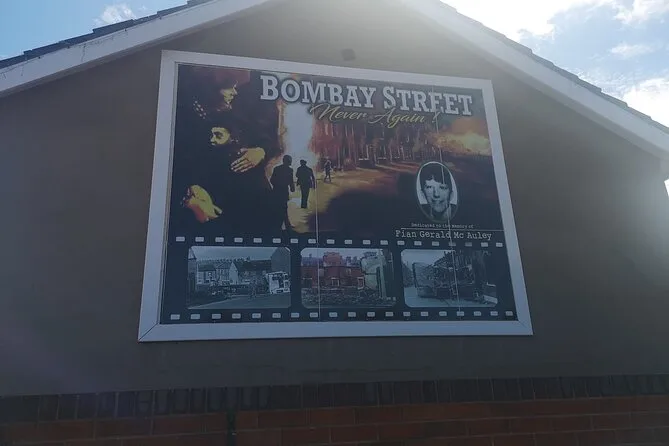
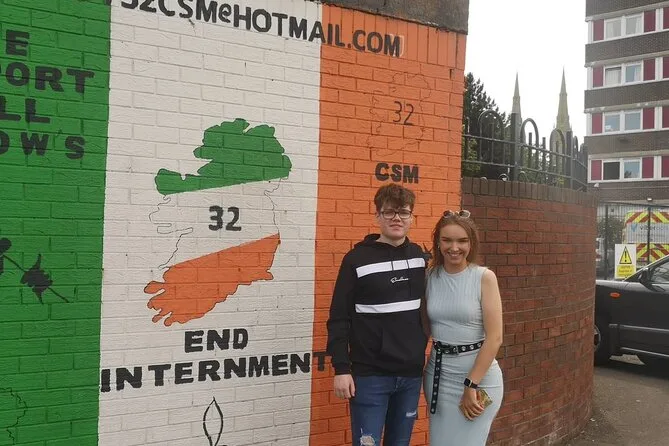
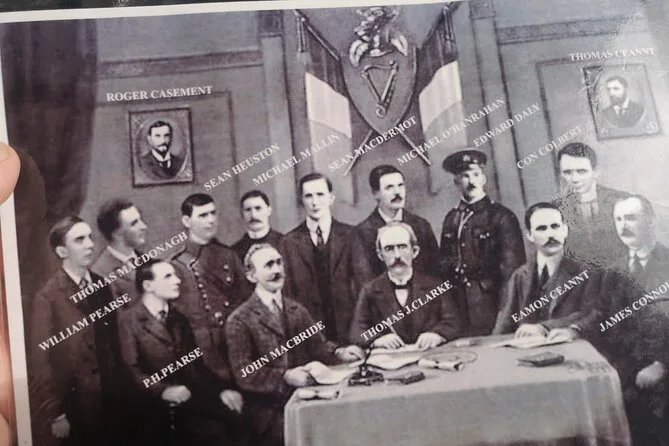
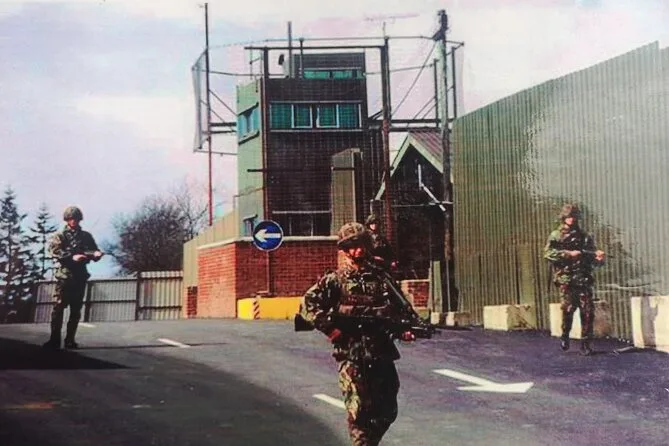
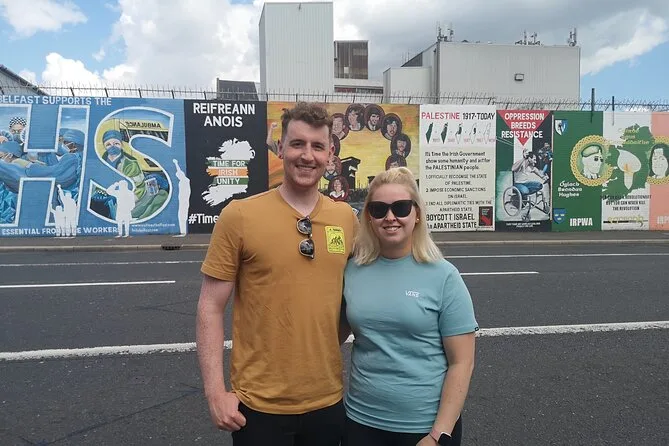
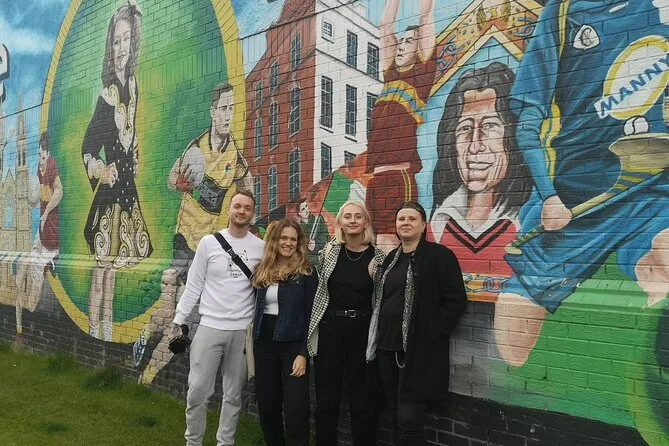
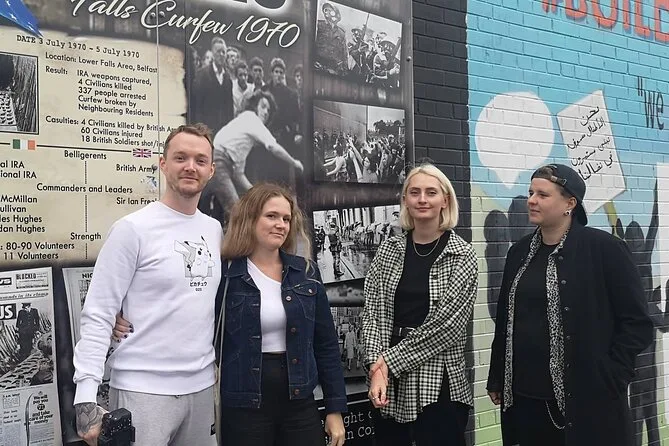
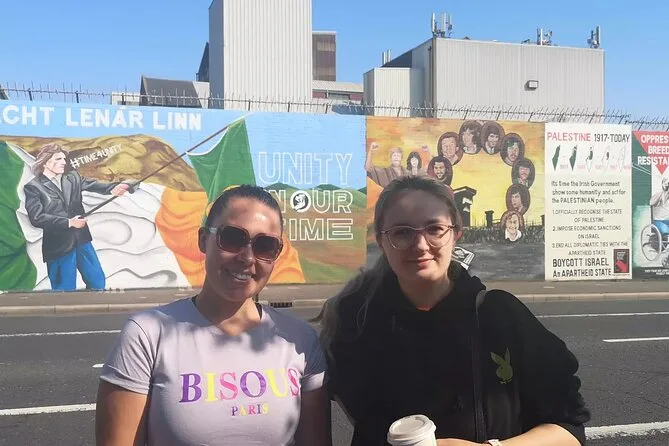
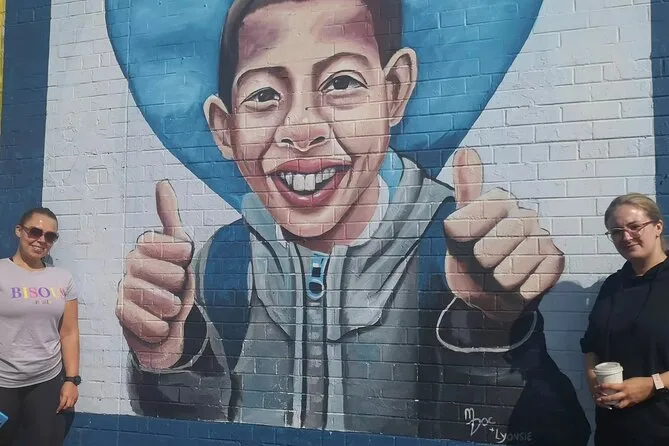
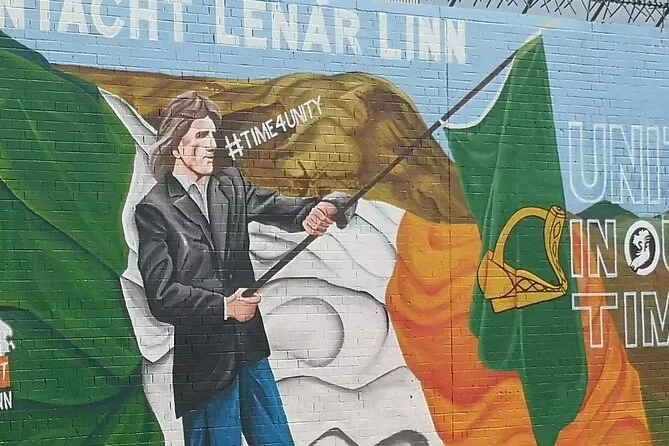
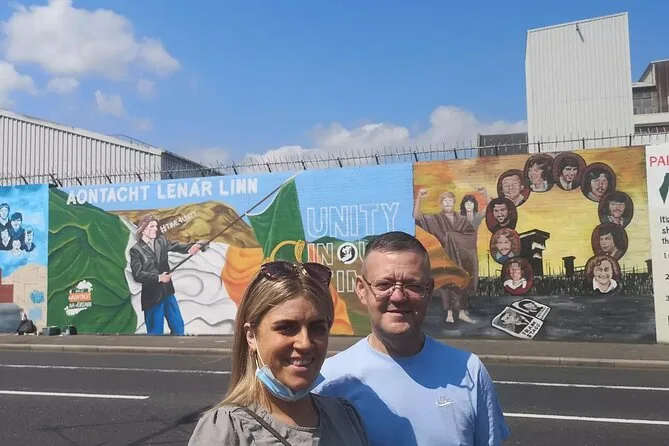
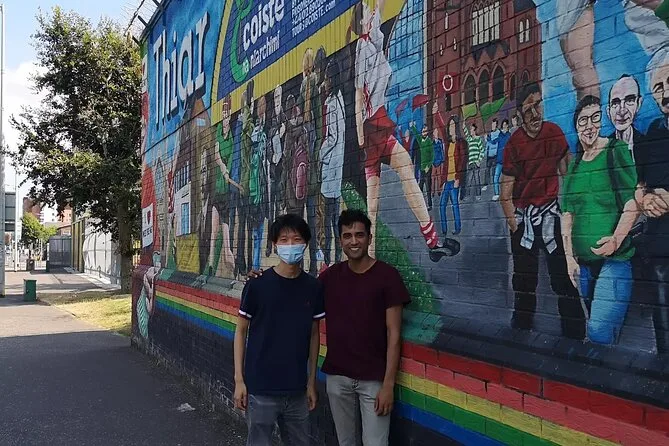
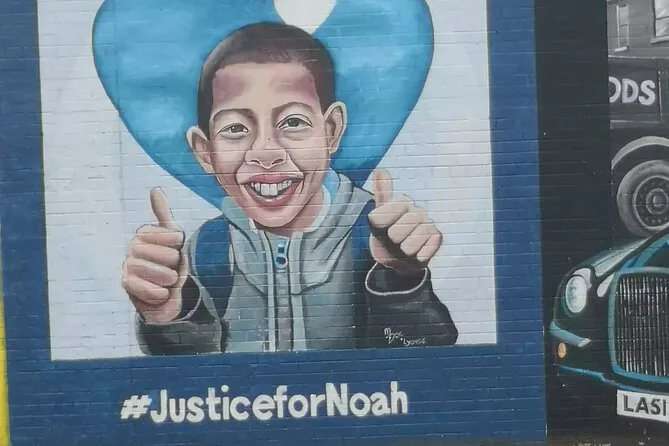
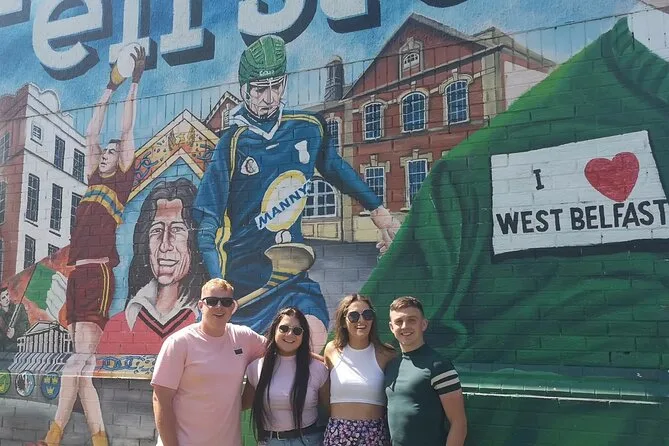
You’ll ride through Belfast in a black taxi while your local guide shares personal stories about the Troubles and shows you both Republican and Loyalist murals up close. You’ll get to sign the famous Peace Wall yourself, handle real artifacts from the conflict, and visit memorials that carry heavy history—leaving you with more questions than answers, maybe in a good way.

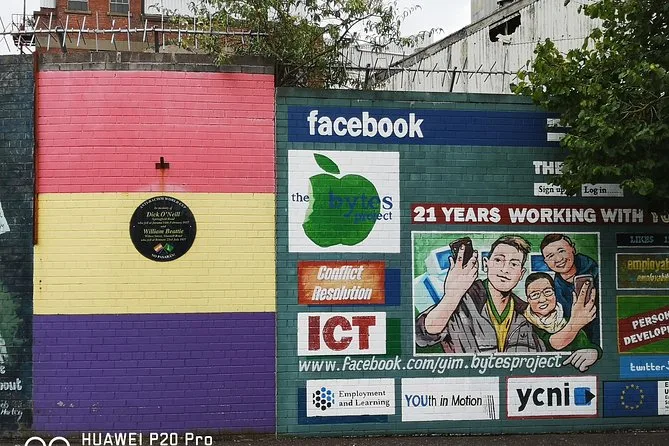
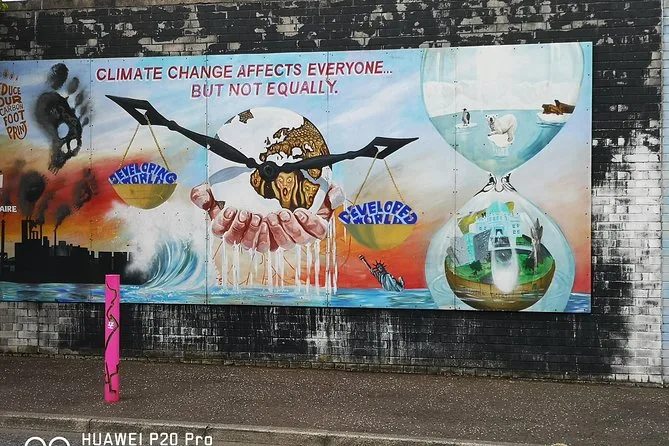
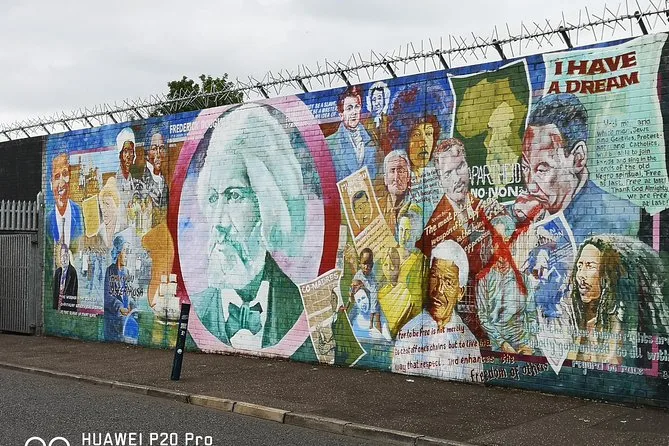
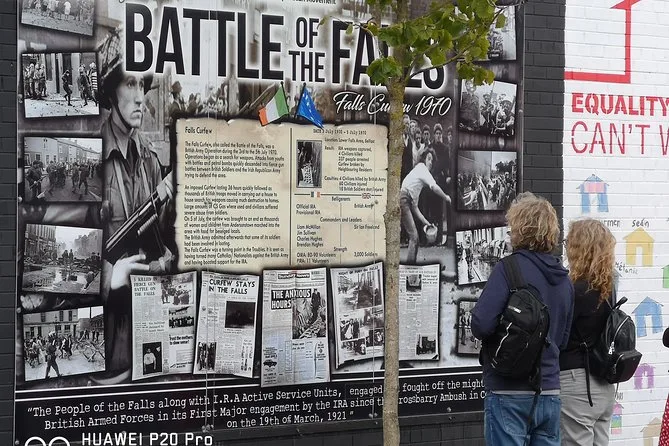
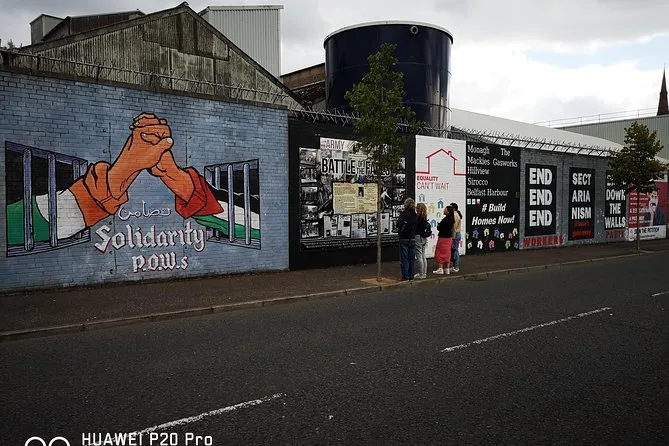
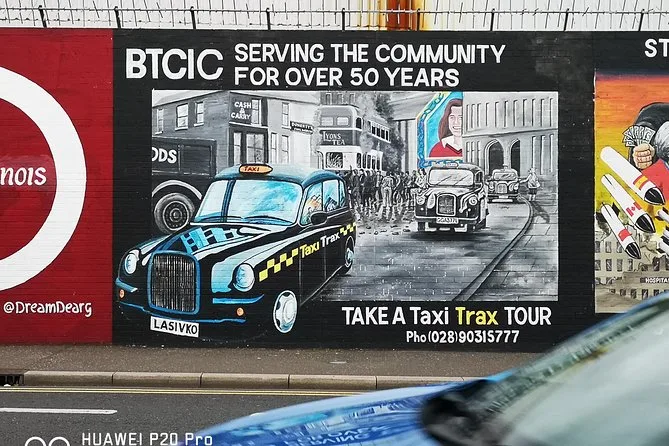
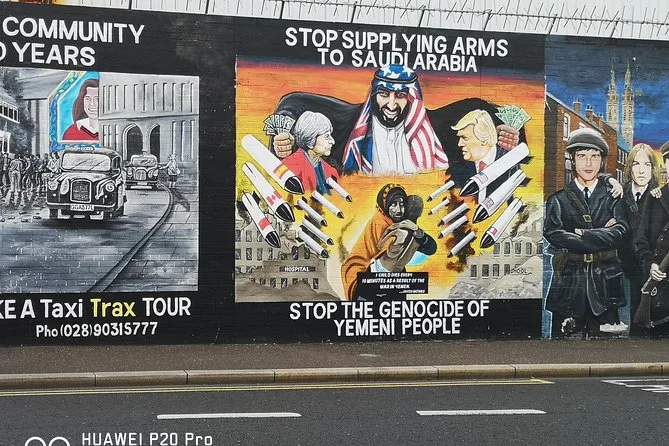
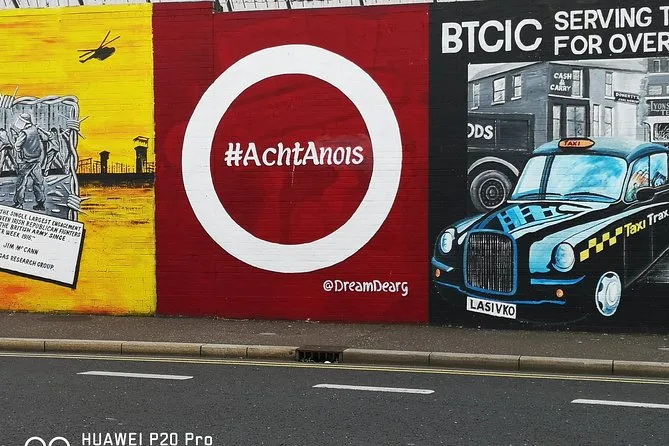
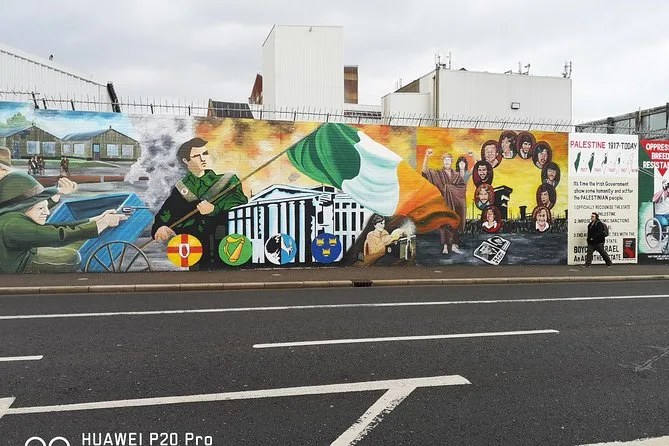
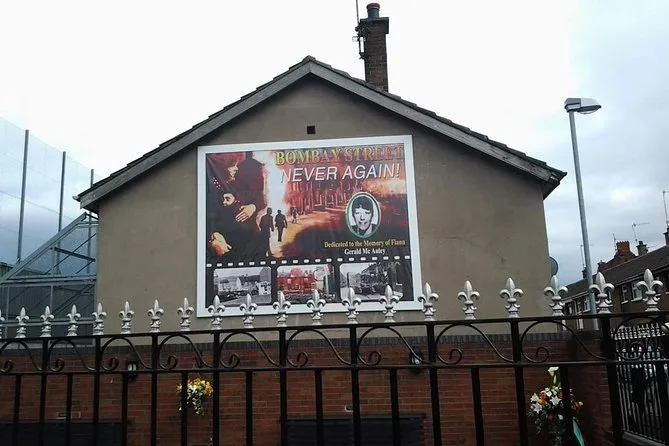
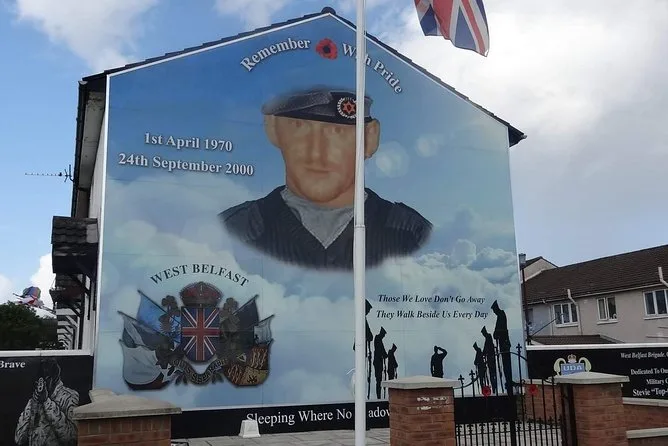
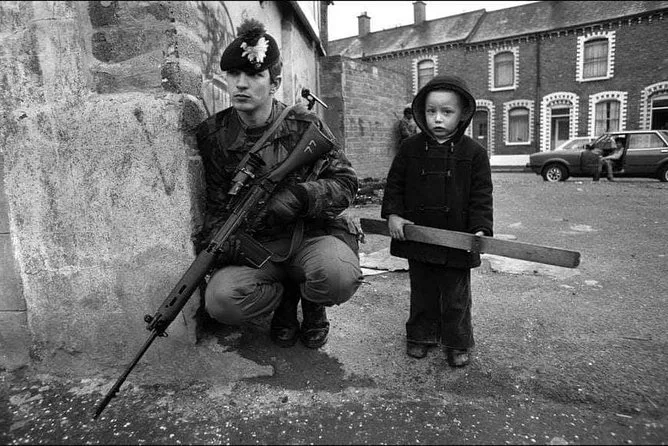
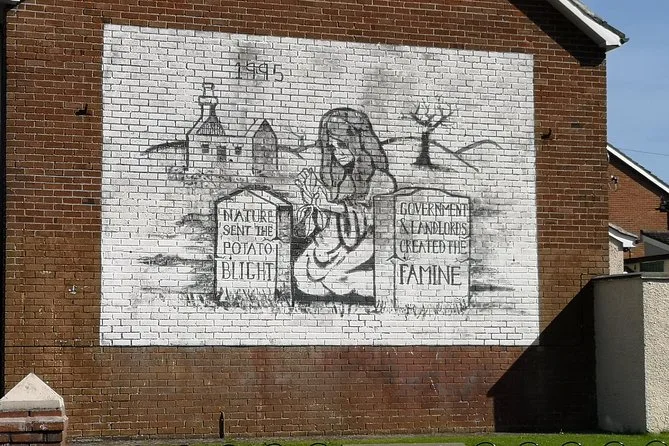
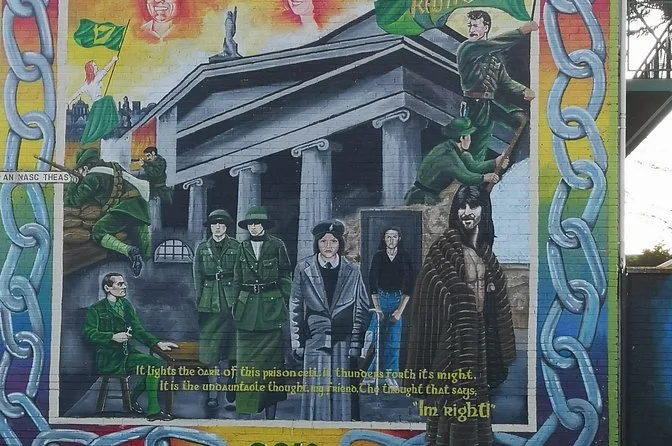
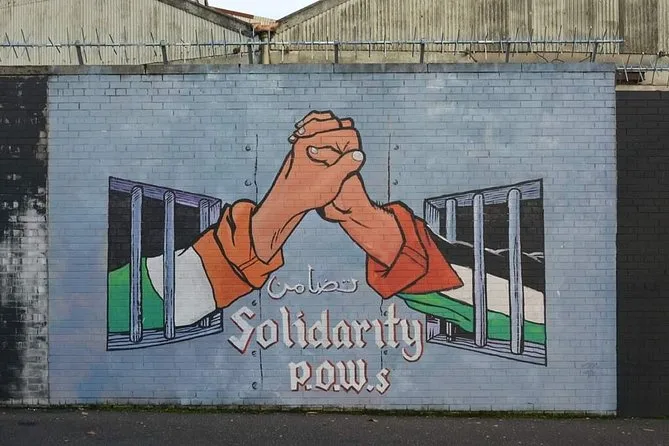
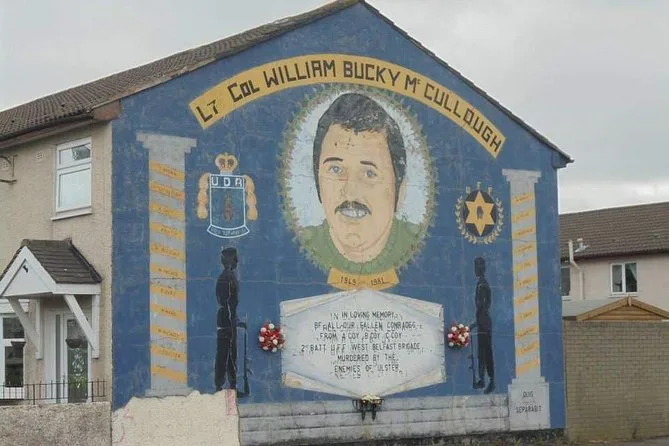
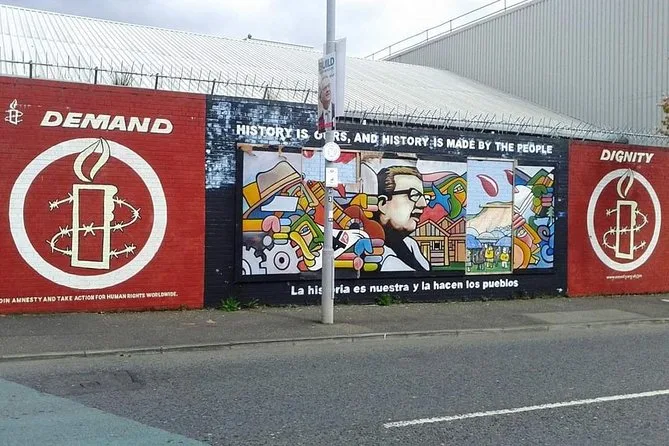
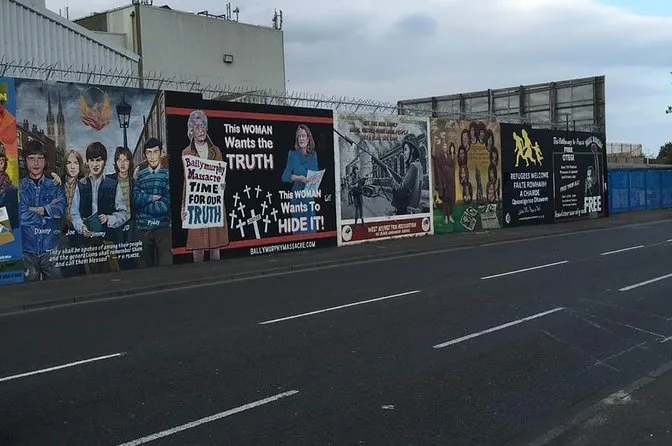
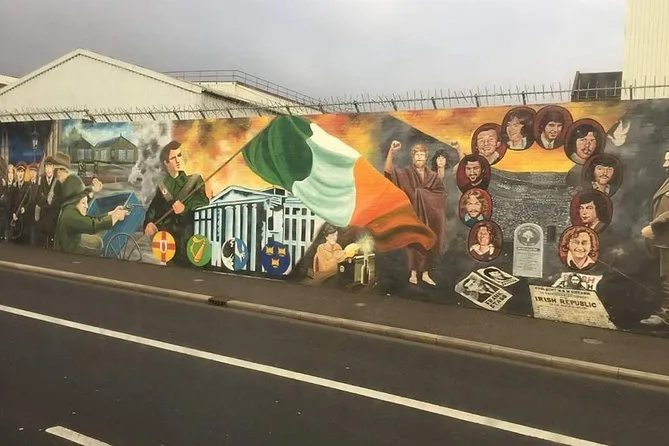
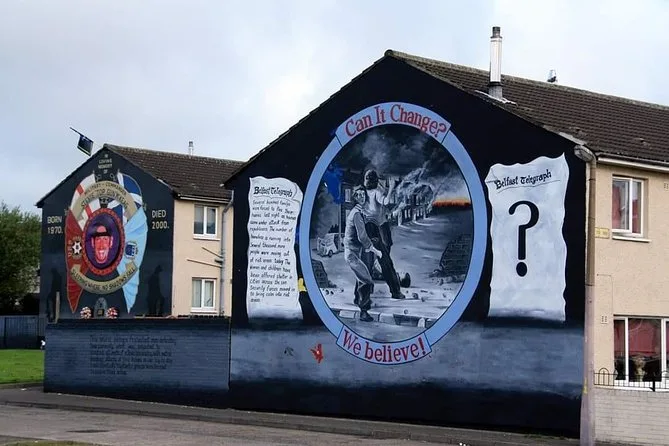
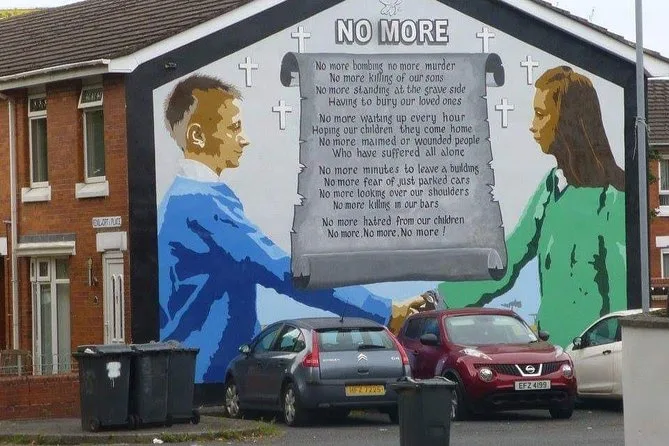
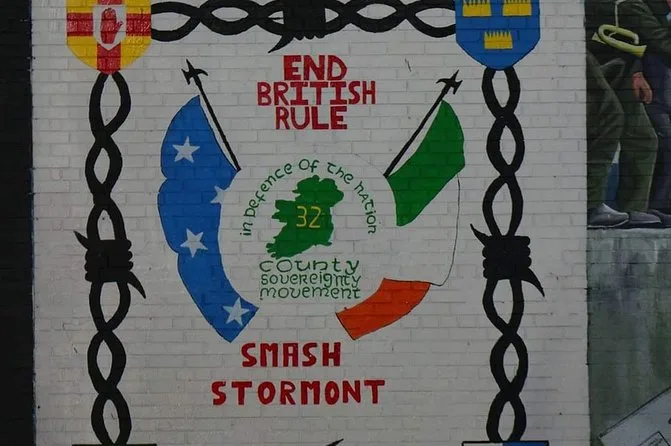
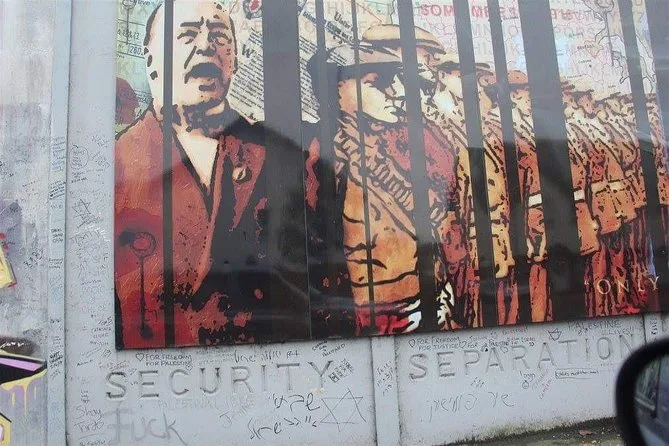
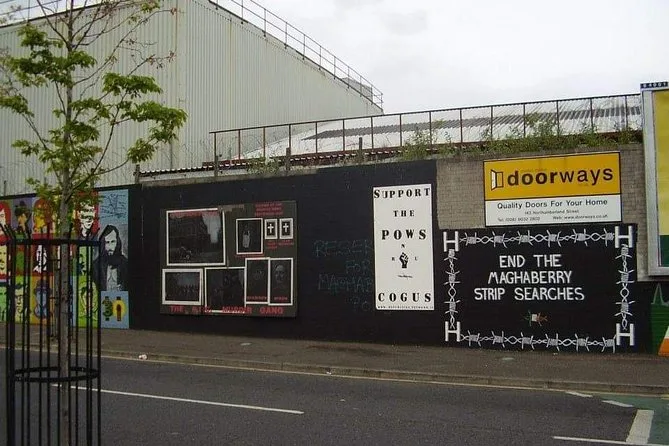
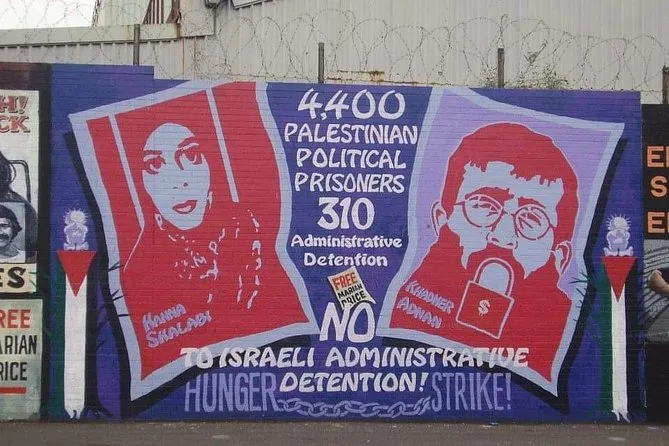
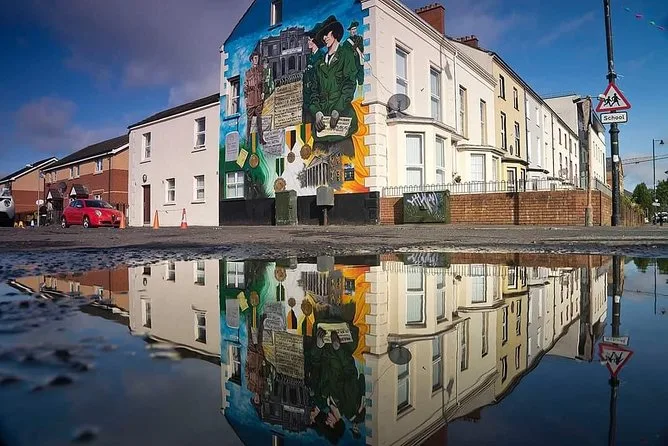
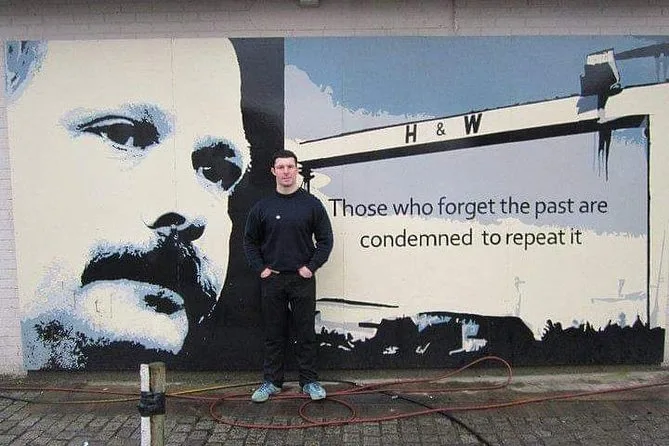
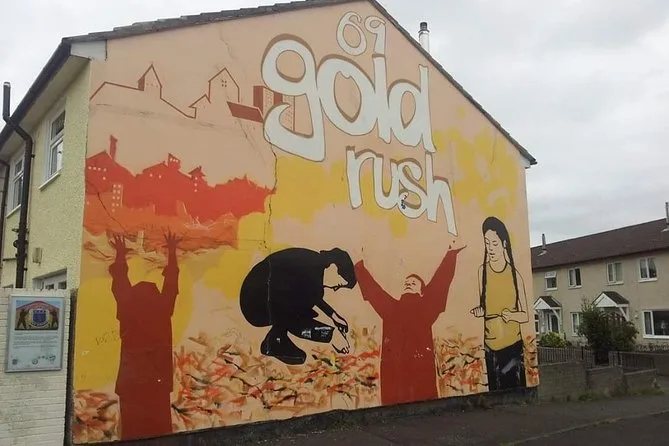
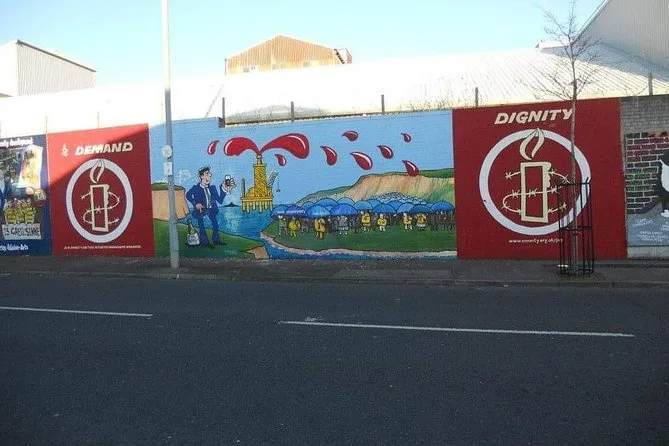
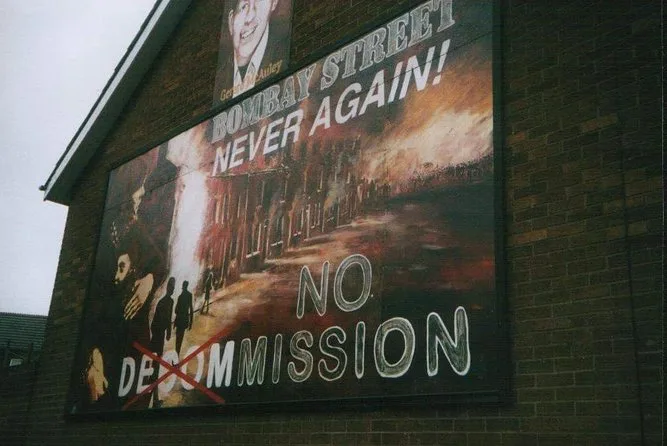
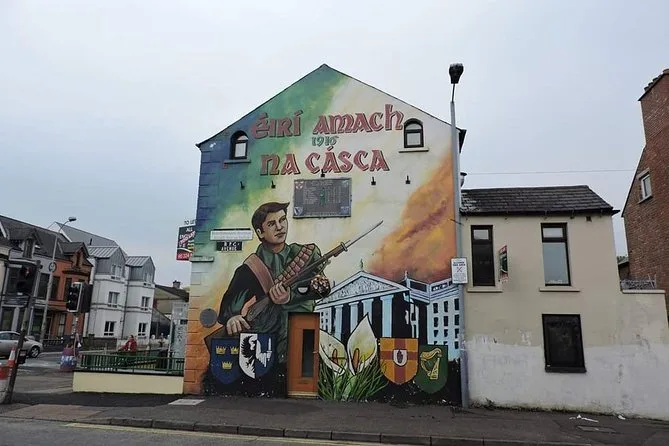
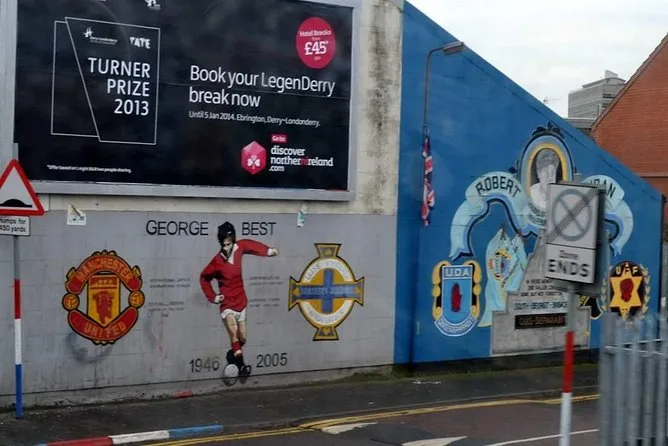
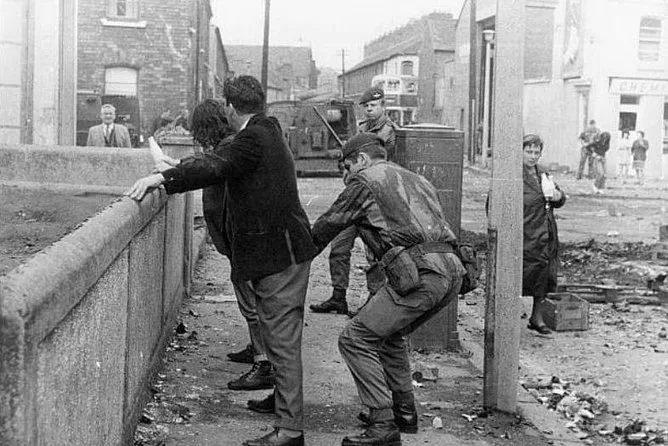
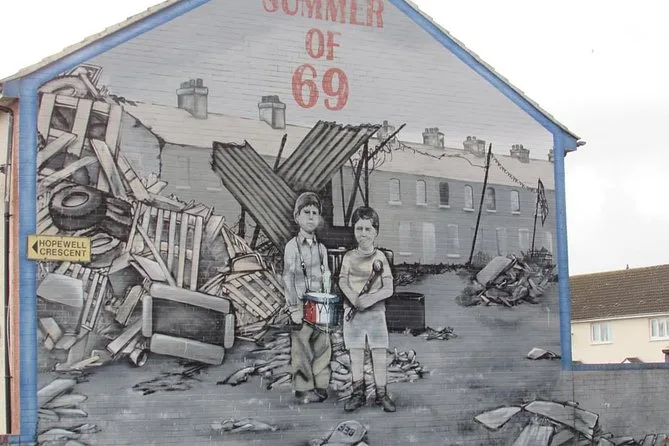
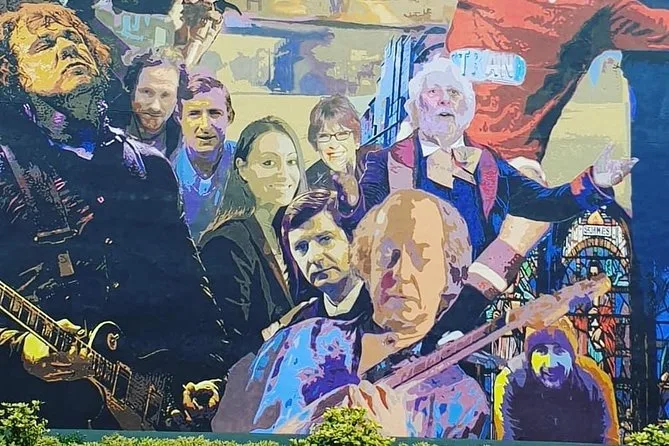
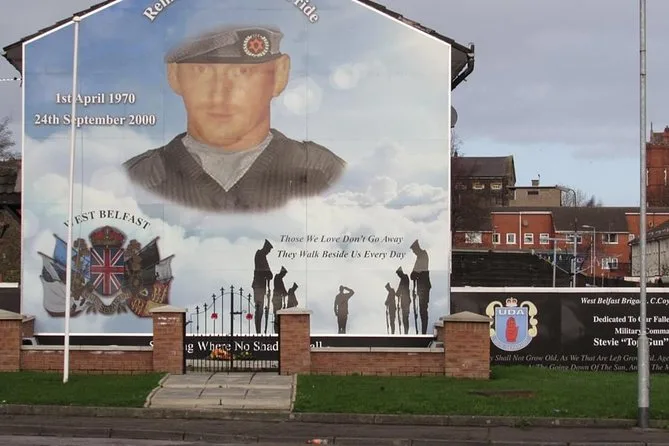
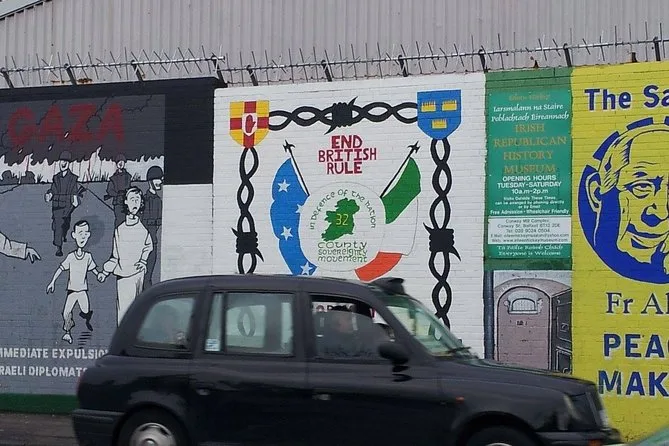
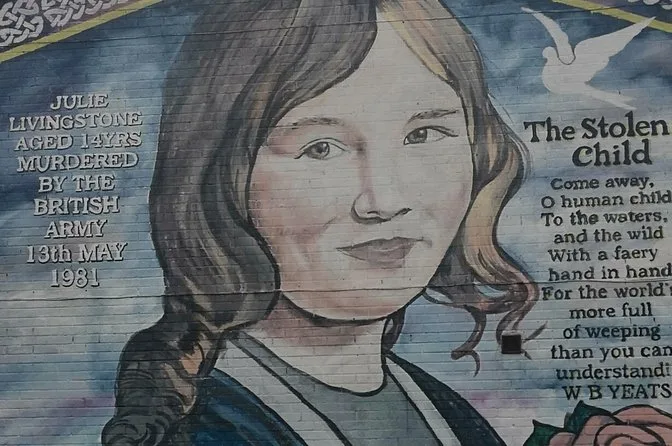
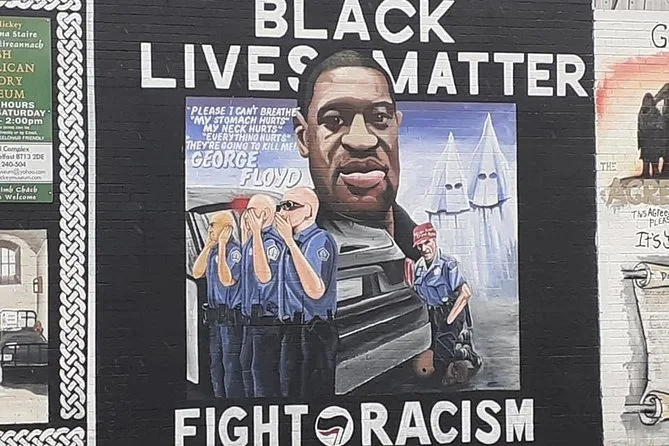
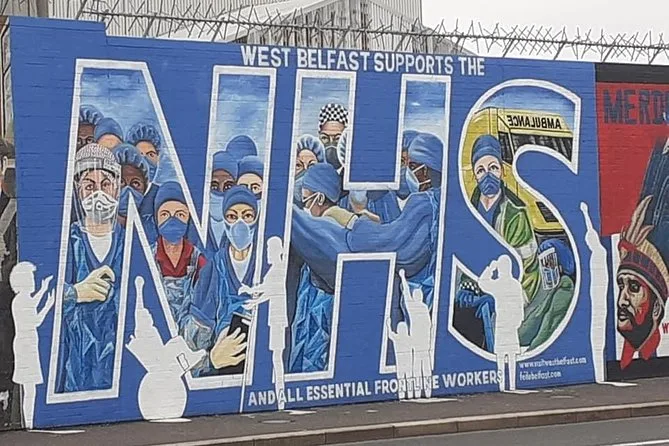
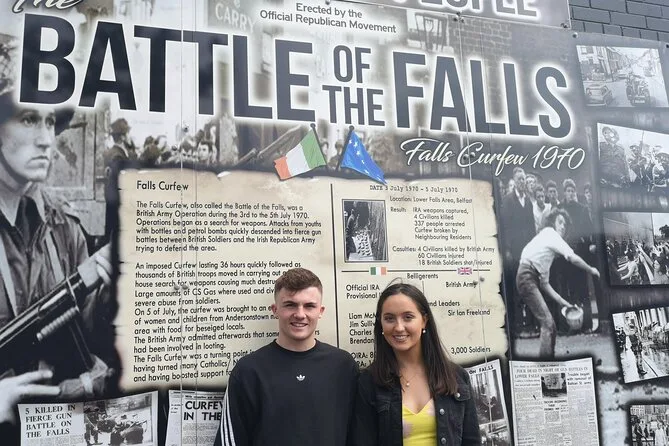
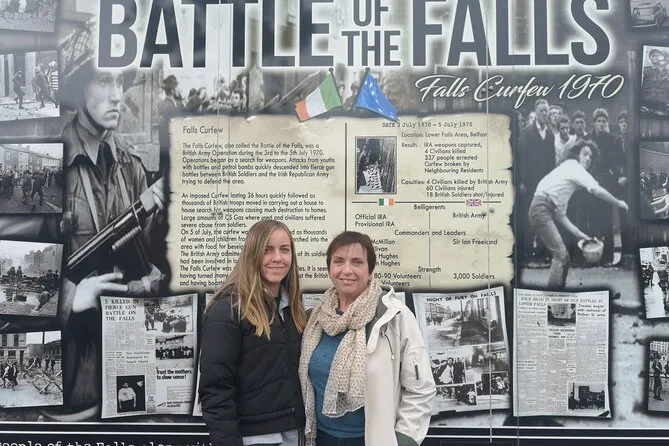
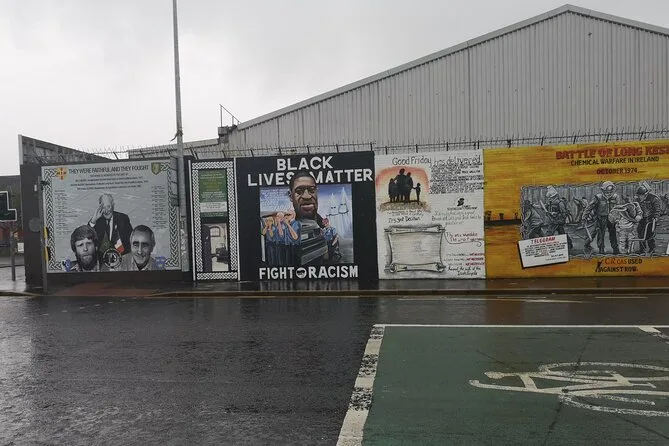
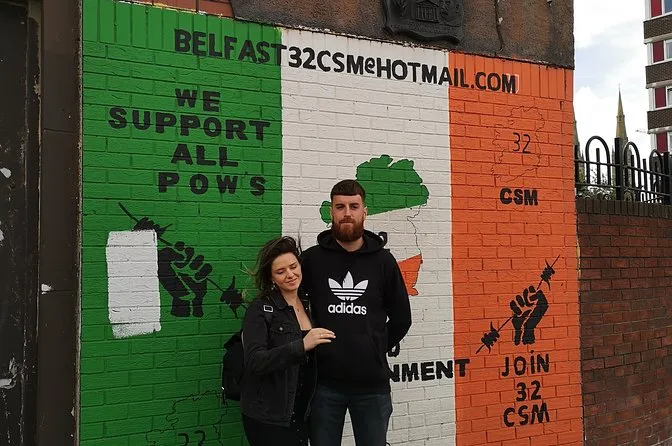
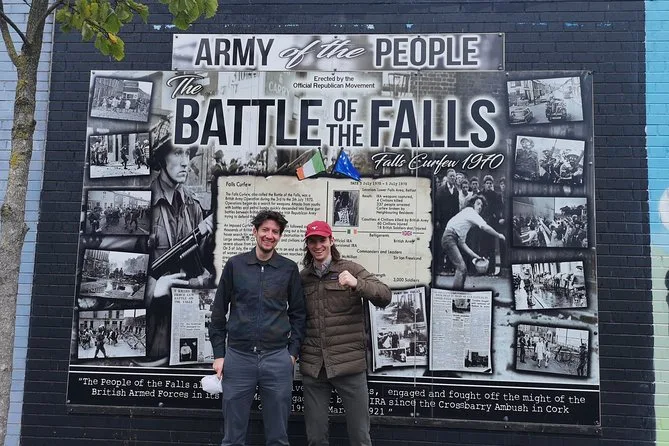
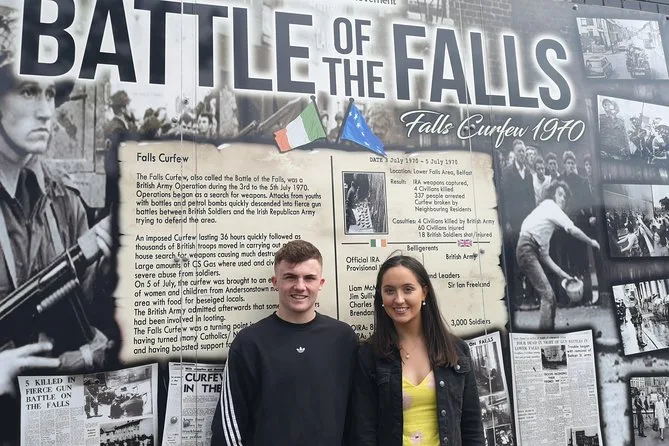
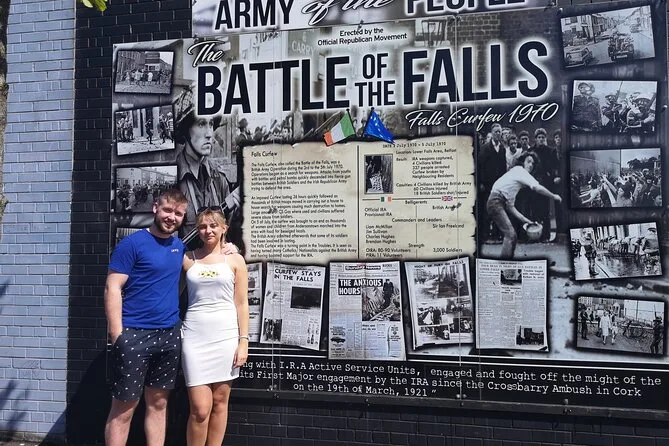
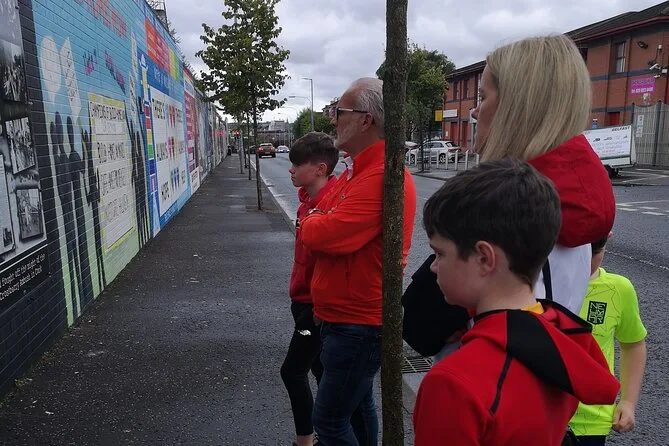
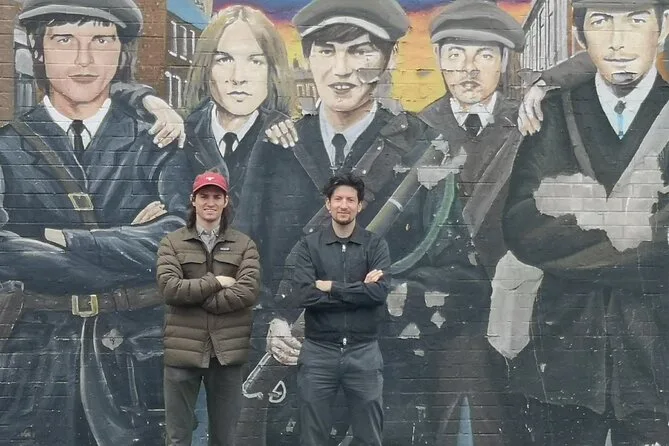
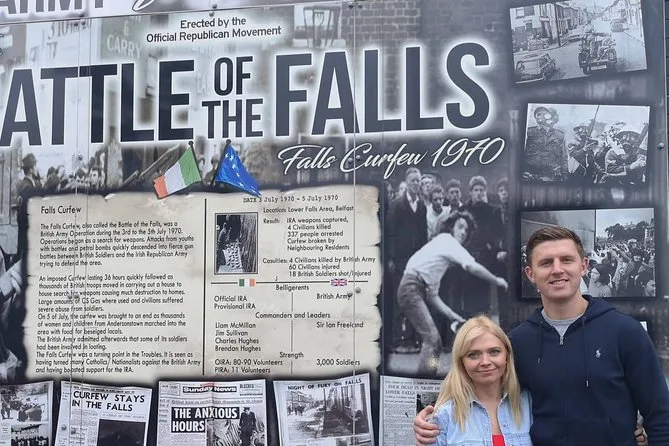
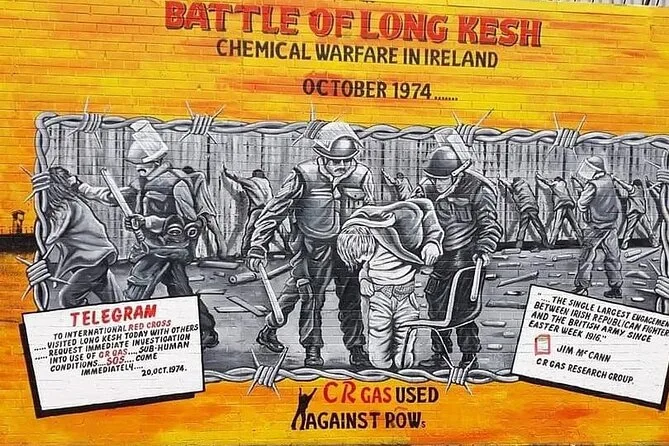
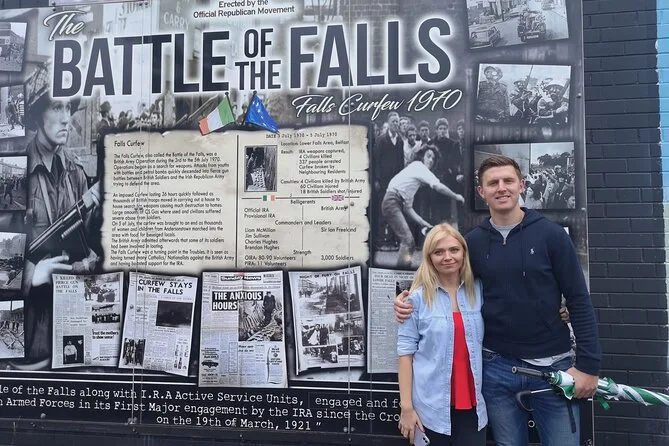
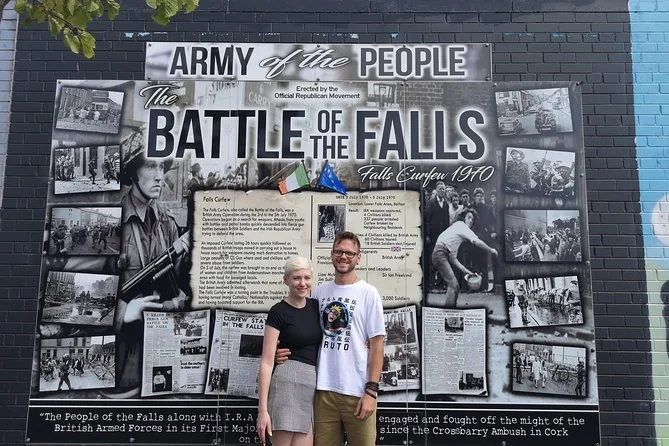
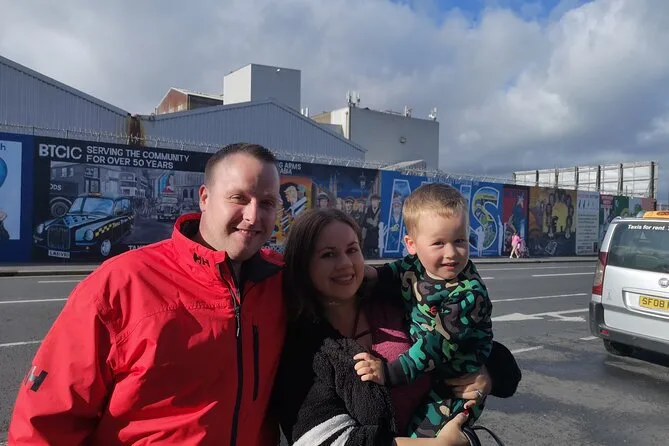
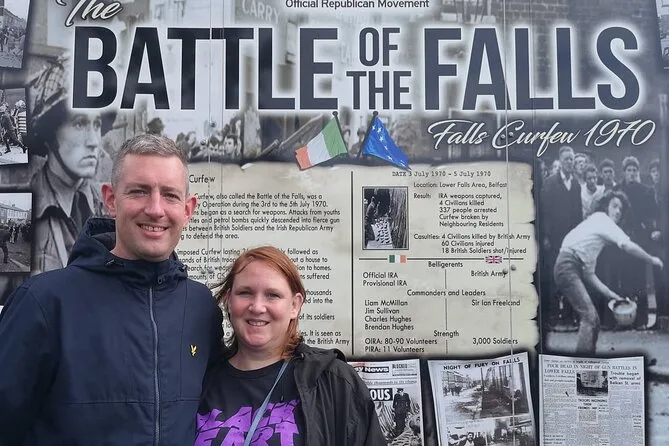
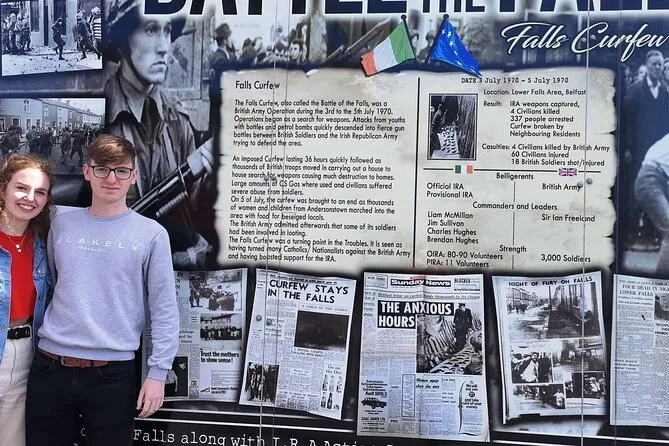
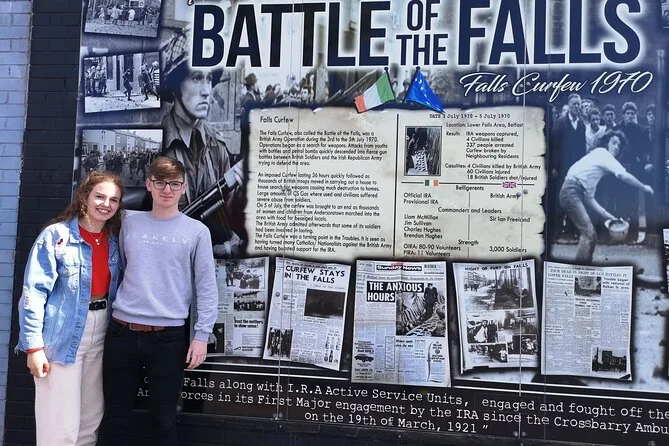
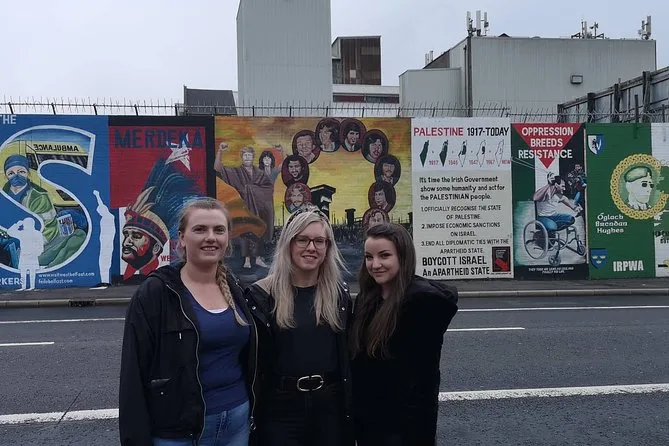
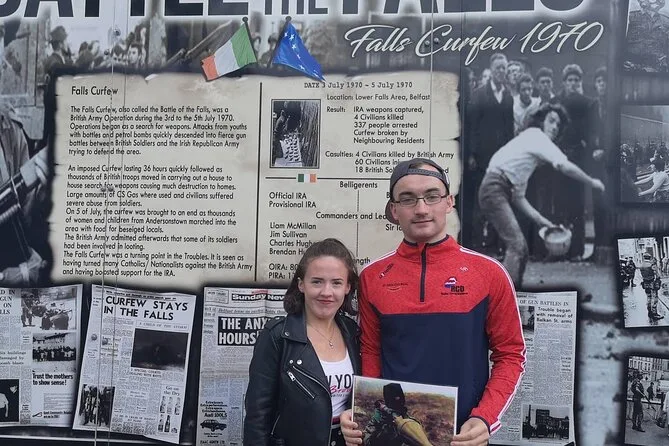
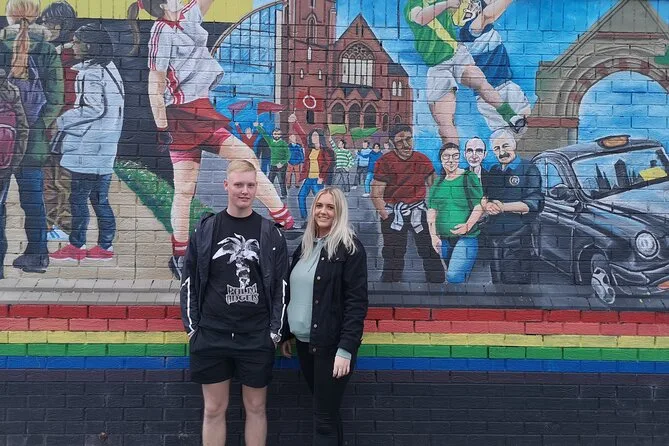
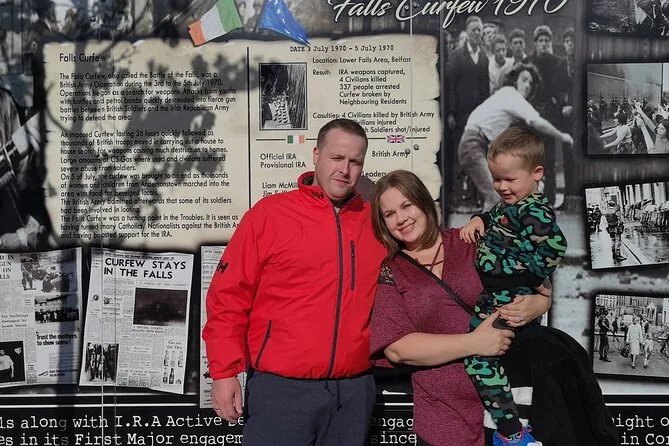
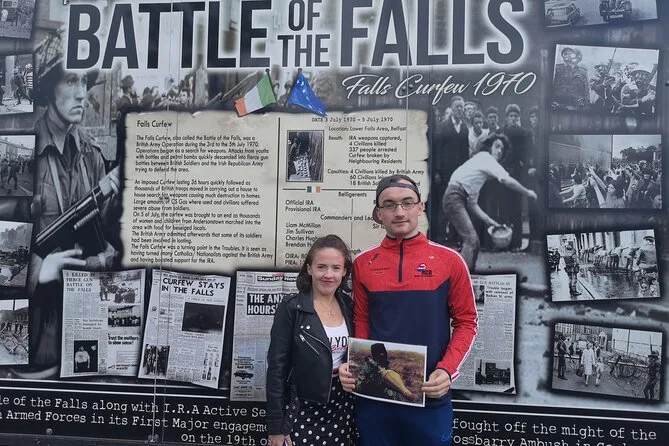
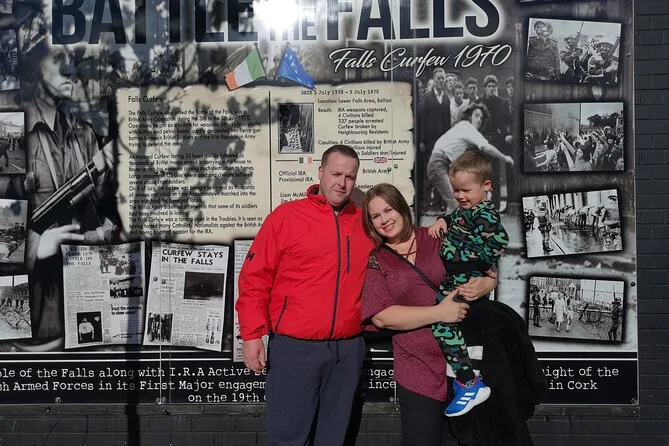
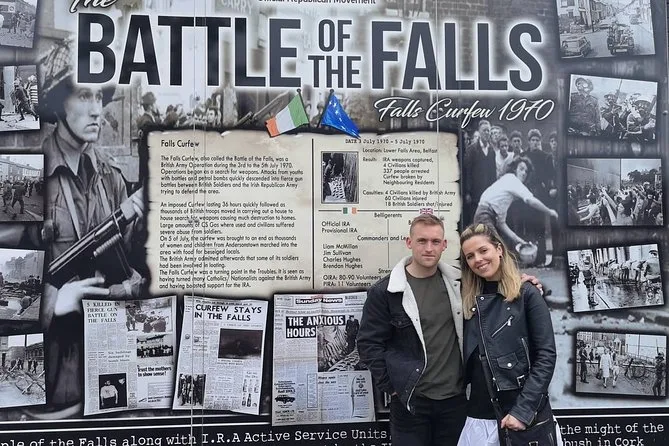
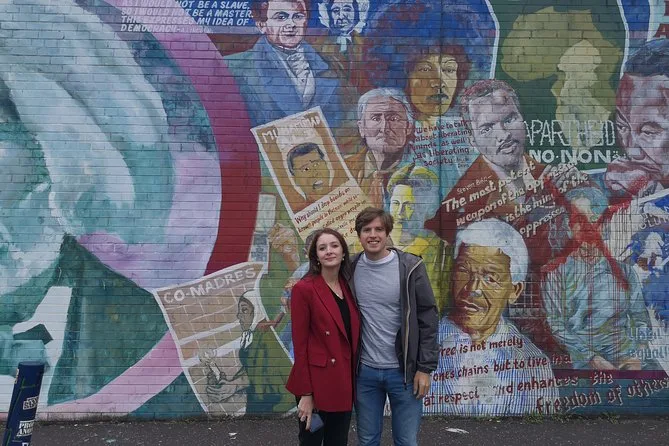
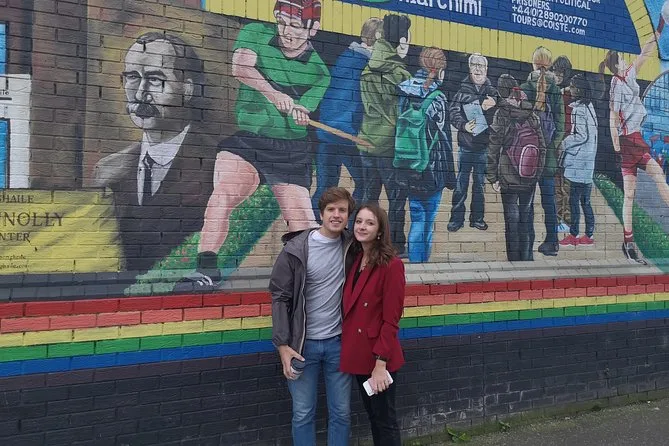
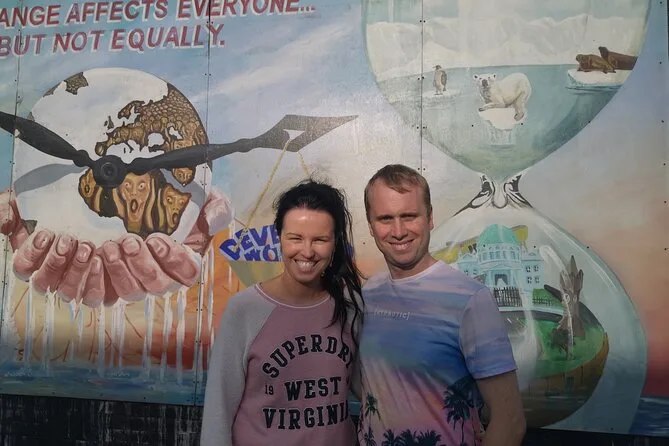
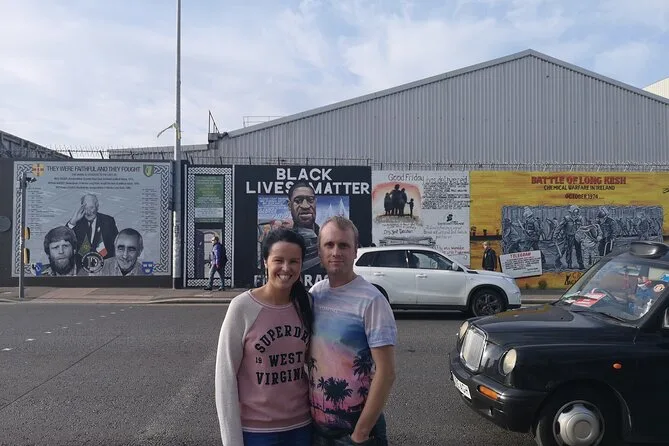
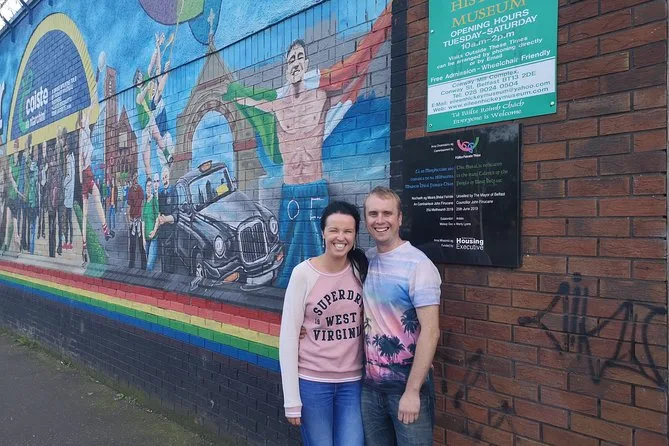
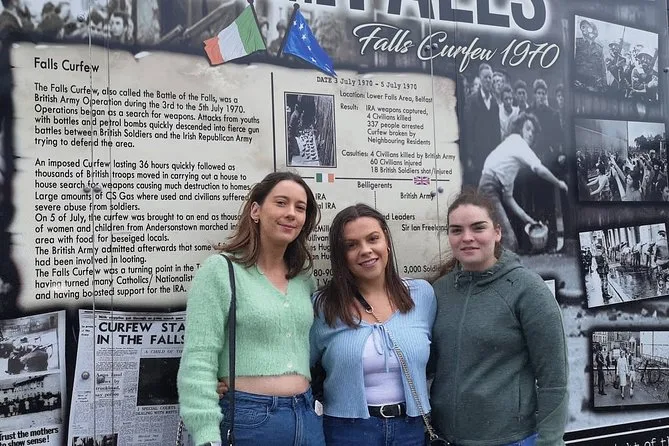
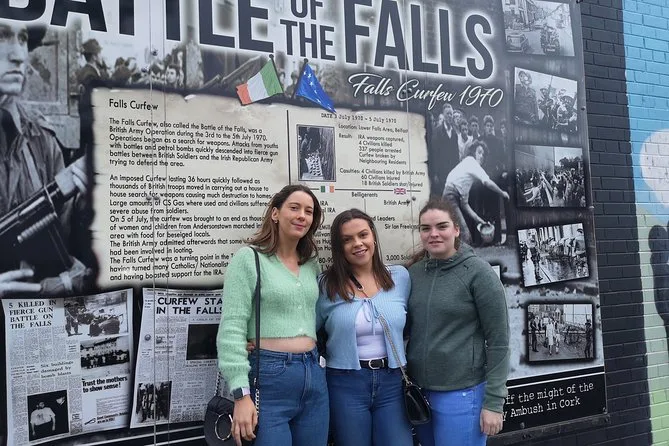
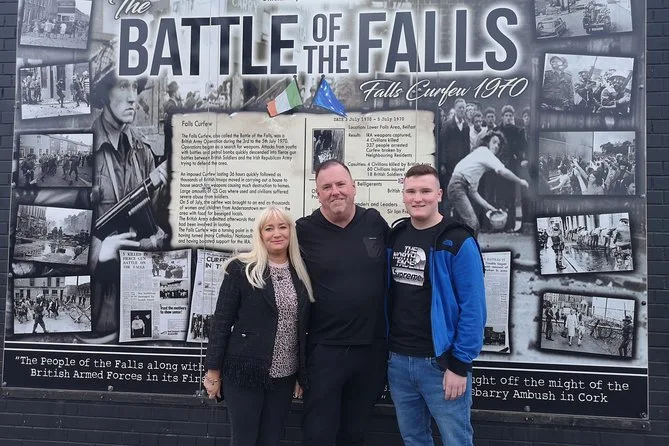
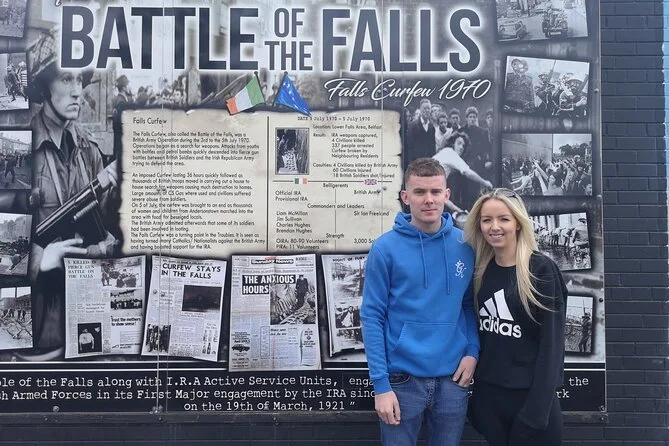
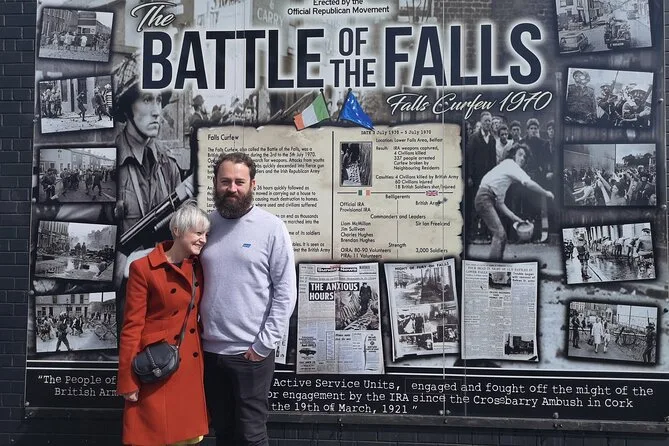
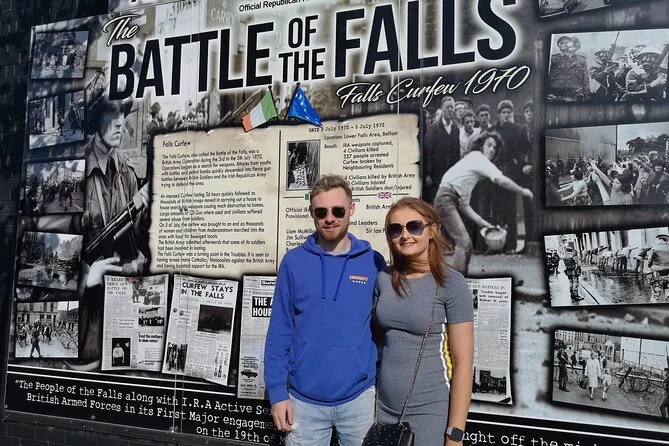
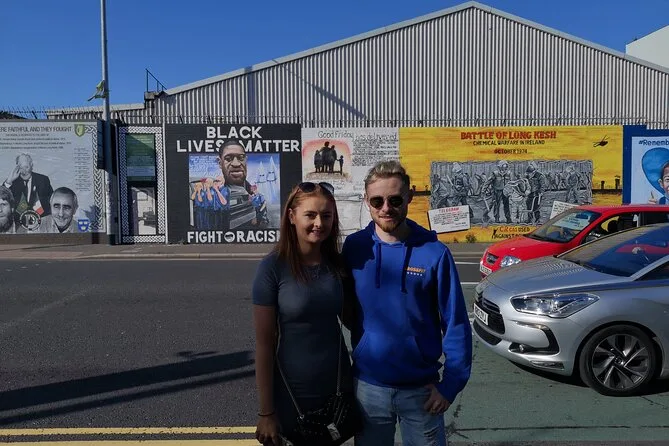
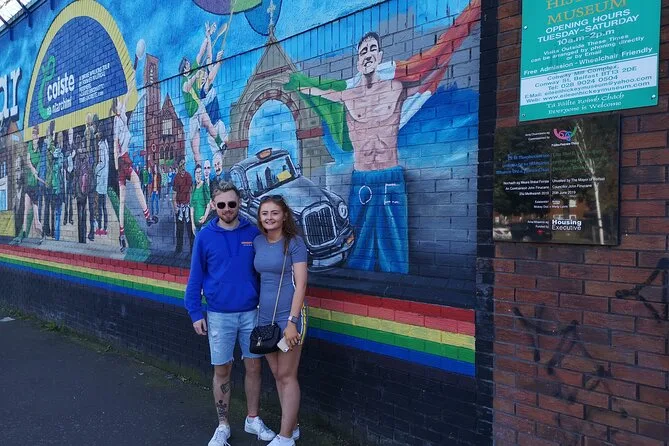
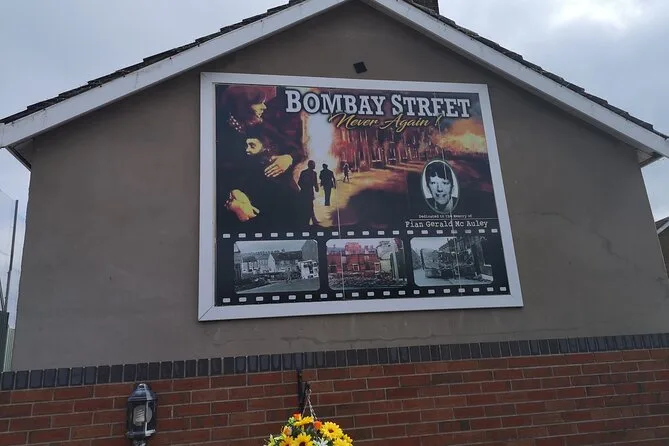
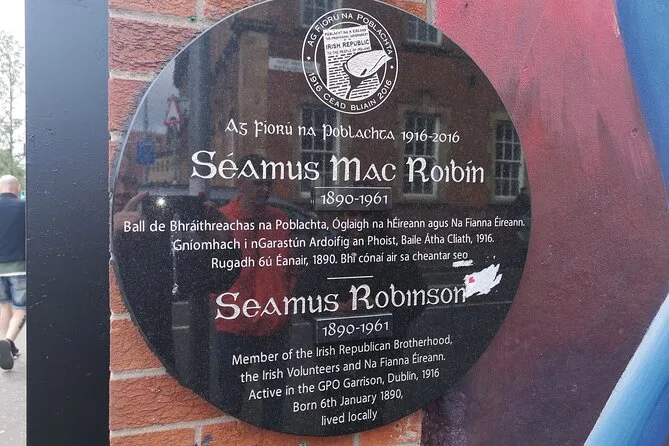
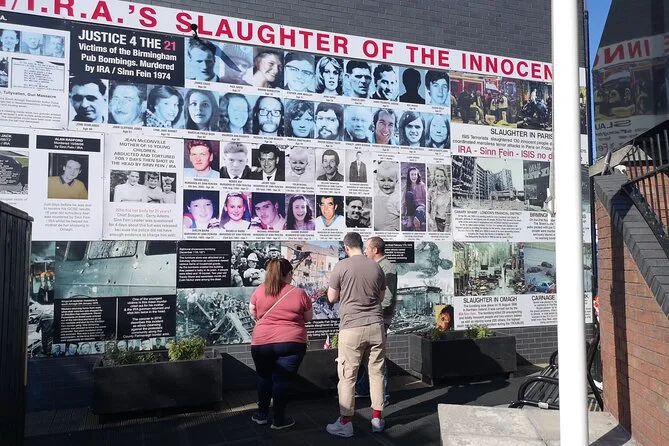
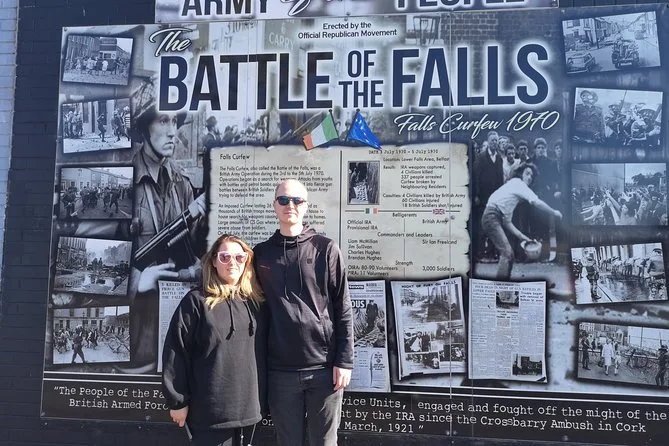
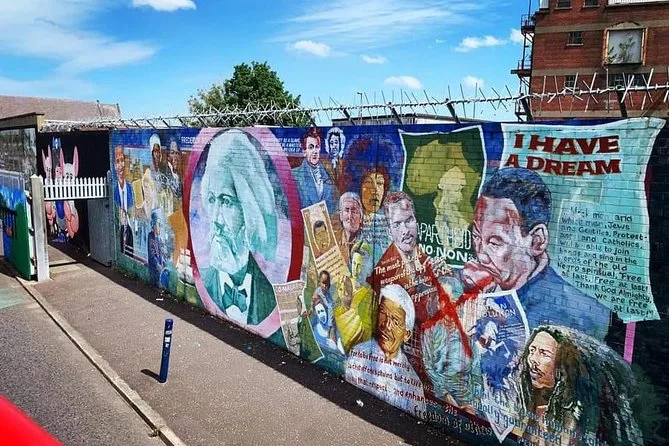
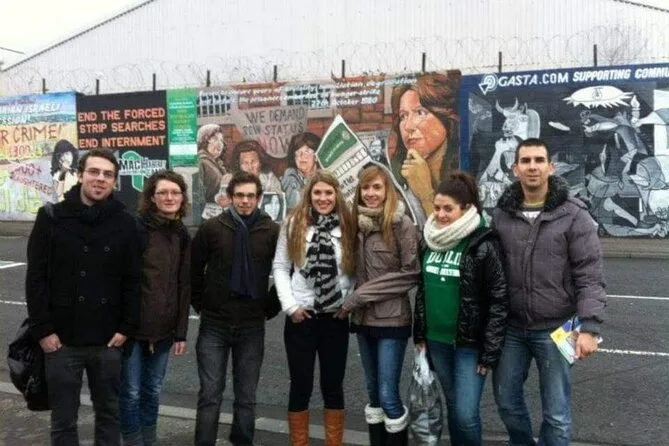
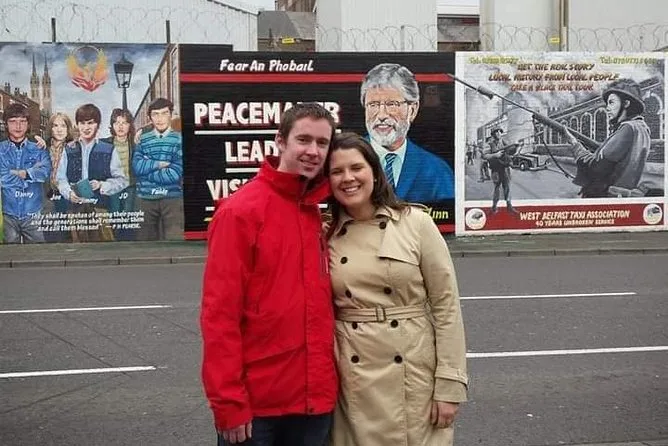
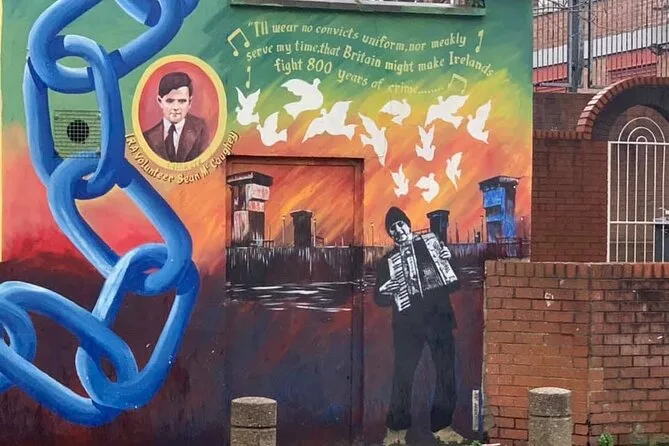
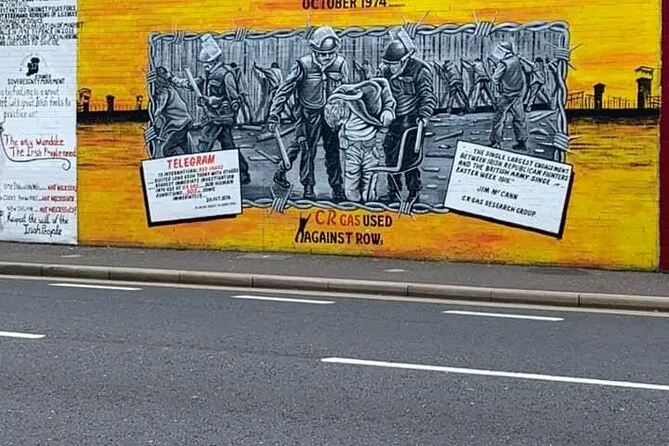
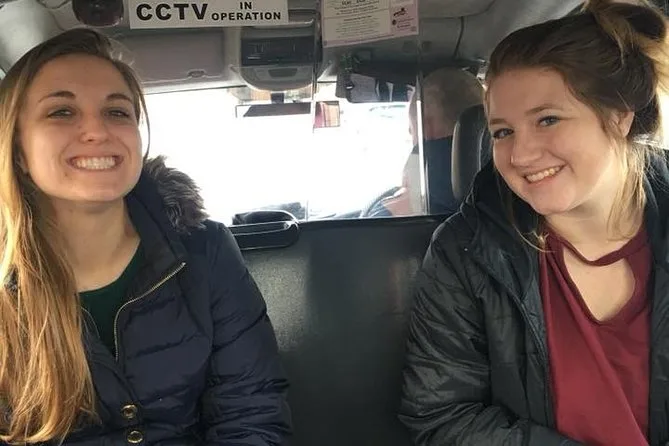
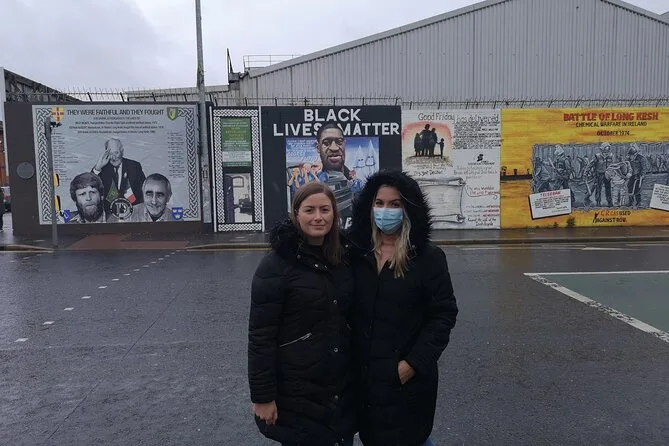
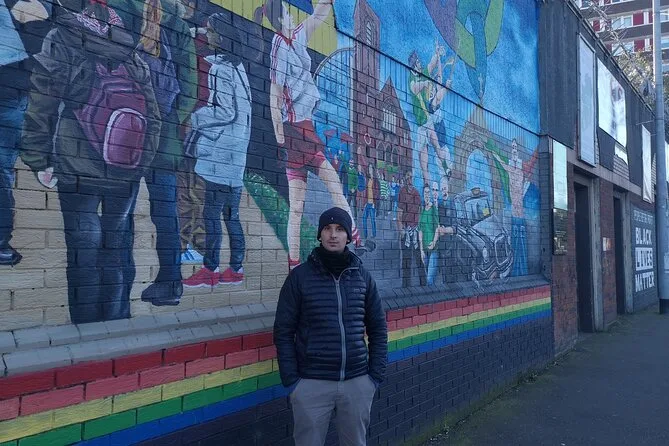
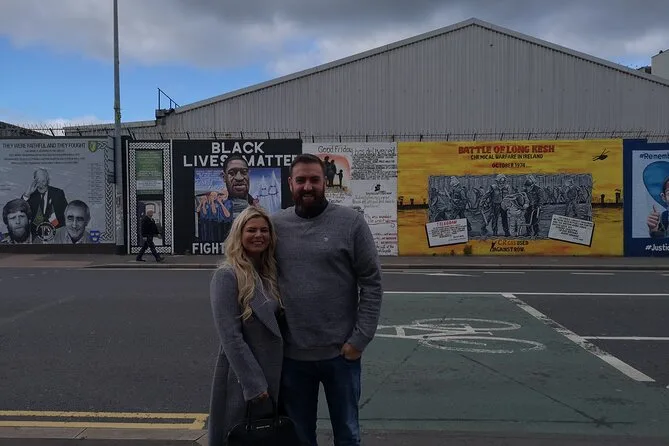
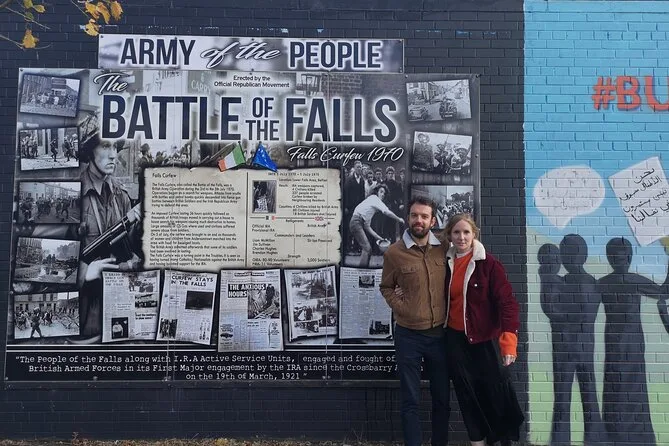
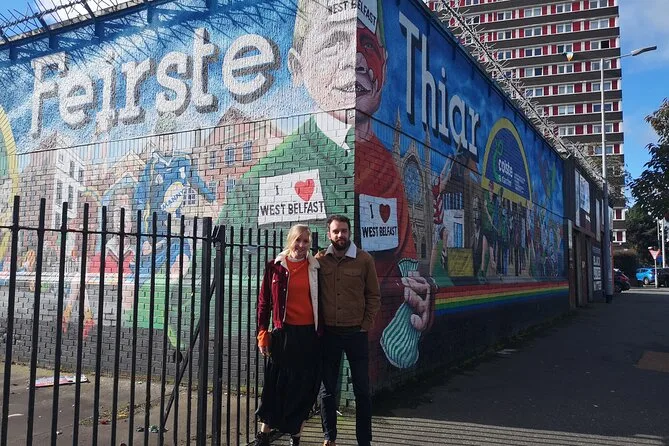
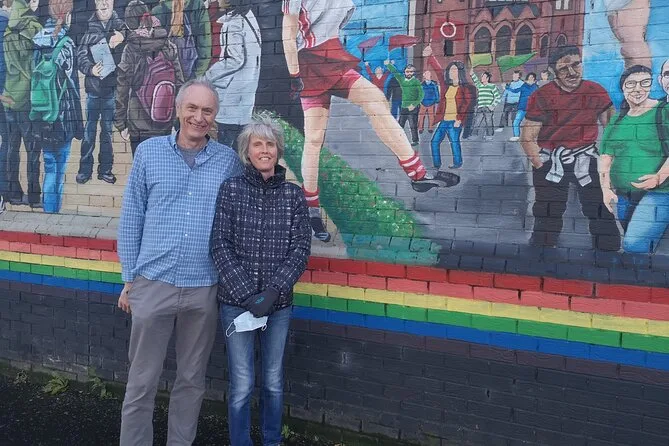
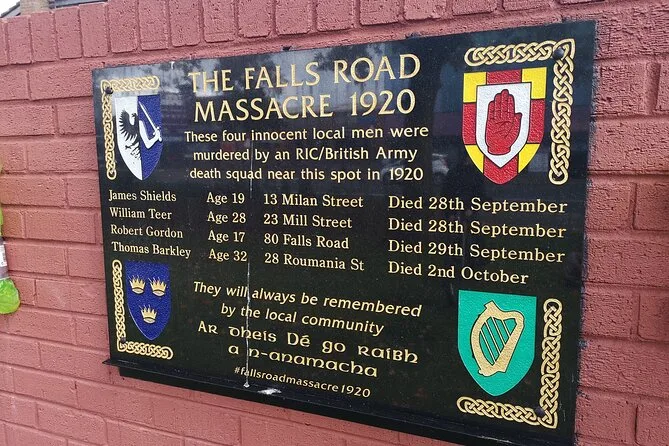
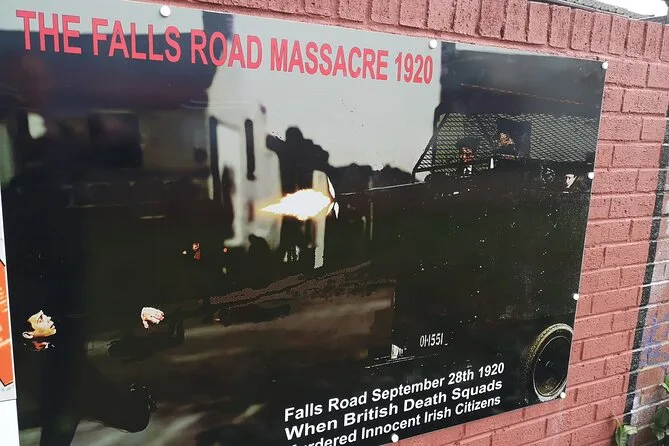
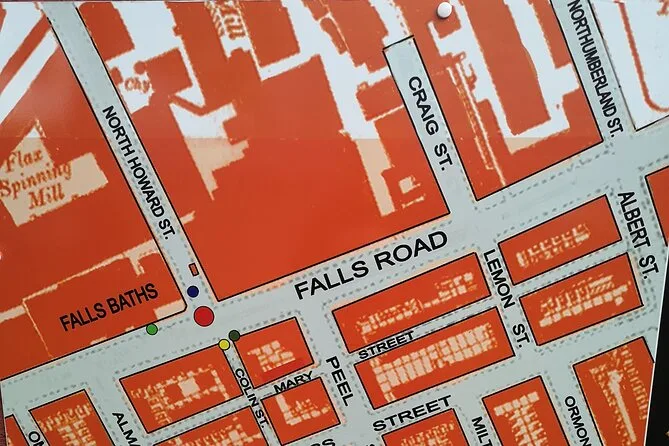
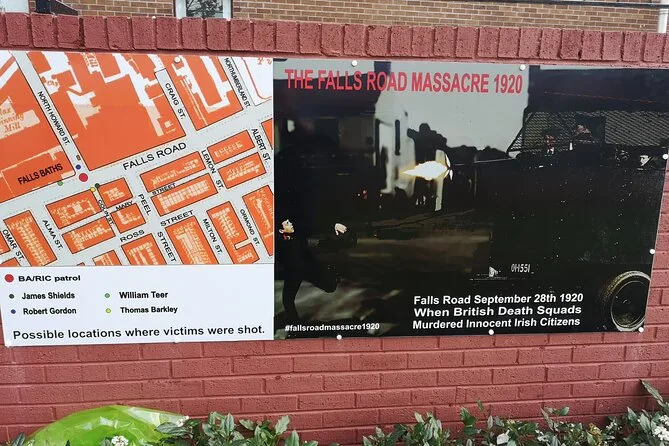
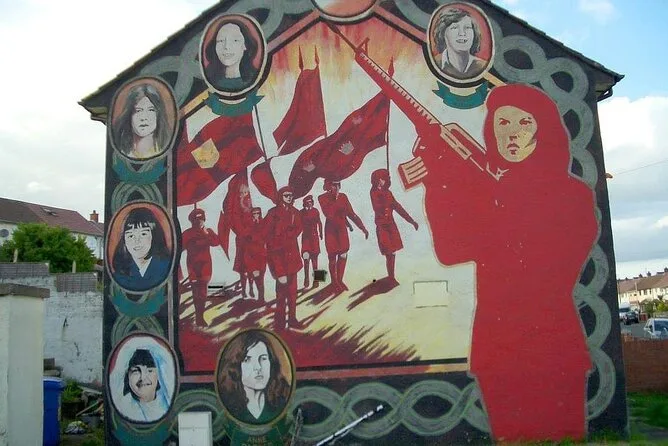
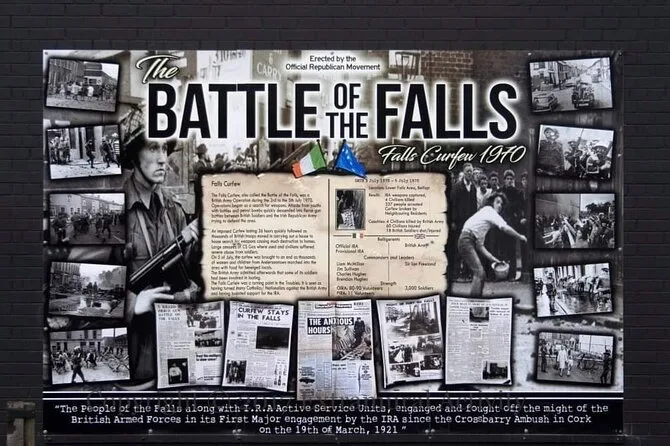
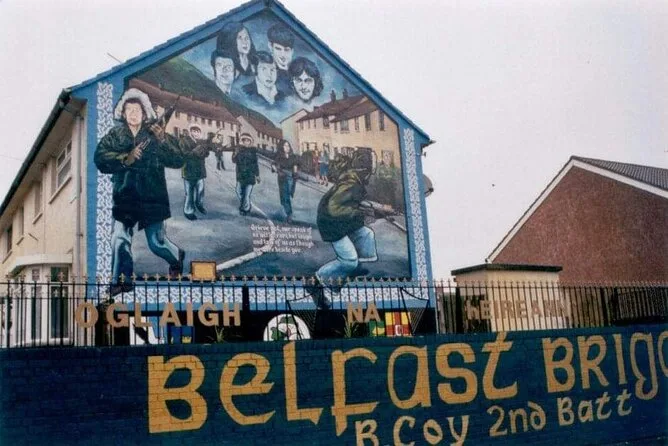
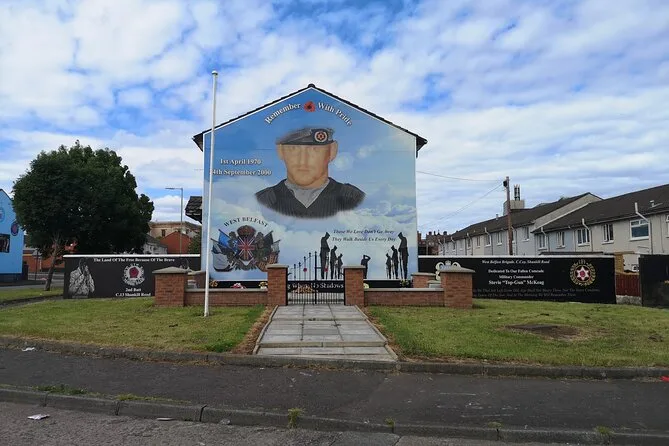
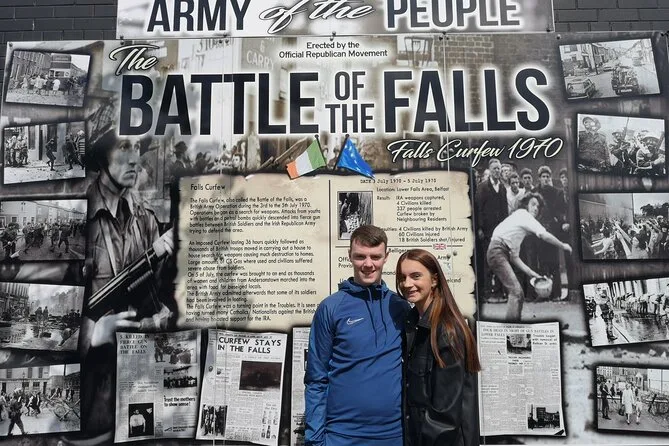
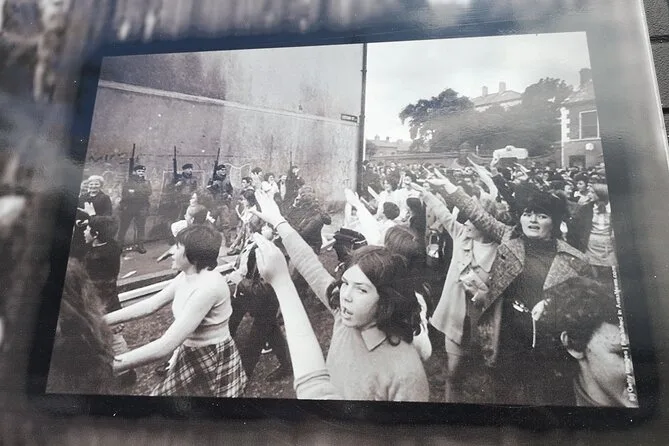
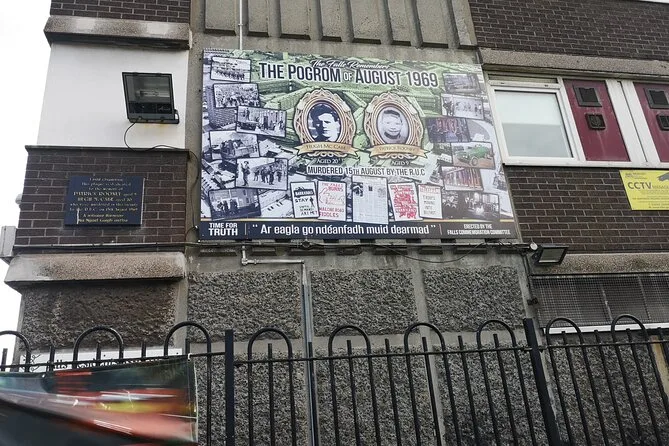
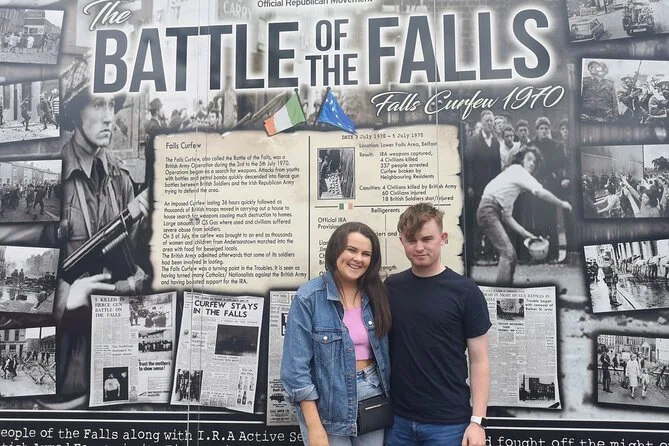
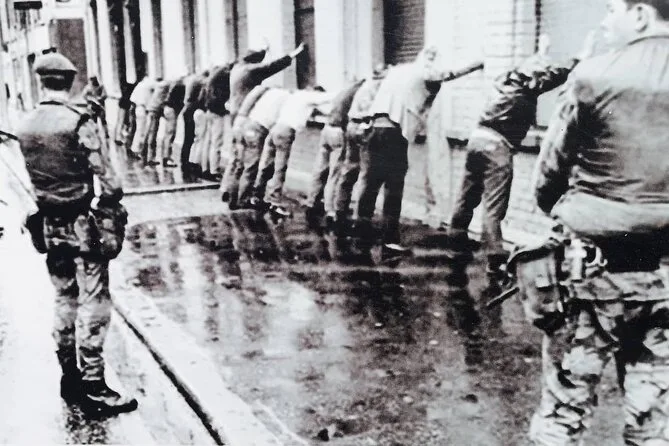
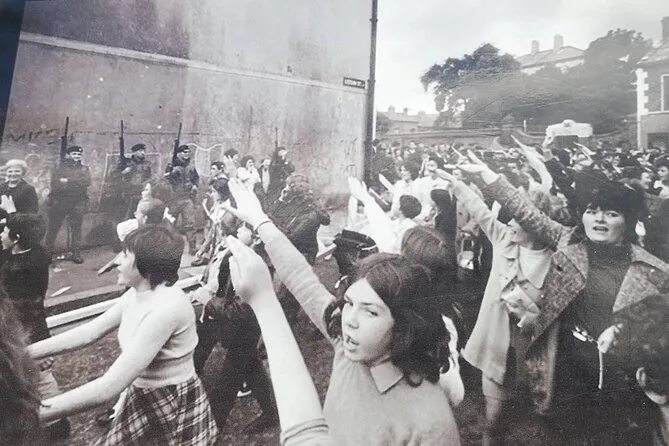
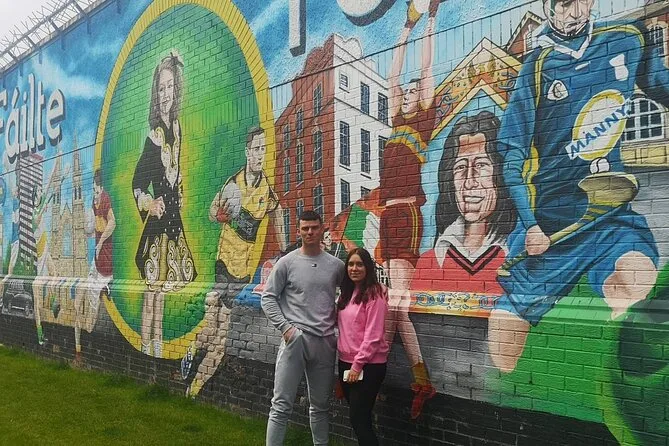
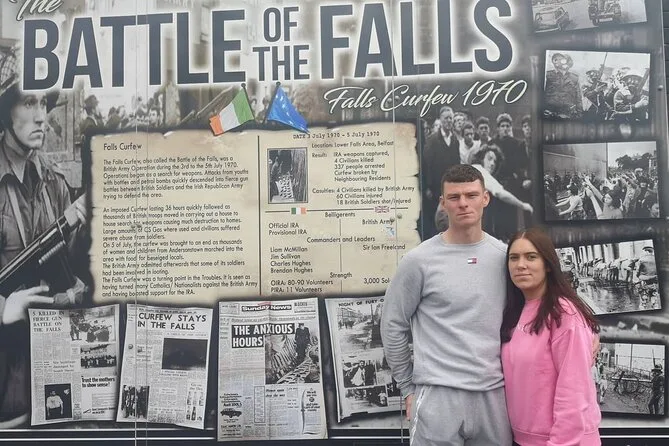
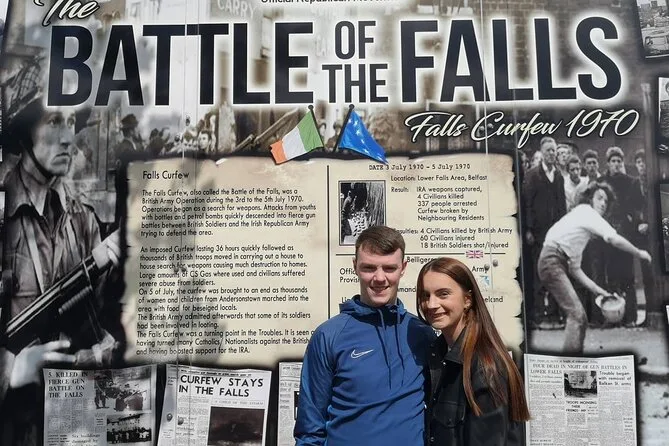
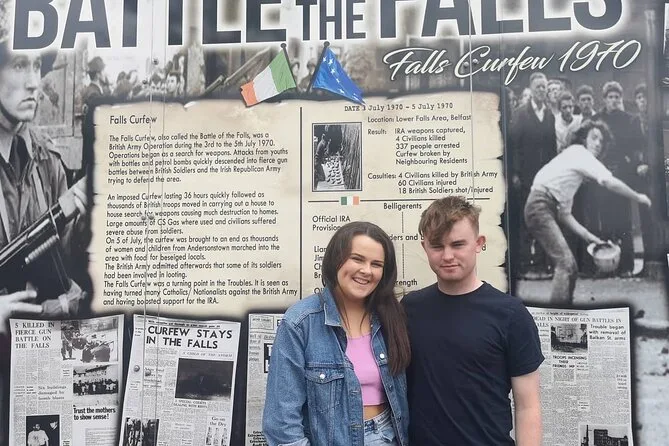
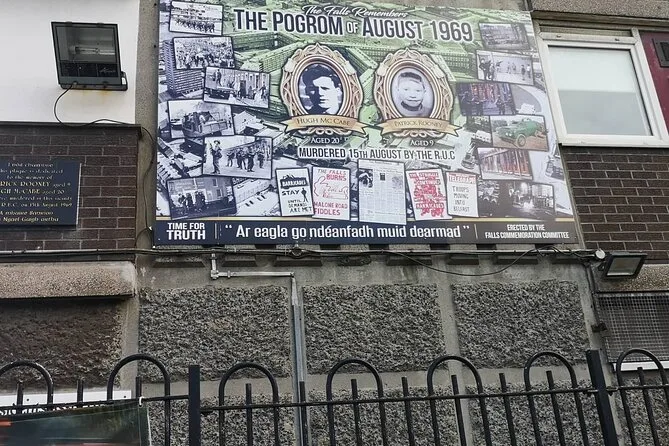
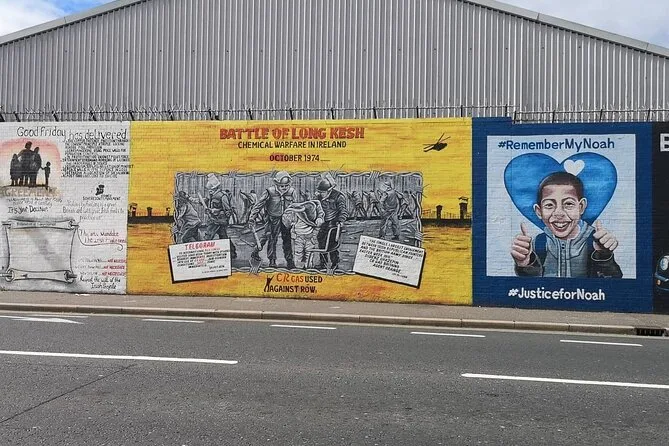
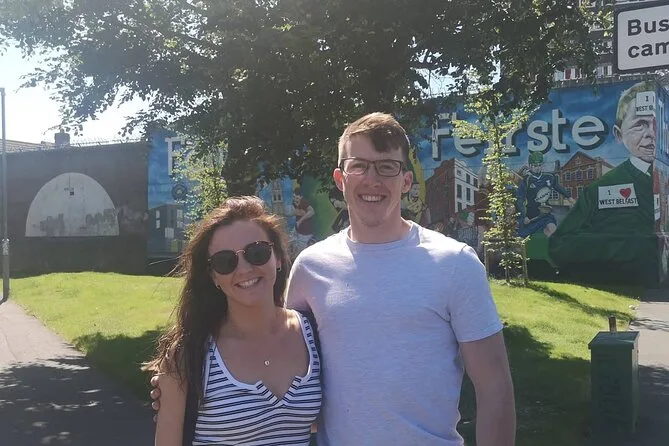
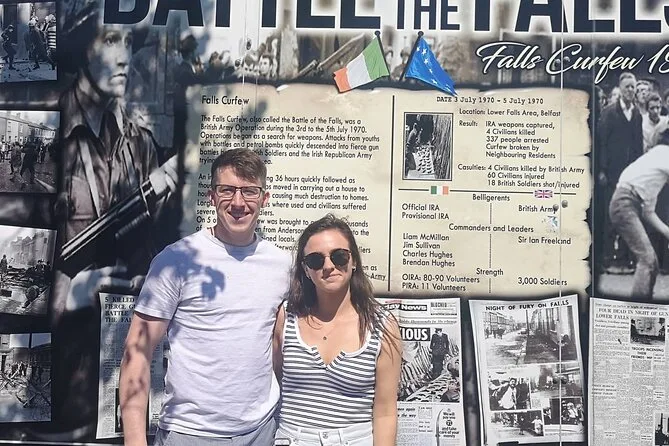
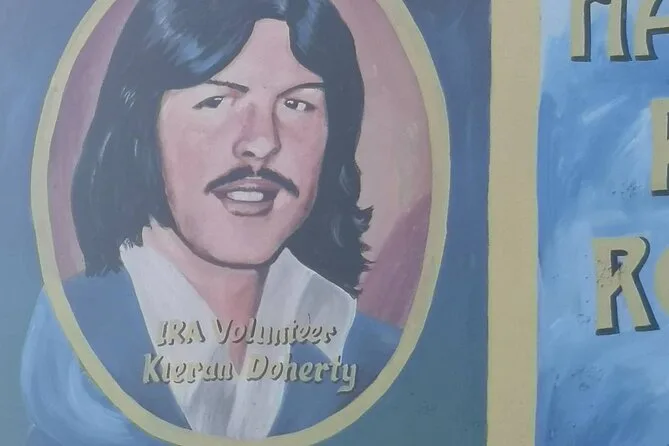
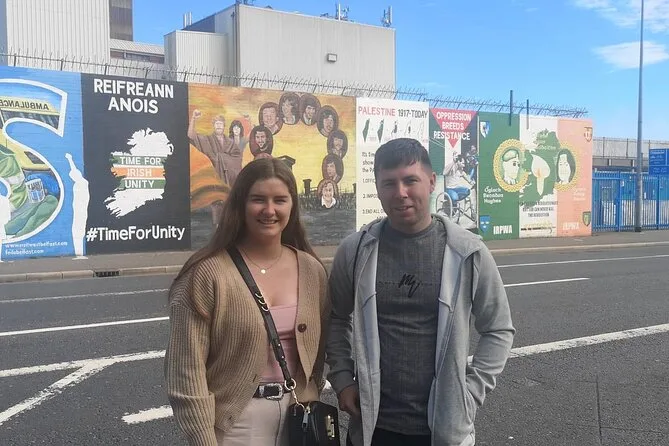
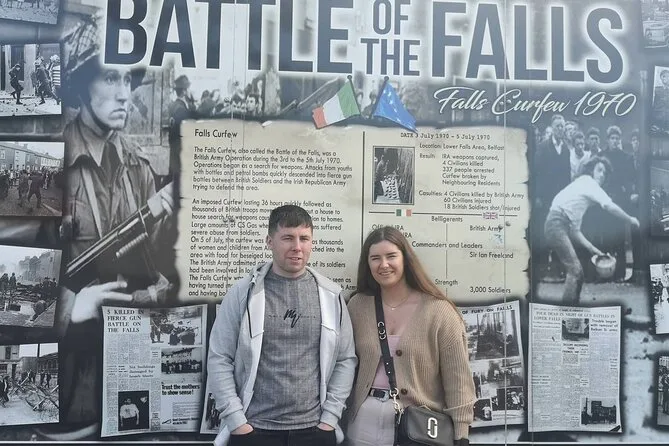
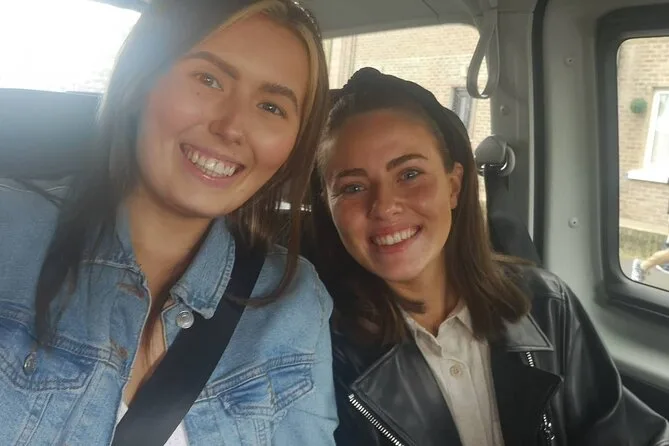
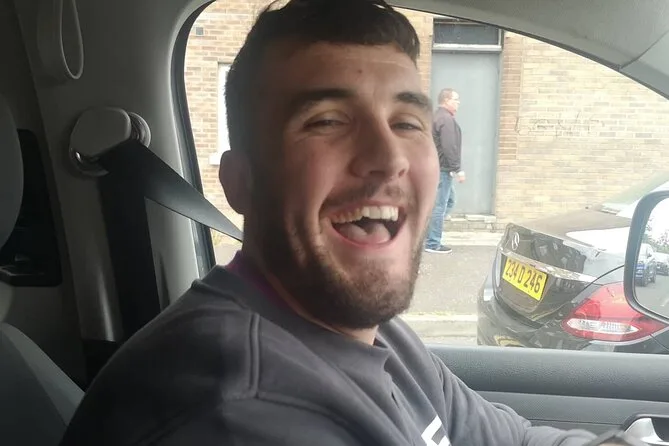
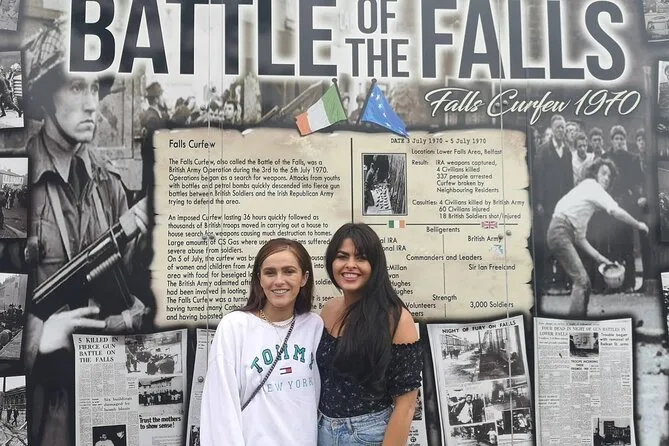
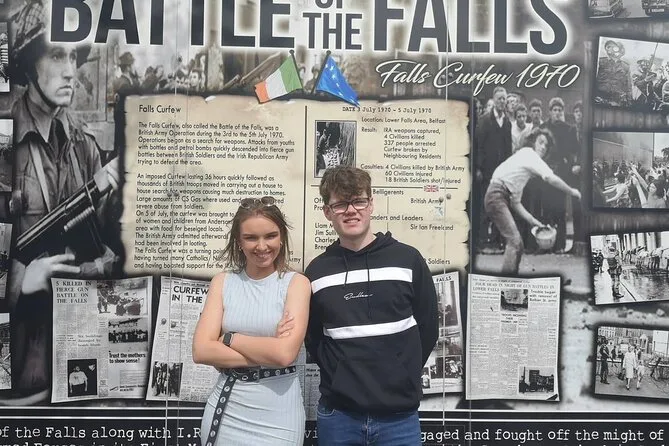
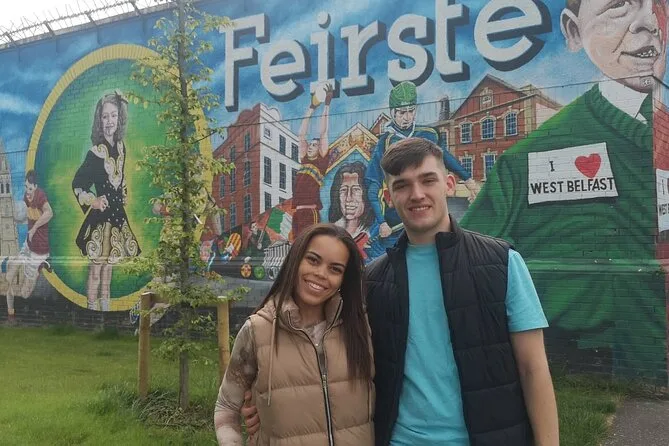
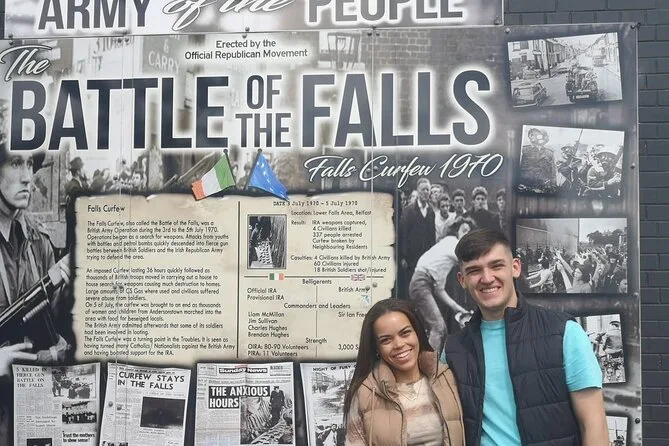
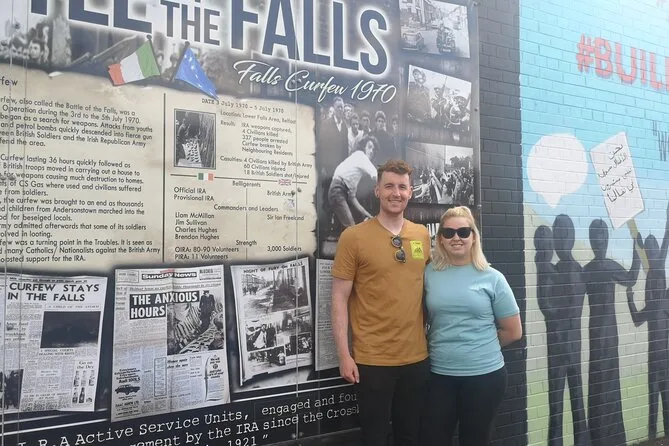
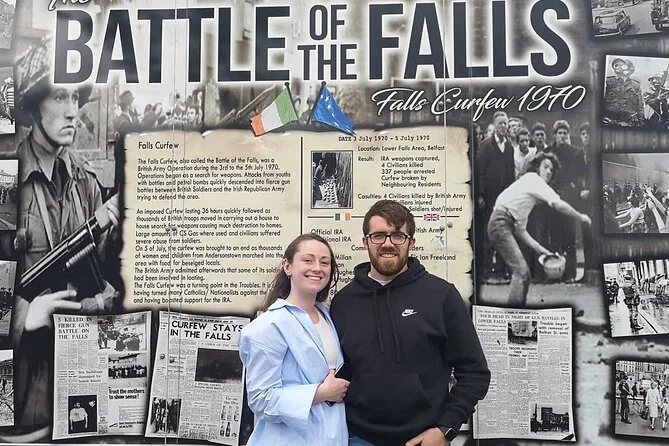
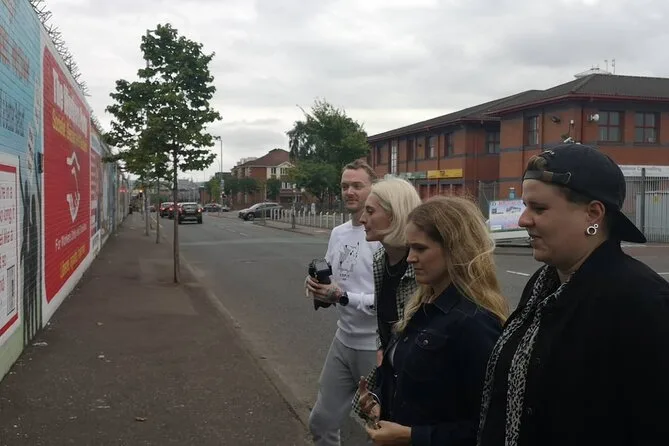
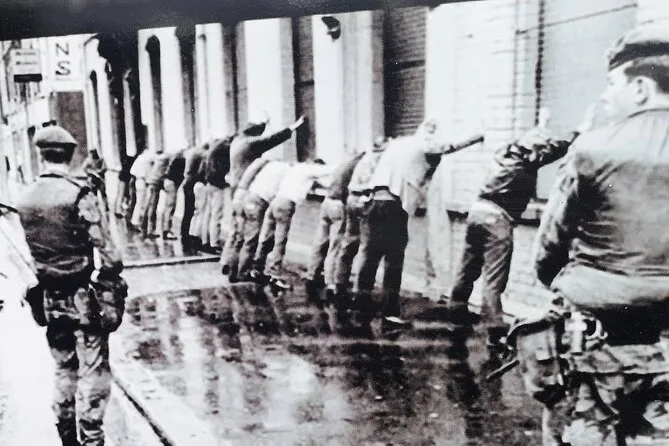
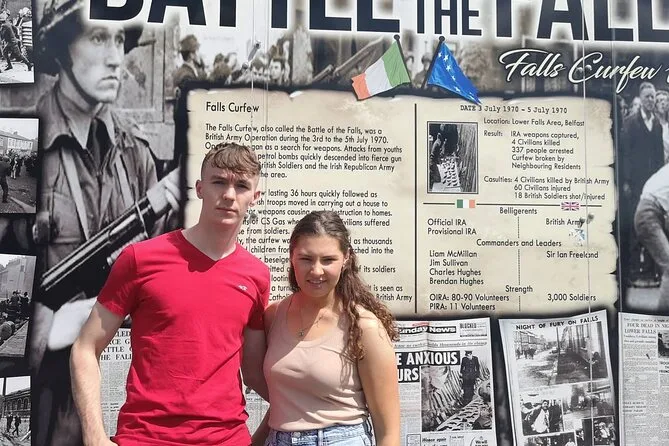
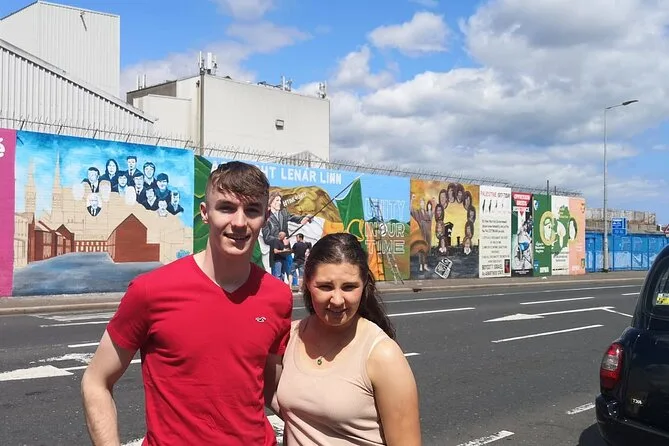
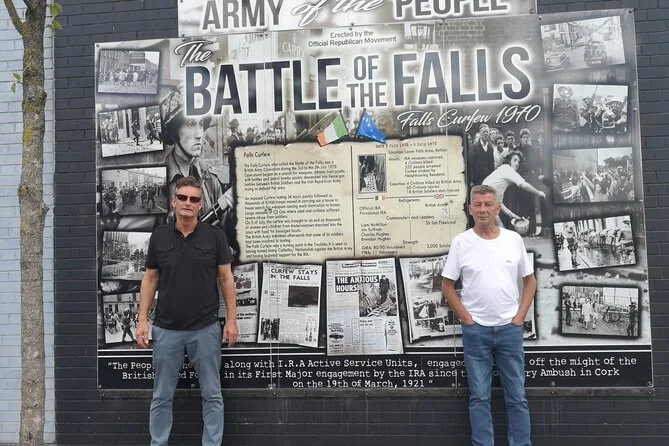
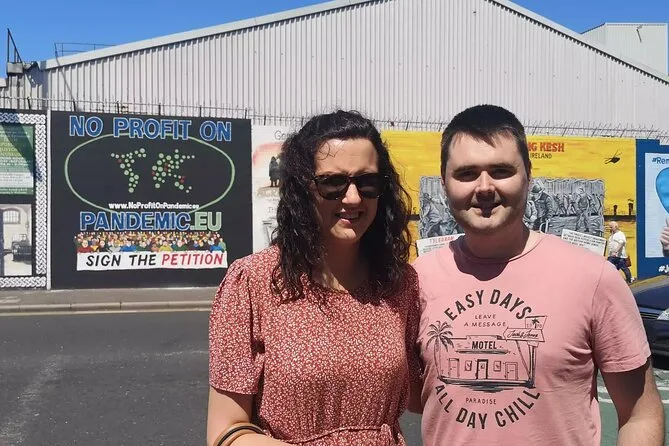
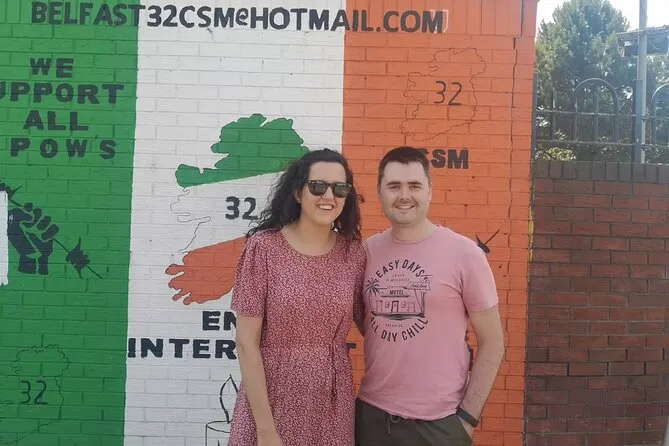
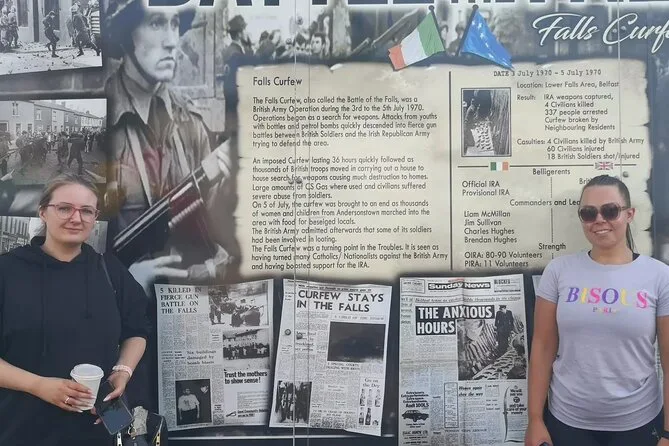
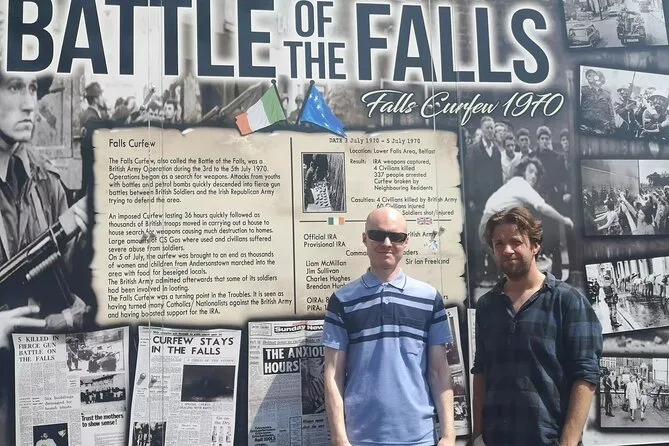
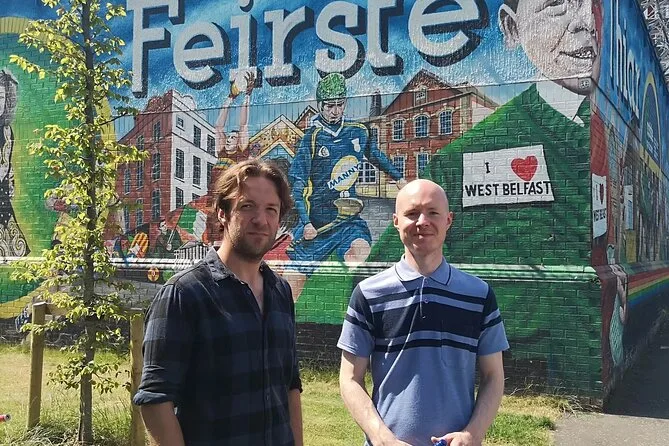
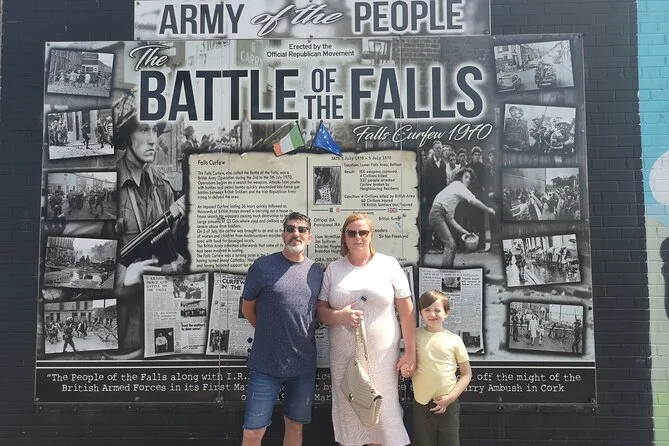
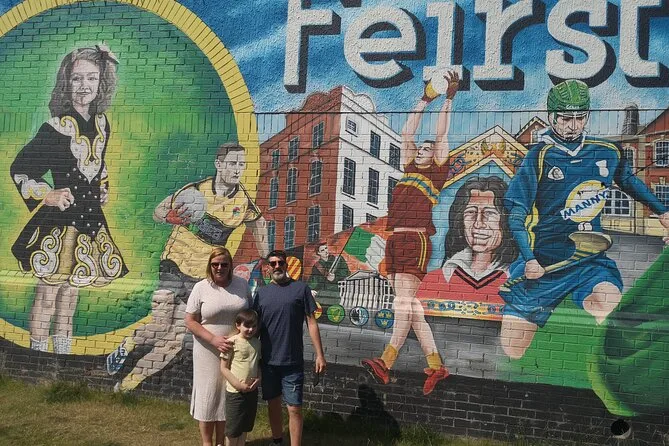
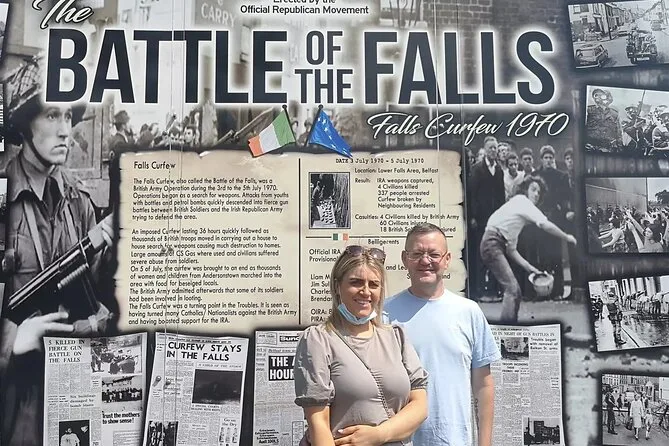
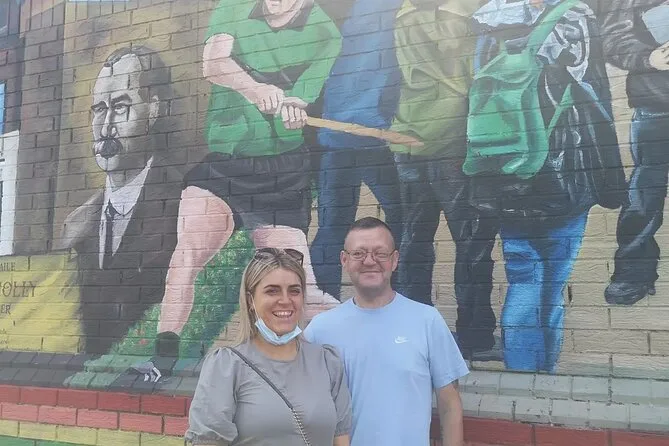
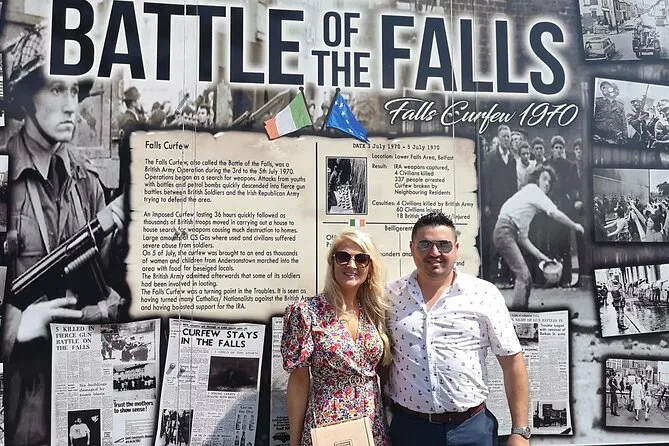
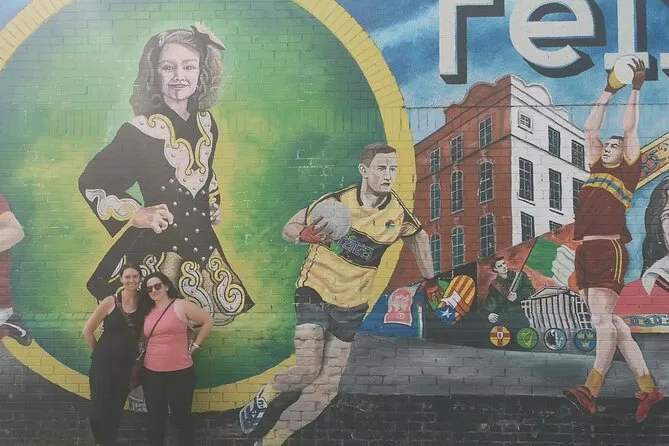
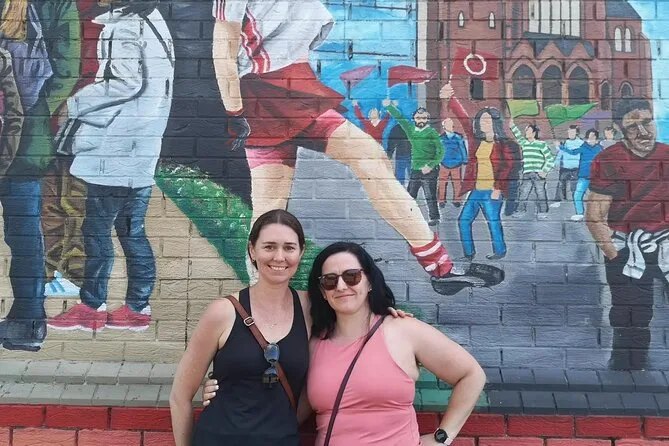
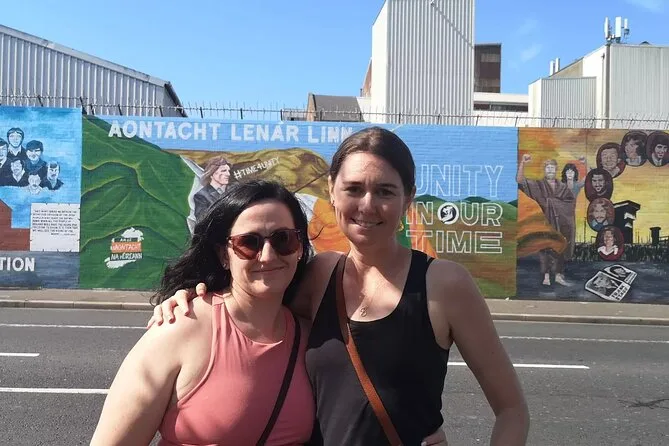
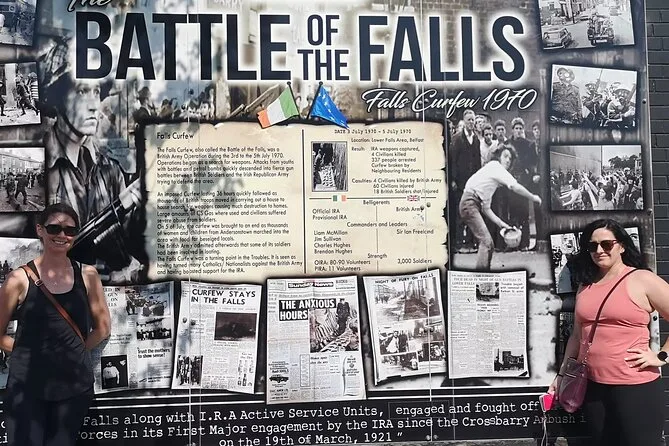
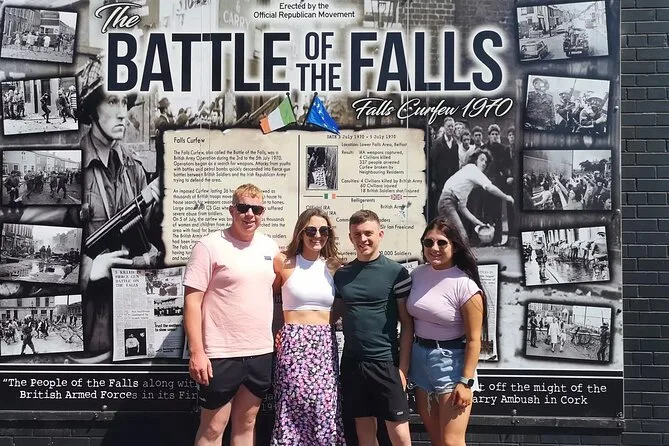
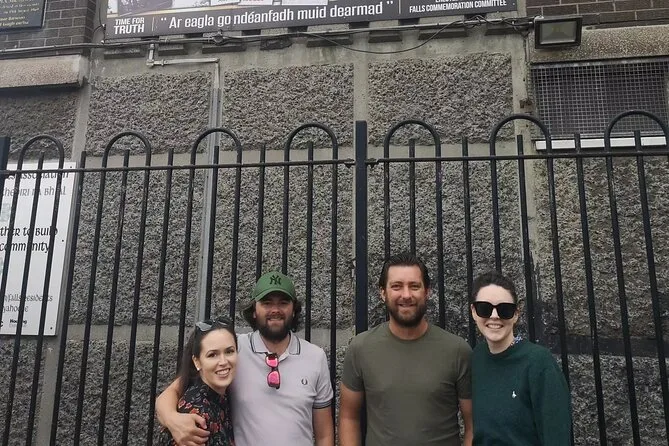
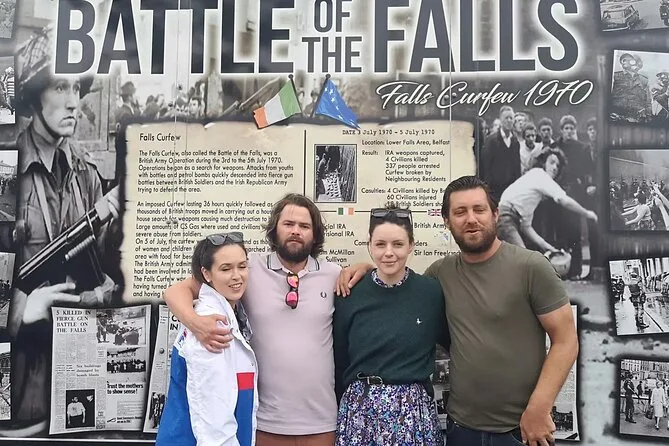
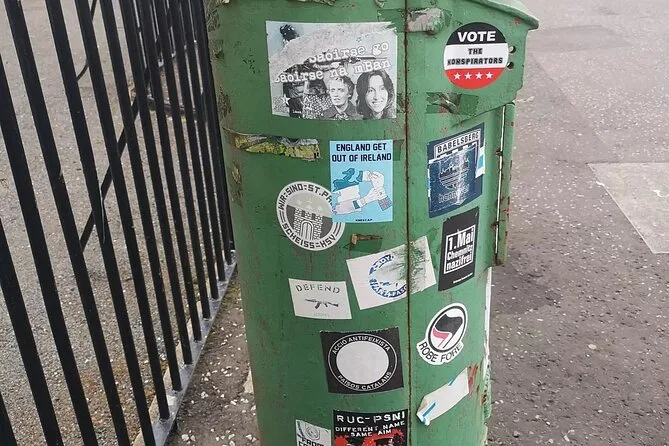
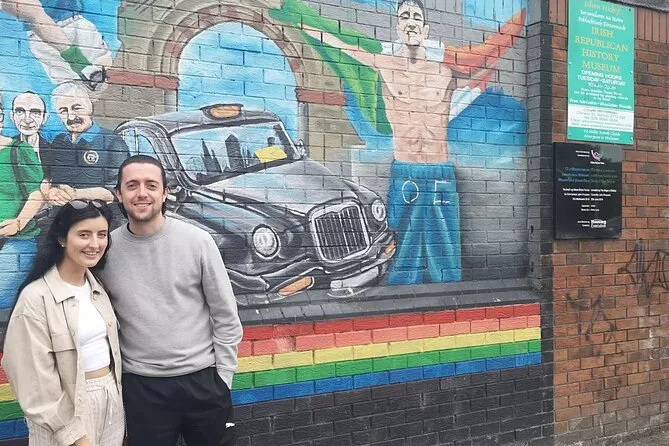
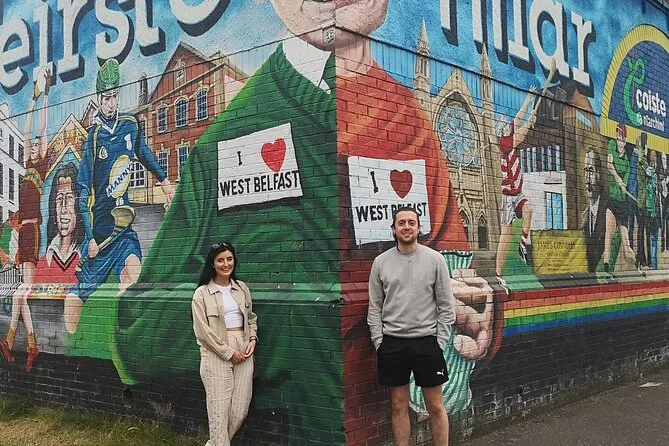
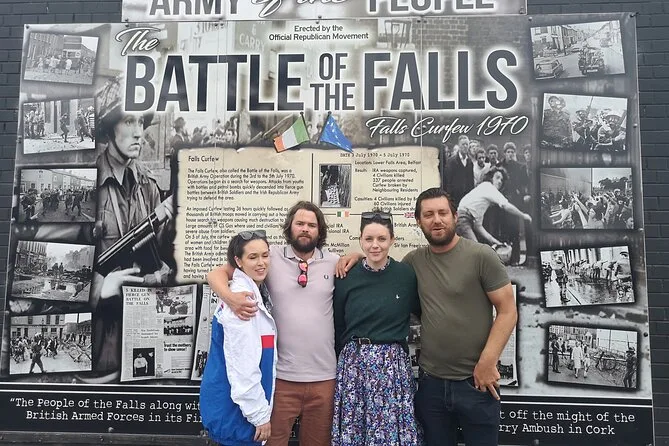
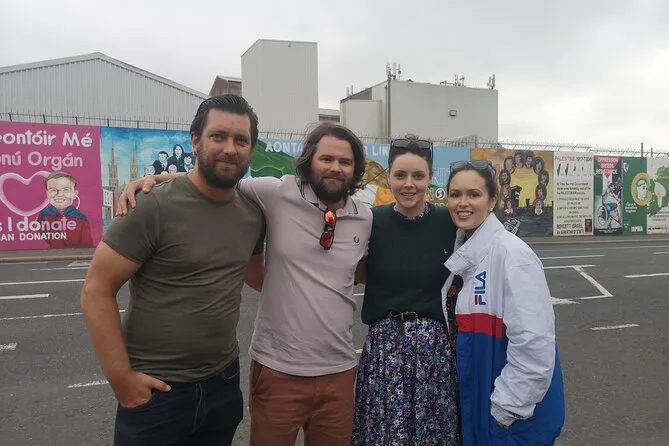
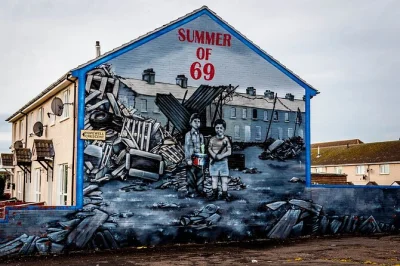
It started with the sound of our driver’s voice echoing off the taxi glass—thick Belfast accent, a bit of mischief in it. We hadn’t even left the curb before he pointed out a mural I’d never have noticed, colors half-faded by rain but still shouting something fierce. The city felt quieter than I’d expected, even on Falls Road where you’d think there’d be more noise. Maybe that’s just me. Our guide—Mick—grew up here during the Troubles. He didn’t sugarcoat anything, just told us what he saw as a kid. Sometimes he’d pause, like he was weighing whether to say more.
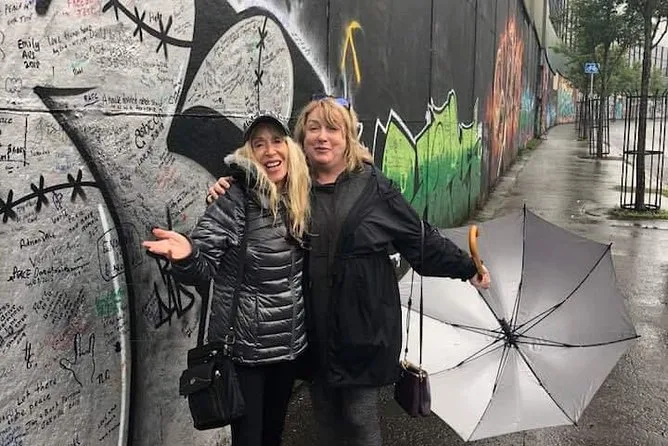
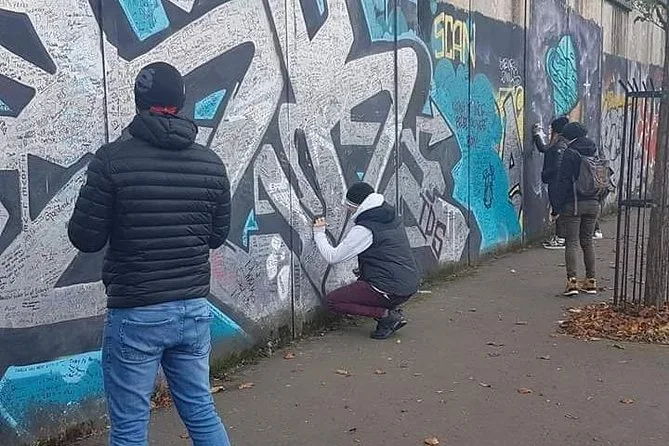
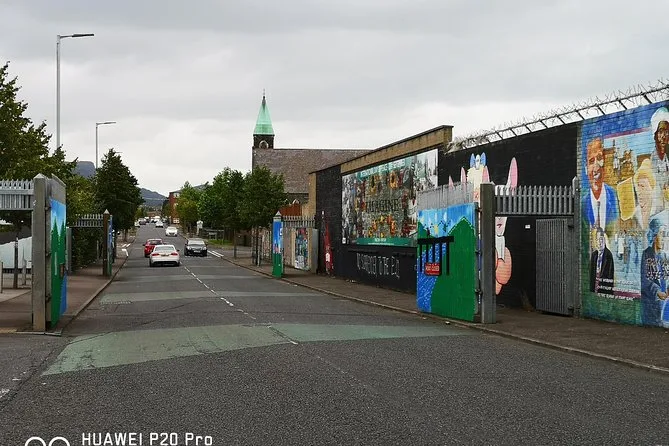
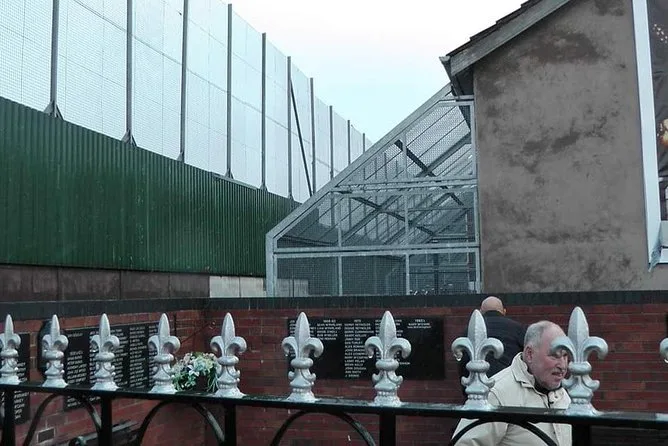
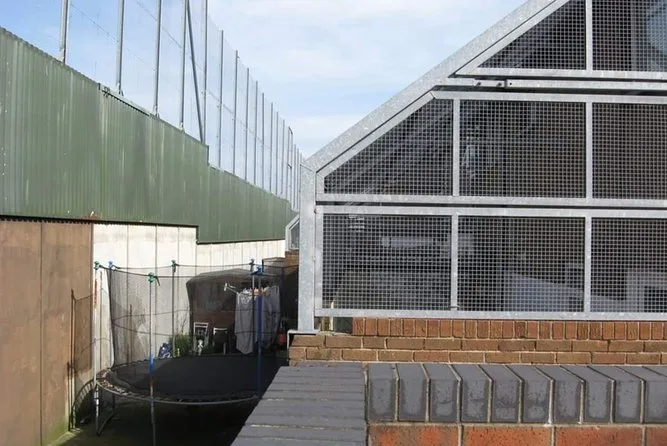
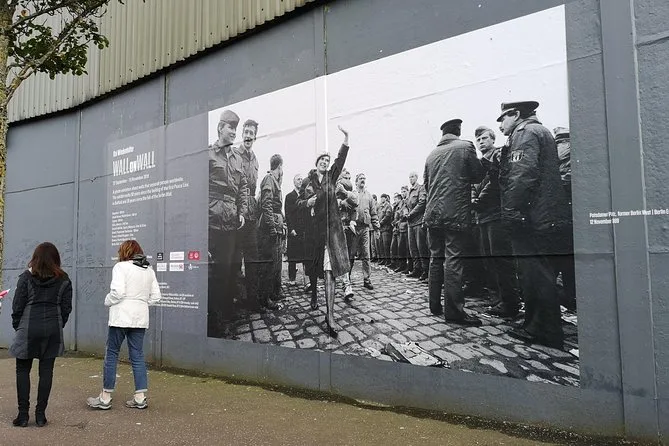
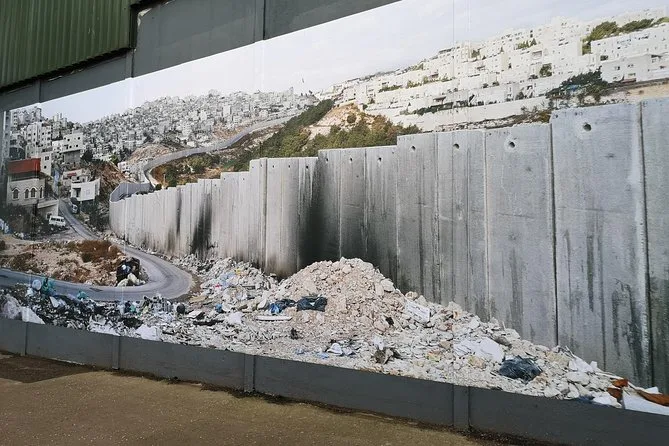
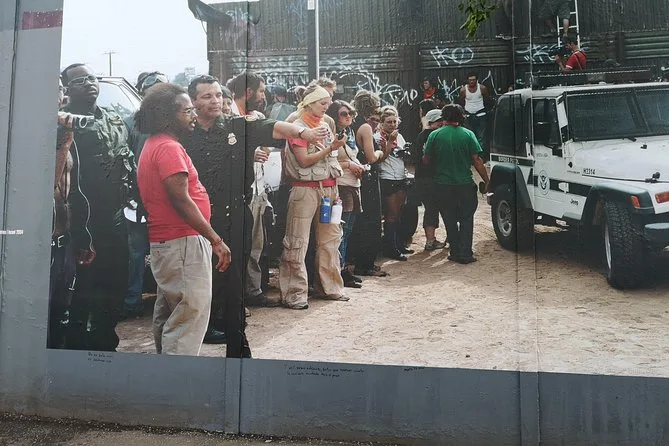
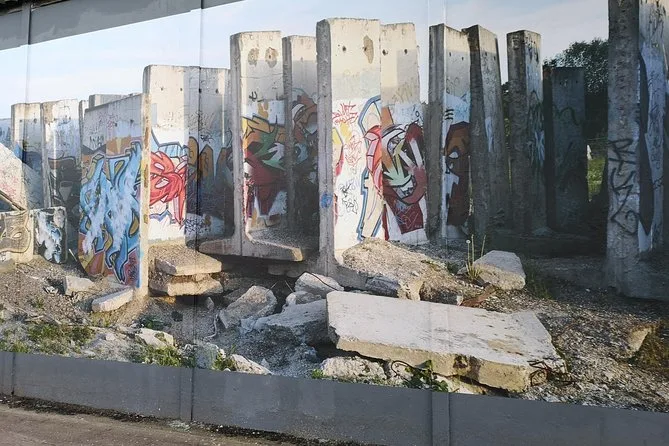
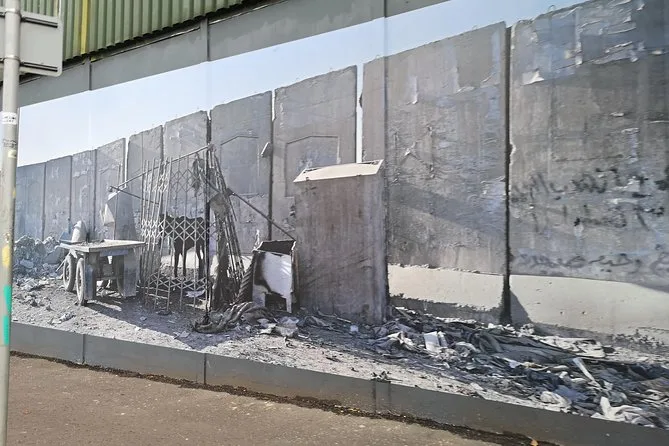
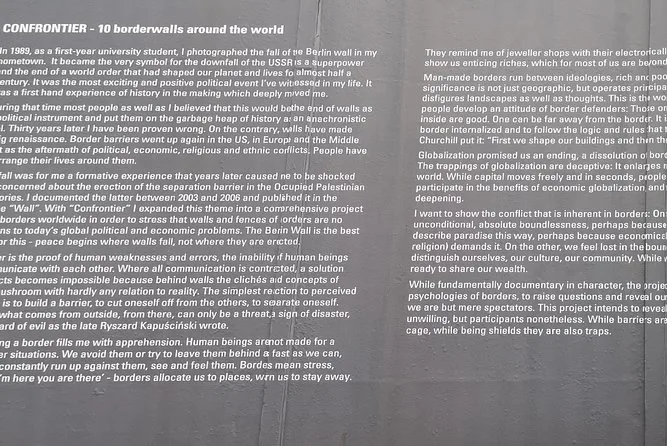
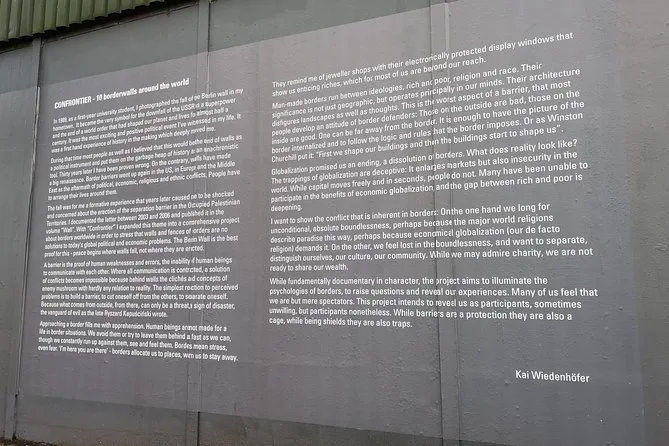
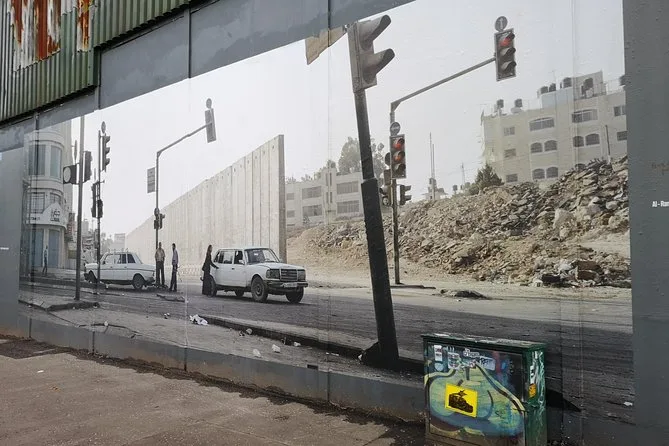
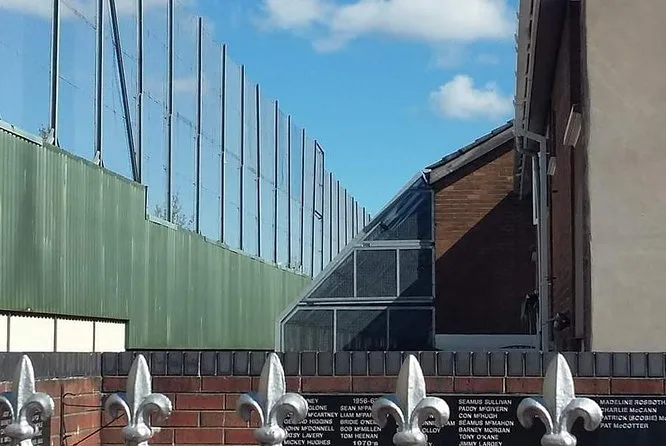
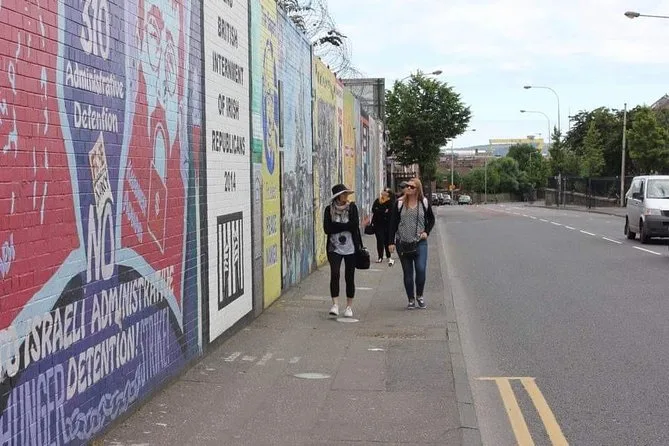
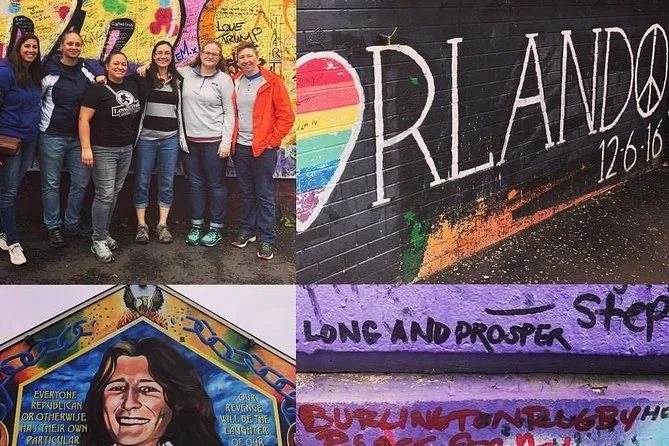
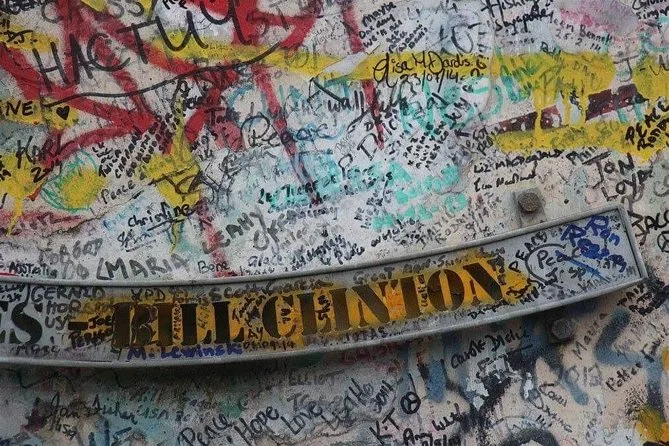
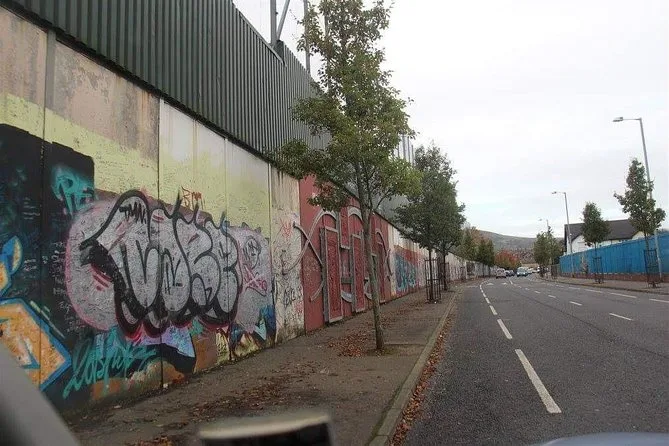
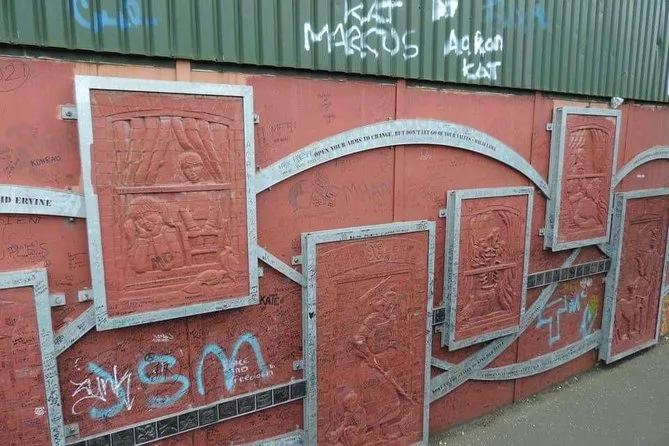
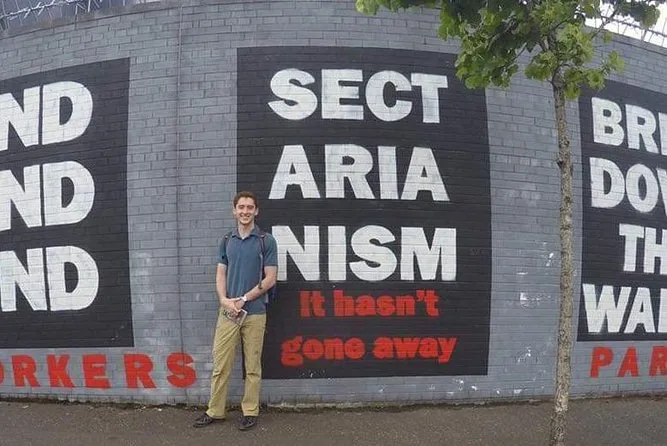
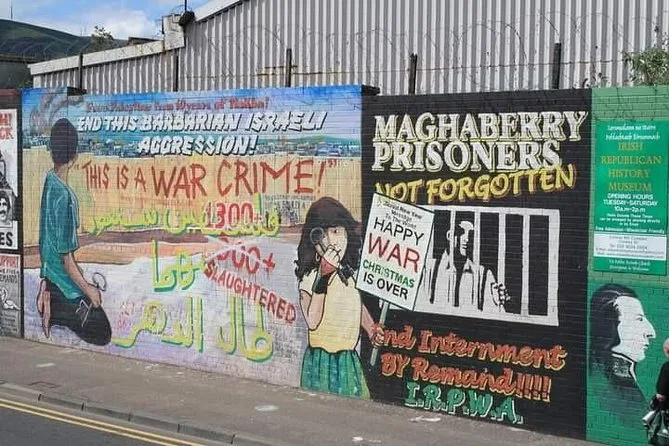
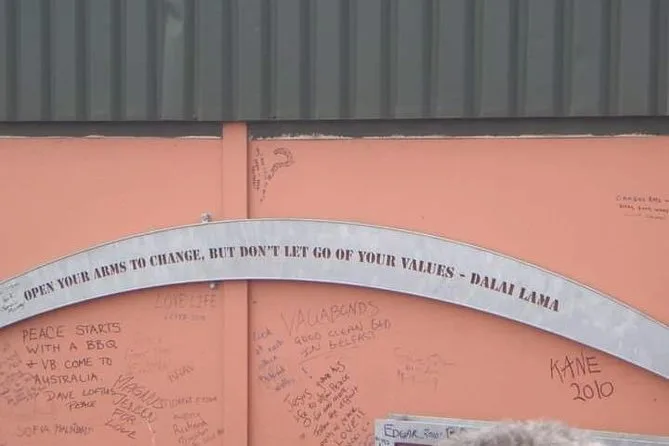
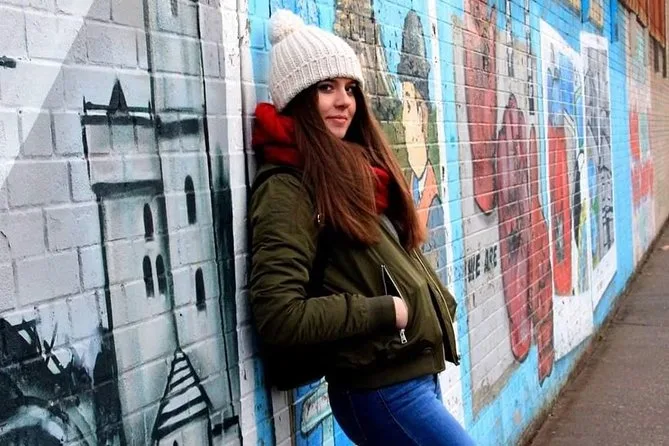
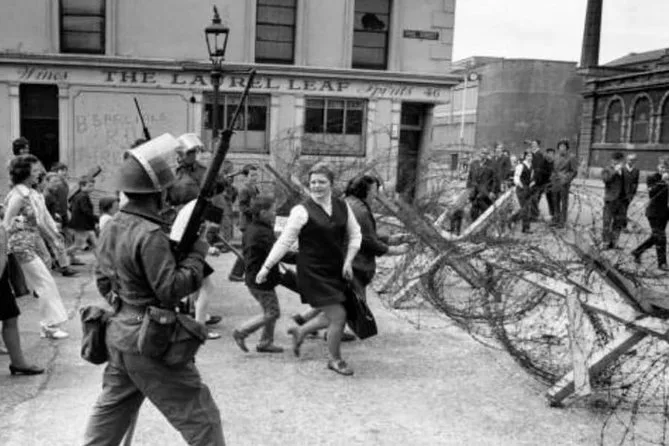
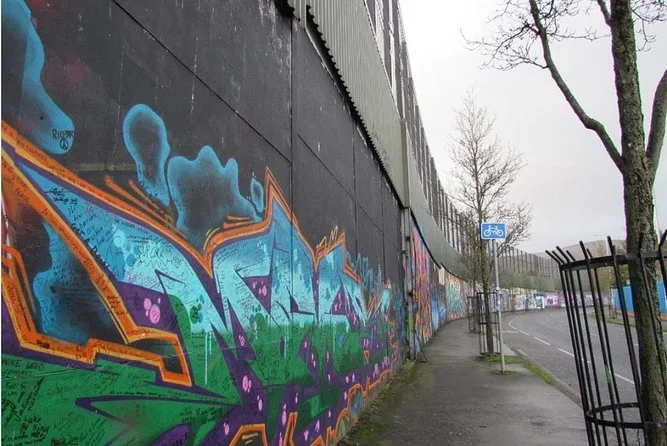
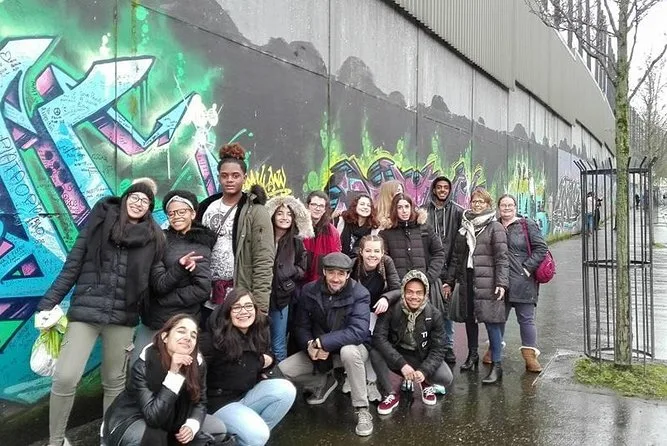
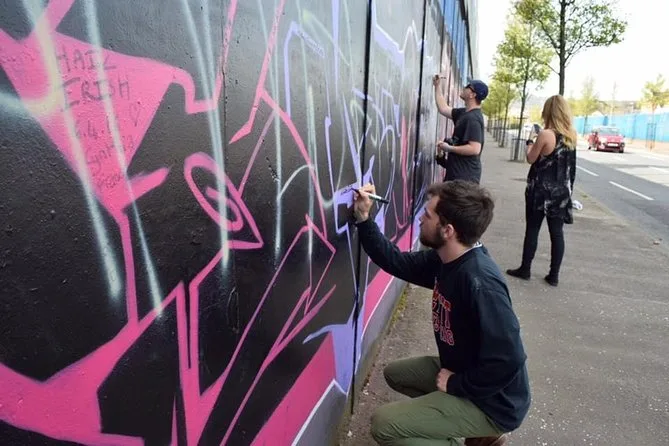
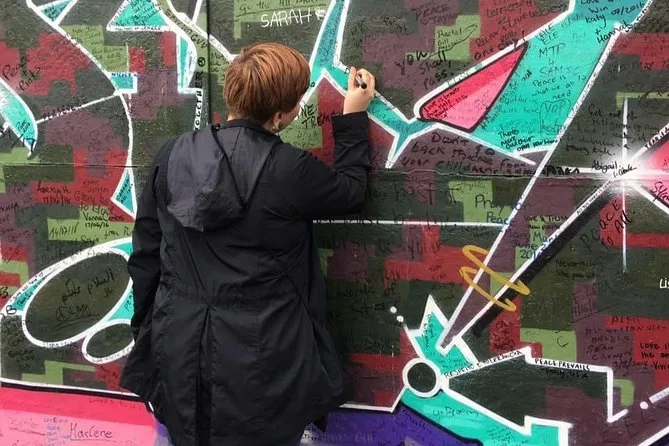
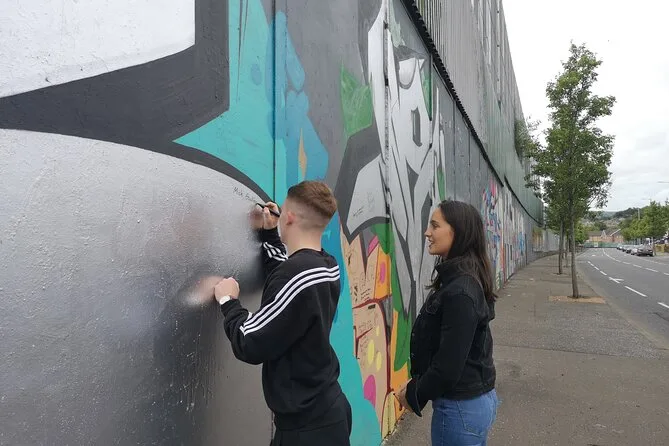
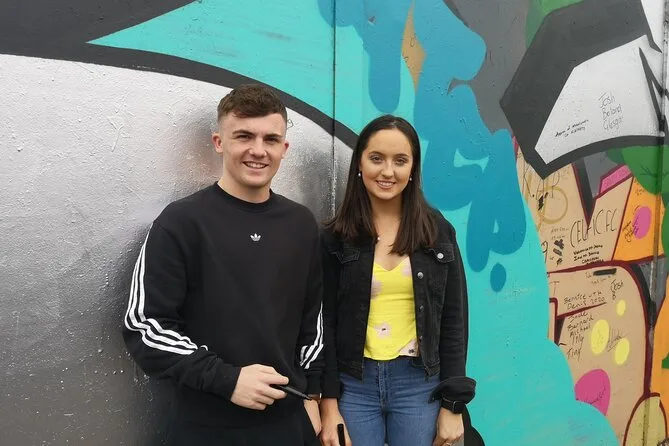
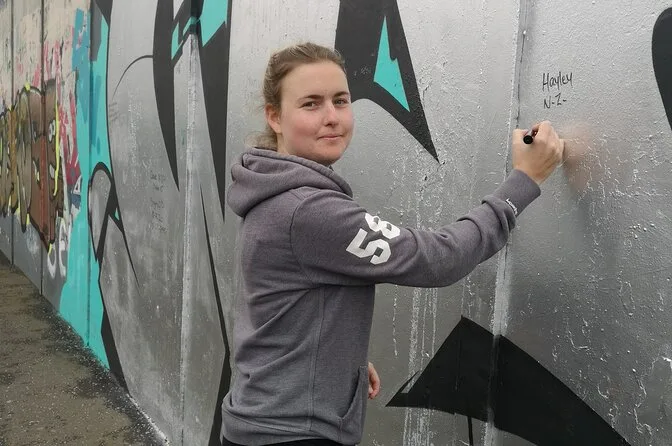
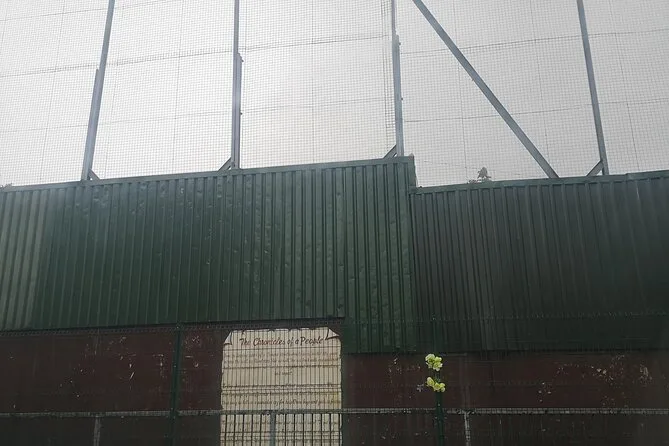
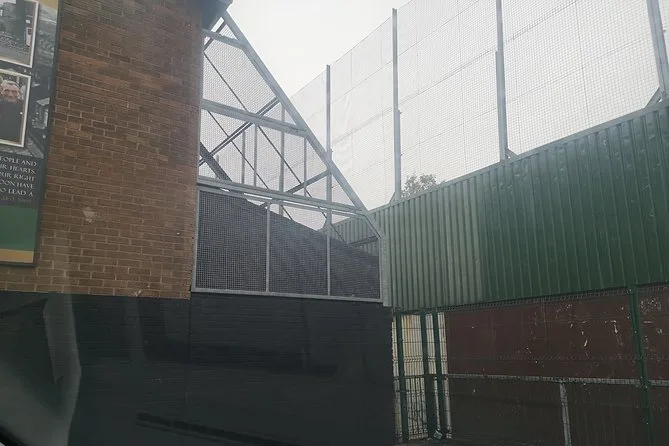
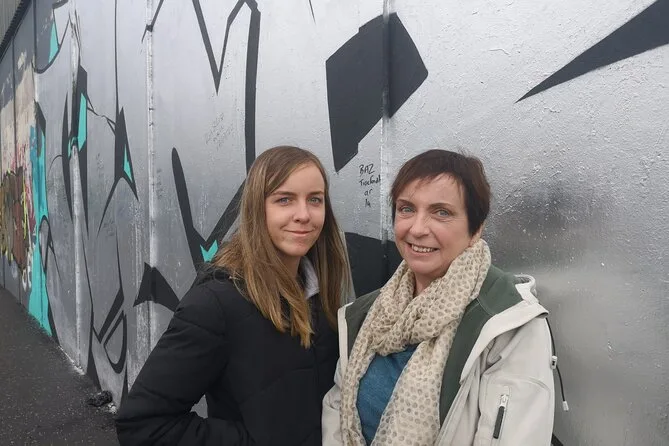
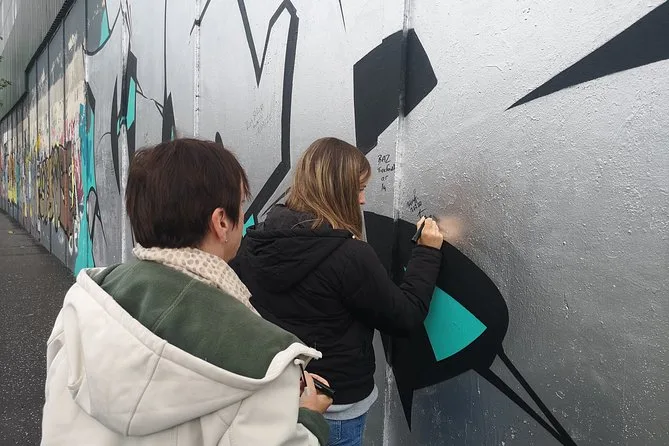
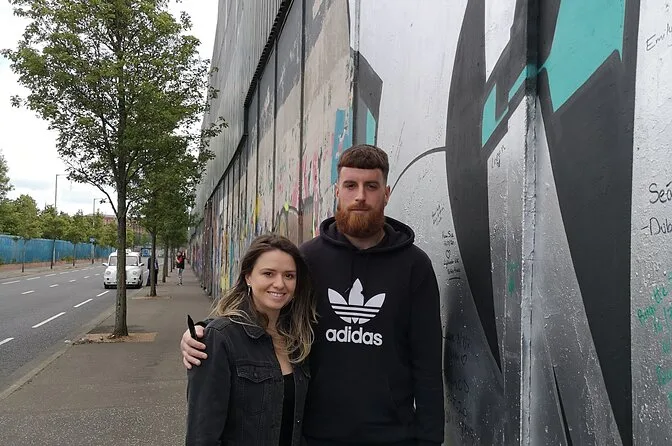
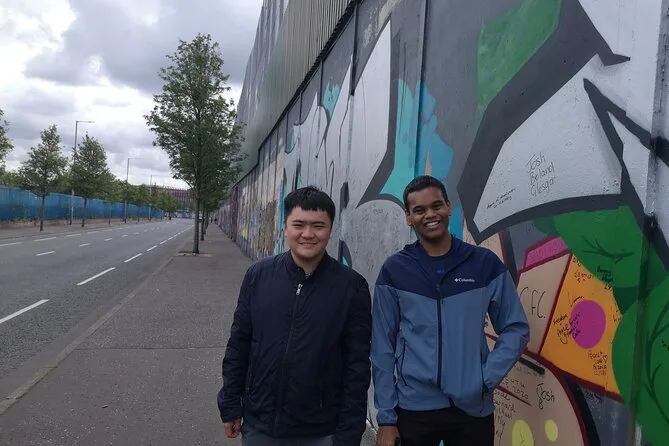
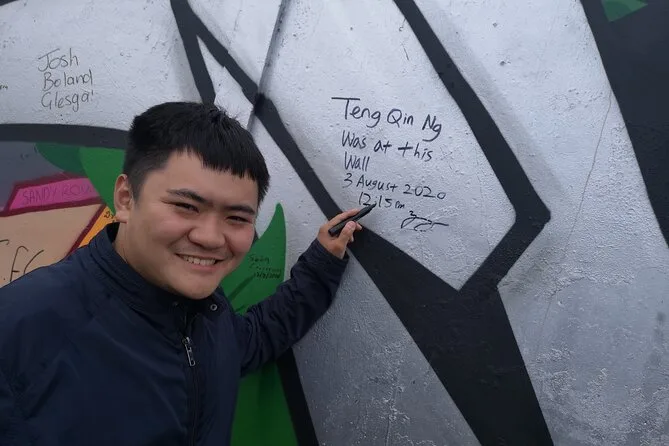
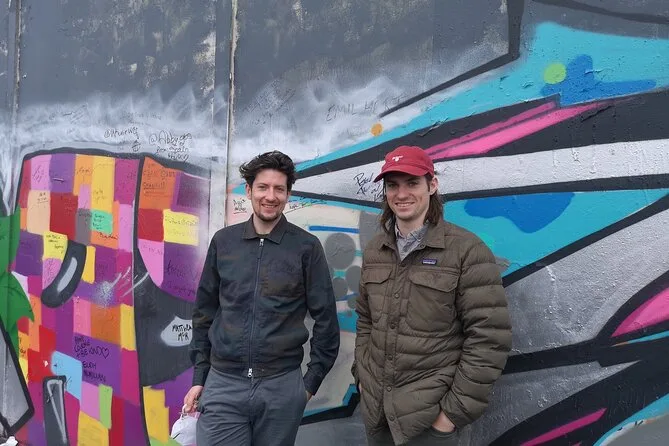
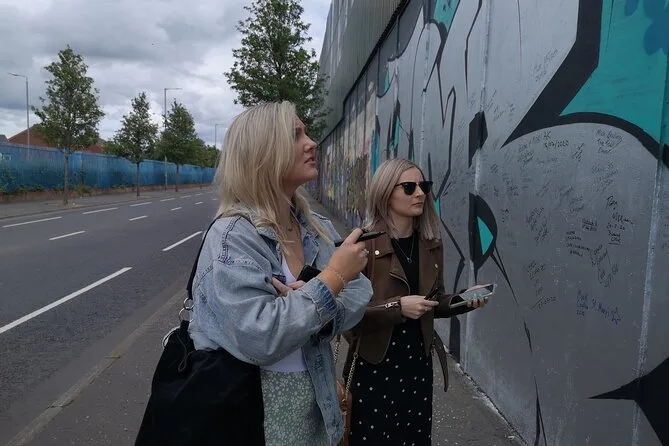
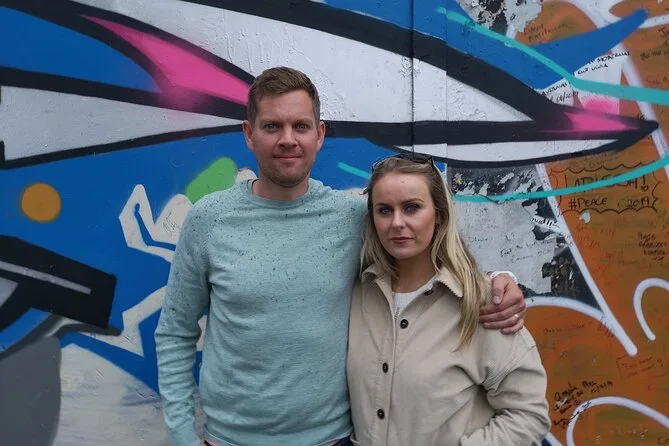
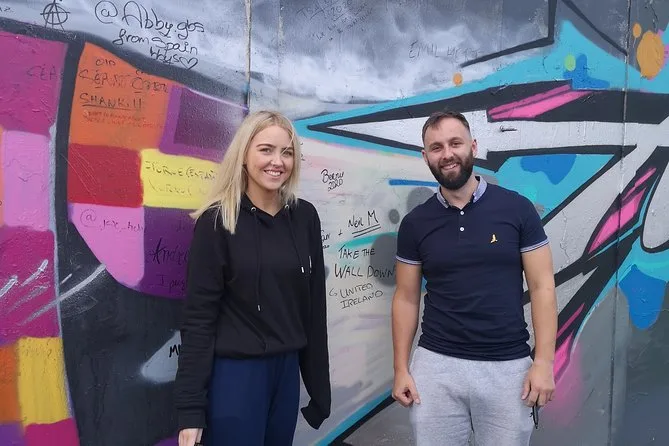
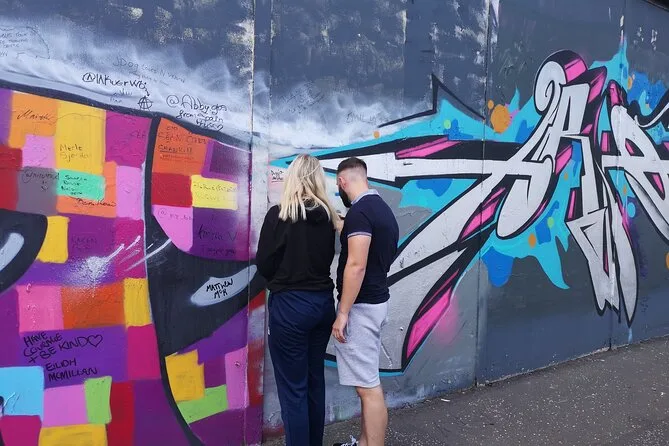
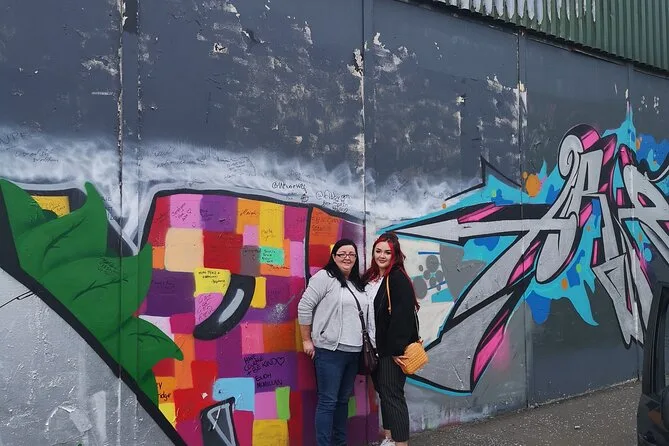
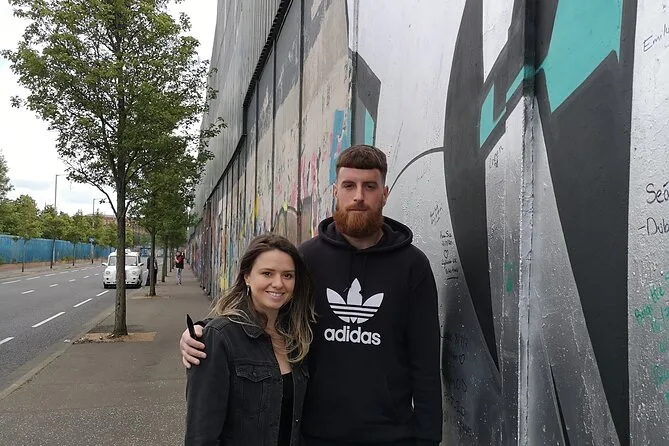
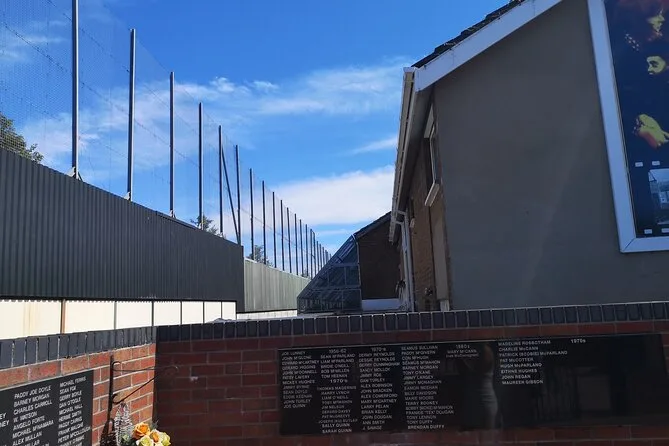
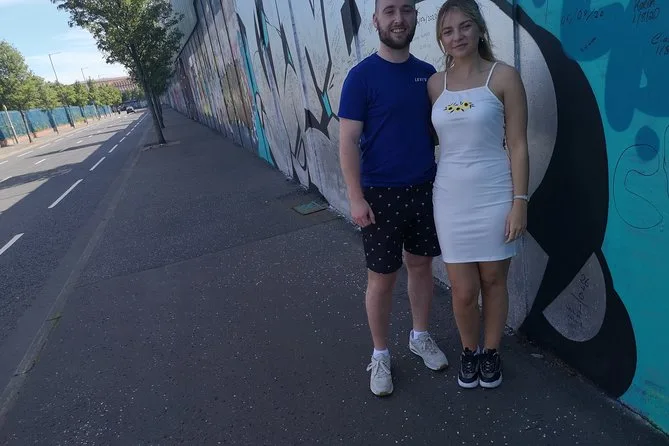
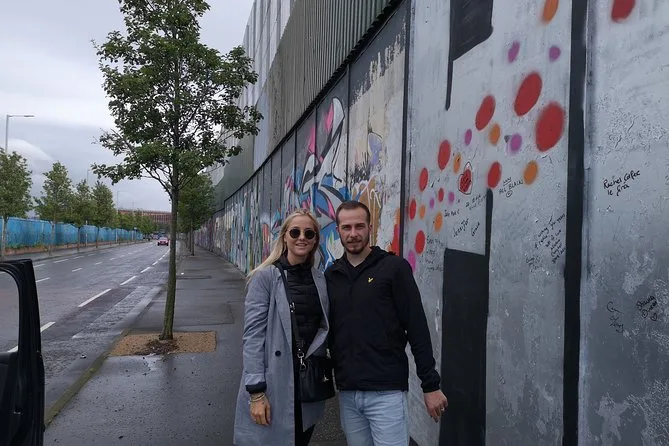
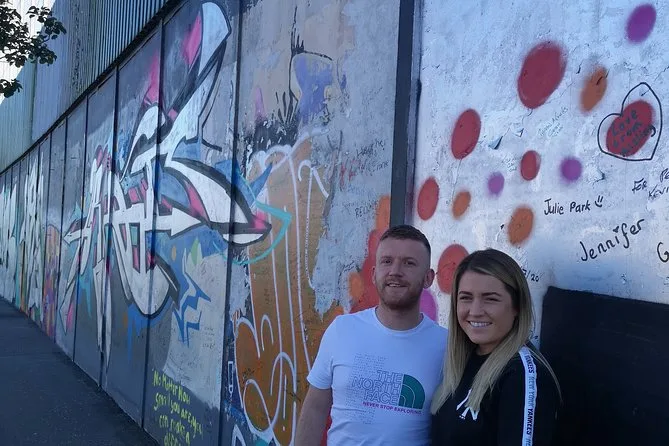
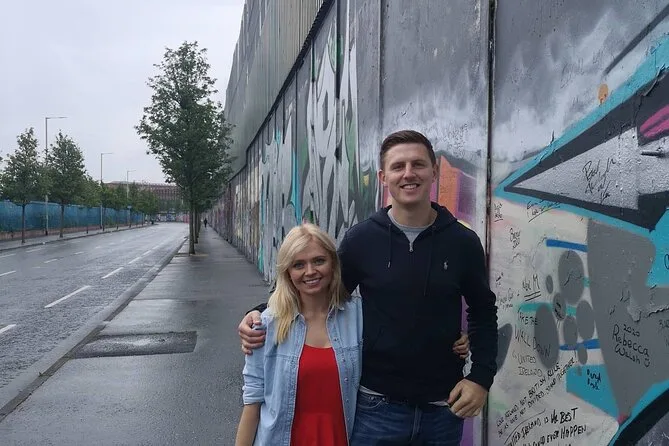
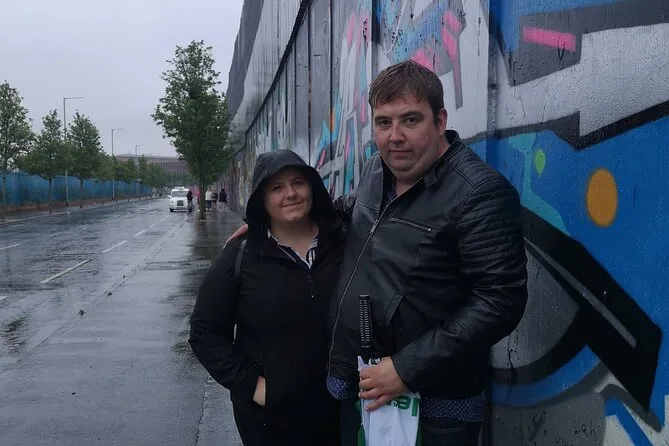
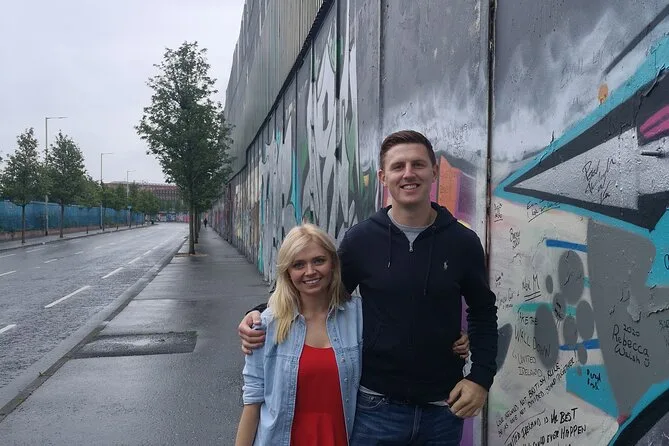
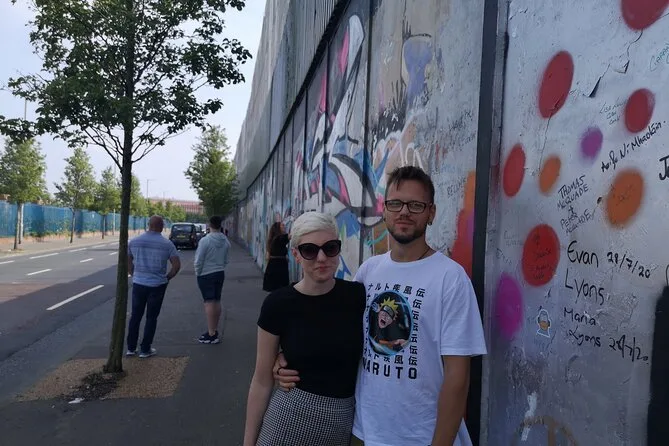
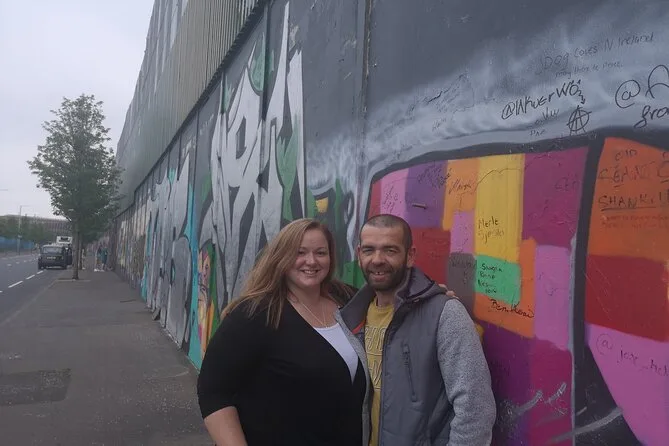
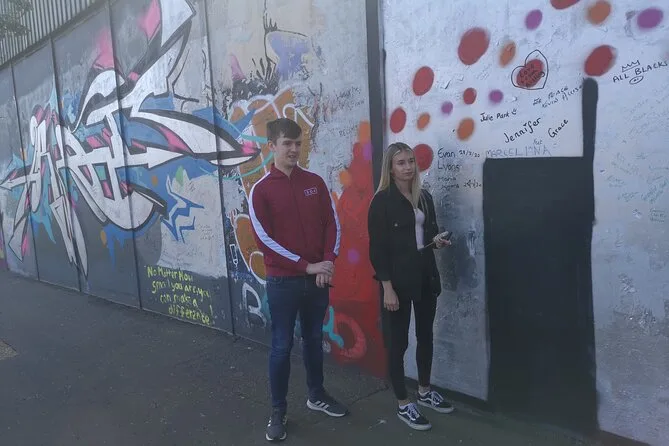
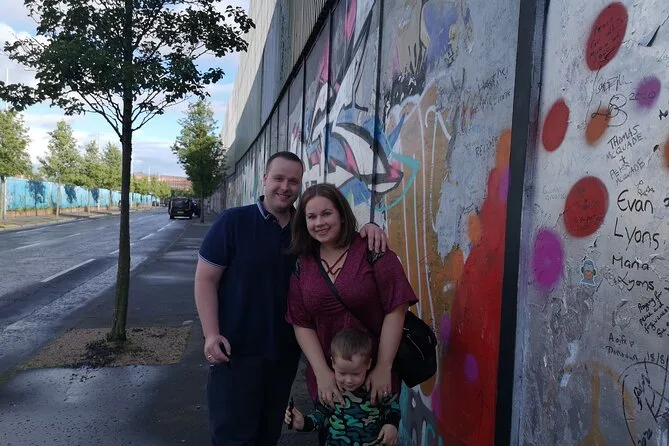
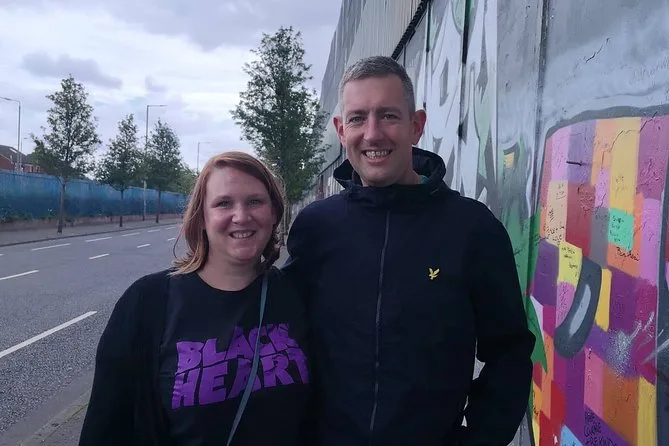
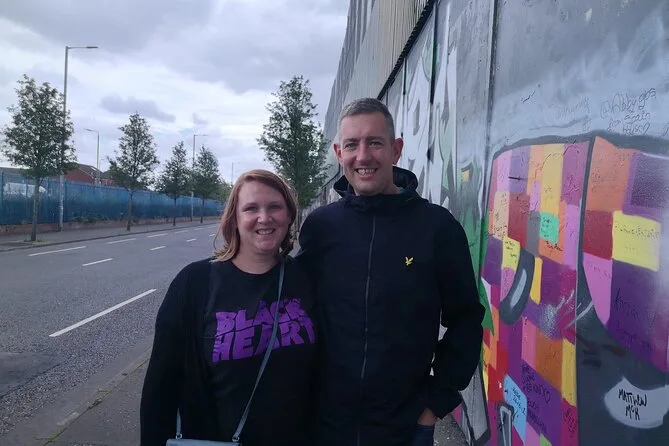
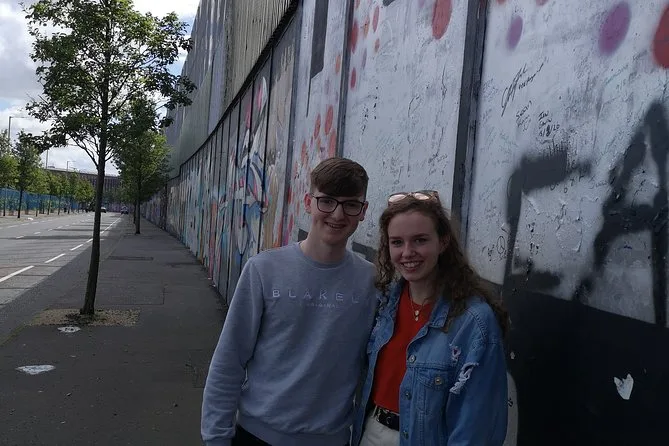
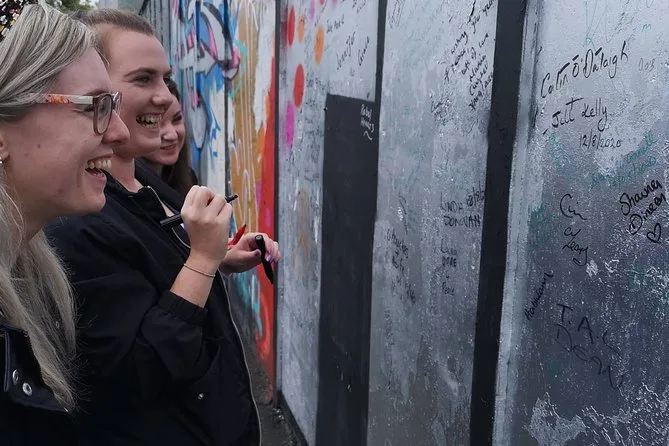
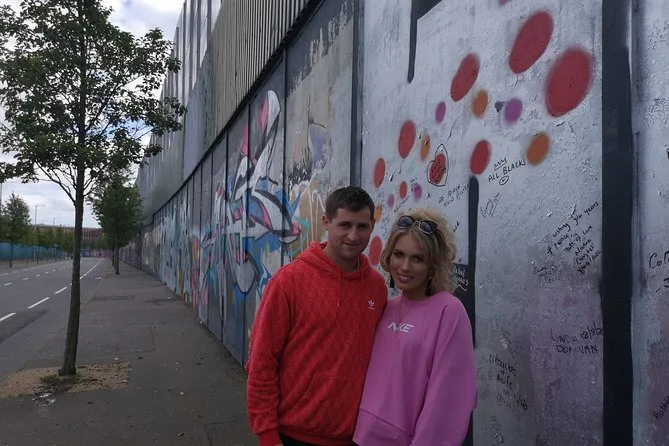
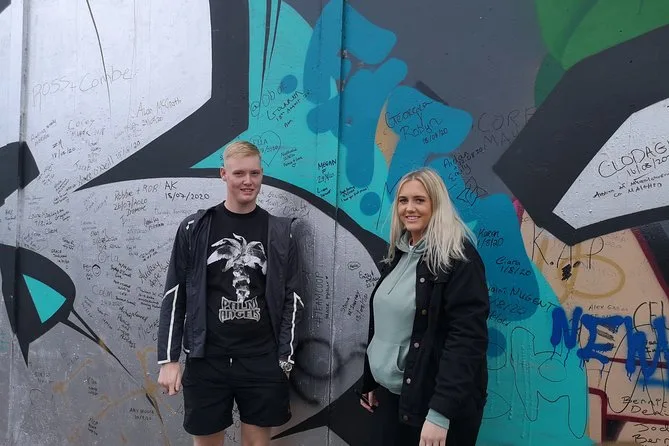
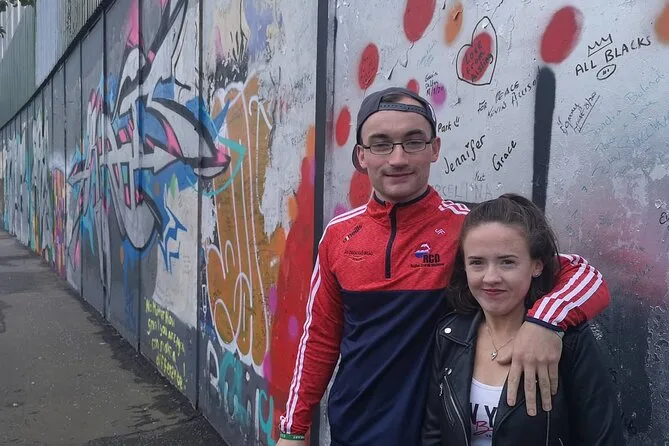
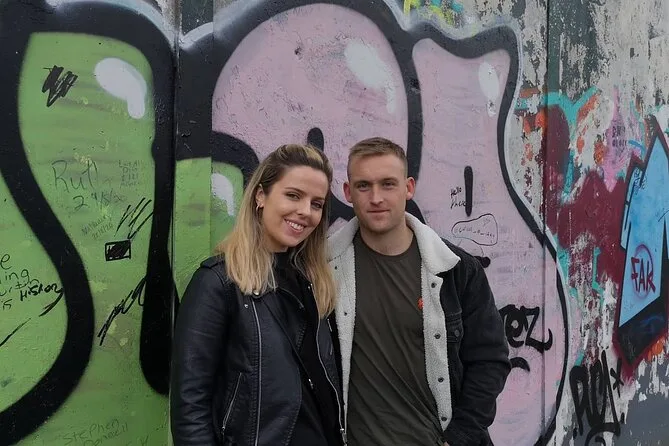
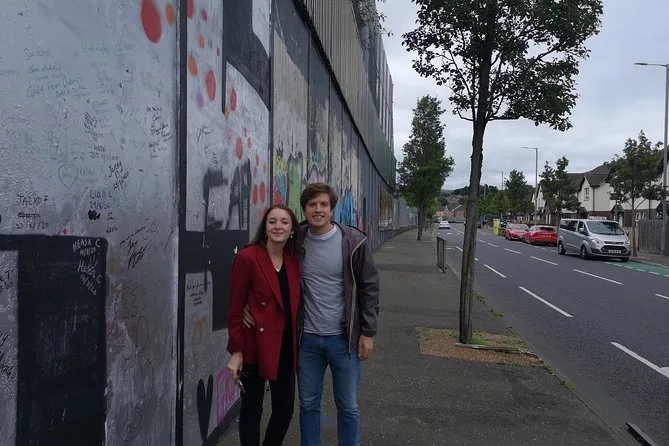
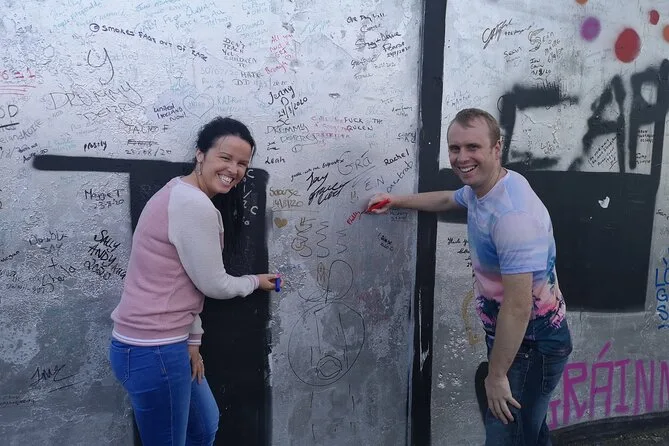
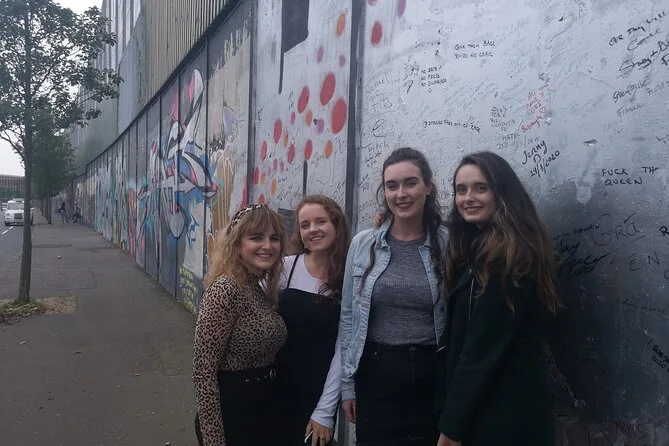
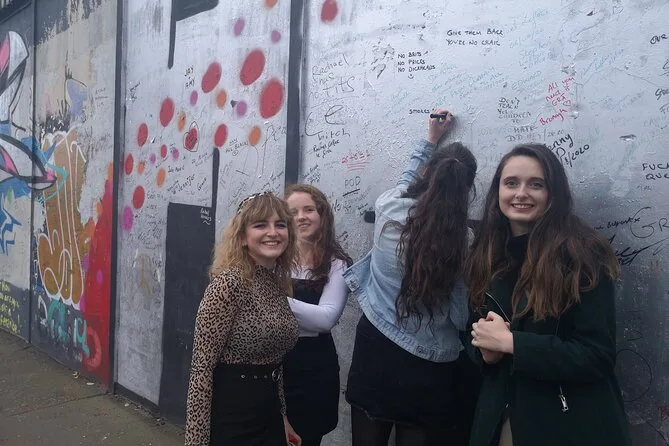
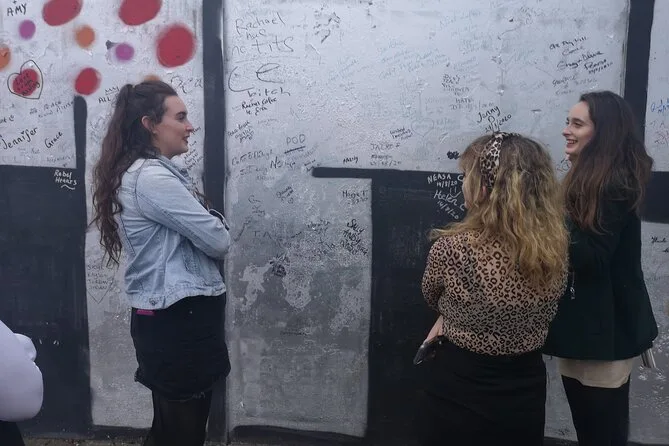
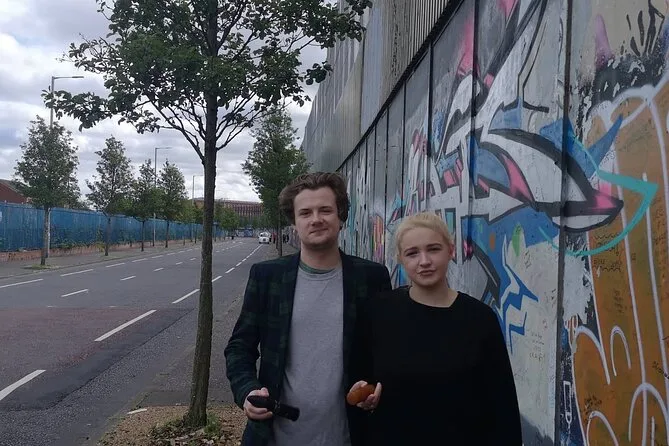
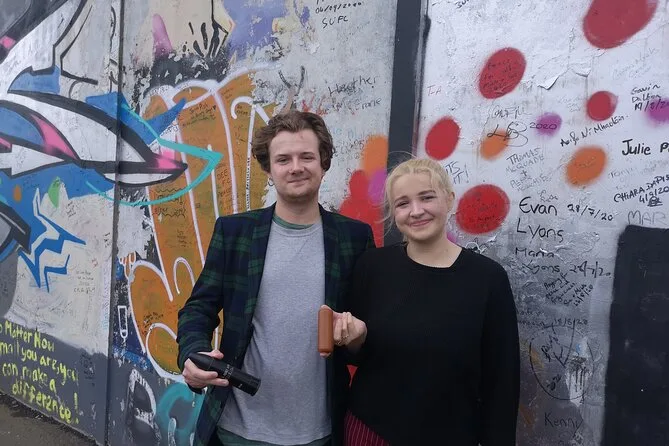
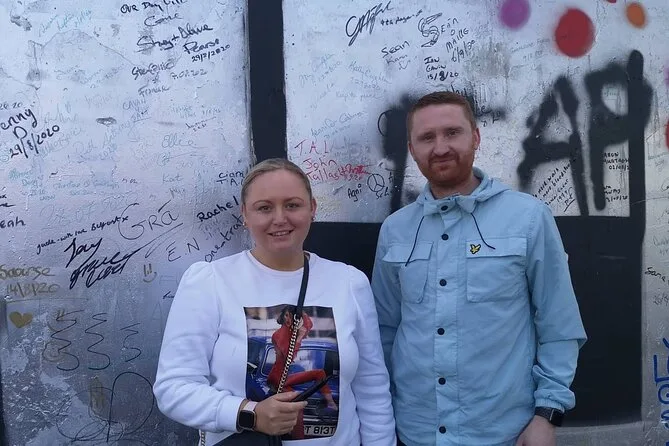
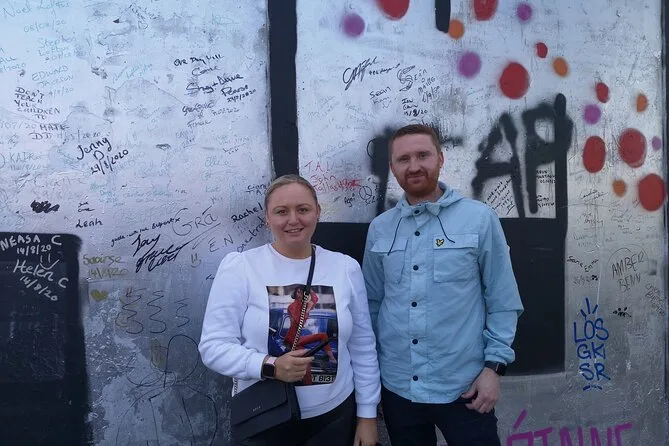
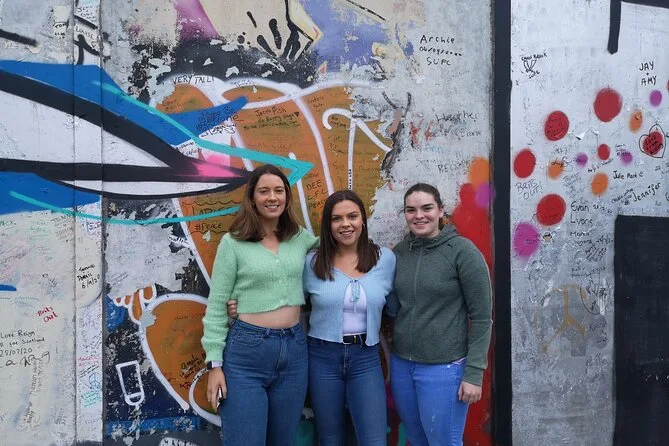
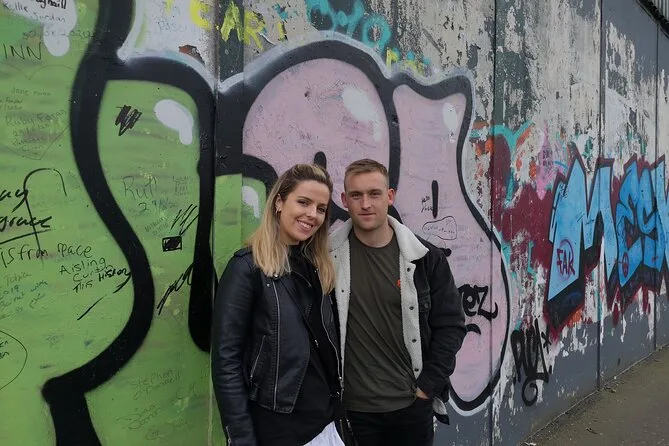
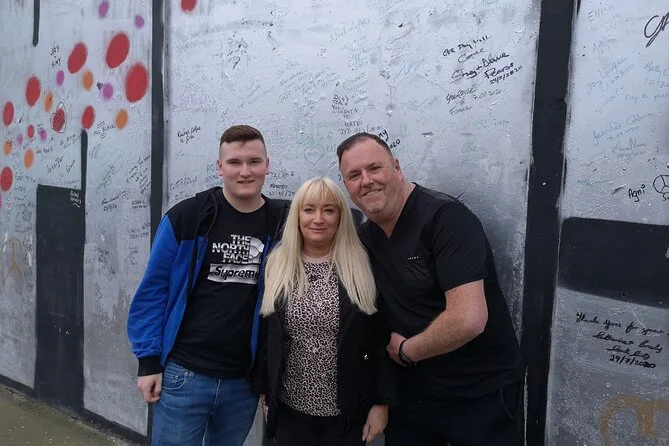
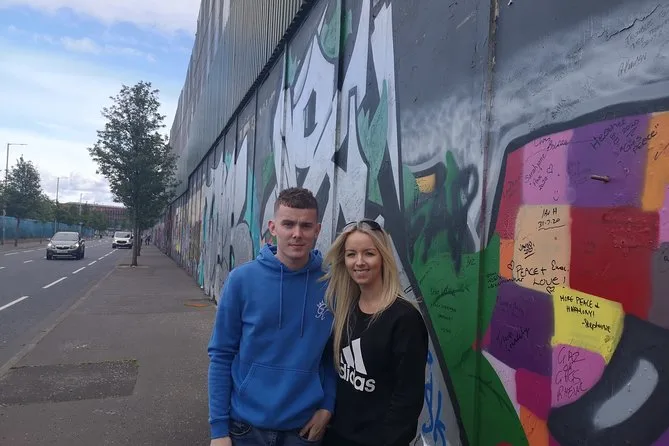
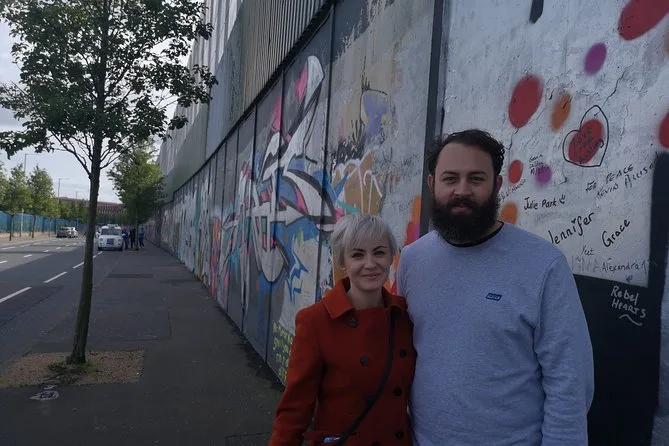
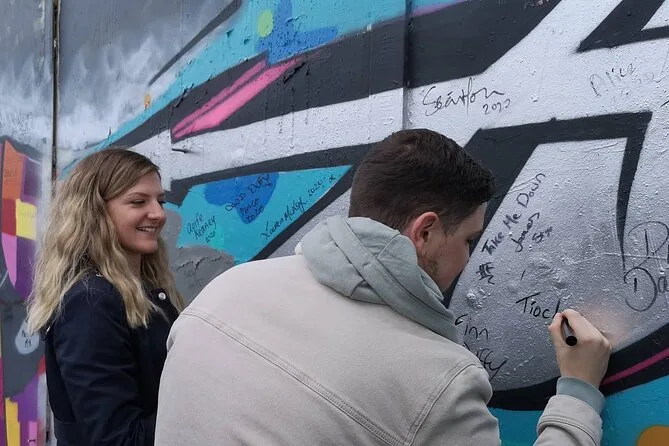
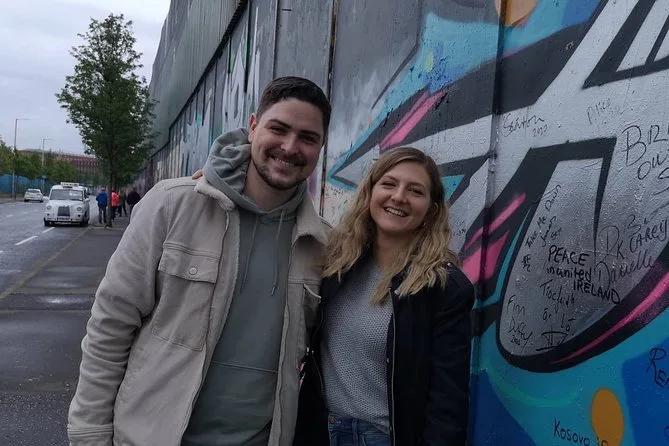
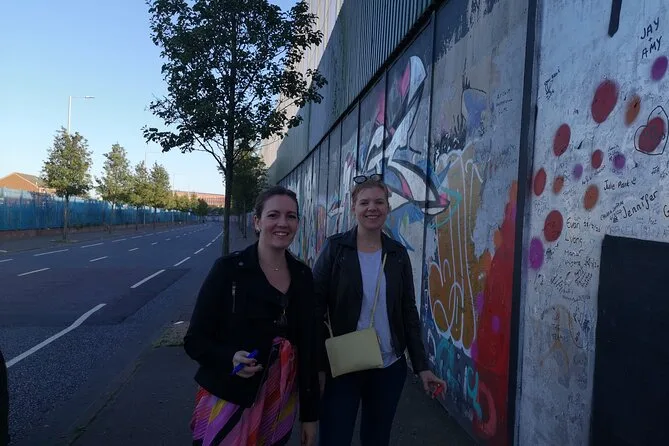
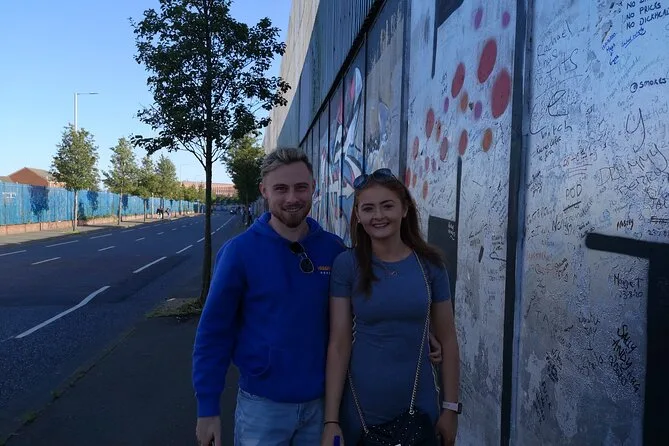
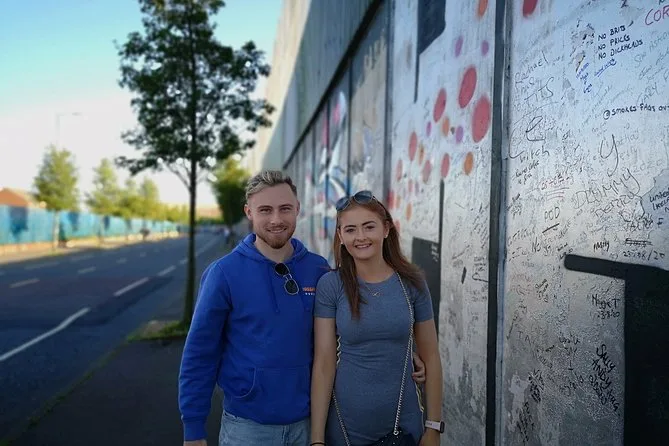
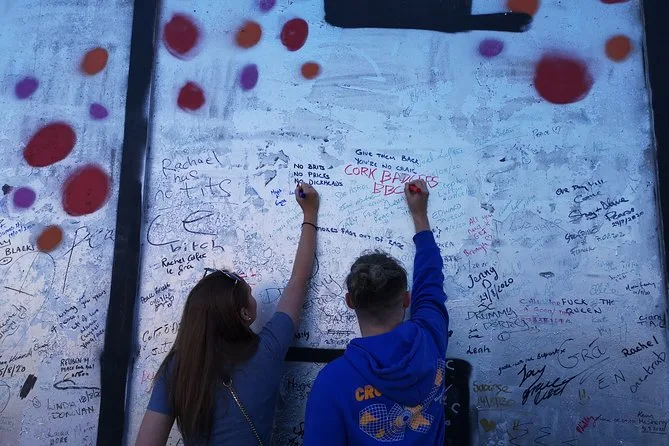
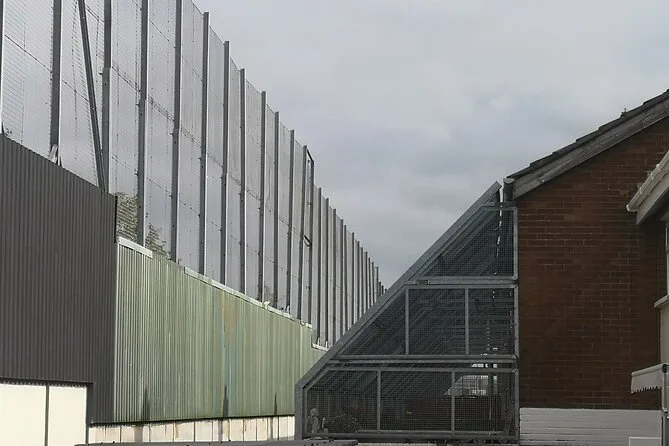
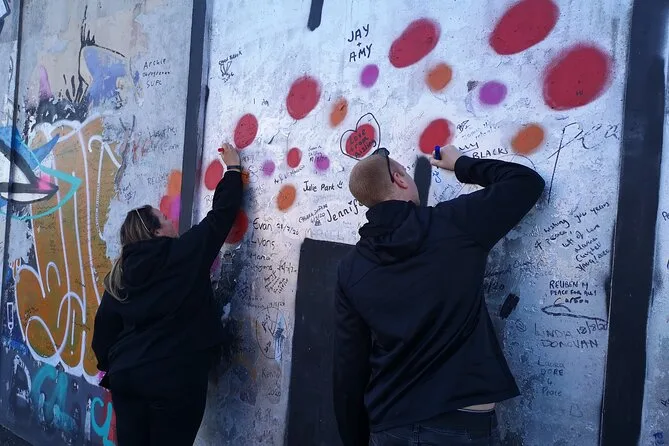
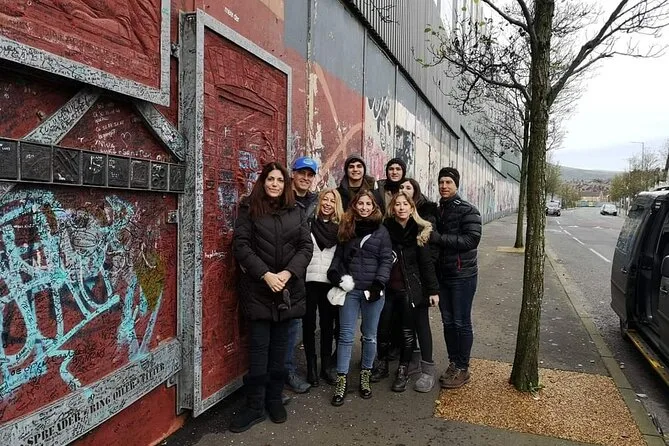
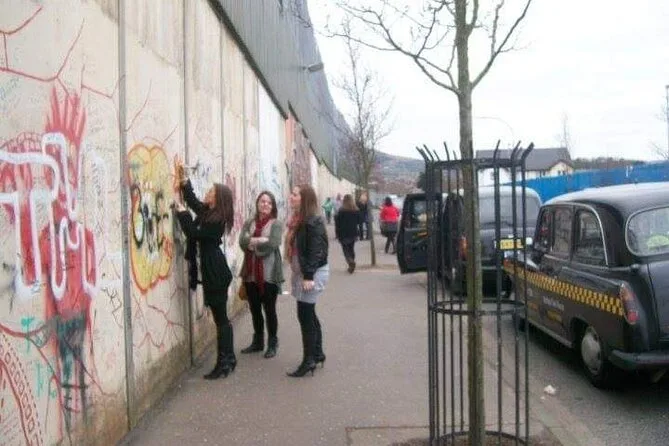
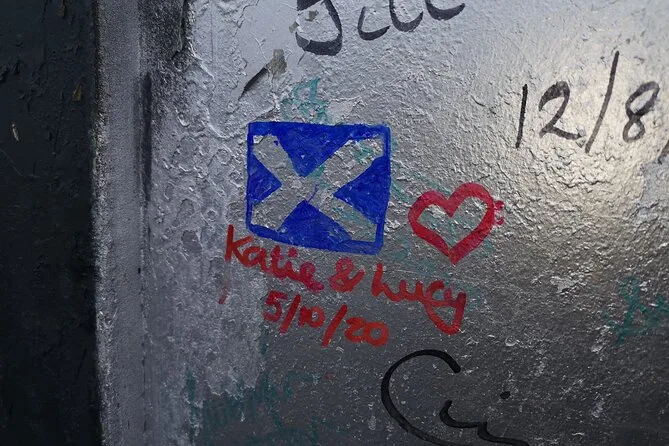
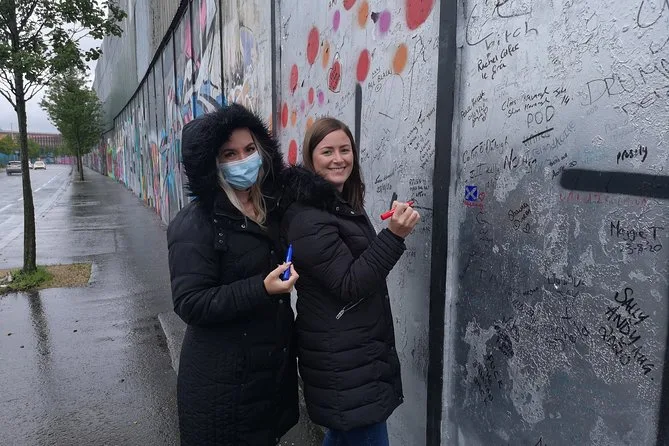
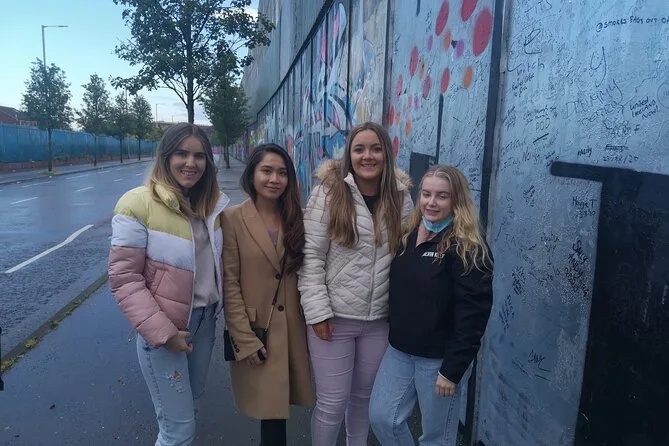
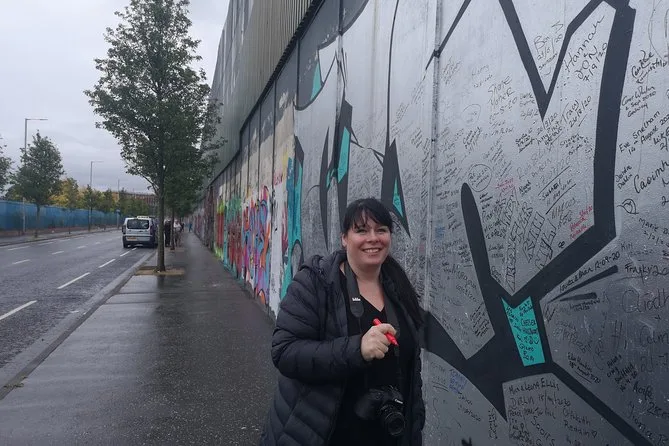
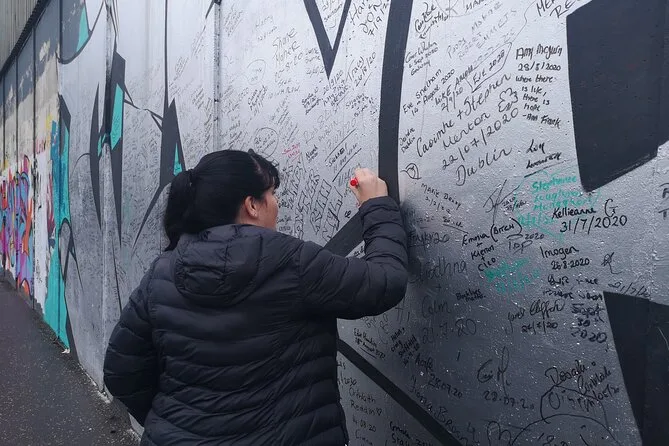
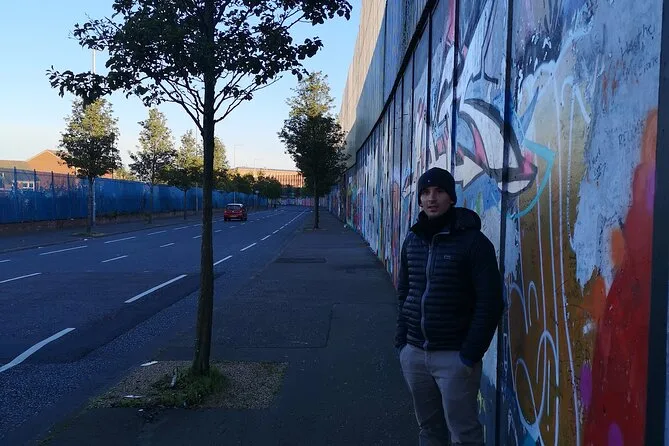
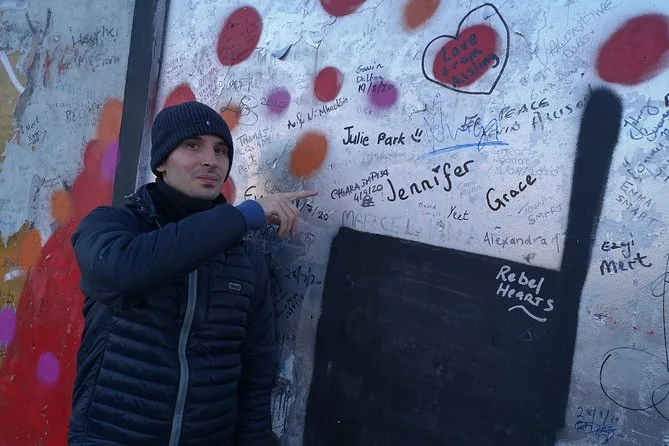
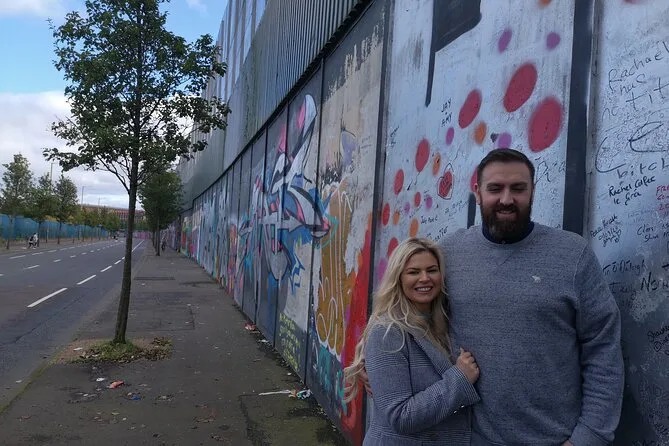
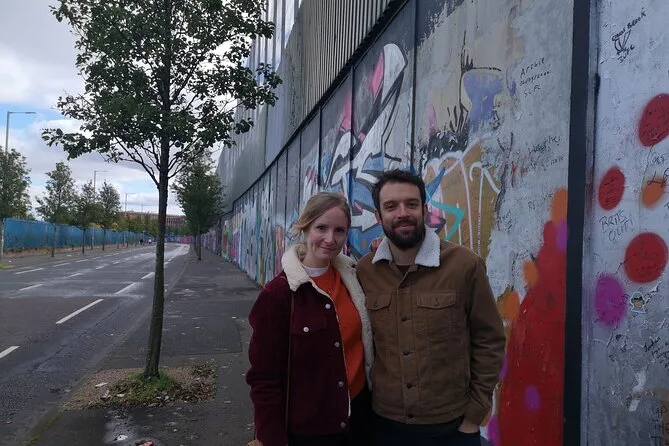
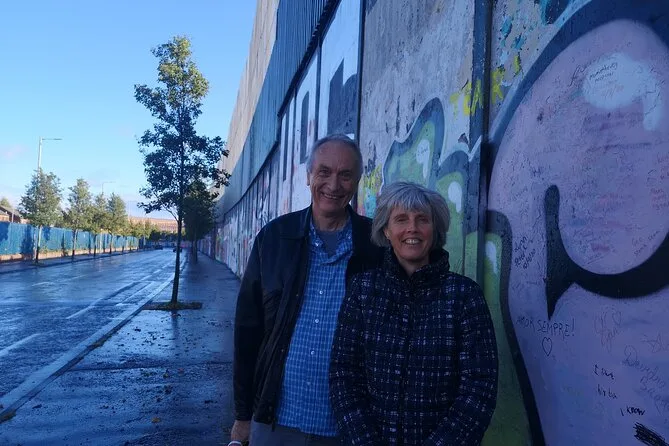
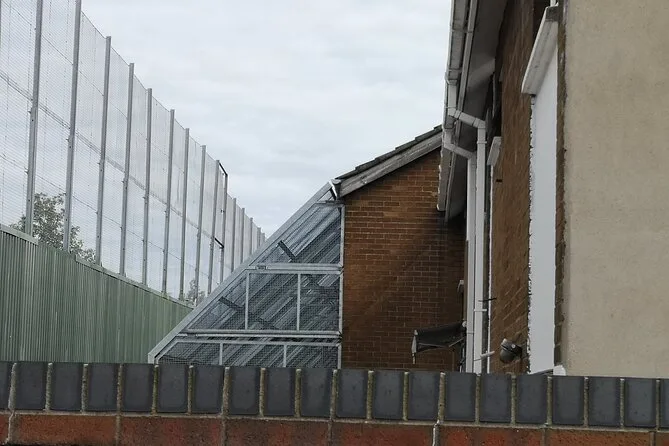
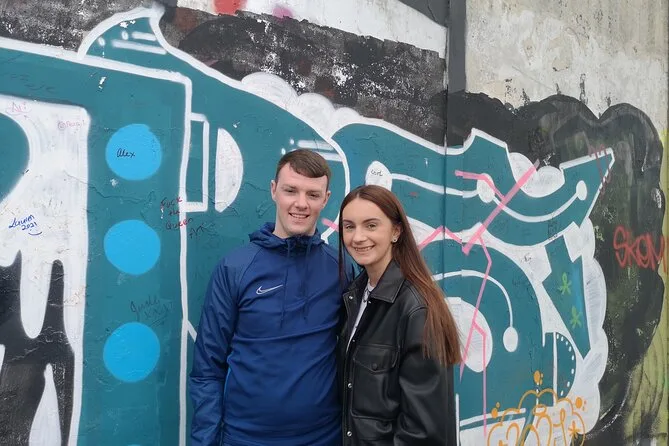
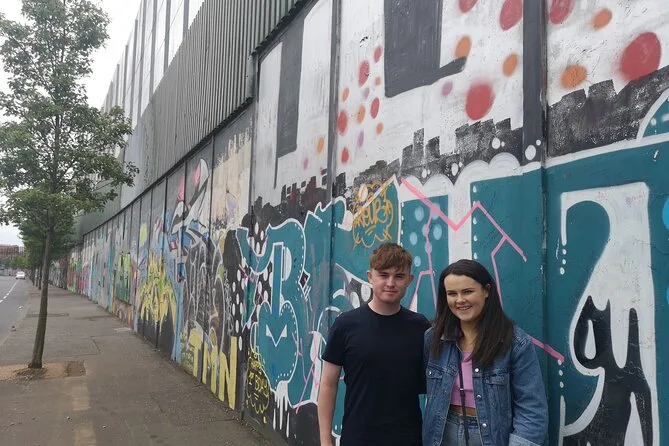
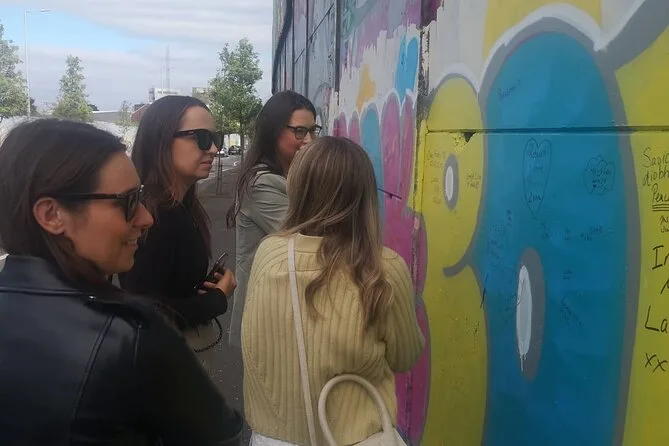
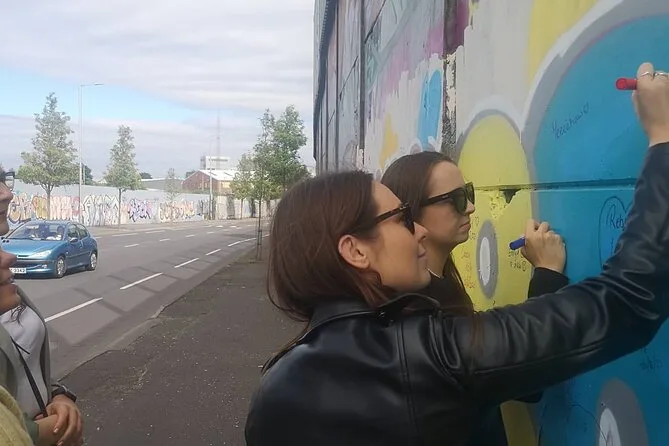
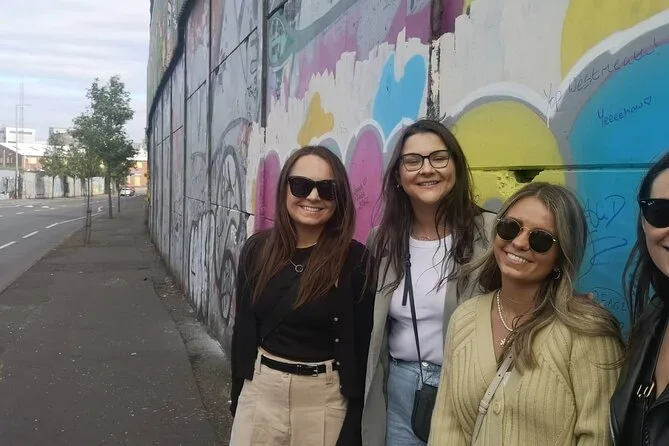
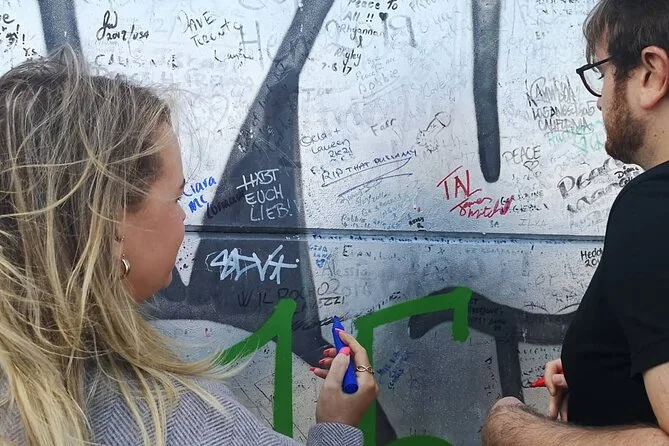
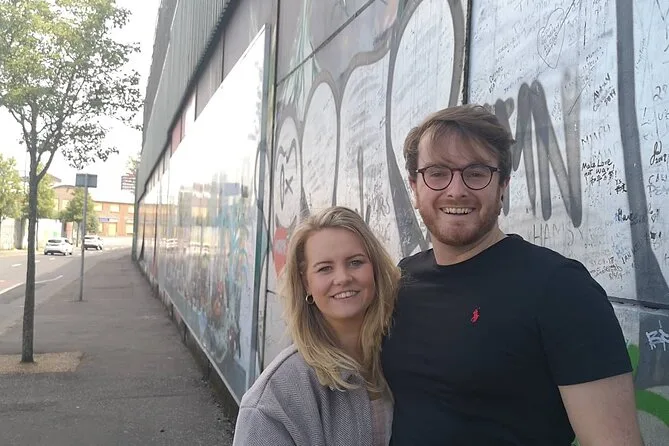
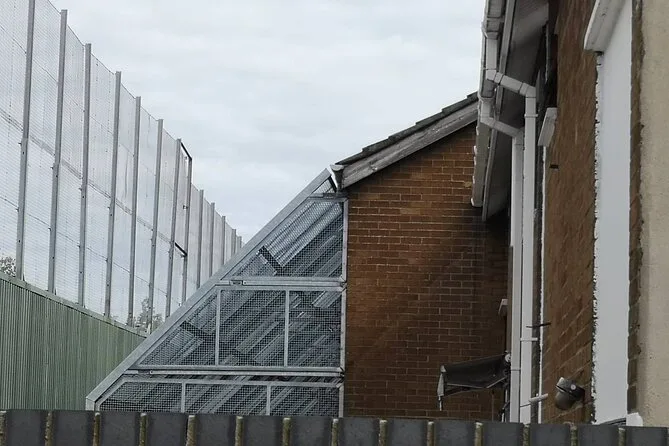
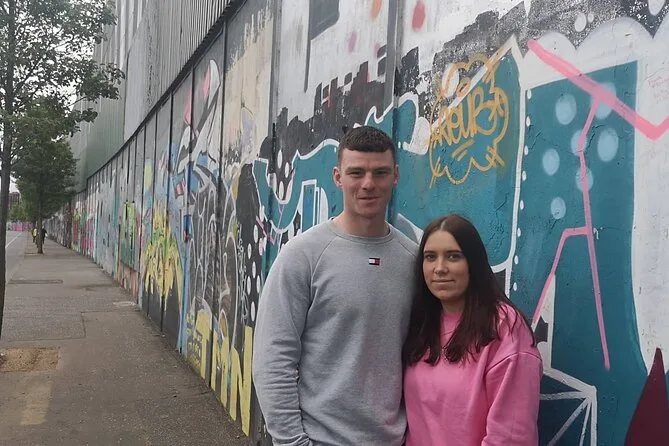
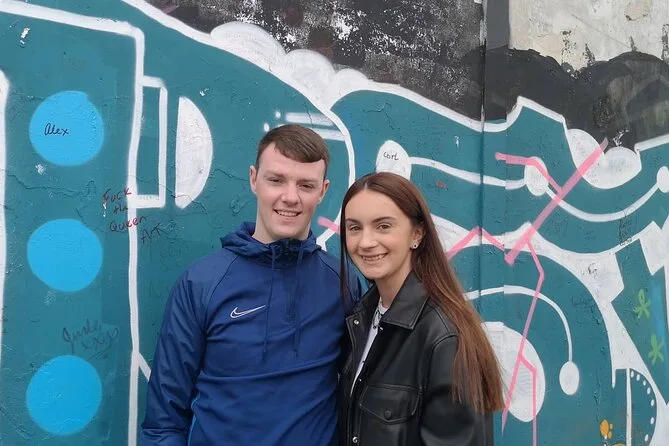
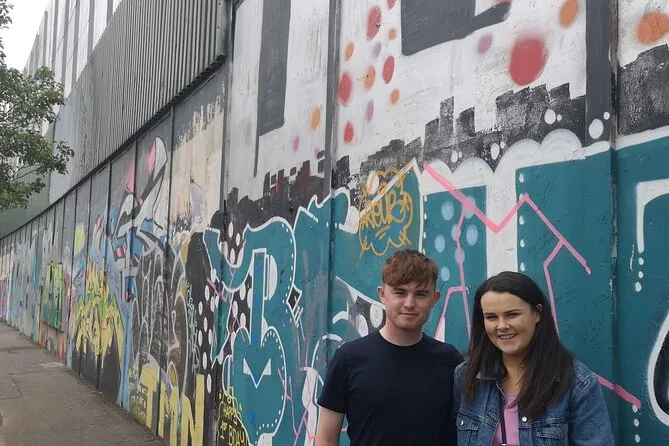
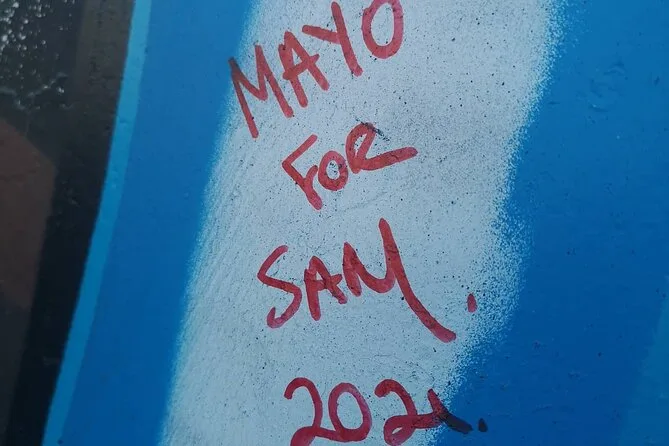
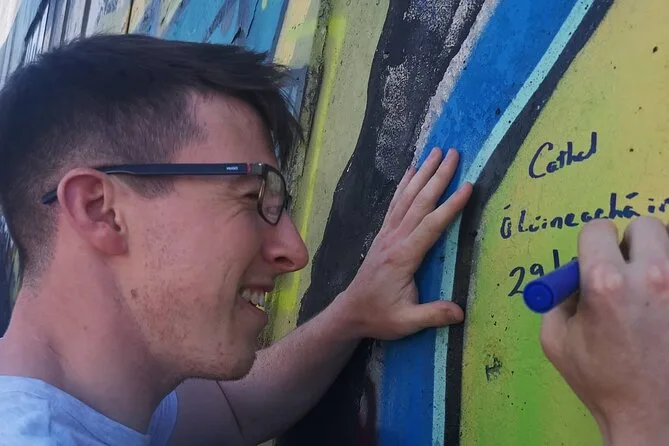
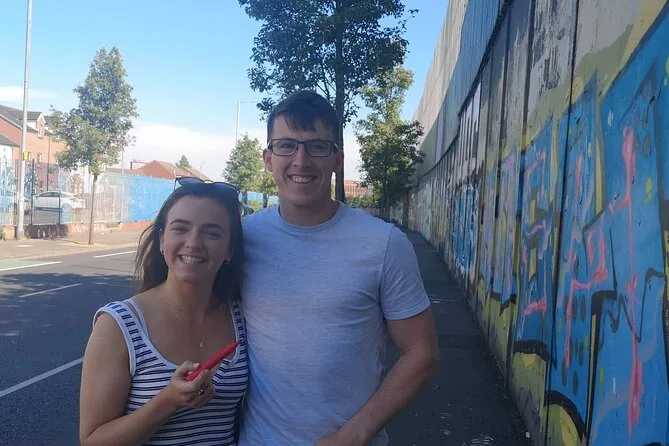
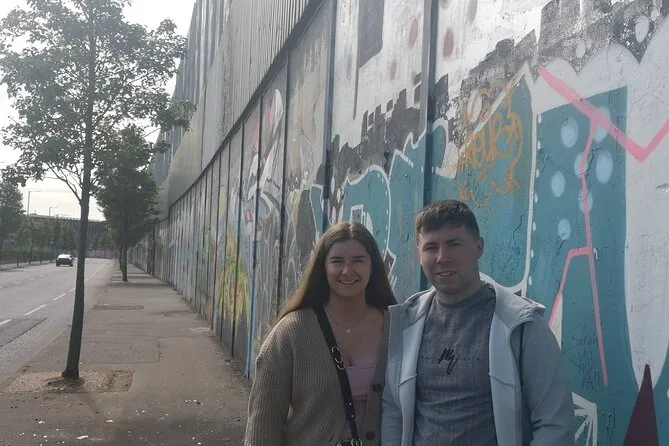
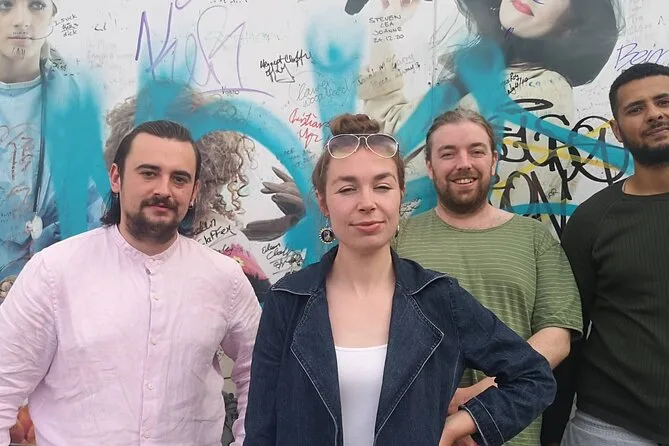
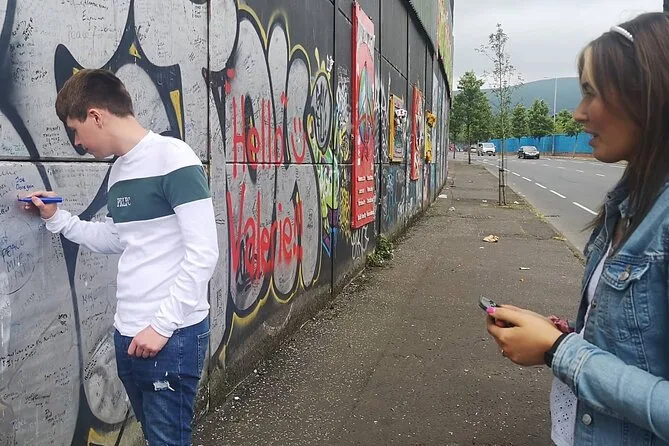
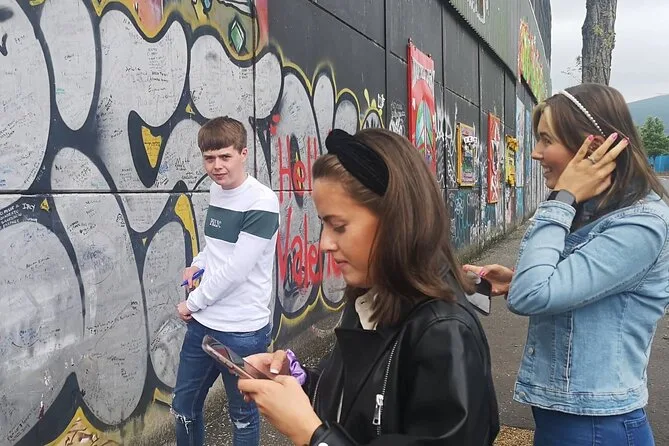
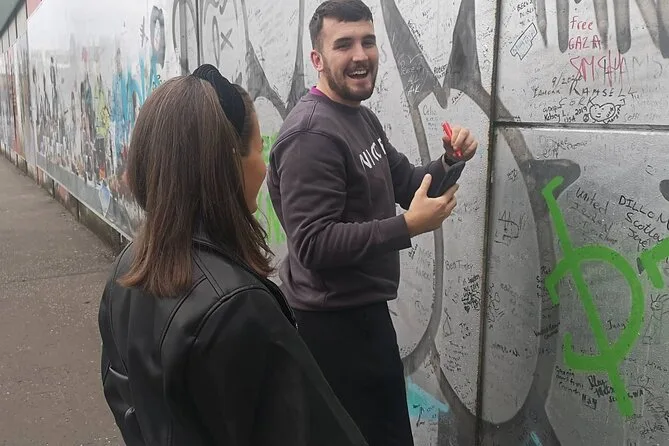
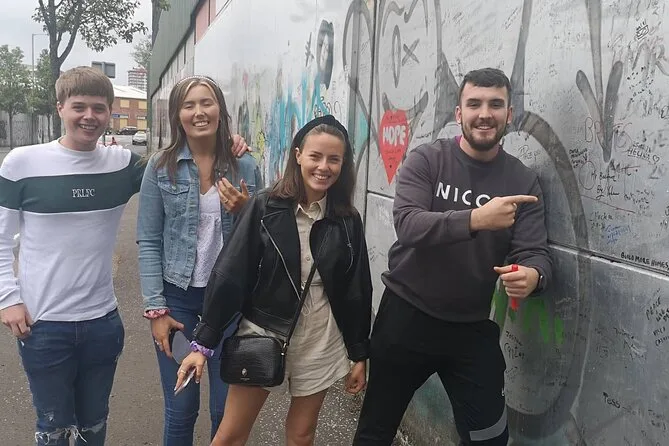
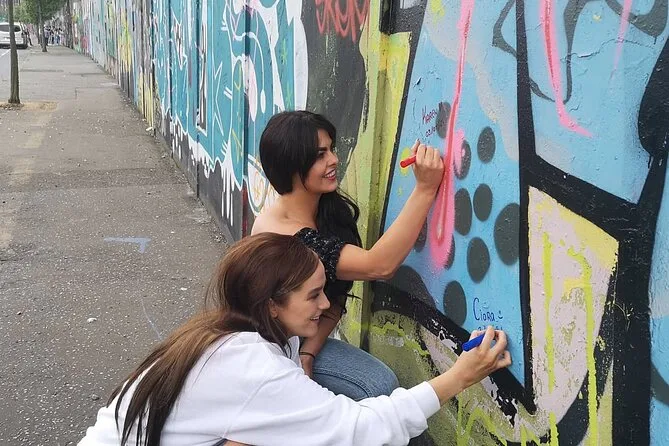
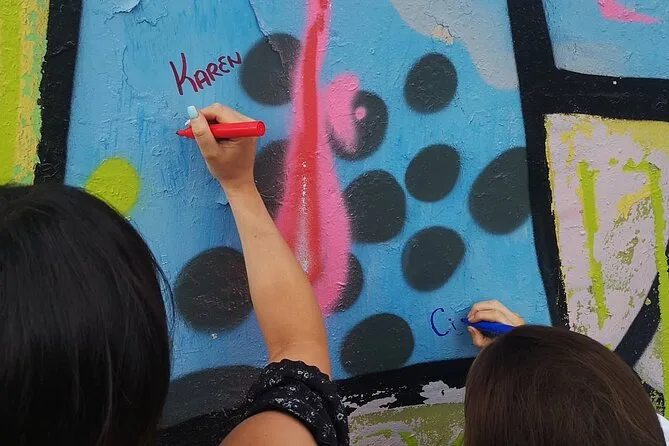
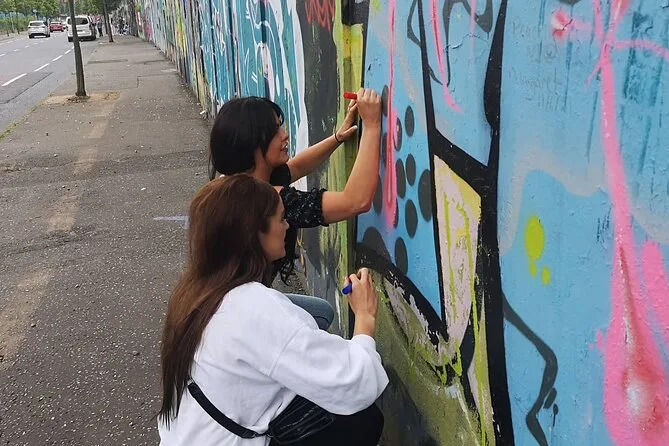
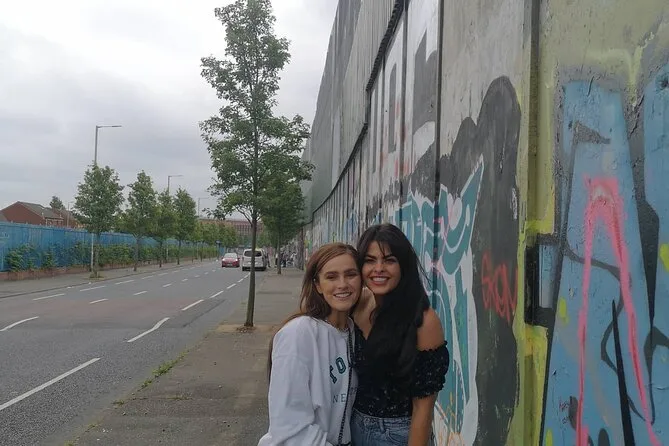
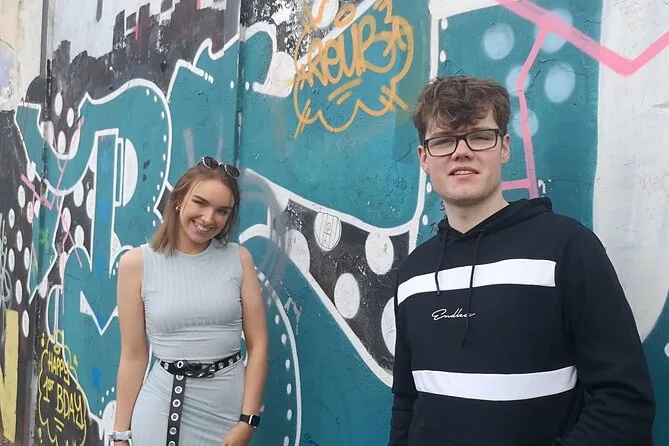
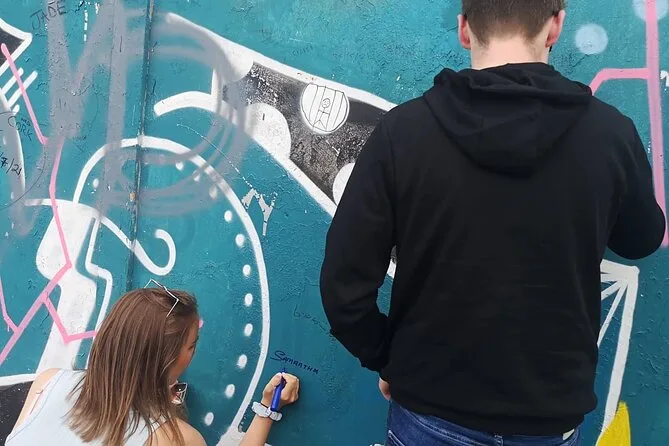
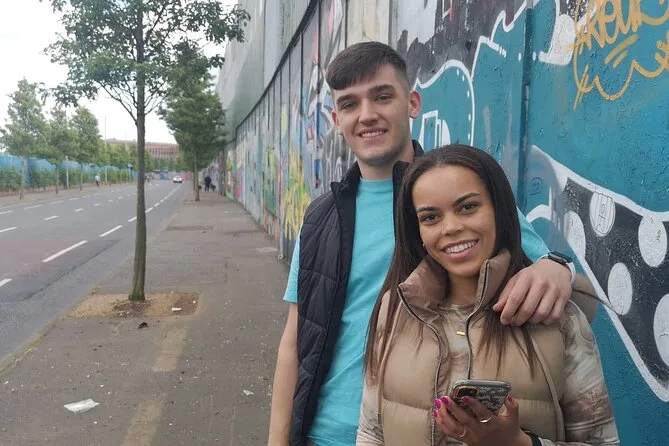
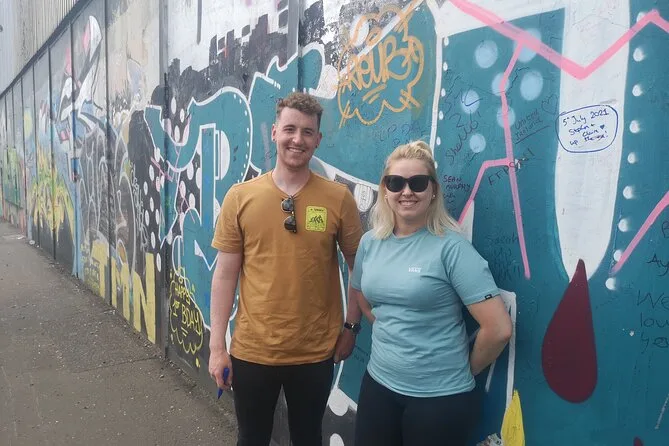
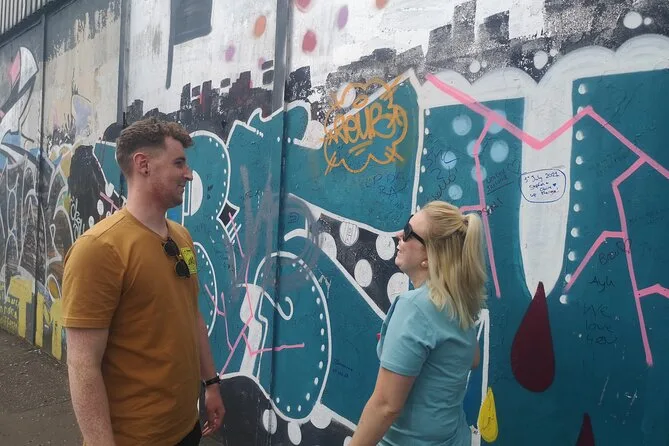
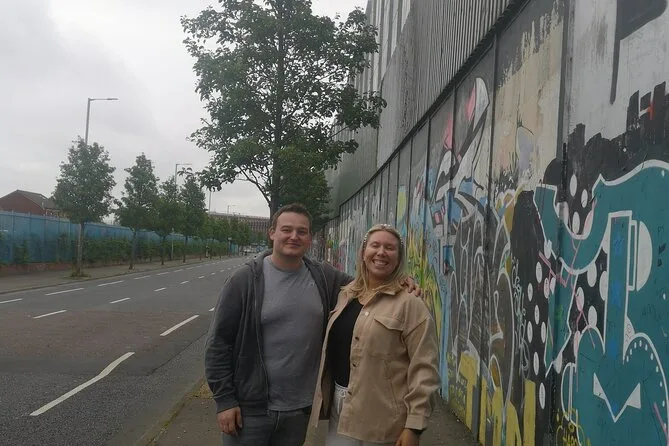
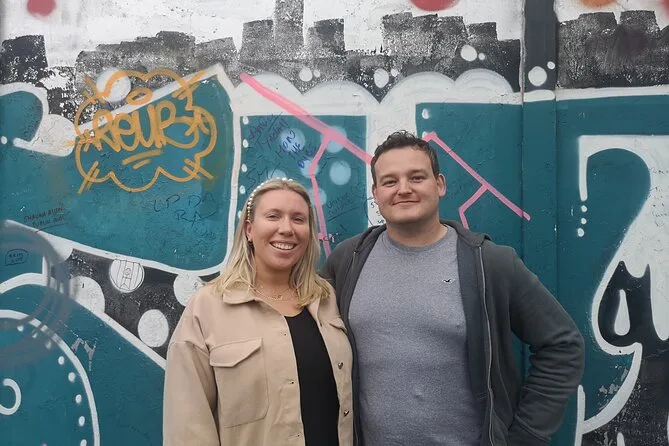
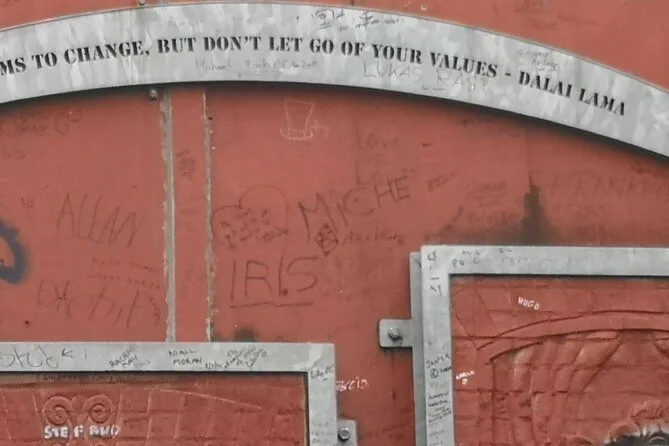
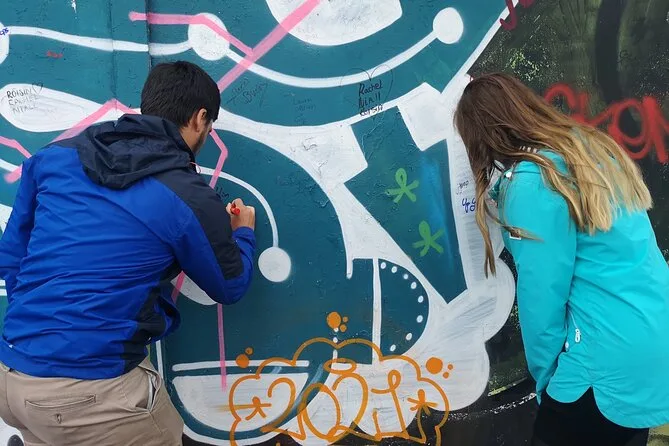
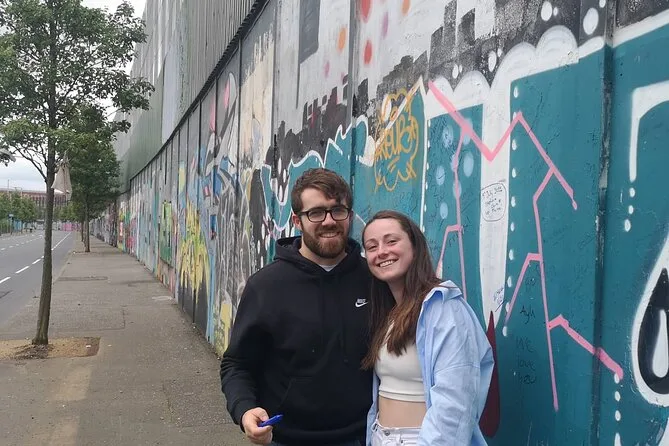
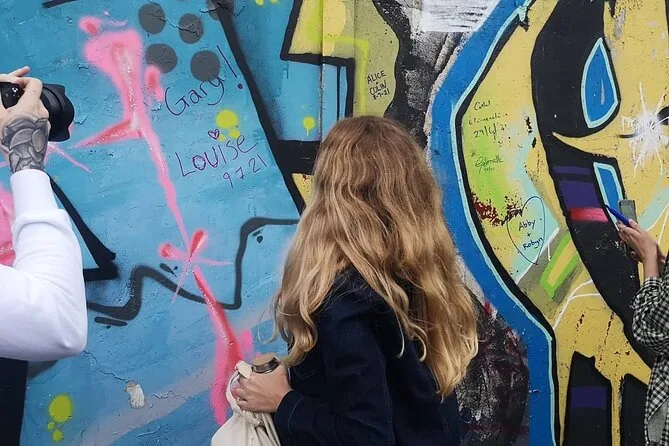
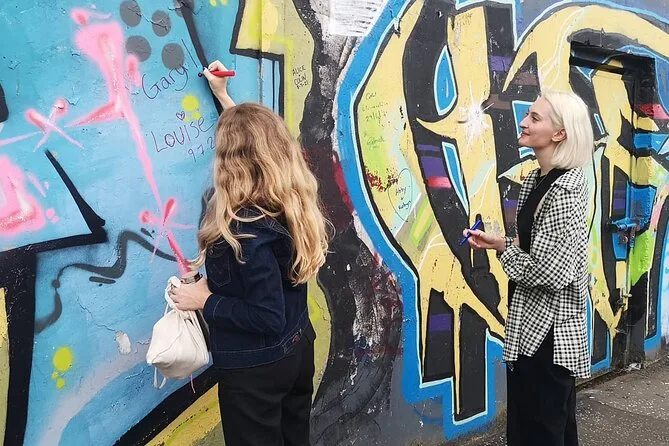
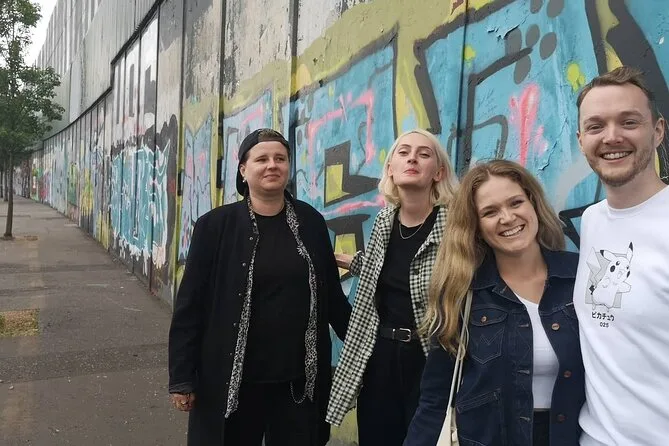
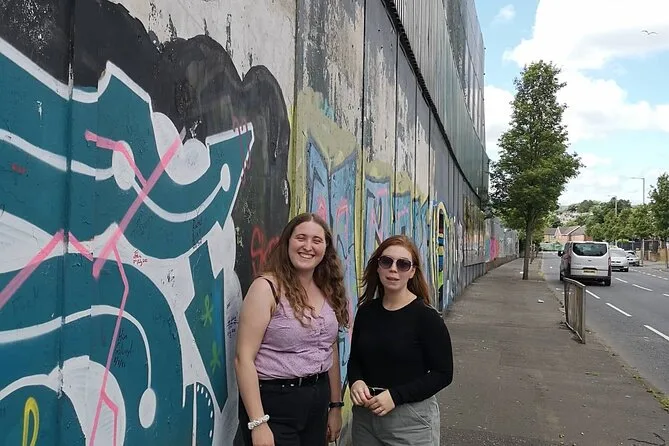
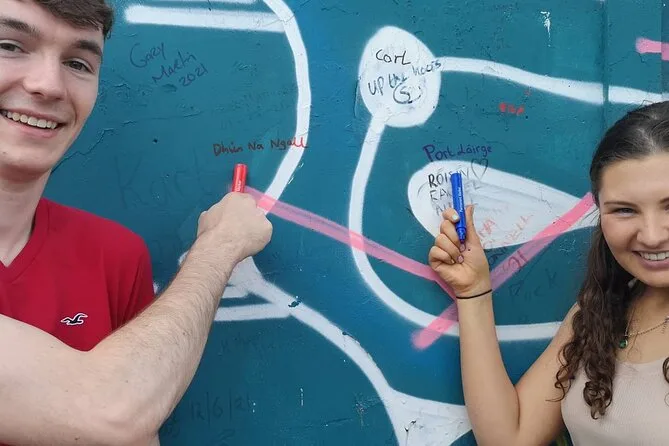
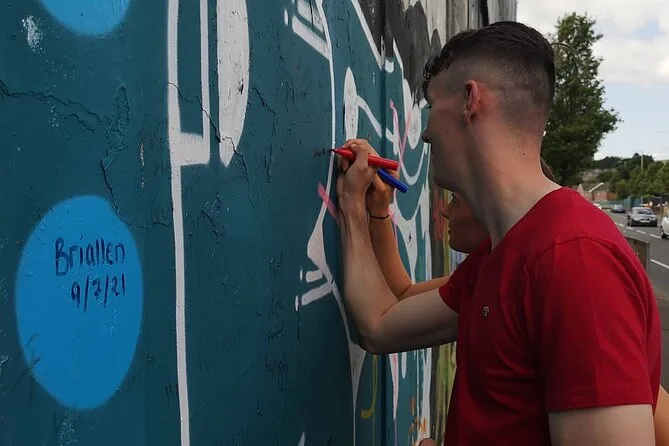
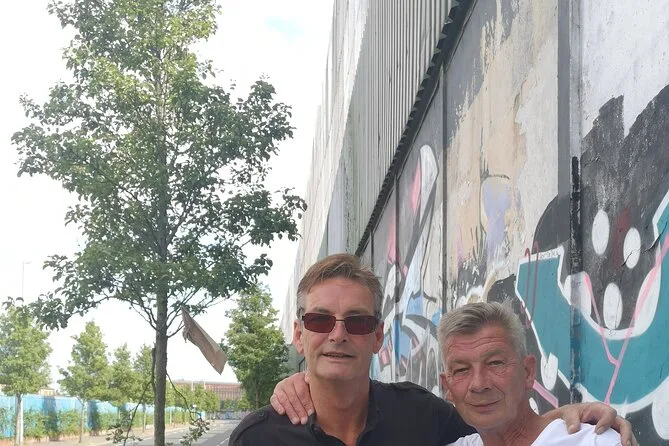
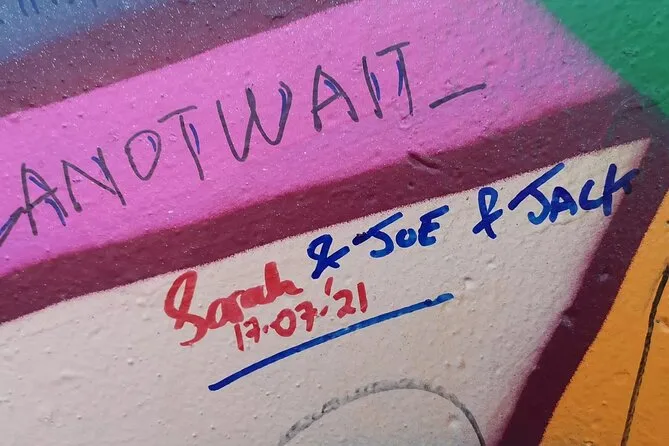
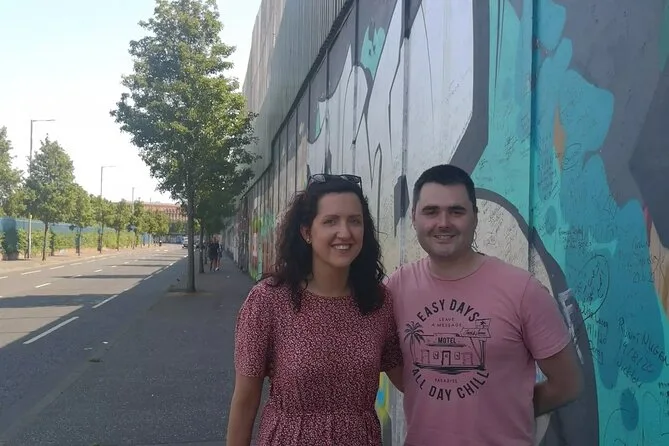
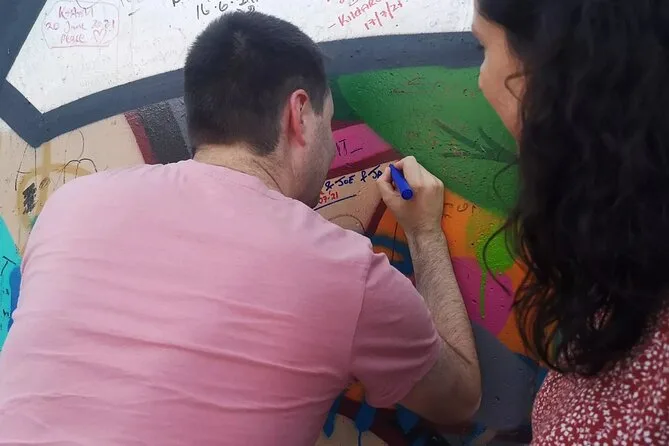
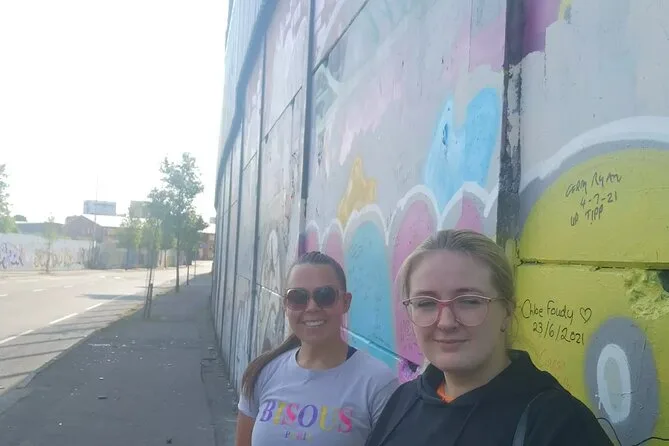
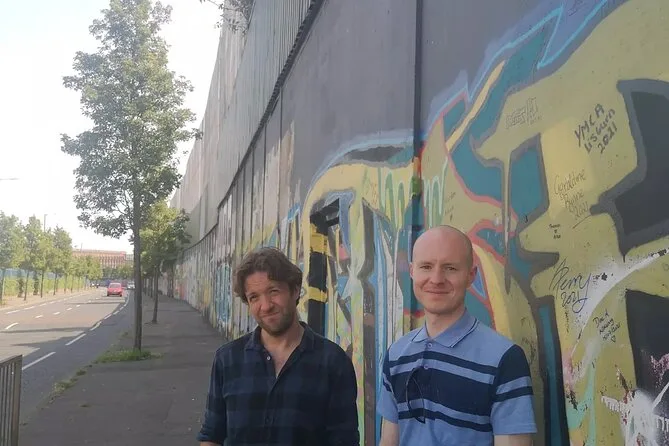
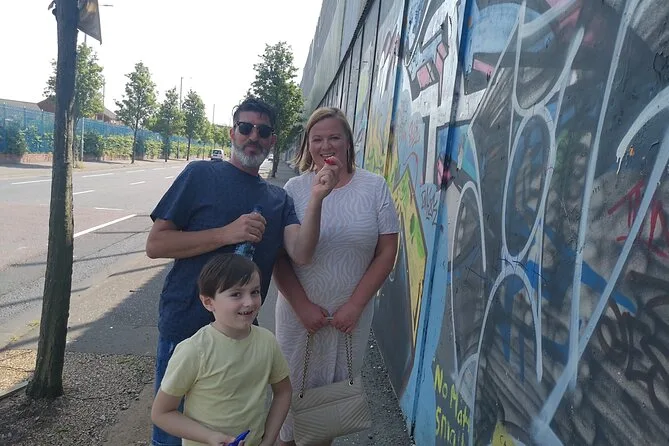
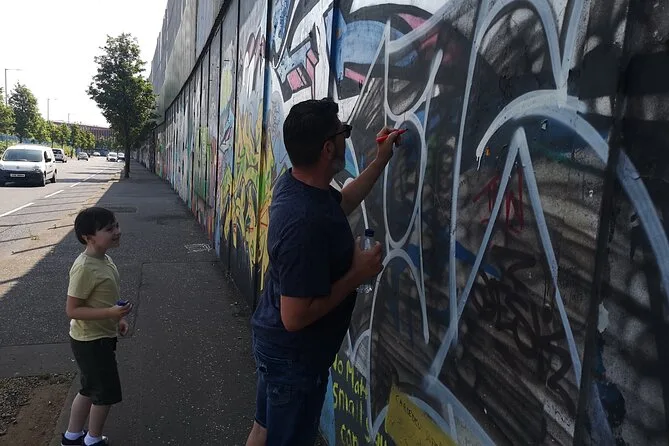
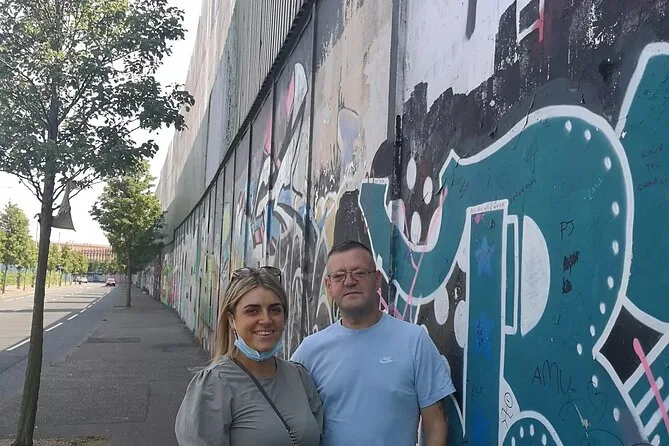
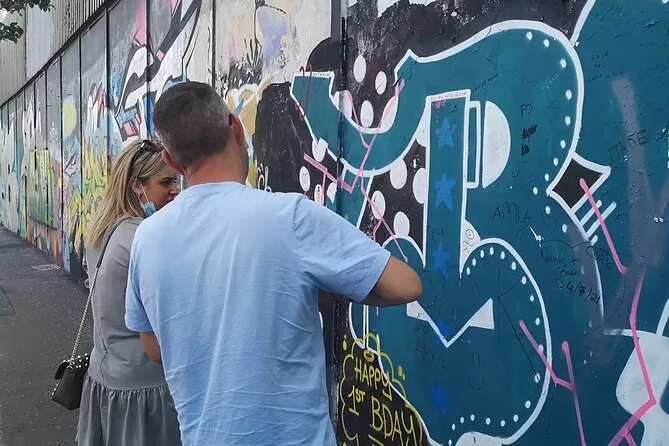
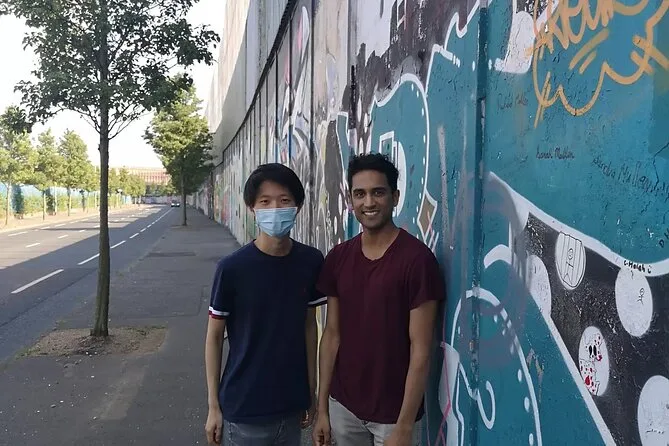
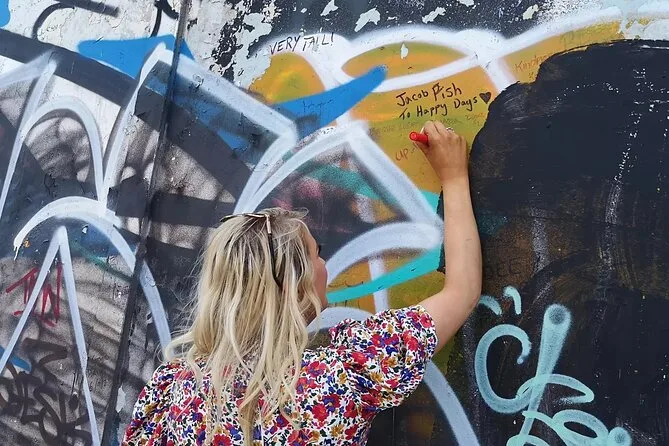
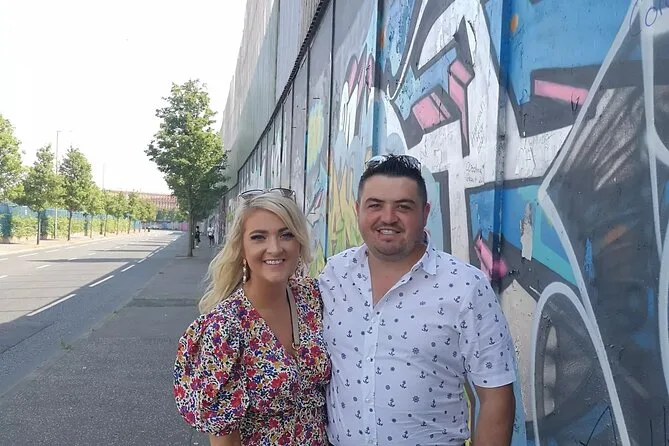
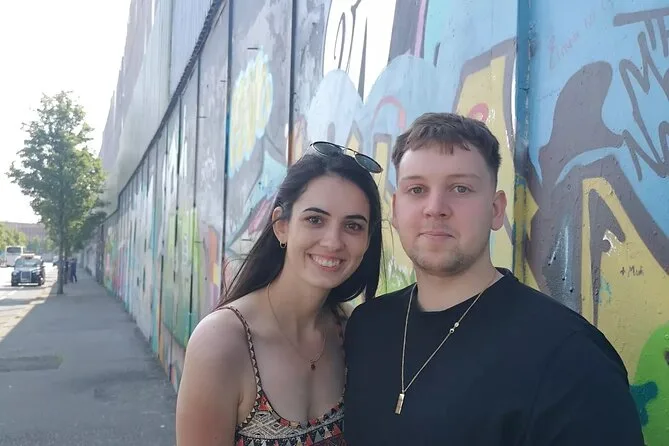
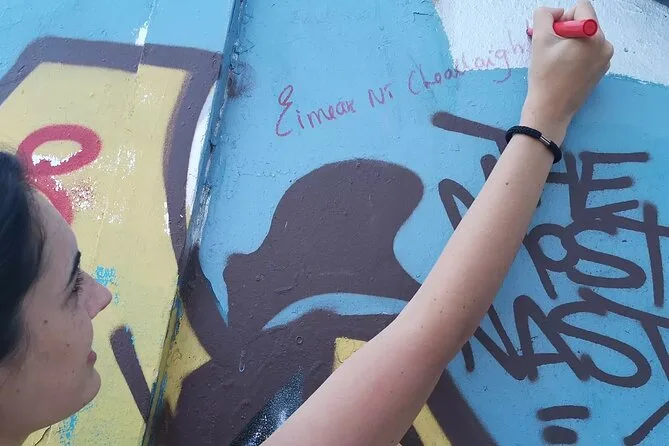
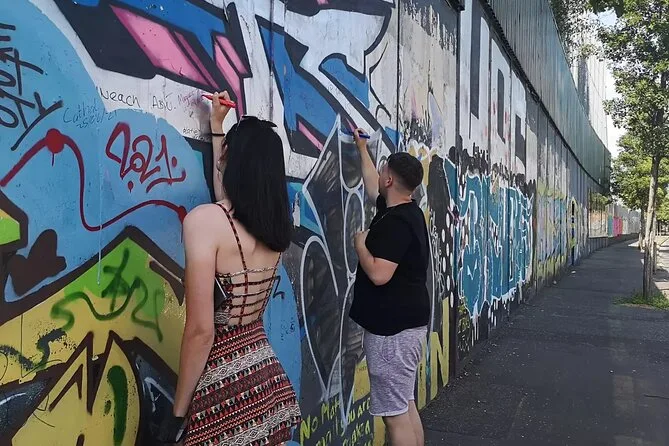
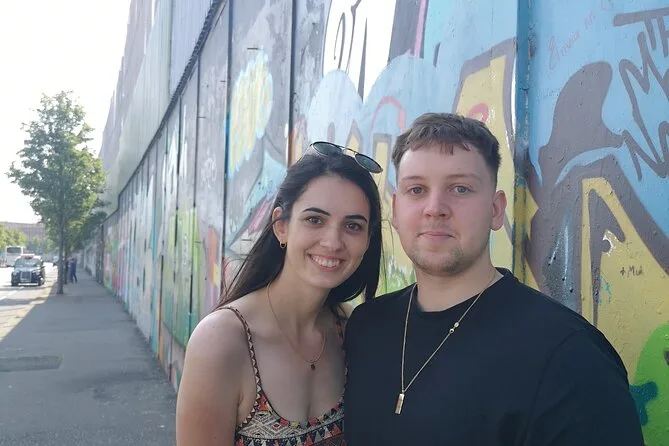
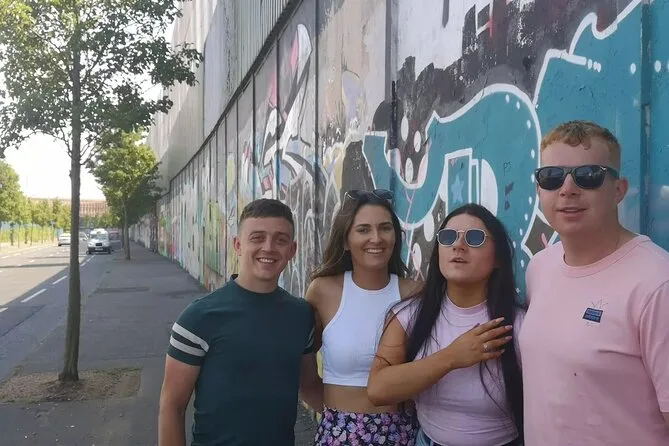
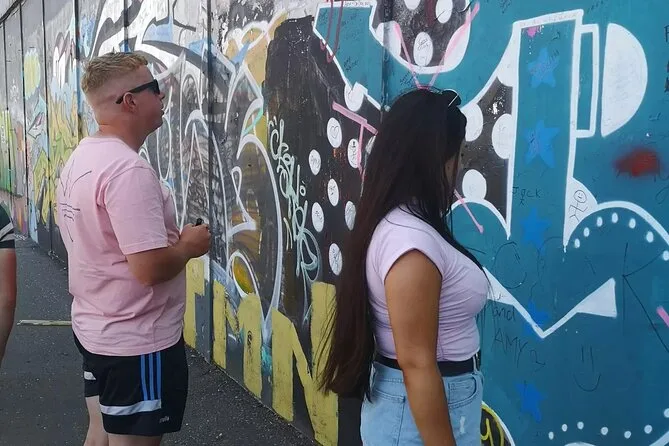
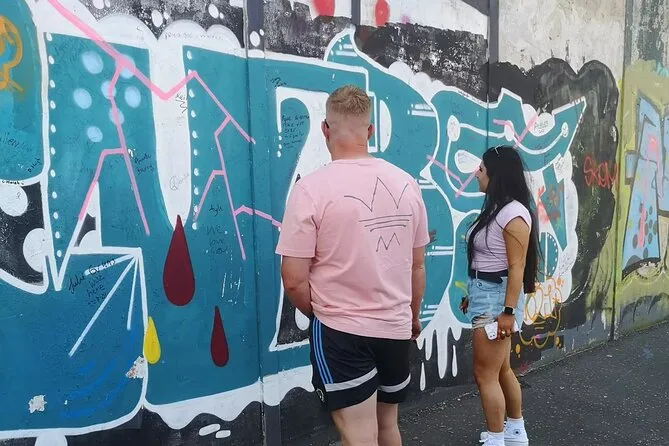
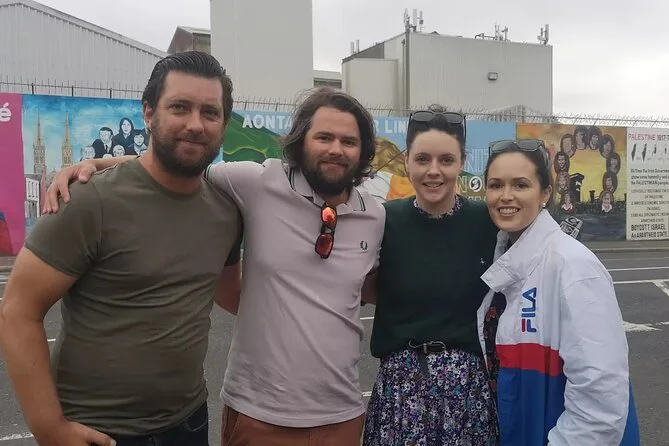
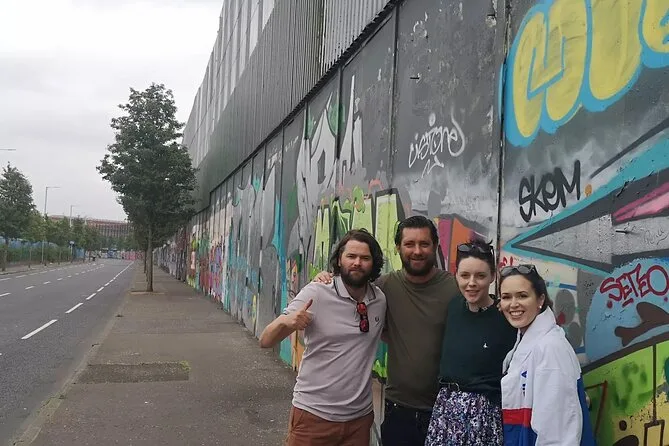
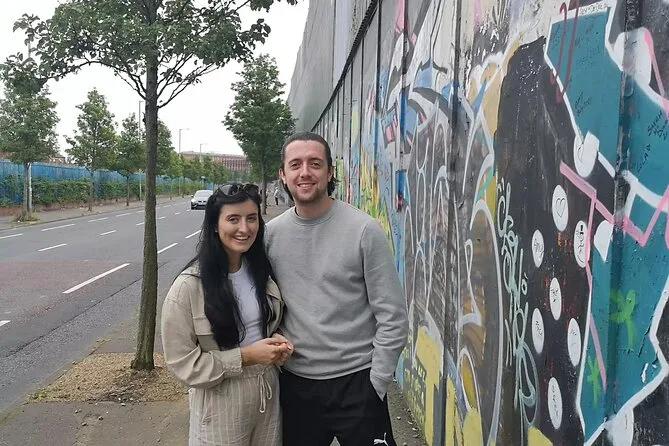
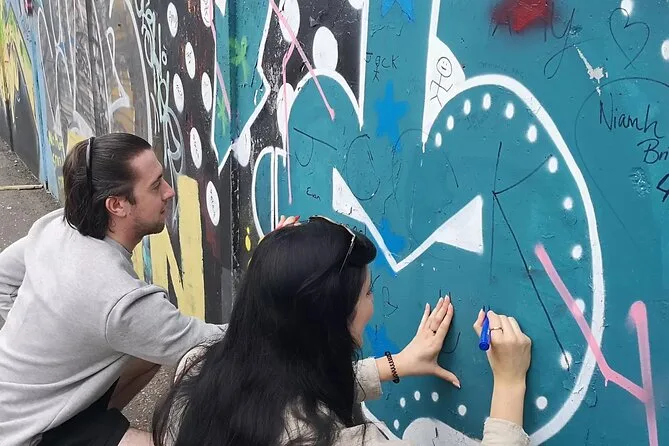
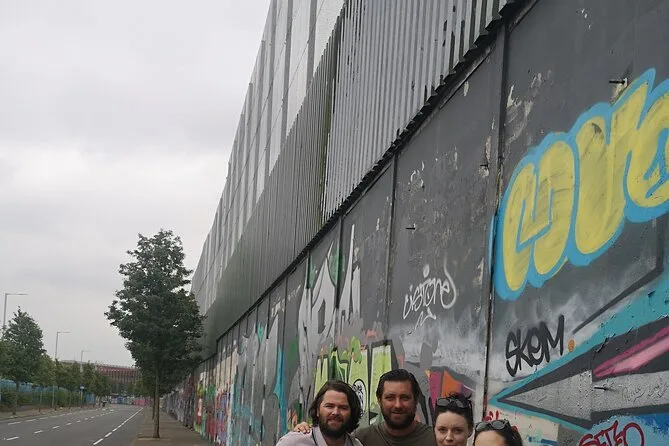
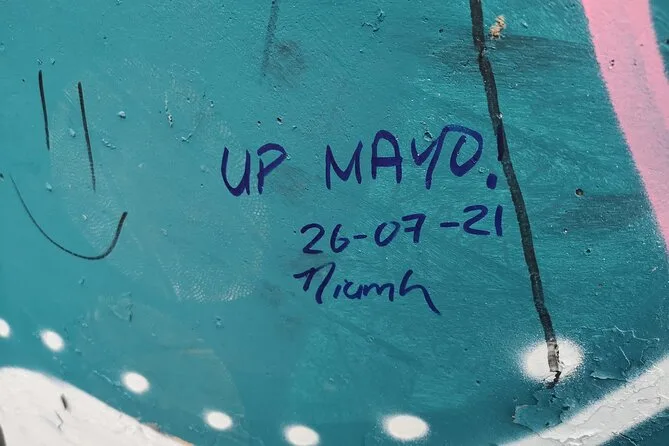
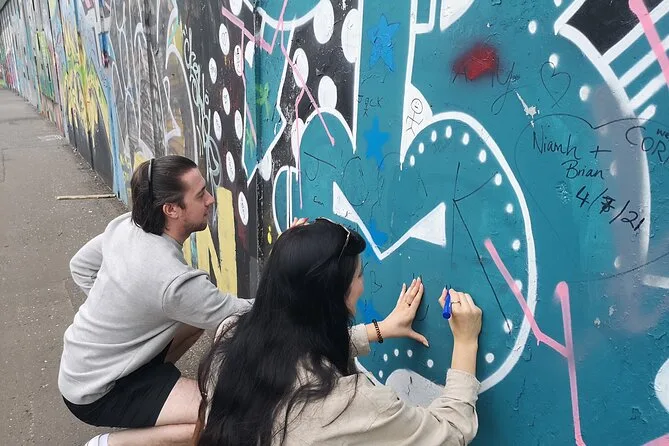
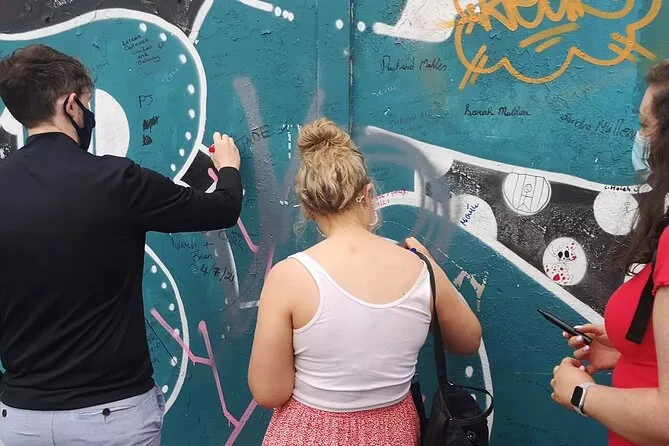
We stopped at the Peace Wall, which is taller than I imagined—metal and concrete running between neighborhoods that still feel wary of each other. Mick handed me a marker and said, “Go on then.” Writing my name next to scribbles from strangers (and apparently Bill Clinton?) felt both silly and serious at once. The wall smelled faintly of spray paint and damp stone. I tried to picture what it must’ve been like when gates closed at night; Mick just nodded quietly when I asked.
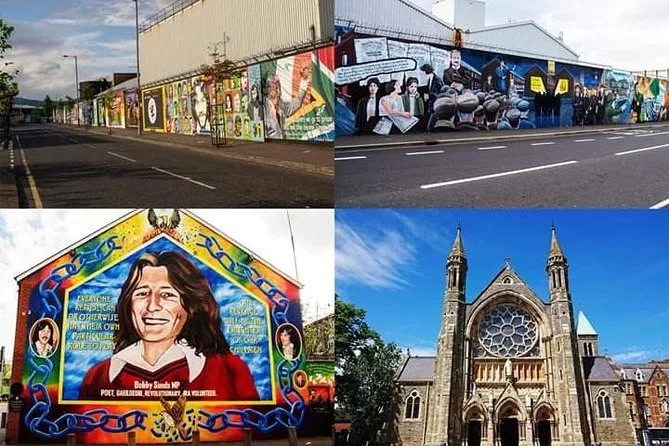
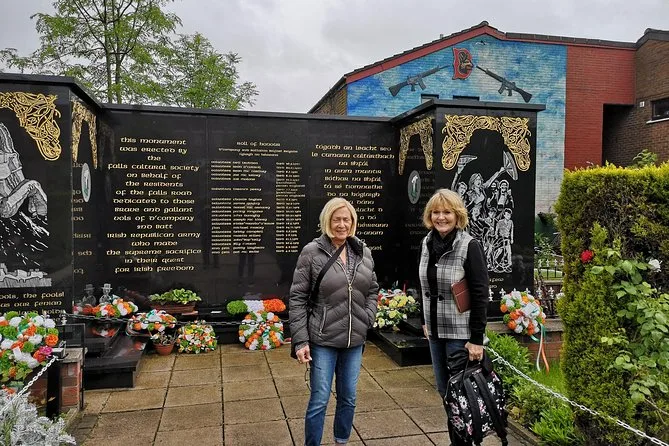
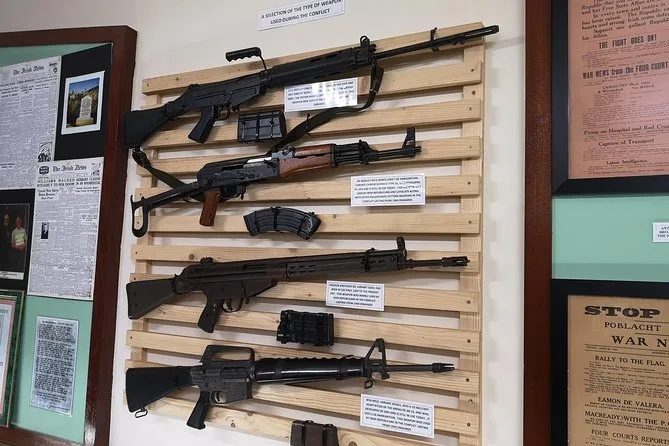
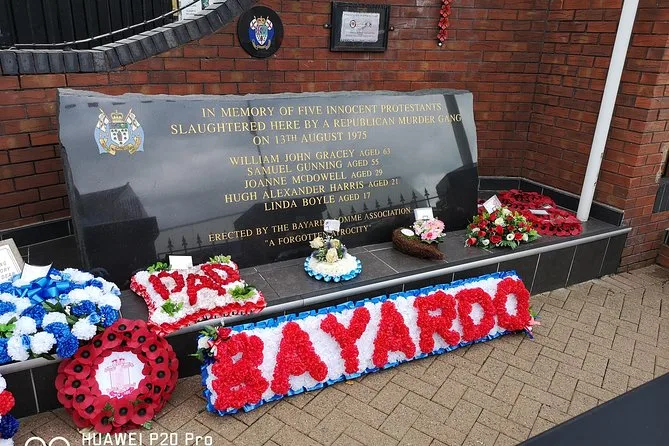
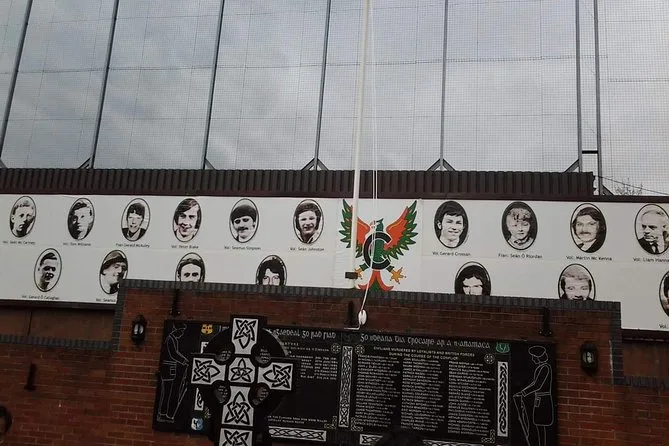
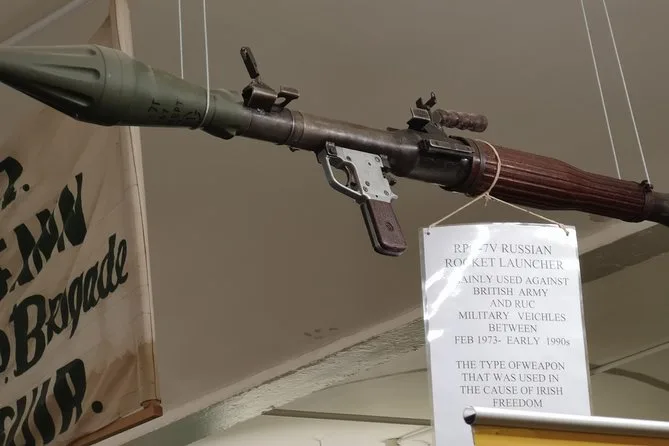
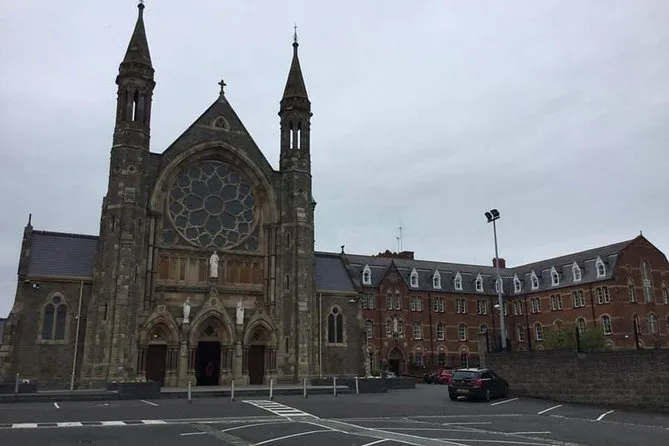
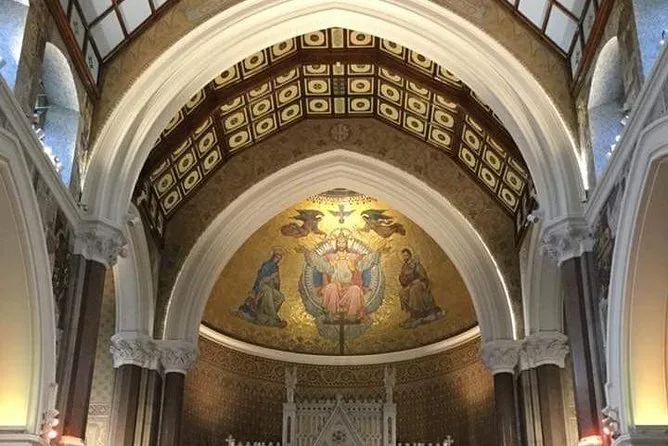
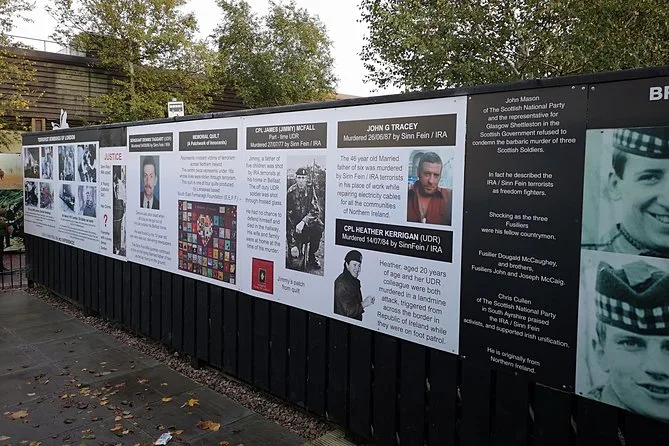
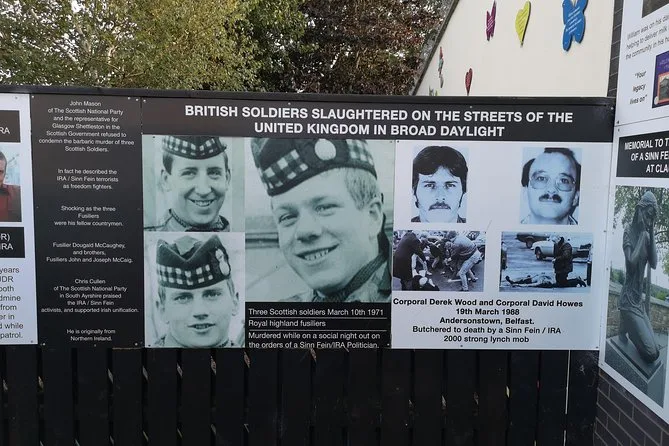
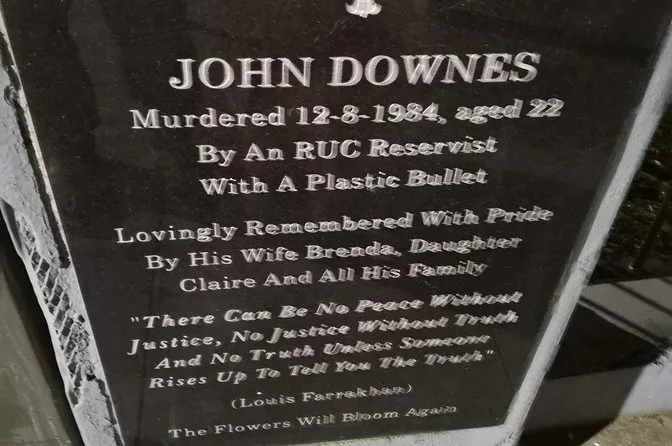
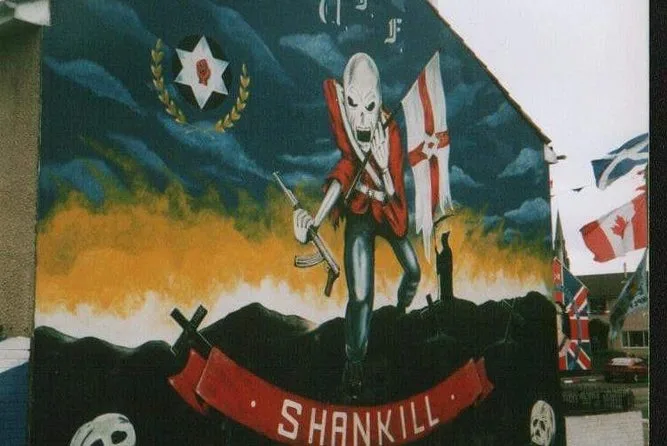
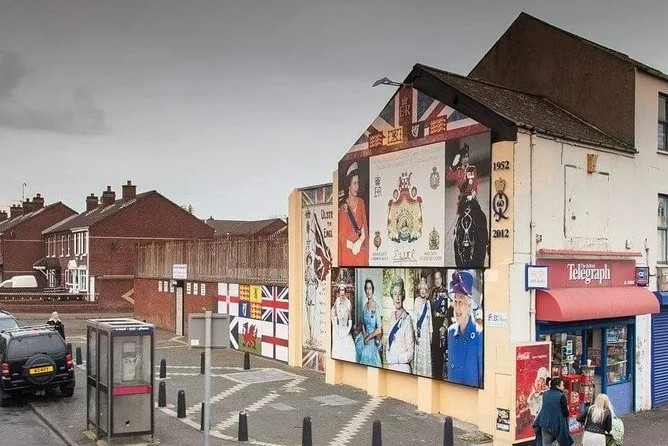
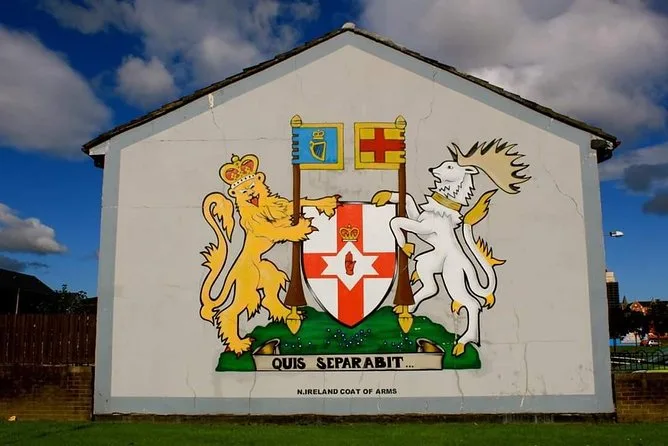
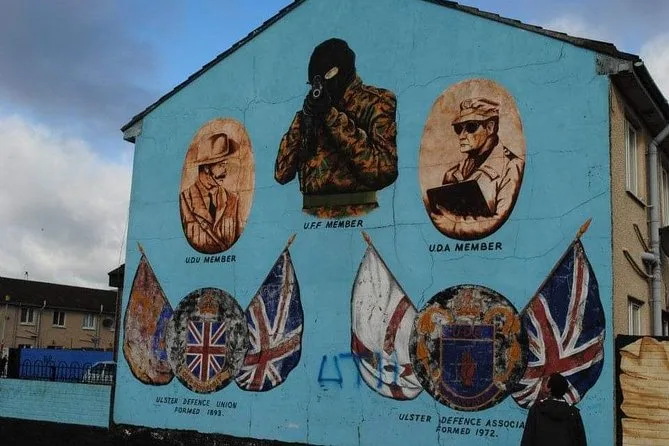
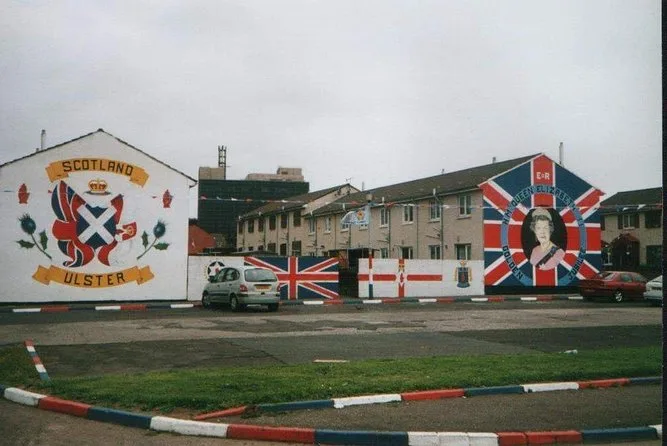
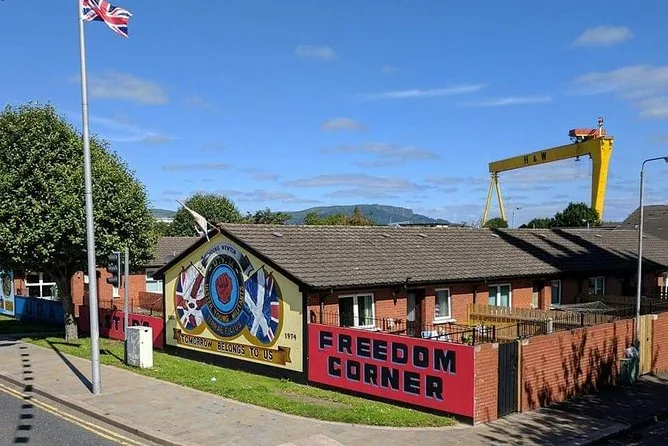
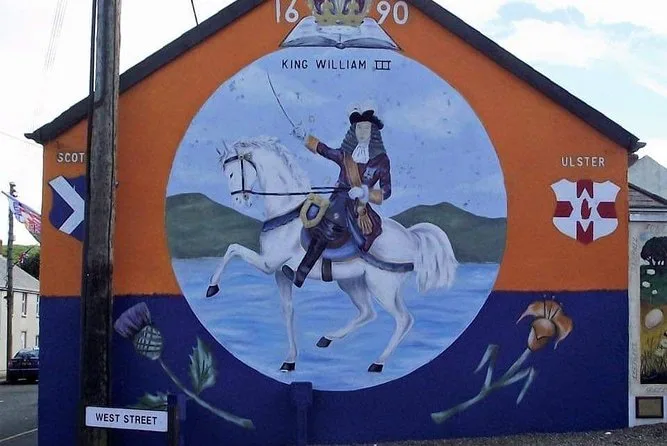
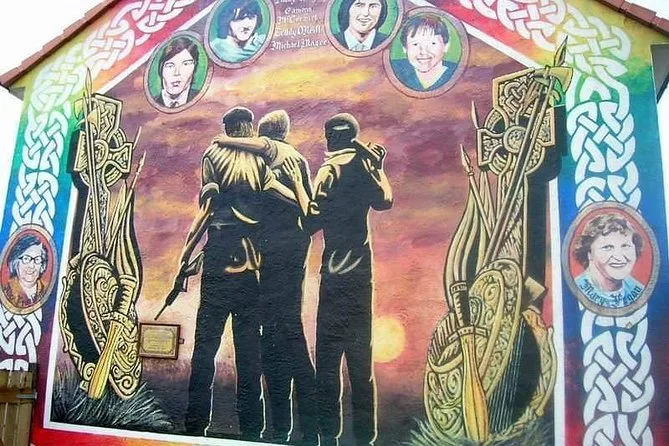
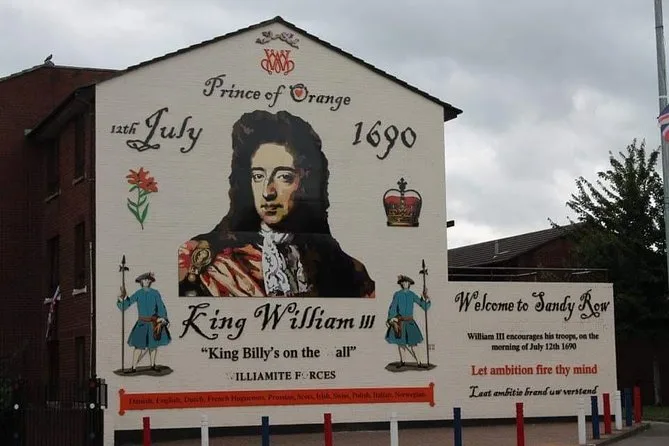
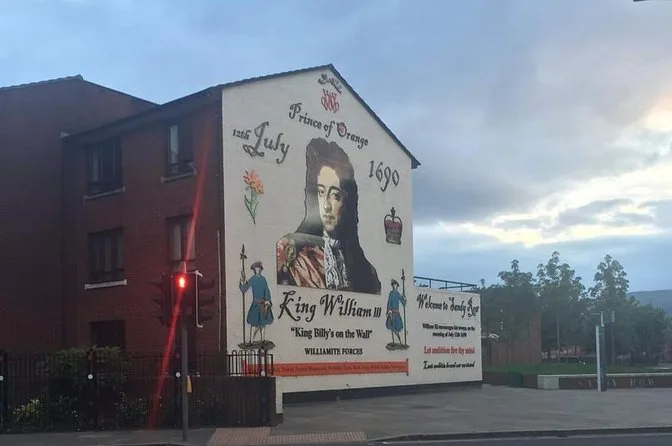
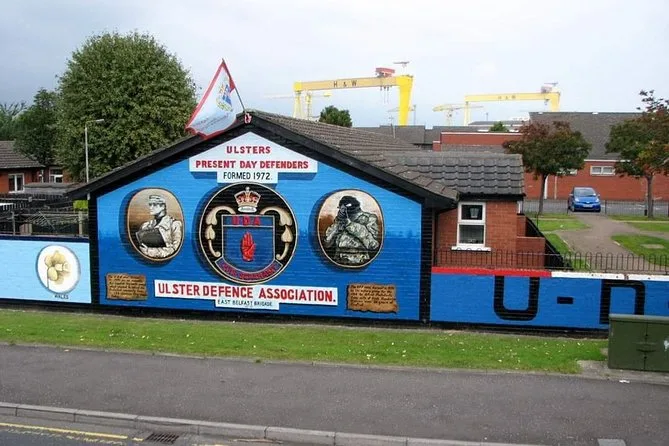
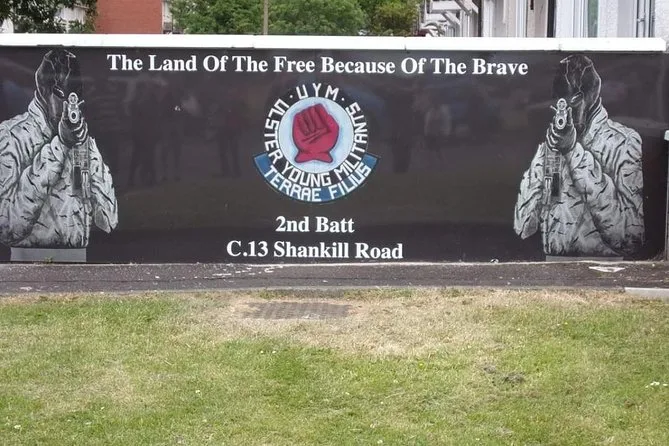
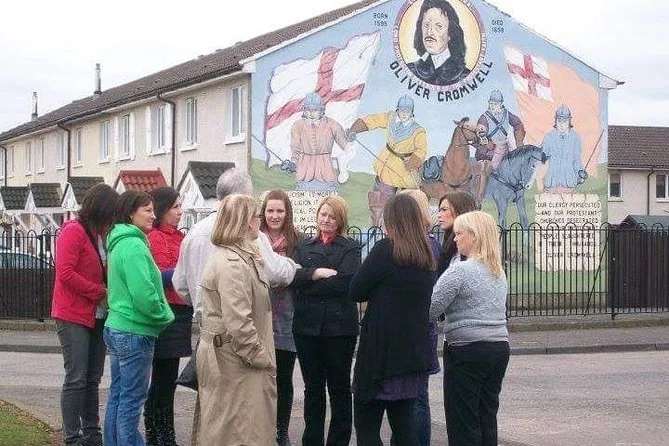
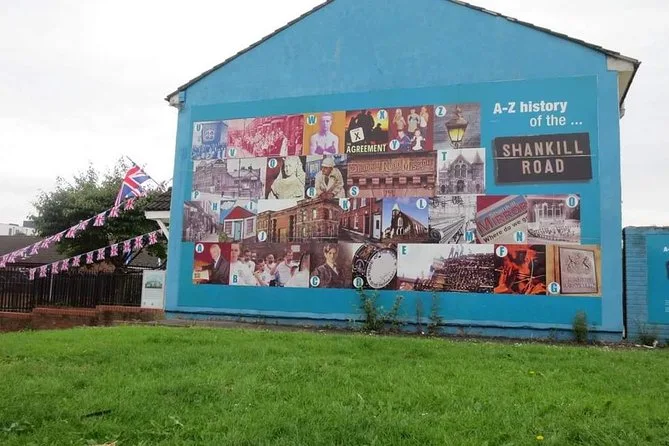
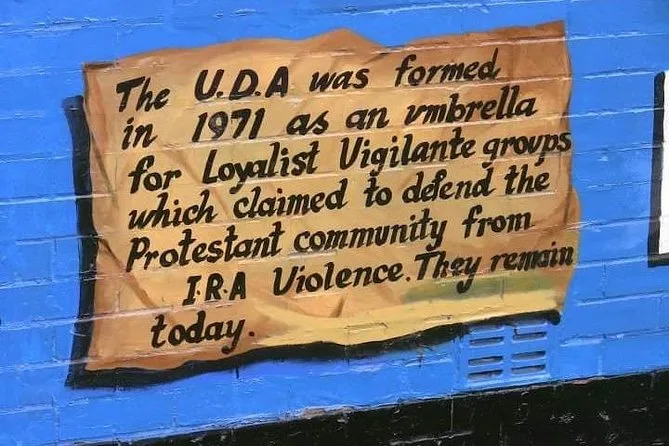
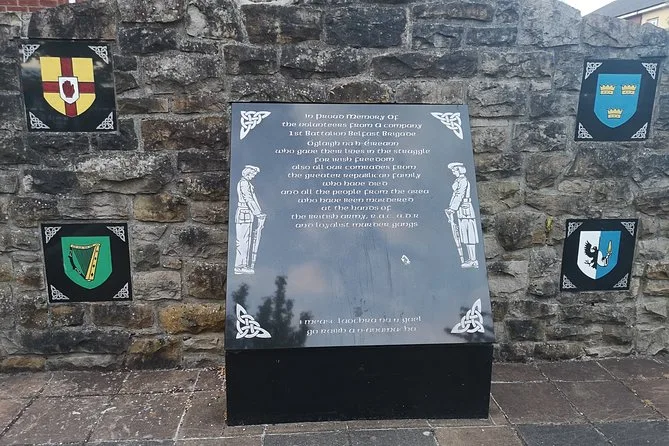
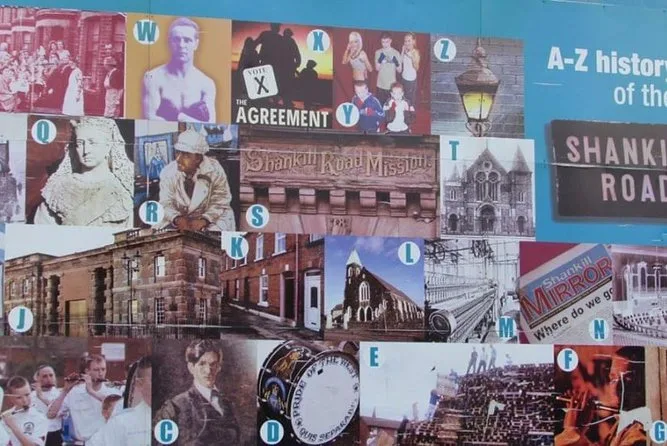
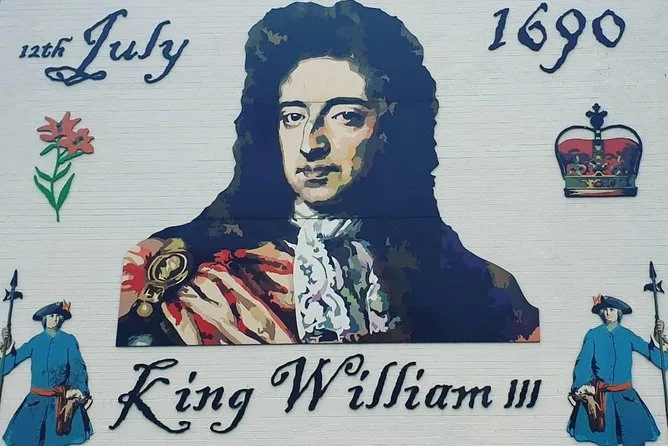
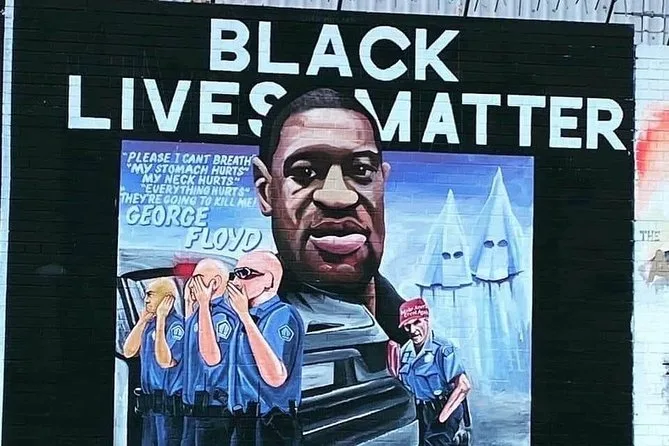
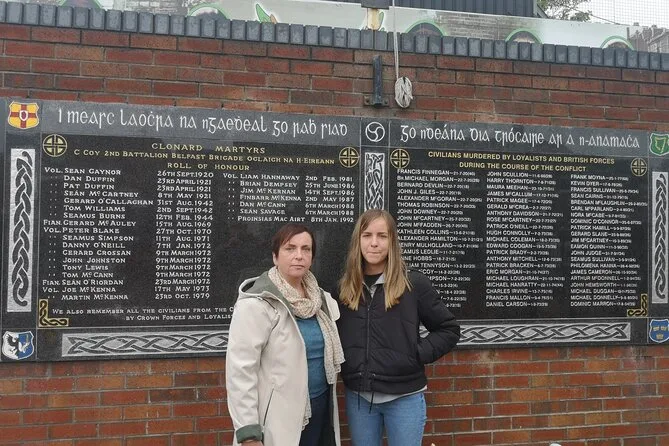
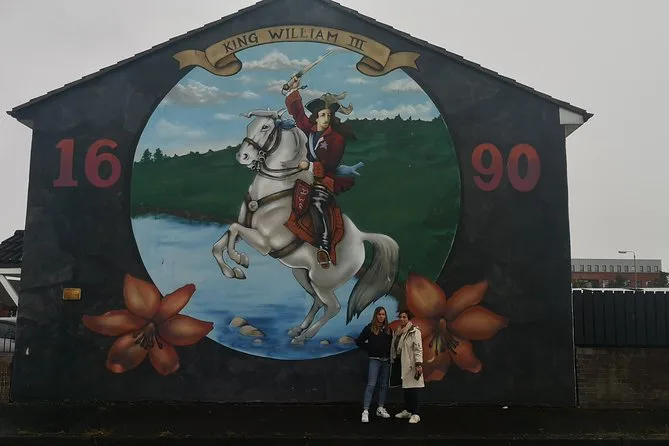
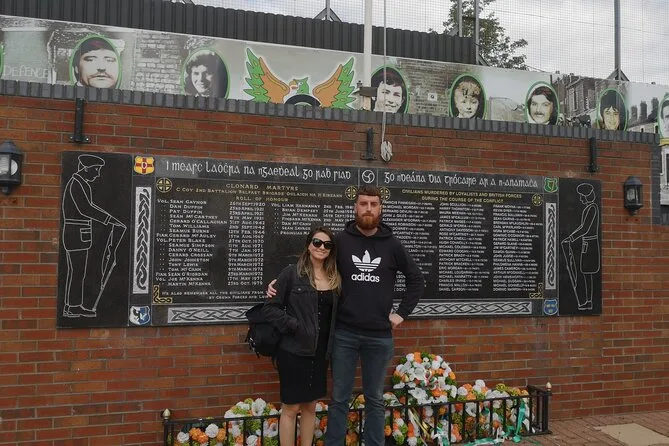
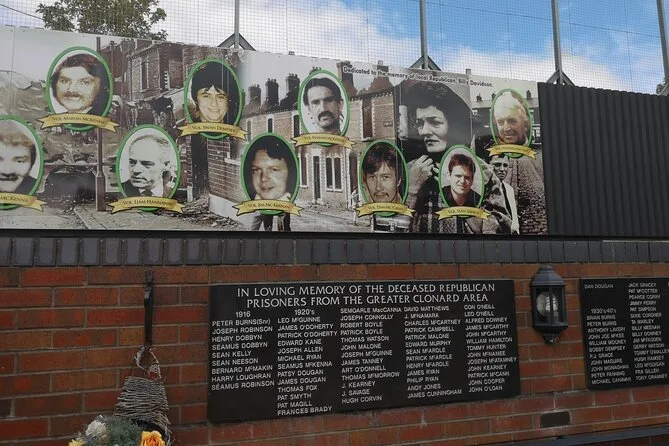
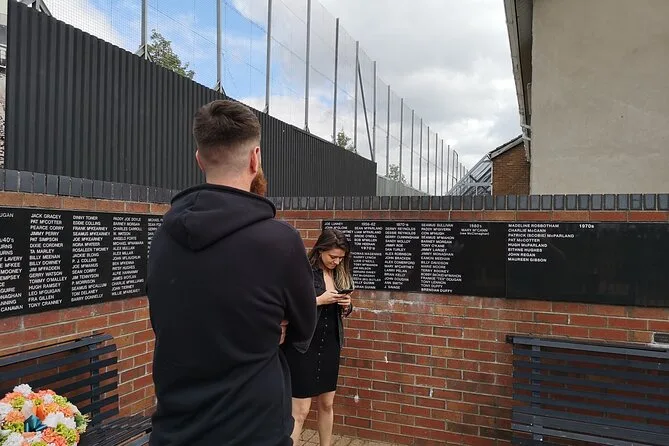
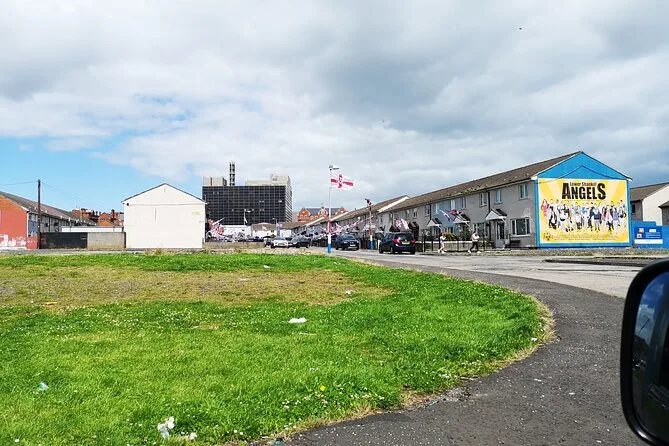
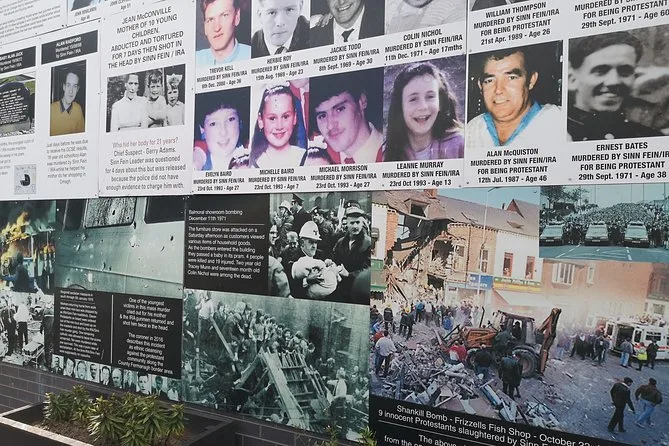
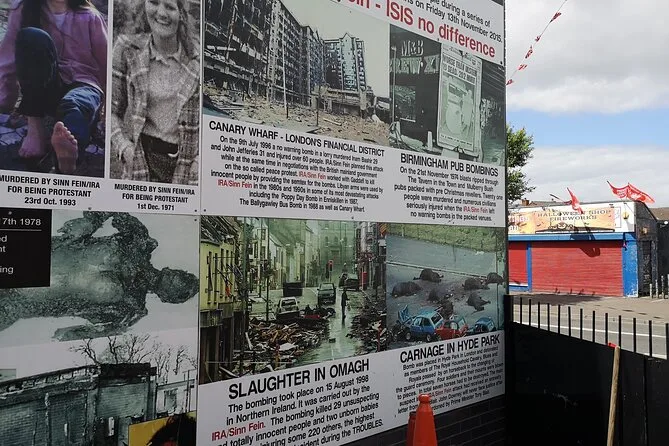
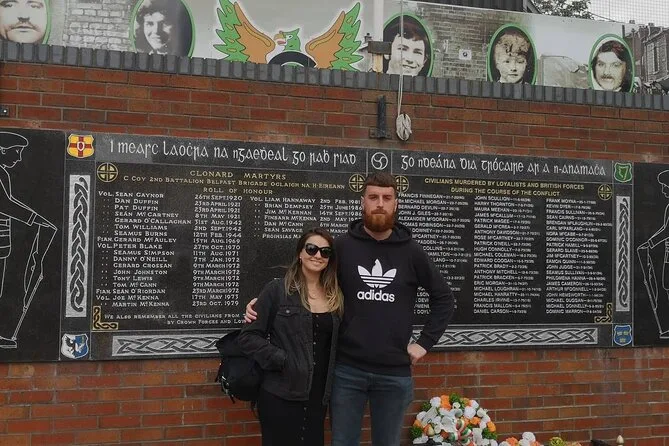
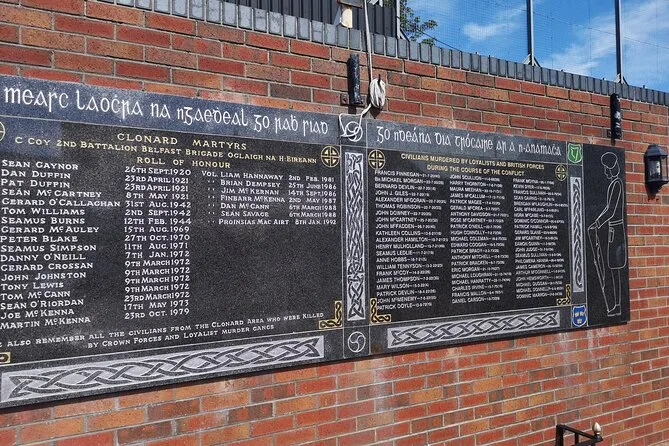
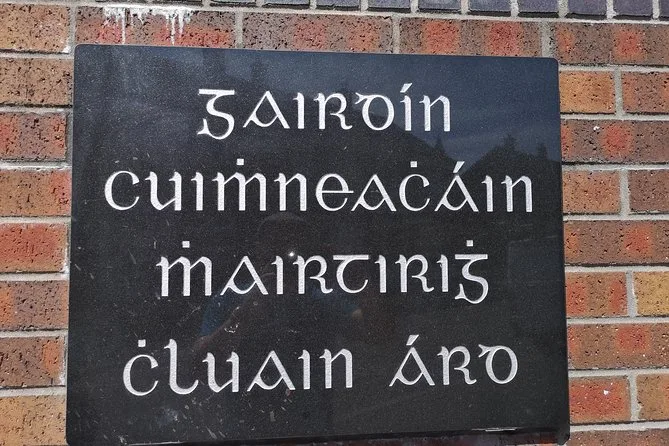
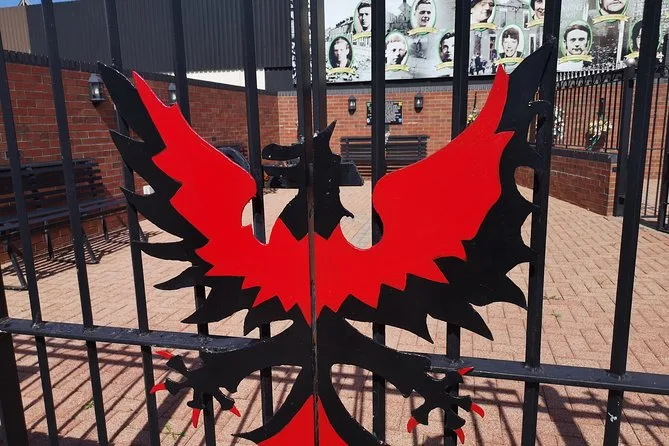
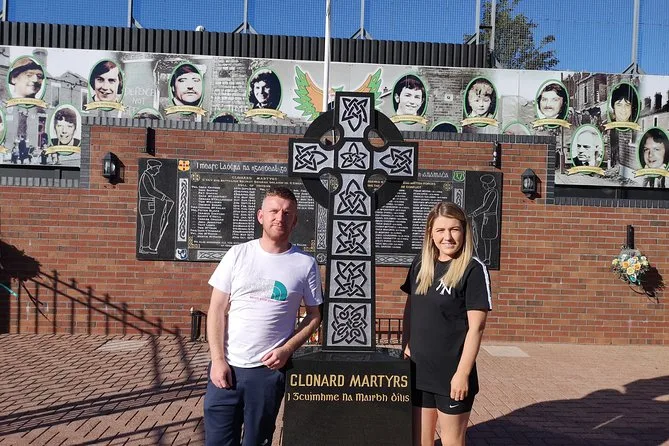
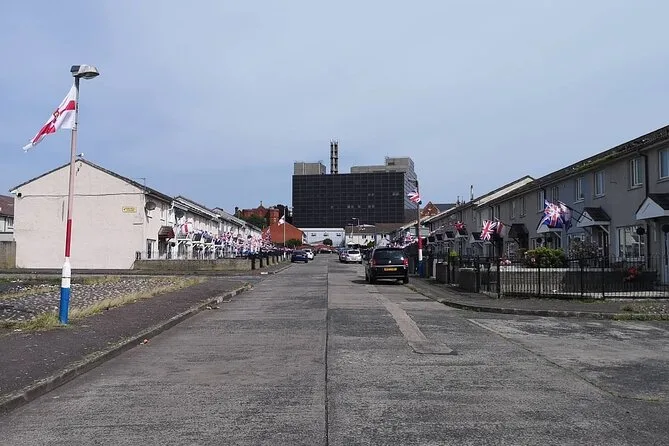
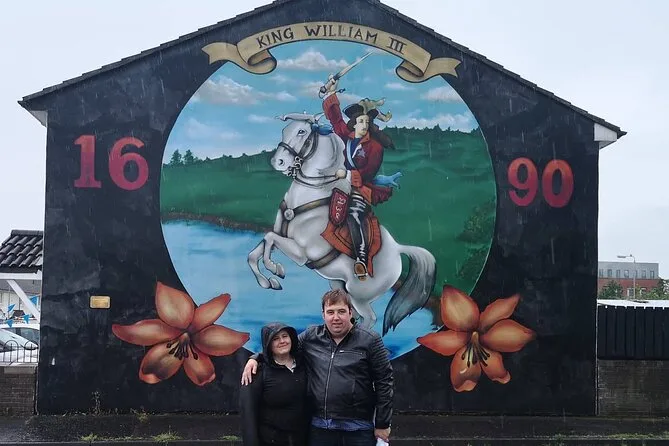
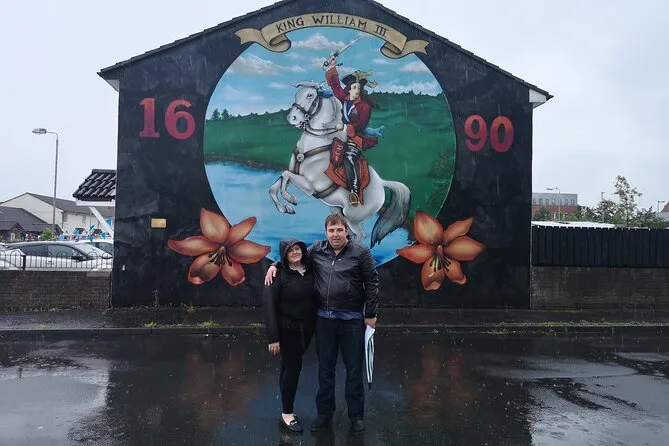
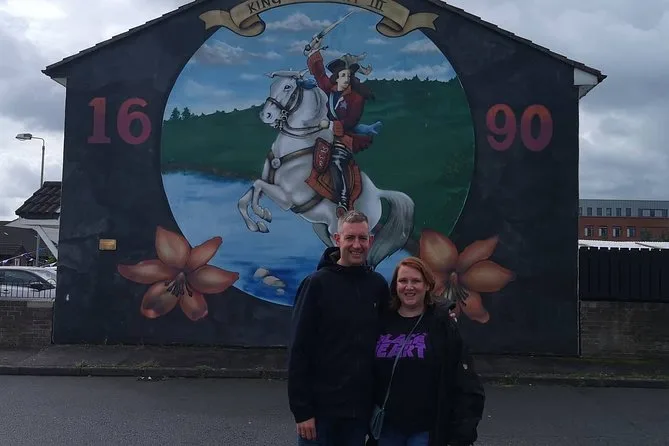
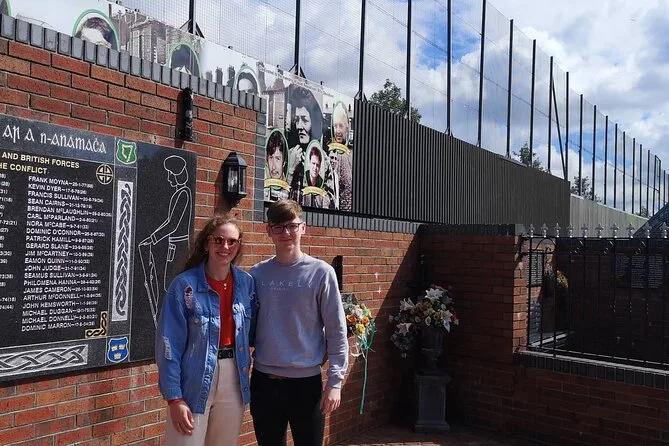
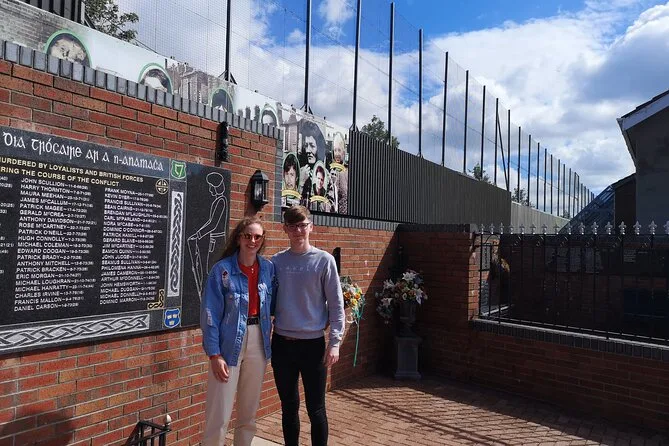
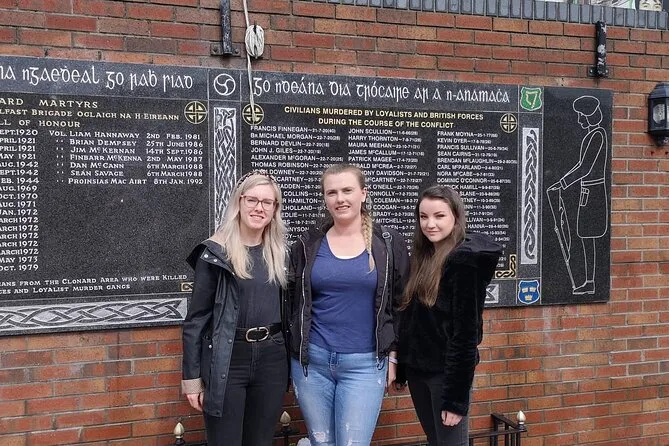
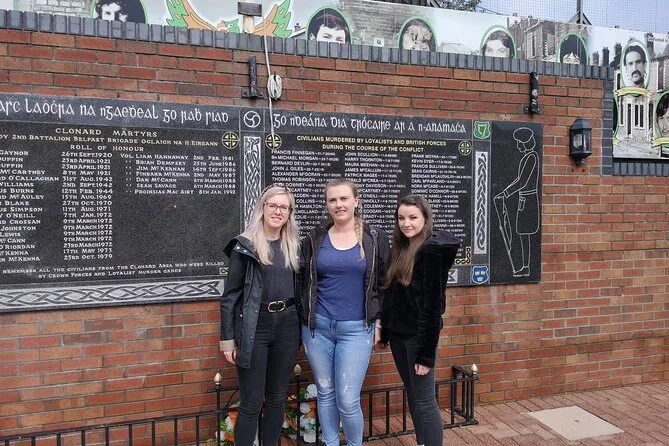
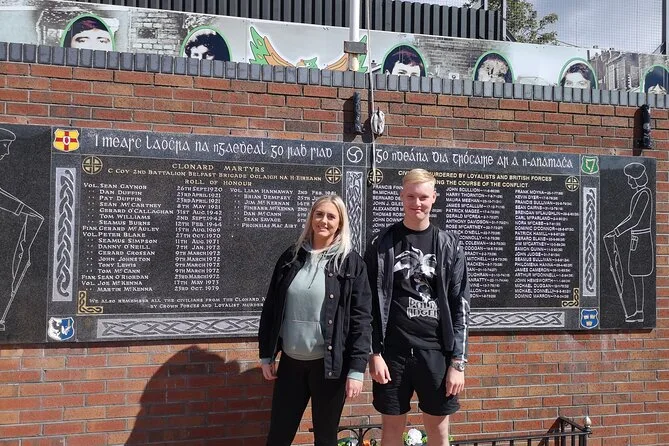
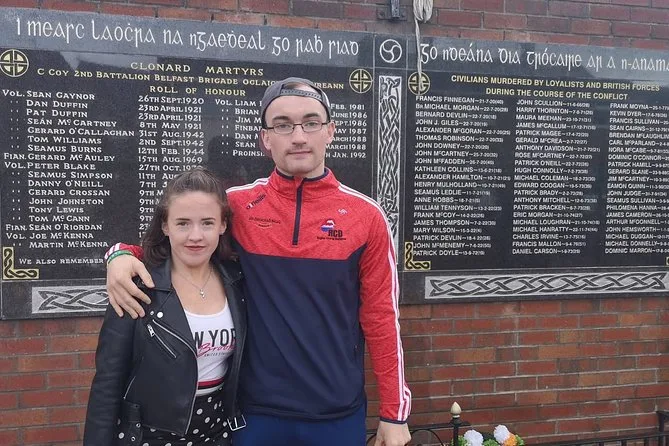
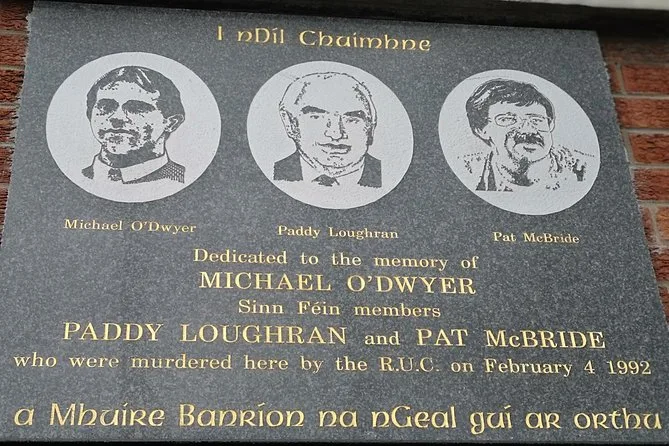
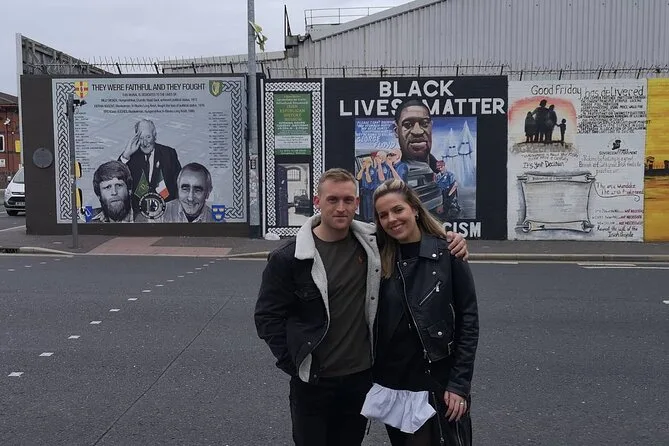
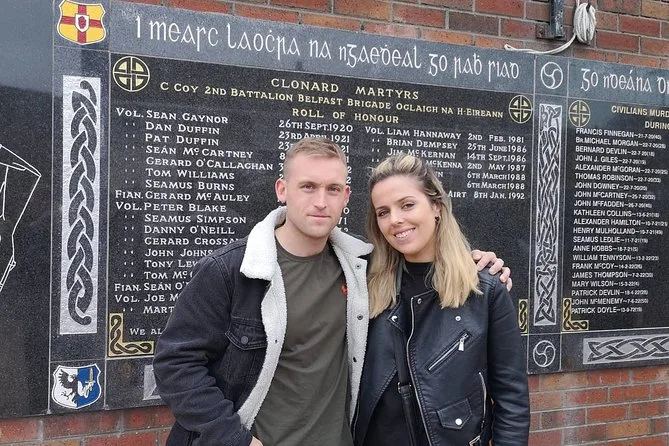
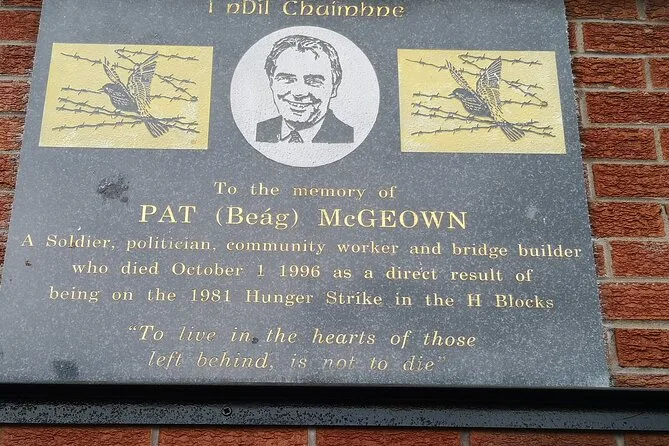
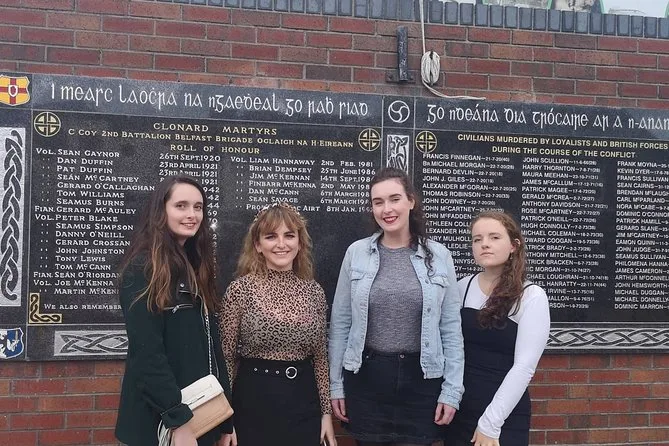
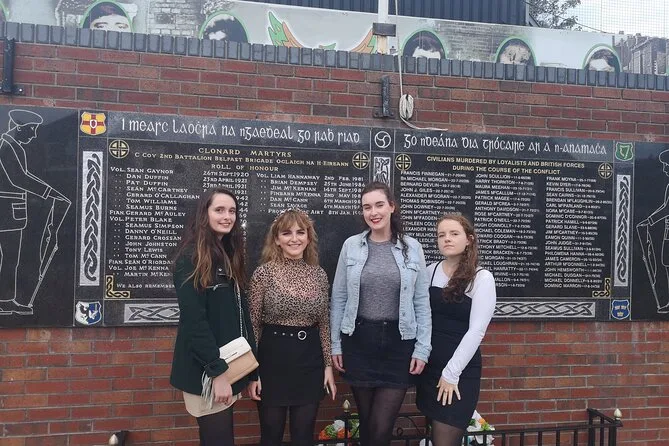
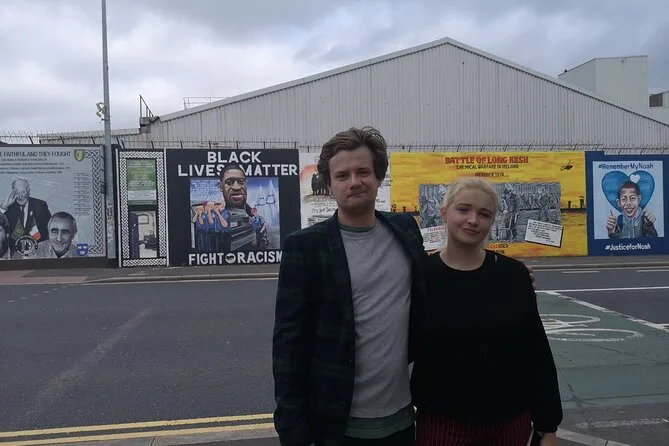
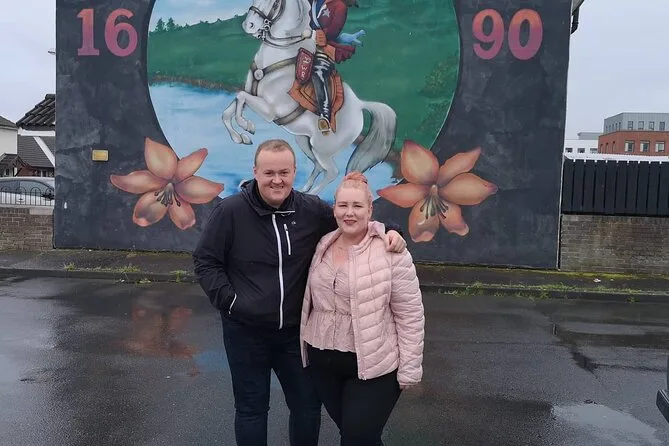
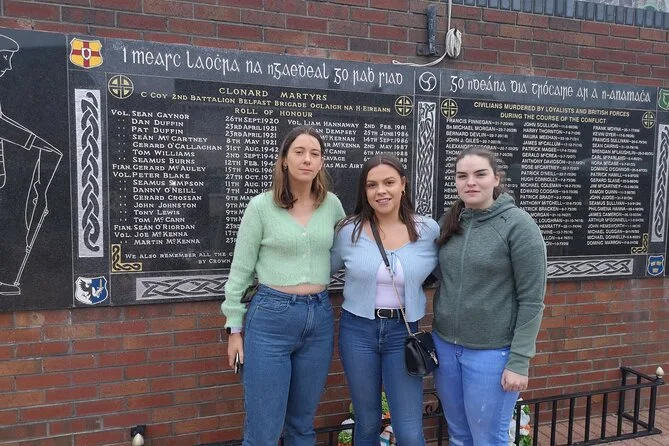
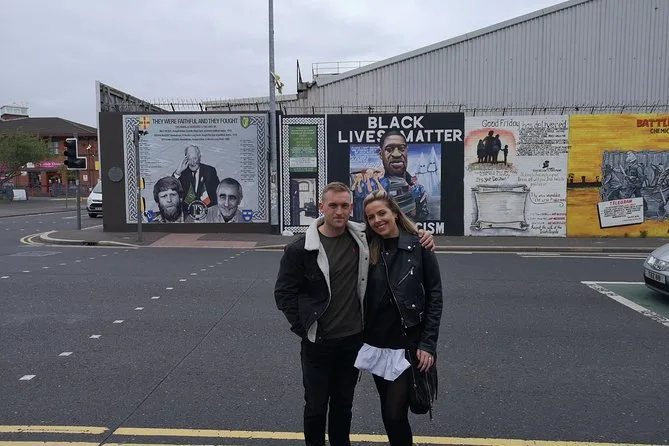
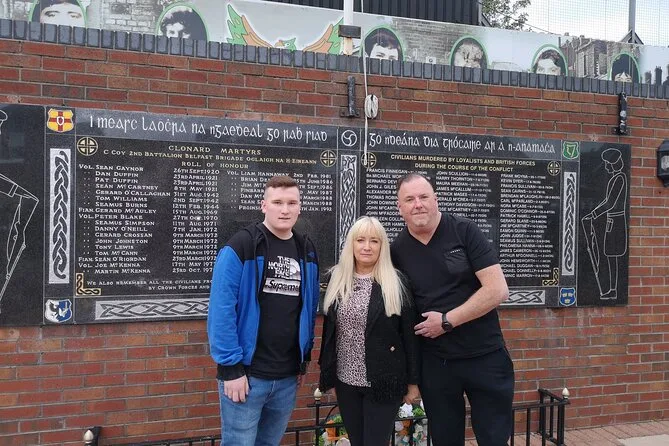
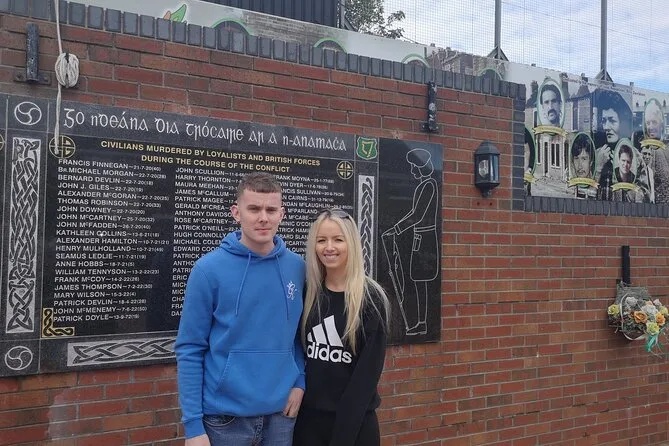
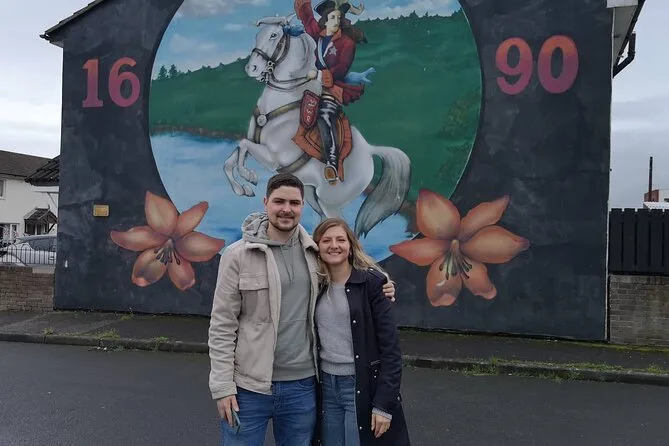
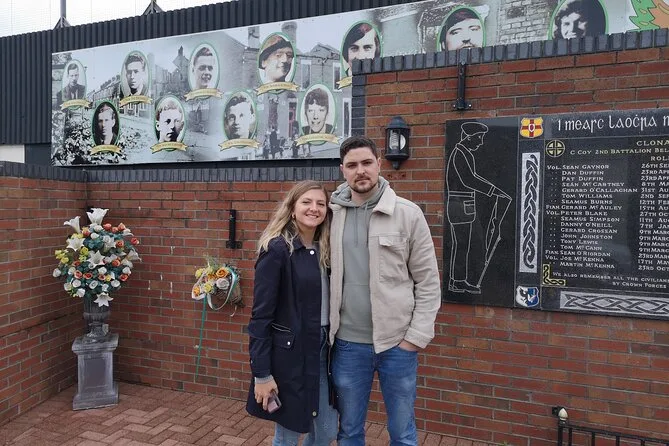
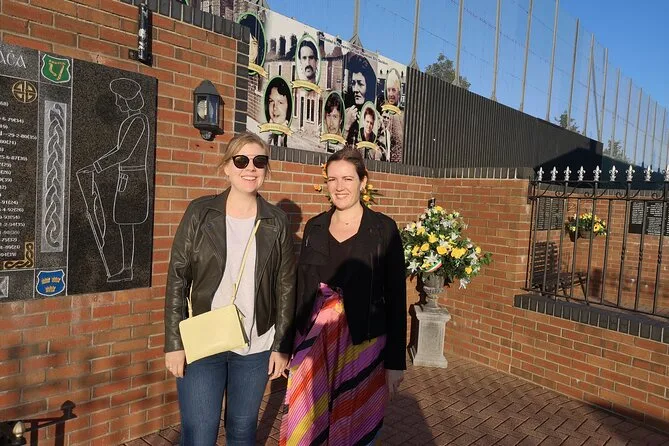
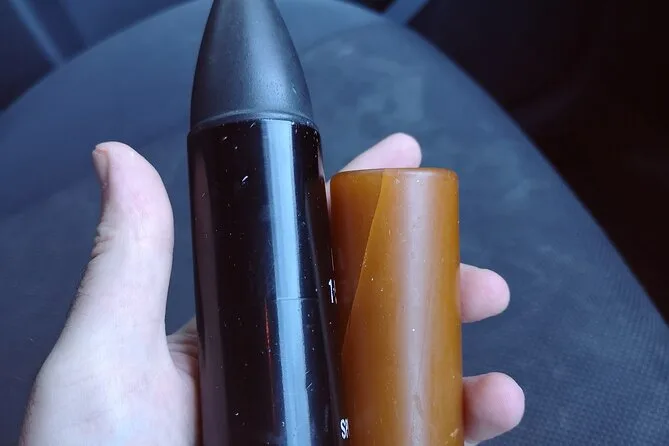
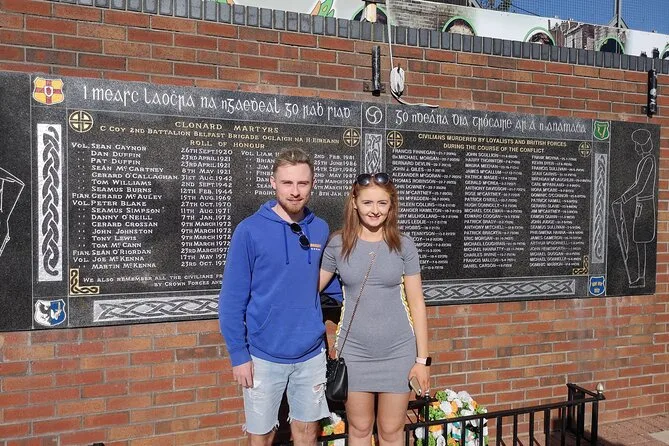
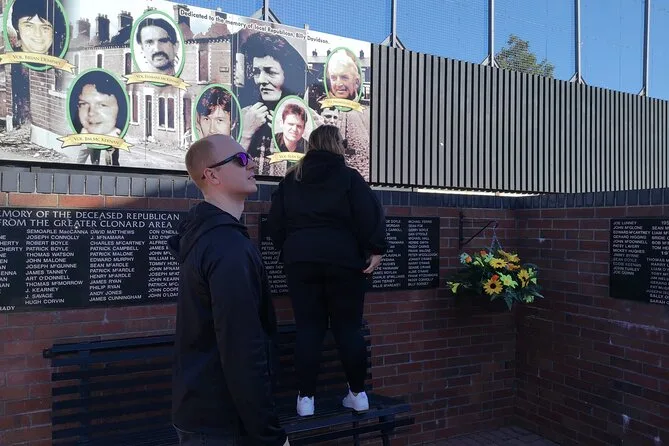
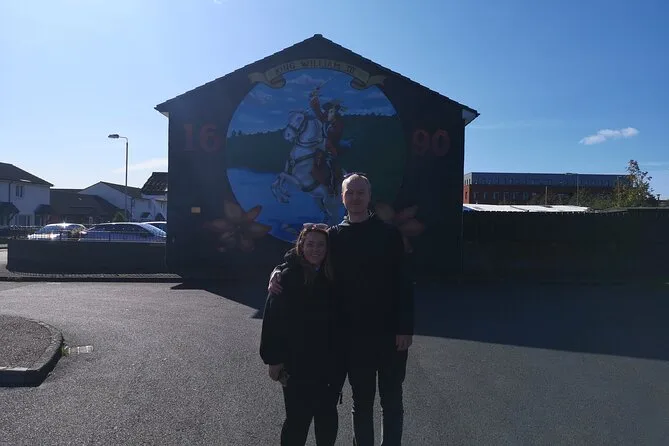
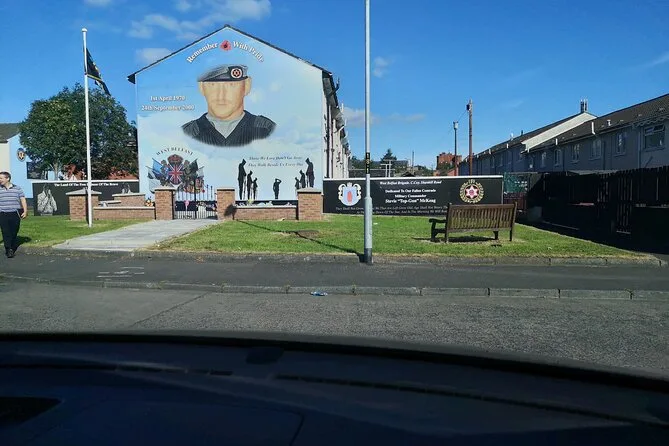
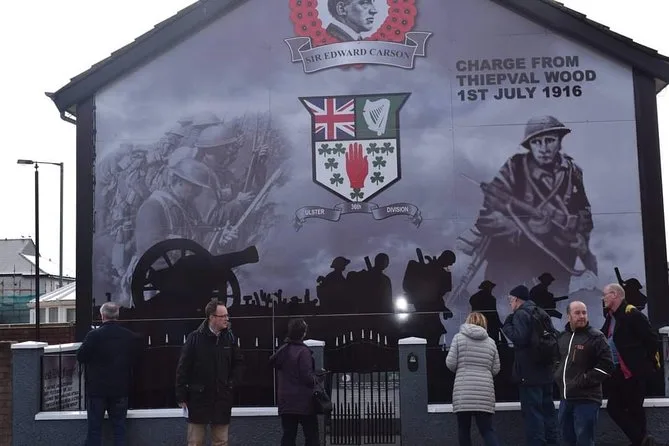
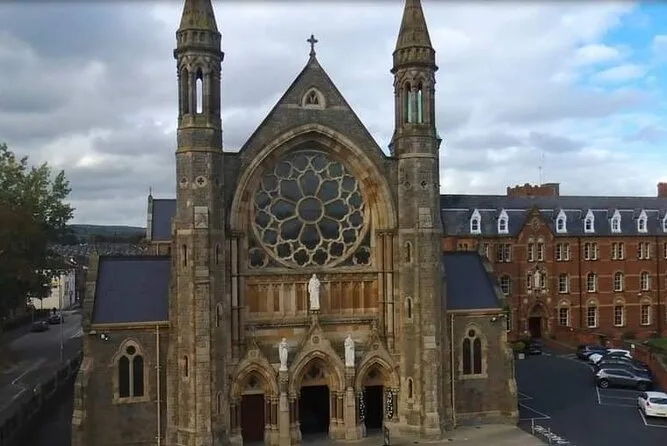
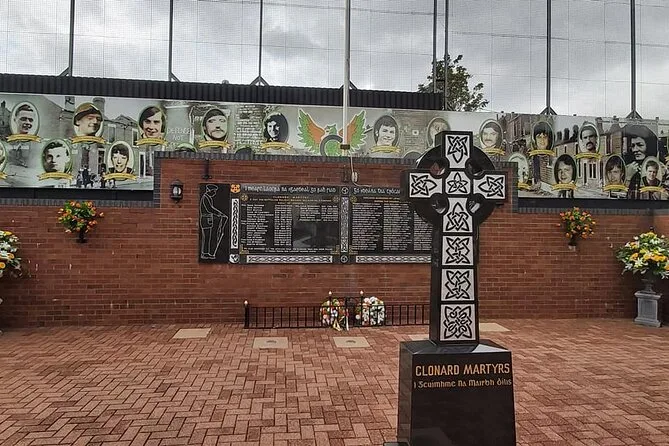
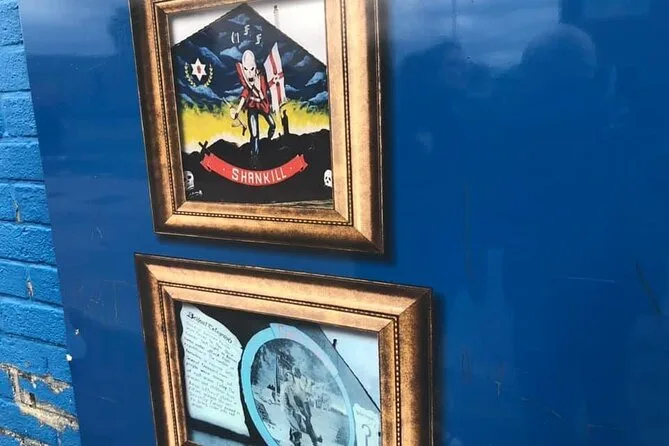
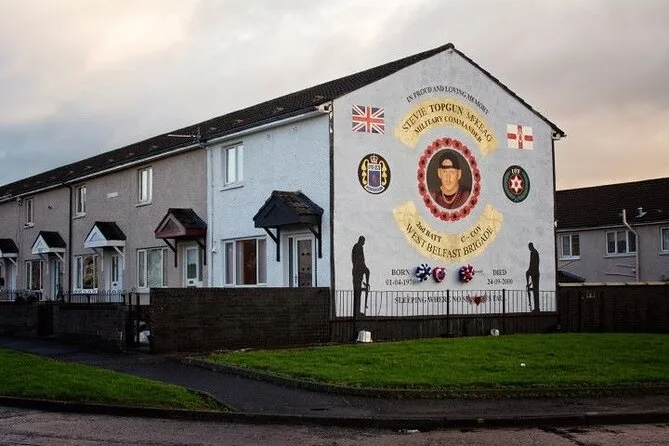
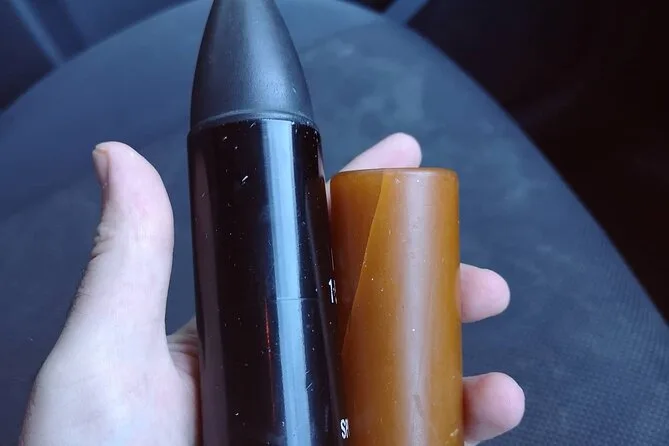
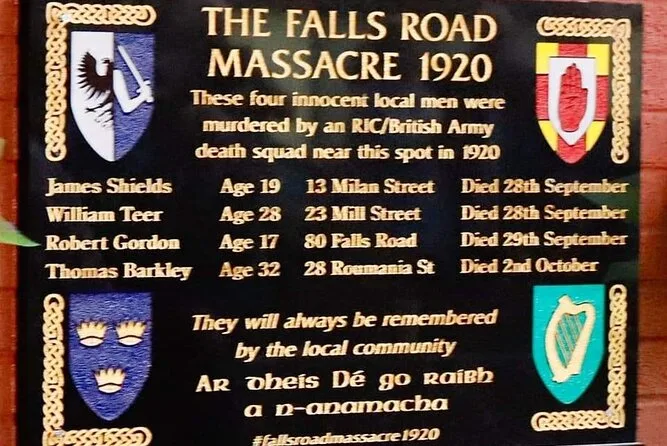
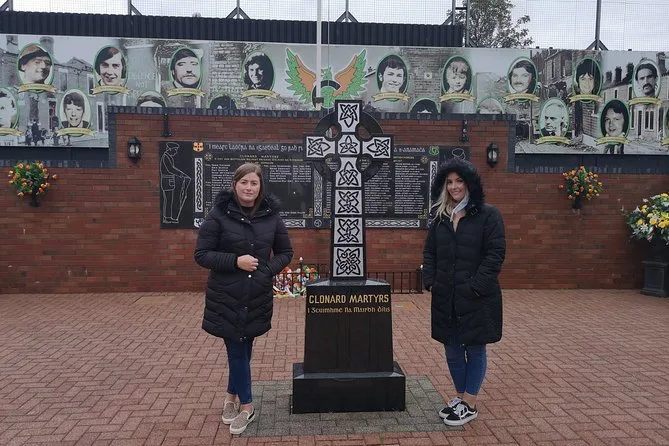
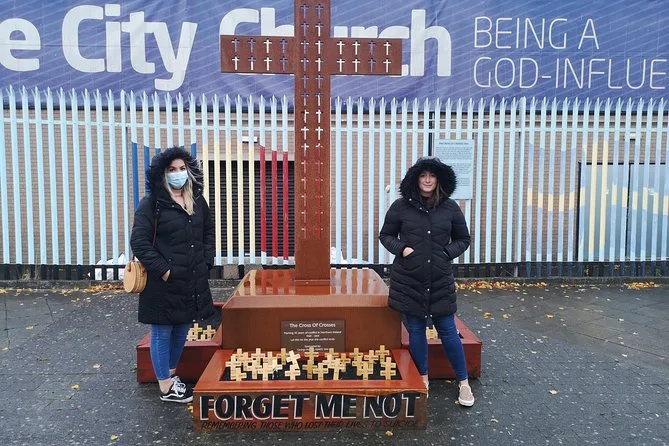
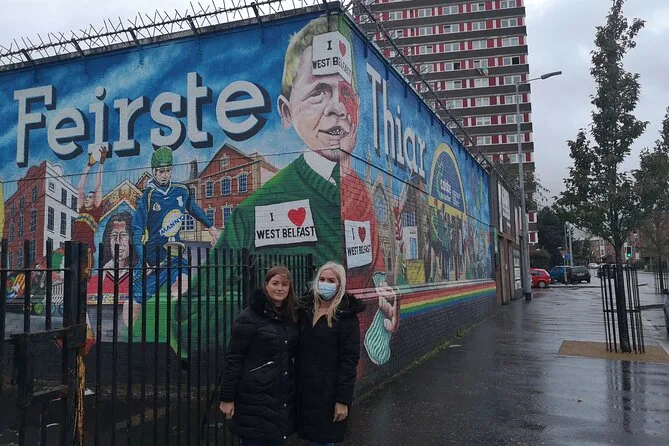
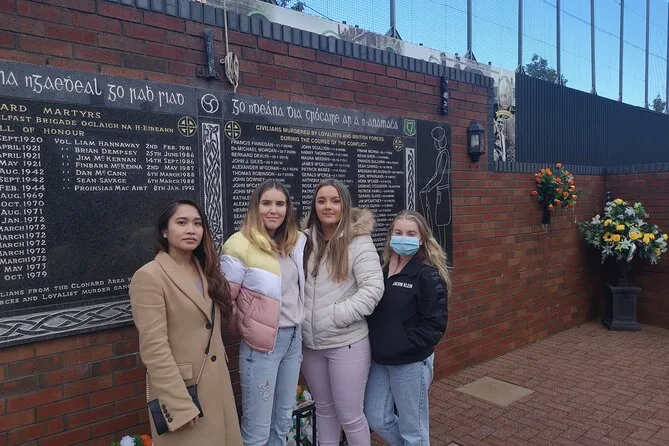
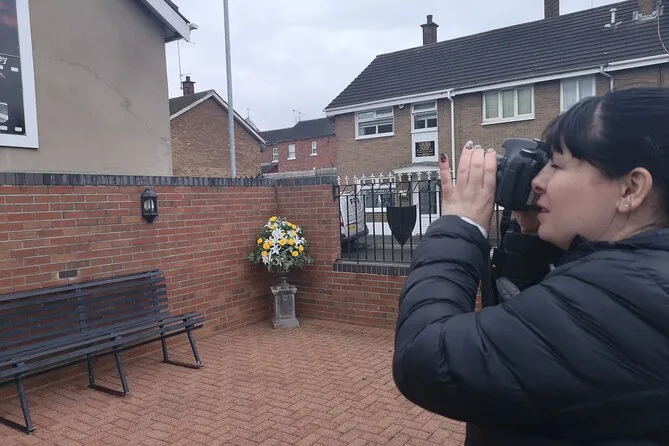
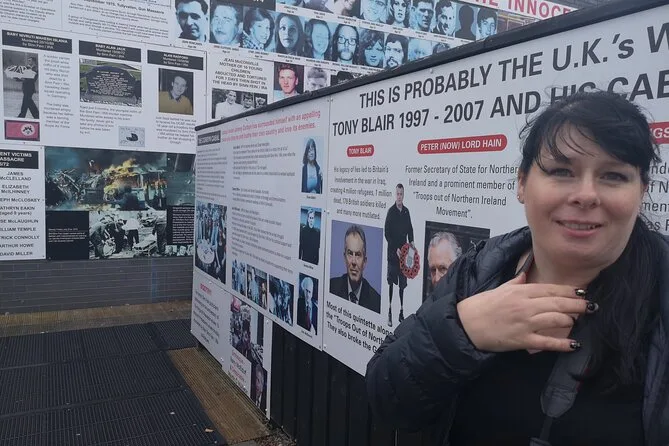
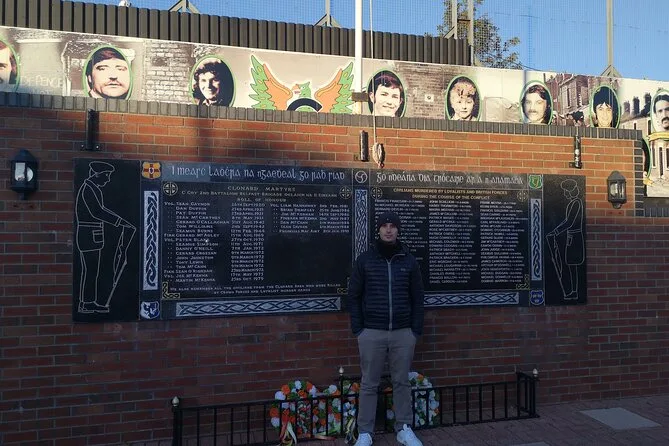
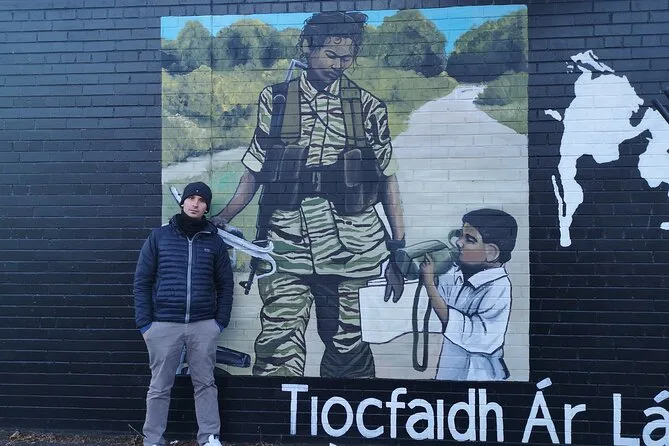
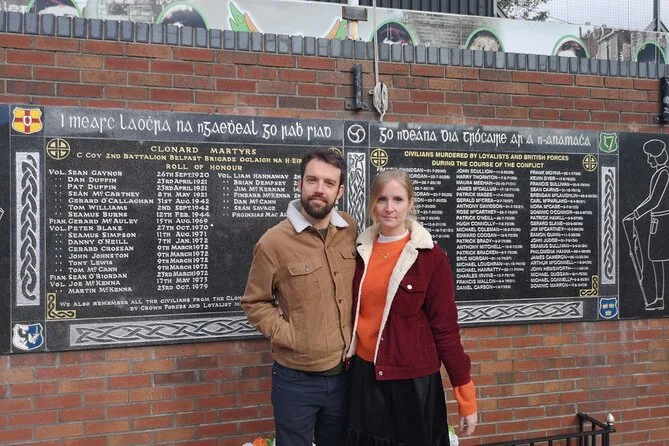
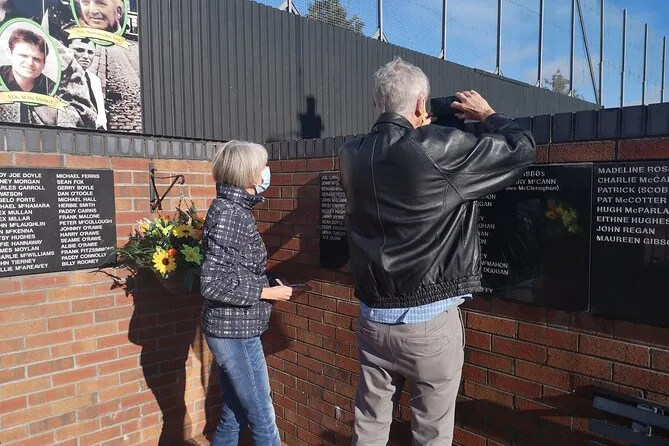
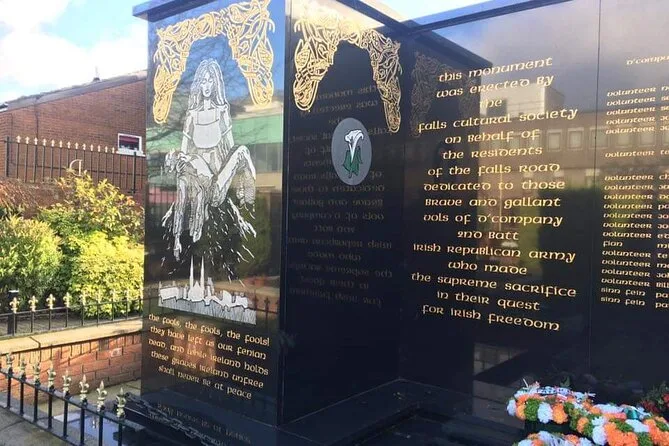
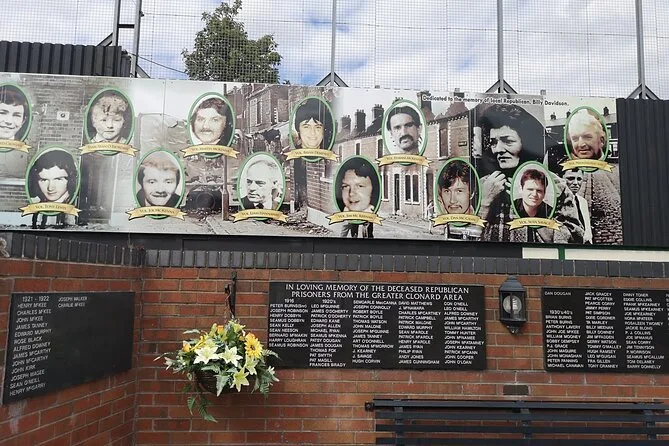
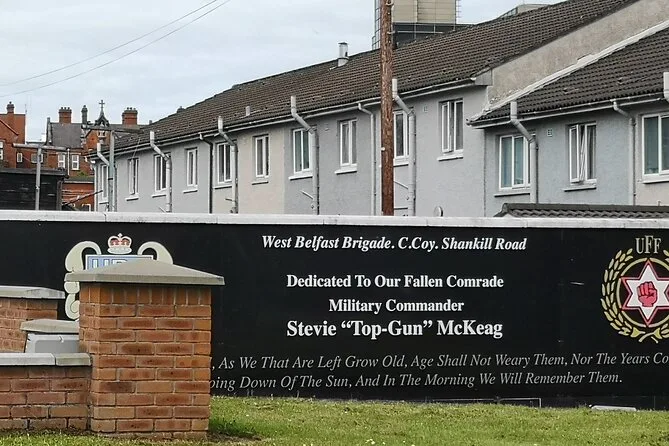
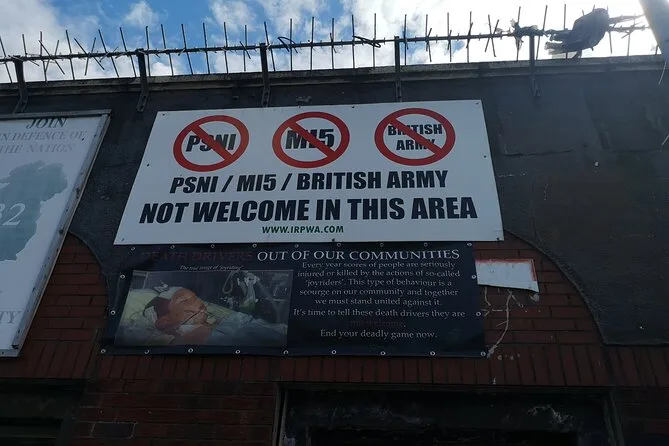
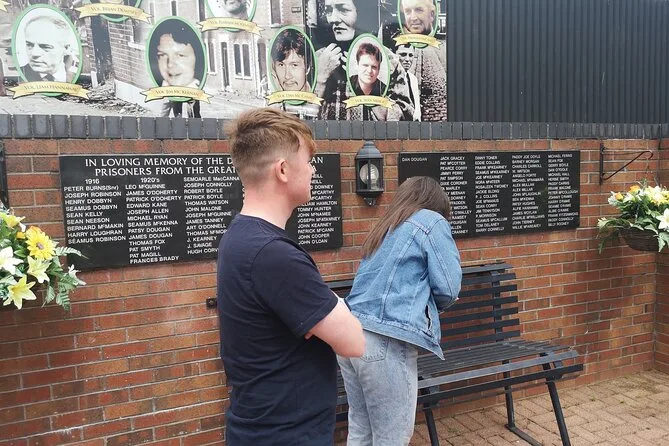
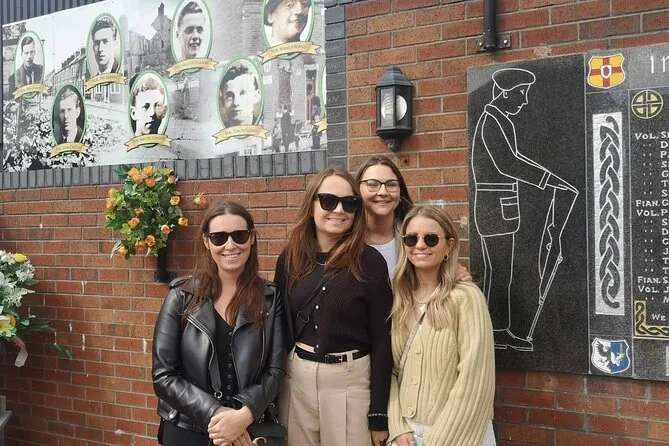
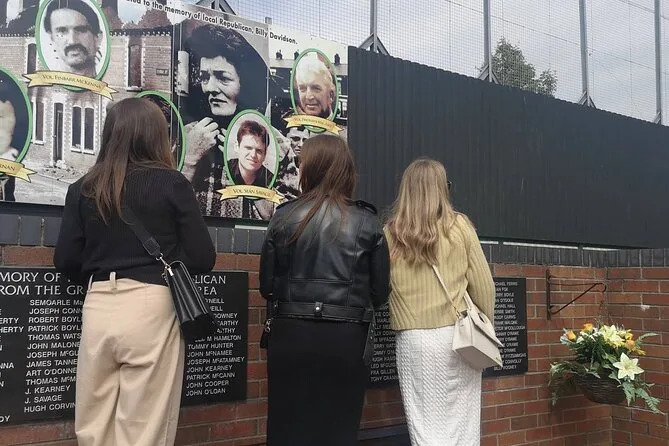
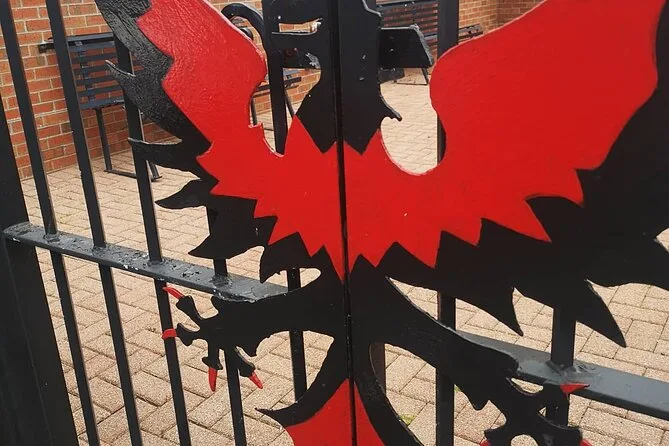
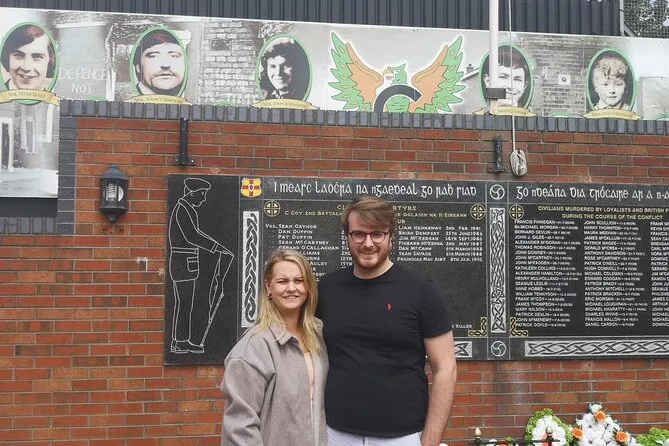
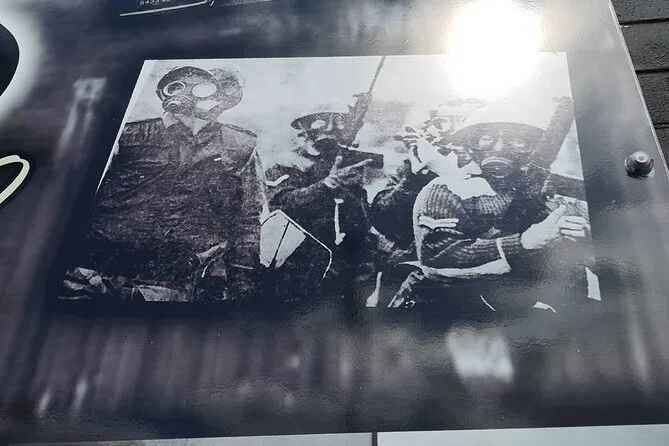
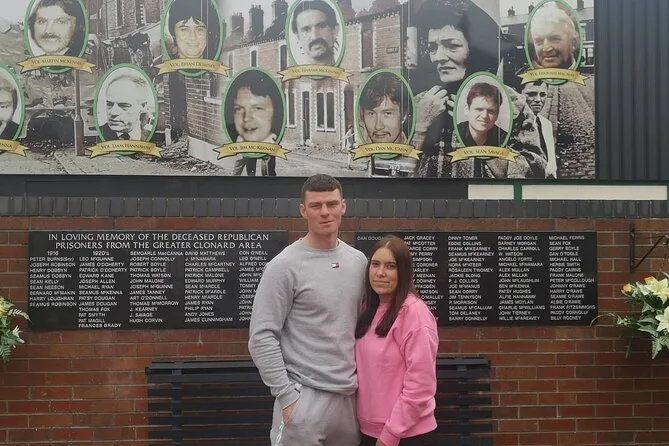
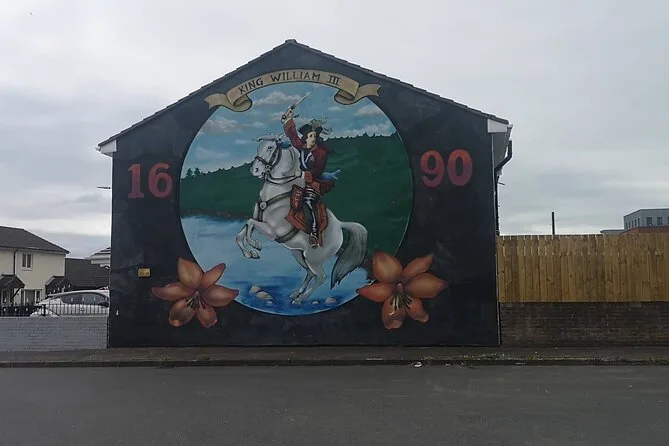
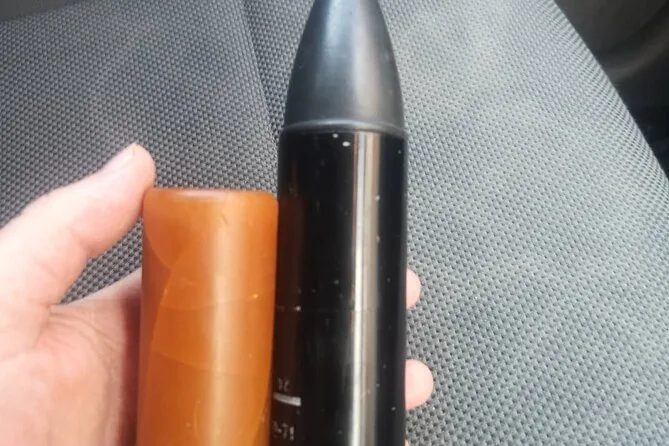
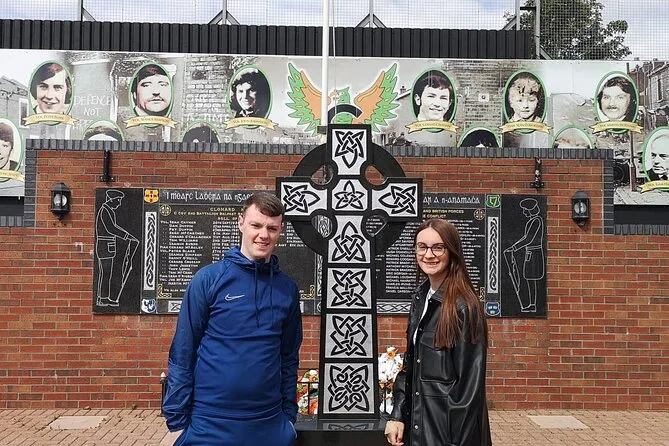
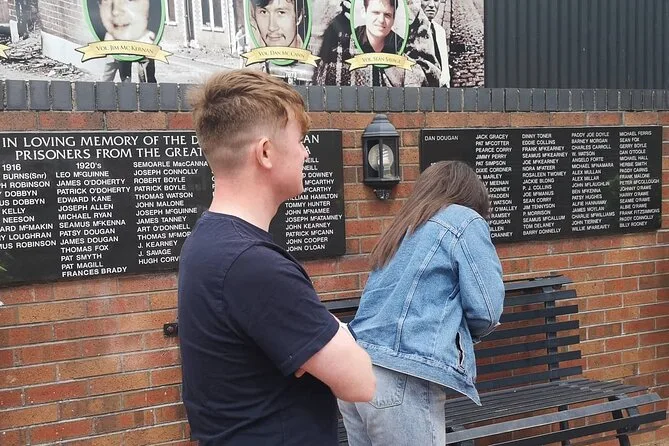
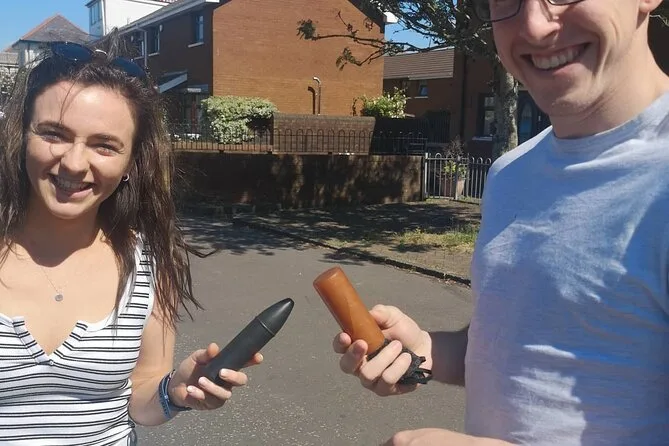
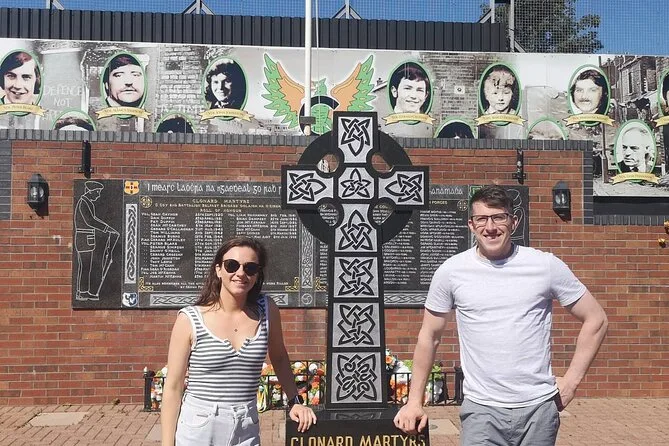
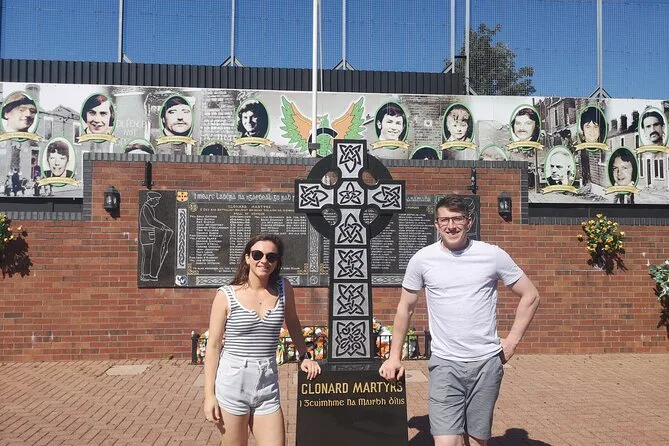
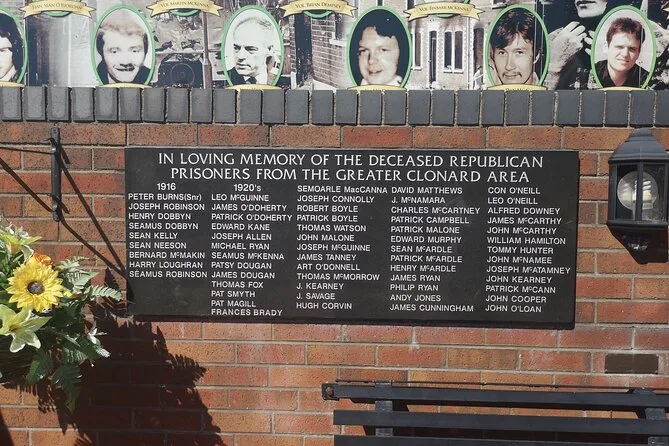
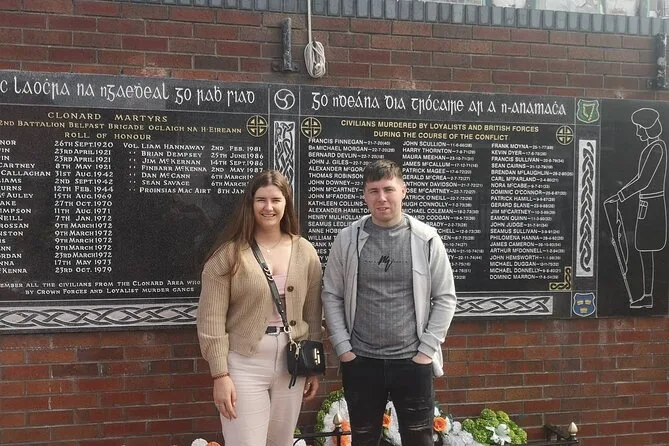
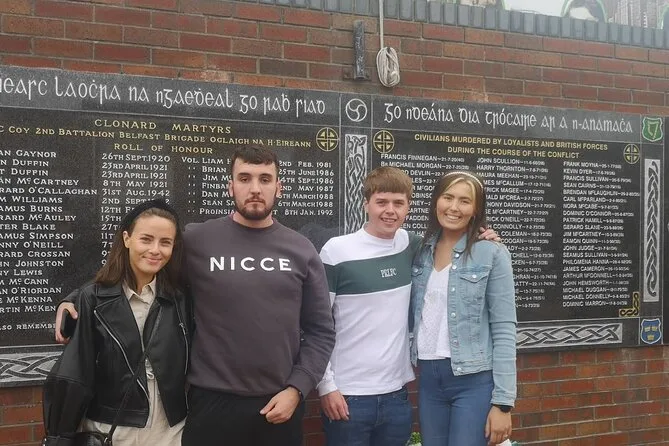
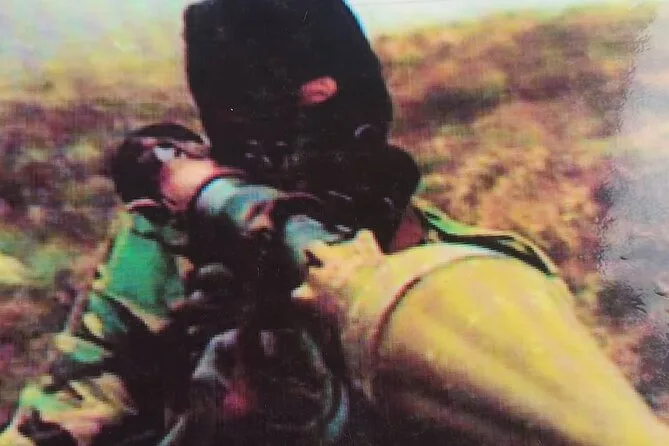
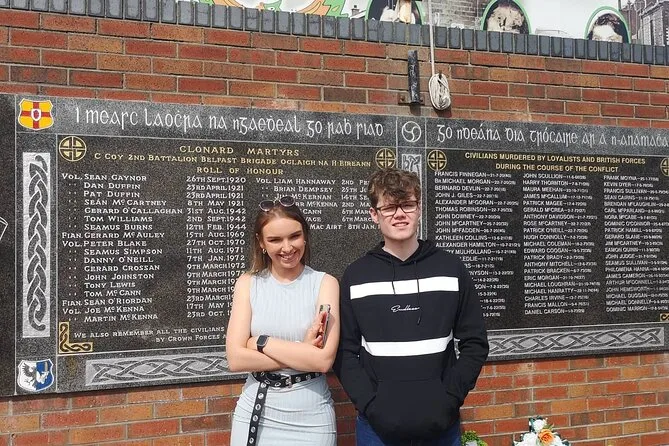
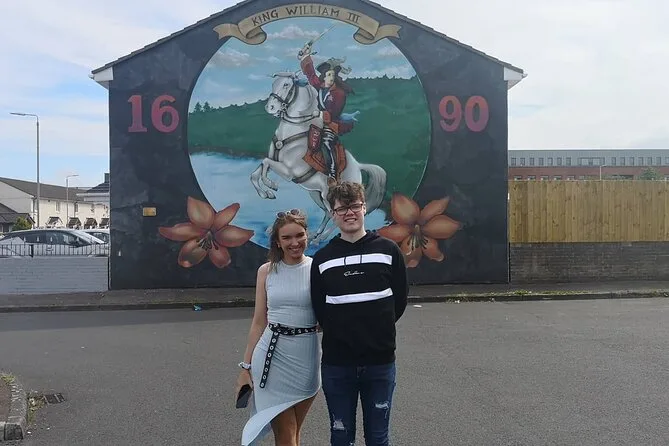
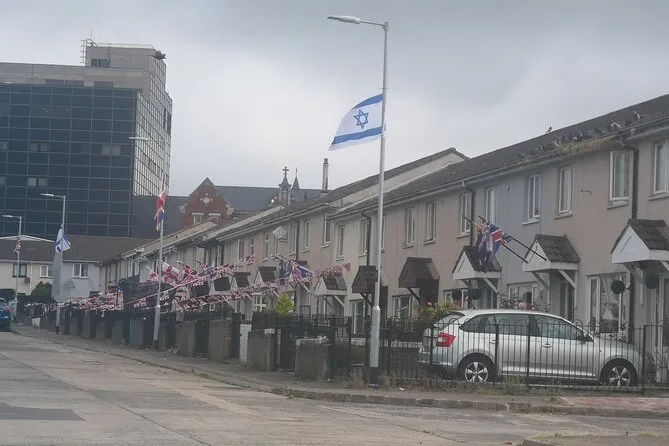
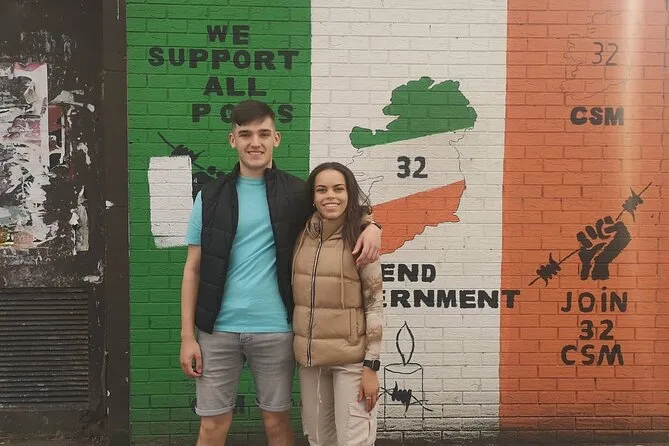
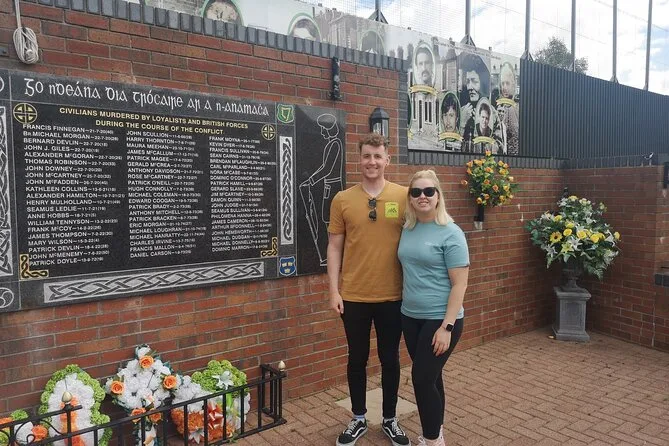
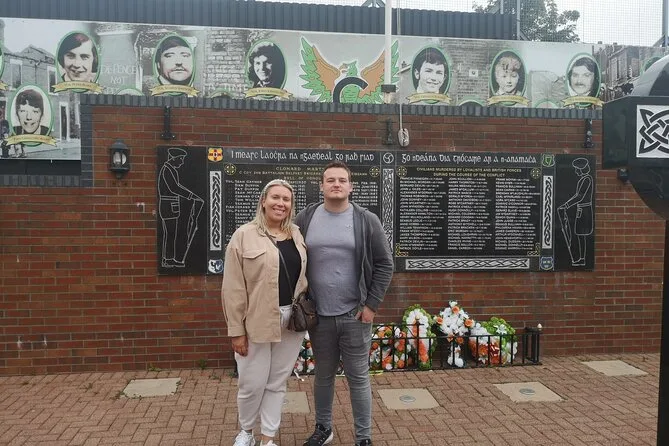
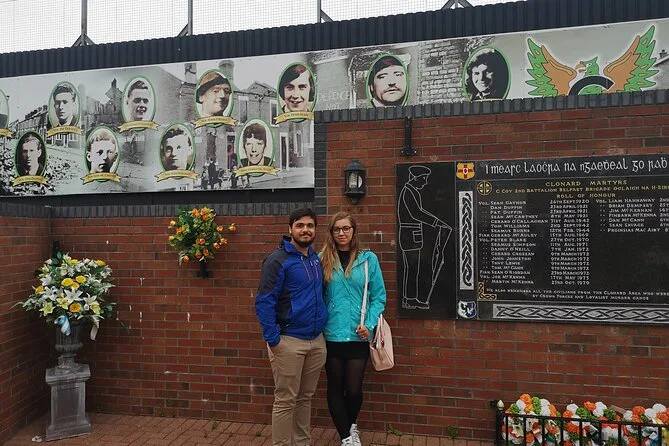
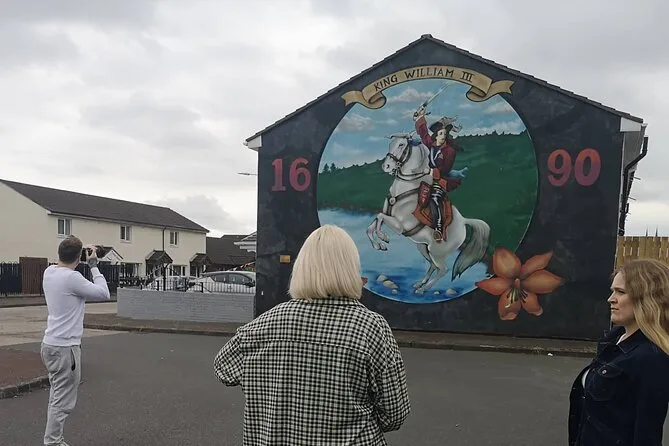
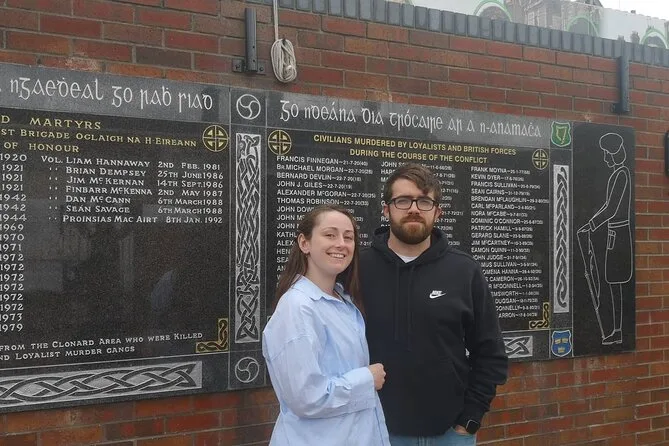
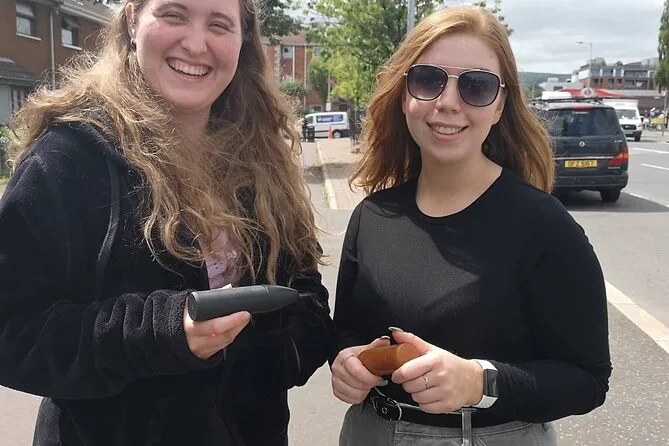
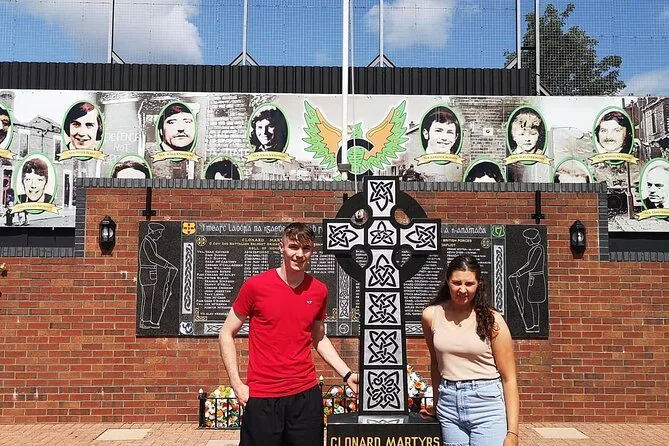
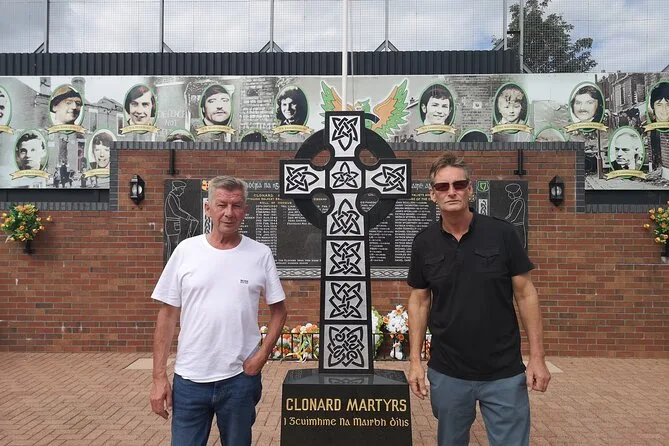
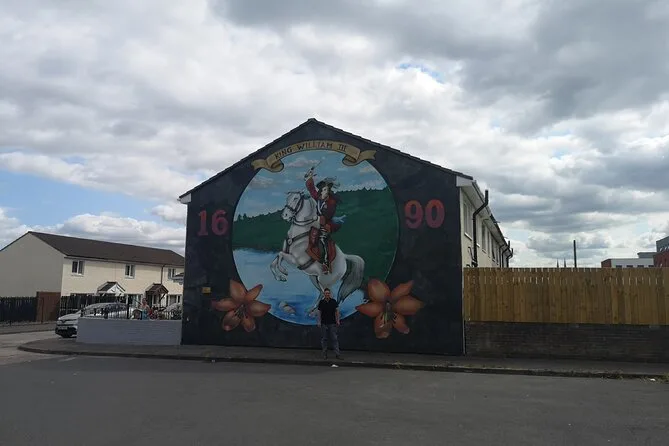
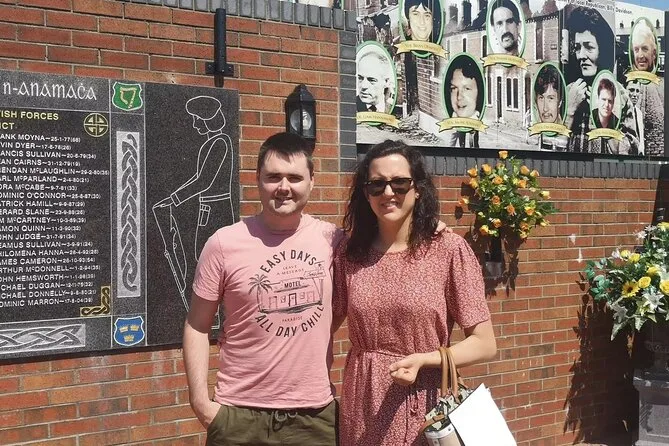
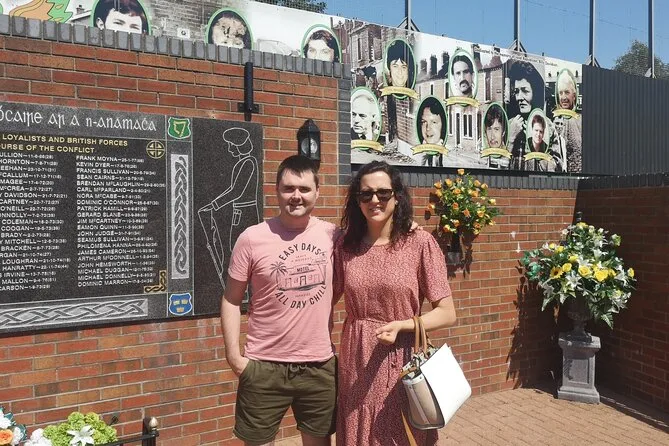
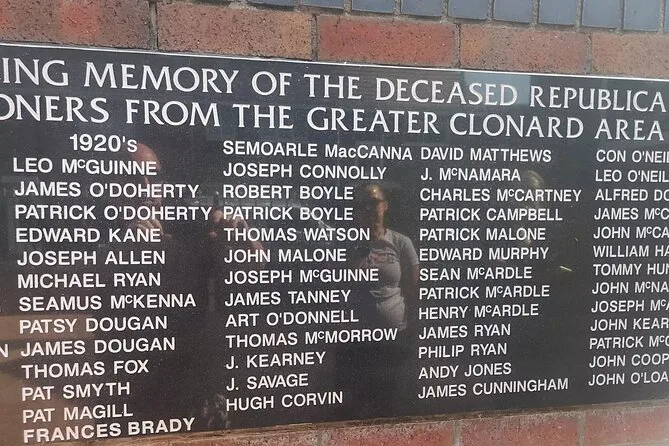
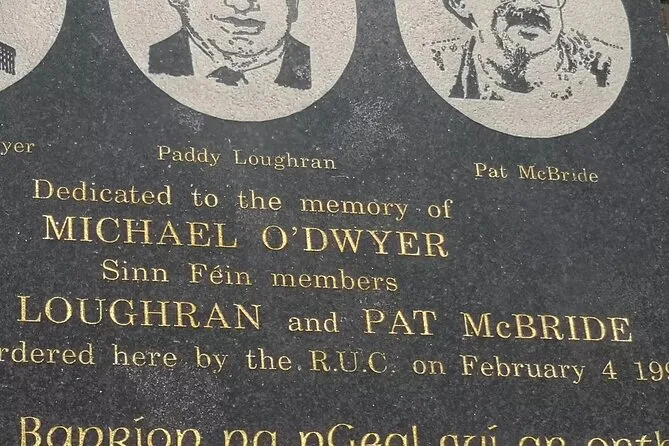
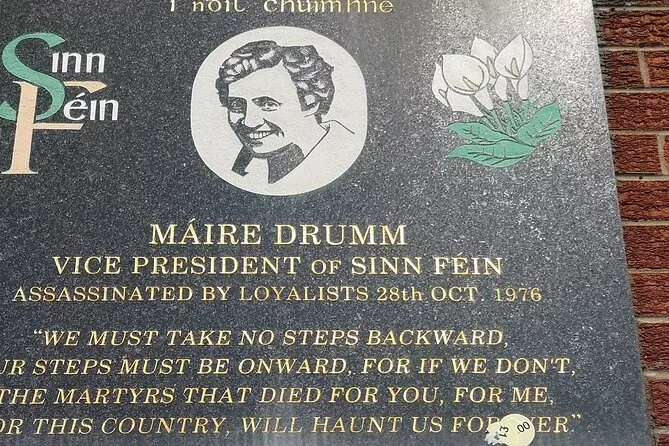
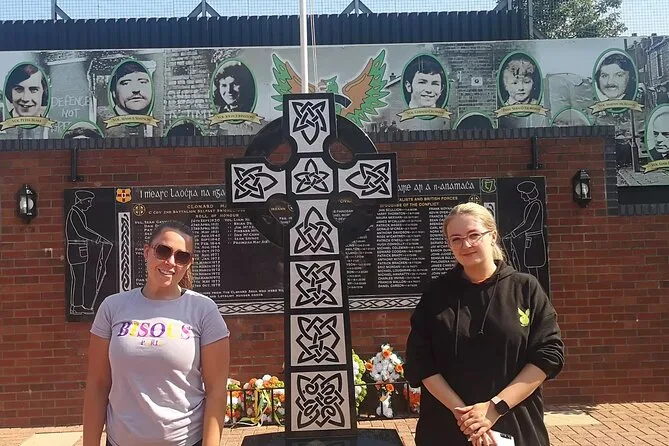
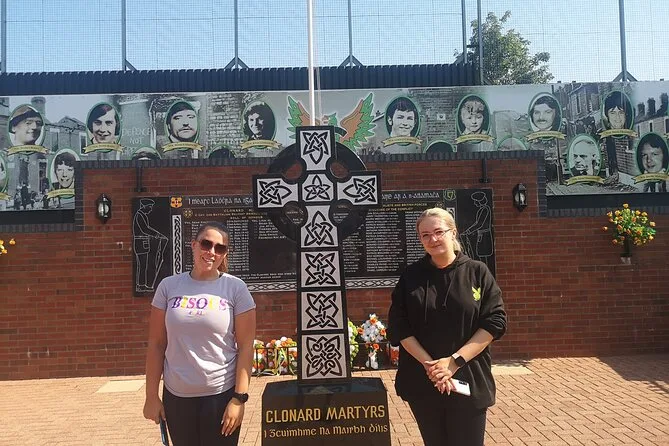
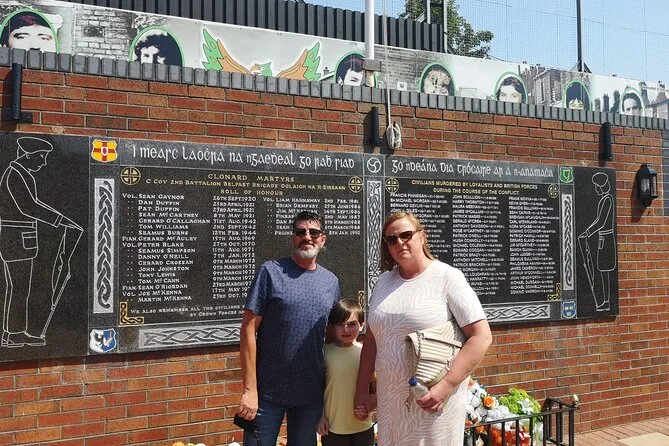
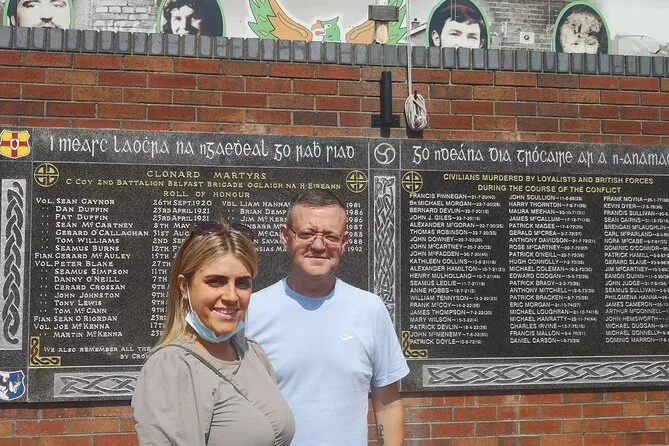
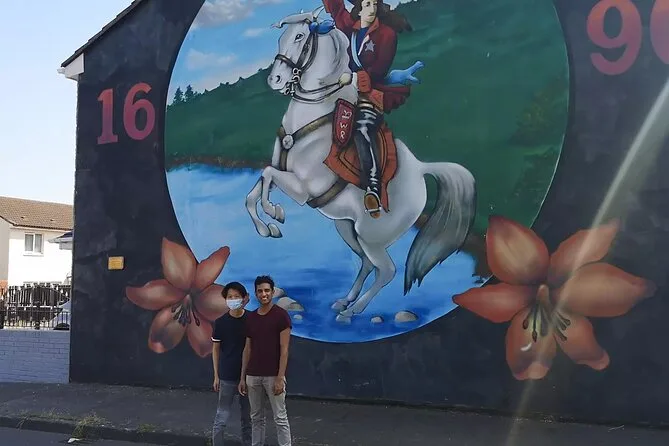
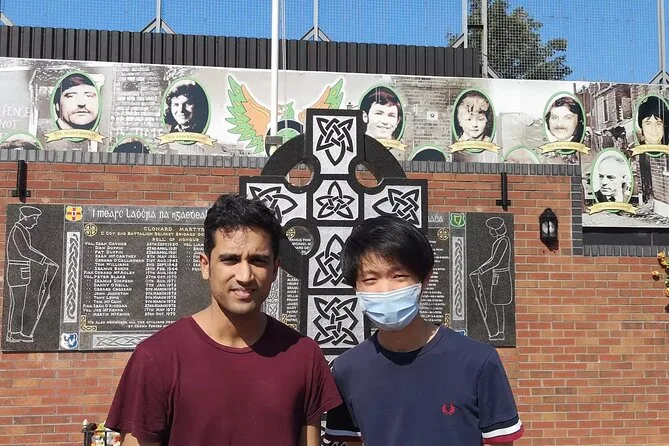
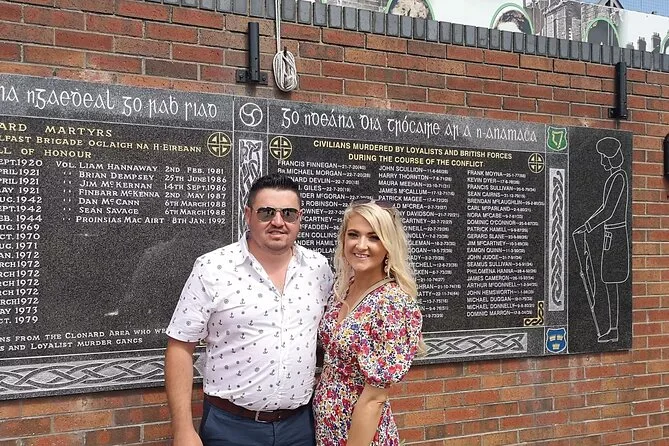
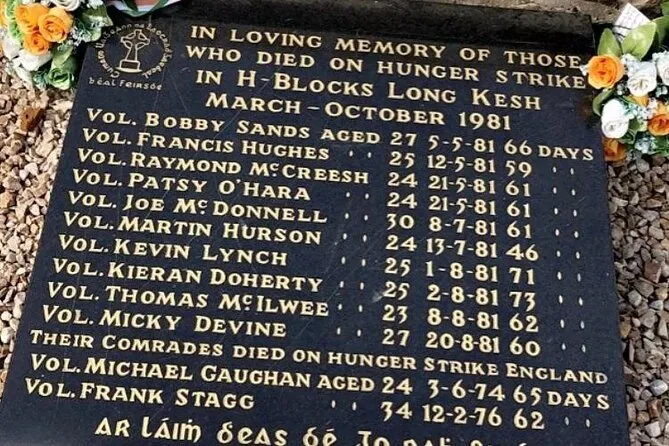
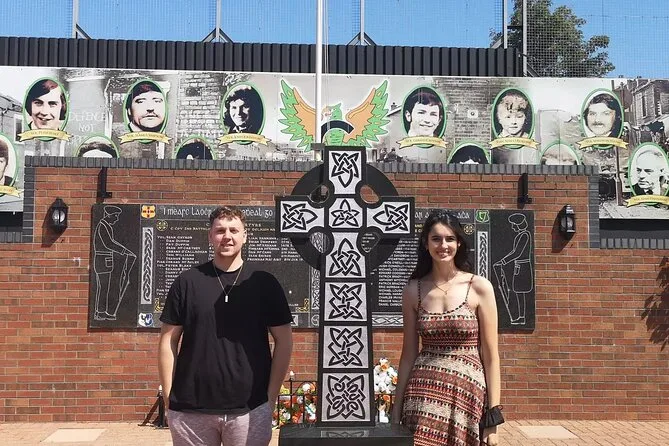
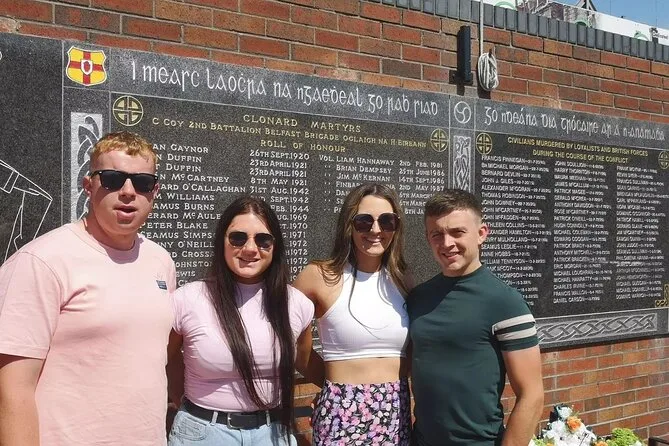
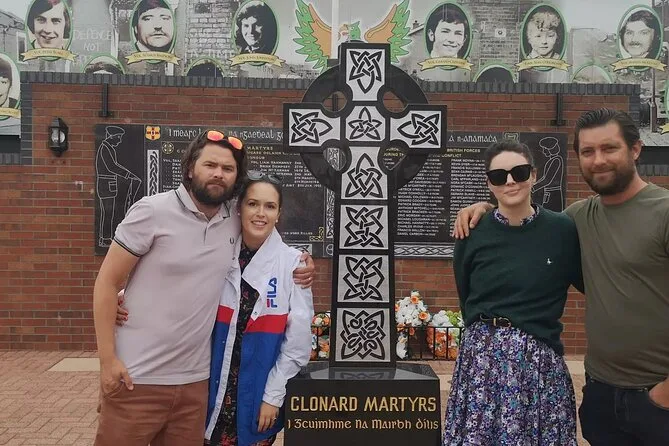
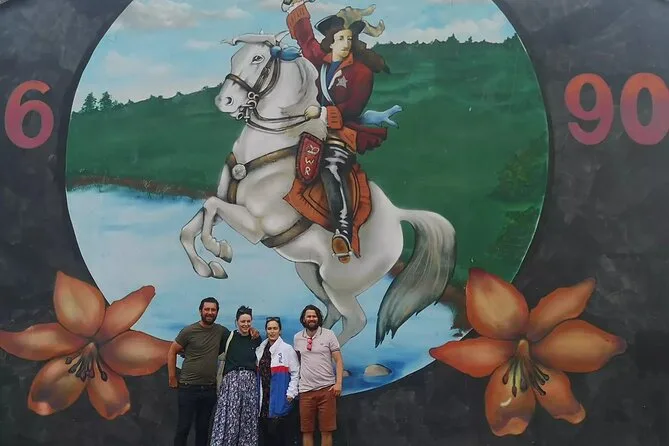
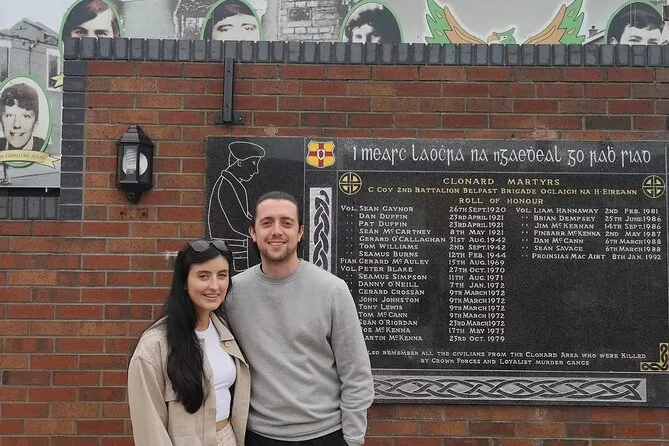
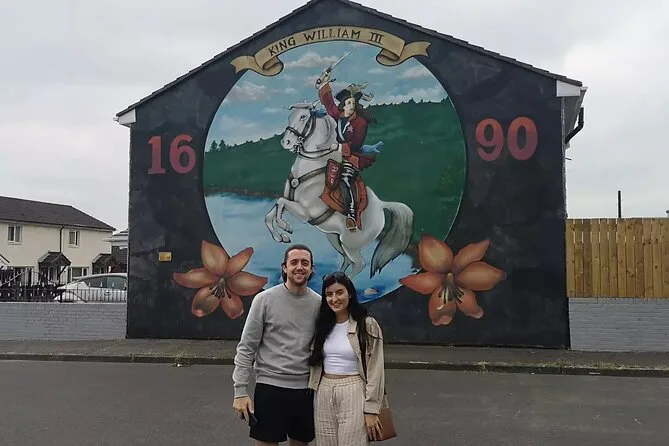
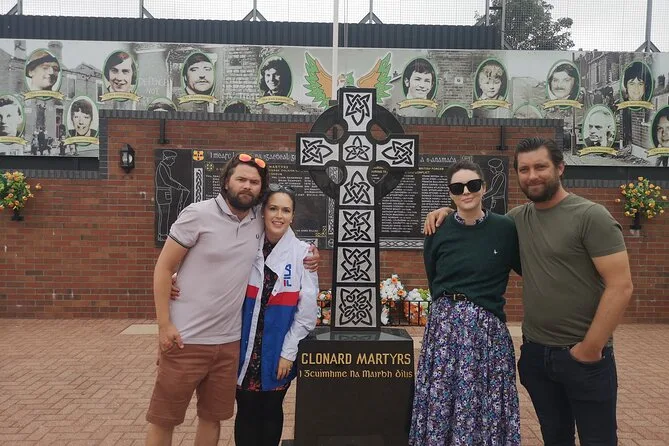
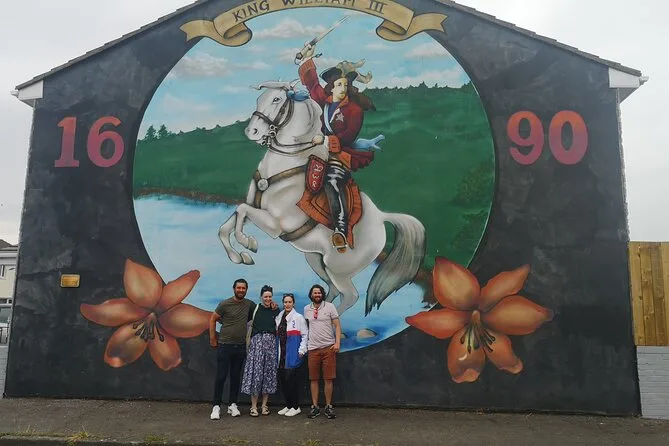
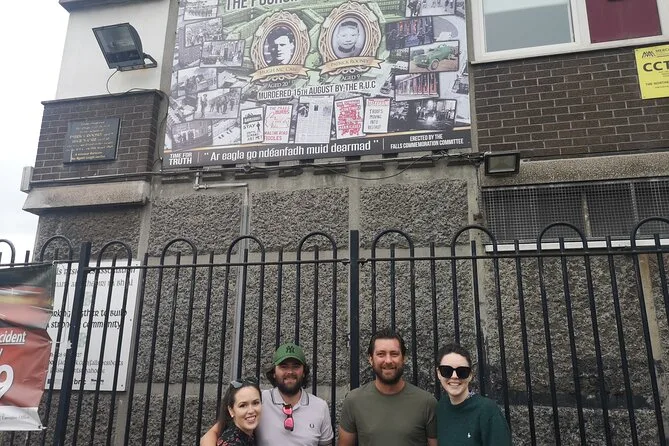
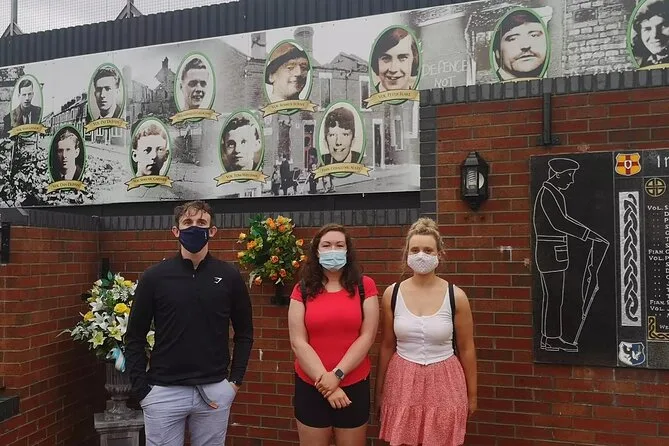
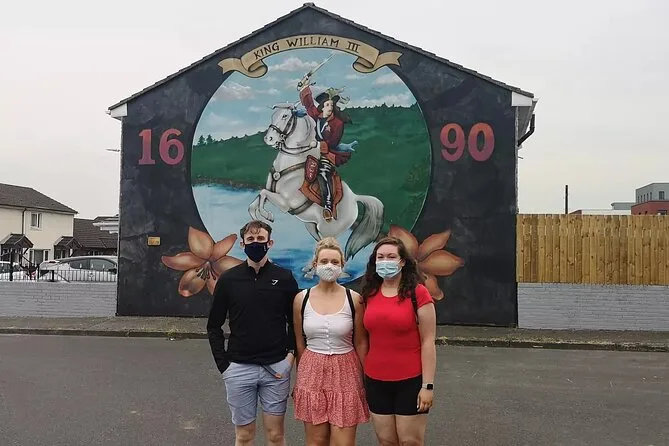
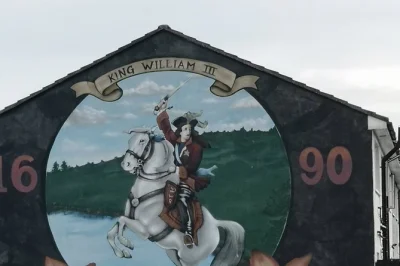
On Shankill Road we passed loyalist murals—King Billy astride his horse, faces staring out bold as brass. There’s a heaviness here that doesn’t lift easily, but then we heard laughter from kids kicking a ball nearby. At Clonard Monastery the bells rang out over rooftops patched with moss. We visited memorial gardens too; Mick showed us plastic bullets used back then (he let me hold one—it was heavier than I thought). He joked about tourists always asking if things are safe now (“Safer than London these days!”), but you could tell some scars run deep.
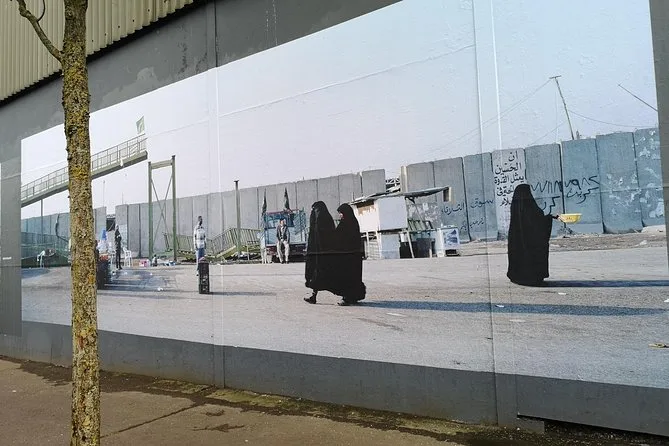
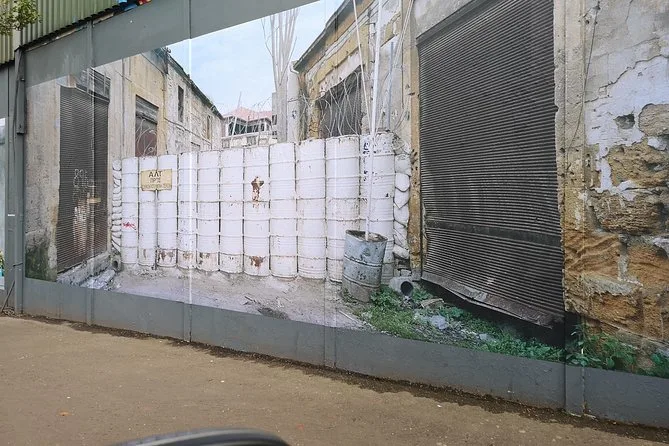
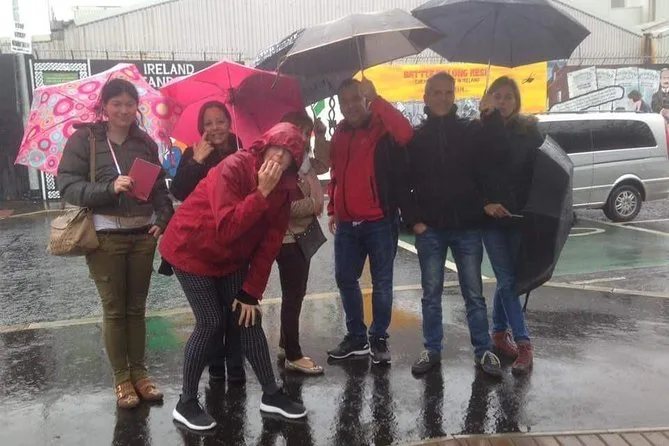
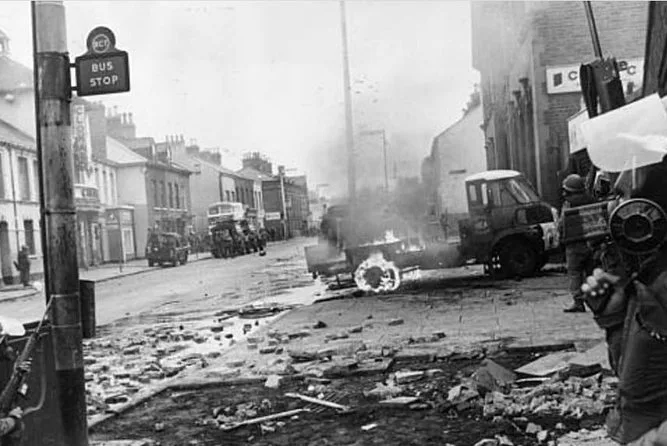
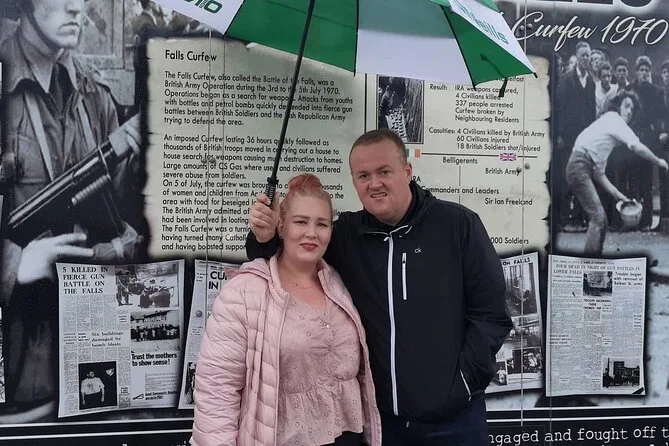
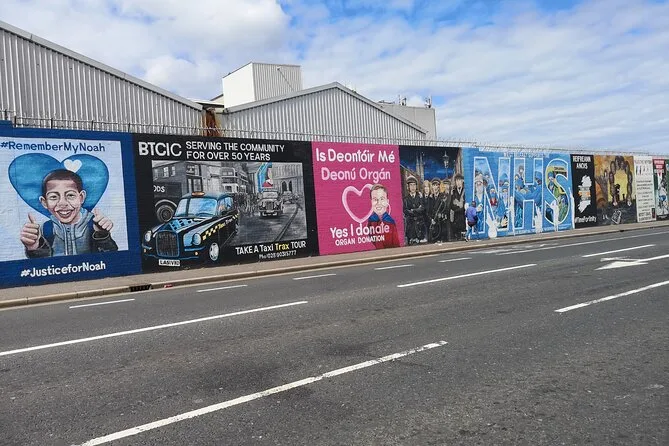
I keep thinking about those walls and how they divide streets that look so ordinary otherwise. This Belfast taxi tour isn’t just about murals—it’s about hearing someone’s memories as you drive past places that shaped them. It rained halfway through and Mick handed me an umbrella without missing a beat—said it was “Belfast sunshine.” Still makes me smile.
 1h 30m–2h

Step-by-step itinerary
Day 1 — Explore Belfast's Troubles and Murals
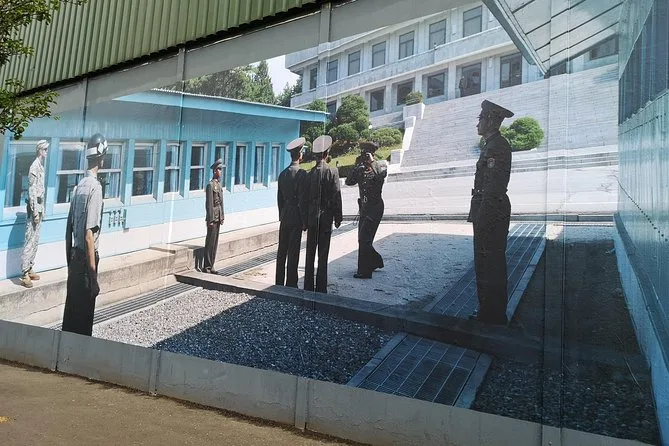
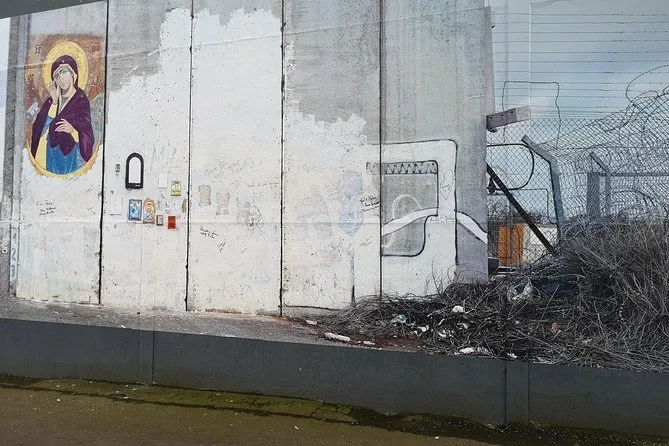
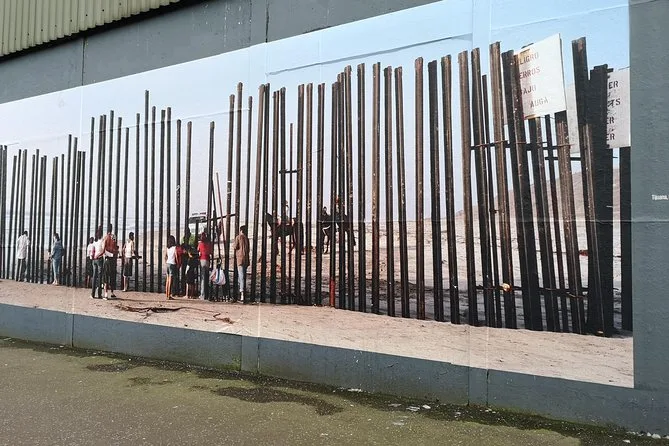
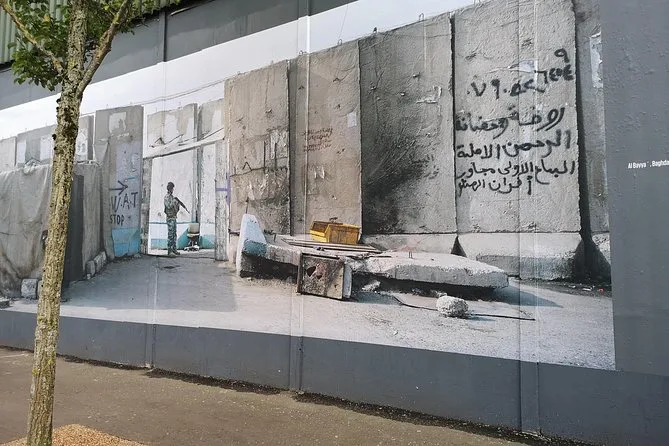
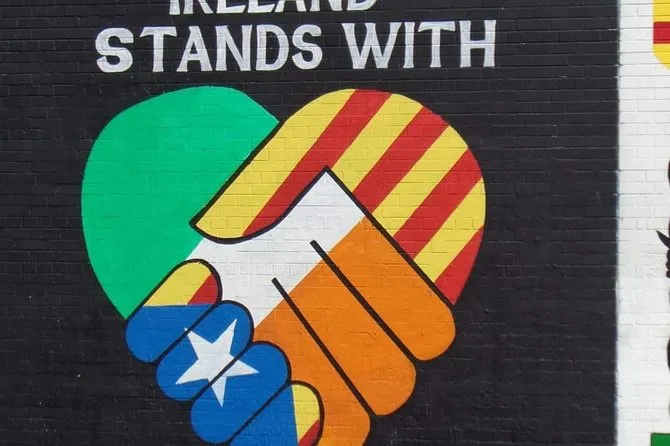
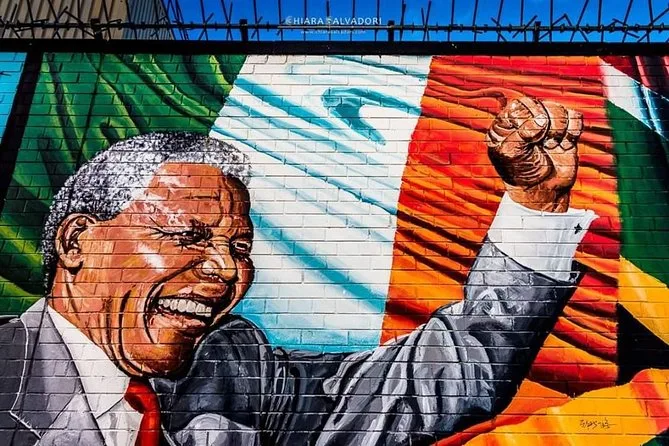
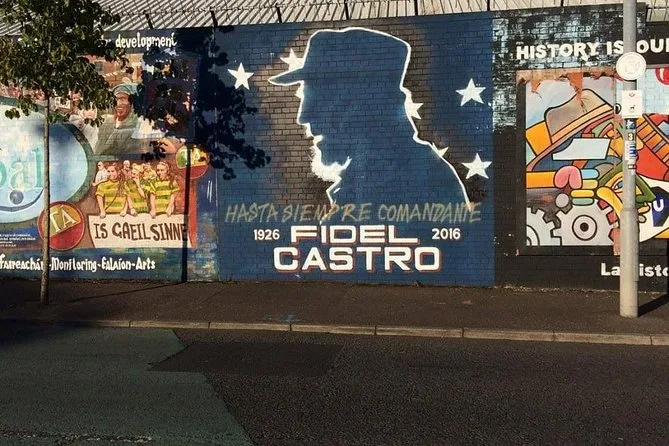
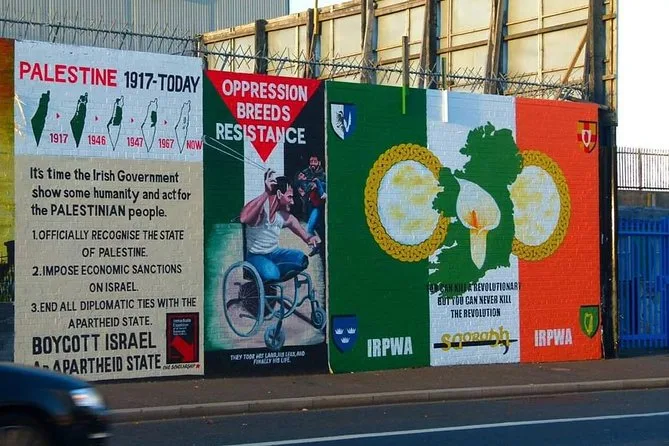
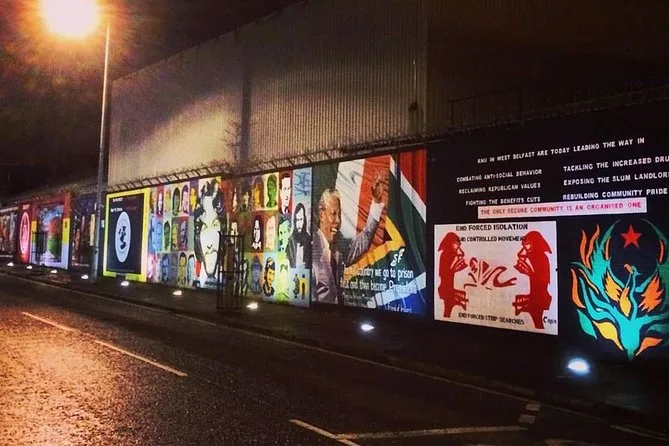
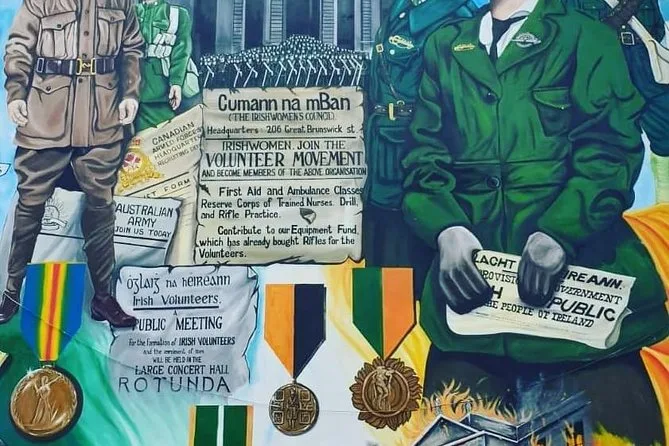
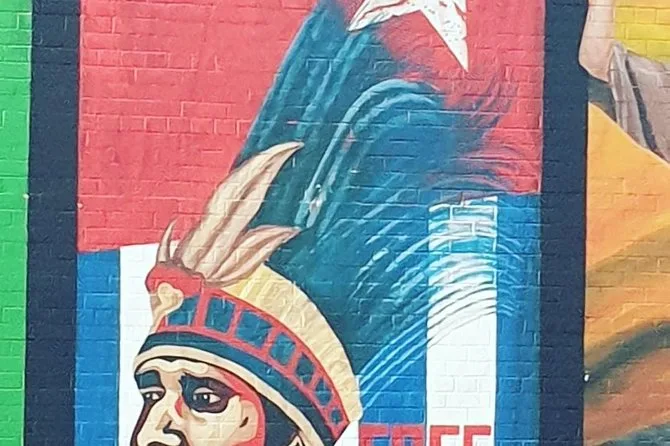
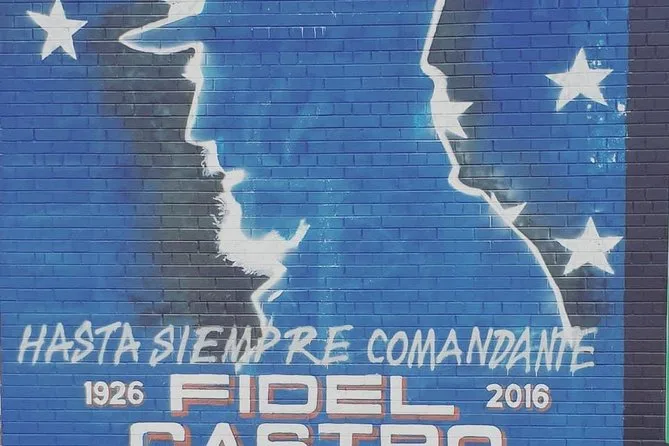
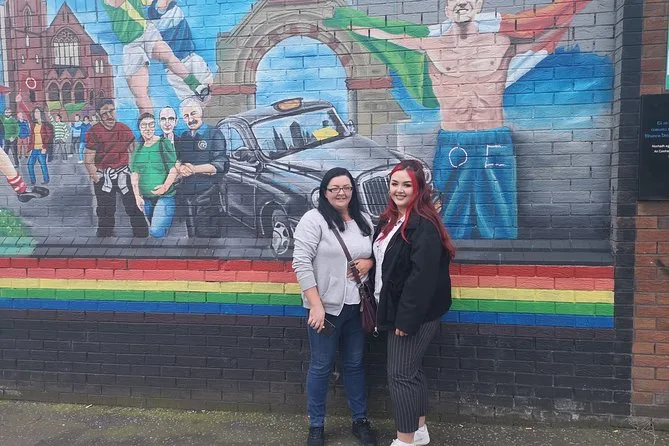
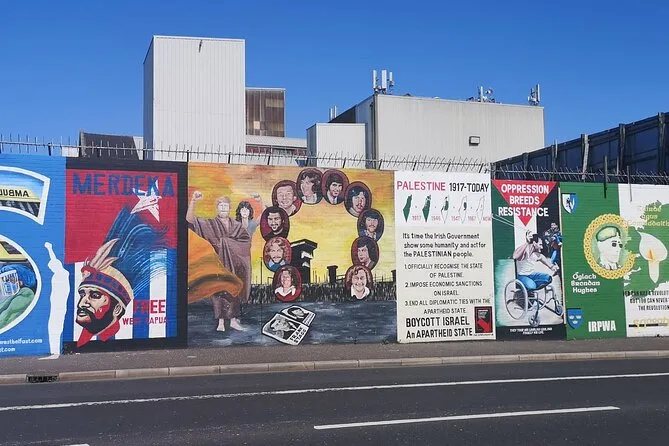
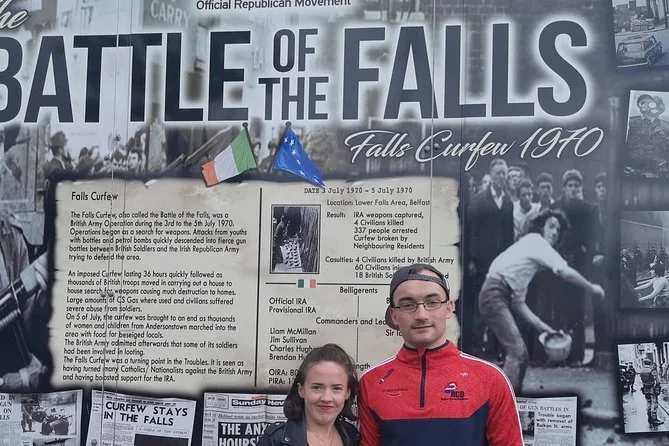
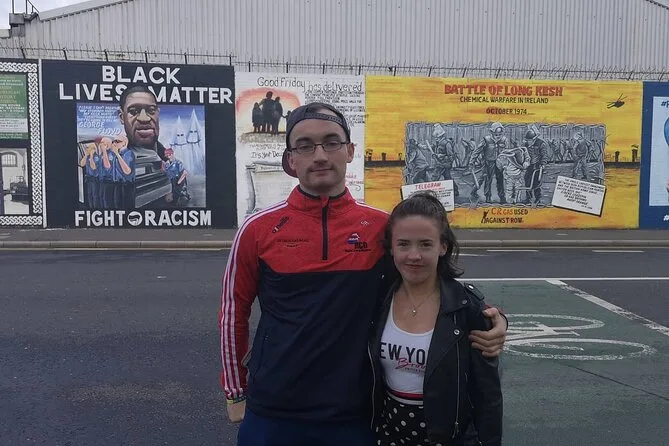
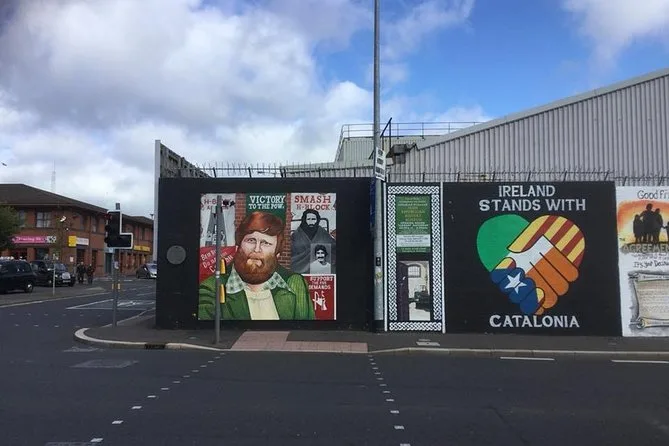
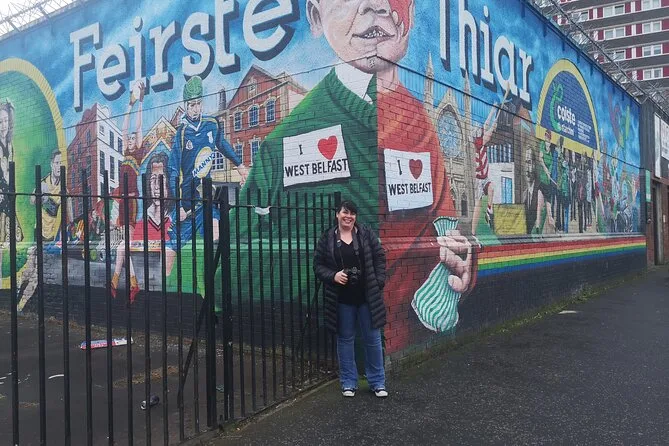
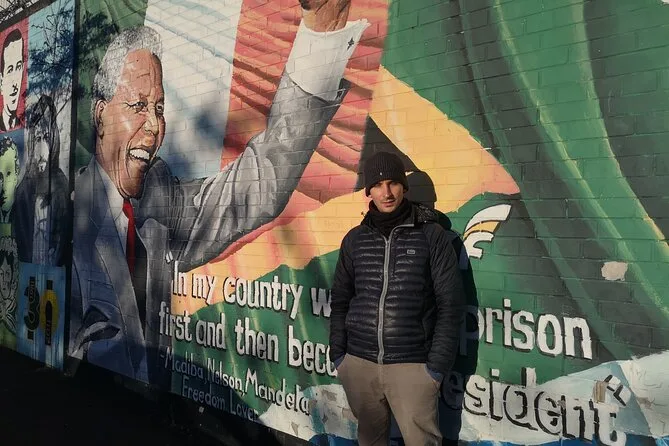
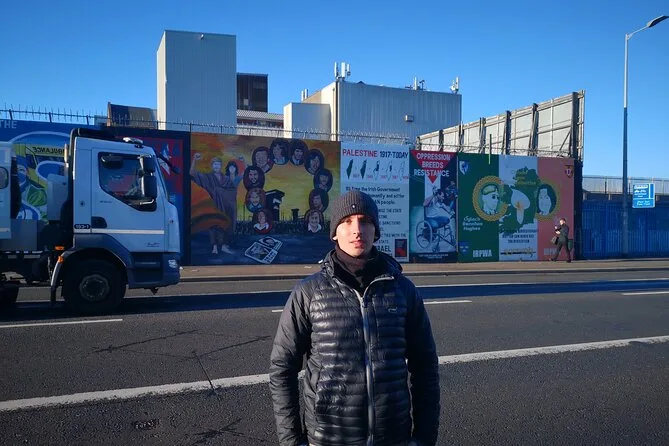
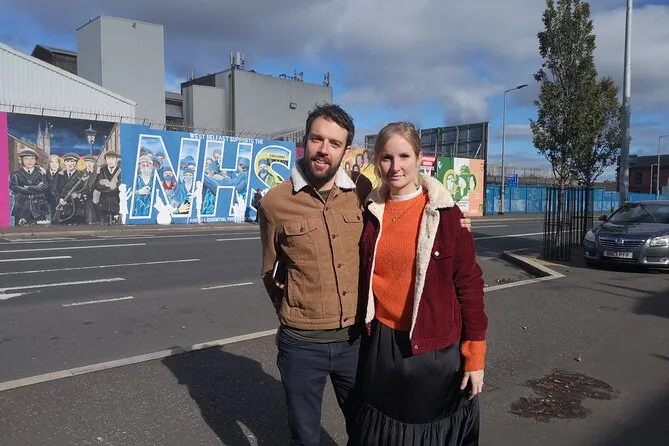
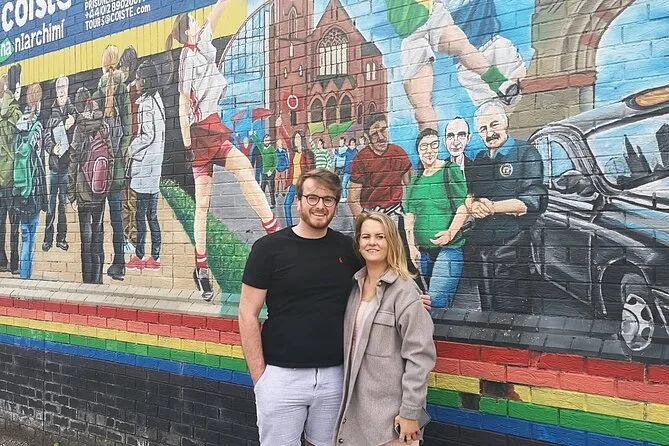
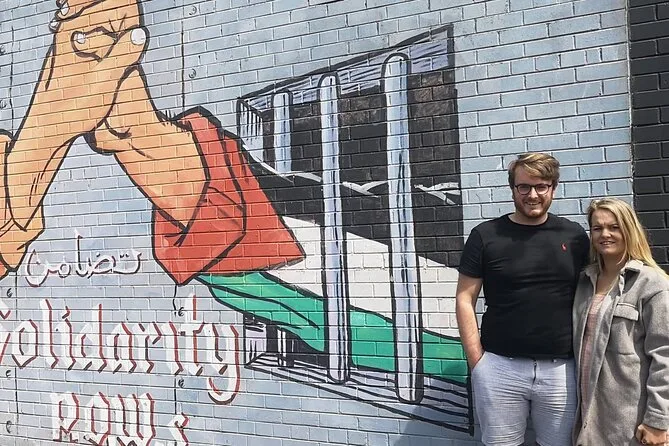
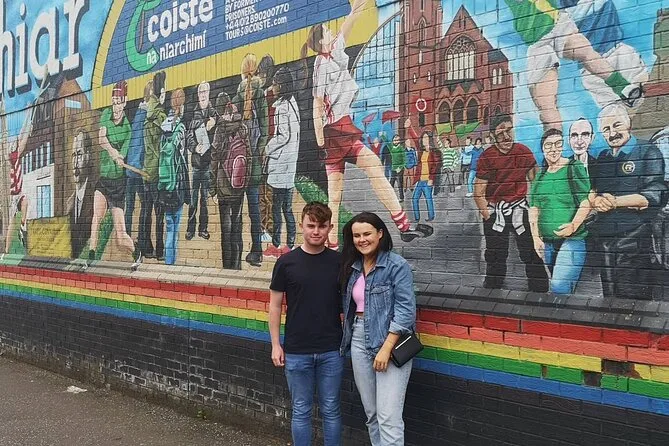
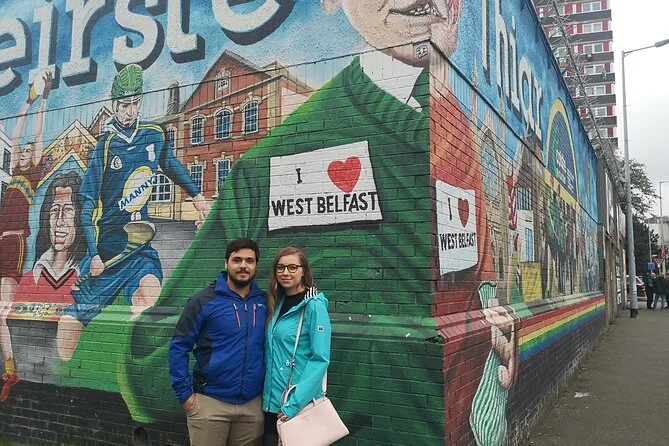
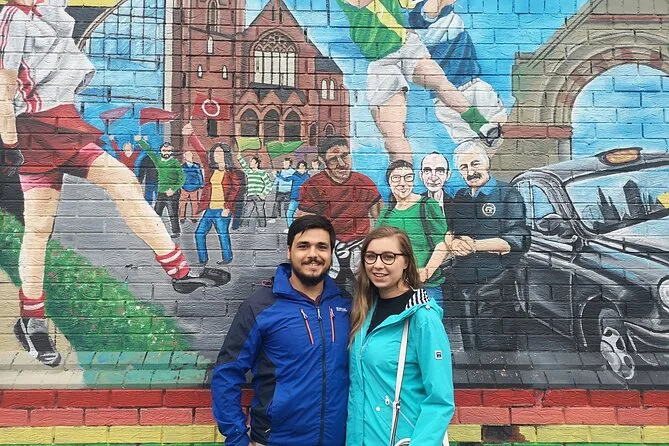
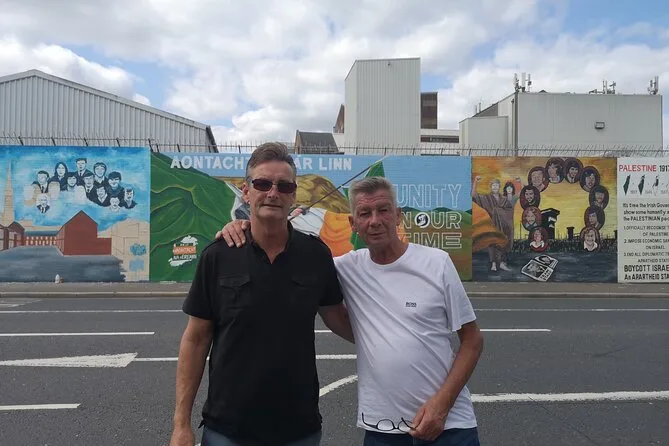
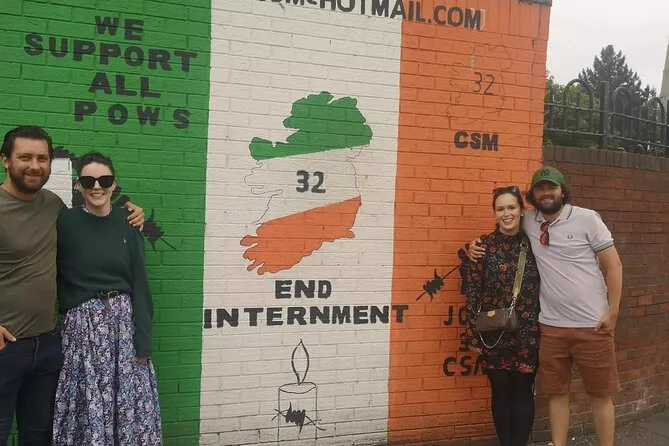
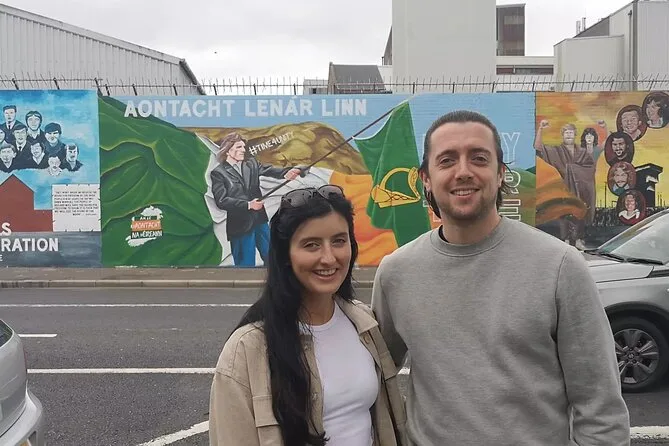
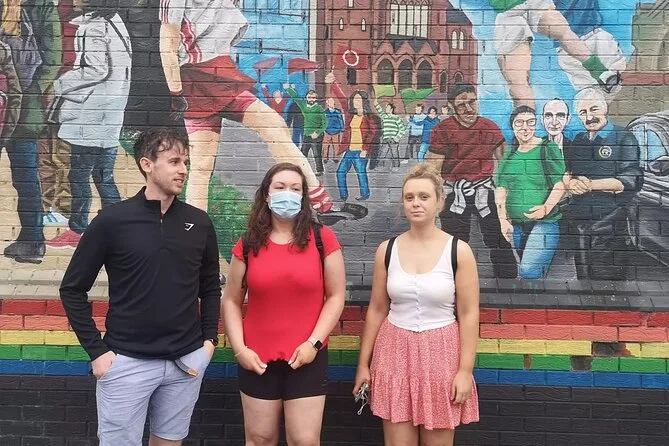
- Visit International Wall murals
- See and photograph Peace Wall
- Write name on Peace Wall
- View Clonard Monastery from outside
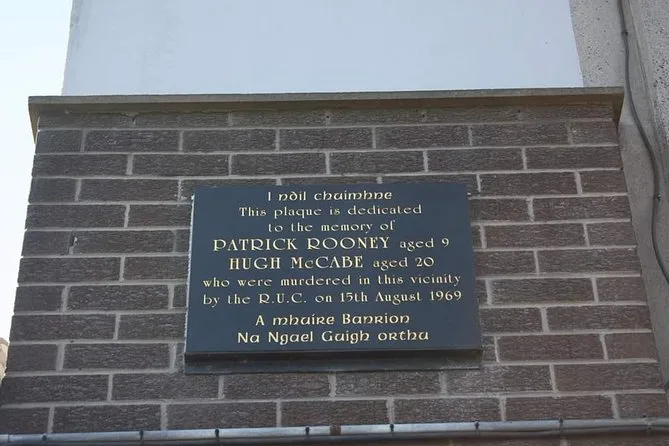
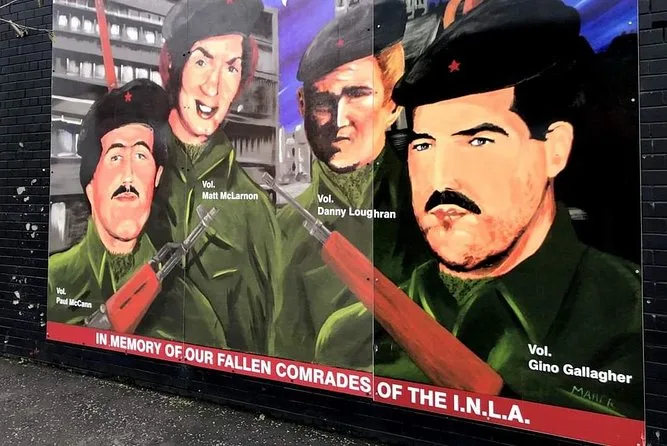
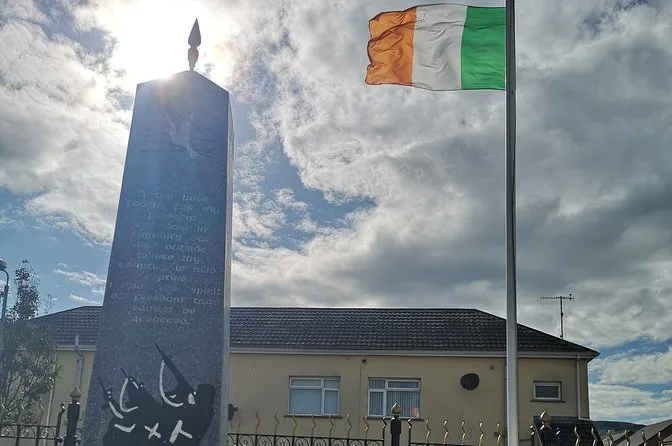
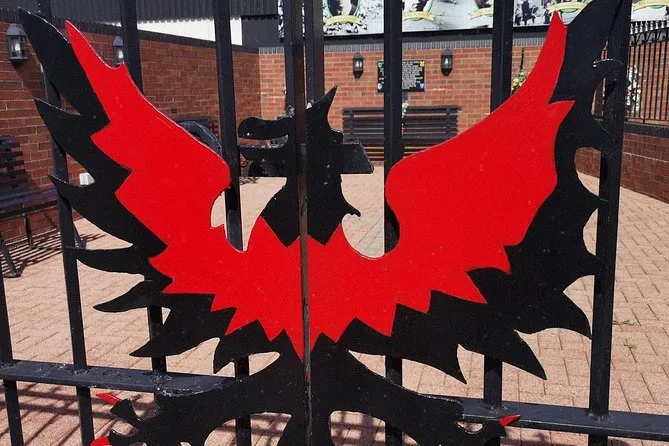
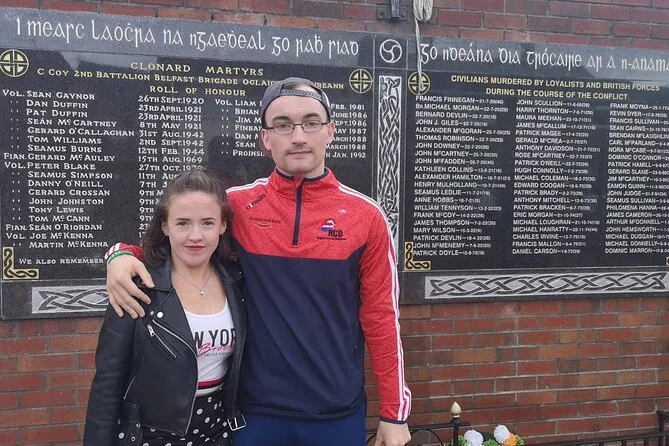
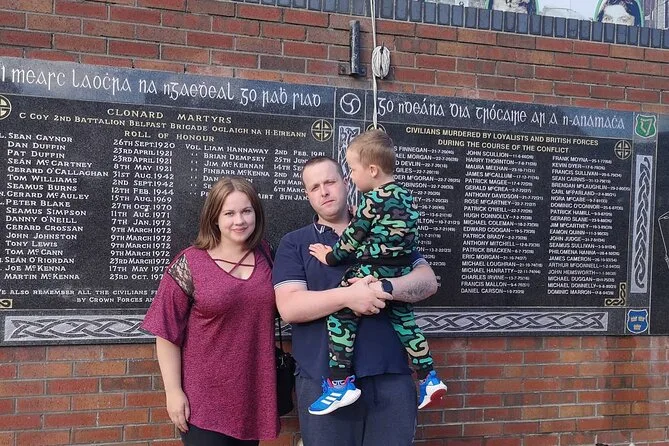
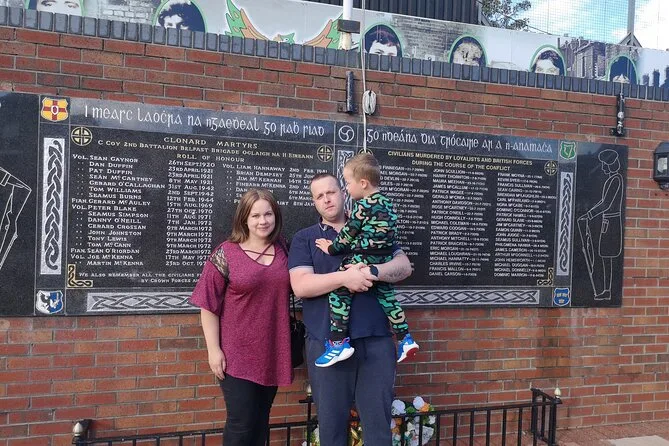
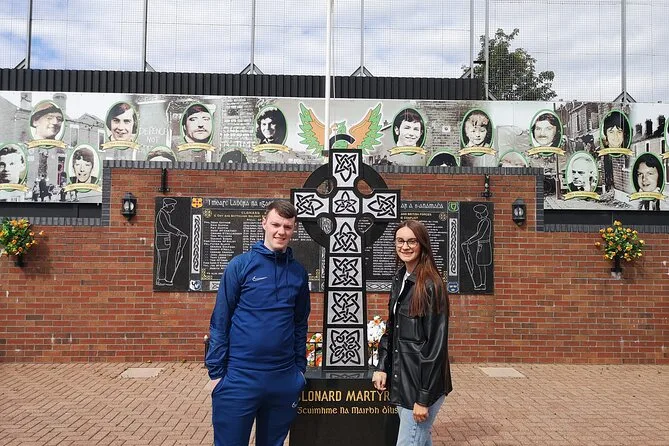
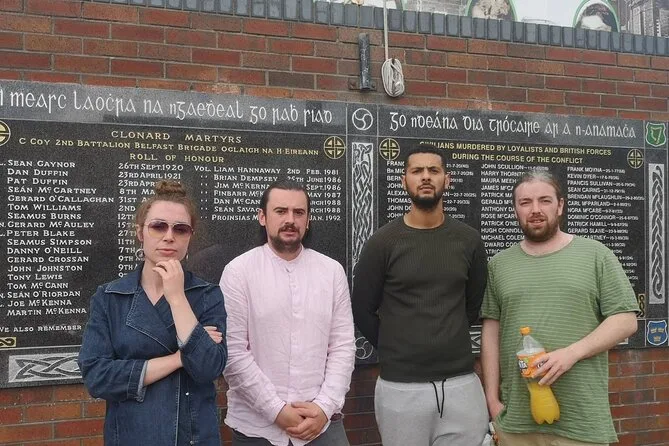
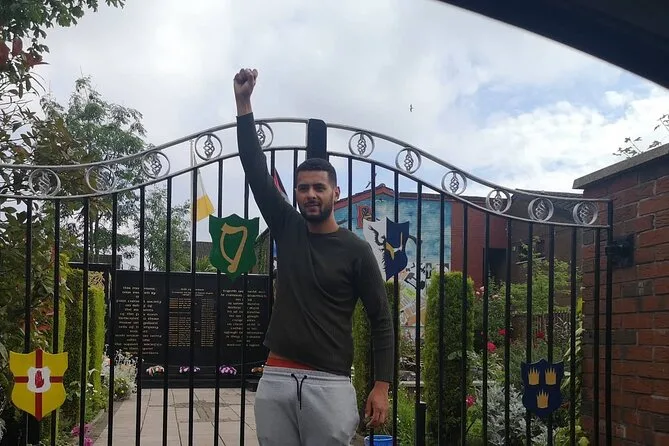
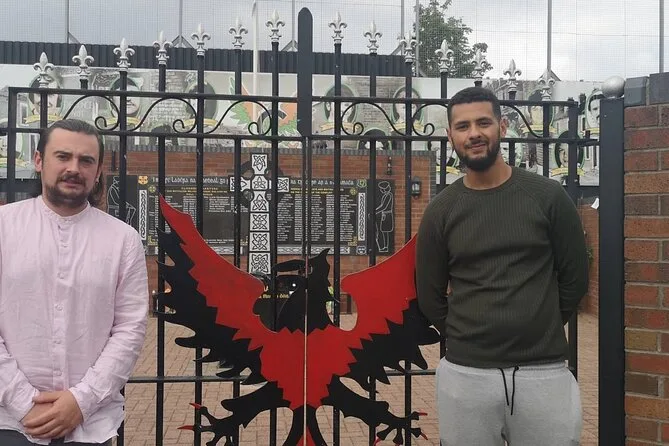
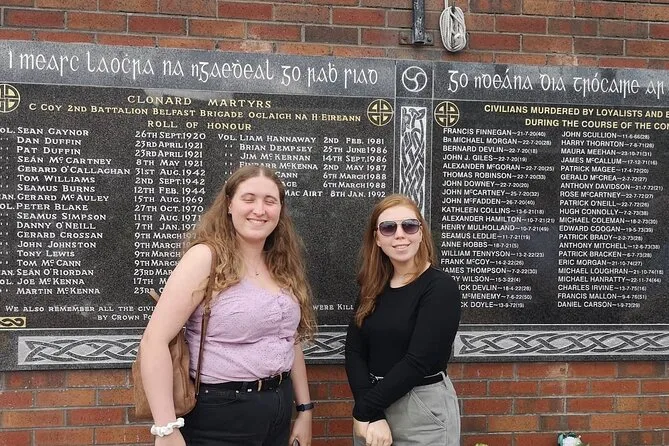
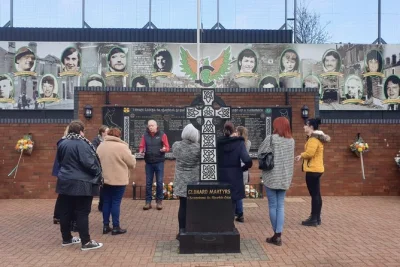
- Visit IRA Clonard Martyrs Memorial Garden
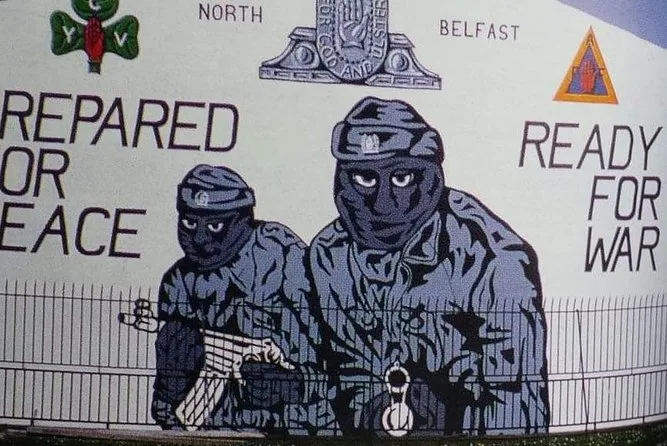
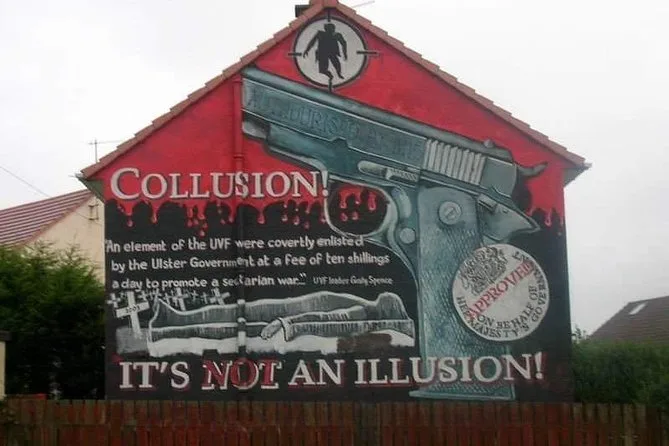
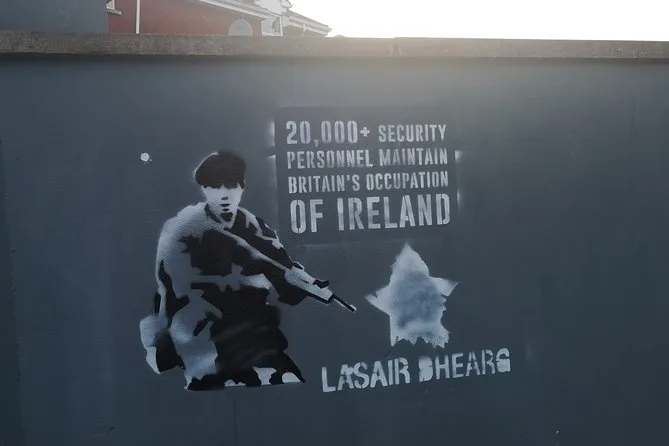
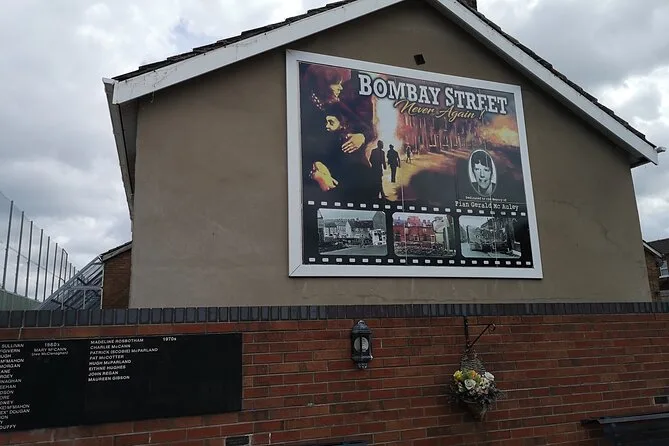
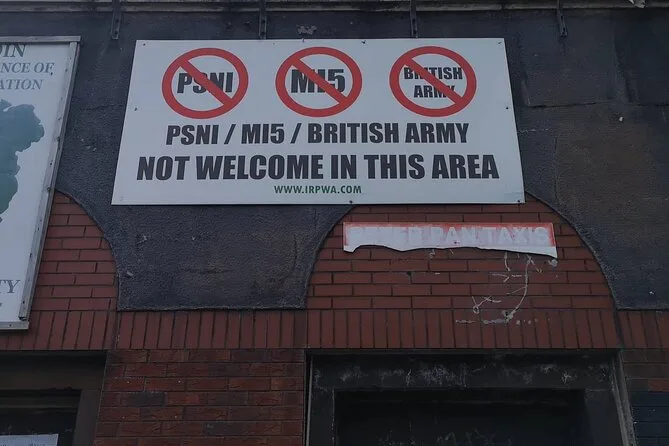
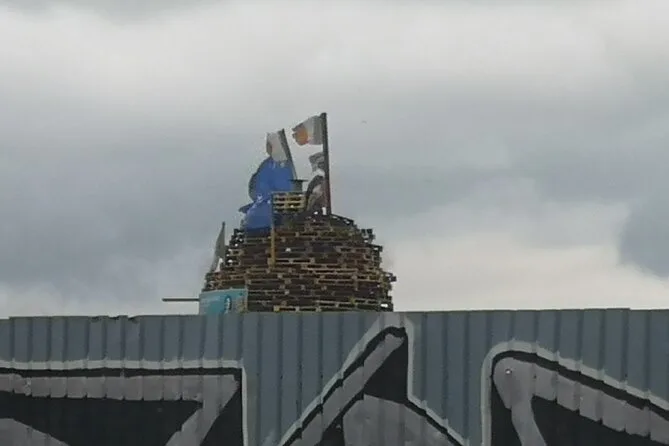
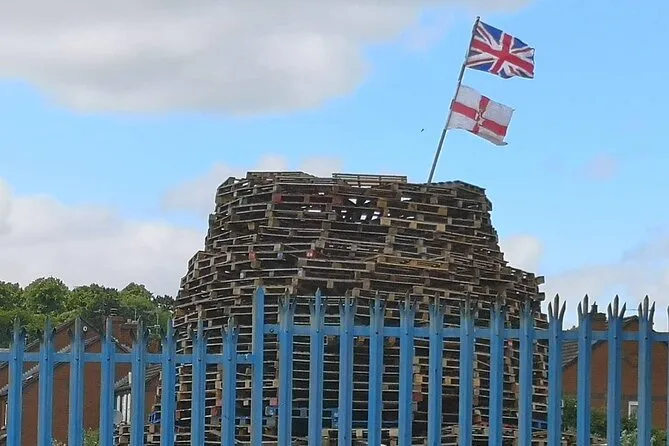
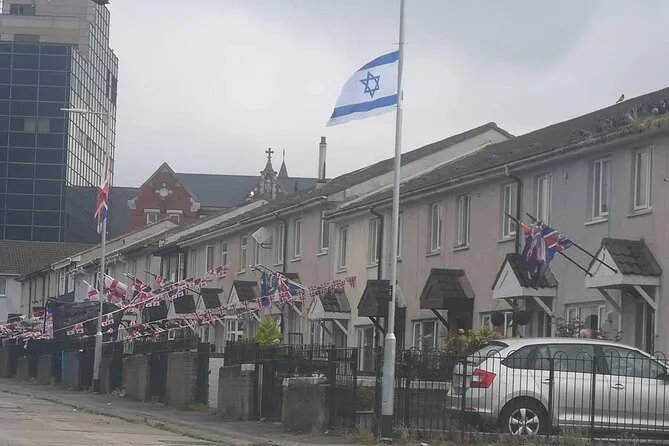
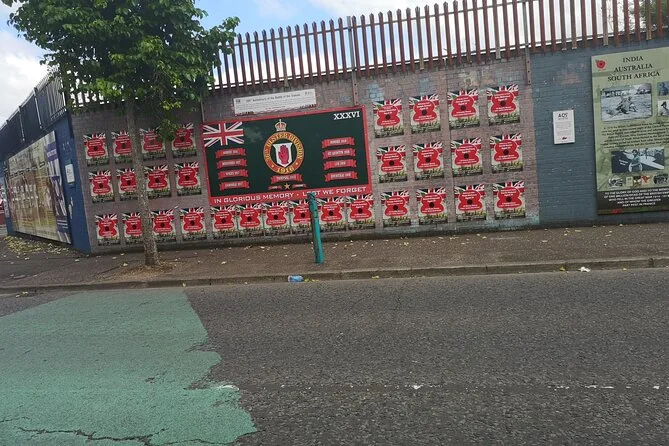
- View Loyalist UDA & UVF murals
- See King Billy mural
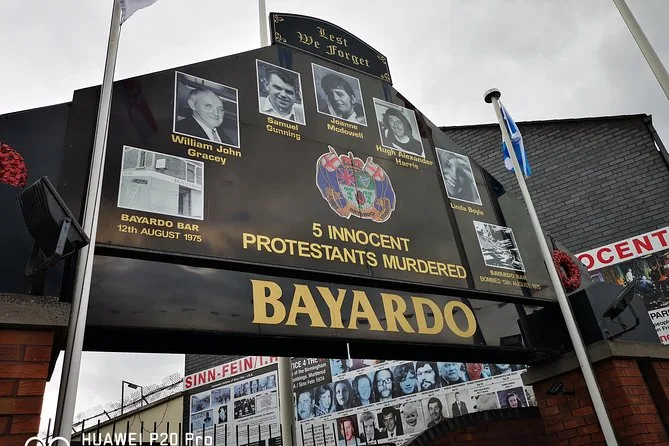
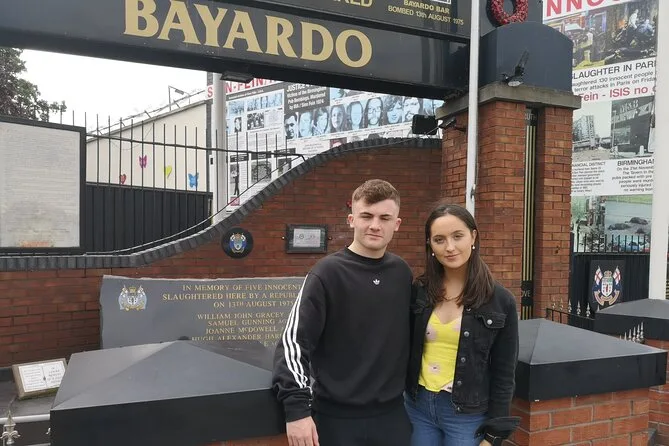
- Visit Bayardo Memorial Garden
- Photo armed Loyalist murals
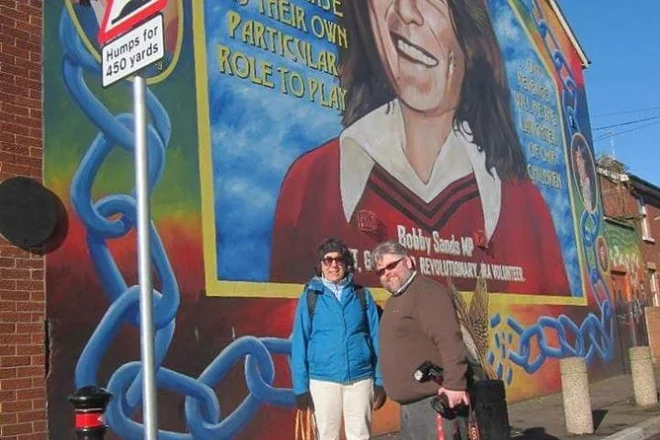
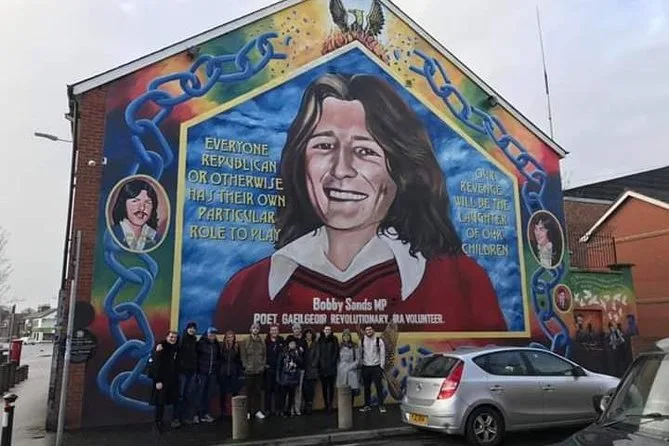
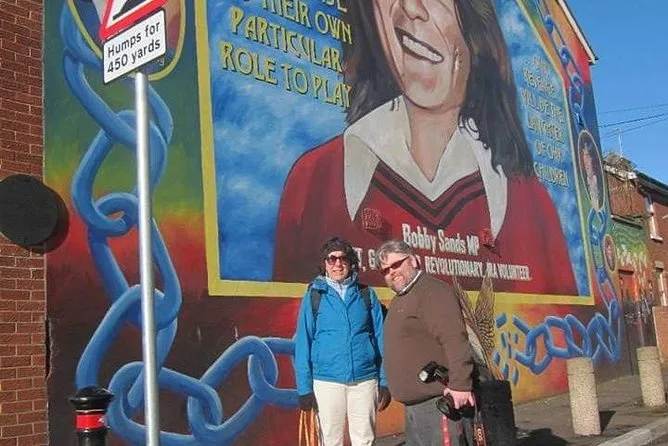
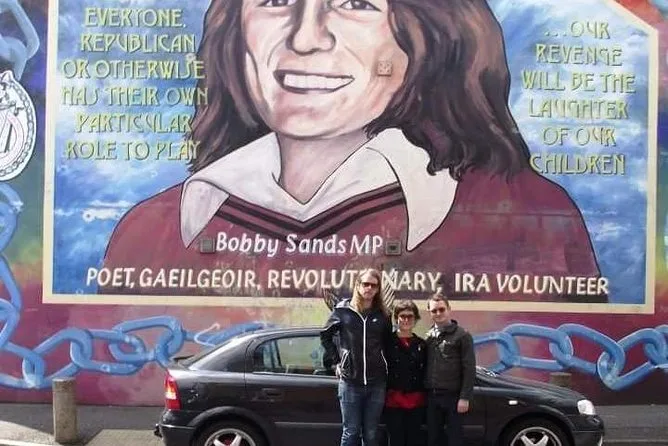
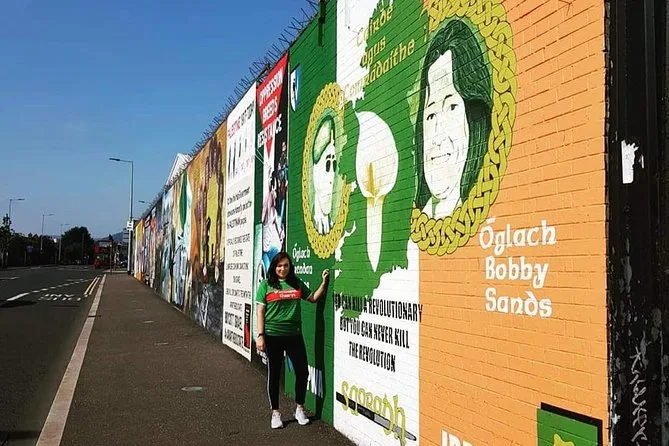
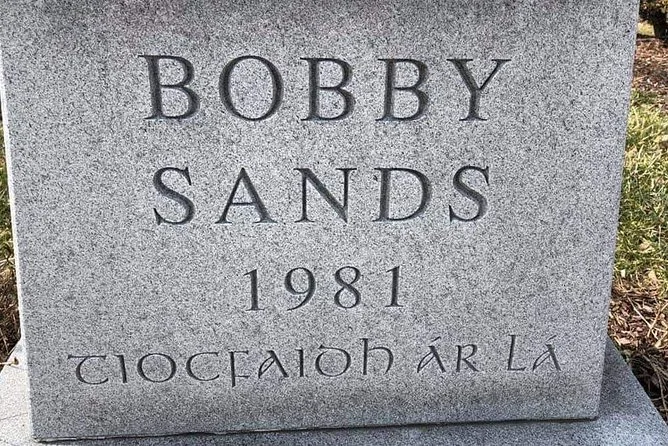
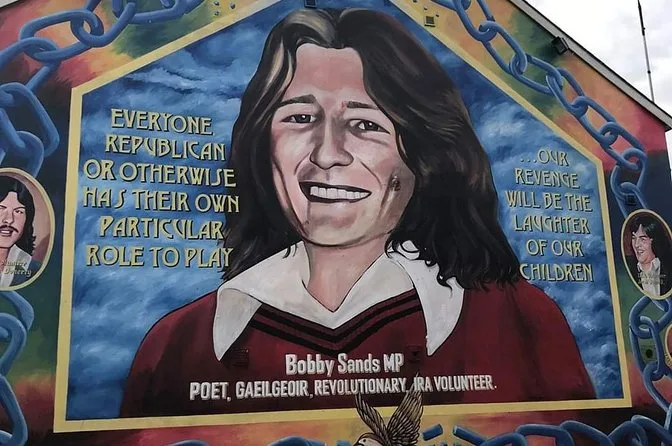
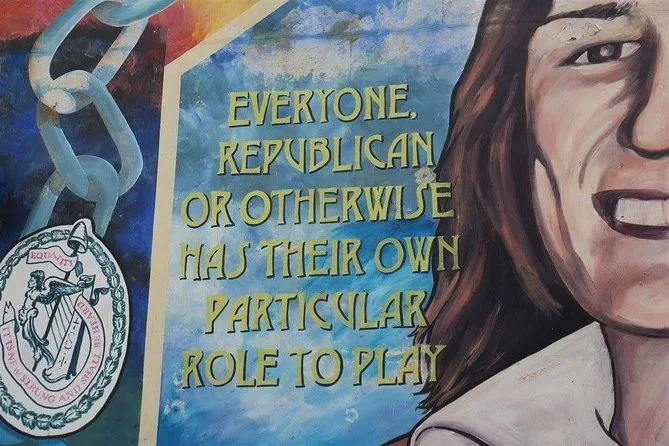
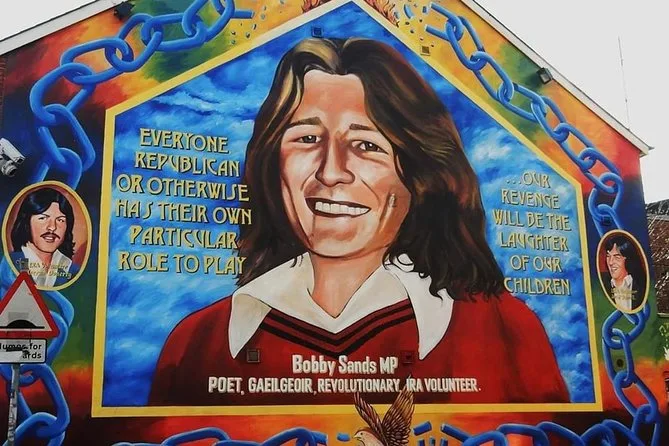
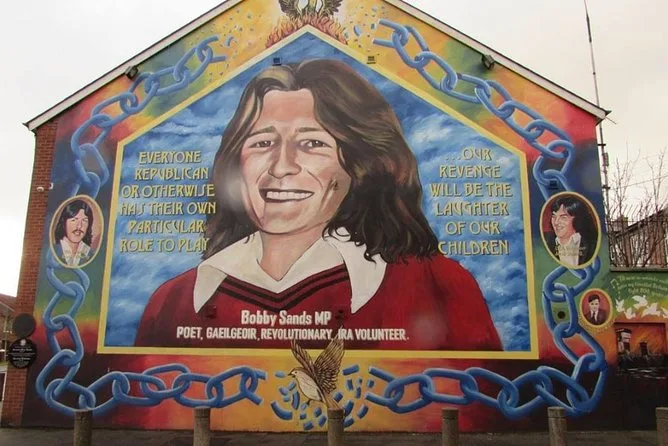
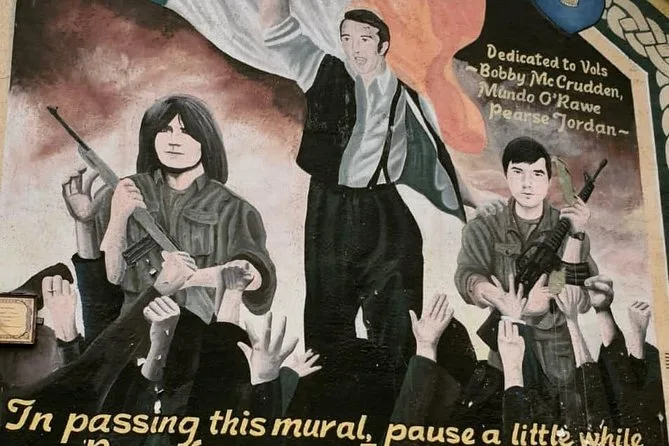
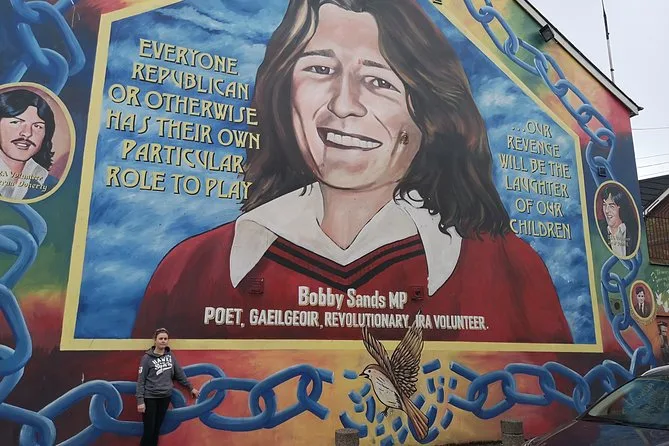
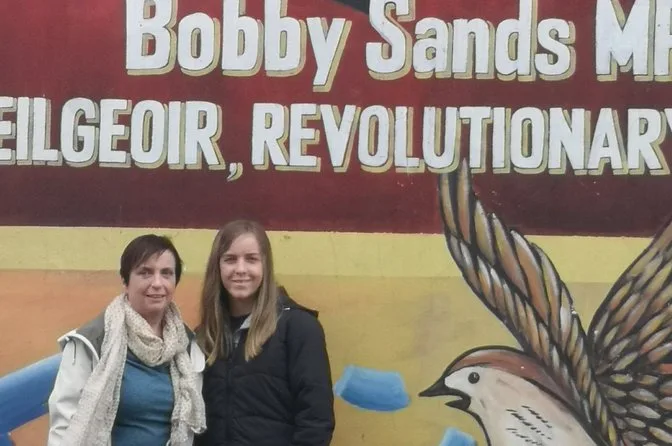
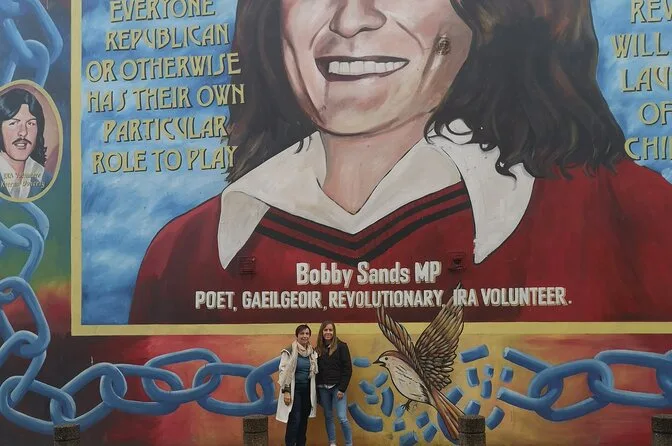
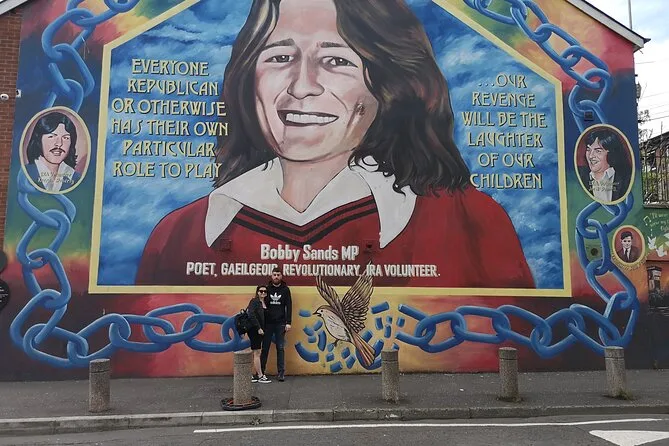
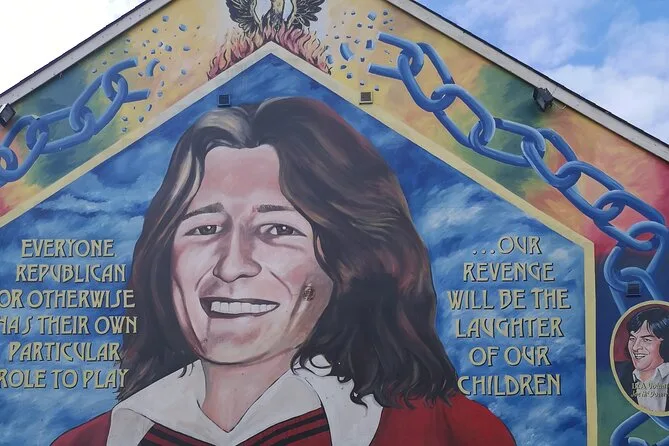
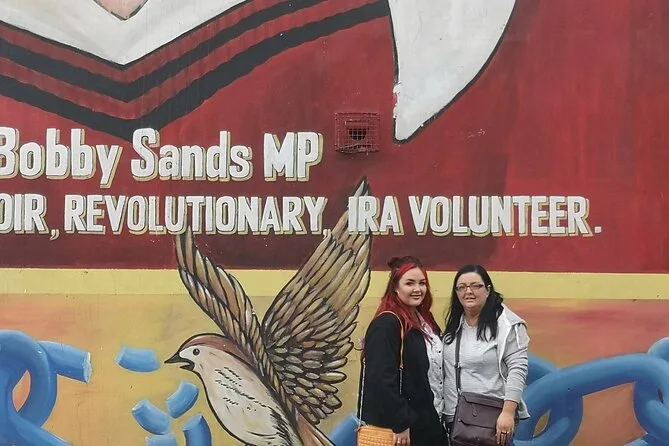
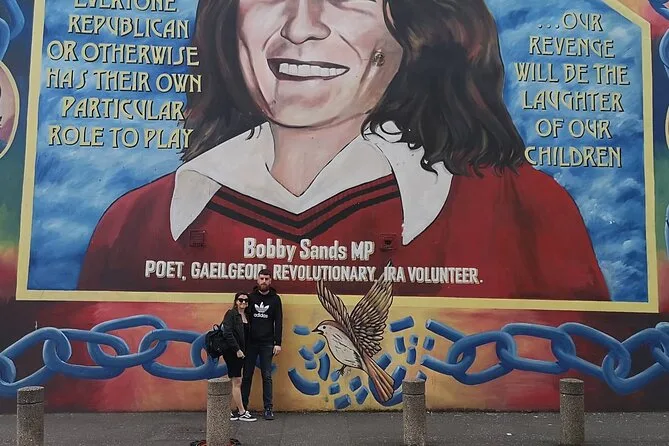
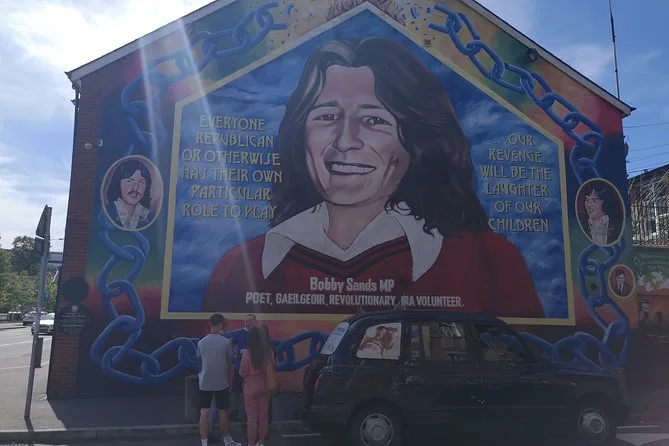
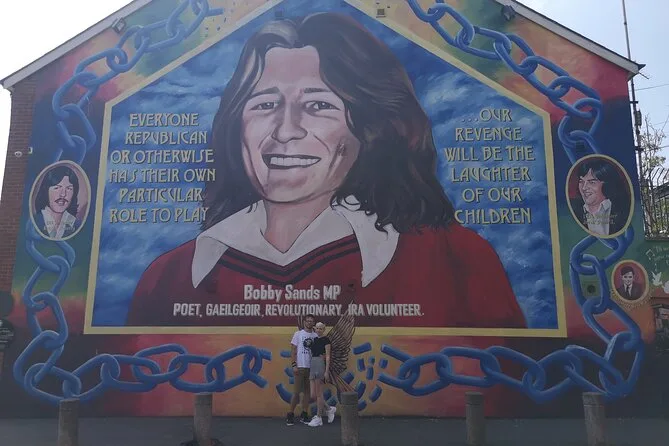
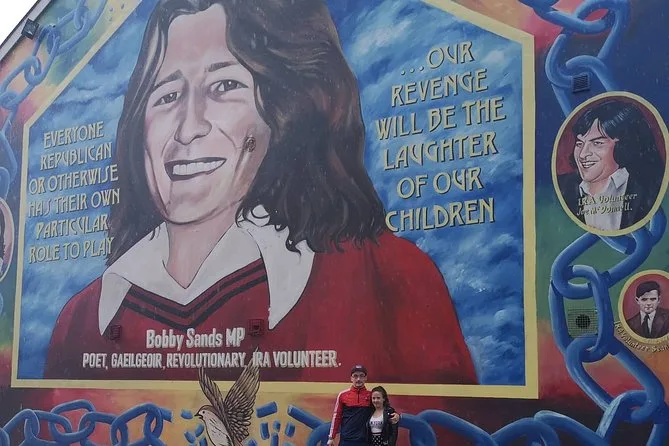
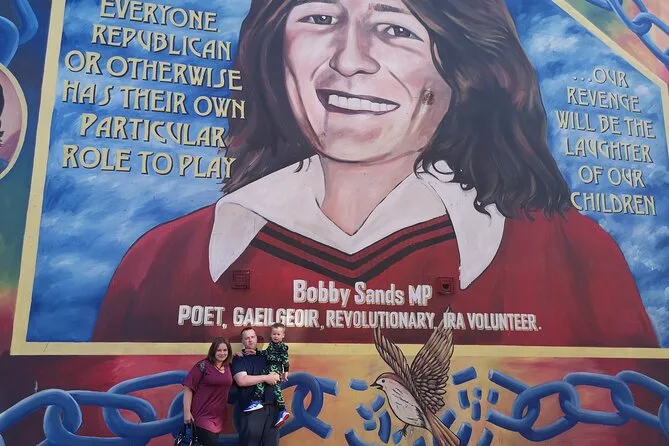
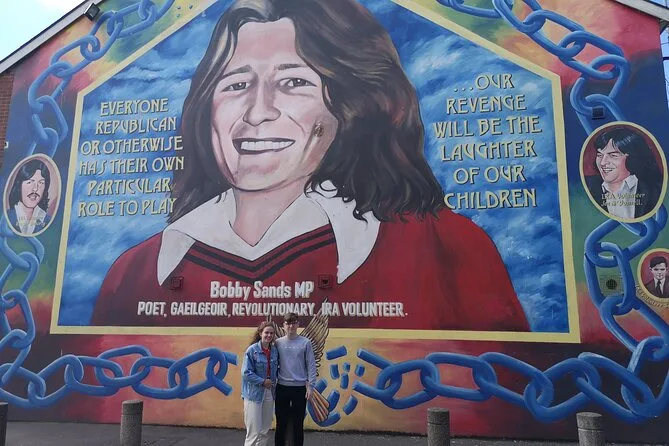
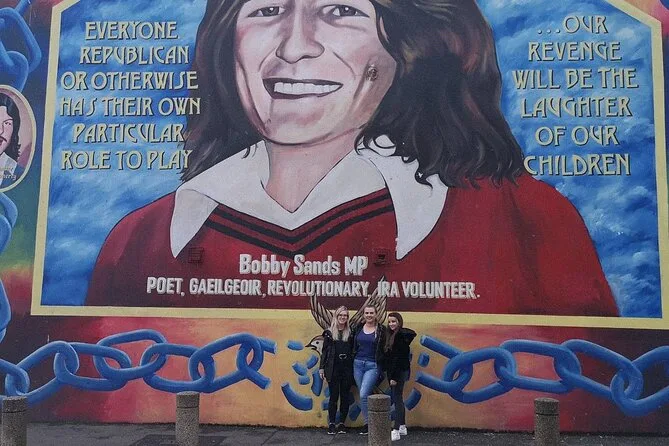
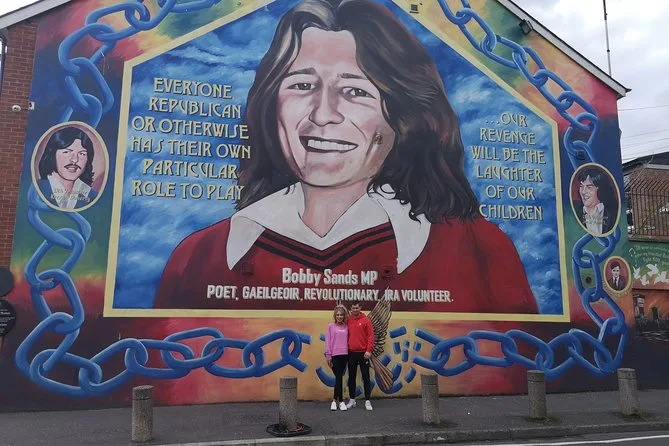
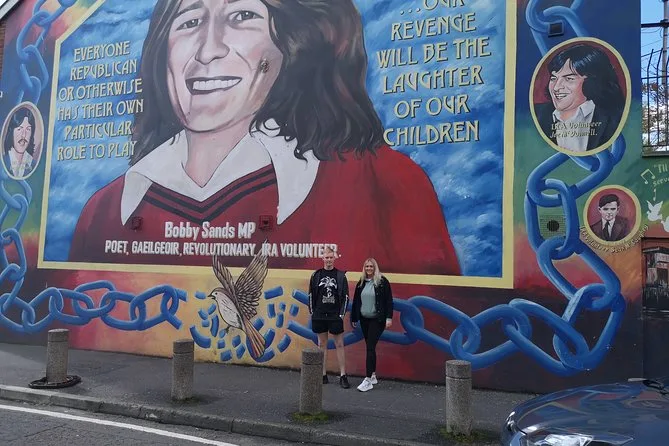
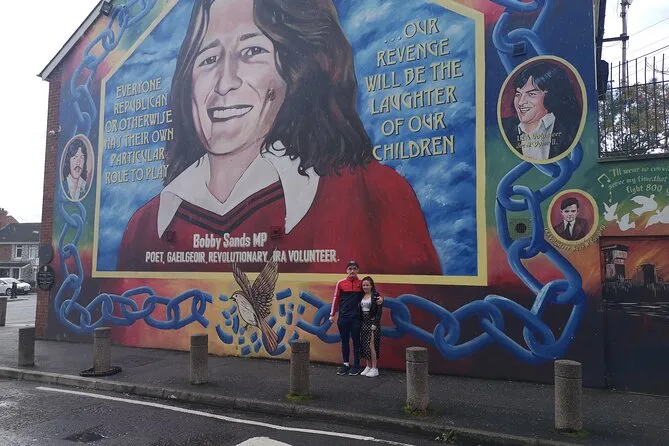
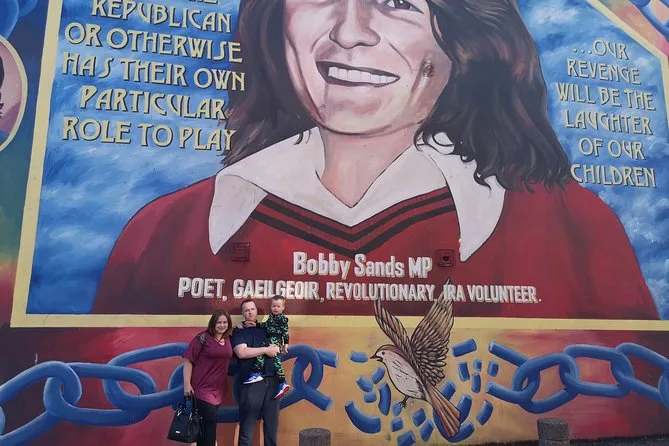
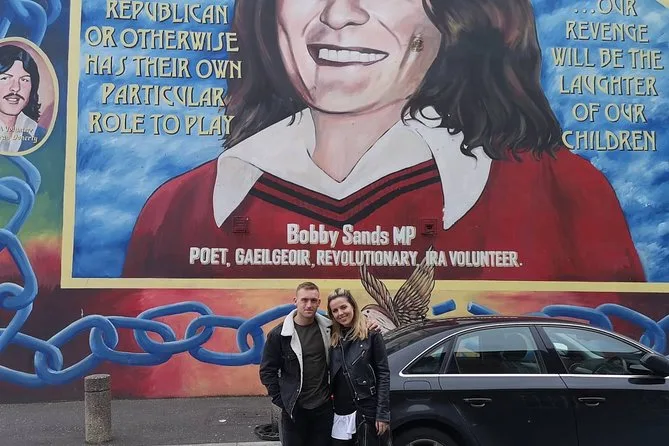
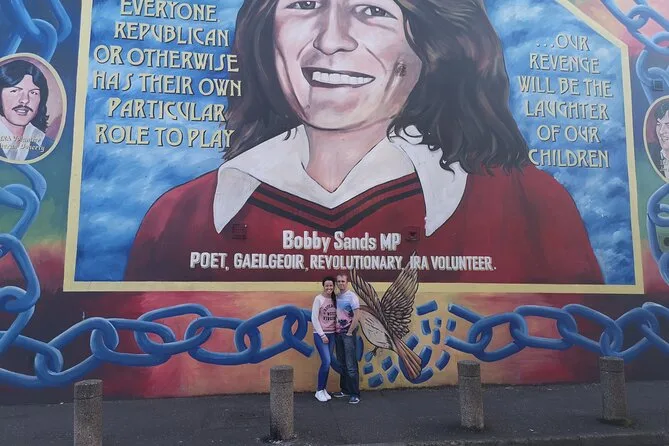
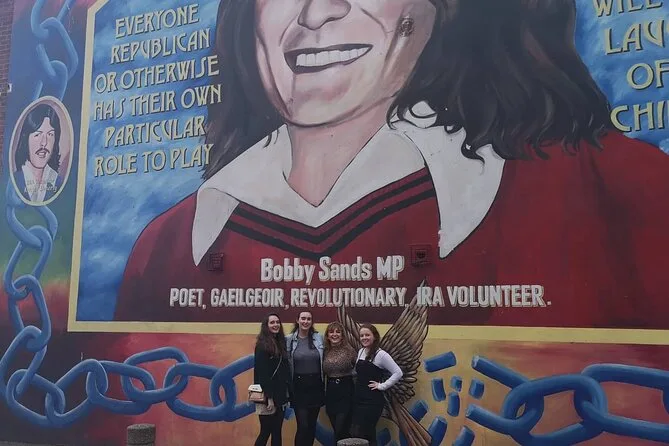
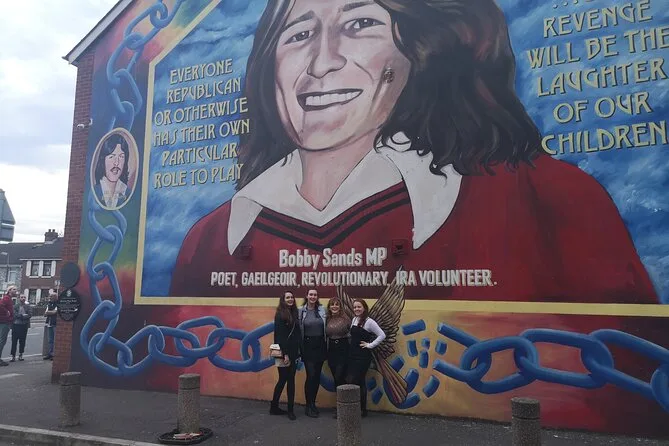
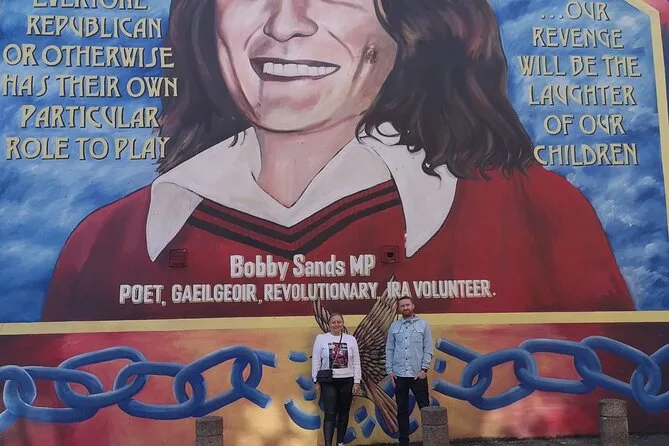
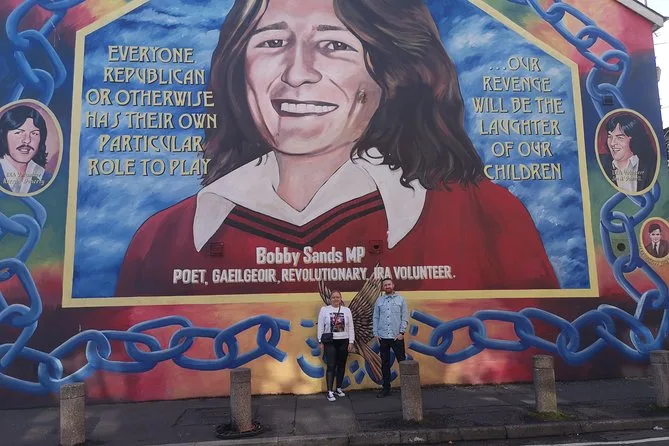
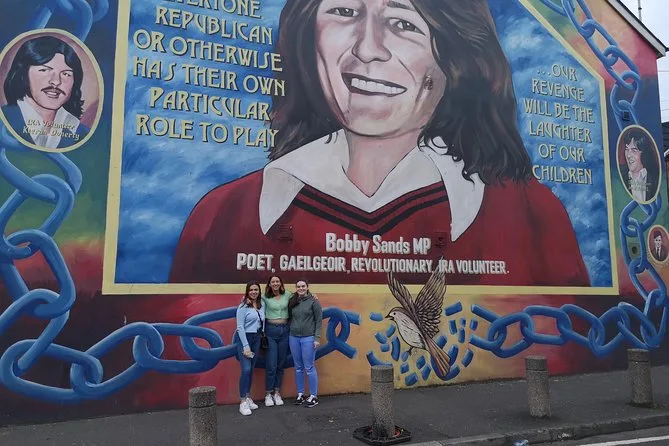
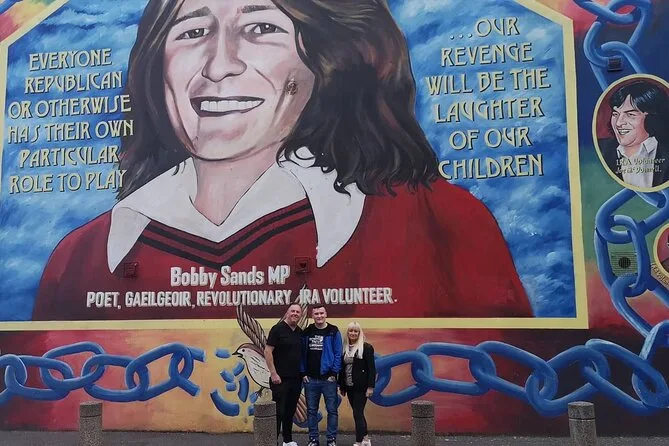
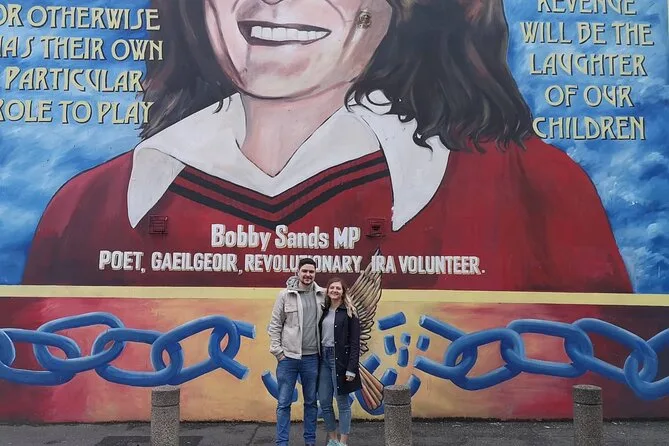
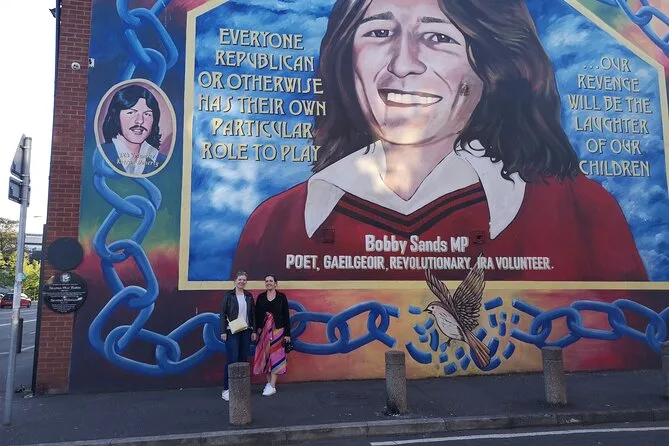
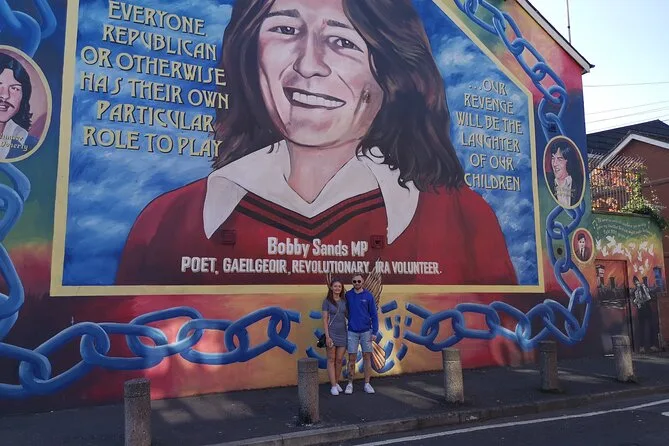
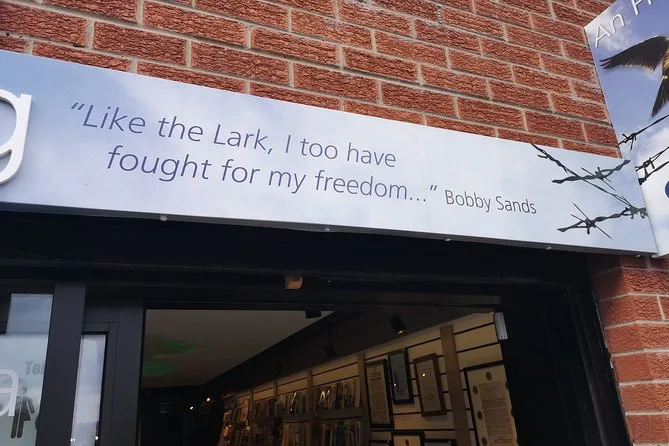
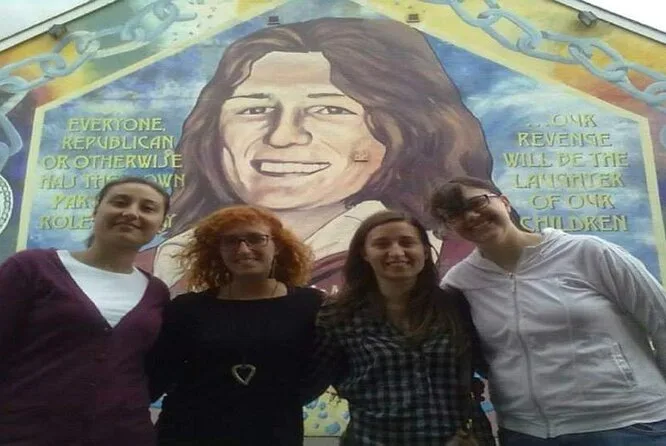
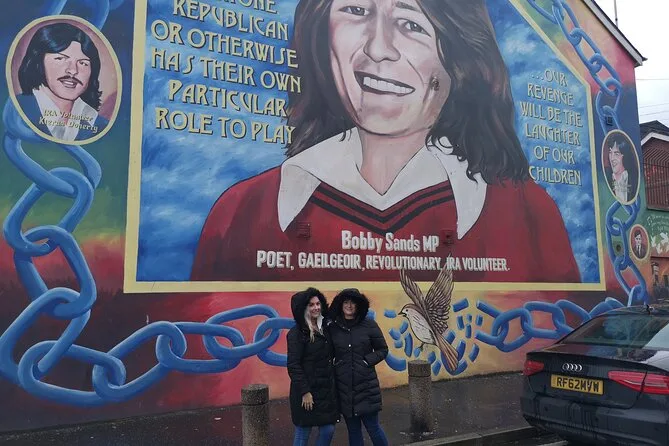
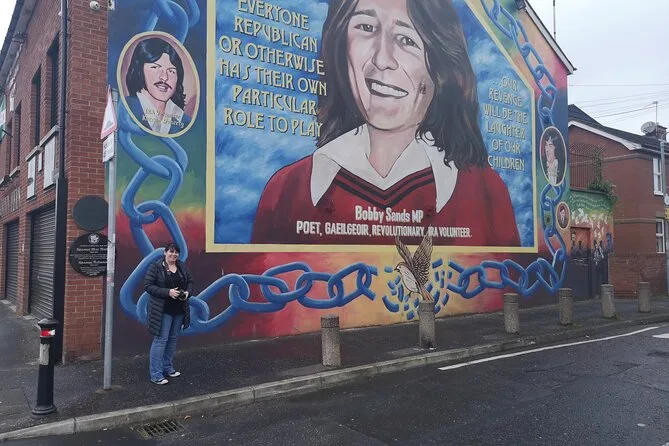
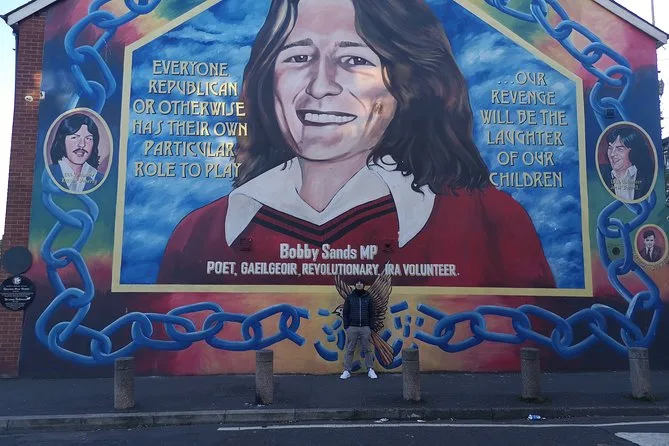
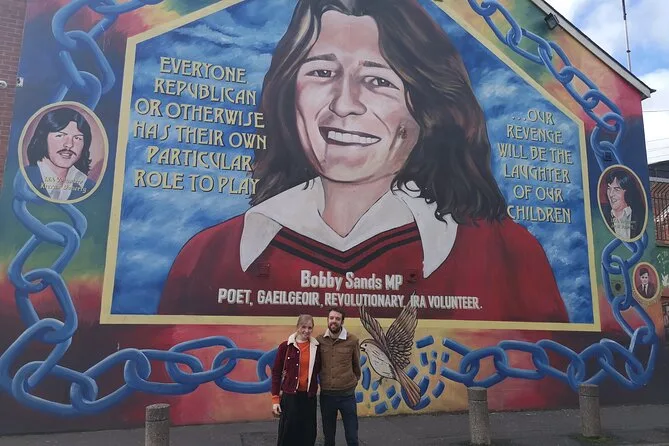
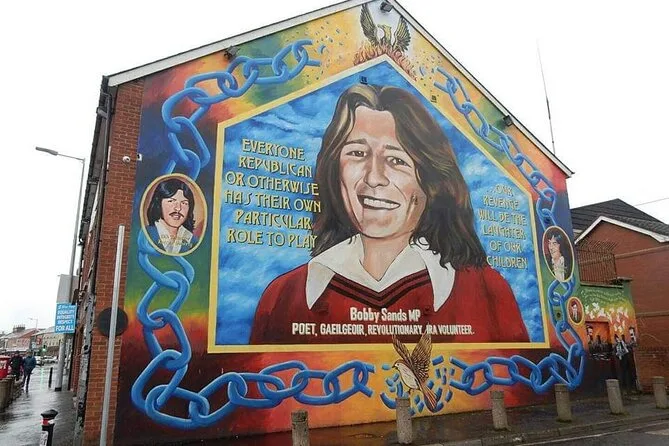
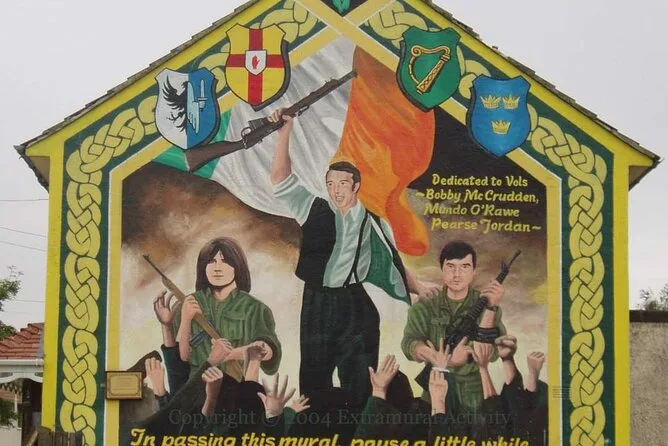
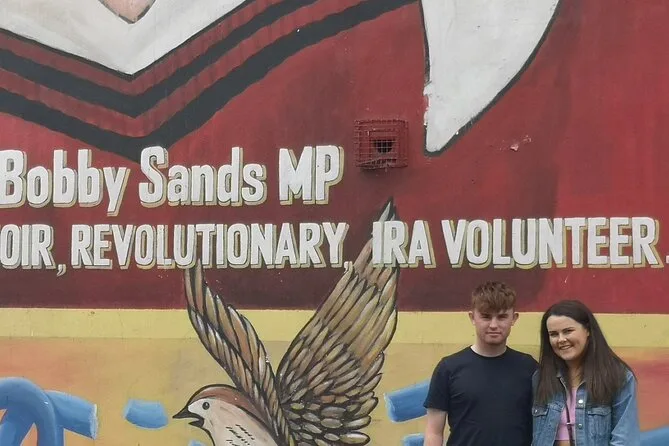
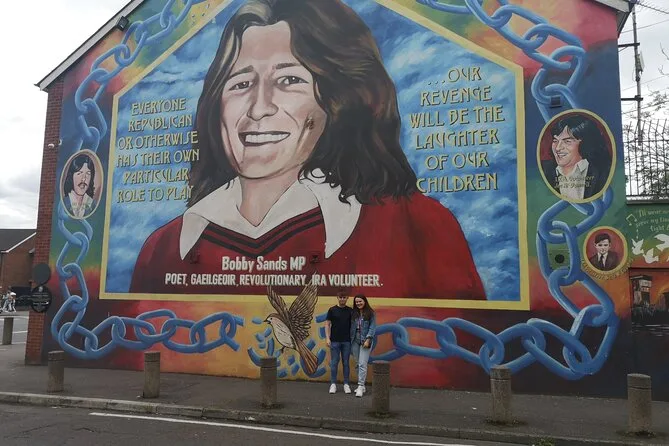
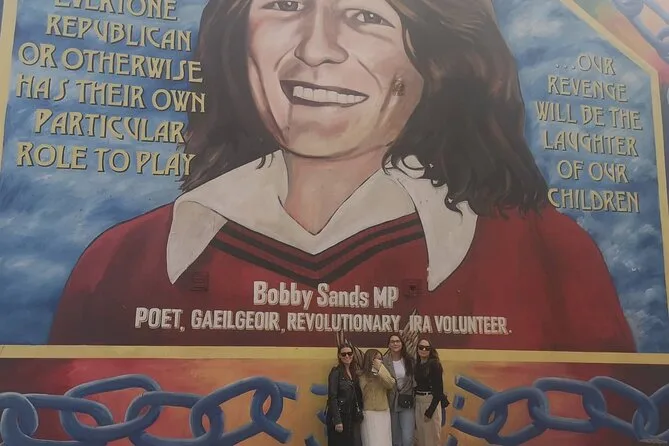
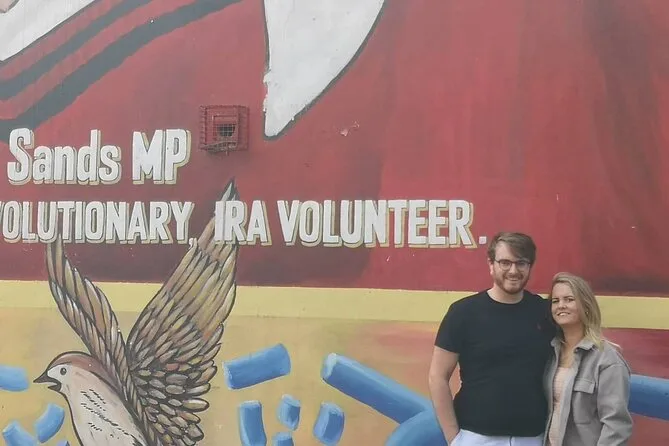
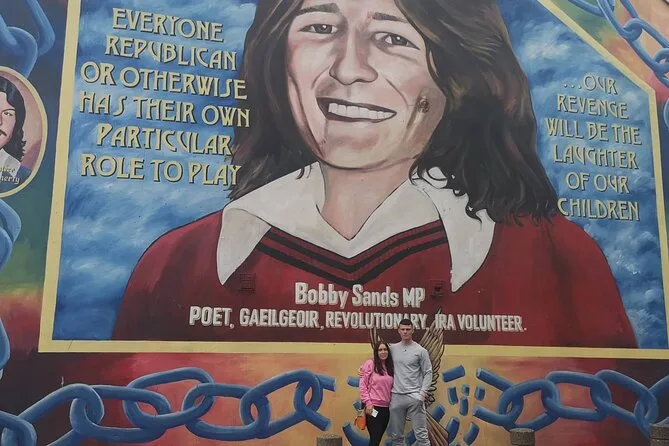
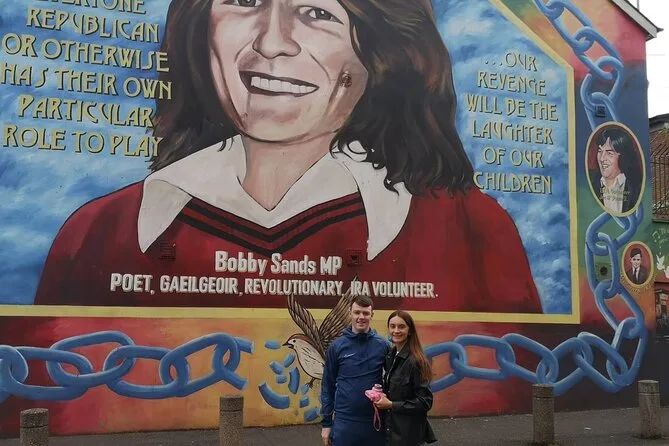
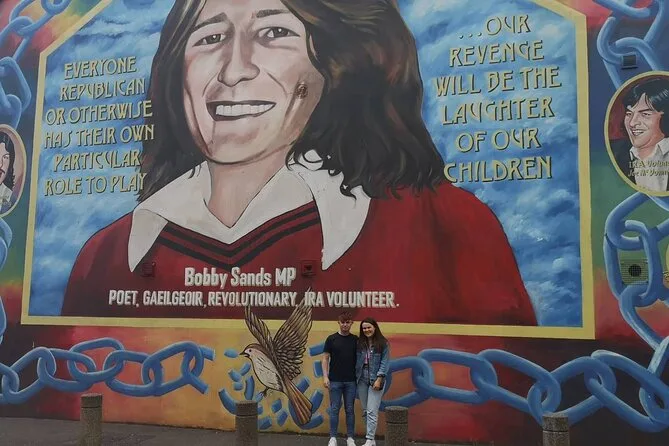
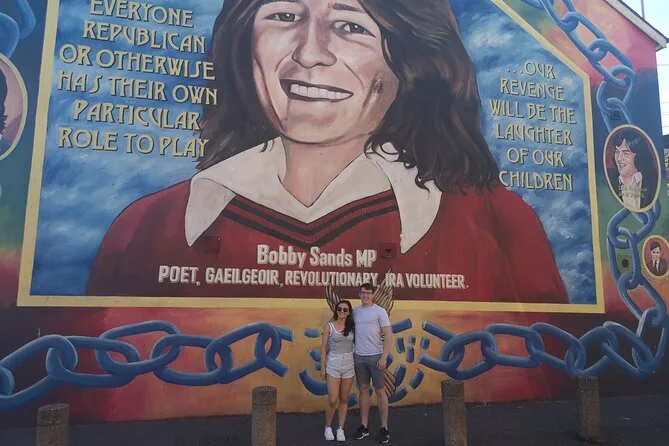
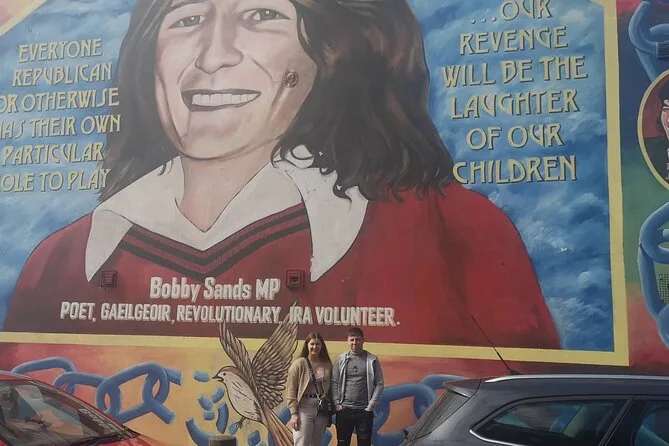
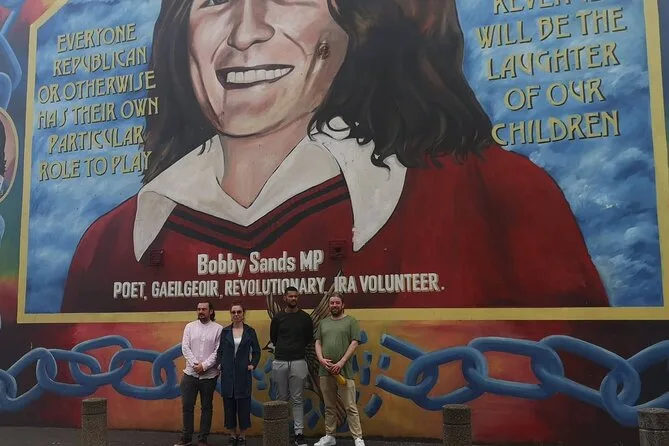
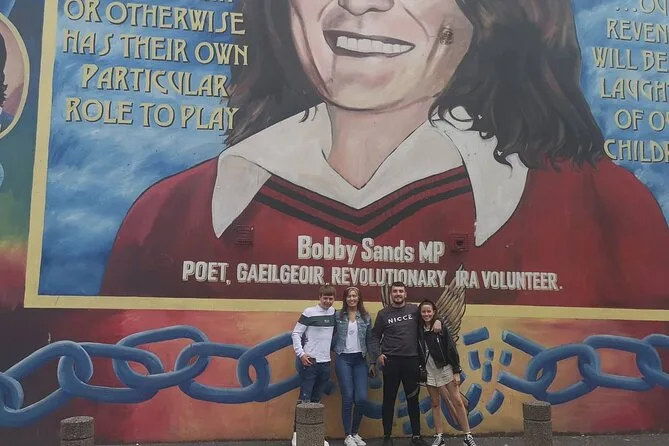
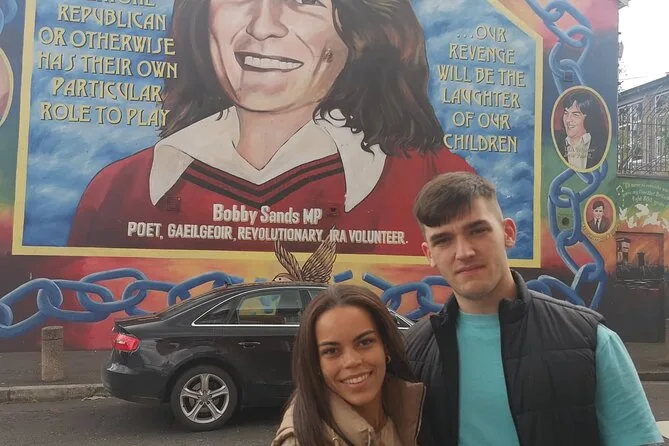
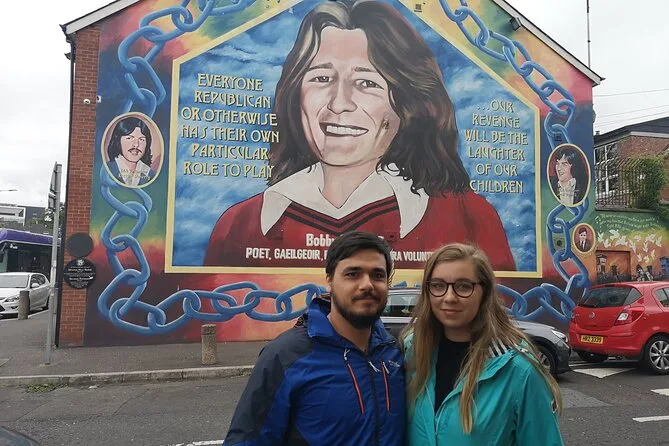
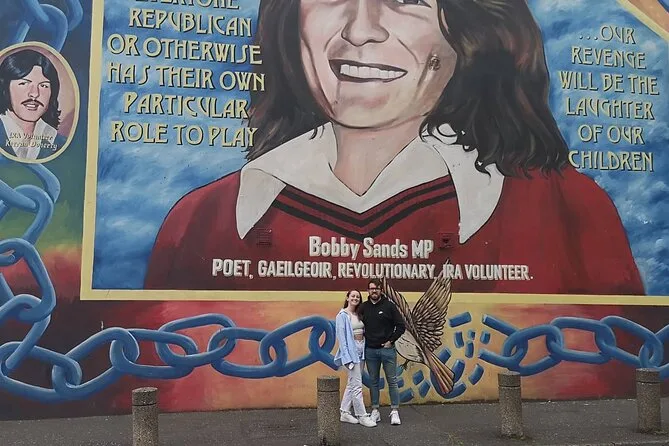
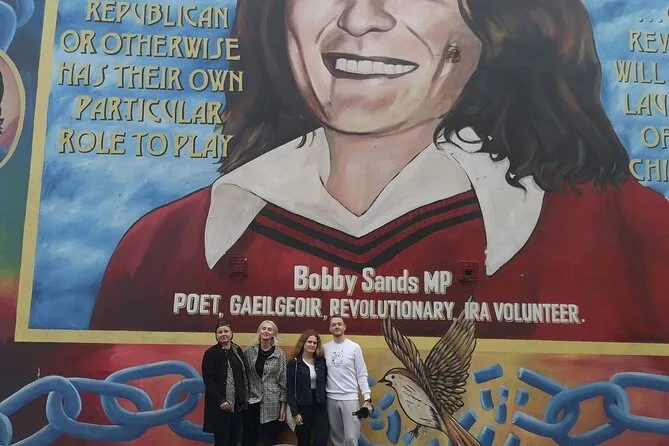
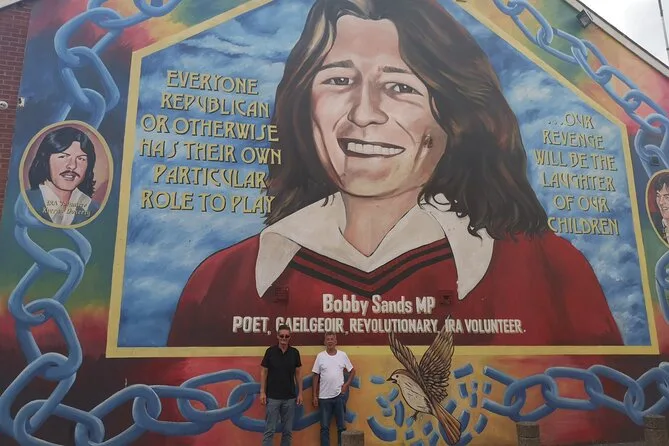
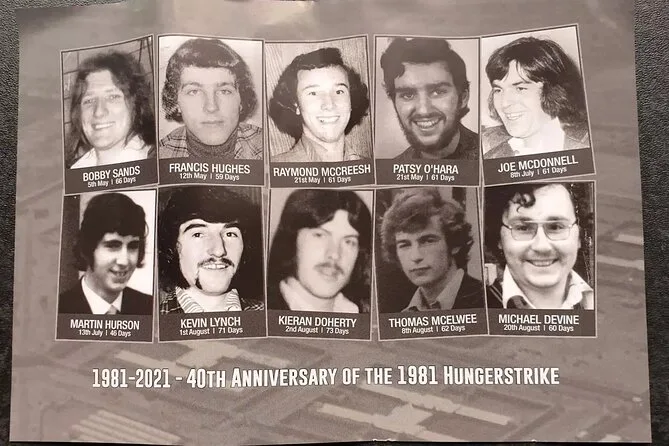
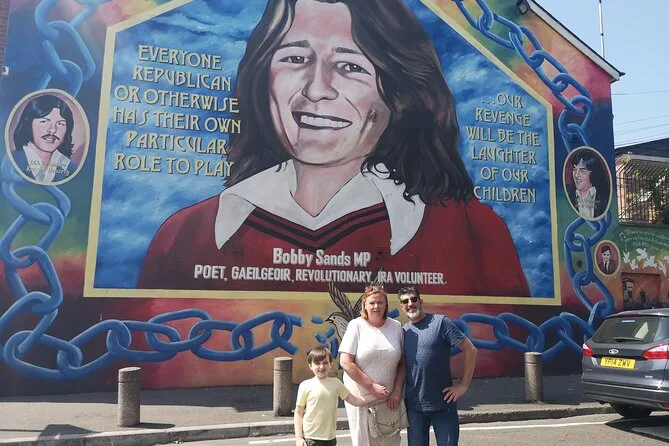
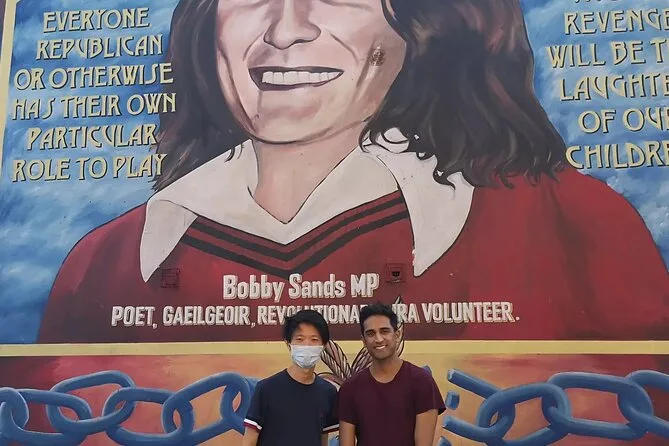
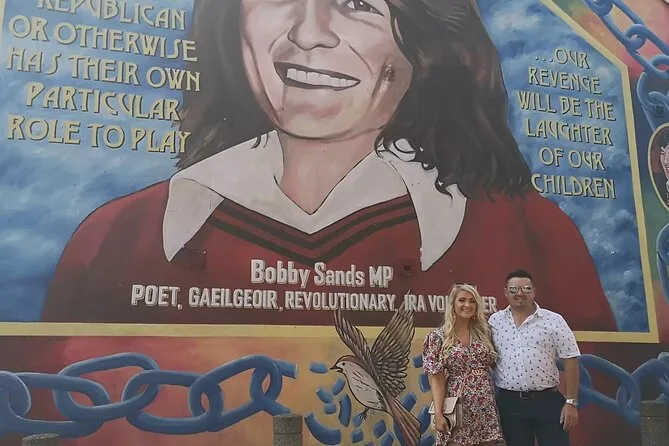
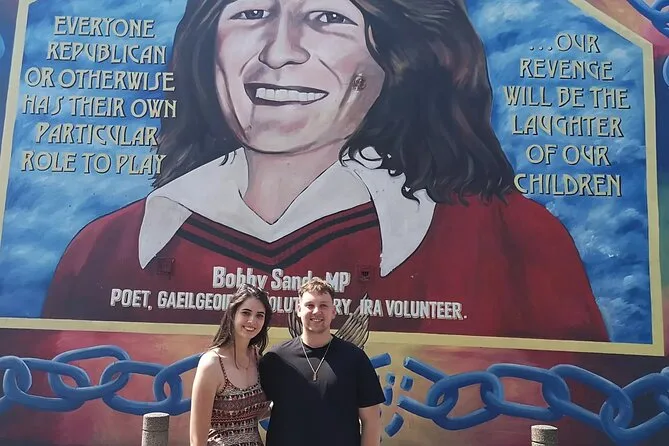
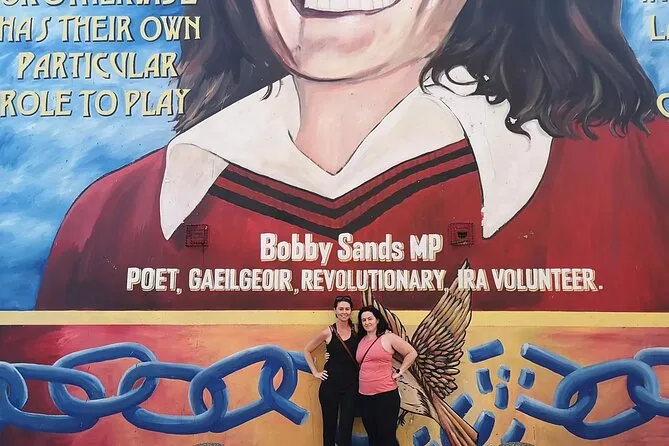
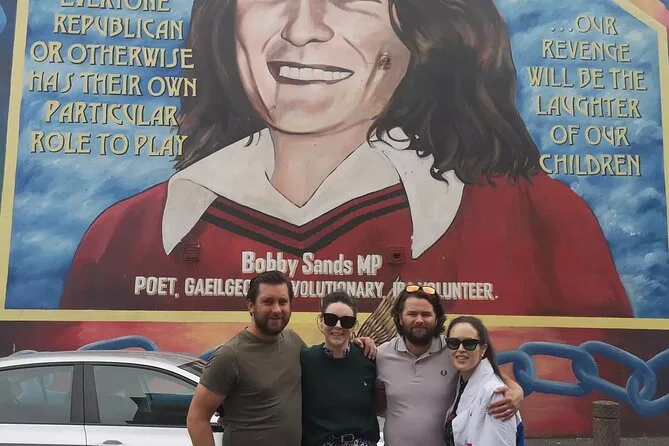
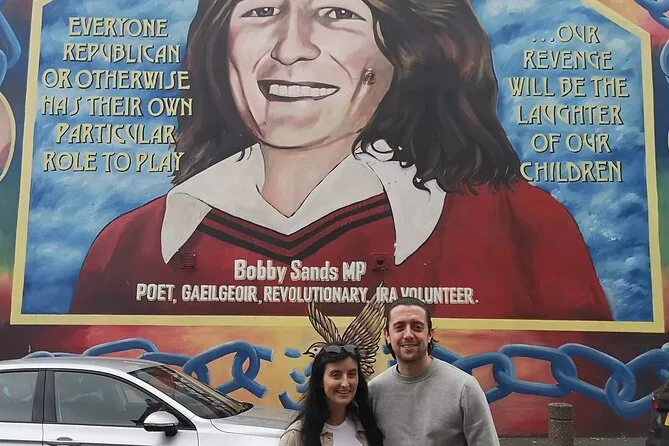
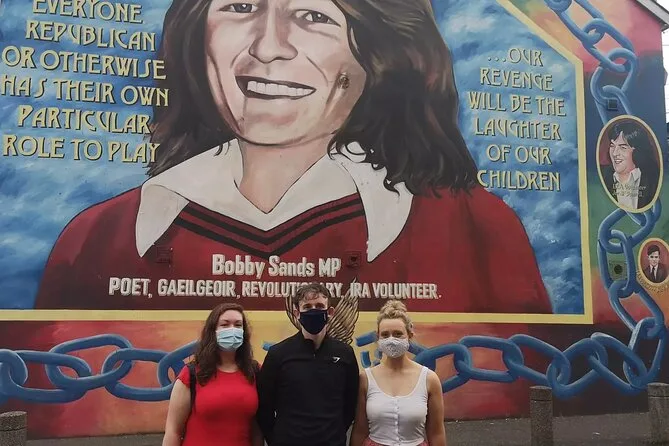
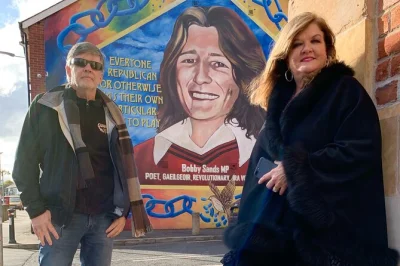
- Visit Bobby Sands mural
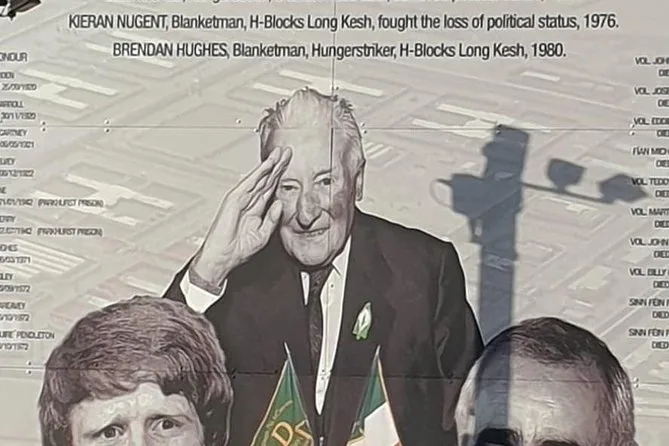
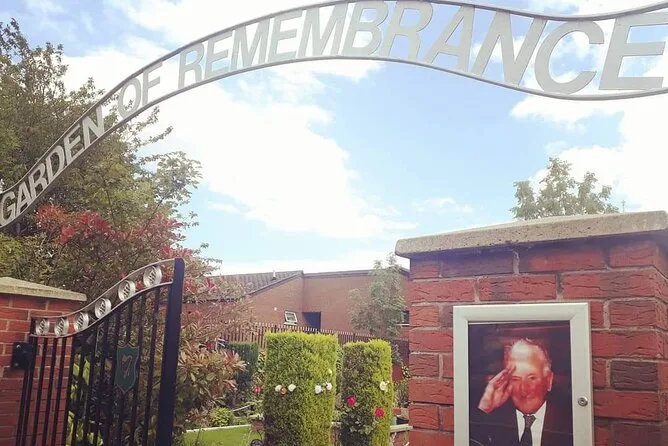
- Visit IRA Belfast Brigade Garden of Remembrance
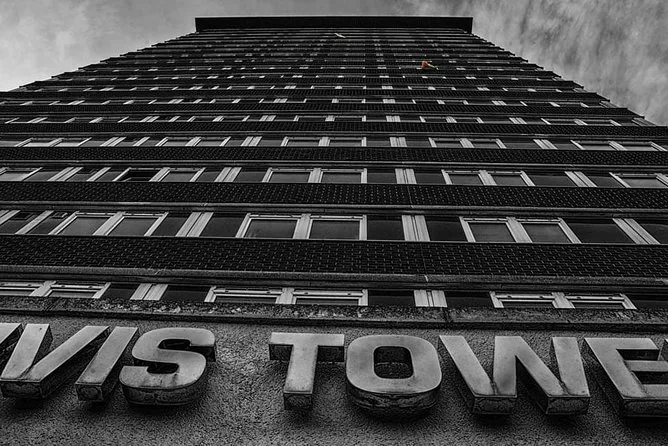
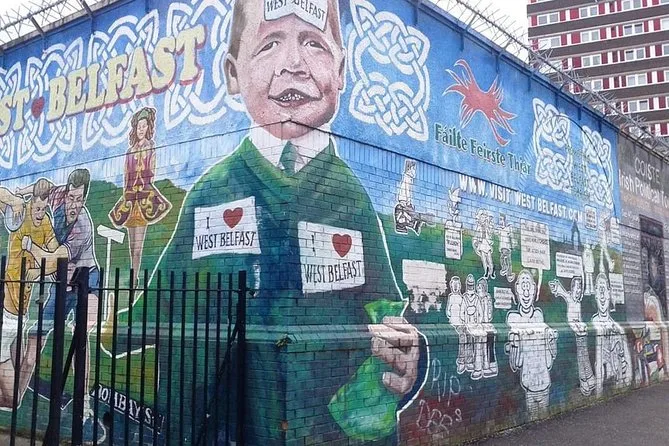
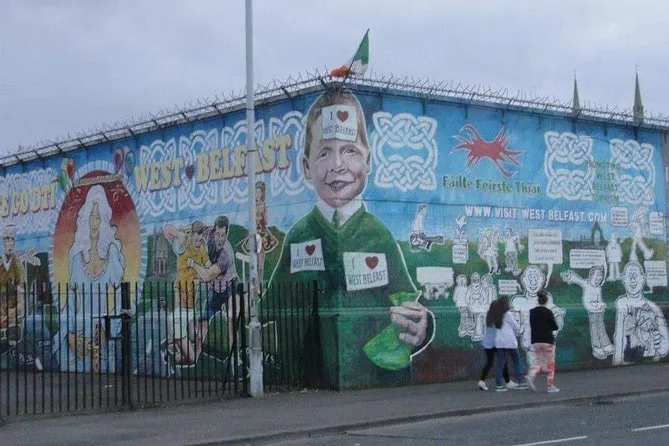
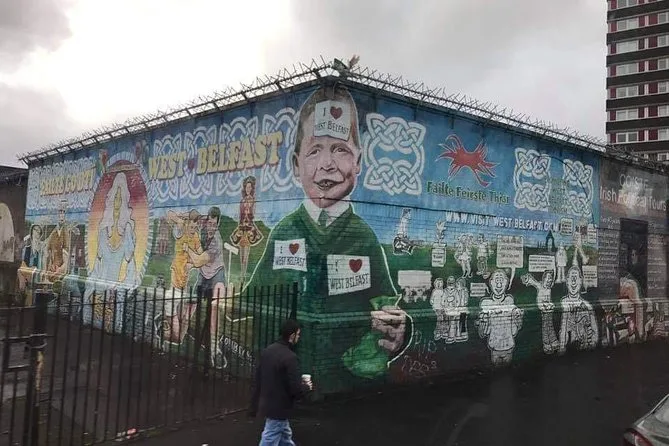
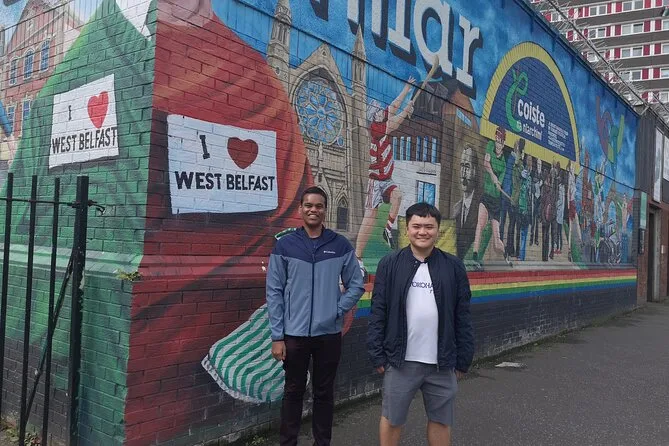
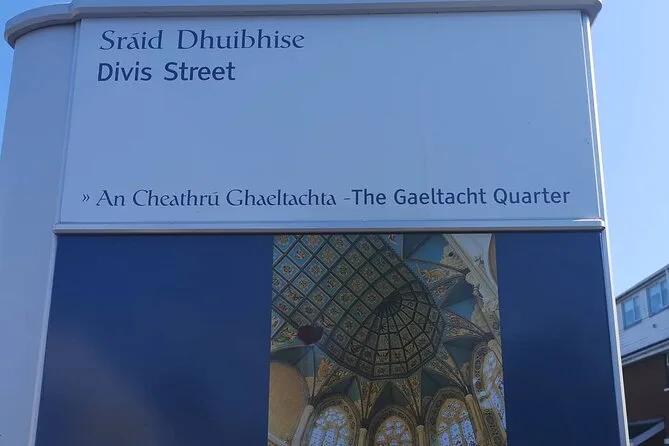
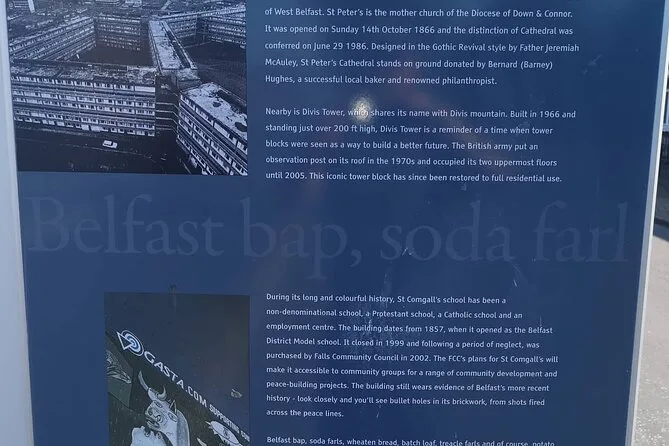
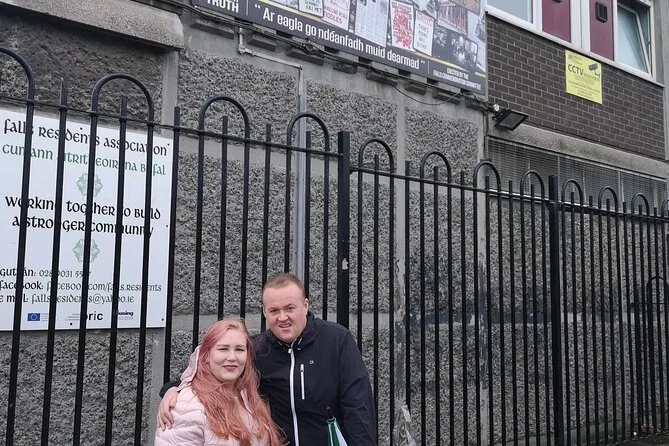
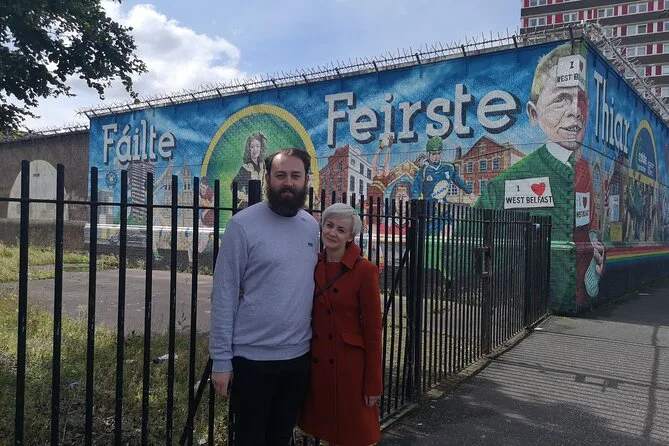
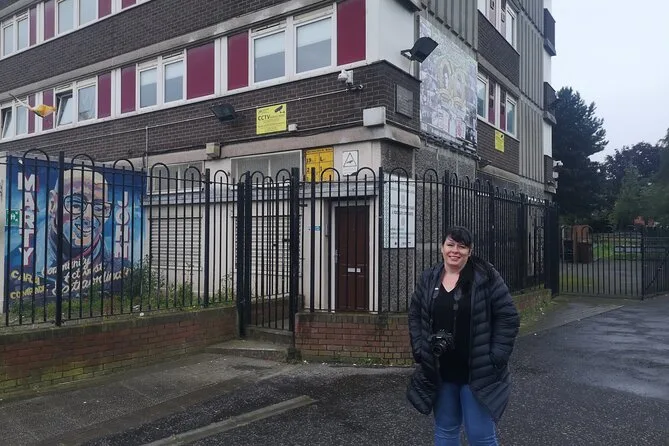
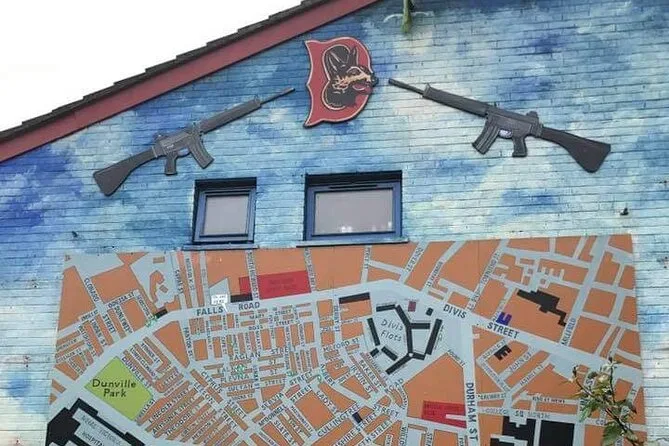
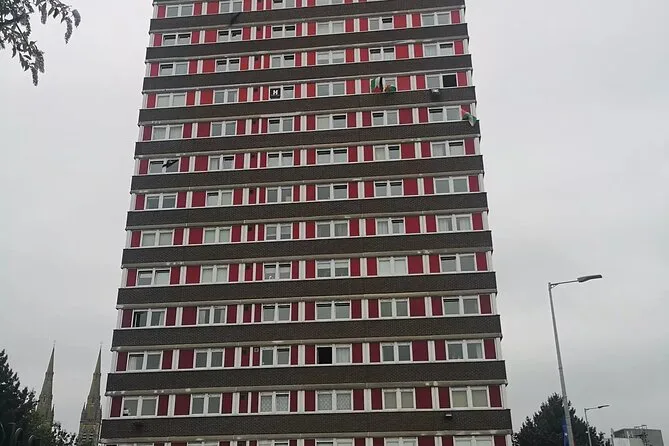
- See Welcome Wall and Divis Tower
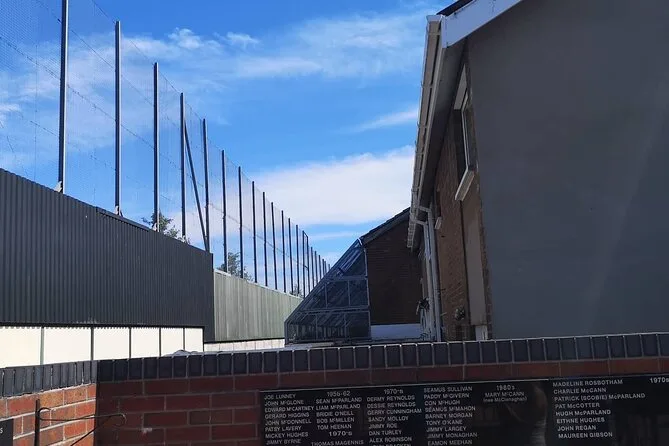
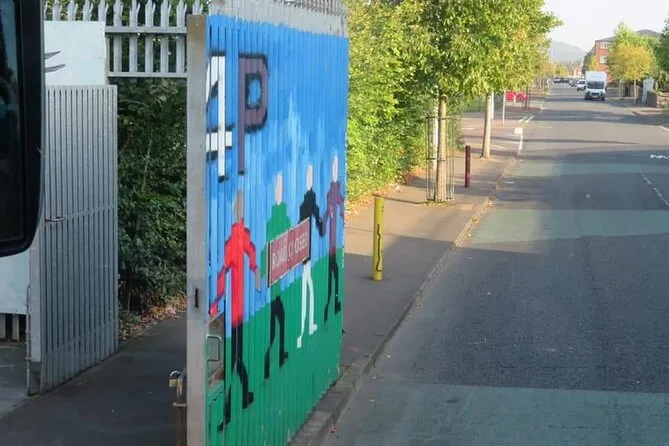
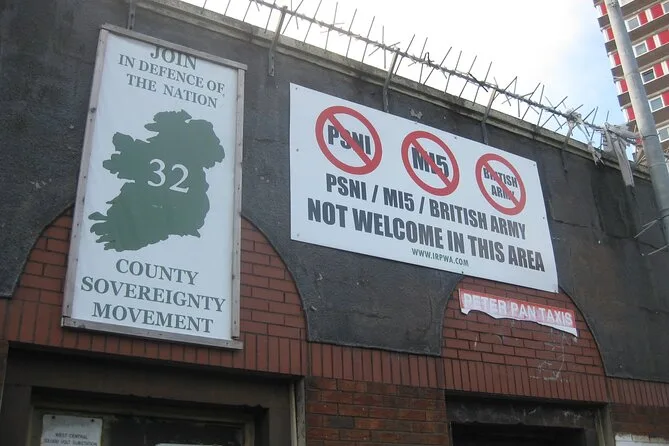
- View peace lines and peace walls

Top questions

How long does the Belfast taxi mural tour take?
The tour typically lasts around 2 hours, but timing can vary depending on stops and questions along the way.
Can I write my name on the Peace Wall during this tour?
Yes, you’ll have time to write your name or message directly on the Peace Wall during your visit.
Is hotel pickup included for this Belfast mural taxi tour?
Yes, hotel or Airbnb pickup is included if you’re staying in Belfast City Centre.
Are both Catholic/Nationalist & Protestant/Loyalist areas visited?
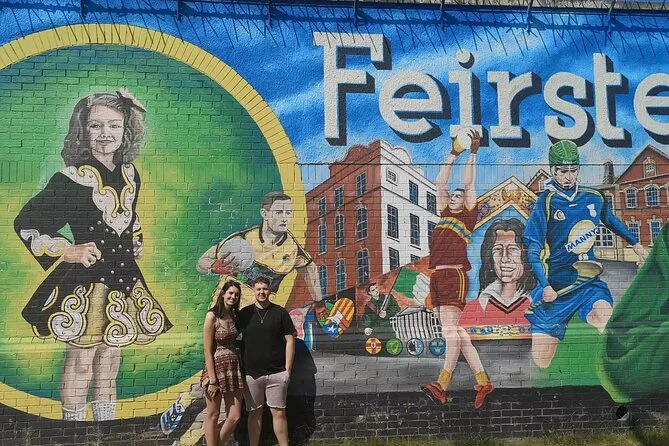
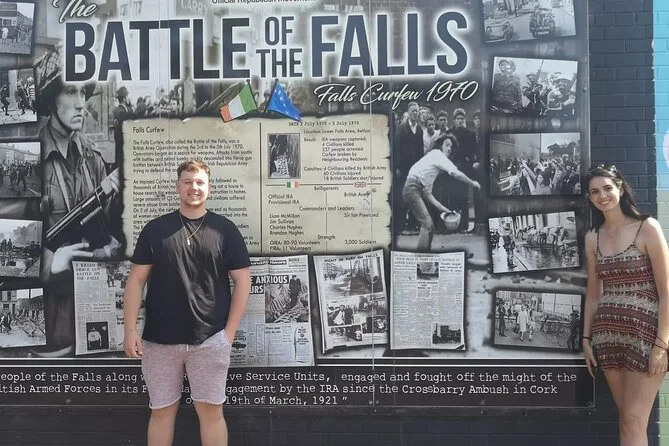
Yes, you’ll visit both sides of Belfast’s divide—including Falls Road (Republican) and Shankill (Loyalist) areas.
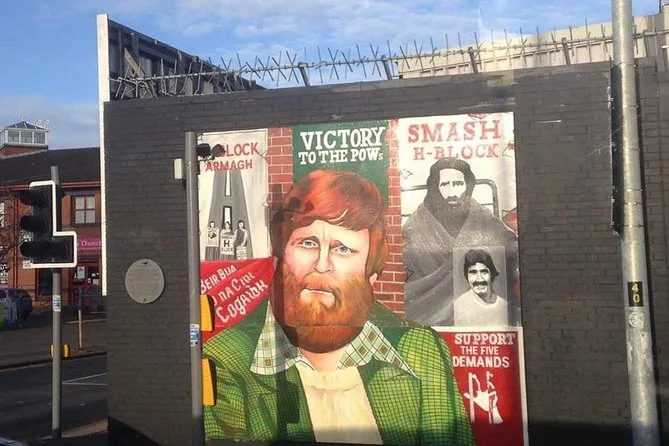
Will we see the Bobby Sands mural?
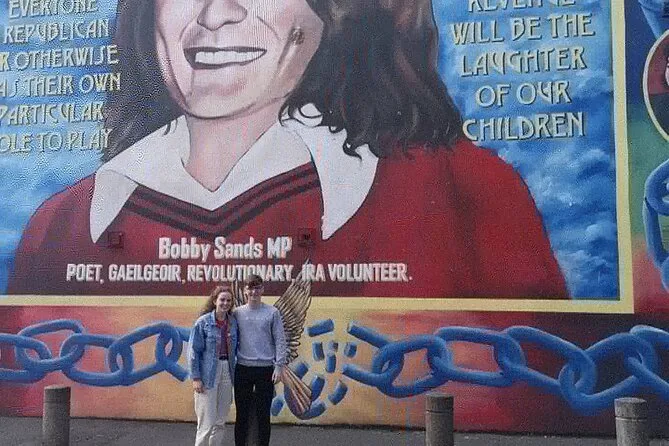
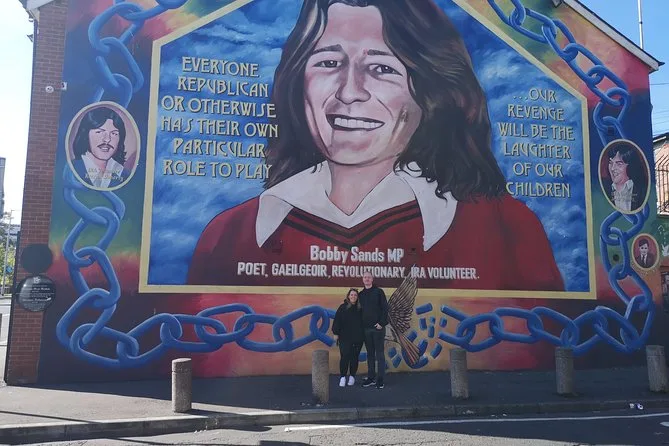
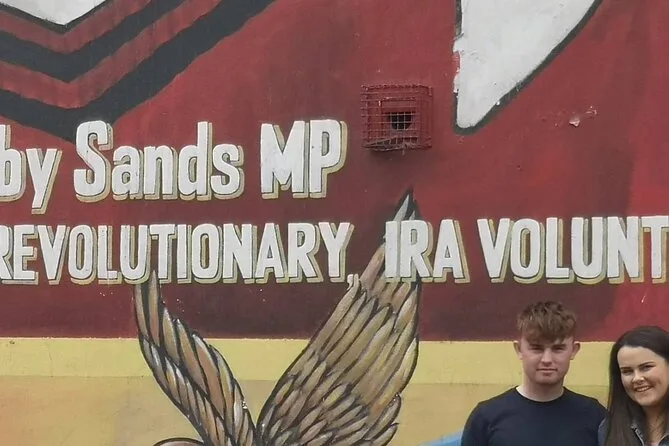
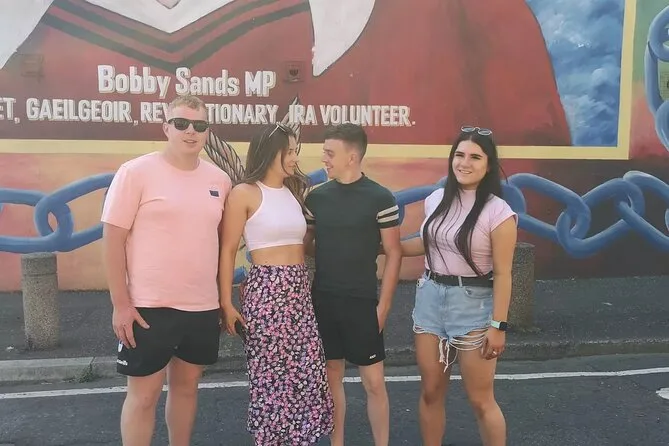
Yes, seeing and photographing the Bobby Sands mural on Falls Road is part of the itinerary.
Is this tour suitable for wheelchair users?
The tour is wheelchair accessible; transportation options can accommodate most needs.
Are children allowed on this Belfast political murals tour?
Children are welcome; infants can sit on an adult’s lap or use a pram/stroller during transport.
Do guides share personal experiences from The Troubles?
All guides are local Belfast residents who lived through The Troubles and share their own stories throughout the tour.

What’s included
Your day includes private transportation by black taxi with pickup and drop-off at your central Belfast hotel or Airbnb if needed. You’ll travel with a local guide who lived through The Troubles, see murals on both sides of the city’s divide—including Falls Road and Shankill—and stop at memorial gardens and significant landmarks like Clonard Monastery. There’s time to write your name on the Peace Wall (with markers provided), handle real artifacts like plastic bullets used during the conflict, and umbrellas are available if it rains along the way before returning to your starting point.
 Super deal 1h 30m–2h
  Free cancellation
 Don't lose your place.
  Real experiences from trusted providers


 Secure checkout on viator.com

Similar tours
 Belfast: Political Mural Taxi Tour & Peace Wall Stories
★★★★★★★★★★ 4.97 (1358) From £ 40
Belfast: Political Mural Taxi Tour & Peace Wall Stories
★★★★★★★★★★ 4.97 (1358) From £ 40
 Belfast: Black Taxi Tour of The Troubles, Peace Wall & Murals
★★★★★★★★★★ 4.84 (278) From £ 73
Belfast: Black Taxi Tour of The Troubles, Peace Wall & Murals
★★★★★★★★★★ 4.84 (278) From £ 73
 Belfast: Private Political Murals & Troubles History Tour
★★★★★★★★★★ 4.84 (196) From £ 55
Belfast: Private Political Murals & Troubles History Tour
★★★★★★★★★★ 4.84 (196) From £ 55
 Belfast: Hop-On Hop-Off Bus Tour with Titanic & Peace Wall
★★★★★★★★★★ 4.35 (2151) From £ 19
Belfast: Hop-On Hop-Off Bus Tour with Titanic & Peace Wall
★★★★★★★★★★ 4.35 (2151) From £ 19
 Belfast: Private Black Taxi Troubles Tour & Peace Wall
★★★★★★★★★★ 4.91 (102) From £ 89
Belfast: Private Black Taxi Troubles Tour & Peace Wall
★★★★★★★★★★ 4.91 (102) From £ 89
 Belfast: Political Taxi Tour, Murals & Peace Wall Stories
★★★★★★★★★★ 4.86 (482) From £ 37.50
Belfast: Political Taxi Tour, Murals & Peace Wall Stories
★★★★★★★★★★ 4.86 (482) From £ 37.50
 Belfast to Giant's Causeway: Private Coastal Tour & Castles
★★★★★★★★★★ 4.98 (164) From £ 555
Belfast to Giant's Causeway: Private Coastal Tour & Castles
★★★★★★★★★★ 4.98 (164) From £ 555
 Belfast: Black Taxi Murals & Peace Wall Private City Tour
★★★★★★★★★★ 4.97 (2321) From £ 80
Belfast: Black Taxi Murals & Peace Wall Private City Tour
★★★★★★★★★★ 4.97 (2321) From £ 80
 Belfast: Black Taxi Cab Tour with Murals & Peace Wall
★★★★★★★★★★ 4.86 (124) From £ 79.99
Belfast: Black Taxi Cab Tour with Murals & Peace Wall
★★★★★★★★★★ 4.86 (124) From £ 79.99
 Belfast: Black Cab Troubles Tour & Murals with Local Driver
★★★★★★★★★★ 4.72 (180) From £ 82.99
Belfast: Black Cab Troubles Tour & Murals with Local Driver
★★★★★★★★★★ 4.72 (180) From £ 82.99
 Belfast: Black Taxi Tour of Murals & Peace Wall with Local Insight
★★★★★★★★★★ 4.97 (3885) From £ 72.23
Belfast: Black Taxi Tour of Murals & Peace Wall with Local Insight
★★★★★★★★★★ 4.97 (3885) From £ 72.23
 Belfast: Black Taxi Tour, Peace Wall & Murals with Local Stories
★★★★★★★★★★ 4.95 (1302) From £ 47.50
Belfast: Black Taxi Tour, Peace Wall & Murals with Local Stories
★★★★★★★★★★ 4.95 (1302) From £ 47.50


 Do you need help planning your next activity?


