

 +507 6792-0894


Belfast: City Centre Walking Tour on Troubles & Peace Stories


Summary
Walk Belfast’s streets shaped by conflict, memory and hope
You’ll walk Belfast’s city centre with a local historian who lived through the Troubles, hear raw stories at key sites like City Hall and Cathedral Quarter, and sense both pain and resilience woven into every street. Expect honest conversation, small surprises (and maybe rain), plus headsets so you don’t miss a word.

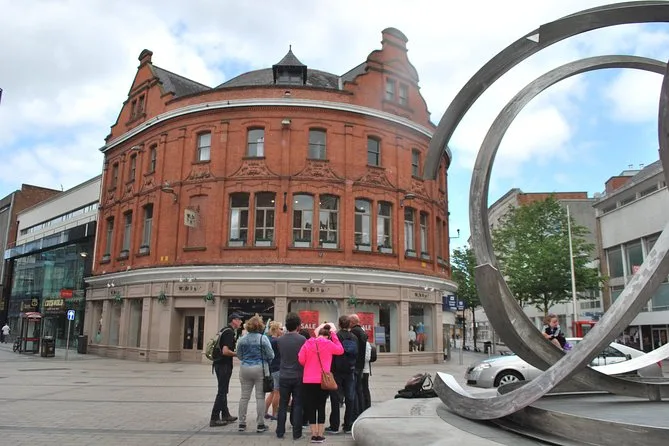
"You see that statue? We call it the Onion Rings," our guide Brian grinned as we paused under the odd silver loops in the middle of Belfast. It was drizzling — not pouring, just that soft Irish mist that sneaks into your collar. I didn’t expect to laugh so much on a history tour about the Troubles, but Brian had this way of telling stories that made even the heavy parts feel like they belonged to real people, not just headlines or textbooks.
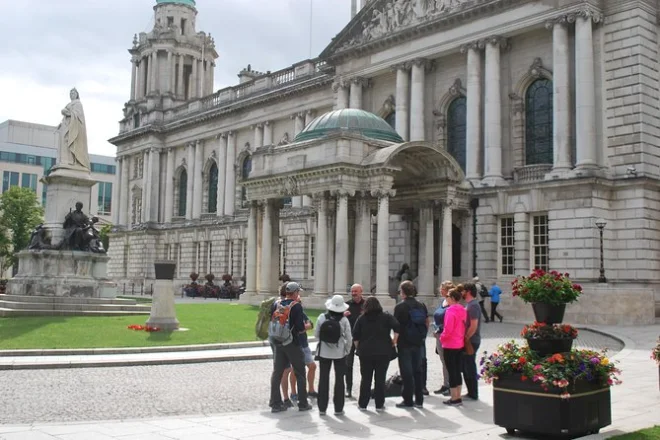
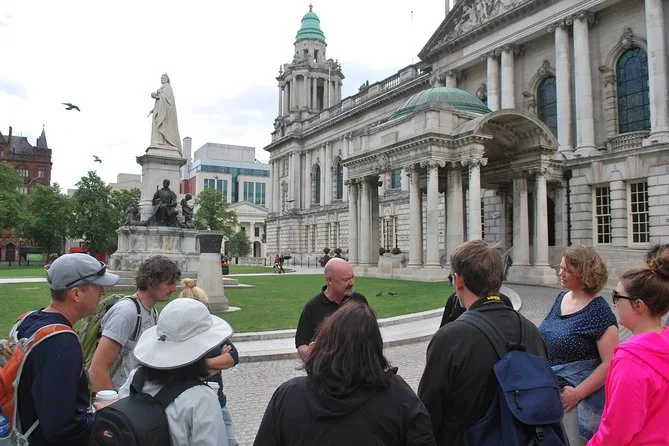
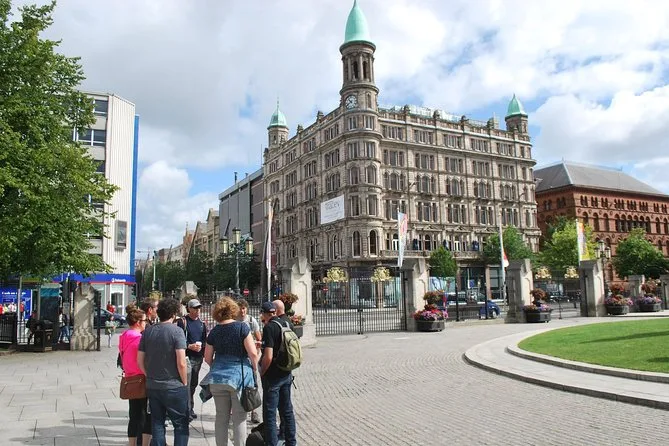
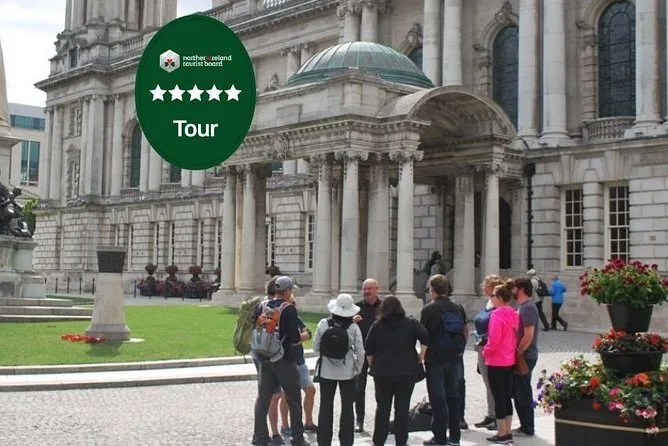
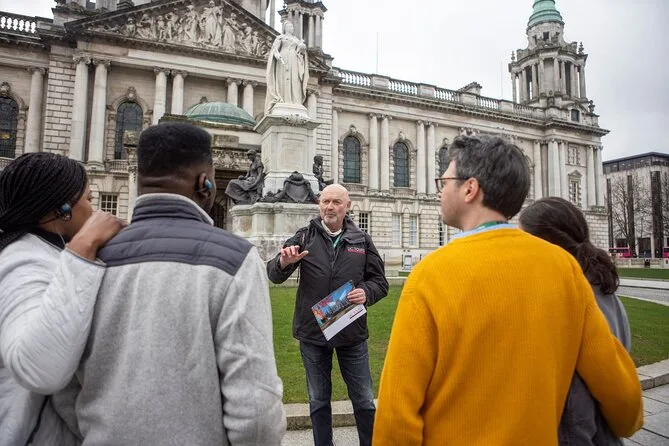
We started at Belfast City Hall, right in the centre. There was a group of school kids nearby feeding pigeons (one nearly landed on my shoe), and Brian began weaving together centuries of tangled British and Irish history. He didn’t sugarcoat anything — talked about bombings, curfews, how ordinary shops were once part of something called the ‘Ring of Steel’. Sometimes he’d pause for a second before describing an event, like he was weighing whether words could really do it justice. The main keyword here is “Belfast walking tour”, but honestly it felt more like time travel than tourism.
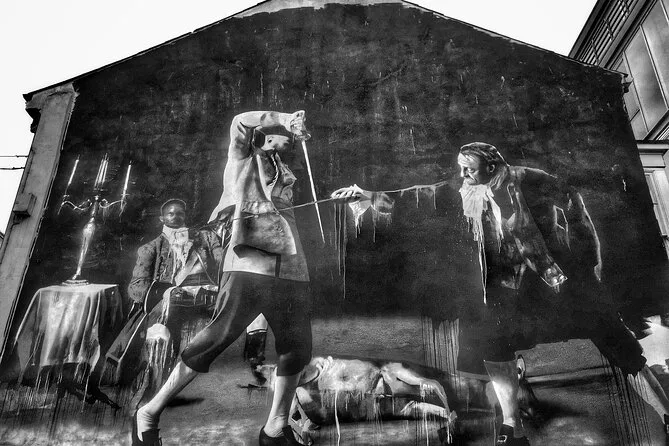
Walking through what’s now just regular shopping streets, I kept noticing little things — a mural peeking from an alleyway, the faint smell of fresh bread from somewhere (maybe Greggs?). Brian pointed out spots where violence changed everything in a single night. He told us about friends who grew up with army checkpoints as normal scenery. When we reached the Cathedral Quarter — all cobbles and street art now — he explained how peace came slowly, with setbacks and stubborn hope. I caught myself thinking how easy it is to forget what these places have seen when you’re just passing through looking for coffee.
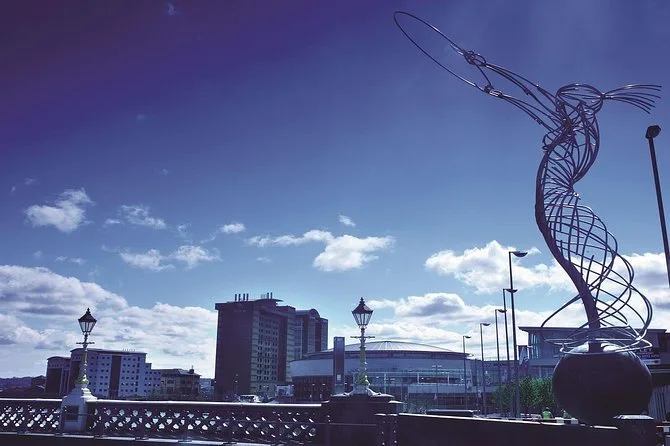
The tour ended by the river Lagan at this sculpture called the Beacon of Hope. The sun actually broke through for a minute there — no joke — and everyone just stood quiet for a bit. Brian asked what we thought Belfast’s future looked like. I still think about that question sometimes, especially after hearing so many personal stories along those streets.
 2h 30m

Step-by-step itinerary
Day 1 — Belfast Troubles City Centre Tour
- Meet at Belfast City Hall
- Introduction to Troubles history
- Visit main shopping street bomb site
- Explore pedestrian precinct events
- See the Spirit of Belfast artwork
- Walk through Cathedral Quarter stories
- Learn about policing at police station
- End at Waterfront and Beacon of Hope

Top questions

How long is the Belfast walking tour?
The tour lasts approximately 2 hours and 30 minutes.
Where does the Belfast Troubles walking tour start?
The tour begins at Belfast City Hall in the city centre.
Is this walking tour wheelchair accessible?
Yes, all areas are wheelchair accessible and there are no hills or steps involved.
What age is suitable for this Belfast city centre tour?
The minimum age is 12 years old.
Will I need special clothing for this Belfast walking tour?
A waterproof jacket is recommended due to possible rain; wear comfortable footwear.
Who leads this history-focused walking tour?
The tours are led by local conflict historians who share their own experiences too.
Are headsets provided during the walking tour?
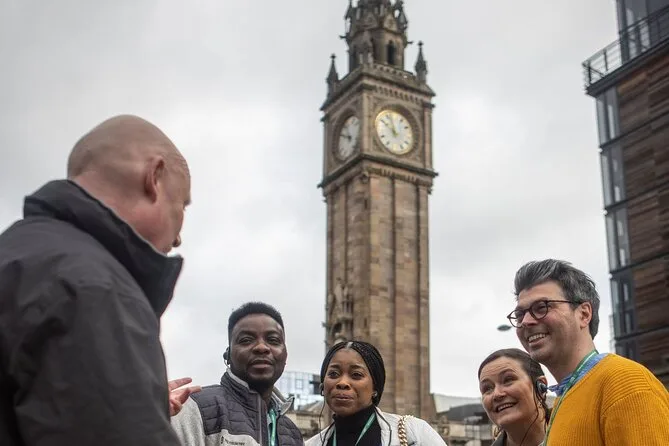
Yes, headsets are included so you can clearly hear your guide throughout.
Does this day trip cover both historical facts and personal stories?
Yes, guides provide factual history as well as their own lived experiences during The Troubles.

What’s included
Your walk includes clear audio headsets so you won’t miss any details from your local guide—a conflict historian—plus access to all public areas across central Belfast without any extra fees or steps required along the way.
 Super deal
  Free booking, free cancellation.
  Don't lose your place.


 Do you need help planning your next activity?
  +507 6792-0894


