
Rotterdam Walk: Highlights, Architecture & WWII Gems | 2 or 3hrs



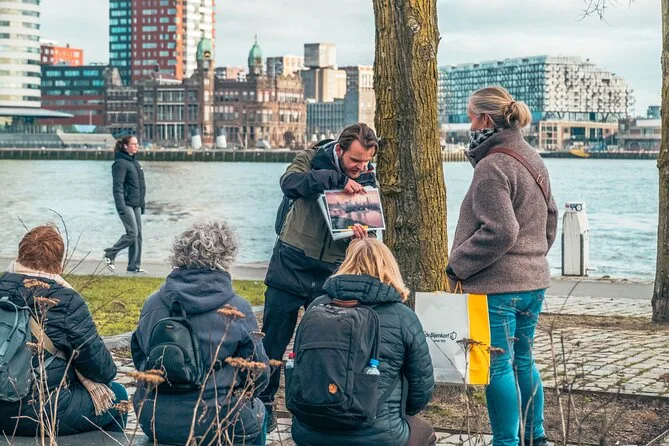
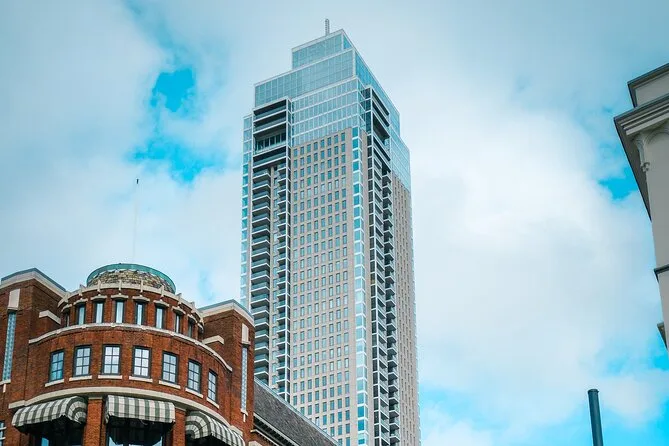
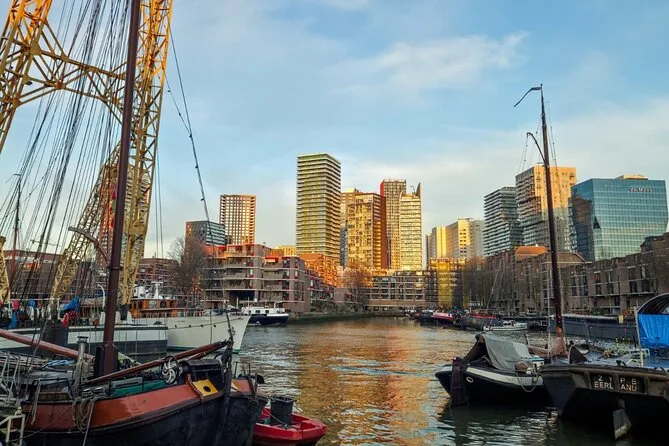


Two hours for the overview, three to really understand the city
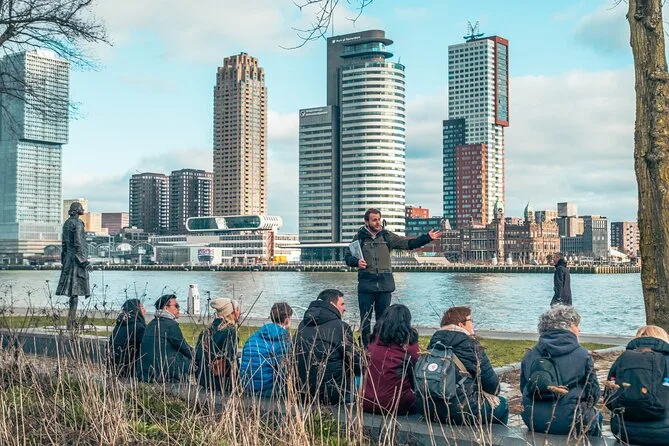
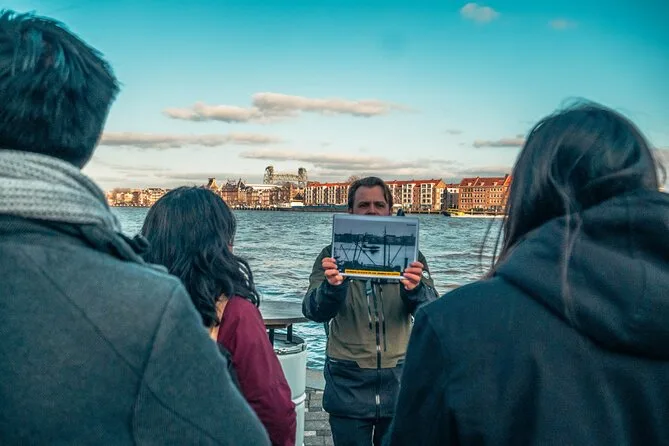
A walking tour of Rotterdam with a local guide covering landmarks, hidden corners, and the city's history from medieval roots through WWII bombardment to its modern rebirth. Groups stay under 15 people. The 2-hour tour gives you the essentials; the 3-hour route goes deeper into stories and architecture, and you pick which suits your day.
 2h–3h
2h–3h

Step-by-step itinerary
Rotterdam highlights and history walk
- Visit Art Depot in Museum District
- Explore Shipping Quarter harbor area
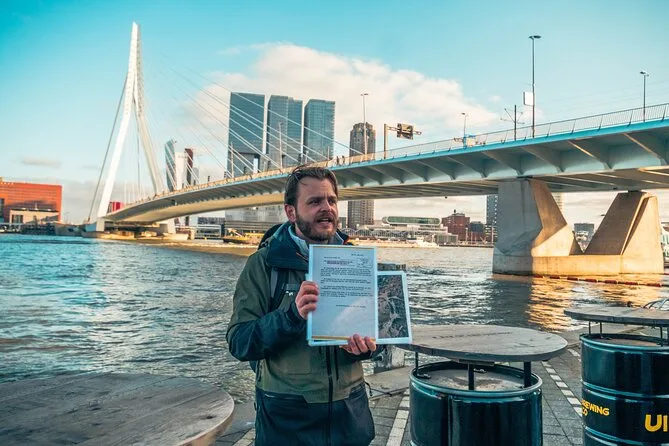
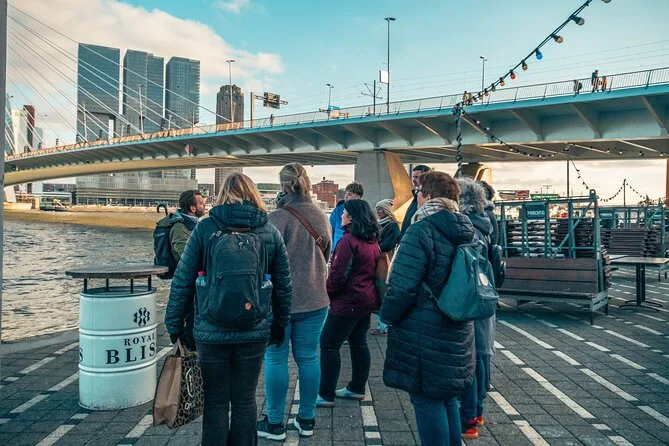
- See Erasmus Bridge and learn WWII history
- Walk through Maritime District open-air museum
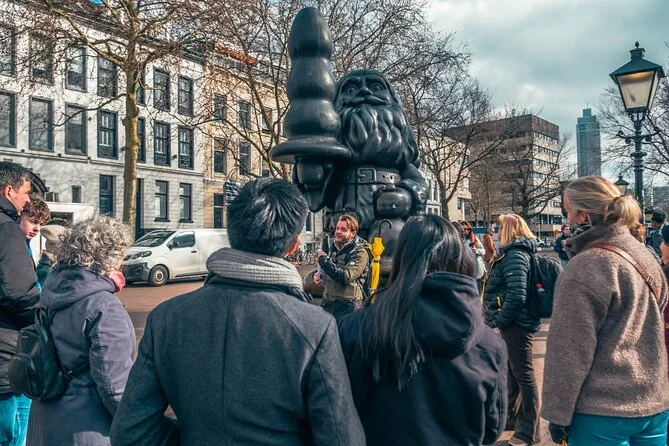
- View WWII statue at Square 1940
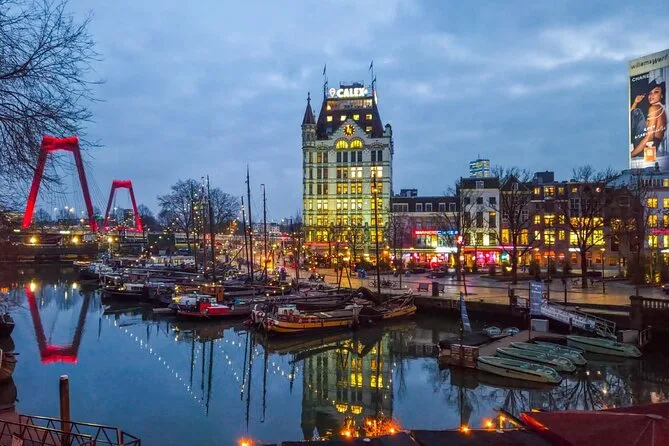
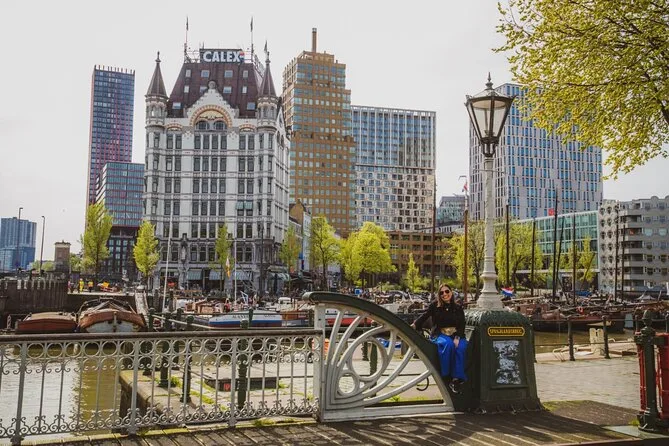
- Visit the White House historic tower
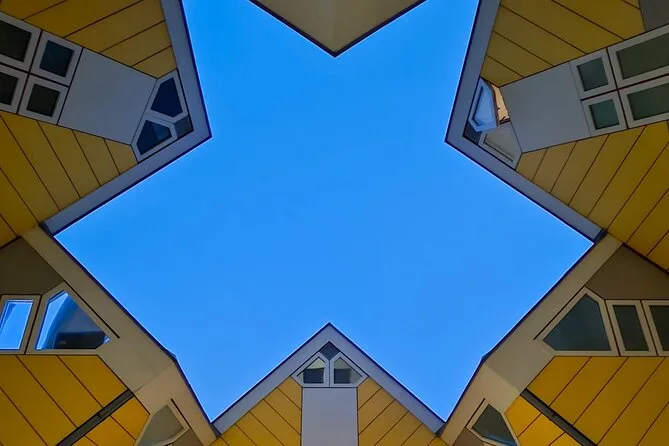
- Enjoy Old Harbor and cube houses view
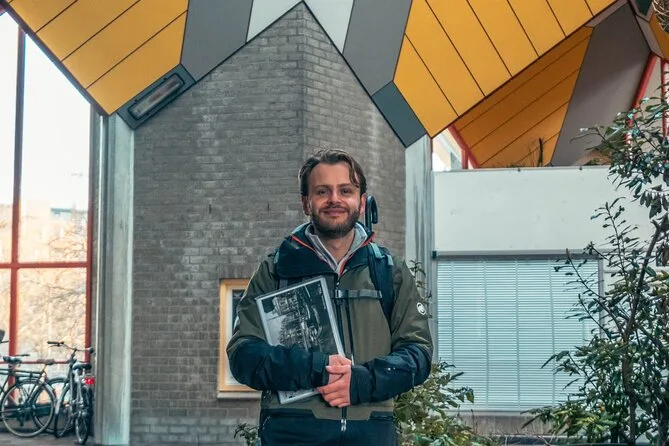
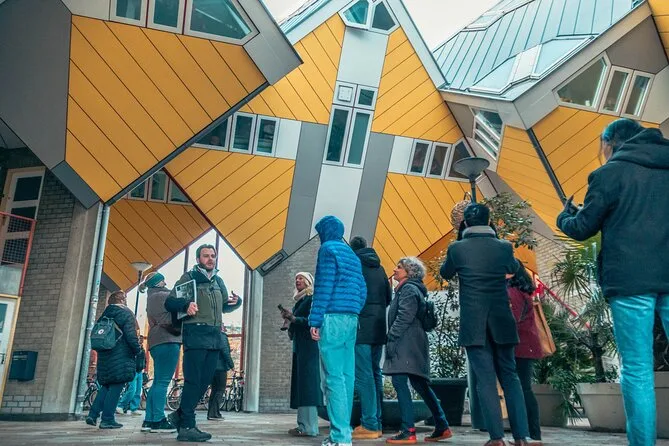
- Walk through cube houses street
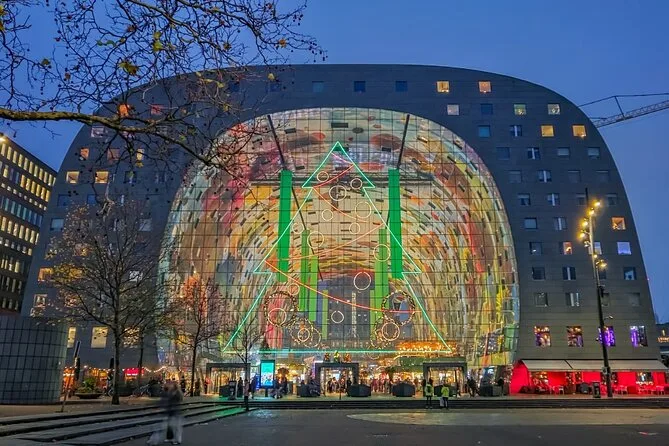
- End tour inside The Markthal market

The Experience
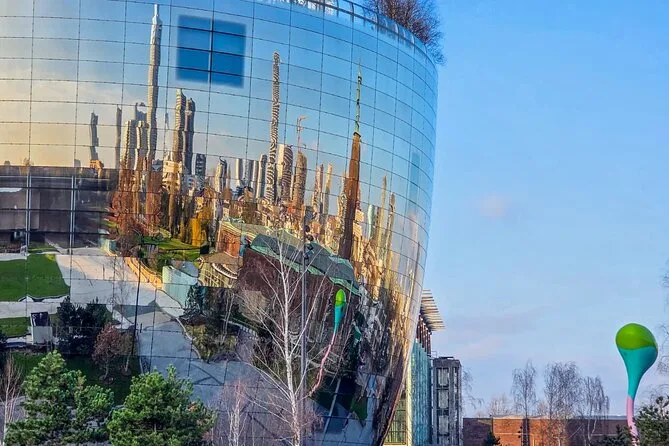
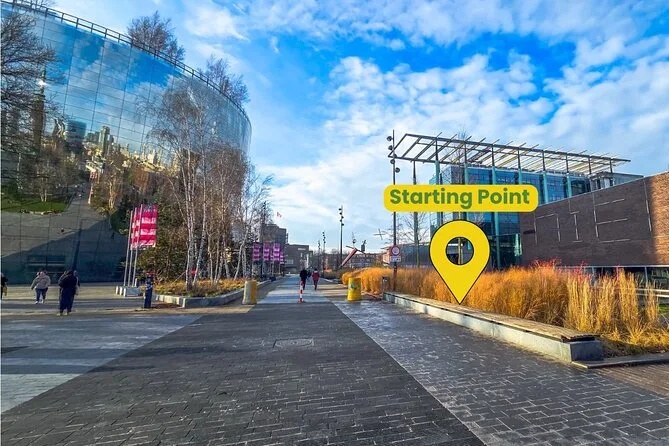
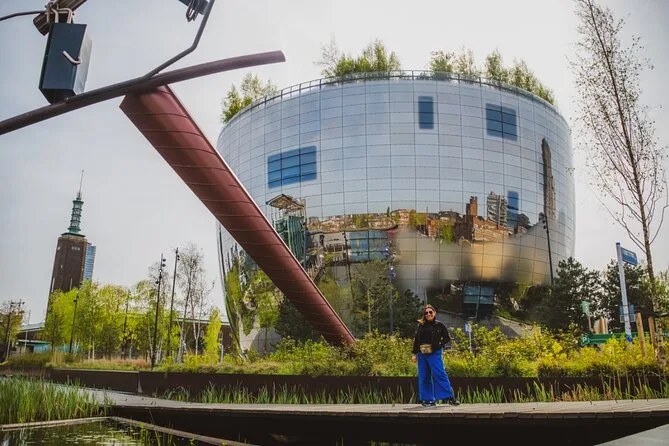
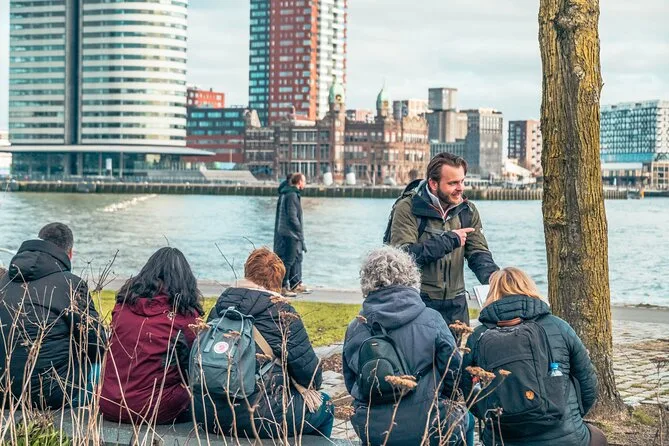
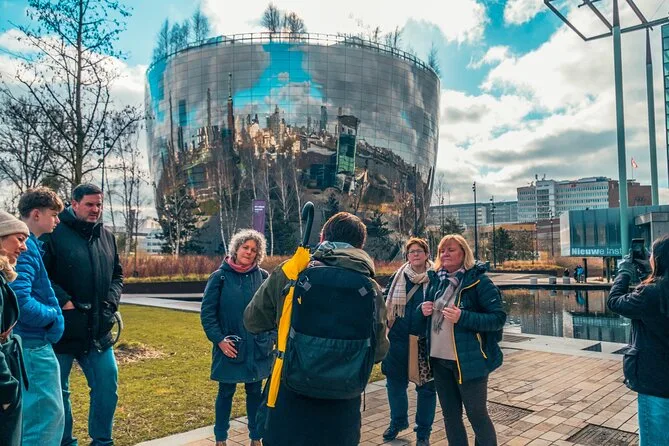
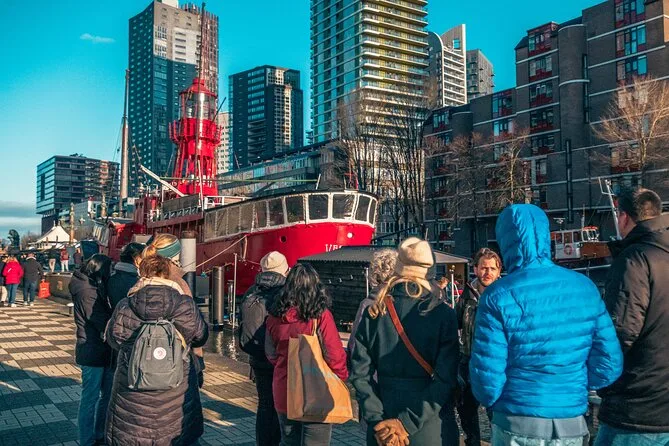
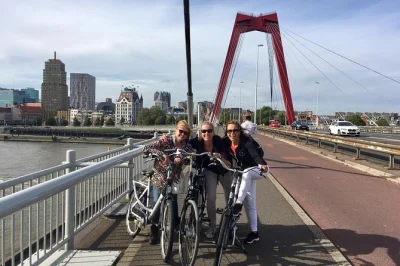
The tour starts in the Museum District, where you'll see the mirrored Art Depot of Boijmans van Beuningen and learn about the museums and the Land of Hoboken. From there, the route moves to the Shipping Quarter—a hidden gem most Rotterdammers don't visit—where the open harbor views show you Hotel New York, the Steam Ship Rotterdam, and the Erasmus Bridge across the Maas River. That bridge is the city's icon, and your guide walks you through what it means: the Second World War invasion, the bombardment that flattened Rotterdam, and how the city rebuilt itself.
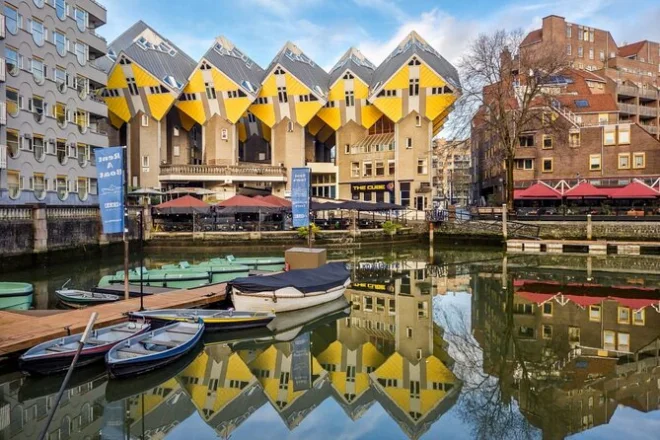
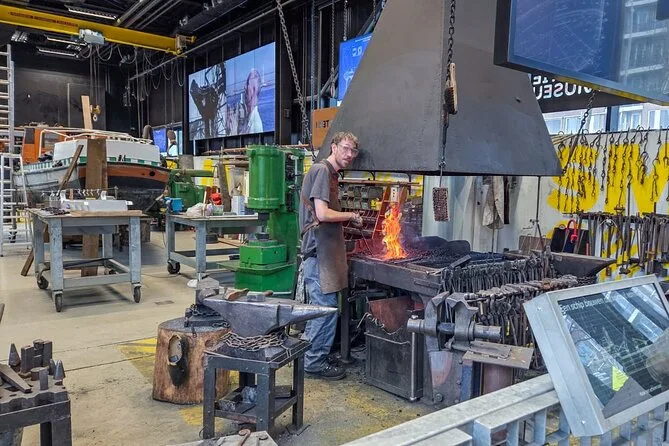
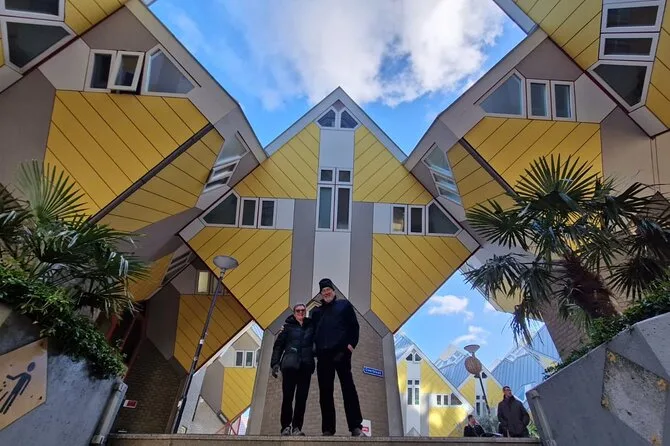
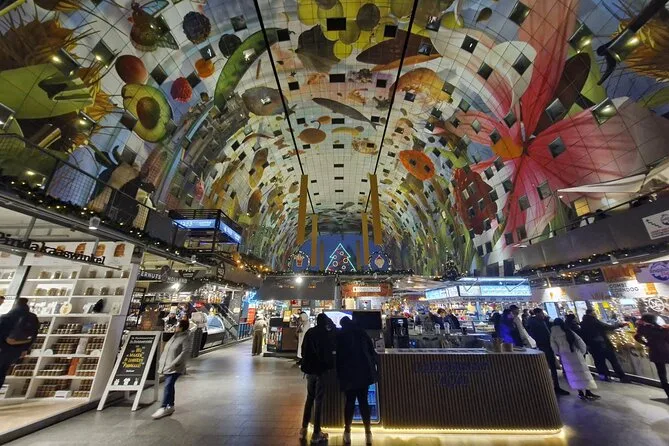
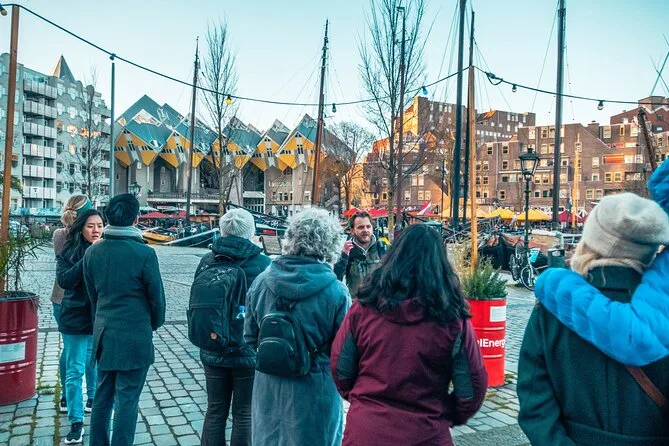
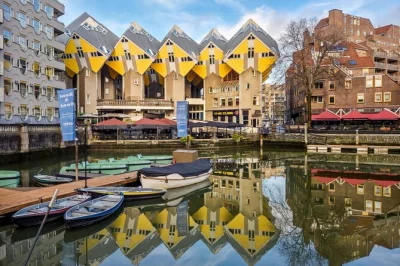
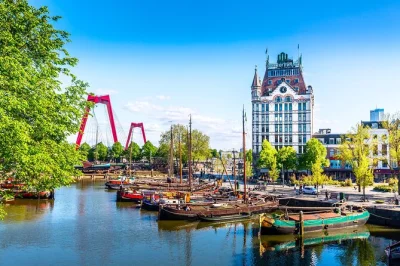
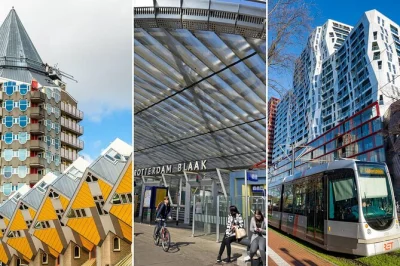
You'll walk the Maritime District, an open-air museum of boats over a hundred years old, then stop at Square 1940 to see one of the most significant WWII monuments in the city. The White House—once Europe's tallest office tower—marks another chapter. By the time you reach the Old Harbor, one of the Netherlands' oldest, you're standing in front of the Cube Houses, those famous tilted dwellings on Overblaak Street. Your guide explains the architecture and the why behind the design. The tour ends inside Markthal, Rotterdam's modern indoor market, which locals call the modern Sistine Chapel for its soaring interior and the food stalls that fill it.
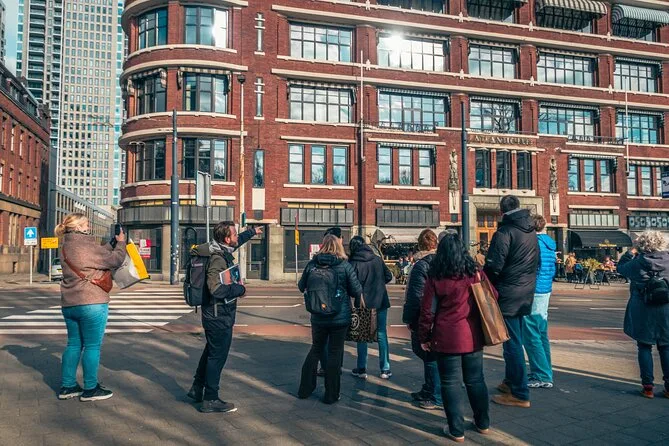
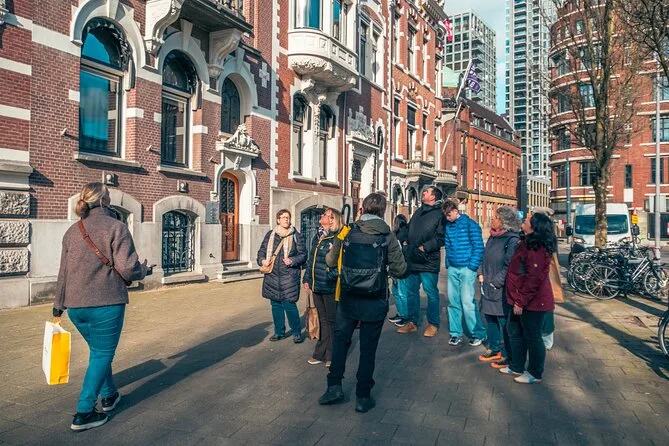
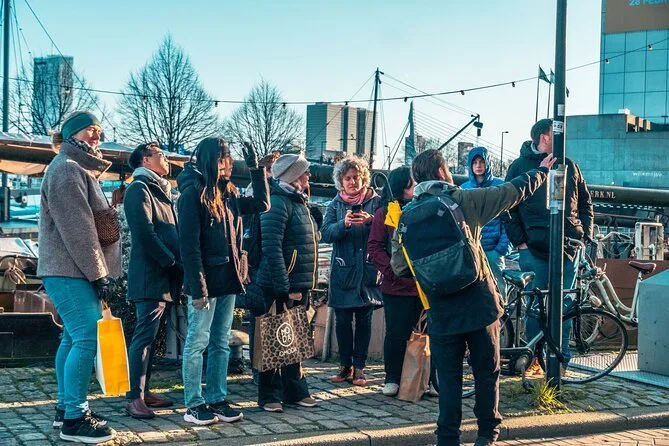
A local guide leads the walk in English or Dutch, and the group stays small—maximum 15 people. The 2-hour version covers the highlights and gives you a solid sense of the city. The 3-hour option takes the same route but slower, with richer stories and more time to absorb the architecture and history. Both end at Markthal, where your guide suggests places to eat.

What’s included
- Professional local guide with expertise in Rotterdam's architecture and history.
- small group of maximum 15 people.
- photo spot suggestions and supportive materials.
- recommendations for where to eat in Markthal.
- close-up views of the Cube Houses and walk through the street itself.
- stops at the Erasmus Bridge, Old Harbor, Maritime District, WWII monuments, and the Art Depot.
Operated by Rottourdam
Is this one for you?Pick the 2-hour tour if you're passing through and want the essential Rotterdam story without a full morning commitment. Choose 3 hours if you have the time and want to absorb the architecture and history at a pace that lets the stories land—the extra hour is what makes the difference between seeing the city and understanding why it rebuilt itself the way it did.
Traveler reviews
Compare the 13 similar options
 Rotterdam Walk: Highlights, Architecture & WWII Gems | 2 or 3hrs★ 4.99 (180)2h–3hEN · NL€ 44
 Rotterdam private tour: 3-4 hours, all meals and entry includedPrivate guided tour of Rotterdam with a local guide covering Cube Houses, Markthal, St. Lawrence Church and Old Harbor—coffee, lunch★ 4.81 (165)3h–4hEN · NL€ 135View ›
 Rotterdam: Private Rickshaw City Tour with Hotel PickupFeel the city’s pulse on a private Rotterdam rickshaw tour—see Cube Houses, Markthal, and WWII sites with a local guide. Includes hotel or cruise pickup.★ 4.78 (80)1h–1h 30mEN · AR +1€ 125per groupView ›
 Rotterdam & Delft Walking Tour: Cube Houses & Royal DelftSeven and a half hours on foot through two Dutch cities—from Rotterdam's cube-shaped apartments and Erasmus Bridge to Delft's blue pottery workshops★ 5.00 (3)7h 30mEN · CS +2€ 4,700per groupView ›
 Rotterdam: 2-Hour Walking Tour & Local Architecture GuideTwo-hour walking tour of Rotterdam's postmodern skyline and WWII history with a local guide. Small groups, wheelchair accessible, includes restaurant recommendations.★ 4.59 (152)2hEN€ 2.99View ›
 Rotterdam: Spy game city walk with smartphone cluesPlay a self-guided spy mission in Rotterdam, solving clues at landmarks like the Cube Houses & Old Harbor. Book now for flexible start times & local stories.★ 4.08 (53)1h 30m–2h€ 6.29View ›
 Rotterdam Cube Houses Tour with Private Local Guide EntryExplore Rotterdam’s Cube Houses, Market Hall, and city center on a private walking tour with a local guide. Includes entry to the Cube House Museum and flexible meeting point.★ 4.63 (81)2hEN€ 28View ›
 Private Walking Tour Rotterdam: Harbor Cruise & Cubic HousesPrivate walking tour of Rotterdam with 75-minute harbor cruise, live guide in your language, and hotel pickup from city center — see the Cubic Houses★ 4.59 (27)4hEN · DE +2€ 160View ›
 Rotterdam bike tour: 3-hour highlights with local guideCycle Rotterdam's landmarks—Erasmus Bridge, Markthal, Cube Houses—with a local guide on a small-group bike tour; helmet and bike included, English or Dutch.★ 5.00 (41)3hEN · NL€ 55View ›
 Rotterdam Architecture Walking Tour: Modern Landmarks GuideWalk Rotterdam's architecture highlights in 2 hours with a professional architect guide—from the new Central Station through postwar monuments★ 4.86 (70)2hEN€ 45View ›
 Rotterdam Bike Tour: City Highlights & Erasmus BridgeBike tour through Rotterdam's old & new city center with Erasmus Bridge, Markthal, Central Station. 2.5 hours, small groups max 15, bike included.★ 4.88 (121)2h 30mEN · DE +1€ 45View ›
 Rotterdam Highlights Bike Tour: Modern Architecture & HarborBike tour of Rotterdam with professional guide exploring Cube Houses, Markthal, and Erasmus Bridge.★ 4.84 (89)2h 30mEN · NL€ 33View ›
 Rotterdam: Bike Tour Erasmus Bridge & Cube HousesBike tour through Rotterdam's Erasmus Bridge, Cube Houses and Markthal with local guide. Includes bike rental, coffee break and restaurant tips. 3 hours.★ 4.91 (67)2h 30mNL€ 33View ›
Top questions
What's the difference between the 2-hour and 3-hour Rotterdam walking tour?
The 2-hour tour gives you an overview of the city's landmarks and history. The 3-hour tour follows the same route but goes deeper into the stories, architecture, and details—it's the version that helps you really understand Rotterdam instead of just seeing it.
Will I see the Cube Houses up close on this walking tour?
Yes. You walk through Overblaak Street where the Cube Houses sit, and your guide explains the architecture and design while you're standing among them. You'll also see them from the Old Harbor before walking through the street itself.
Is this tour wheelchair accessible?
All areas and surfaces on the walking tour are wheelchair accessible, and transportation options nearby are also wheelchair accessible. Infants and small children can ride in a pram or stroller, and service animals are allowed.
What happens at Markthal, and is it included in the tour?
Markthal is the final stop on the tour. It's Rotterdam's modern indoor market with food stalls and a striking interior. Your guide will be there to explain it and suggest where to eat, though food purchases are on your own.
Can I take this tour in a language other than English or Dutch?
The tour is offered in English and Dutch. A Spanish-language group option is also available as a separate booking.
How many people are typically on this walking tour?
Groups stay at a maximum of 15 people, keeping the tour small enough to move together and hear your guide without a megaphone.
Rotterdam Walk: Highlights, Architecture & WWII Gems | 2 or 3hrs
2h–3h · EN · NL
from € 44 per person
★★★★★★★★★★4.99180 reviews
