

 +507 6792-0894


Langtang Valley Trek: Guided Himalayan Adventure from Kathmandu


Summary
Langtang Valley Trekking Guide: Tea Houses, Peaks & Local Life
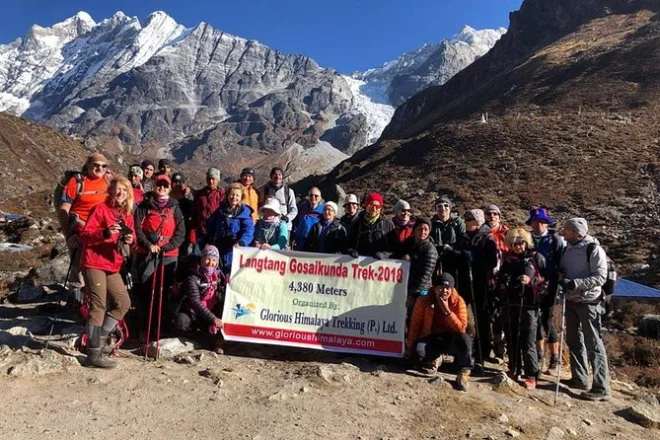
If you want real Himalayan adventure without crowds, this trek is for you: glaciers all around, friendly tea houses every night, ancient monasteries to explore—and plenty of small moments that stick with you long after you’re home.

The first thing that hit me stepping out of Tribhuvan Airport was the mix of incense and city dust—Kathmandu’s welcome is never subtle. Our driver was waiting just outside, holding a sign with my name (spelled a bit off, but close enough). The ride to the hotel zigzagged through busy streets where scooters darted past and shops spilled onto the sidewalks. That evening, I wandered into Thamel for a quick momo snack before crashing early—jet lag always wins.
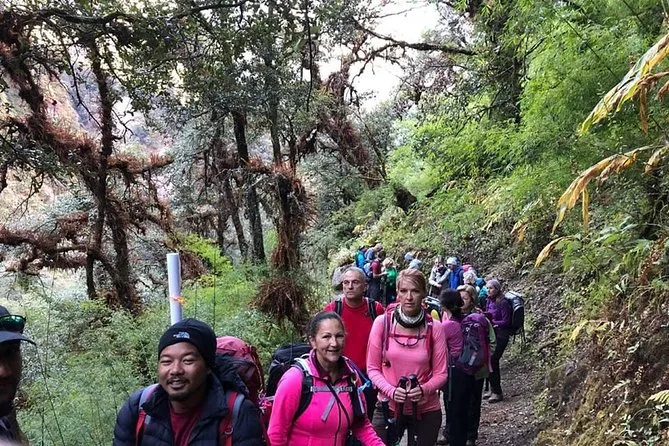
The next morning started before sunrise. We squeezed into a local jeep heading north—seven hours of winding roads and bumpy laughter with fellow trekkers and locals alike. Somewhere near Trisuli Bazaar, we stopped for sweet chai at a roadside stall; you could hear the river below and smell wood smoke drifting from tiny kitchens. Ganesh Himal peeked out behind clouds as we climbed higher toward Syabrubesi. By dusk, we’d reached our first tea house—simple beds, warm blankets, and the sound of rain on tin roofs.
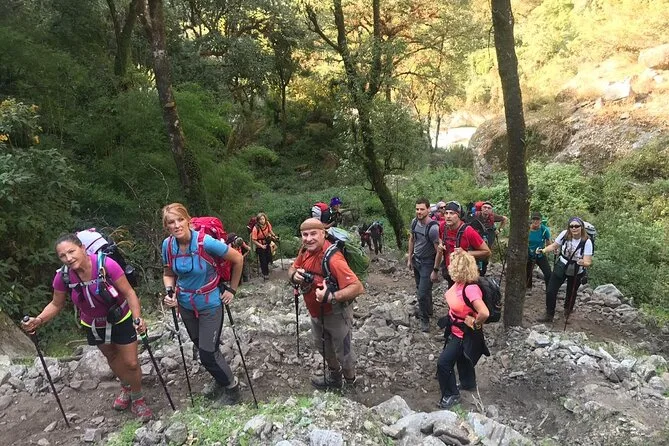
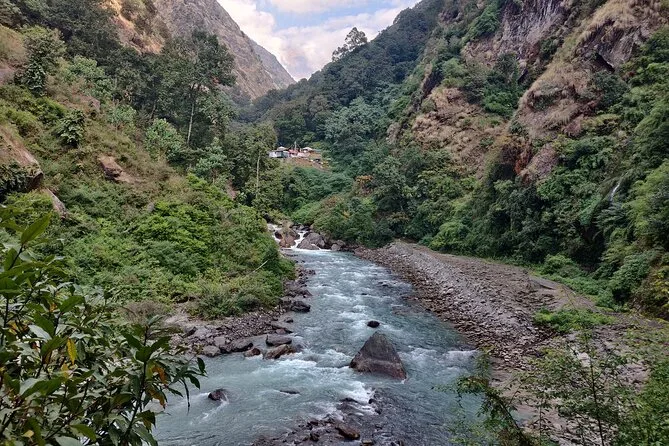
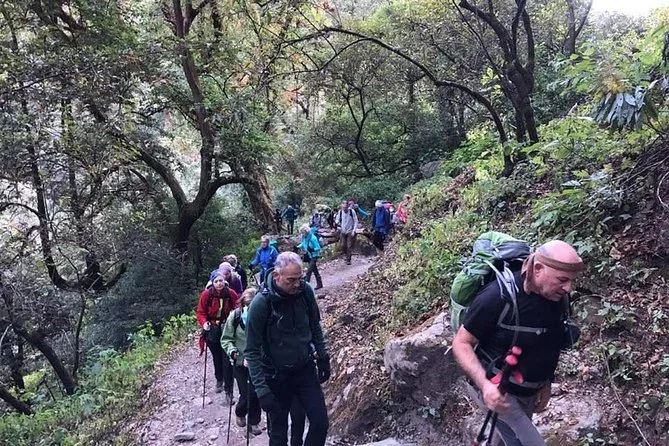
The trek itself kicked off after breakfast—eggs and chapati with black tea. The trail hugged the Langtang River, weaving through bamboo groves thick enough to block out most sunlight. Every so often, you’d cross a swaying suspension bridge—my heart always sped up on those. Our guide Mingma pointed out wild bee hives high up in the cliffs and taught us how to say “namaste” to passing porters. At Lama Hotel, I remember falling asleep to the low hum of river water mixed with distant yak bells.
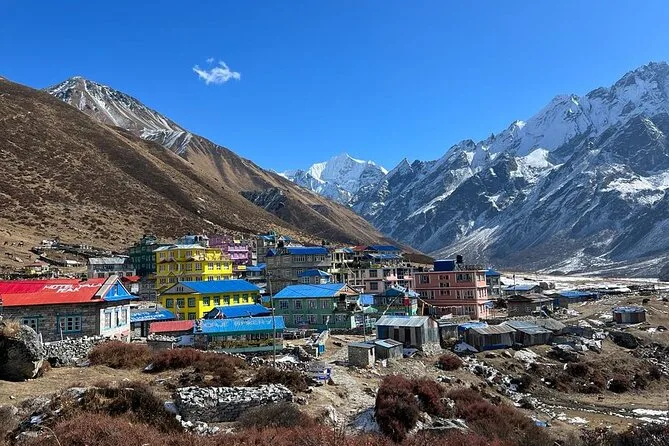
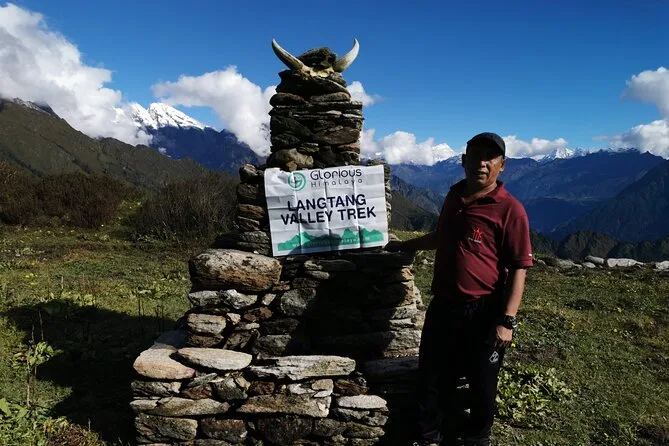
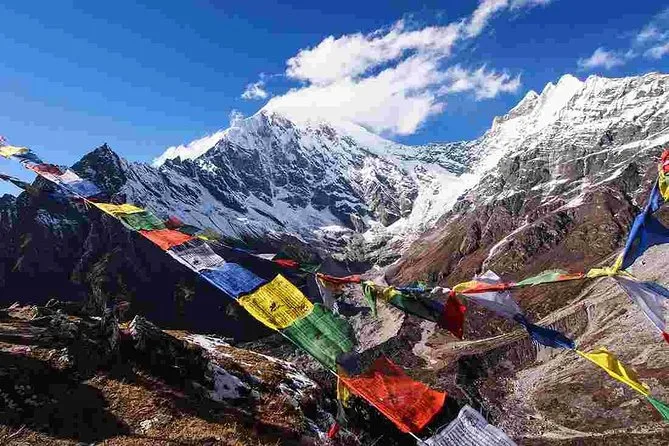
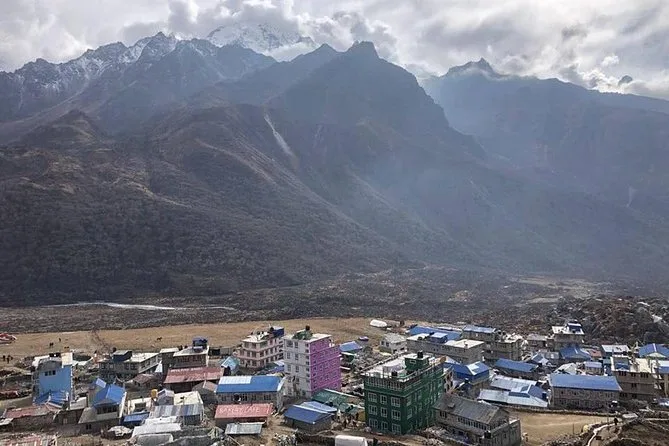
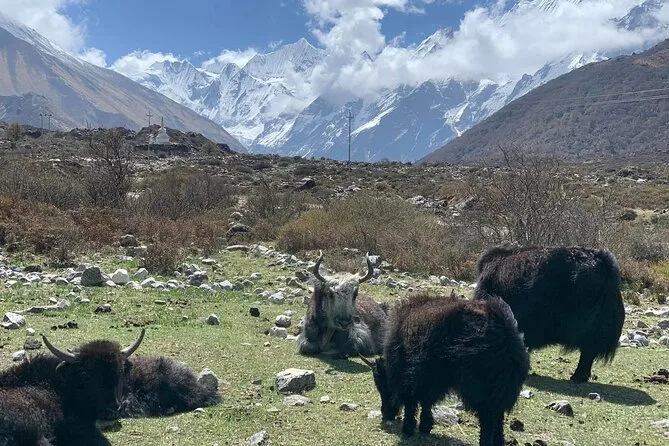
Climbing toward Langtang Village meant more rhododendrons (in April they’re everywhere), plus herds of yaks grazing in open meadows. The air thinned out as we gained altitude; even simple things like tying shoelaces took longer up here. Langtang Village itself felt timeless—stone houses clustered together, prayer flags snapping in the wind. Kids played marbles near the main path while elders sipped salty butter tea on wooden porches.
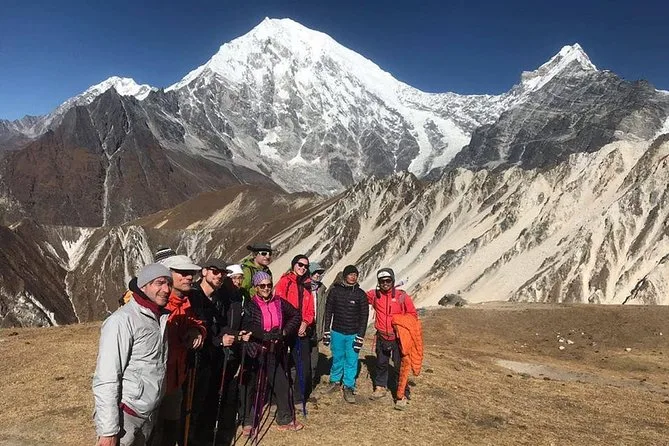
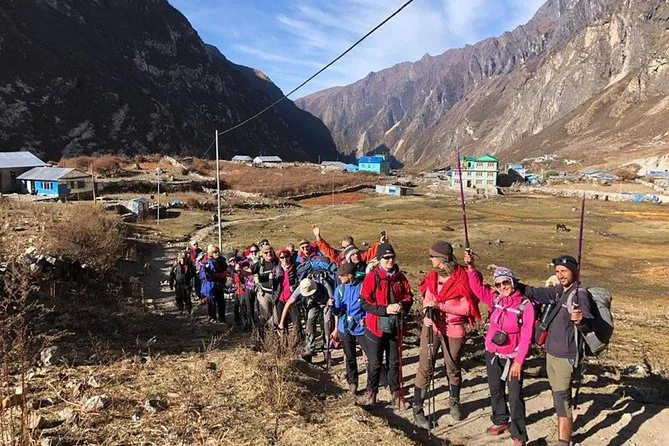
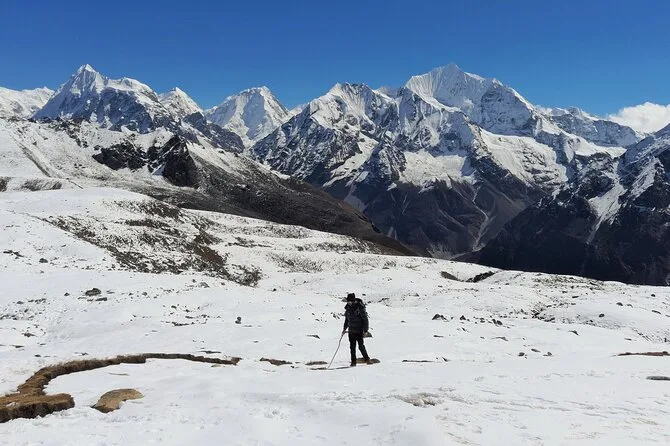
Kyanjin Gompa was only a few hours further but felt worlds away—the last real settlement before mountains take over completely. There’s an old cheese factory here; I tried a chunk straight from the wheel (salty and surprisingly tangy). Monasteries dot the hillside, their walls faded by sun and wind. One afternoon I joined a group hiking up to Tserko Ri—it’s tough going but worth it for glacier views that stretch forever. On clear mornings you can see Langtang Lirung shining pink at sunrise.
The walk back down went faster—knees complaining but spirits high after days above 3,000 meters. We passed Tamang villages where women tended potato fields and kids waved from doorways. Nights were spent swapping stories over dal bhat in smoky dining rooms lit by solar lamps.
Back in Kathmandu, after one last bumpy jeep ride, I found myself craving another round of momos—and maybe just one more look at those mountain peaks from my hotel rooftop.
 10d
10d

Step-by-step itinerary
Day 1 — Arrival in Kathmandu
- Arrival at Tribhuvan International Airport
- Transfer to hotel
- Dinner: Nepalese cuisine welcome dinner
Day 2 — Drive to Syabrubesi
- Drive from Kathmandu to Syabrubesi by local jeep
Day 3 — Trek to Lama Hotel
- Trek to Lama Hotel along Langtang River
Day 4 — Trek to Langtang Village
- Trek through forests to Langtang Village
Day 5 — Trek to Kyanjin Gompa
- Trek to Kyanjin Gompa
- Visit cheese factory and monasteries
Day 6 — Explore Kyanjin Gompa
- Visit Buddhist monasteries
- Walk to view Langtang peaks and glaciers
- Optional walk to Tserko Ri for panoramic views
Day 7 — Trek back to Lama Hotel
- Trek downhill to Lama Hotel
Day 8 — Trek back to Syabrubesi
- Trek downhill to Syabrubesi
Day 9 — Drive back to Kathmandu
- Drive from Syabrubesi to Kathmandu by local jeep
- Free time for shopping or dining in Thamel
Day 10 — Departure from Nepal
- Transfer to International airport for departure

Top questions

How difficult is the Langtang Valley trek?
This trek is moderate—you’ll need decent fitness for daily hikes of 5-7 hours and some steep sections above 3,000m. No technical climbing required though.
What kind of accommodation will I have?
You’ll stay in basic but cozy tea houses along the route—shared rooms with beds and blankets; bathrooms are usually shared too.
Is food included during trekking?
Yes! All meals are covered during your trek: breakfast, lunch, dinner—think dal bhat (rice & lentils), noodles, eggs, simple curries.
Do I need special permits?
All necessary trekking permits are arranged for you—they’re included in your package price so there’s no extra hassle.
When’s the best time to go?
Spring (March-May) or autumn (September-November) offer clear skies and rhododendrons in bloom or golden hillsides—not too hot or cold then.

What’s included
Your trip covers airport transfers by private car or jeep; two nights’ hotel stay in Kathmandu with breakfast; all local transport between Kathmandu and Syabrubesi; licensed trekking guide; all meals during trekking days; permits; basic tea house accommodation along the route; first aid kit; plus a welcome dinner featuring Nepali food and cultural dance show if you want a taste of local life right from day one.
 Super deal
  Free booking, free cancellation.
  Don't lose your place.


 Do you need help planning your next activity?
  +507 6792-0894


