

 +507 6792-0894


Everest Base Camp Trek 14 Days: Namche Bazaar & Himalayan Views


Summary
Guided Everest Trekking Adventure with Sherpa Culture
You’ll walk ancient trails through Sherpa villages, cross wild rivers on swinging bridges, stand beneath Everest itself—and share laughs (and tea) with fellow trekkers along the way. If you want more than just mountain views—real culture, challenge, and memories that stick—this trek delivers.

Landing in Kathmandu after a long flight, I remember the warm air hitting my face as soon as I stepped outside Tribhuvan Airport. The city buzzed with life—honking taxis, the scent of incense drifting from tiny roadside shrines. That first night at the hotel, all I wanted was a hot shower and some rest before the real adventure began.
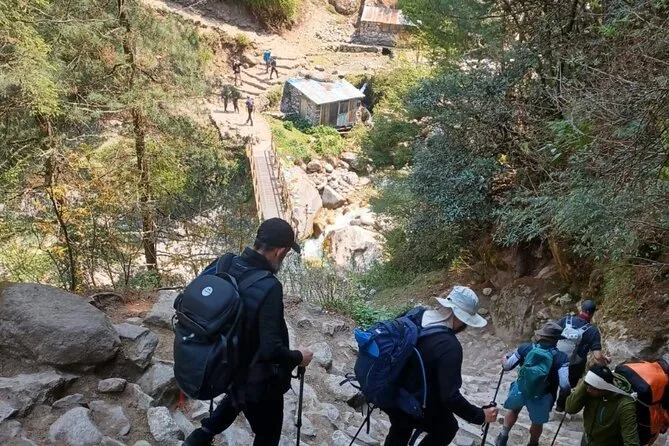
The next morning came early—our guide met us in the lobby before sunrise. The flight to Lukla is something else: you’re squeezed into this small plane, and if you’re lucky enough to get a window seat, you’ll catch glimpses of the Langtang and Annapurna ranges poking through clouds. Landing at Lukla’s sloped runway is a rush; it’s over before you know it. We started walking right away, crossing wobbly suspension bridges and passing prayer wheels that spun quietly in the breeze. By late afternoon we reached Phakding—a simple lodge by the river where trekkers swap stories over mugs of tea.
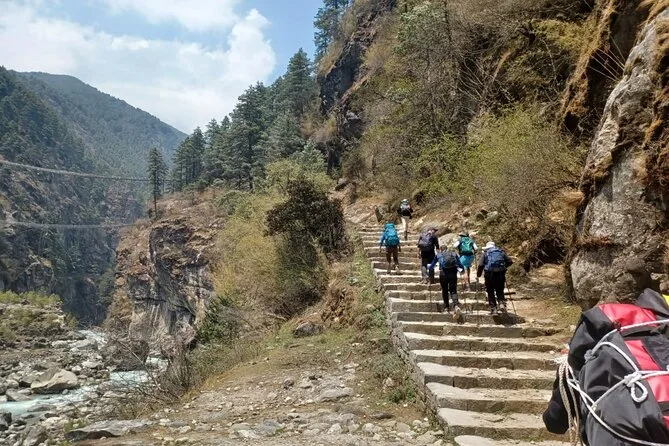
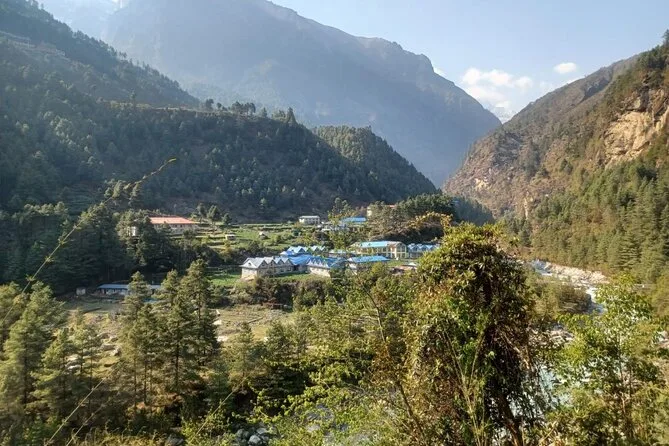
The trail to Namche Bazaar follows the Dudh Koshi river. You’ll hear its roar long before you see it. We crossed several bridges (the Hillary Suspension Bridge stands out—it sways more than you’d expect). Climbing up towards Namche is tough but worth it; suddenly you’re in a horseshoe-shaped town clinging to the hillside. There’s an energy here—shops selling yak cheese, bakeries with surprisingly good apple pie, trekkers from all over swapping tips at tiny cafés.
We spent an extra day acclimatizing in Namche. Our guide took us up to Everest View Point early—if you catch it on a clear morning, those first views of Everest and Lhotse are unreal. Later we wandered back through narrow lanes lined with gear shops and coffee houses (I still remember the smell of roasting beans mixing with mountain air). Locals go about their routines—kids heading to school in bright uniforms, porters loading up for another day’s work.
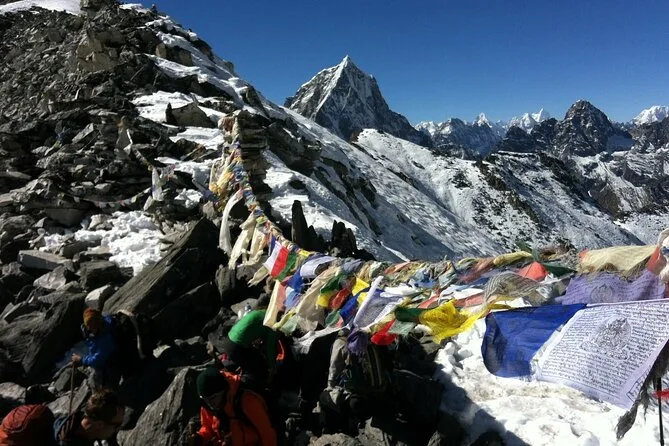
The path to Tengboche winds through pine forests where you might spot Himalayan tahr grazing on steep slopes. Tengboche Monastery sits at the top—colorful prayer flags fluttering everywhere. We arrived just as monks were chanting inside; our guide explained some of their rituals and invited us to watch for a bit (the sound echoes out into the valley).
Dingboche feels quieter—a scattering of stone houses surrounded by endless walls built from rocks cleared off fields over generations. The air gets thinner here; even tying your boots can leave you breathless. We rested for acclimatization, sipping hot lemon tea while clouds drifted past Ama Dablam’s sharp peak.
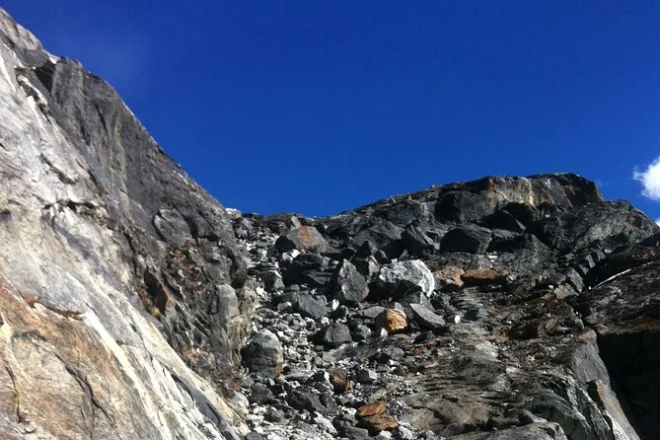
Lobuche sits higher still—by now everyone moves slower, conversations get softer as folks focus on breathing easy. The landscape turns stark: rocky ground underfoot, icy wind cutting through layers. Our guide pointed out Lobuche East and West peaks just before sunset painted everything gold.
Reaching Everest Base Camp itself is surreal—you’re standing on crunchy glacier moraine with colorful tents scattered around (in spring climbing season). It’s not quiet: there’s always someone celebrating or calling home on a satellite phone. After photos and high-fives all around, we trekked back to Gorak Shep for a well-earned meal.
Kala Patthar comes early next morning—a steep climb but worth every step for that close-up view of Everest glowing orange at sunrise. Heading down felt lighter; legs moved faster as oxygen returned and villages grew greener again. Nights in Pheriche and then Namche felt almost luxurious after days above 4,000 meters.
Back in Lukla we toasted our journey with mugs of sweet milk tea while planes buzzed overhead—the world’s most notorious runway right outside our window. Flying back to Kathmandu felt like waking up from a dream; sharing stories over farewell dinner made it real again before heading home.
 14d
14d

Step-by-step itinerary
Day 1 — Arrival in Kathmandu
- Arrival at Tribhuvan International Airport
- Transfer to hotel and rest
Day 2 — Flight to Lukla and Trek to Phakding
- Flight from Kathmandu to Lukla (40 min)
- Trek from Lukla to Phakding crossing suspension bridges
Day 3 — Trek to Namche Bazaar
- Visit Sherpa town Namche Bazaar
- Walk along Dukh Koshi river and cross suspension bridges
Day 4 — Acclimatize at Namche Bazaar
- Explore Namche Bazaar and Everest View Point
Day 5 — Trek to Tengboche
- Trek to Tengboche and visit monastery
- Visit Gompa and observe spiritual rituals
Day 6 — Trek to Dingboche
- Trek to Dingboche through Imja valley
Day 7 — Acclimatize at Dingboche
- Rest and acclimatize at Dingboche
Day 8 — Trek to Lobuche
- Trek to Lobuche via Thukla and Dughla Pass
Day 9 — Everest Base Camp Trek
- Trek to Everest Base Camp and back to Gorak Shep
Day 10 — Kala Patthar Hike and Trek to Pheriche
- Hike to Kala Patthar viewpoint
- Trek down to Pheriche
Day 11 — Trek to Namche Bazaar
- Trek to Namche Bazaar via Dudhkoshi river
Day 12 — Trek to Lukla
- Trek to Lukla and visit airport
Day 13 — Fly back to Kathmandu
- Flight from Lukla to Kathmandu
- Farewell dinner with team
Day 14 — Departure
- Transfer to Tribhuvan International Airport

Top questions

How difficult is this Everest Base Camp trek?
This trek requires moderate fitness since you'll be hiking several hours daily at high altitude. It's challenging but manageable if you're prepared and take time to acclimatize.
Are flights between Kathmandu and Lukla included?
Yes, both flights are included in your package along with airport transfers for convenience.
What kind of accommodation should I expect?
You’ll stay in comfortable teahouses during the trek and hotels in Kathmandu—simple but clean places run by local families or staff who know trekkers’ needs well.
Is food provided during the trek?
All meals are included while trekking—from hearty breakfasts to warm dinners at each stopover lodge or teahouse along the route.
Can I join monastery rituals at Tengboche?
If timing allows during your visit, guides can arrange for guests to respectfully observe or participate in certain rituals inside Tengboche Monastery.

What’s included
Your trip covers airport pickup/drop-off; all meals during trekking days; certified local guide plus porter support (1 porter per 2 trekkers); round-trip flights between Kathmandu and Lukla; basic first aid service; farewell dinner; plus rest stops with restroom access along the way so you can focus on enjoying every step without worry.
 Super deal
  Free booking, free cancellation.
  Don't lose your place.


 Do you need help planning your next activity?
  +507 6792-0894


