
Annapurna Base Camp Trek: Local Guides, Permits & Meals
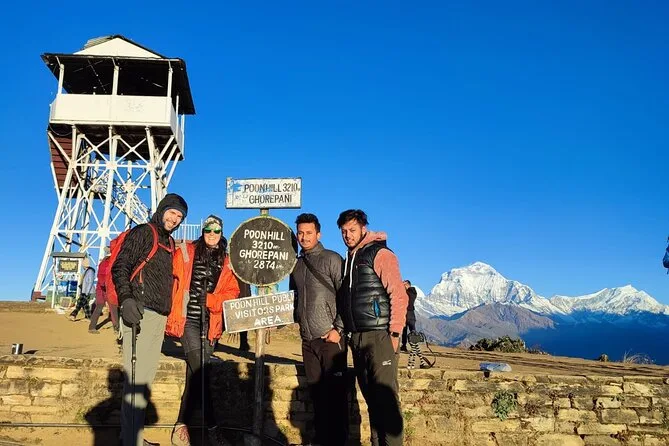
Trek to annapurna base camp with local guides meals & permits
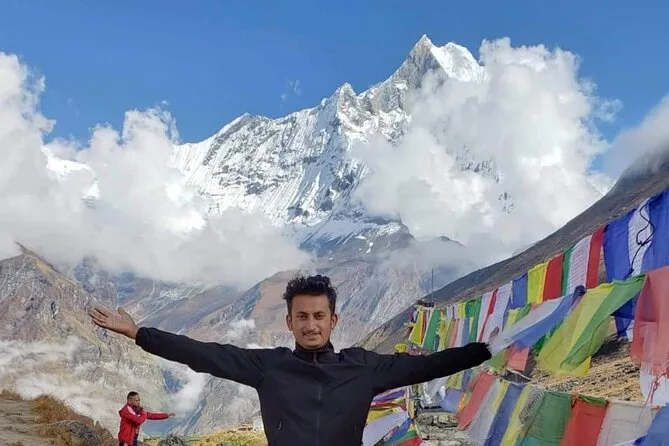
You’ll walk from Kathmandu through Pokhara into villages where locals wave hello and mornings start with mountain sunrises. With your guide handling permits and meals along the Annapurna Base Camp trek route, you’ll cross forests and rivers before reaching snow-ringed base camp itself. Expect tired legs, honest food, laughter with strangers, and moments that stick long after you’re home.
Compare the 12 alternatives
 Annapurna Base Camp Trek: 13 Days from KathmanduEvery day · 06:30 · Up to 60 years★ 5.00 (34)13dENUS$ 650View ›
 Annapurna Base Camp Trek from Kathmandu or Pokhara: 5 DaysEvery day · 06:45 and 07:45 · From age 7★ 5.00 (176)5dEN · HIUS$ 200View ›
 Annapurna Circuit Trek with Local Guide & Family TeamEvery day · 10:15 · All ages★ 4.90 (20)15dENUS$ 995View ›
 Chitwan National Park tour: Jungle tower night stayEvery day · 06:15 · All ages★ 4.86 (44)4dENUS$ 350View ›
 14-Day Everest Base Camp Trek from KathmanduEvery day · 06:15 and 08:00 · From age 8★ 4.98 (1,657)14dENUS$ 1,800View ›
 Annapurna Base Camp Trek from Kathmandu: 14 daysEvery day · first departure 06:30, last 14:15 · From age 10★ 5.00 (98)14dEN · HIUS$ 925View ›
 Annapurna Base Camp Trek Kathmandu: 10-Day Himalayan TrekEvery day · 01:15 · 18–65 years★ 4.99 (145)12dUS$ 935View ›
 Annapurna Base Camp Trek from Pokhara: 13 DaysEvery day · 07:00 · From age 8★ 5.00 (33)13dENUS$ 1,350View ›
 Everest Base Camp Trek: 14 Days Kathmandu & Mount EverestEvery day · first departure 00:45, last 23:45 · From age 8★ 4.93 (101)14dENUS$ 999View ›
 14-Day Annapurna Base Camp Trek from KathmanduEvery day · 06:00, 06:45 and 07:45 · 18–70 years★ 4.96 (99)14dENUS$ 850View ›
 Annapurna Base Camp Trek: 10 Days from KathmanduEvery day · 06:15 · 16–65 years★ 4.98 (40)10dENUS$ 848View ›
 17-day Gokyo to Everest Base Camp Trek from KathmanduEvery day · 08:00 · From age 12★ 4.99 (123)17dENUS$ 2,200View › Compare more experiences like this »
Step-by-step itinerary
Day 1: Arrival and preparation in Kathmandu
- Meet at Tribhuvan Airport
- Transfer to hotel
- Meet trekking guide
- Prepare for trek and rest
Day 2: Drive from Kathmandu to Pokhara
- Meet guide at hotel 6:30 am
- Walk to Sorakhutte bus station
- Bus departs Kathmandu 7:00 am
- Breakfast stop at Malekhu
- Lunch stop at Ghasi Kuwa
- Drive scenic snake road
- Arrive Pokhara lakeside
- Evening free for dinner and shopping
Day 3: Drive to Nayapul and trek to Ulleri
- Breakfast in Pokhara
- Car/taxi to bus park
- Bus/jeep to Nayapul
- Start trek along Modi river
- Pass Thakali and Gurung villages
- Overnight stay at Ulleri
Day 4: Trek from Ulleri to Ghorepani
- Wake to mountain sunrise views
- Breakfast with Annapurna views
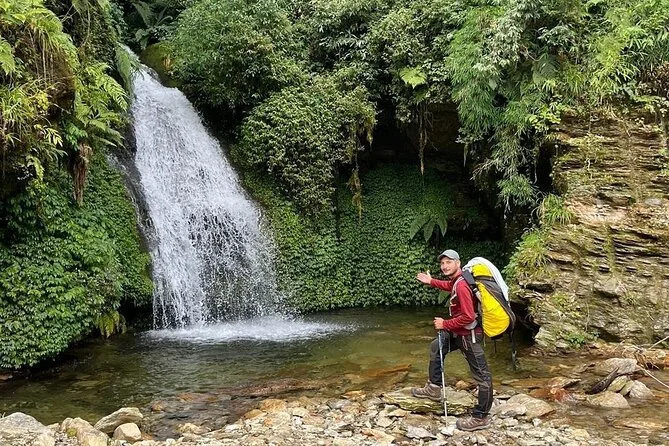
- Trek through forest and waterfalls
- Arrive upper Ghorepani
- Overnight at guesthouse with Himalaya views
Day 5: Sunrise at Poon Hill and trek to Tadapani
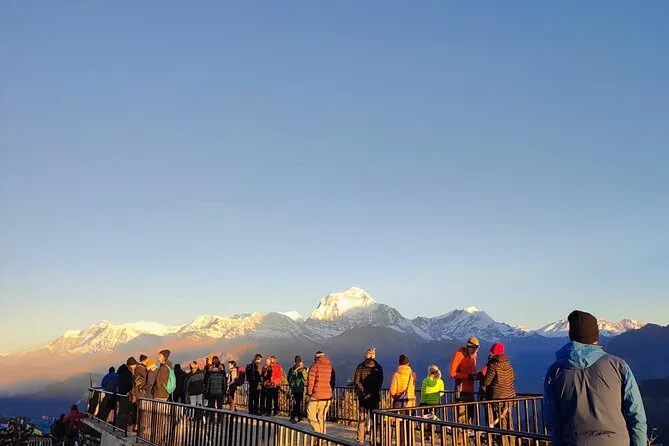
- Early hike to Poon Hill viewpoint
- Watch sunrise over Himalayan peaks
- Return for breakfast at guesthouse
- Trek through rhododendron forest
- Arrive Tadapani village
- Overnight at guesthouse
Day 6: Trek from Tadapani to Sinuwa via Chhomrong
- Descend from Tadapani to Chhomrong
- Cross bridge over Modi River
- Ascend to Sinuwa village
- Enjoy mountain views at Sinuwa
- Overnight at guesthouse
Day 7: Trek from Sinuwa to Deurali
- Breakfast with sunrise views
- Climb to Bamboo through forest
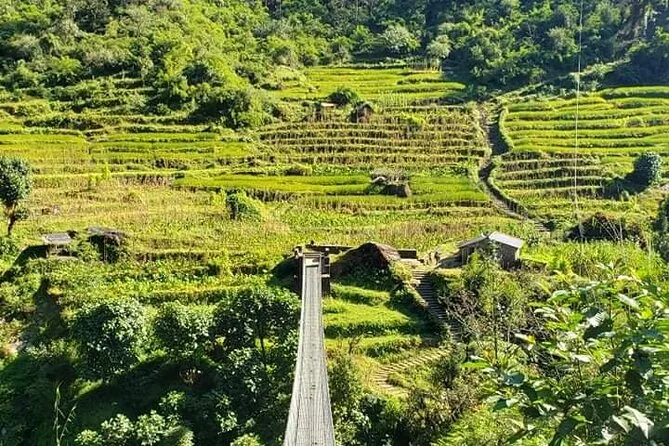
- Cross suspension bridges and rivers
- Arrive Hiku Cave viewpoint
- Reach Deurali for overnight stay
Day 8: Trek to Annapurna Base Camp
- Trek via Machhapuchhre Base Camp
- View Mardi Himal and Dhaulagiri
- Take care on landslide-prone paths
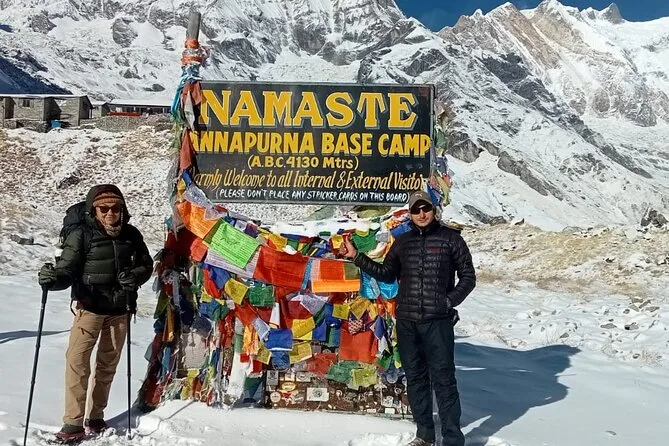
- Arrive Annapurna Base Camp
- Enjoy sunset and mountain vistas
- Overnight at guesthouse
Day 9: Return trek from ABC to Sinuwa
- Watch dawn at Annapurna Base Camp
- Breakfast at base camp
- Trek downhill to Deurali
- Continue descent to Sinuwa via Bamboo and Hiku Cave
- Overnight at guesthouse
Day 10: Trek down to Siwai and drive to Pokhara
- Trek from Sinuwa to Chhomrong
- Walk to Jhinu Danda
- Cross Kimrong Khola suspension bridge
- Reach Siwai village
- Jeep ride from Siwai to Pokhara
- Overnight at hotel in Pokhara
Day 11: Drive from Pokhara to Kathmandu
- Breakfast in Pokhara
- Drive to Kathmandu
- Free time for relaxation or shopping
- Enjoy farewell dinner
- Overnight at hotel in Kathmandu
Day 12: Departure from Kathmandu
- Breakfast at hotel
- Transfer to airport
- Fly to next destination
The experience
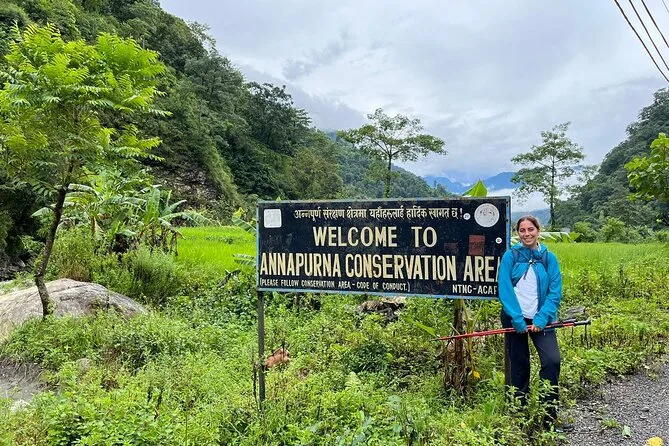
I still remember the first real silence after we left Pokhara: that weird hush you get when the bus finally stops bouncing and you’re just standing there, boots on gravel, looking up at a sky that feels way too big. Our guide, Suman, grinned and pointed out the trailhead at Nayapul. I was nervous (and honestly a bit jetlagged), but he just said, “Slow is good here.” He was right. The air smelled like wet earth and woodsmoke as we passed through Birethanti: kids waving from doorways, someone frying something oniony for breakfast. It’s funny how quickly you forget city noise.
The climb to Ulleri was rougher than I’d expected. Those stone steps go on forever, or so it felt. We stopped for tea in a tiny guesthouse where an old man handed me a mug so hot I nearly dropped it. Suman chatted with him in Nepali. I caught maybe two words but somehow felt included anyway. By Ghorepani, my legs were jelly but the view of Annapurna South at sunrise made me forget about them for a minute. The cold bit at my fingers while everyone shuffled around for photos: someone’s thermos lid clattered on the rocks and everyone laughed.
There’s this part through the rhododendron forest that I didn’t expect to love so much: moss everywhere, birds making these sharp little calls that echoed off the trees. Lunches were always simple: dal bhat or noodles, sometimes eggs if we were lucky. Suman kept us moving at a pace that felt doable even when the altitude started to mess with my head near Deurali. He’d point out which peaks were which (I still mix them up), and once he stopped us just to listen to the river below. “That’s Modi Khola,” he said quietly.
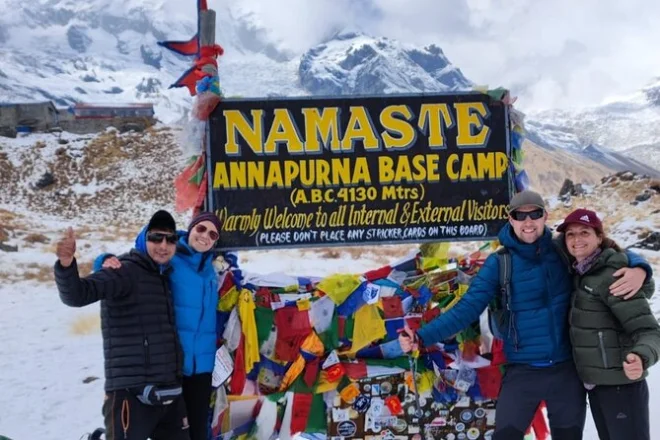
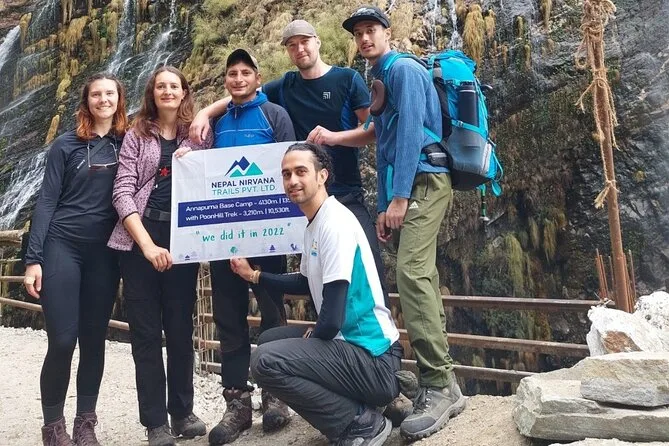
Reaching Annapurna Base Camp itself felt strange, not triumphant exactly, more like relief mixed with awe? The mountains close in all around you. It’s colder than you think it’ll be even in spring. We stood there watching clouds slide over Annapurna I until my nose went numb. That night in the guesthouse was quiet except for boots thumping on wooden floors and someone snoring next door. On the way back down, everything looked different: maybe because I knew what was coming now.
What’s included
Your journey includes airport transfers on arrival and departure days in Kathmandu plus all ground transportation between cities by tourist bus or private vehicle as needed. You’ll have an experienced local guide throughout your Annapurna Base Camp trek who arranges all necessary permits (ACAP/TIMS), provides water purification drops or tablets, covers official expenses and taxes, organizes 11 nights’ accommodation in hotels or guesthouses along the route, and makes sure every meal (breakfasts, lunches, dinners) plus tea or coffee is sorted while trekking.
Before you book
Prices and times updated 14 days ago
Operated by Nepal Nirvana Trails
Traveler reviews
Top questions
How long does the Annapurna Base Camp trek take?
The trek takes 12 days including arrival and departure days from Kathmandu.
Is transport between Kathmandu and Pokhara included?
Yes, ground transportation by tourist bus between Kathmandu and Pokhara is included.
Are meals provided during the trek?
All meals (breakfast, lunch, dinner) are provided while trekking.
Do I need special permits for this trek?
Yes, all required permits (ACAP, TIMS) are arranged by the tour operator.
Is there a local guide during the trek?
An experienced local guide leads the entire trek from start to finish.
What kind of accommodation is included?
You stay in hotels in cities and guesthouses along the trekking route.
Is airport transfer service provided?
Yes, airport pickup on arrival and drop-off on departure are included.
Are water purification options available?
Water purification drops or tablets are provided during the trek.
Annapurna Base Camp Trek: Local Guides, Permits & Meals
12d · EN
from US$ 800 per person
4.99107 reviewsVerified traveler reviews via our booking provider