
Eswatini Day Trip from Maputo: Waterfall, Dance & Craft Markets


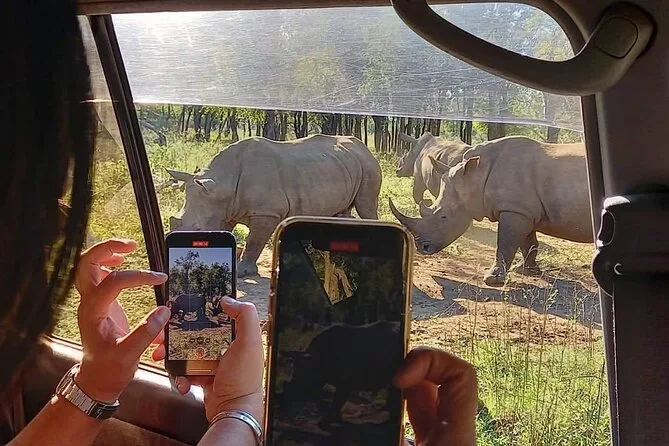

Full-day Eswatini tour from Maputo with cultural village, waterfall and crafts
You’ll cross into Eswatini for a day packed with culture: live Siswati dance at Mantenga Village, peaceful moments by Mantenga Waterfall, lunch at Malandela’s homestead with time to explore House on Fire art space, plus browsing crafts at Swazi Candle Factory before heading back to Maputo. There’s laughter, music, new flavors—and space for quiet too.
 12h
12h

Step-by-step itinerary
Eswatini cultural and nature tour
- Depart Maputo early morning
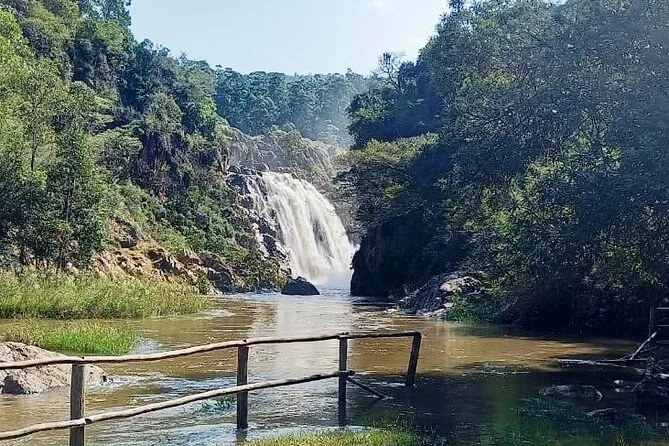
- Visit Mantenga Waterfall
- Watch traditional Siswati dance
- Tour Mantenga Cultural Village
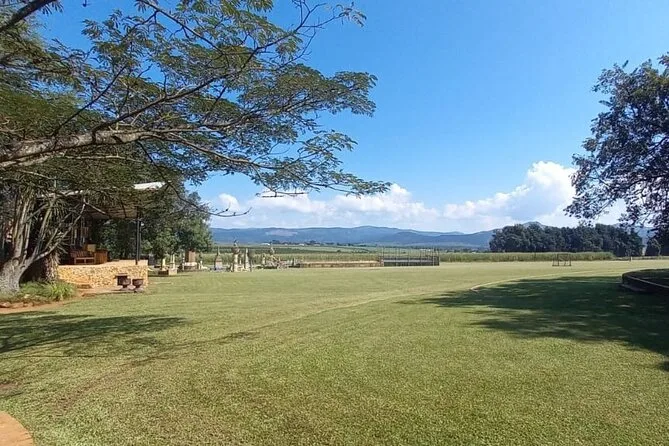
- Lunch at Malandela homestead
- Explore House on Fire venue
- Visit Swaziland Candle Factory
- Return to Maputo in evening

The Experience
“You’ll hear the drums before you see us,” our guide Musa said, grinning as we crossed into Eswatini just after sunrise. I was still half-asleep from the early Maputo pickup, but that line stuck in my head — and he was right. The drive itself felt like a slow unrolling of color: city haze giving way to green valleys and misty hills. There’s something about crossing a border by road that makes you notice every little change — the signs, the people’s faces at roadside stalls, even how the air smells less salty and more like grass.
The first stop was Mantenga Cultural Village. We were greeted by laughter and the thump of drums echoing between round huts. I’d seen traditional dances before, but this Siswati performance felt different — more raw maybe? The dancers’ feet kicked up dust and their voices carried over us in waves. At one point I tried to clap along; Musa caught my eye and just shook his head with a smile (timing has never been my thing). Afterward, he walked us through the village, explaining why certain huts face east or how elders are greeted — small details that made it feel less like a show and more like someone letting you peek behind the curtain.
I didn’t expect to feel so quiet at Mantenga Waterfall. You could still hear faint drumming from the village but mostly it was just water on rocks and birds somewhere above us. We sat for a bit — no rush — eating fruit snacks from the van while someone tried (and failed) to get a selfie with the whole falls in frame. Lunch at Malandela’s was another kind of surprise: homemade bread, spicy chicken stew, everyone sharing plates under big trees while local kids darted between tables. The House on Fire next door looked like something out of a dream — mosaic walls, sculptures everywhere, music drifting out an open window.
The last stop was the Swazi Candle Factory. It’s not just candles; it’s this noisy jumble of colors and chatter where artists carve animals while you watch. I bought a zebra-shaped candle that melted weirdly in my bag later (lesson learned), but honestly I liked it better imperfect anyway. The drive back to Maputo was long — seven hours all told — but there was this easy tiredness in the van, everyone trading photos and stories as dusk settled outside. Sometimes I think about those drums still echoing somewhere behind me.

What’s included
- Your day includes early morning pickup in Maputo by air-conditioned vehicle with some snacks provided en route—think fruit, water and juice—plus entry to Mantenga Cultural Village with guided tour and dance performance.
- time at Mantenga Waterfall.
- lunch at Malandela's homestead.
- visits to House on Fire art venue and Swazi Candle Factory before returning in the evening.
Operated by Tours Maputo
Traveler reviews
Compare the 6 similar options
 Eswatini Day Trip from Maputo: Waterfall, Dance & Craft Markets★ 4.93 (67)12hEN · PTUS$ 219
 Maputo Downtown Walking Tour: Cathedral & Colonial Architecture3-hour walking tour of Maputo's colonial landmarks, cathedral, train station and markets with local guide. Includes snacks and history of Portuguese Mozambique.★ 4.91 (147)3hEN · PT +1US$ 35View ›
 Maputo Special Reserve: 1-Day Safari & Beach from MaputoFeel the wild edge of Mozambique with elephants, giraffes, and a raw coastline on this day trip safari from Maputo—includes private transport and cool box for drinks.★ 4.40 (10)10hEN · PTUS$ 205View ›
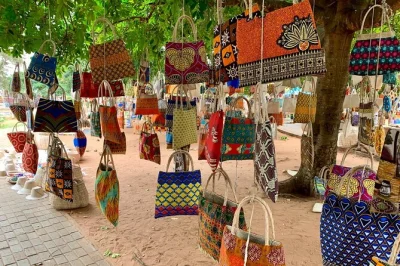 Maputo Art & Architecture Walking Tour with Local GuideWalk Maputo’s colorful streets with a local guide, exploring art deco buildings, murals, and artist studios. Bottled water included. Book your spot today.★ 4.81 (21)3hEN · PT +1US$ 35View ›
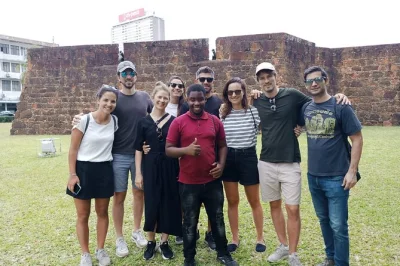 Maputo City & Central Market: Walking Tour with GuideWalk Maputo’s streets with a local guide, from the cathedral to the Central Market and railway station. Includes key landmarks. Book now for your spot.★ 4.95 (22)2h 30mEN · PTUS$ 45View ›
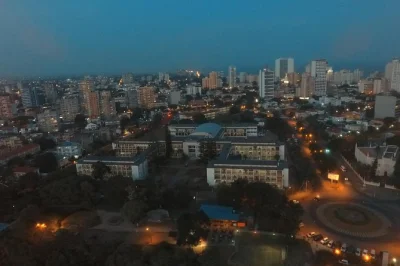 Maputo city tour: Railway, cathedral, fortress, museumsThree-hour Maputo city tour with hotel pickup, visiting the railway station, cathedral, fortress and museums—entrance fees included, guide speaks English★ 4.88 (8)3hEN · PT +1US$ 100View ›
Top questions
How long is the drive from Maputo to Eswatini?
It takes about 7 hours round-trip by vehicle between Maputo and Eswatini on this day tour.
Is lunch included on this Eswatini day trip?
Yes, lunch is provided at Malandela's restaurant during the tour.
What cultural experiences are part of this tour?
The tour includes a Siswati dance performance and guided visit at Mantenga Cultural Village.
Are there stops for shopping or crafts?
Yes, there is time to visit artisan stalls at Swazi Candle Factory for crafts and souvenirs.
Is pickup from my hotel in Maputo included?
Pickup in an air-conditioned vehicle is included from Maputo early in the morning.
Can children join this day trip?
This tour is suitable for all fitness levels; infants seats are available if needed.
What should I bring for this day trip to Eswatini?
You may want comfortable shoes, sun protection, passport for border crossing, and some cash for crafts or snacks.
Eswatini Day Trip from Maputo: Waterfall, Dance & Craft Markets
12h · EN · PT · at your hotel
from US$ 219 per person
★★★★★★★★★★4.9367 reviewsVerified traveler reviews via our booking provider
