
Morocco 11-Day Tour: Marrakech, Sahara Desert & Chefchaouen


Private Morocco Itinerary: Sahara Desert, Imperial Cities & Atlantic Coast
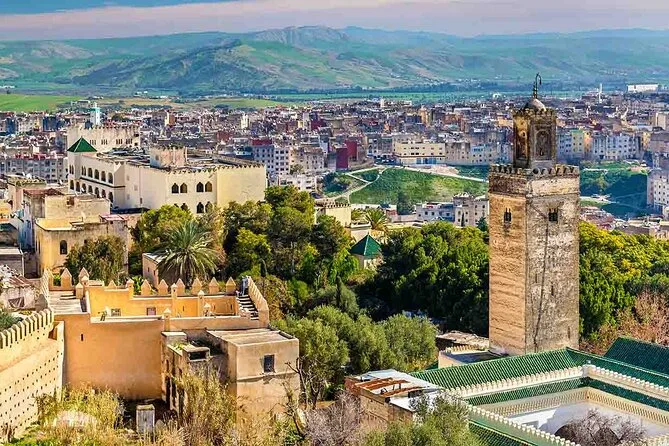
You’ll see Morocco’s best—from Marrakech’s lively markets and palaces to camel rides under Saharan stars, blue-washed Chefchaouen streets, ancient Fes alleys, and Essaouira’s breezy coast—all with local guides who know every shortcut and story worth hearing.
 11d
11d

Step-by-step itinerary
Day 1 — Arrival in Marrakech
- Airport transfer to hotel
Day 2 — Marrakech Medina Tour
- Guided tour of Marrakech Medina
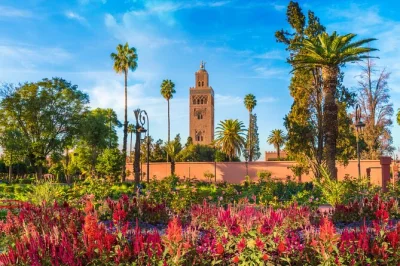
- Visit Mosque of Koutoubia and Bahia Palace
- Explore medina and evening square
Day 3 — Atlas Mountains and Kasbahs
- Drive through Tizi N'Tichka Pass
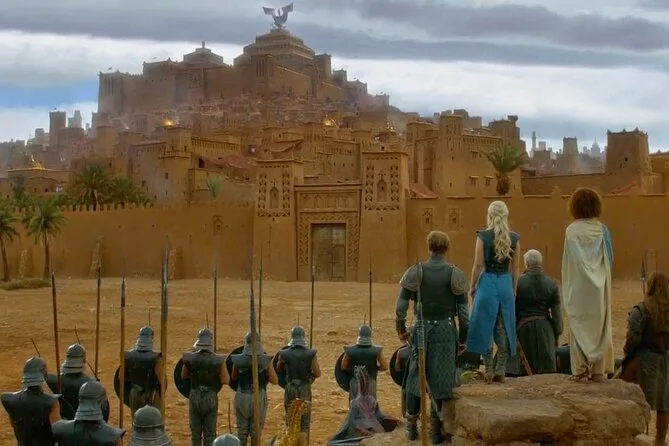
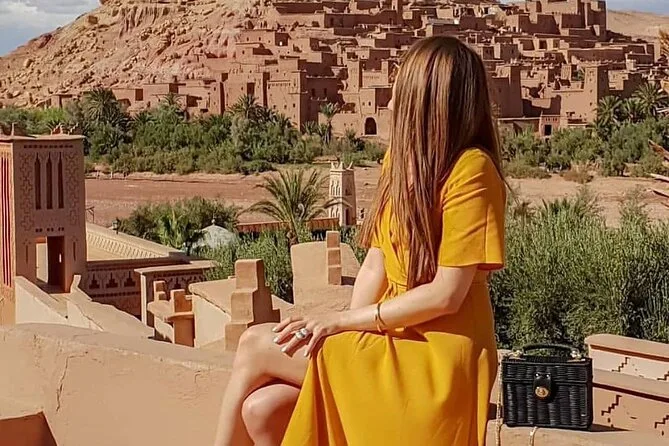
- Visit Aït Ben Haddou Kasbah
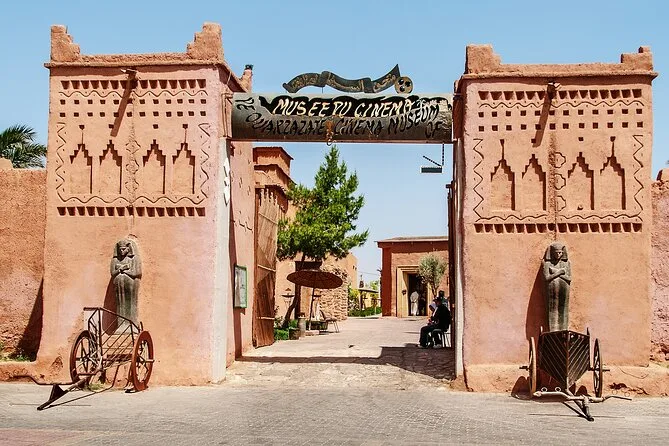
- See Taourirt Kasbah in Ouarzazate
- Visit Rose Valley and Dades Valley
Day 4 — Dades to Merzouga Desert
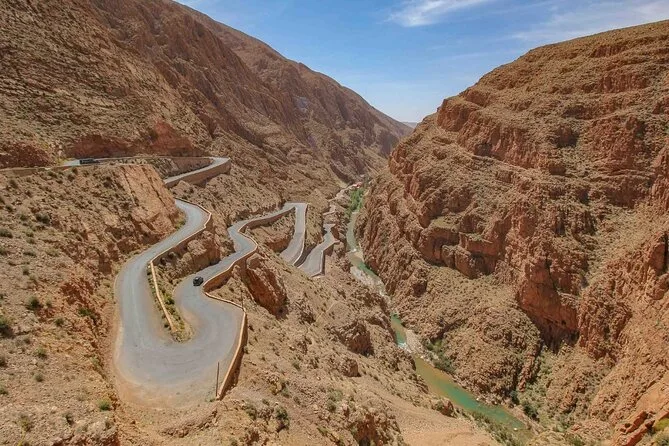
- Drive Todra Gorges trek
- Travel to Erg Chebbi dunes
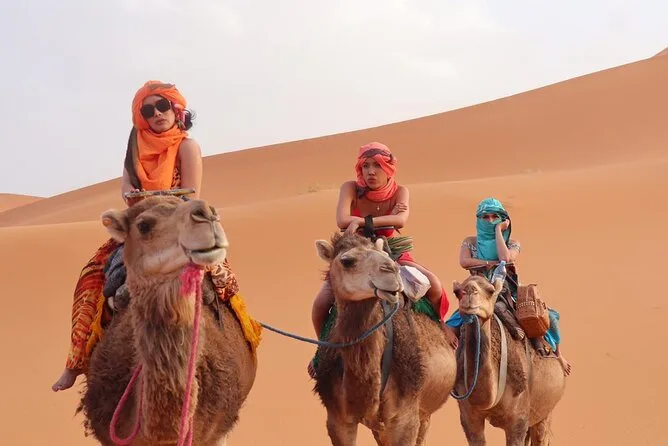
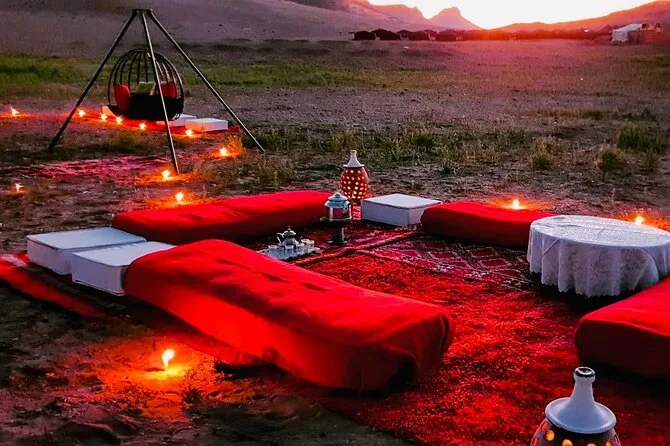
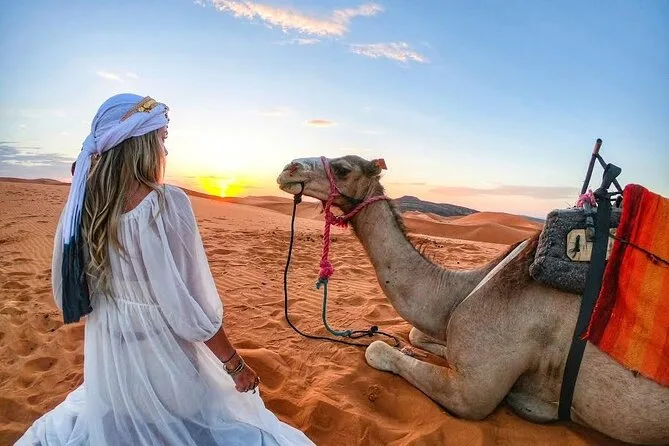
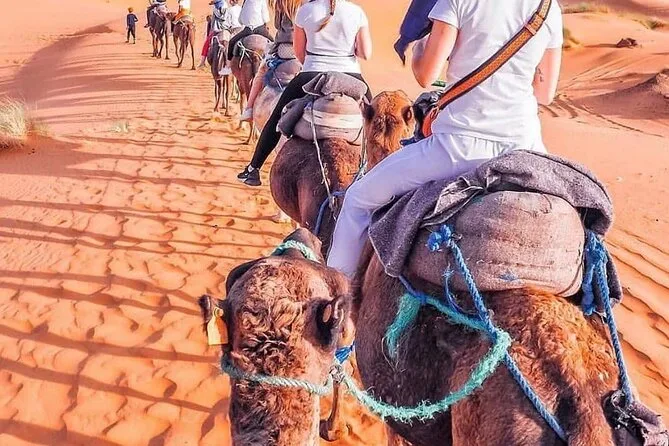
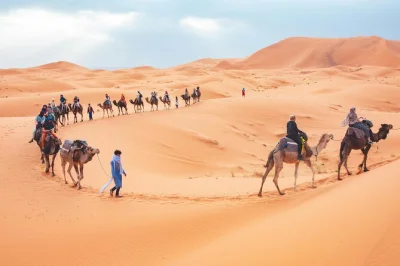
- Camel ride to desert camp
Day 5 — Merzouga to Fez via Ziz Valley
- Sunrise at Merzouga dunes
- Drive through Ziz Valley and Midelt
- Visit Cedar forest and Ifrane
- Arrive and check in Fez
Day 6 — Fez Sightseeing
- Full day guided tour of Fez medina
Day 7 — Fez to Chefchaouen
- Drive to Chefchaouen and check in
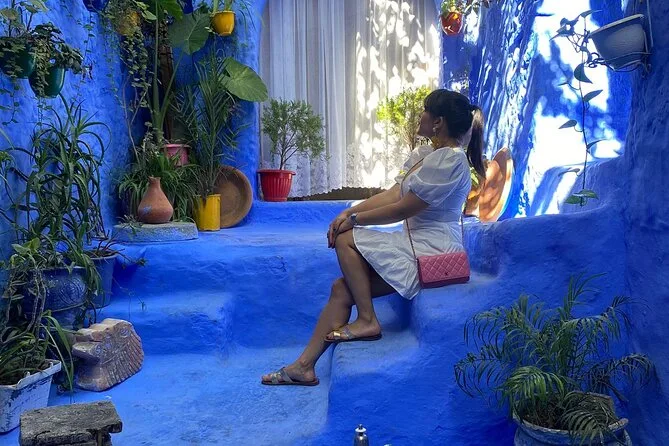
- Free time to explore Chefchaouen
Day 8 — Chefchaouen to Casablanca
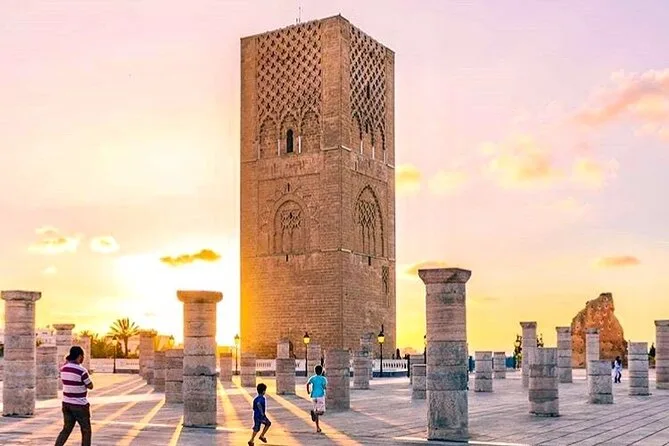
- Drive to Rabat and visit Tour Hassan II
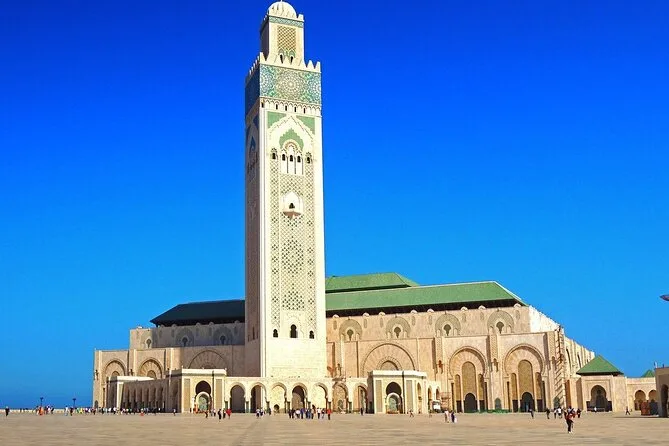
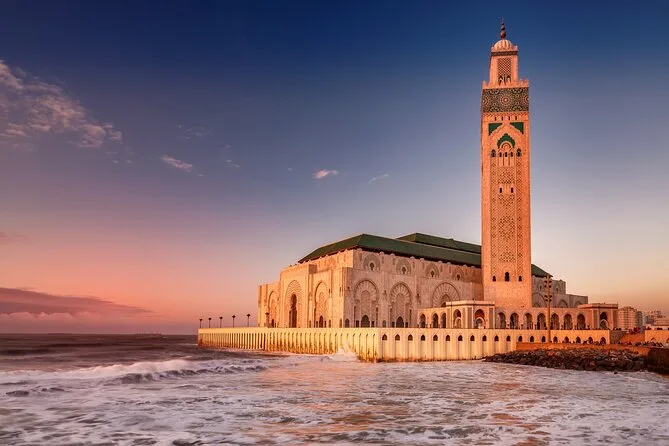
- Visit Hassan II Mosque in Casablanca
Day 9 — Casablanca to Essaouira
- Drive through El Jadida
- Explore Essaouira medina and port
Day 10 — Free Day in Essaouira
- Relax and optional activities in Essaouira
Day 11 — Departure from Marrakech
- Transfer to Marrakech airport

The Experience
The first thing that hit me stepping out of Marrakech airport was the dry warmth and the faint scent of orange blossom drifting from a nearby vendor. Our driver was waiting just outside—big smile, easy to spot even in the late afternoon crowd. The ride into the city felt like a blur of red walls and buzzing mopeds. That first night in the riad, I could hear distant calls to prayer mixing with street chatter below my window.
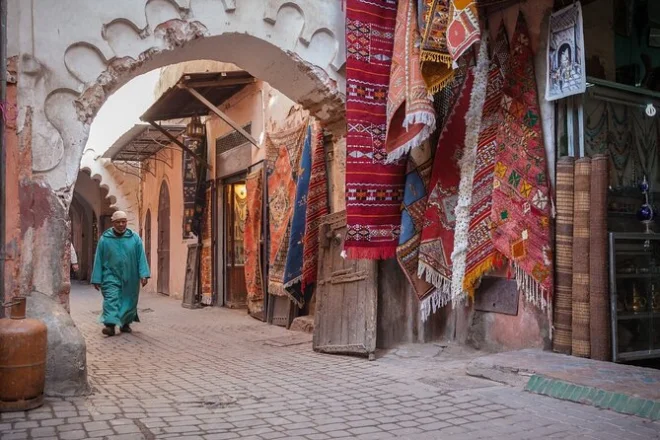
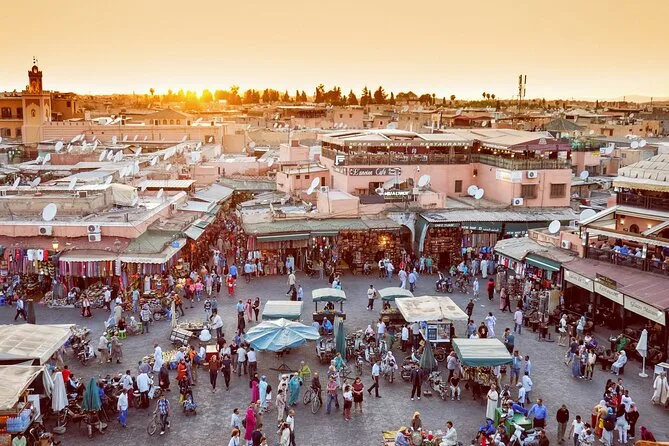
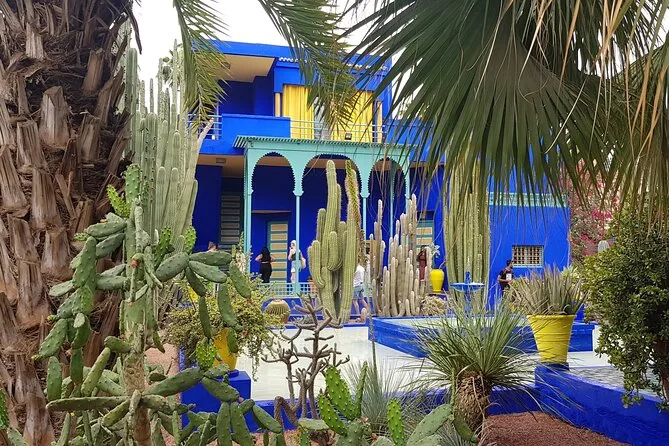
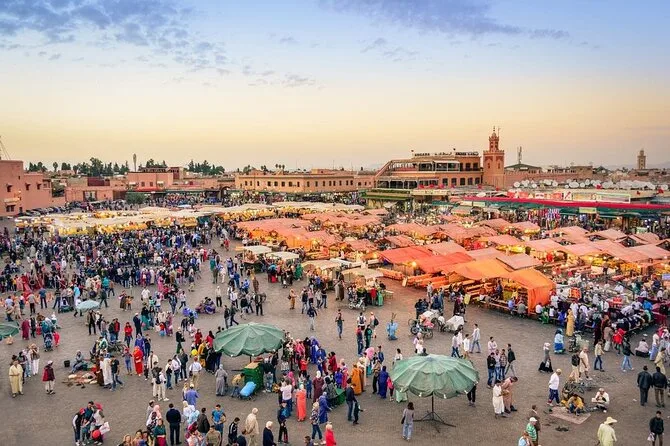
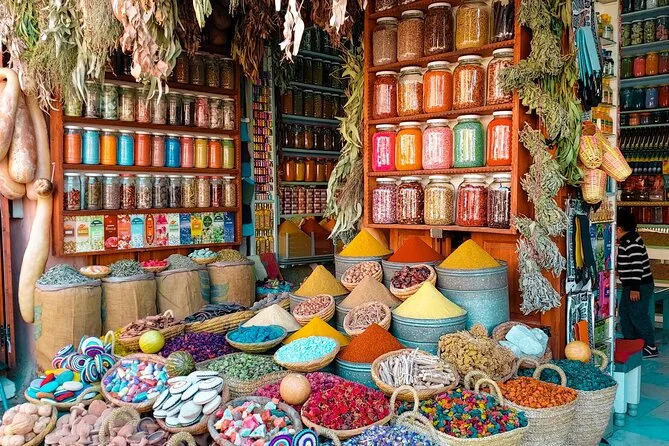
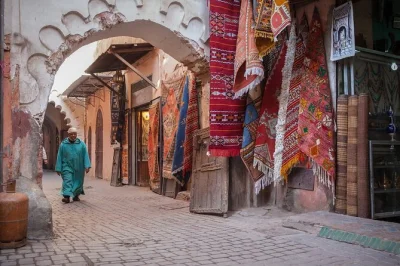
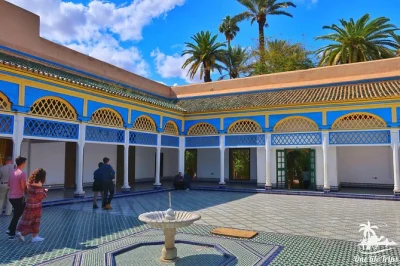
Next morning, after a simple breakfast—fresh bread, honey, mint tea—we met our local guide for a walk through Marrakech’s old medina. Jemaa el-Fna square was already alive: snake charmers coaxing cobras, juice sellers shouting over each other. We ducked into narrow alleys lined with leather slippers and spices stacked in neat pyramids. The Bahia Palace felt cool and quiet compared to the chaos outside; sunlight filtered through painted windows onto tiled floors. Later, I wandered solo through Majorelle Garden—a peaceful spot where blue walls meet cactus shadows.
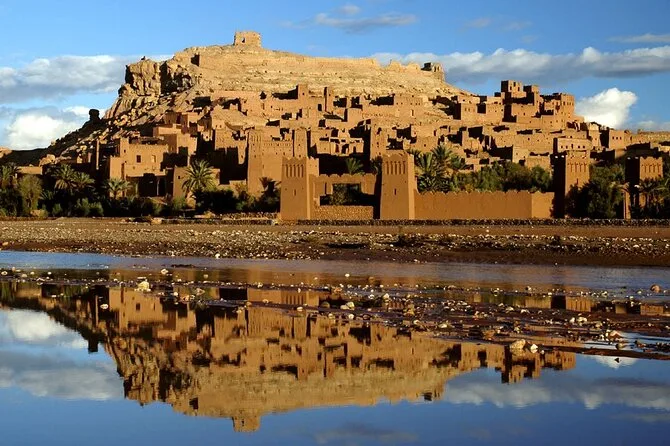
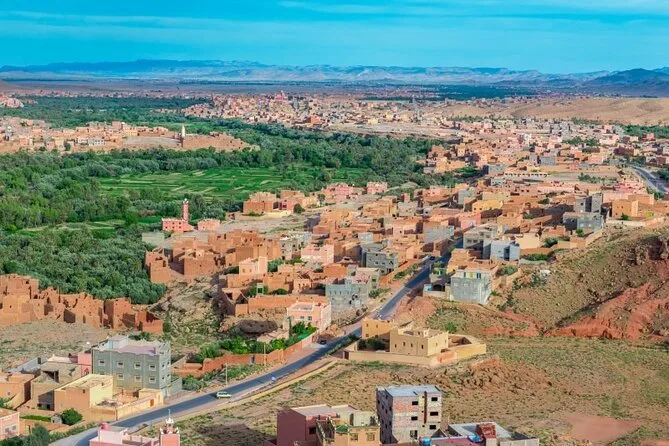
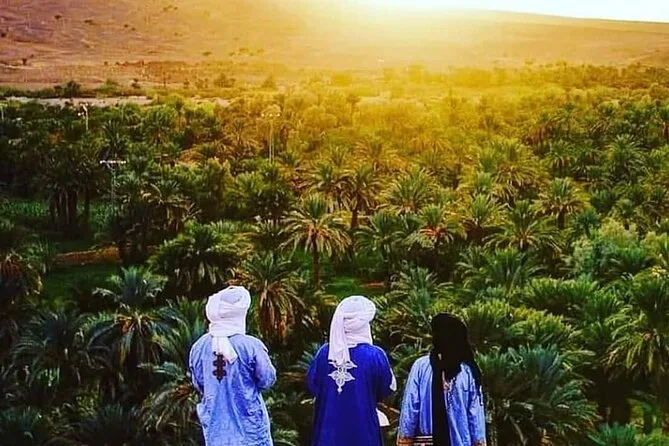
Leaving Marrakech early meant catching the sunrise as we wound up Tizi n’Tichka Pass. The road twisted through tiny Berber villages—kids waving from rooftops—and every so often we’d pull over for photos or just to stretch our legs. Aït Ben Haddou looked almost unreal against the red earth; our guide pointed out spots where movies like Gladiator were filmed. Lunch was simple tagine at a roadside café before heading south to Ouarzazate and then on through endless palm groves in Skoura and Rose Valley. By dusk we reached Dades Valley—the air cooler here, with frogs croaking somewhere near the river.
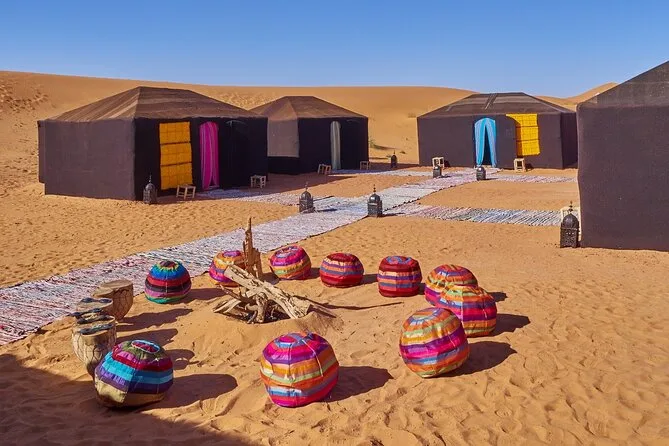
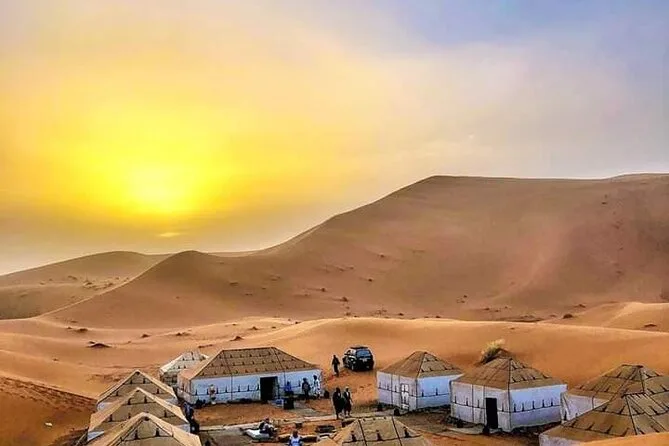
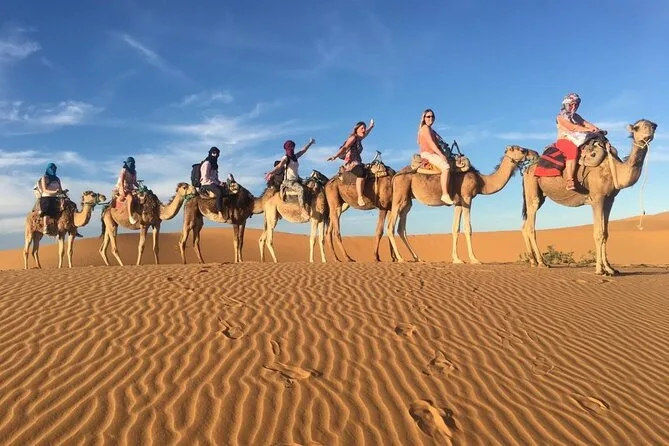
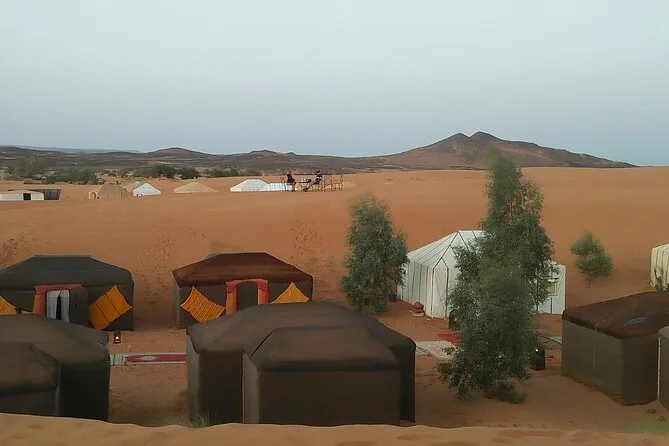
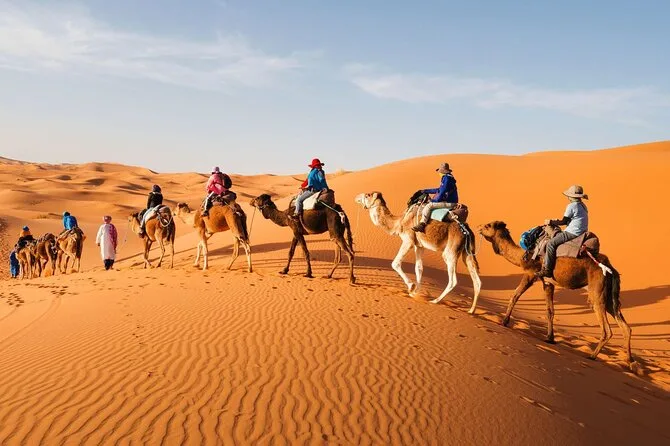
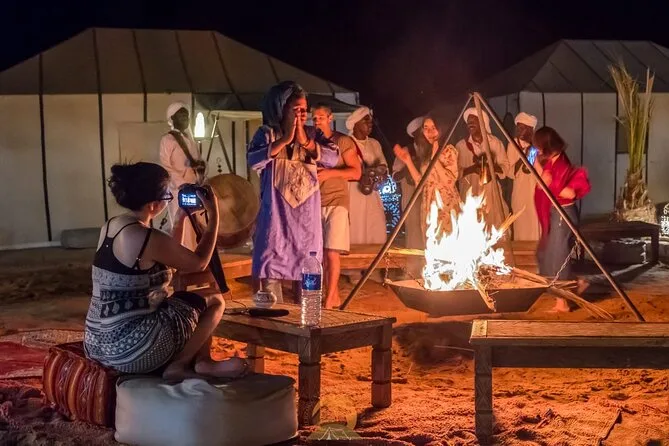
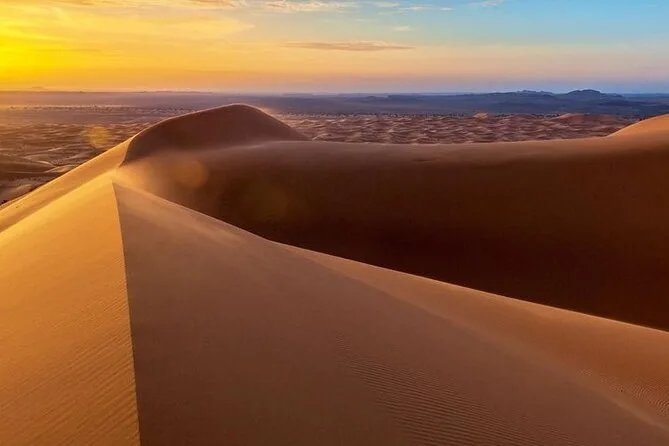
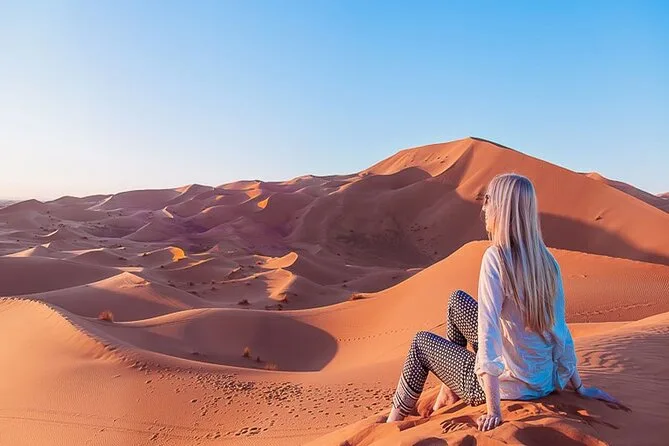
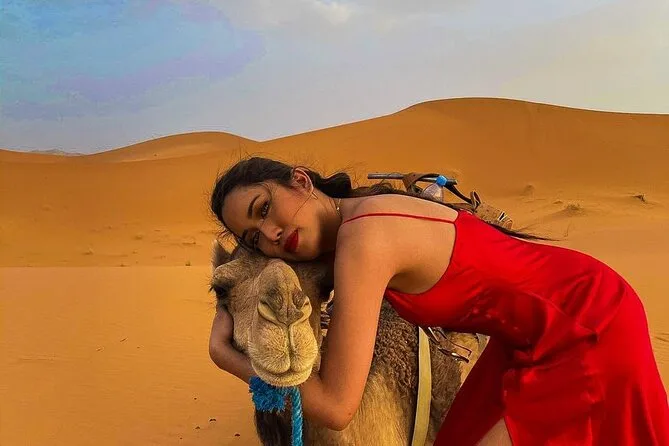
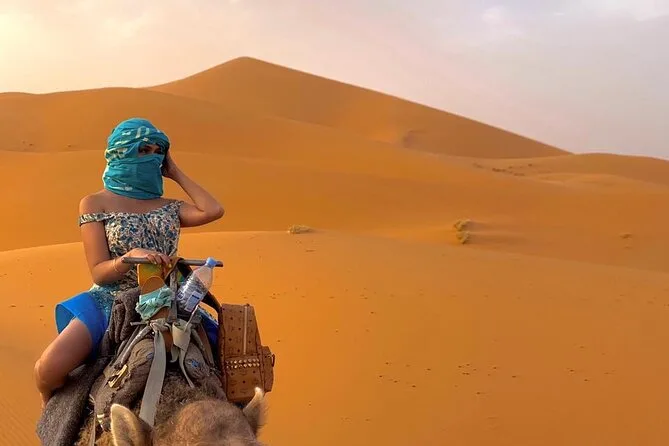
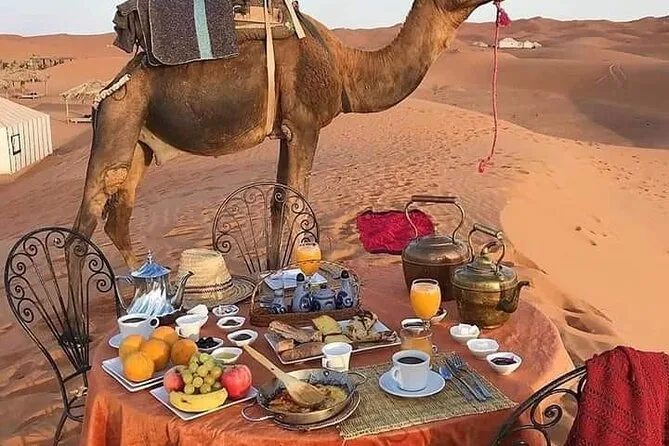
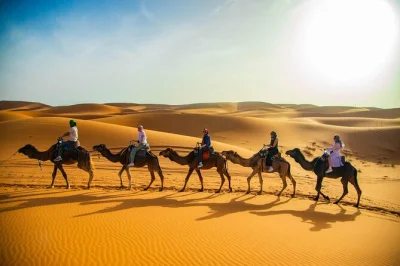
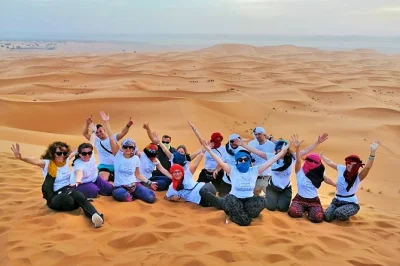
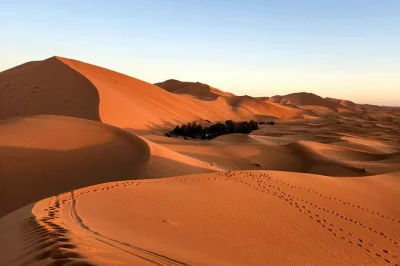
The next day started with a drive along what locals call “the road of 1000 kasbahs.” We stopped at Todra Gorge—sheer cliffs rising above us—and watched climbers inch their way up while donkeys clattered by carrying goods. After lunch in Erfoud (dates are everywhere here), it was on to Merzouga and those first glimpses of Saharan dunes glowing gold at sunset. Riding camels out to camp felt surreal; sand underfoot, sky turning violet overhead. Dinner around a fire with Berber guides drumming under stars—honestly hard to beat.
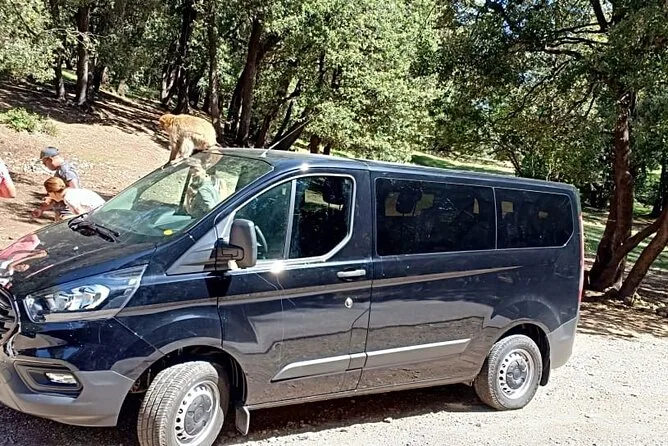
I woke up early for sunrise on the dunes—cold sand between my toes but worth it for that quiet moment watching light spill across endless waves of orange. After breakfast back at camp, we rode north past Ziz Valley’s sea of palms and stopped for mint tea overlooking Aoufous village. In Midelt we had lunch (grilled brochettes this time), then drove through cedar forests where monkeys darted across the road—our driver joked they’re always looking for snacks from tourists! Ifrane surprised me: clean streets, pointy roofs—it really does look like Switzerland dropped into Morocco.
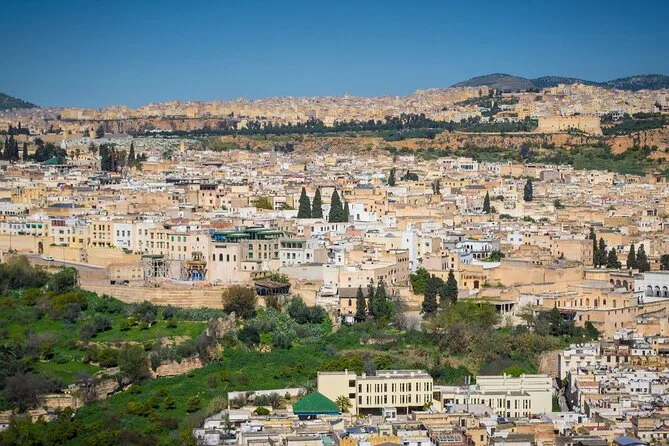
Arriving in Fes by evening felt like stepping back centuries. Next day’s guided tour took us deep into its maze-like medina: woodworkers hammering away in tiny shops, donkeys squeezing past with loads of hides for tanneries (the smell is something else). We visited old madrasas with intricate tilework and paused at Nejjarine fountain where locals still fill buckets by hand.
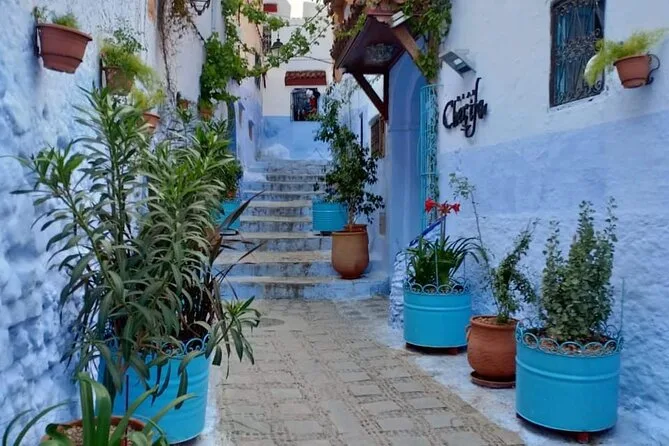
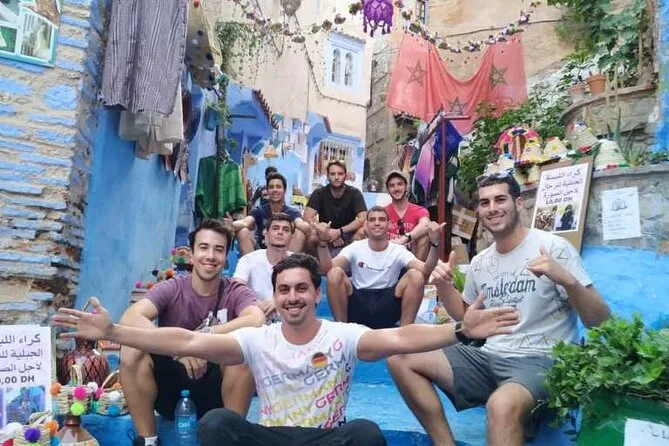
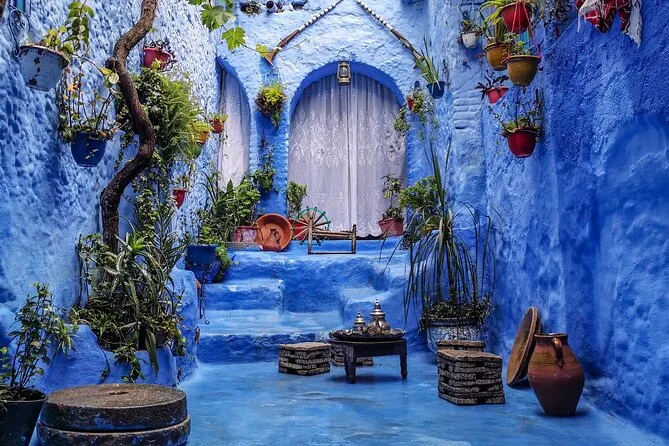
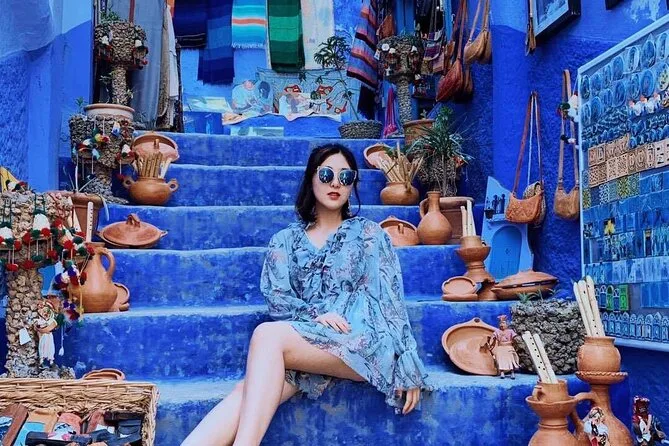
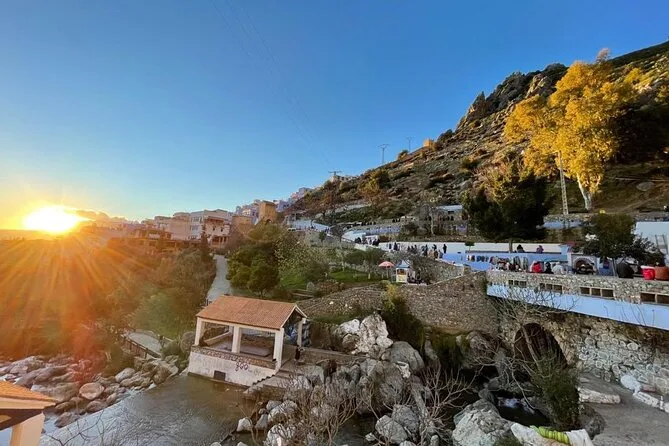
The drive north to Chefchaouen wound through green hills before that first glimpse of blue houses spilling down the mountainside—couldn’t help but snap too many photos from the lookout point. Afternoon was free to wander: cats lounging on steps, shopkeepers chatting in Spanish or Arabic, water trickling at Ras el-Maa waterfall just outside town.
From Chefchaouen we made our way to Rabat—the capital’s wide boulevards and palm-lined avenues felt calm after Fes’ bustle. Quick stop at Hassan Tower before continuing to Casablanca for an evening stroll along the Corniche and a peek inside Hassan II Mosque (the tilework here is wild).
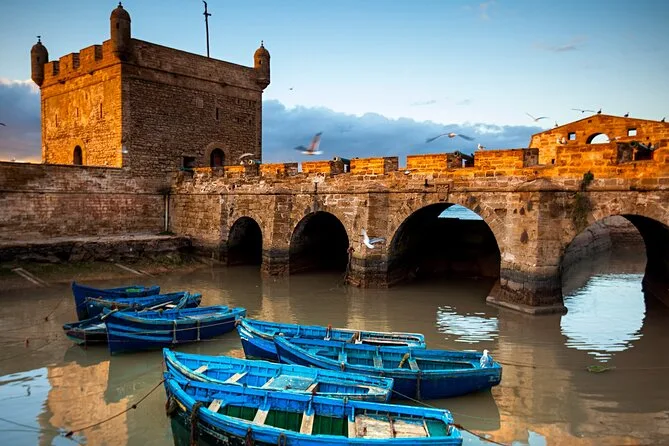
The Atlantic coast drive brought us through El Jadida’s old Portuguese ramparts (locals fishing off weathered stones) before reaching Essaouira—a breezy port town where gulls wheel above blue boats bobbing in harbor. Medina here is smaller but lively; I spent hours wandering ramparts or watching fishermen haul in sardines while kids played soccer on the beach nearby.
Last day was all mine—tried a hammam (steamier than expected!), picked up argan oil from a local women’s coop, then just sat by the sea eating grilled fish straight off paper plates until it was time to head back toward Marrakech airport.

What’s included
- Your 11-day journey covers all transfers by air-conditioned vehicle, ten nights’ accommodation in carefully chosen hotels or riads (including one magical night under canvas in a Sahara desert camp), guided tours led by locals in both Fes and Marrakech, plus an unforgettable camel trek across Erg Chebbi dunes at sunset.
- Breakfasts are included daily; special dinners are served during your desert stay.
- All entrance fees for listed attractions are covered—you just bring your curiosity!.
Operated by Tilila Travel
Traveler reviews
Compare the 13 similar options
 Morocco 11-Day Tour: Marrakech, Sahara Desert & Chefchaouen★ 4.95 (20)11dEN · DE +3US$ 2,283
 Marrakech to Merzouga: Sahara Desert 3-Day Tour & Camel CampFeel the High Atlas wind, wander Ait Ben Haddou, ride camels at sunset, and sleep under Sahara stars on a Marrakech to Merzouga tour with hotel pickup.★ 4.92 (1,766)3dEN · AR +2US$ 105View ›
 Half-Day Marrakech Tour: Jemaa el-Fna, Palaces & SouksHalf-day guided tour of Marrakech with skip-the-line access to Bahia Palace and Ben Youssef Madrasa★ 4.96 (532)3hEN · FRUS$ 25View ›
 Marrakech: Private Half-Day City Tour with Souks & Bahia PalaceLet Marrakech surprise you—explore Bahia Palace, wander the medina’s souks, and share mint tea with locals. Includes hotel pickup and private guide.★ 4.83 (547)3h–3h 30mEN · AR +1US$ 88View ›
 Marrakech Walking Tour: Bahia Palace, Mellah & SouksWalk Marrakech's medina with a licensed local guide for three hours, moving through Jemaa El Fna, the 16th-century Jewish Quarter★ 4.74 (23)3h–4hEN · ARUS$ 10View ›
 Marrakech to Merzouga Desert Tour: Camel Rides & CampThree-day guided tour from Marrakech through the High Atlas, Ait Ben Haddou and Todra Gorge to Merzouga's Erg Chebbi dunes with camel rides at sunset★ 4.91 (10,240)3dEN · AR +5US$ 129View ›
 Marrakech Walking Tour with Local Guide & Medina SightsWander Marrakech’s medina, Bahia Palace, and Jemaa el-Fna with a local guide. Includes language options and insider stories. Book your city walk now.★ 4.95 (39)3h 30mEN · ESUS$ 35View ›
 Marrakech: Private City Tour with Majorelle Garden & MedinaFeel the pulse of Marrakech on a private city tour—wander Jardin Majorelle, explore Bahia Palace, and dive into the souks with a local guide. Includes pickup.★ 4.80 (90)4h–8hENUS$ 26View ›
 Marrakech: Full Day Private Tour with Majorelle Garden & SouksSix-hour private Marrakech city tour covering Koutoubia Mosque, Bahia Palace, Ben Youssef Madrasa, Jewish Quarter and Djemaa El Fna souks. Local guide, hotel pickup included.★ 4.74 (211)6hEN · AR +4US$ 62View ›
 Marrakech: Majorelle Garden, Bahia Palace & Souks Private TourStart with the blue of Majorelle Garden, wander Bahia Palace mosaics, explore Marrakech’s souks & Mellah with a private guide and skip-the-line access.★ 4.93 (87)3h 30mENUS$ 159View ›
 Marrakech to Fes: 3-Day Sahara Desert Tour, Camel Trek & KasbahsFeel the shift from Marrakech’s bustle to Sahara silence, cross Atlas passes, ride camels at sunset in Merzouga, and sleep under desert stars. Includes pickup.★ 4.87 (6,720)3dEN · AR +2US$ 233View ›
 Merzouga & Erg Chabbi 3 Days Sahara Tour from MarrakechThree days crossing the High Atlas to the Sahara with camel rides at sunset and sunrise, two nights in traditional accommodation, and a guide in English★ 4.80 (156)3dEN · FR +1US$ 94View ›
 Marrakech to Merzouga: Sahara Desert Tour with Berber CampFeel the shift from Marrakech to Merzouga on a 4-day Sahara tour, ride camels, share tea with nomads, and sleep under desert stars. Includes pickup & all stays.★ 4.89 (311)4dEN · FR +1US$ 236View ›
Top questions
Is this Morocco tour suitable for families?
Yes! Families often join this trip—it works well for kids who enjoy new sights and gentle adventure (like camel rides). Infant seats are available if needed.
Are meals included during the tour?
Breakfast is included daily; some dinners are provided (like at the desert camp). For lunches and other dinners you’ll have plenty of options along the way—your guide can recommend great local spots.
How much walking is involved?
You’ll do some walking during city tours (especially in Fes and Marrakech) plus short treks at Todra Gorge or around Chefchaouen—but nothing too strenuous unless you want more hiking time on your own.
Can I join solo or do I need a group?
You can absolutely join solo! Many travelers come alone or as couples/friends—the group size stays small so it feels personal throughout.
Morocco 11-Day Tour: Marrakech, Sahara Desert & Chefchaouen
11d · EN · DE +3 · at your hotel
from US$ 2,283 per person
★★★★★★★★★★4.9520 reviewsVerified traveler reviews via our booking provider
