

 +507 6792-0894


Marrakech to Merzouga: Sahara Desert Safari, Camel Trek & Berber Camp




Summary
Atlas peaks, kasbah walls, camel steps and Berber rhythms—Sahara’s colors stay with you
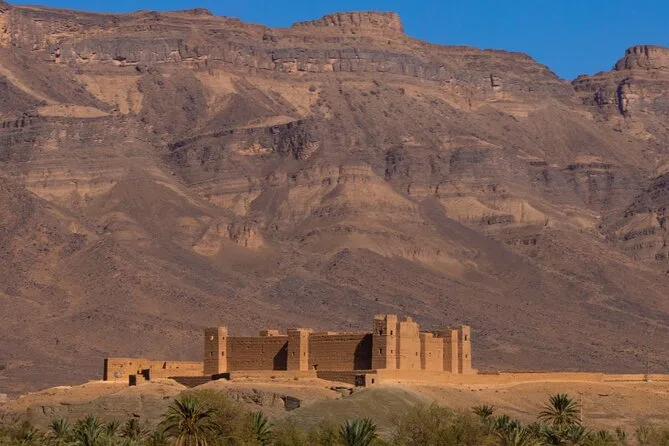
You’ll cross Morocco from Marrakech through winding mountain passes, ancient kasbahs like Ait Ben Haddou, rose-filled valleys and deep gorges before reaching Merzouga’s Sahara dunes. Ride camels at sunset, eat Berber food by firelight, hear Gnawa music in Khamlia village—and wake up with sand between your toes under a sky full of stars.

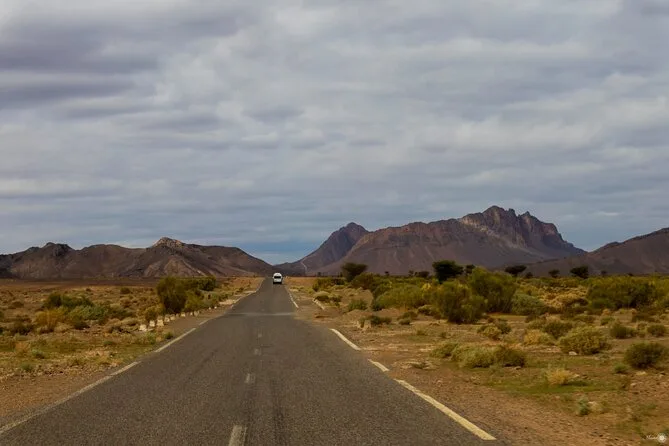
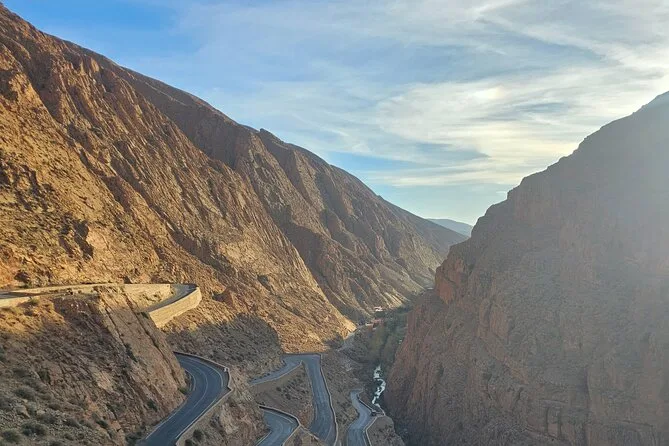
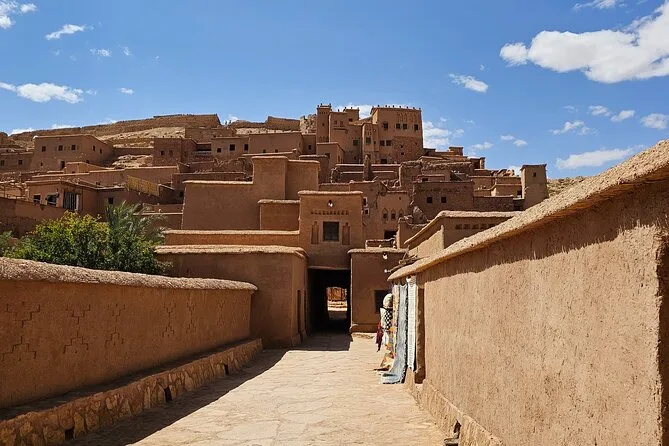
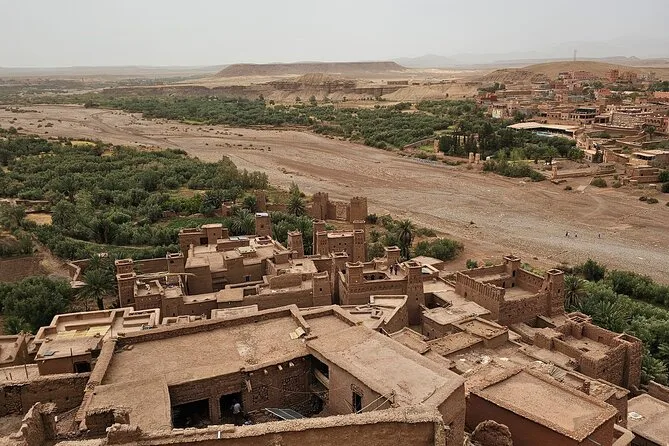
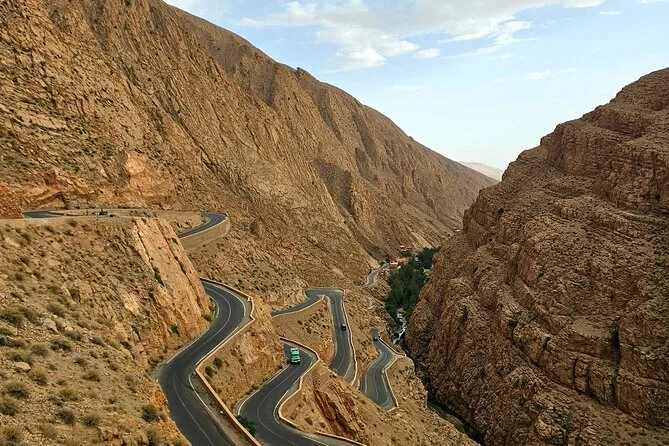
“You want to try the mint tea?” our driver Youssef grinned as we stopped at a roadside stall after leaving Marrakech. I nodded, even though my head was still spinning from watching tiny villages flicker past outside the window. The Atlas Mountains started rising fast — sharp, brown ridges with dots of green where someone’s goat wandered. The air smelled different up here, like dust and wild herbs. We zigzagged through Tizi n’Tichka pass and I tried not to look down too much (he just laughed when I asked if he ever got tired of these roads). Lunch was a tagine overlooking Ait Ben Haddou — those clay towers looked almost fake against the sky, but then a little boy ran across the rooftop and it felt real again.
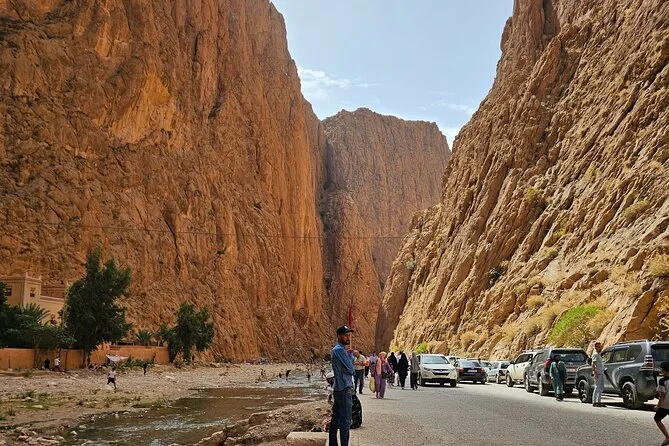
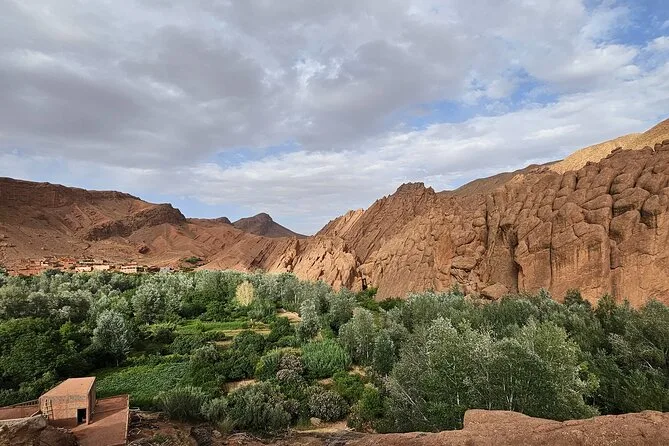
The Valley of Roses was quieter than I’d imagined. In May they say it smells like perfume everywhere but we were late; still, you could catch something floral on the breeze if you paid attention. Our guide stopped to show us how rose water is made — his hands moved quick, practiced. By Dades Gorge the light had gone soft and pink over the rocks. That night in Tinghir I lay awake listening to distant drums somewhere in town and wondered who was playing.
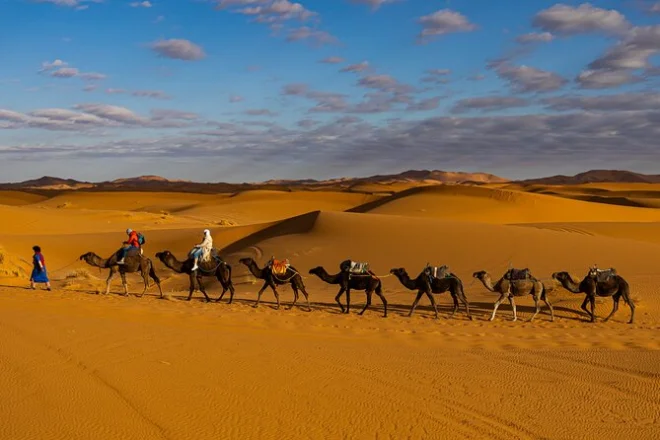
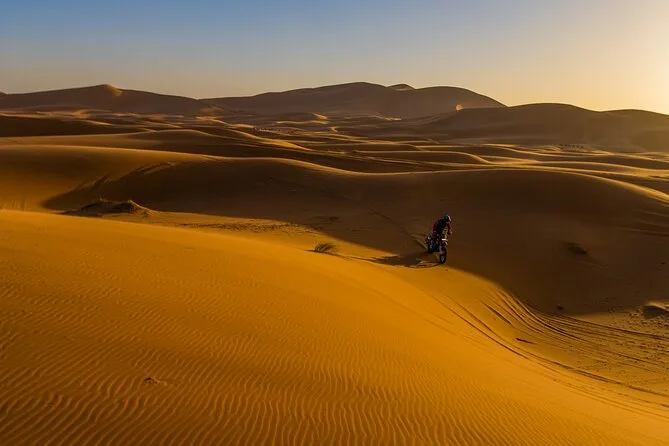
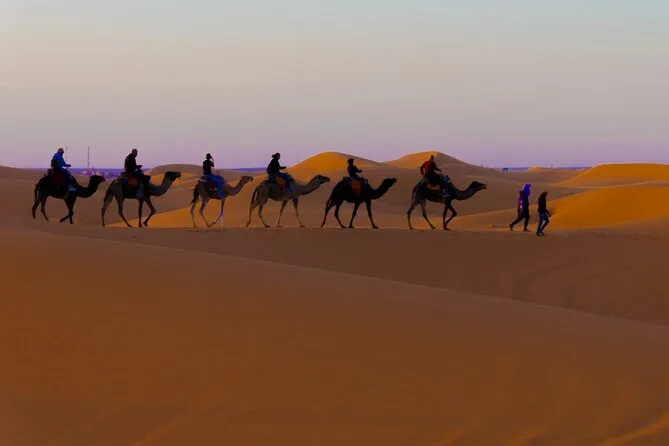
I didn’t expect to like riding a camel so much. Mine was called Bob Marley (no joke), and he kept turning his head as if checking if I was still there. The dunes at Merzouga are huge — bigger than any photo makes them look — and when we stopped for sunset it was just quiet except for wind and some laughter from another group trying sandboarding (I chickened out). Dinner at camp tasted smoky-sweet and everyone sat around the fire while our hosts played music under more stars than I’ve ever seen. It’s strange how fast you get used to sand everywhere — in your shoes, your hair — but it stops bothering you after a while.
The next morning we woke up early for sunrise (optional but honestly worth it) before heading out by 4x4 to visit Khamlia village. The Gnawa musicians played this hypnotic rhythm that stuck in my head for hours afterward. In Rissani market our guide insisted we try medfouna — “Berber pizza” — which was heavy but good after days of tagine. On the drive back toward Marrakech I watched the colors change out the window: gold dunes fading into rocky hills, then green valleys again as we crossed back through the High Atlas. You start to miss the desert before you’ve even left it.
 4d
4d

Step-by-step itinerary
Day 1 — Marrakech to Dades Valley via Atlas Mountains
- Pick up from Marrakech Riad/Hotel
- Travel across Tizi n'Tichka Pass
- Visit Kasbah of Ait Ben Haddou
- Enjoy Berber lunch with Kasbah view
- Explore Valley of Roses
- Arrive at Dades Valley
- Overnight stay in Tinghir area
- Berber dinner at hotel
Day 2 — Dades Valley to Merzouga Desert Camp
- Breakfast at hotel
- Drive through Dades Canyon and Berber villages
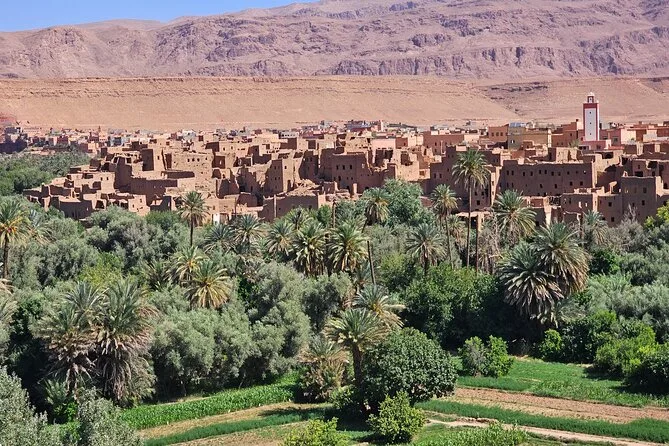
- Visit Todra Oasis and explore Tinghir
- Explore Todra Gorge
- Drive to Merzouga Desert
- Camel trek to Sahara Desert camp
- Enjoy sunset and sandboarding
- Berber dinner and overnight in desert camp
Day 3 — Merzouga Desert 4x4 Tour and Local Visits
- Optional sunrise camel trek
- Breakfast at desert camp
- Return to Merzouga by 4x4 or camel
- 4x4 tour to nomad settlement and Khamlia village
- Enjoy Gnawa music concert
- Visit Rissani market and historic sites
- Return to Merzouga
- Optional quad or buggy dune rides
- Relax and enjoy Berber dinner at hotel
Day 4 — Merzouga to Marrakech via Draa Valley
- Early breakfast at hotel
- Drive through desert landscape to Ouarzazate
- Stop for lunch at Kelaat Megouna
- Cross High Atlas Mountains via Tizi n'Tichka Pass
- View Berber villages and farms
- Arrive in Marrakech

Top questions

How long is the drive from Marrakech to Merzouga?
The journey takes about 9-10 hours by road with scenic stops along the way over two days.
Is hotel pickup included for this Sahara Desert tour?
Yes, pickup from your Marrakech hotel or riad is included at around 8:00 am on day one.
Will we sleep in a desert camp during this trip?
Yes, one night is spent in a luxury Berber camp among the Erg Chebbi dunes near Merzouga.
Are meals included on this 4-day Marrakech desert safari?
Breakfasts and dinners are included each day; lunch is available at local restaurants along the route.
Can children or people with limited mobility join this tour?
The tour is suitable for all fitness levels; wheelchair access and infant seats are available.
What activities are included besides camel trekking?
You’ll also experience a 4x4 tour of Erg Chebbi dunes, visit Khamlia village for Gnawa music, explore kasbahs and markets.
Is sandboarding possible during this Sahara trip?
Yes, sandboarding can be tried during your camel trek stop on the dunes near Merzouga.
What kind of accommodation is provided?
You’ll stay two nights in comfortable hotels/riads with views (Dades or Tinghir & Merzouga), plus one night in a luxury desert camp.

What’s included
Your four days include hotel pickup in Marrakech by air-conditioned vehicle, two nights’ accommodation in well-rated hotels or riads along Dades Valley and Merzouga, one overnight stay at a luxury Berber camp deep within Erg Chebbi dunes (with dinner under desert stars), guided camel trek at sunset (one per person), an off-road 4x4 excursion to meet nomad families and visit Khamlia village for live Gnawa music—and plenty of time for mint tea breaks along winding mountain roads before returning to Marrakech.
 Super deal
  Free booking, free cancellation.
  Don't lose your place.


 Do you need help planning your next activity?
  +507 6792-0894


