
Marrakech to Merzouga: Sahara Desert 3-Day Tour & Camel Camp
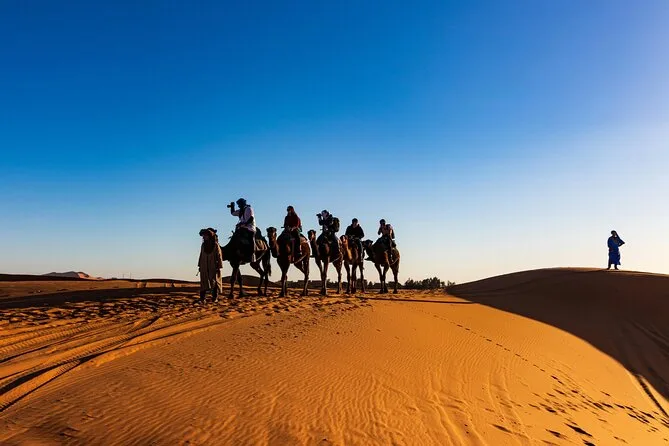

Atlas peaks kasbahs camel rides and Berber desert nights
You’ll cross Atlas mountain passes from Marrakech, explore ancient kasbahs like Ait Ben Haddou, ride camels into Merzouga’s Sahara dunes at sunset, and share dinner under desert stars with Berber hosts. Expect laughter around campfires, real Moroccan flavors at every stop, and a few surprises you’ll remember long after you’re home.
 3d
3d

Step-by-step itinerary
Day 1 — Marrakech to Tinghir via Atlas Mountains
- Meet driver at Jamaa El Fnaa
- Drive over Tizi n'Tichka pass
- Stop for photos at Atlas Mountains
- Visit Ait Ben Haddou Kasbah
- Photo stop at Atlas Studios
- Short break at Roses Valley viewpoint
- Panoramic stop in Dades Valley
- Overnight in Tinghir hotel
Day 2 — Tinghir to Merzouga Desert Camp
- Breakfast in Tinghir
- Visit Todgha Gorges and grove
- Drive through Tinejdad to Erfoud
- Arrive at Merzouga dunes
- Camel ride into desert dunes
- Dinner and overnight in desert camp
Day 3 — Merzouga to Marrakech via Roses Valley
- Early breakfast in desert camp
- Drive to Kelaat Mgouna Roses Valley
- Lunch stop in Roses Valley
- Pass through Ouarzazate
- Drive over Tizi n'Tichka pass
- Return to Marrakech accommodation

The Experience
We were already winding up the Tizi-n'Tichka pass when I realized how far Marrakech felt — not just in distance but in mood. The road climbed and twisted, and the air got colder, sharper. Our driver, Youssef, pointed out a tiny village clinging to the hillside and said his cousin lived there. I tried to imagine daily life at 2,200 meters. We stopped for mint tea somewhere above the clouds (or so it seemed), and I remember the cup was warm against my hands while the wind felt like it could blow right through you.
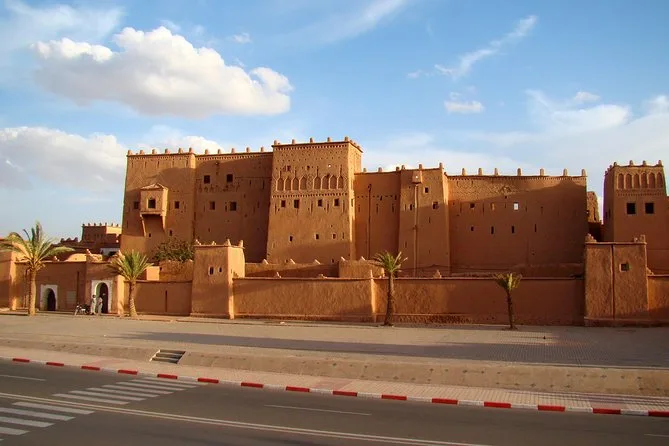
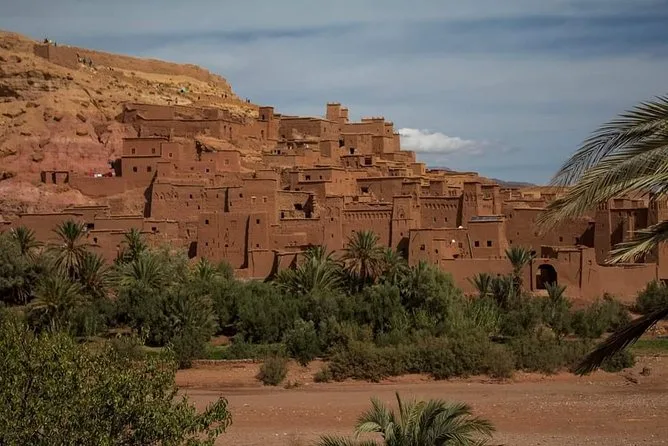
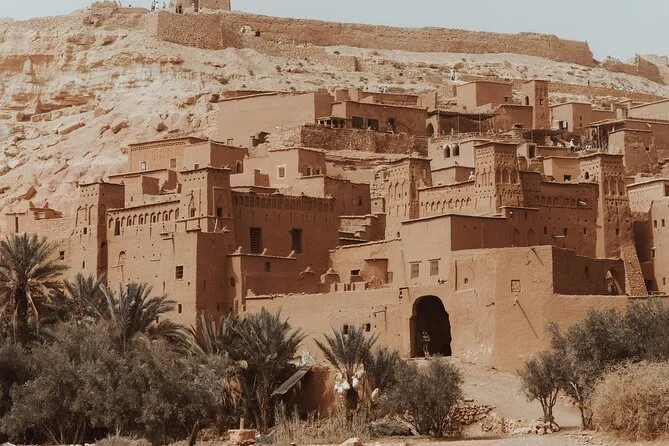
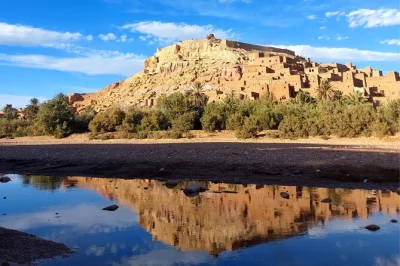
Ait Ben Haddou was next — that famous mud-brick maze where Gladiator was filmed (Youssef listed off all the movies; he’s proud of that). Crossing the shallow river barefoot made me laugh — water colder than expected — and then we wandered through narrow alleys with painted doors. An old man waved from a rooftop. Lunch was tagine with saffron and something citrusy; I still think about that flavor sometimes. Later, in Dades Valley, the light turned golden on all those weirdly folded rocks. We stayed in a riad with thick walls and carpets everywhere; I slept hard after all that driving.
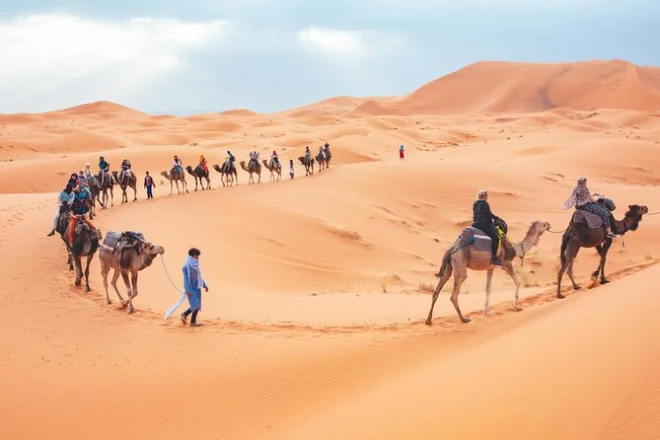
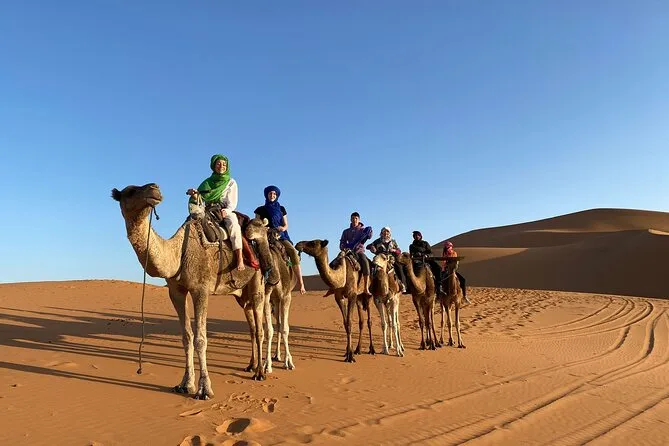
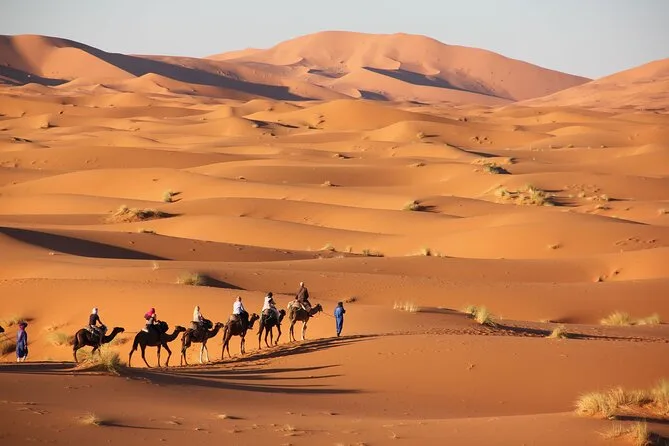
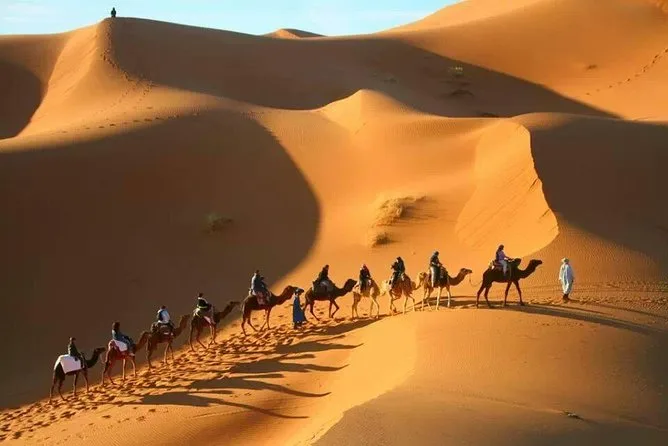
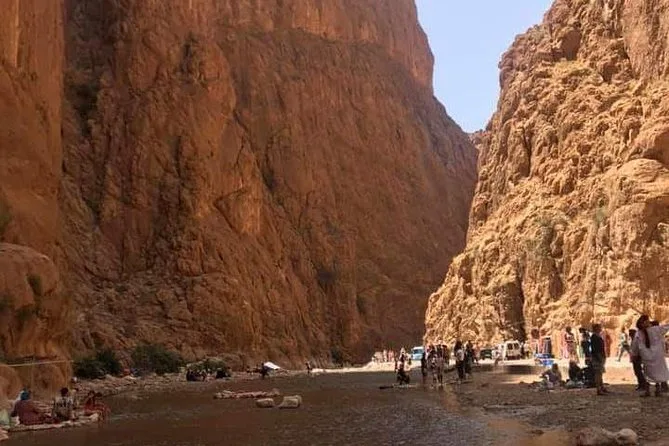
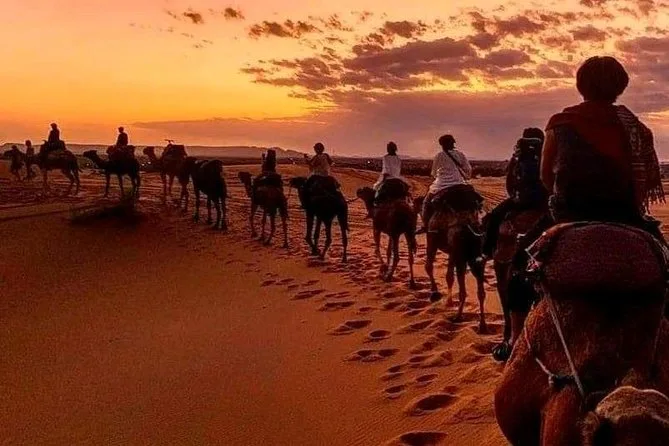
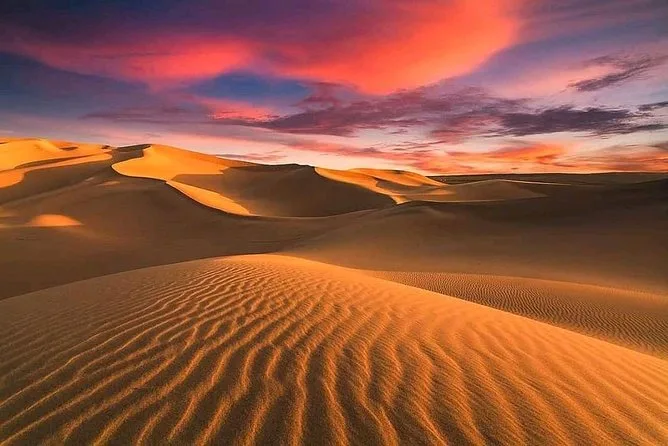
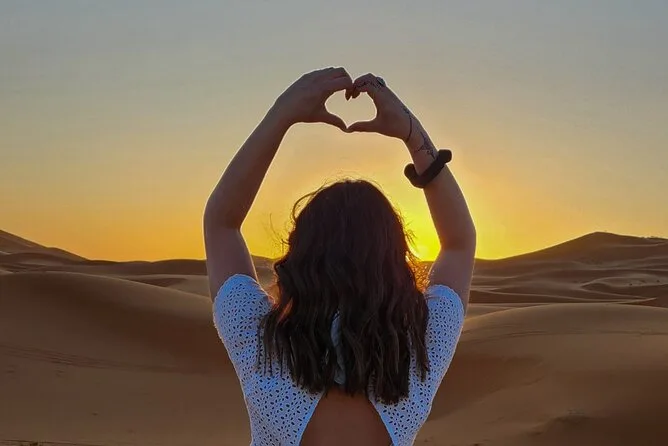
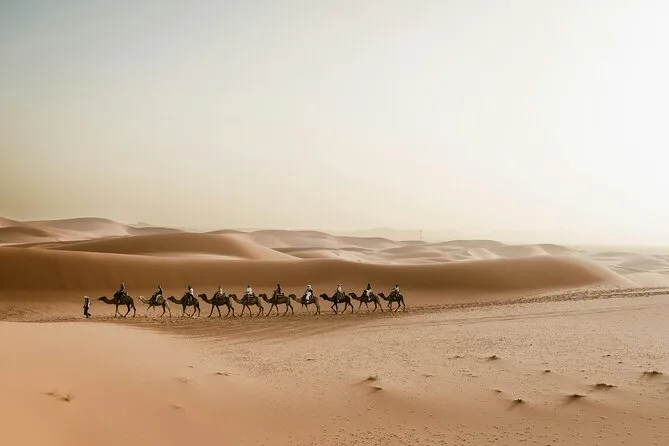
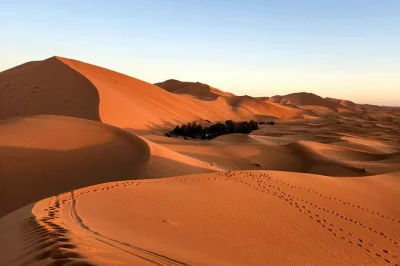
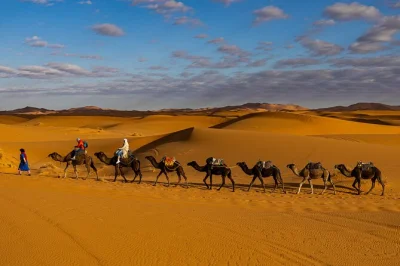
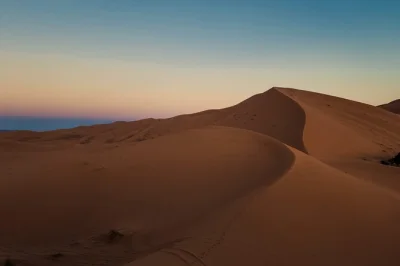
The next day was mostly road until Todgha Gorge — vertical cliffs echoing with kids’ voices bouncing off stone. There’s a sort of hush there between bursts of laughter or passing cars. Somewhere past Erfoud, sand started sneaking into everything: shoes, camera bag, even my pockets. By late afternoon we reached Merzouga and swapped wheels for camels. My camel was called Bob Marley (not kidding). Riding into Erg Chebbi dunes at sunset felt surreal — orange sand swallowing sound except for distant drums from camp.
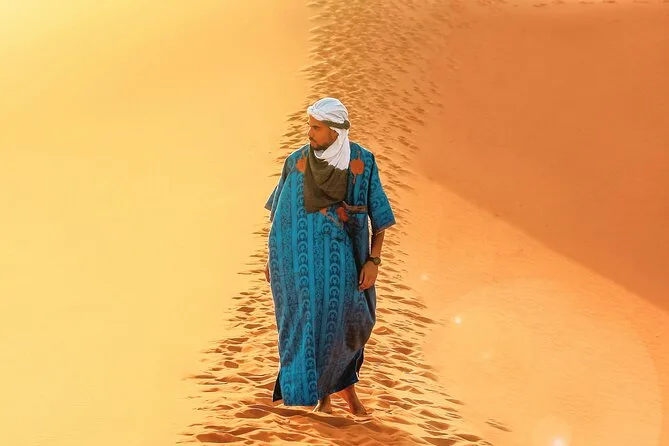
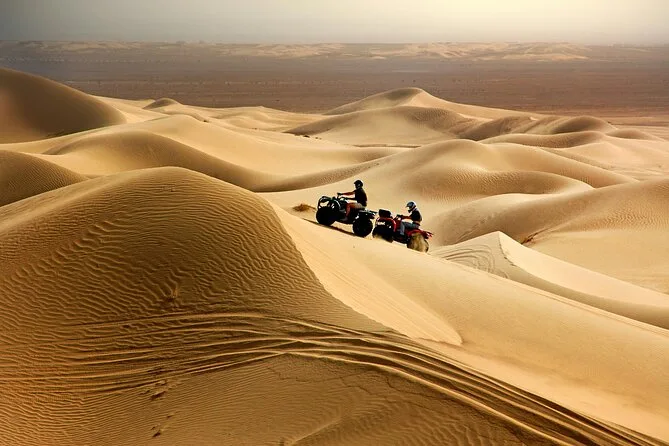
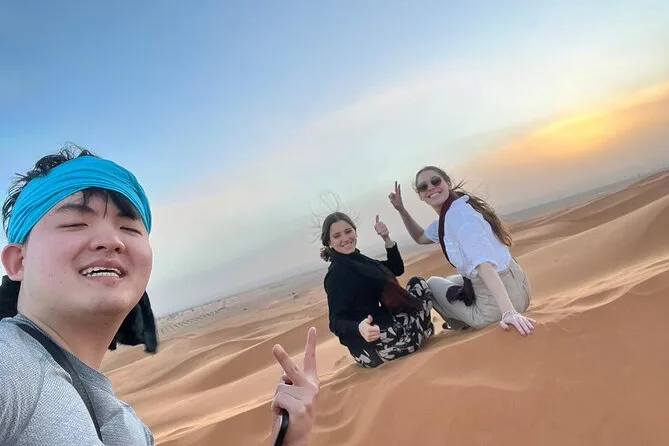
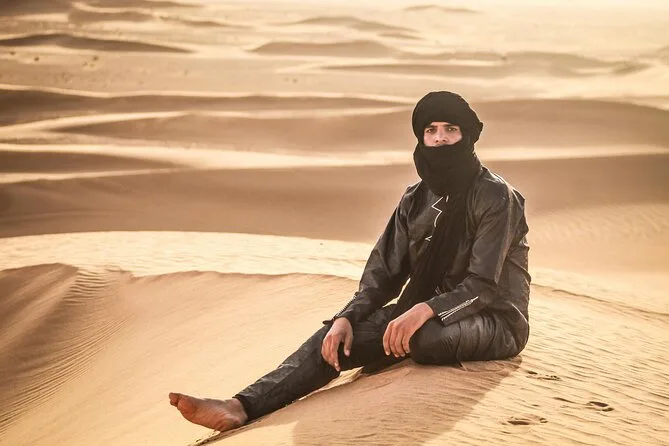
Night in the Sahara is another world: stars everywhere, Berber guides singing by firelight, dinner served inside a tent heavy with spice smells. I tried sandboarding (badly) and laughed until my sides hurt. The silence after everyone went to bed was almost loud — just wind brushing over canvas and sand shifting underfoot. Woke up early to watch sunrise paint everything pink before heading back toward Marrakech through Roses Valley. Still half-asleep but happy.

What’s included
Your three days include hotel pickup from Marrakech, air-conditioned transport across mountain passes and valleys with plenty of scenic stops (and tea breaks), guided walks through historic sites like Ait Ben Haddou Kasbah, an overnight stay in both a comfortable riad and a desert camp near Merzouga with dinner under Saharan stars—plus camel rides into the dunes and even sandboarding if you’re feeling brave.
Operated by Morocco Tour Experience
Traveler reviews
Compare the 13 similar options
 Marrakech to Merzouga: Sahara Desert 3-Day Tour & Camel Camp★ 4.92 (1,766)3dEN · AR +2US$ 105
 Marrakech to Merzouga Desert Tour: Camel Rides & CampThree-day guided tour from Marrakech through the High Atlas, Ait Ben Haddou and Todra Gorge to Merzouga's Erg Chebbi dunes with camel rides at sunset★ 4.91 (10,240)3dEN · AR +5US$ 129View ›
 Marrakech to Fes: 3-Day Sahara Desert Tour, Camel Trek & KasbahsFeel the shift from Marrakech’s bustle to Sahara silence, cross Atlas passes, ride camels at sunset in Merzouga, and sleep under desert stars. Includes pickup.★ 4.87 (6,718)3dEN · AR +2US$ 233View ›
 3-Day Merzouga Desert Tour: Camel Rides & Desert CampThree-day Atlas Mountains trek to the Sahara with camel rides across Erg Chebbi dunes and overnight in a traditional desert camp, including all transport and meals.★ 4.90 (1,941)3dEN · AR +8US$ 145View ›
 Marrakech to Merzouga: Sahara Desert Tour with Berber CampFeel the shift from Marrakech to Merzouga on a 4-day Sahara tour, ride camels, share tea with nomads, and sleep under desert stars. Includes pickup & all stays.★ 4.89 (311)4dEN · FR +1US$ 236View ›
 Marrakech to Fes: 3-Day Desert Tour & Luxury Camp3-day Marrakech to Fes desert tour with camel ride, Erg Chebbi dunes, Todra Gorge, and luxury camp overnight. Includes hotel pickup, guide, meals.★ 4.76 (117)3dEN · AR +8US$ 221View ›
 Marrakech to Merzouga: 3-Day Desert Tour & Luxury Camp3-day Sahara Desert tour from Marrakech to Merzouga with camel trek, Todra Gorge, Aït Benhaddou, and overnight luxury camp. Includes transport, meals, guide.★ 4.97 (175)3dEN · AR +3US$ 120View ›
 3-day Marrakech to Merzouga desert tour with camel trek and campThree-day Marrakech to Merzouga desert tour with Atlas Mountains, camel trekking, Bedouin camp night, Aït Ben Haddou Kasbah and Todra Gorge★ 4.93 (433)3dEN · AR +2US$ 187View ›
 Ouarzazate Day Trip: Ait Ben Haddou Kasbah & Film StudiosFull-day trip from Marrakech to Ouarzazate with a professional driver, crossing the Atlas Mountains at Tizi-n'Tichka Pass, walking the UNESCO kasbah★ 4.70 (2,115)11h–12hEN · AR +2US$ 25View ›
 Marrakech to Merzouga: Sahara Desert Safari, Camel Trek & Berber CampWake up in Marrakech, cross the Atlas Mountains, wander Ait Ben Haddou, ride camels at sunset in Merzouga and sleep under desert stars. Includes pickup & all stays.★ 4.98 (244)4dEN · AR +2US$ 562View ›
 Marrakech: Merzouga Desert & Ait Ben Haddou 3-Day Tour3-day desert tour from Marrakech with camel ride, luxury camp, Ait Ben Haddou UNESCO site & Atlas Mountains. Includes transport, meals, local guides.★ 4.97 (515)3dEN · AR +3US$ 152View ›
 Marrakech to Sahara: 4-Day Private Desert Tour & Camel TrekFeel the quiet magic of Morocco’s Sahara on a private 4-day tour from Marrakech with camel trekking, kasbahs, and nights in desert tents. Includes pickup and meals.★ 4.98 (93)4dEN · AR +2US$ 600View ›
 Marrakech to Merzouga: 3-Day Sahara Desert Tour & Camel RideTravel from Marrakech to Merzouga with a local guide, crossing the Atlas Mountains, exploring Ait Ben Haddou, and riding camels into the Sahara. Includes hotel pickup and all accommodations.★ 4.87 (38)3dEN · FR +1US$ 535View ›
Top questions
How long does it take to get from Marrakech to Merzouga?
The journey from Marrakech to Merzouga takes about two days with sightseeing stops along the way; you arrive at the desert camp on the second evening.
Is camel trekking included in this Sahara Desert tour?
Yes, camel trekking through Erg Chebbi dunes is included as part of your stay near Merzouga.
Where do we sleep during this 3-day tour?
The first night is in a hotel or riad near Tinghir or Dades Valley; the second night is in a desert camp in Merzouga.
Are meals provided during the trip?
Yes, authentic Moroccan meals are included throughout the tour—expect tagines and local specialties.
What landmarks do we visit between Marrakech and Merzouga?
You’ll see Tizi-n'Tichka Pass, Ait Ben Haddou Kasbah, Dades Valley, Todgha Gorge, Erfoud, and Roses Valley along the route.
Is hotel pickup available for this tour?
Yes, hotel pickup from Marrakech is included at the start of your journey.
What should I pack for an overnight Sahara camp?
Bring layers for cool nights in the desert plus sun protection for daytime; sand gets everywhere so zip bags help!
Is this trip suitable for families or children?
The tour is suitable for most ages; specialized infant seats are available if needed.
Marrakech to Merzouga: Sahara Desert 3-Day Tour & Camel Camp
3d · EN · AR +2 · at your hotel
from US$ 105 per person
★★★★★★★★★★4.921,766 reviewsVerified traveler reviews via our booking provider
