
Sahara Desert 3-Day Tour: Camel Trek & Kasbahs from Marrakech
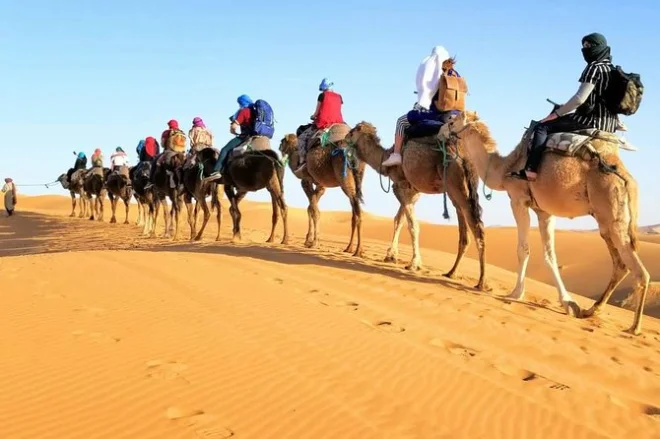
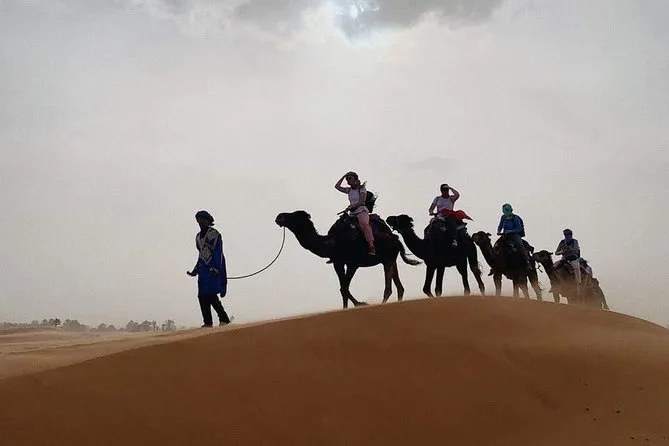
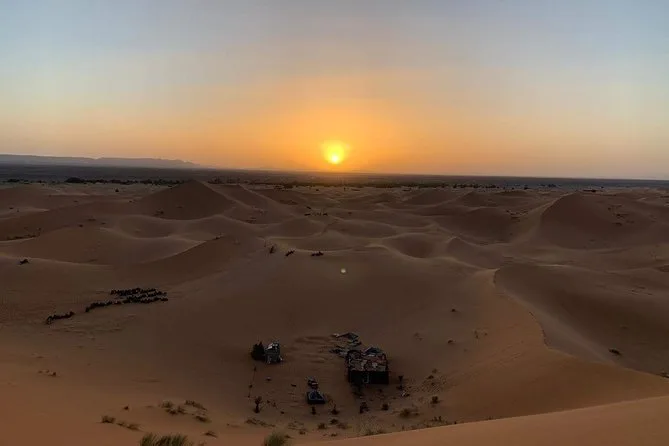
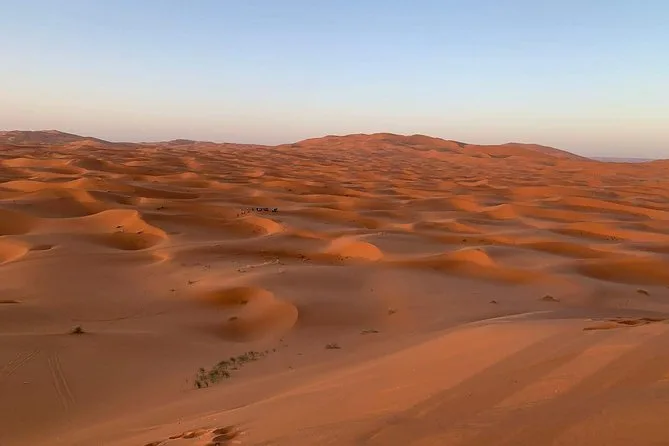
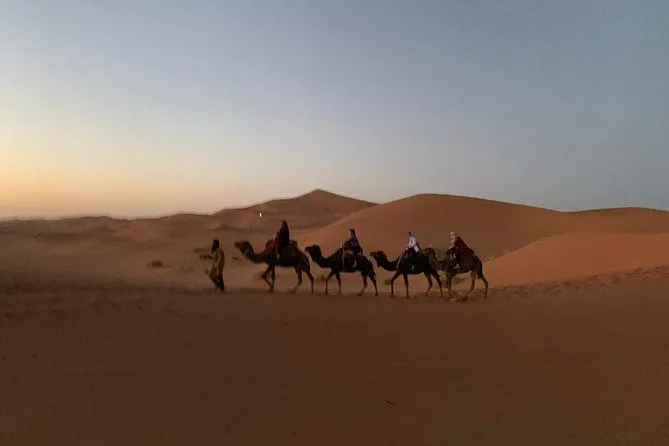
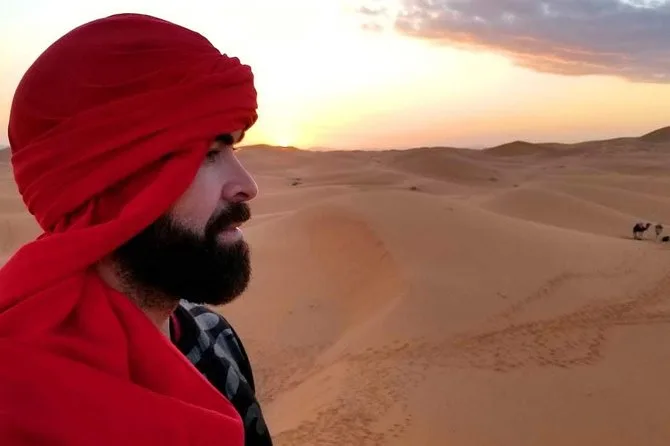
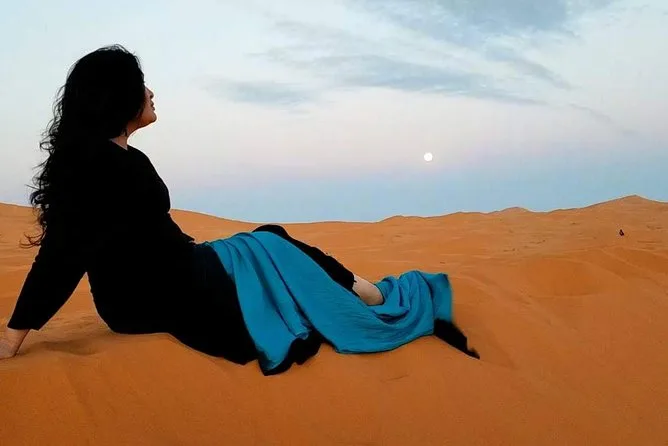
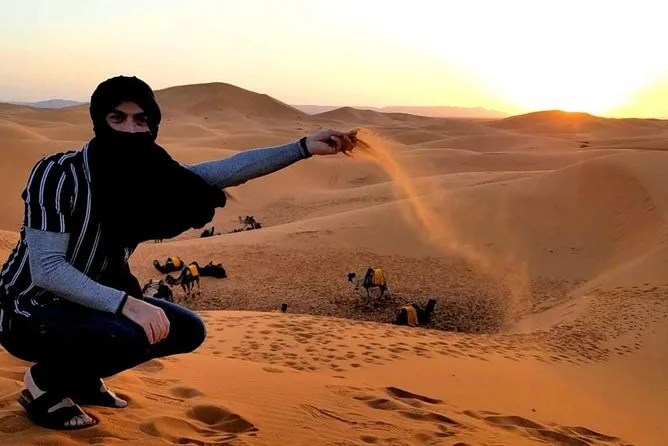
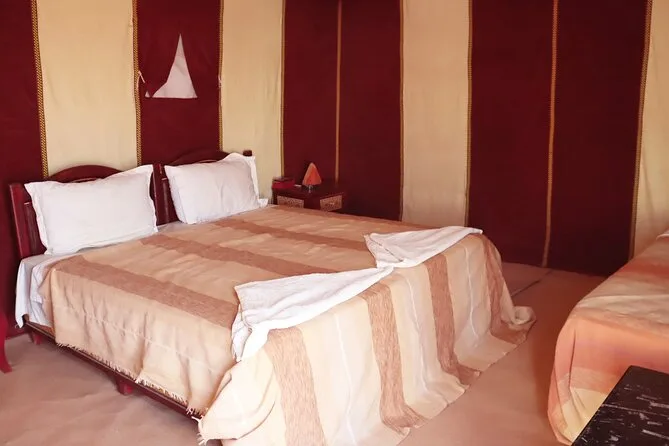
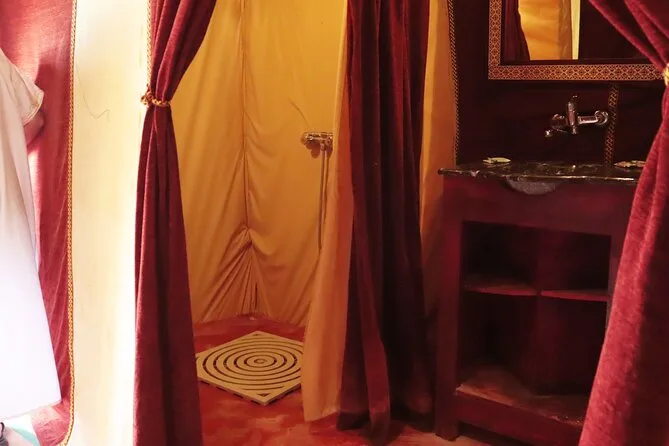
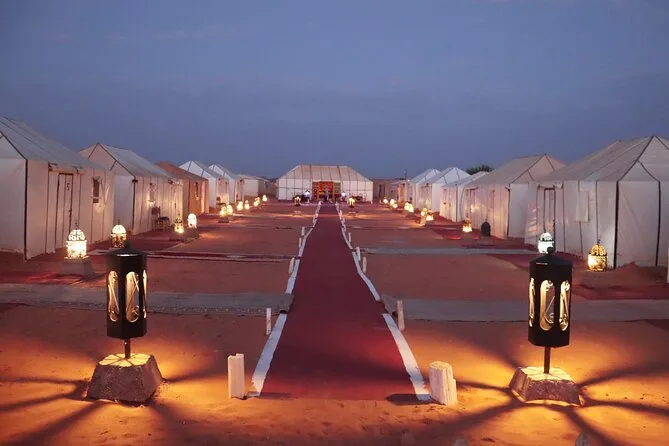
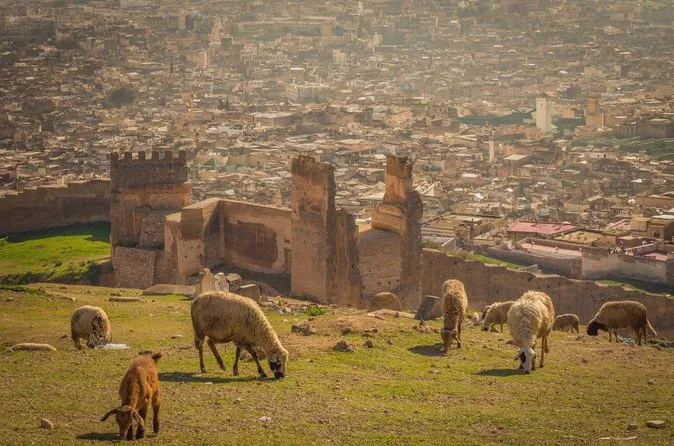
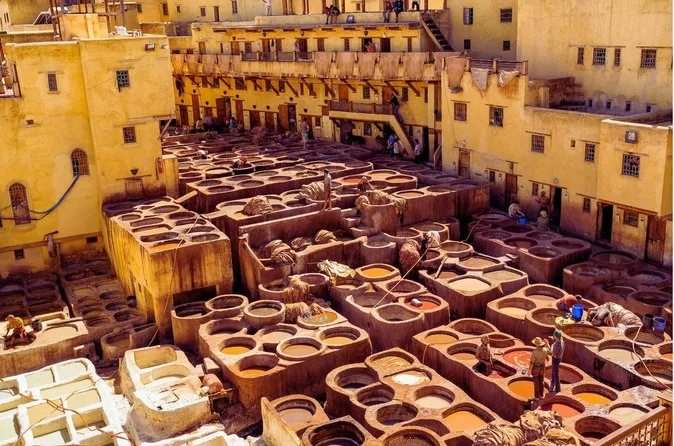
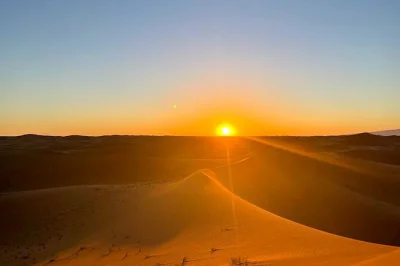
Sahara desert camp night, Berber drumming, traditional dinner, camel ride at sunrise
This 3-day guided tour departs Marrakech, crosses the High Atlas through Berber villages and the UNESCO-listed Aït Benhaddou kasbah, descends into the Todgha Gorge with its dramatic limestone cliffs, and ends in Fes after a night under the stars in Erg Chebbi's desert camp. The route includes two hotel nights (one in Kelaa Mgouna, one in the Sahara), camel treks at sunset and sunrise, sandboarding on golden dunes, and a traditional Moroccan breakfast. A driver-guide leads the group in English, Spanish or French, with pickup from your Marrakech hotel and drop-off in Fes by early evening on day three. Lunch is included with the lunch option. Otherwise, bring cash for meals along the route.
Compare the 12 alternatives
 Marrakech to Merzouga Desert Tour: Camel Trek & VillagesEvery day · 06:30, 07:00 and 07:30 · All ages★ 4.84 (173)3dEN · FR · ESUS$ 120View ›
 Marrakech: Atlas Mountains 4 Valleys & Camel RideEvery day · 09:00 and 10:00★ 4.85 (1,599)8hEN · AR · FRUS$ 17.18View ›
 Marrakech to Fez: 4-Day Desert & Gorges with Camel TrekEvery day · 07:00, 07:30 and 09:00 · All ages★ 4.73 (95)4dEN · FR · ESUS$ 370View ›
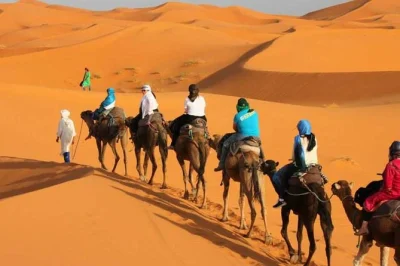 3-Day Desert Tour from Marrakech to Merzouga: Camel Trek & DunesEvery day · 07:30 · All ages★ 4.89 (12,581)3dEN · FR · ESUS$ 115View ›
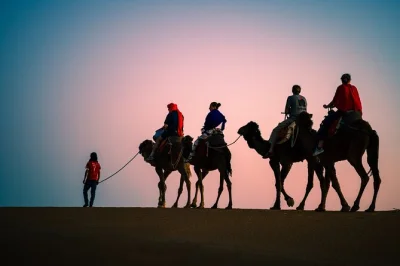 Marrakech to Fes Desert Tour: Atlas Mountains, Kasbahs & SaharaEvery day · 07:00 · All ages★ 5.00 (29)3dEN · AR · PT · FR +1US$ 172View ›
 Marrakech to Fes: 3-Day Sahara Desert Tour, Camel Trek & KasbahsEvery day · 07:30 · All ages★ 4.87 (6,753)3dEN · AR · FR · ESUS$ 228View ›
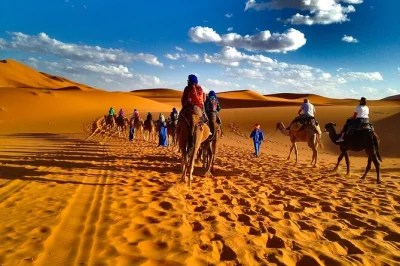 Marrakech to Merzouga: 3-Day Desert Tour & Camel TrekEvery day · 07:30★ 4.94 (16)3dEN · FR · ESUS$ 252View ›
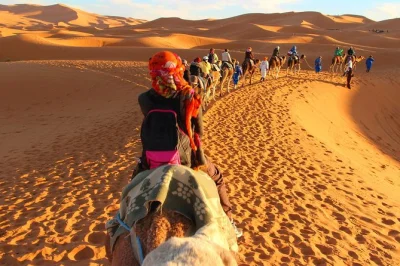 Marrakech to Merzouga: 3-Day Desert Tour & Camel RideEvery day · 07:00 · All ages★ 4.74 (1,849)3dEN · FR · ESUS$ 137View ›
 Marrakech to Merzouga 3-Day Desert Tour: Camel Trek & CampEvery day · 07:00★ 4.94 (1,605)3dEN · FR · ESUS$ 114View ›
 Marrakech to Merzouga Desert Tour: Camel Rides & Berber CampEvery day · 07:00 and 07:30★ 4.83 (107)3dUS$ 105View ›
 3-day Marrakech to Fes desert tour with camel trekEvery day · 07:00 · All ages★ 4.89 (1,179)3dEN · PT · FR · ESUS$ 195View ›
 Morocco Desert Tour Marrakech to Fez: Camel Rides MerzougaEvery day · 07:00 and 07:30 · All ages★ 4.54 (70)3dEN · AR · FR · ESUS$ 160View › Compare more experiences like this »
Step-by-step itinerary
Day 1: Marrakech to Kelaa Mgouna via Ait Ben Haddou
- Cross Tizi n’Tichka Pass
- Visit UNESCO Ait Ben Haddou
- Lunch at nearby café
- Drive through Ouarzazate
- Arrive at kasbah hotel in Kelaa Mgouna
- Dinner at hotel
Day 2: Kelaa Mgouna to Merzouga Desert
- Explore Tinghir oasis and villages
- Visit Todgha Gorges
- Free time to explore area
- Camel ride on Erg Chebbi dunes
- Sandboarding and sunset photo break
- Check into desert camp tent
- Traditional dinner and Berber music
Day 3: Merzouga to Fes via Midelt and Ifrane
- Sunrise camel ride on dunes
- Traditional Moroccan breakfast
- Drive through Ziz Valley with stop
- Lunch in Midelt
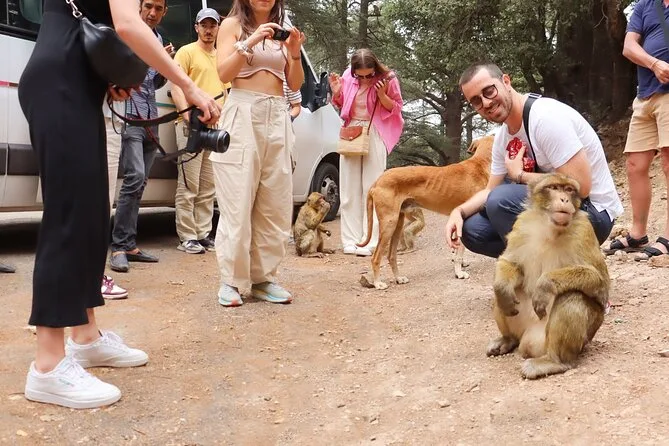
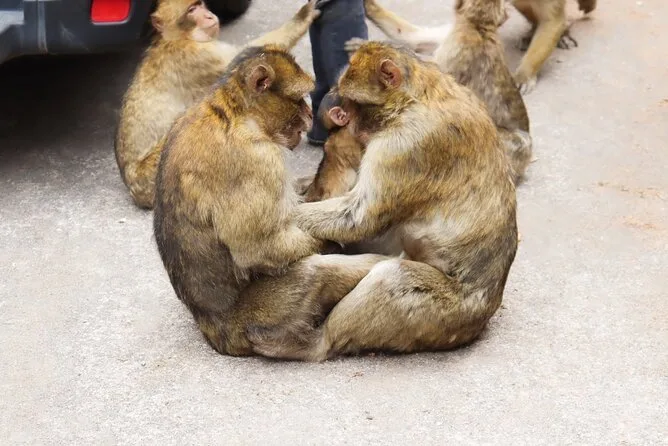
- Explore cedar forests and Barbary macaques
- Drive through Ifrane
- Drop-off at hotel or riad in Fes
The experience
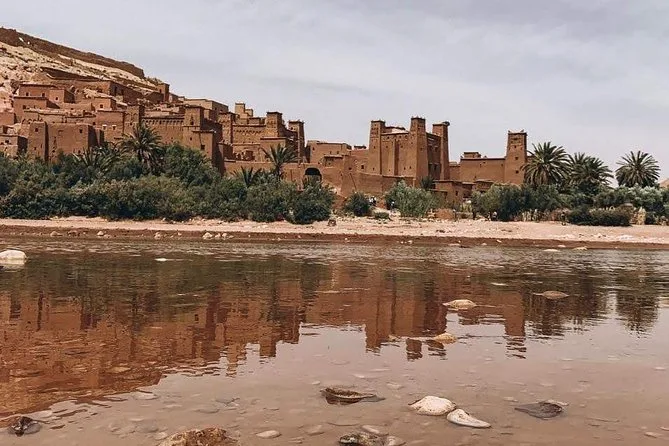
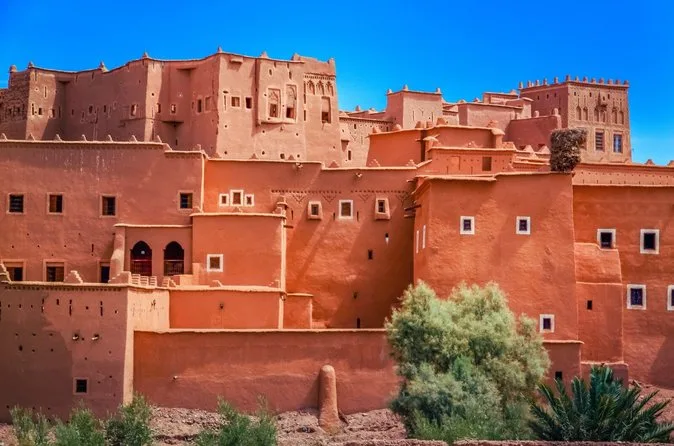
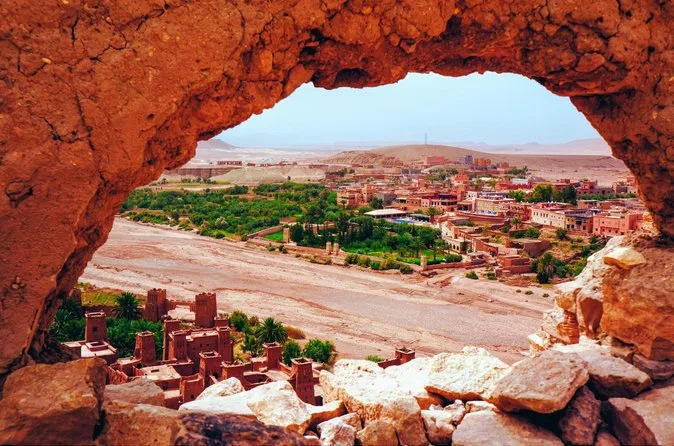
Day one leaves Marrakech at 7 a.m. and climbs the Tizi n'Tichka Pass through terraced valleys and traditional Berber villages, then arrives at the UNESCO-listed Aït Benhaddou kasbah: the clay fortress used in films like Gladiator and Game of Thrones. After free time for lunch at a nearby café, the route continues through Ouarzazate along the Road of 1,001 Kasbahs and reaches Kelaa Mgouna by evening, where you stay in a hotel with a private room and ensuite bathroom.
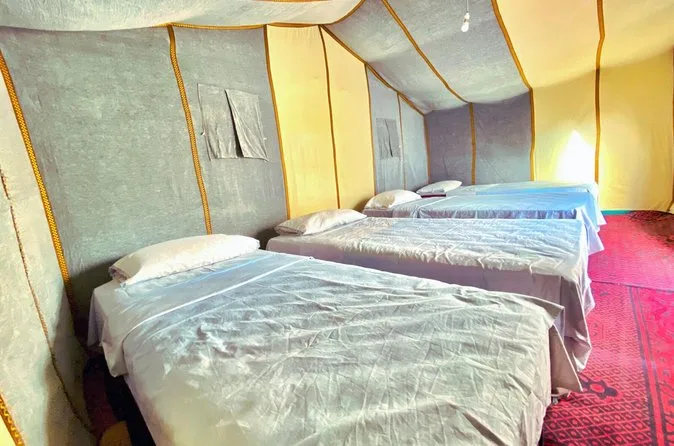
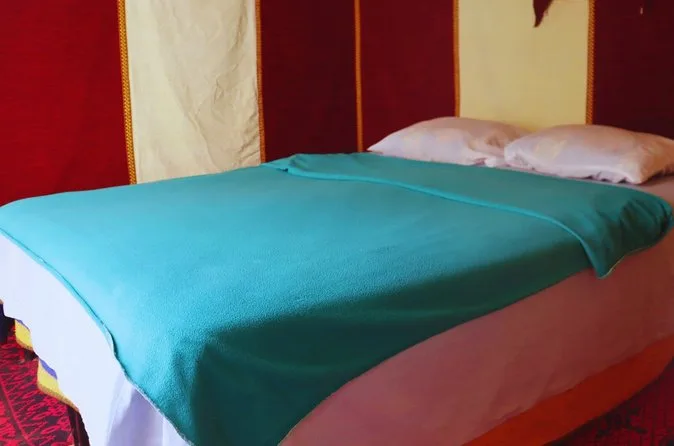
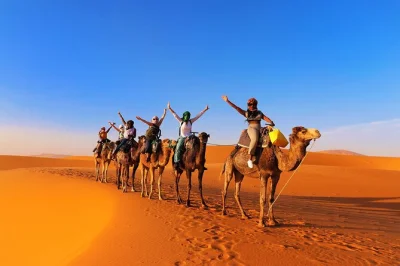
Day two moves east through the Tinghir oasis and its surrounding villages, then into the Todgha Gorge, where limestone cliffs rise dramatically on both sides. After exploring the gorge, you mount a camel for a 45- to 60-minute ride across the Sahara toward Erg Chebbi, with a stop for sandboarding on the golden dunes and a sunset photo break. The desert camp awaits with a private or standard tent (depending on your option), an ensuite or shared bathroom, a traditional dinner, and live Berber music and drumming around the campfire.
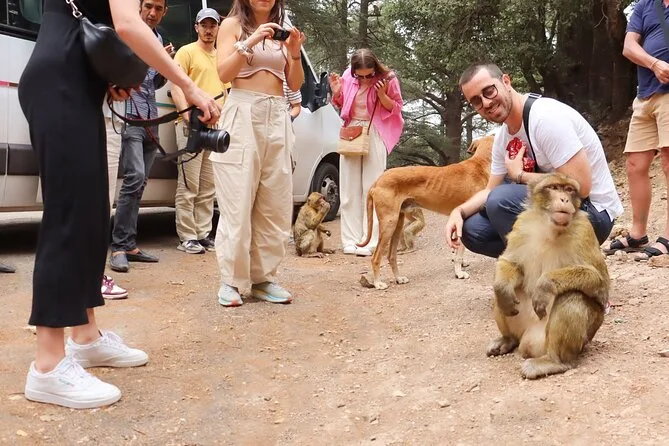
Day three begins with a sunrise camel ride and a traditional Moroccan breakfast, then heads north through the Ziz Valley's palm groves and ancient villages. You'll stop in Midelt for lunch, pass through the cedar forests of the Middle Atlas to spot Barbary macaques in their natural habitat, and drive through Ifrane, known as Morocco's "Little Switzerland", before arriving in Fes by early evening. The tour includes AC transportation with onboard Wi-Fi, a dedicated desert accompanist on-site, and hotel or riad pickup in Marrakech with drop-off at your accommodation in Fes.
What’s included
- The tour includes AC transportation with onboard Wi-Fi and a driver-guide in English, Spanish or French.
- hotel pickup in Marrakech and drop-off in Fes.
- two nights' accommodation (one in a hotel in Kelaa Mgouna with a private room and ensuite bathroom, one in a standard or luxury desert tent in Erg Chebbi).
- sunset and sunrise camel rides across Erg Chebbi with a sandboarding stop.
- a traditional Moroccan breakfast on day three.
- live Berber music and drumming at the desert camp.
- and a dedicated desert accompanist on-site. Lunch is included only with the lunch option.
Options for this experience
4 optionsYou pick the guide language when booking.
Before you book
Prices and times updated yesterday
Operated by Ando Travel SARL
Is this one for you?Choose the standard camp if you want the full desert experience at a lower price. The luxury camp option adds a private ensuite bathroom and upgraded tent comfort. If you're traveling with infants, specialized seats are available, and infants can sit on an adult's lap. The tour suits all fitness levels, though it's not recommended for pregnant travelers, and camel riding is optional. You can walk alongside the caravan instead.
Traveler reviews
Top questions
What languages is the guide in?
Live guide in English, Spanish and French.
Can children come?
Yes. Ticket types: Child (5 to 12 years); Infant (under 5): free.
What is Aït Benhaddou and why is it on this tour?
Aït Benhaddou is a UNESCO-listed kasbah, a clay fortress, famous as a filming location for Gladiator, Lawrence of Arabia, and Game of Thrones. It sits on day one of the route between Marrakech and the desert, and you have free time to explore it and eat lunch nearby.
How long is the camel ride across Erg Chebbi?
The camel trek lasts approximately 45 to 60 minutes each way. You ride at sunset on day two and again at sunrise on day three. Walking alongside the caravan is available if you prefer not to ride.
What happens at the desert camp in Erg Chebbi?
You stay overnight in a private or standard tent with a bathroom (private ensuite or shared, depending on your option), eat a traditional Moroccan dinner, and enjoy live Berber music and drumming around a campfire under the stars.
Are meals included in the price?
Lunch is included only if you select the option that adds three lunches. Otherwise, bring cash (EUR or MAD) for meals along the route, which cost about €10–€13 per meal. A traditional breakfast is included on day three before the sunrise camel ride.
What should I pack for the desert?
Pack a small overnight bag for the desert camp. Your main luggage stays safely stored in the vehicle. Desert temperatures vary (hot during summer and cold at night in winter), so bring suitable layers. The tour runs from 7 a.m. on day one to approximately 7 p.m. on day three in Fes.
Can I add activities like quad biking at the desert camp?
Yes, optional extras are available on-site: quad biking costs from €40 per quad, and a local guide is available for €2 per person. These are not included in the tour price.
Sahara Desert 3-Day Tour: Camel Trek & Kasbahs from Marrakech
3d · EN · ES · FR
from US$ 178 per person
4.75165 reviewsVerified traveler reviews via our booking provider