

 +507 6792-0894


9-Day Morocco Private Tour: Fez, Chefchaouen & Sahara Camp


Summary
Private Morocco Journey: Imperial Cities, Blue Town & Desert Camp
You’ll walk ancient medinas, ride camels into Saharan dunes at sunset, taste real tagine under desert stars, and get lost (in a good way) among blue-washed alleys or lively souks—with local guides sharing stories every step.

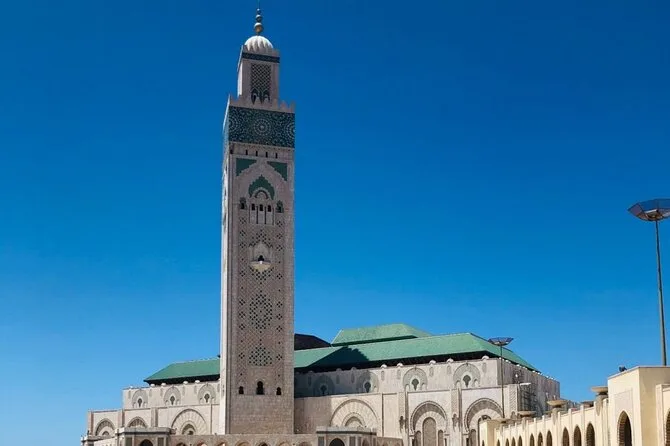
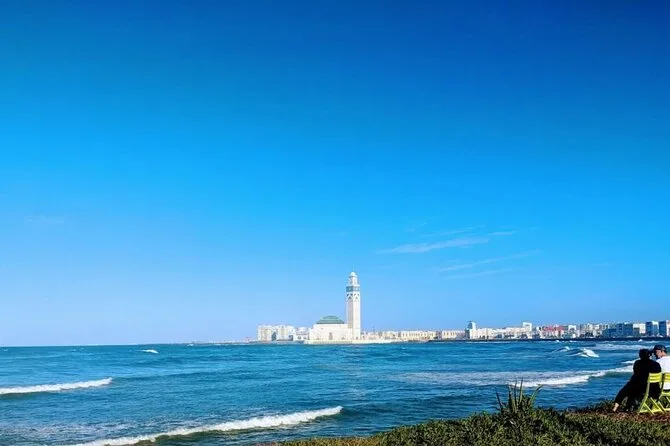
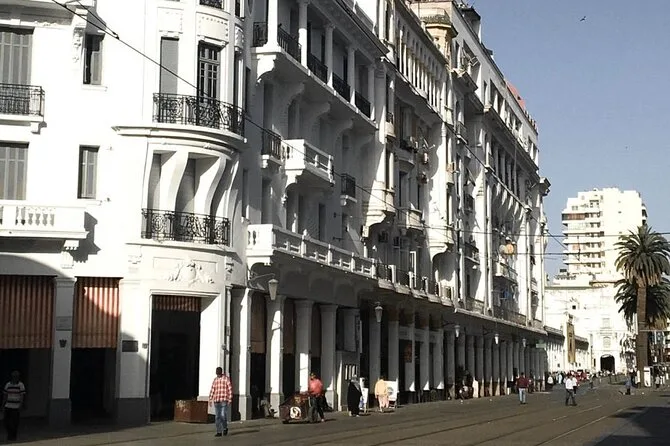
The first thing that hit me stepping out at Casablanca airport was the salty air—mixed with a hint of exhaust and fresh bread from a nearby vendor. Our driver was waiting right outside arrivals, holding a little sign with my name. We didn’t waste much time; after a quick chat about flight delays (he shrugged—“it’s always like this”), we drove straight to the Hassan II Mosque. The place is massive—part of it juts out over the Atlantic. I remember standing there, shoes off, feeling cool marble under my feet while our guide explained how the minaret is actually the tallest in the world. Later that afternoon, we cruised up to Rabat. It’s quieter than Casablanca but feels official somehow—maybe because of all those government buildings and palm-lined boulevards.
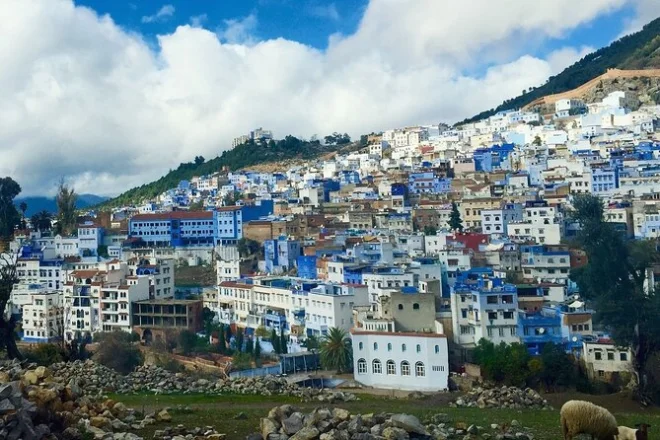
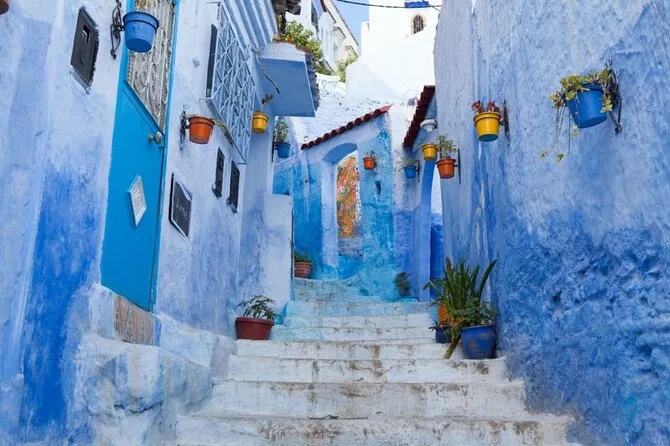
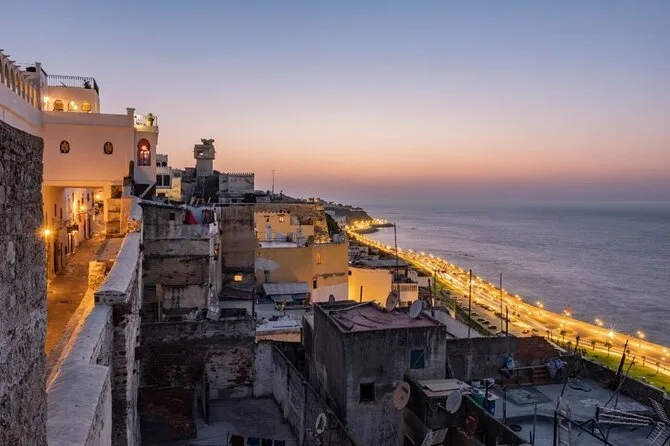
Rabat in the morning has this calm energy. We wandered through the Royal Palace grounds (you can’t go inside), then paid respects at Mohammed V Mausoleum—the guards in their red uniforms barely blinked as tourists snapped photos. Oudaya Kasbah was next; its blue-and-white walls reminded me of Greece for a second until I caught the scent of mint tea drifting from a tiny café near the Andalusian gardens. By afternoon we were winding up mountain roads toward Chefchaouen. The town really is as blue as everyone says—every wall, every step painted some shade between sky and indigo. Kids played soccer in alleys while old men sat outside bakeries gossiping in Darija.
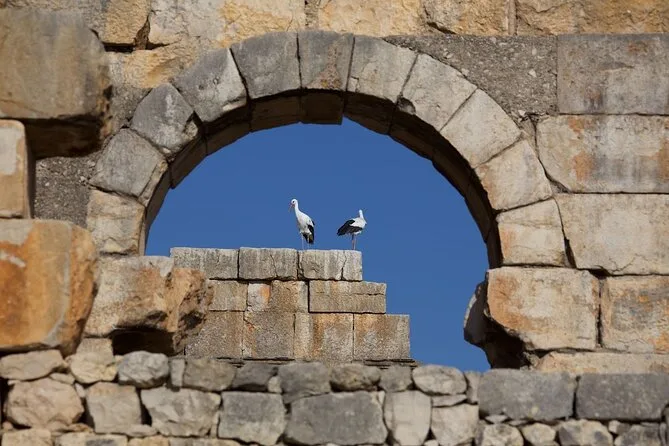
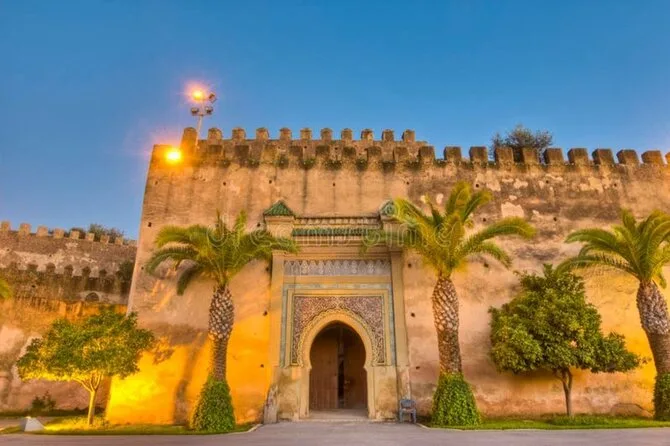
The road to Volubilis is long but worth it if you’re into history—or just like walking among ancient stones without crowds. Our guide pointed out faded mosaics in what used to be Roman villas; you could still see dolphins and olive branches in the tiles if you squinted right. Meknes felt busier—a bit chaotic around Bab Mansour gate with vendors selling everything from dates to knockoff sneakers. The royal stables are huge; apparently they once kept thousands of horses for parades and festivals.
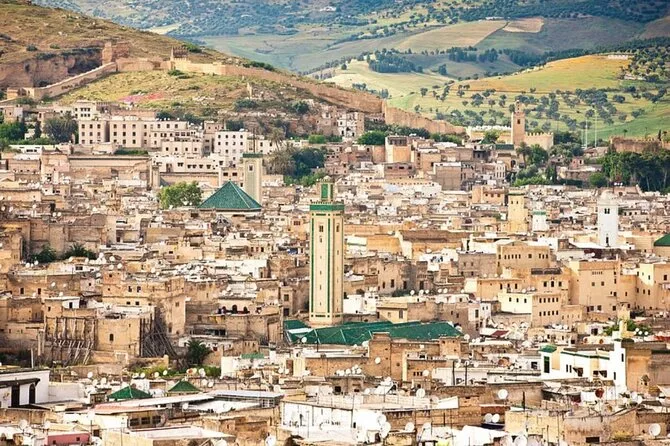
Fez was a maze—no exaggeration there. We followed our guide through twisting lanes past piles of spices and copper lamps hanging overhead. The tanneries hit your nose before you see them; someone handed us sprigs of mint to hold under our noses (trust me, you’ll want it). In Fez el-Jadid, we walked through the Jewish Mellah—quiet streets with wooden balconies—and peeked at the Royal Palace’s golden doors glinting in late morning sun.
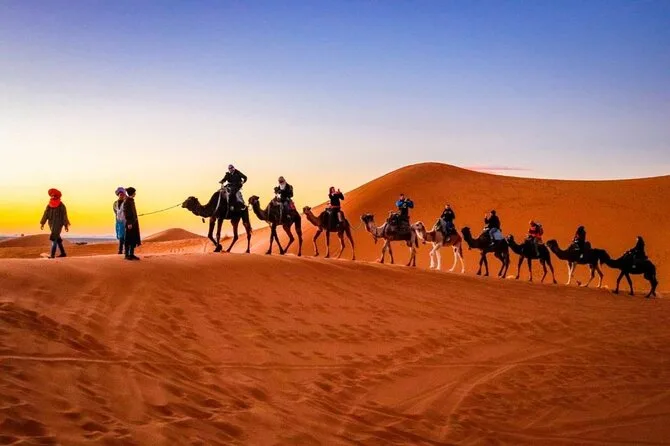
The drive south gets wild: snow on the Atlas Mountains one hour, then date palms and red sand by late afternoon. Merzouga’s dunes look unreal at sunset—all orange and pink shadows stretching forever. Riding camels felt awkward at first but after ten minutes I just relaxed into it, watching stars pop out one by one as we reached camp. Dinner was tagine cooked over coals; later we sat by a fire listening to Berber drumming echo across the sand.
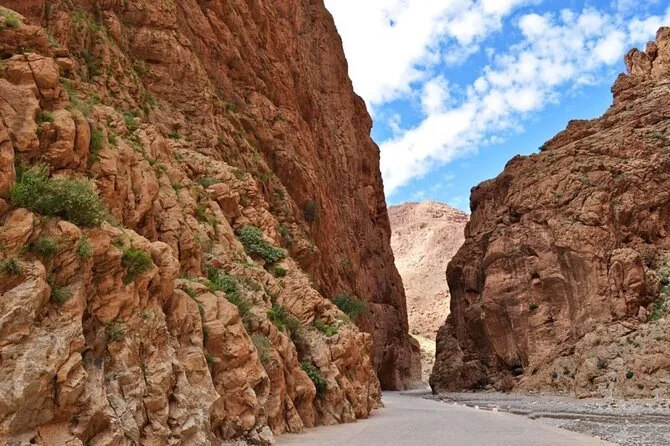
Todra Gorge is something else—a narrow canyon where sunlight barely touches the river below until midday. We hiked along cool stone walls while shepherds led goats across rocky ledges above us. Dades Valley flashed by with its mud-brick villages clinging to hillsides and kids waving as our van passed through tiny towns smelling faintly of figs and dust.
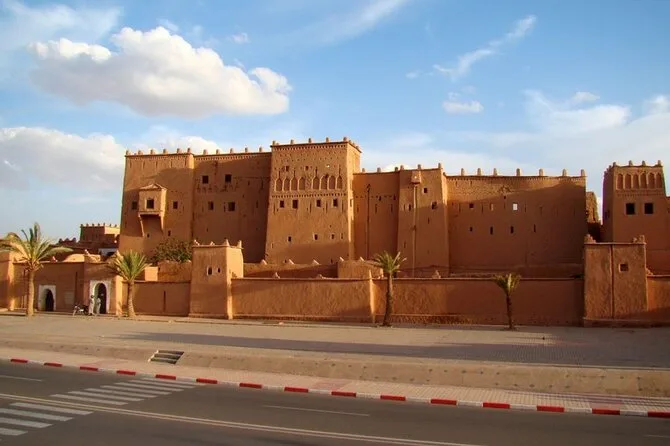
Skoura surprised me—a real oasis with endless palm groves hiding kasbahs behind thick mud walls. Amridil Kasbah looked familiar; turns out it’s on Moroccan banknotes (our guide pulled one from his wallet to show us). Ouarzazate came next—the “Hollywood of Africa.” Locals love talking about movies shot here; even our hotel lobby had Gladiator posters on display.
Aït Benhaddou rises suddenly from flat land like something out of Game of Thrones (which apparently filmed here too). Walking up its steep paths early morning meant dodging donkeys loaded with supplies for families who still live inside those ancient walls.
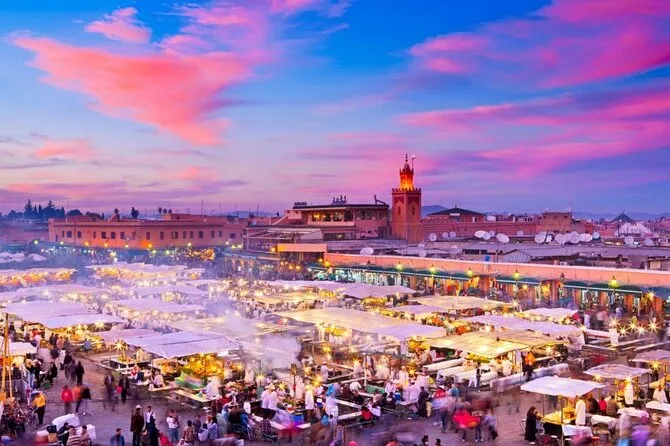
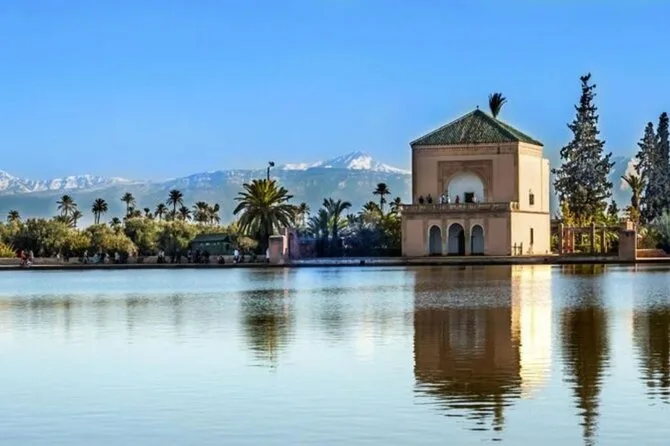
Marrakech buzzes day and night—the medina is packed with scooters weaving between shoppers and orange juice stalls everywhere you look. Koutoubia Mosque’s call to prayer floats over Bahia Palace gardens where cats nap in shady corners. Jardin Majorelle is quieter—a splash of cobalt blue surrounded by bamboo groves and cacti (Yves Saint Laurent’s touch is everywhere). Djemaa el-Fna square comes alive after sunset: snake charmers, food smoke curling up into purple dusk, storytellers drawing crowds near flickering lanterns.
 9d
9d

Step-by-step itinerary
Day 1 — Casablanca Arrival and Rabat Visit
- Arrive Casablanca and visit Hassan II Mosque
- Drive to Rabat for overnight stay
Day 2 — Rabat Sightseeing and Chefchaouen
- Visit Royal Palace, Mohammed V Mausoleum, Hassan Tower, Oudaya Kasbah
- Explore Chefchaouen town and Ras el-Maa Waterfall
Day 3 — Volubilis Ruins and Meknes
- Tour Volubilis Roman ruins
- Explore Meknes: Bab Mansour, Royal Stables, Agdal Reservoir, Old Medina
- Travel to Fez for overnight
Day 4 — Fez Cultural Exploration
- Explore Fez el-Bali: Al-Attarine Madrasa, Bou Inania Madrasa, Al-Karaouine University
- Visit Blue Gate, Nejjarine Square, Tanneries, Royal Palace, Fez Mellah
Day 5 — Fez to Sahara Desert
- Drive to Sahara Desert via Berber villages and Atlas Mountains
- Camel ride at sunset
- Dinner and overnight at luxury desert camp
Day 6 — Todra Gorge and Dades Valley
- Walk in Todra Gorge
- Drive through Dades Valley and visit Skoura Oasis and Kasbah Amridil
Day 7 — Ouarzazate and Ait Benhaddou
- Visit Ouarzazate film sites
- Tour Ksar of Aït Benhaddou
- Travel to Marrakesh via Tizi n’Tichka pass
Day 8 — Marrakech Highlights
- Explore Marrakech medina and Koutoubia minaret
- Visit Bahia Palace and Jardin Majorelle
- Experience Djemaa el-Fna square and souks
Day 9 — Departure from Casablanca
- Transfer to Casablanca Mohammed V Airport

Top questions

Is this Morocco tour suitable for families or older travelers?
Yes—it’s designed for all ages and fitness levels, with private transport and flexible pacing throughout.
Are meals included during the desert camp stay?
Dinner is included at the Sahara camp along with breakfast—you’ll enjoy traditional Moroccan dishes under open skies.
Can I bring my wheelchair or stroller?
Absolutely! Vehicles are wheelchair accessible and most sites can accommodate strollers or mobility aids.
How long are daily drives between cities?
Drive times range from 2–7 hours depending on distance; stops are made for breaks or sightseeing along the way.

What’s included
Your private tour covers all ground transport in an air-conditioned vehicle (with WiFi), parking fees, gratuities for drivers/guides, plus wheelchair access throughout if needed. Infant seats are available on request—and yes, service animals are welcome too!
 Super deal
  Free booking, free cancellation.
  Don't lose your place.


 Do you need help planning your next activity?
  +507 6792-0894


