
Morocco 8-Day Imperial Cities & Sahara Desert Tour from Casablanca







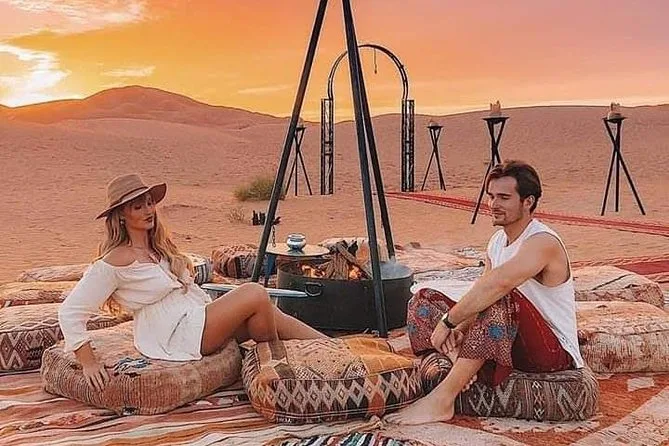

Eight Days Across Morocco's Desert, Mountains & Royal Cities
You travel eight days with a private guide and driver, moving from Casablanca's Hassan II Mosque through Fez's labyrinthine medina, into the Sahara for a camel ride and desert camp night, then back west through gorges and kasbahs to Marrakech. Hotel pickups, all meals, and transport are included; you choose between a storyteller or calligraphy workshop in Fez, and the guide handles the route so you don't have to piece it together yourself.
 8d
8d

Step-by-step itinerary
Day 1 — Arrival and Casablanca highlights
- Arrive at Casablanca airport
- Visit Hassan II Mosque
- Learn about Muslim traditions
- Enjoy coffee and pastry in park
- Relax by the sea with soda
- Check in hotel and dinner
Day 2 — Casablanca to Fez via Rabat and Volubilis
- Depart for Rabat in morning
- Explore Rabat's walls and landmarks
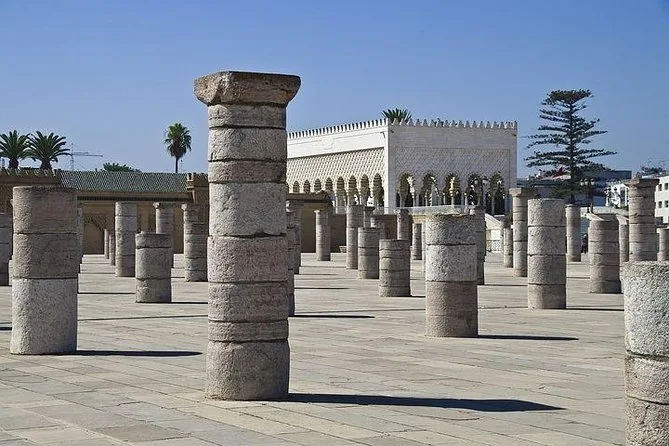
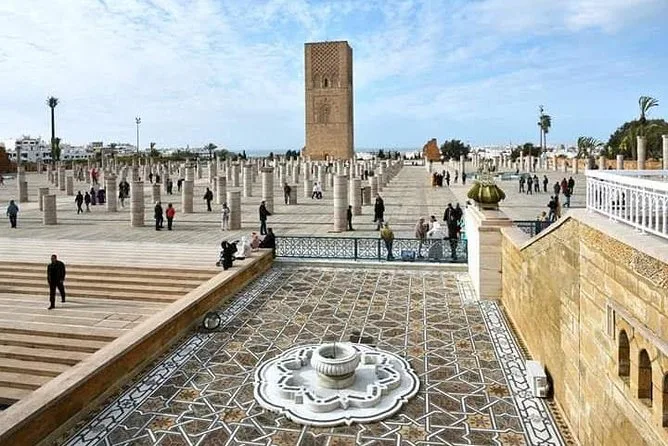
- Visit Hassan Tower and Mohammed V tomb
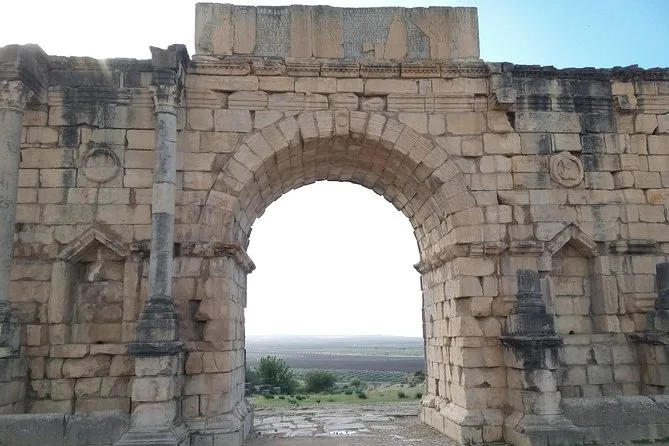
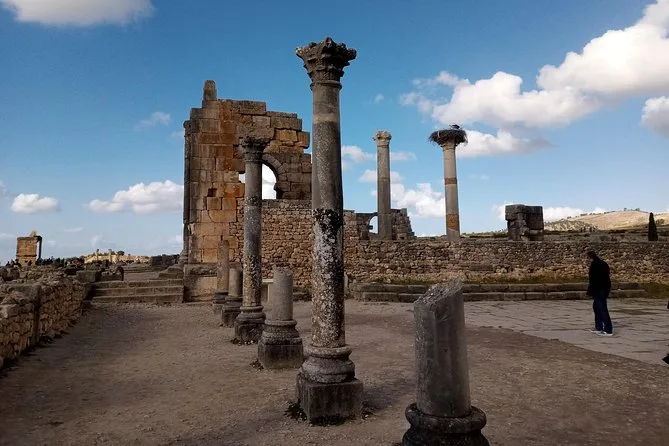
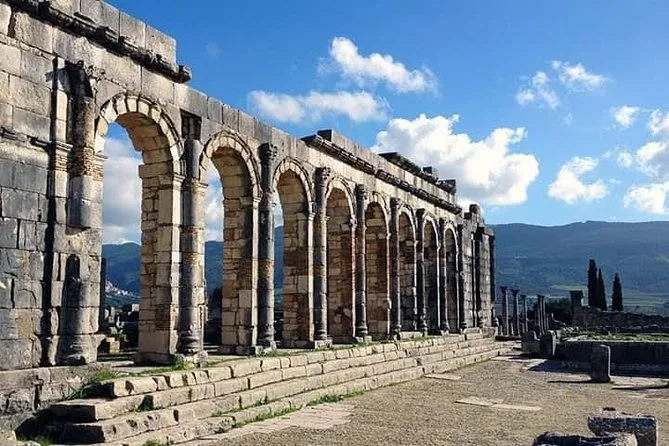
- Travel to Volubilis Roman ruins
- Arrive in Fez and panoramic city view
- Dinner and optional storytelling or calligraphy
Day 3 — Explore Fez medina and culture
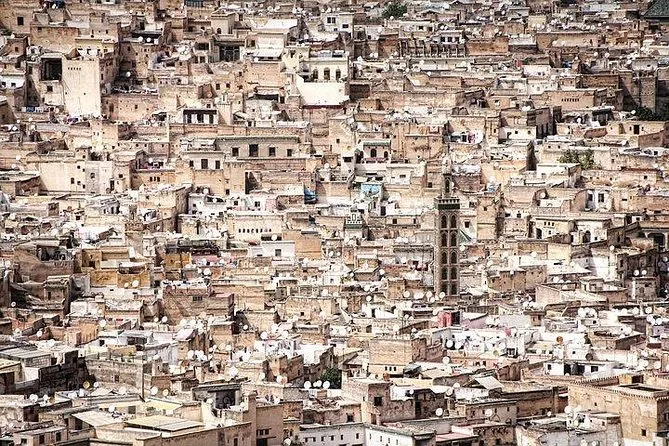
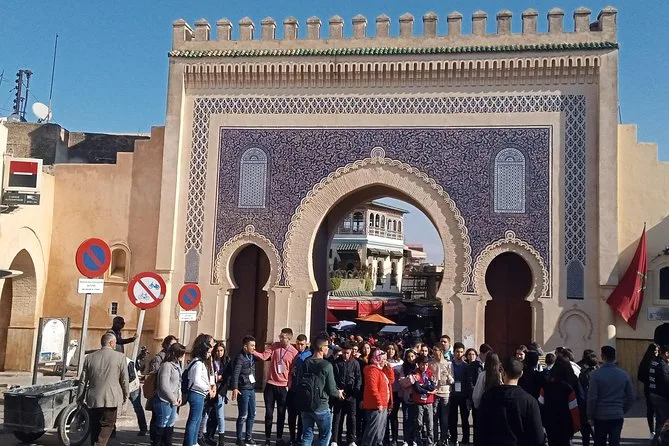
- Visit medina de Fes with local guide
- Discover palaces and Jewish quarters
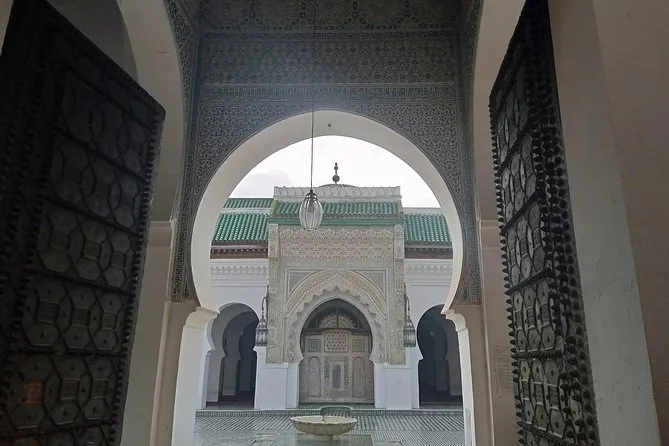
- Tour Madrassa and Quranic school
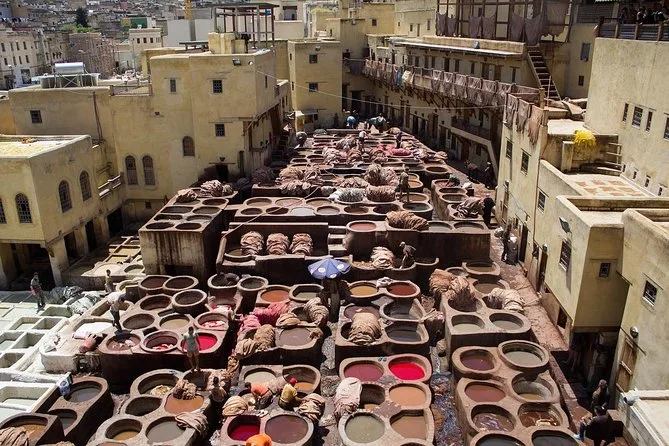
- See authentic leather handicrafts
- Overnight in Riad with dinner
Day 4 — Fez to Merzouga via cedar forests
- Visit cedar forests of Azrou and Ifran
- Stop in Midelt for mountain views
- Arrive in Merzouga and welcome tea
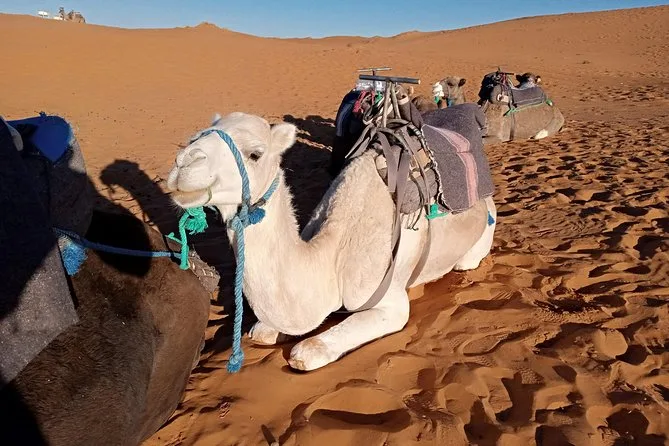
- Camel ride to desert oases and dunes
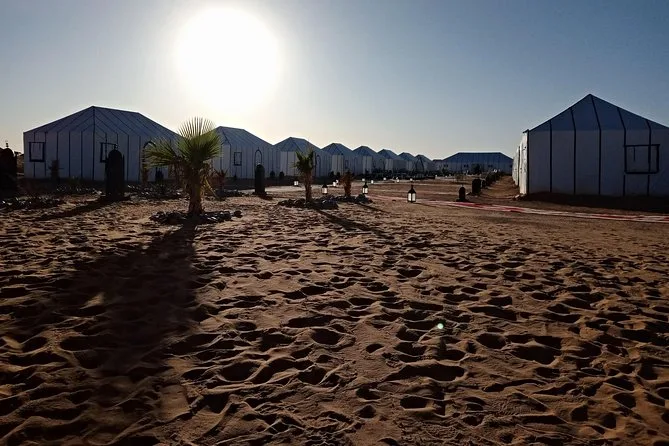
- Dinner under nomad tent with live music
Day 5 — Merzouga to Dades Valley via Todra Gorges
- Visit ancient city of Rissani
- See live fossil excavation
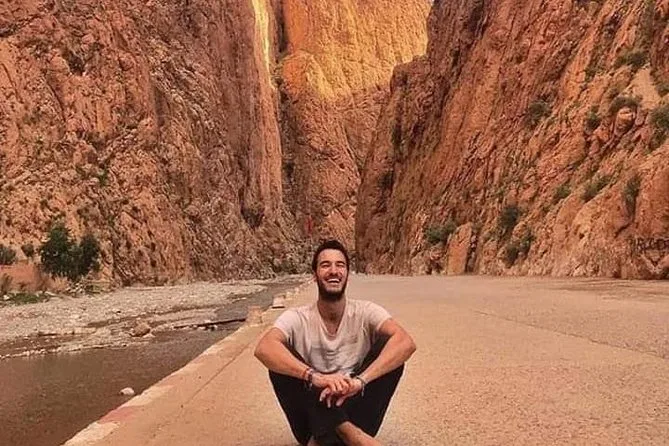
- Explore Todra Gorge canyon
- Arrive in Dades Valley and relax
Day 6 — Dades Valley to Marrakech via Kasbahs
- Follow Route of One Thousand Kasbahs
- Visit Kalaat Mgouna and Skoura villages
- Tour Ait Benhaddou UNESCO site
- Explore Ouarzazate kasbah and movie studios
- Arrive in Marrakech and dinner with city view
Day 7 — Full day Marrakech city tour
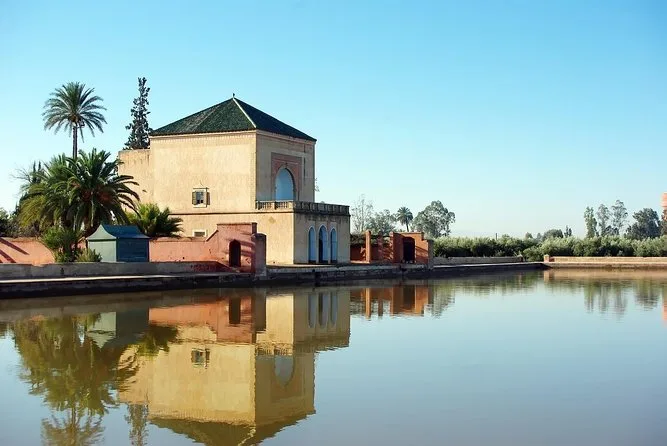
- Visit Bahia Palace and Ben Youssef Medersa
- Explore Majorelle Gardens
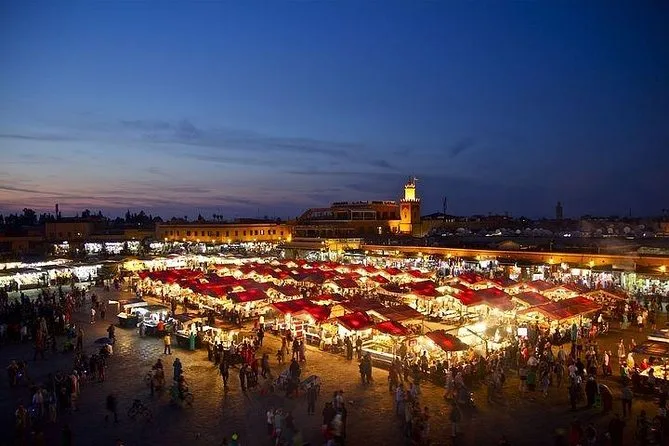
- Shop in Marrakech Souk
- Farewell dinner with live belly dance
Day 8 — Departure from Marrakech to Casablanca
- Morning free for last purchases
- Transfer to Casablanca airport
- End of tour and farewell

The Experience
"So we're really doing this — all the way from the coast to the Sahara?" That's the question most people ask when they see the itinerary. The answer is yes, and it starts the moment you land at Casablanca airport, where your guide meets you and takes you straight to the Hassan II Mosque. It's the second-highest mosque in the world, and one of the few where non-Muslims can actually step inside. Your guide walks you through the religious traditions and the architecture — the way the building sits half on land, half over the Atlantic, is something you don't forget. After that, coffee and traditional pastry in Ligue Arab park, the biggest green space in the city, then dinner back at your riad. You're in Morocco now.
Day two is the long drive north to Rabat, then on toward Fez, with a stop at Volubilis — Roman ruins that have been standing since the empire ran North Africa from here. The light starts changing as you climb toward Fez, and by evening you're looking down at the white city turning orange in the sunset. A local storyteller comes by after dinner if you want, or there's a calligraphy workshop instead. The next full day is just Fez, and they give you a second guide who knows the medina — that's the old city with more than 9,000 streets winding through it like a maze. You see the palaces, the Jewish quarters, the 13th-century university, and the leather workshops where they still use methods that haven't changed in centuries. You can buy leather here for a fraction of what it costs anywhere else, straight from the artisans.
Then comes the desert leg. You drive south through cedar forests in Azrou and Ifran — the air is clear and thick with the smell of pine and earth — and you stop in Midelt, a small town between two mountain ranges, just to take in the landscape. By afternoon you're in Merzouga, where the Sahara dunes are a UNESCO site. They give you tea when you arrive, then an hour on a camel through the desert to see the oases. Dinner happens under a nomadic tent in the sand, with live music and a fire if you want to dance. You sleep in a luxury camp that night, and you wake up in the desert.
The way back west takes you through completely different terrain. You visit Rissani, where there's an active fossil excavation — you can watch them pull trilobites out of the ground and buy real ones if you want. Then the Todra Gorge, which is one of the most dramatic canyons on earth: rock walls 600 meters high with only 10 meters between them, stretching for kilometers. After that, the green Dadès Valley, where you can actually hear birds again. The next day follows the Route of the One Thousand Kasbahs — ancient fortified trading posts — through villages like Skoura and Kalaat Mgouna, the rose city. You stop in Ouarzazate, where they've filmed Gladiator and Lawrence of Arabia, then push on to Ait Benhaddou, a UNESCO site and the most important ksar on the whole route. It's still lived in, still used as a film set, and it feels like you've stepped backward in time.
Marrakech is the final stop, and they pair you with a guide who specializes in the city so you can hit everything: the Bahia Palace, Ben Youssef Medersa, Majorelle's gardens, the souk where the chaos is part of the point. The farewell dinner is in a restored Arabic palace with belly dancers and live music. Then it's back to Casablanca airport in the morning, and you're done. Your guide is with you the whole time — the reference says they're funny, responsible, and speak English fluently, plus French and some Spanish. The cars are new, licensed, and insured. All the riads have Moroccan decoration and real charm.

What’s included
- Your eight days include private transportation in an air-conditioned, licensed vehicle.
- accommodations in traditional riads and a luxury desert camp.
- all meals starting with dinner on day one.
- entry to the Hassan II Mosque, Volubilis Roman ruins, Fez medina with a dedicated local guide, Todra Gorge, Ait Benhaddou, and Marrakech's major sites.
- a one-hour camel ride through the Sahara oases.
- a night in a nomadic tent with dinner and live music.
- and a private guide who speaks English, French, and some Spanish throughout the journey.
Operated by Luxury Travel Desert
Is this one for you?This tour works well if you want to see Morocco's main landmarks — desert, mountains, imperial cities, and the coast — without arranging transport, guides, or timing yourself across eight days; the fixed itinerary and private guide mean you move through each region at a pace that lets you absorb it instead of rushing between stops.
Traveler reviews
Compare the 13 similar options
 Morocco 8-Day Imperial Cities & Sahara Desert Tour from Casablanca★ 5.00 (1)8dEN · FR +1US$ 1,753
 Rabat Day Trip from Casablanca: Kasbah, Chellah & MausoleumFeel the pulse of Rabat on a private day trip from Casablanca with a local guide, stroll the Kasbah, see Hassan Tower, and relax at Marina Salé. Includes pickup.★ 4.89 (489)7h–8hEN · AR +1US$ 77View ›
 Casablanca: Hassan II Mosque Tour & Medina Walk with Café StopStep inside Casablanca’s Hassan II Mosque, wander the Old Medina, and sip tea at Rick’s Café. Includes skip-the-line entry, local guide, and hotel pickup.★ 4.91 (854)4h 30mEN · ARUS$ 44View ›
 Hassan II Mosque Casablanca: Skip-the-Line Guided TourThe Hassan II Mosque in Casablanca opens with a guide who walks you past the queues and through the 210-meter minaret's shadow★ 4.62 (672)45m–1hEN · FR +1US$ 15.90View ›
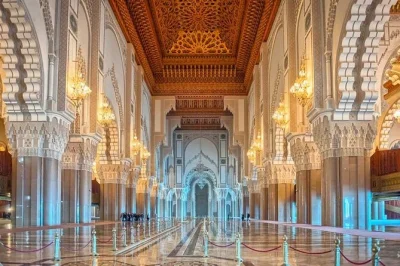 Casablanca: Hassan II Mosque Skip-the-Line Guided TourHassan II Mosque guided tour in Casablanca with skip-the-line entry. English, French, German & Spanish guides. Small groups, daily departures 9am–4pm.★ 4.72 (246)45m–1hEN · DE +3US$ 16.13View ›
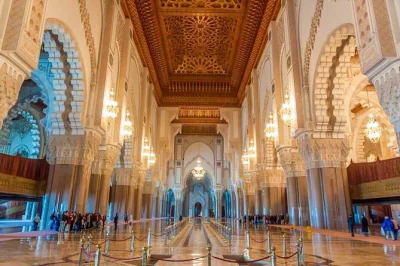 Private Casablanca Tour with Hassan II Mosque EntryPrivate or small-group tour of Casablanca with Hassan II Mosque entry included and hotel pickup — walk the medina's narrow souks, skip the mosque queue★ 4.82 (2,014)4h–5hEN · AR +2US$ 53View ›
 Casablanca City Tour with Hassan II Mosque: Skip the LineHalf-day Casablanca tour in an air-conditioned vehicle with Hassan II Mosque entry included and skip-the-line access★ 4.83 (3,047)4h 30mEN · AR +1US$ 45View ›
 Hassan II Mosque tour Casablanca: skip the line with guidePrivate guided tour of Hassan II Mosque in Casablanca with skip-the-line entry and multilingual official guide -- one hour exploring the architecture★ 4.55 (93)1h–2hEN · IT +2US$ 27View ›
 Casablanca: Hassan II Mosque & Corniche with Skip-the-Line EntryCasablanca city tour with Hassan II Mosque entry, Corniche, Old Medina and Habous Quarter. Includes hotel pickup, van, guide and water.★ 4.34 (44)5hEN · FRUS$ 40View ›
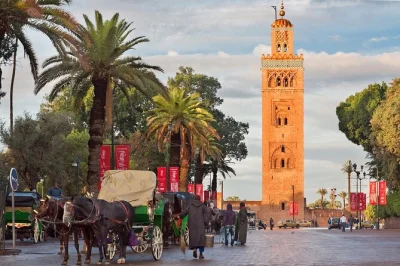 Marrakech Day Trip from Casablanca: Medina, Camel Ride & GuelizStep from Casablanca into Marrakech’s medina, ride camels in the palm grove, taste street food, and explore souks with a local guide. Includes pickup & bottled water.★ 4.88 (232)11h–12hEN · DE +4US$ 98View ›
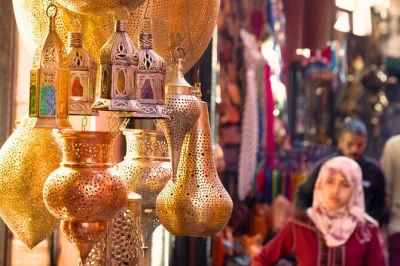 Marrakech Day Trip from Casablanca: Camel Ride, Medina & Majorelle GardenFeel the pulse of Marrakech on a private day trip from Casablanca with camel ride, Majorelle Garden stroll, and medina markets—includes hotel pickup & local guide.★ 4.79 (159)12hEN · AR +5US$ 136View ›
 Chefchaouen Day Trip from Casablanca by High-Speed TrainStep into Chefchaouen’s blue alleys on a day trip from Casablanca, ride the high-speed train, taste local lunch, and stroll with a guide. Includes hotel pickup.★ 4.64 (96)12hEN · ESUS$ 294View ›
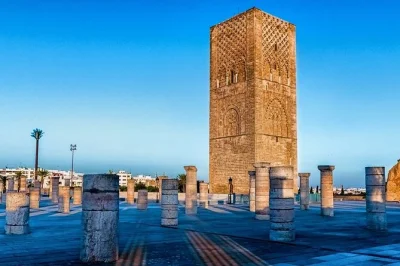 Private day trip to Rabat from Casablanca: Hassan Tower & KasbahPrivate tour from Casablanca to Rabat with driver-guide in English, Spanish, Italian or French; pickup included. Visit Hassan Tower, Kasbah des Oudaias★ 4.90 (283)7h–8hEN · IT +2US$ 100View ›
Top questions
How long is the camel ride in the Sahara?
About an hour, through the desert oases near Merzouga.
Is the Hassan II Mosque really open to non-Muslims?
Yes, it's one of the few mosques in the world where non-Muslims can enter. Your guide explains the religious traditions and architecture.
What's included in the price?
Private transportation, air-conditioned vehicle, accommodations in riads and a luxury desert camp, meals, and a private guide who speaks English, French, and some Spanish.
Do I need to arrange my own airport transfer?
No, your guide meets you at Casablanca airport and the tour begins from there.
How many people travel in the group?
It's a private tour, so it's just you and your guide and driver.
Can I buy souvenirs in Fez?
Yes, the medina has authentic handicrafts and leather products sold near where they're made, at lower prices than tourist shops.
What happens on the last day?
You have time for last-minute shopping in Marrakech in the morning, then your guide takes you to Casablanca airport.
Is the tour wheelchair accessible?
The tour is wheelchair accessible overall, though the medina in Fez has narrow, winding streets that may be challenging. The vehicle and accommodations are accessible.
Morocco 8-Day Imperial Cities & Sahara Desert Tour from Casablanca
8d · EN · FR +1 · at your hotel
from US$ 1,753 per person
★★★★★★★★★★5.001 review
