

 +507 6792-0894


15-Day Morocco Tour from Casablanca: Imperial Cities & Desert








Summary
Morocco Multi-City Adventure: From Casablanca to the Sahara
You’ll wander ancient medinas, ride camels under Saharan stars, taste street food by seaside towns, and see Morocco’s real heart—from blue Chefchaouen alleys to Marrakech’s lively squares—all with local guides who know every shortcut and story.

The first thing I noticed stepping out of Casablanca airport was the salty breeze—unexpected, but it woke me up after a long flight. Our driver was already waiting, waving with a big grin and helping us with bags straight to the hotel. If you’re arriving early or have been in town for a bit, they’ll pick you up wherever you are. That first night in Casablanca is mostly about catching your breath and maybe grabbing a mint tea at Café de France if you can’t sleep.
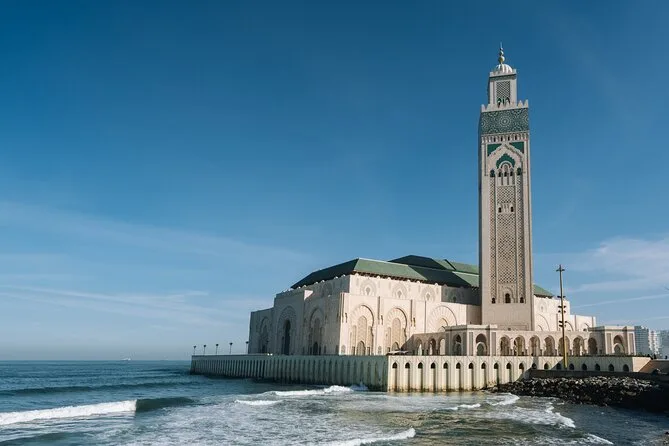
Breakfast at the hotel was simple but fresh—warm bread and apricot jam. We started at the Hassan II Mosque, which really is as massive as everyone says. The tiles glistened in the morning sun and our guide pointed out tiny details I’d never have noticed on my own—the carved cedar ceilings smelled faintly sweet. Then we drove to Rabat, where the mood felt different—more relaxed somehow. Walking through Mechouar and Oudayas Kasbah, I remember hearing kids playing soccer against those old blue-and-white walls. The tombs of Mohamed V and Hassan II were quiet; even the birds seemed to hush there.
The road north took us along the coast to Asilah—a town that feels like an artist’s sketchbook come alive. Murals everywhere, cats sunning themselves on doorsteps, and a breeze that carried hints of seaweed and grilled sardines from a nearby vendor’s cart. Tangier was busier; Cap Spartel had wildflowers growing right up to the cliff edge, and inside Hercules Cave it was cool and echoey—locals say it looks like Africa if you squint at the opening.
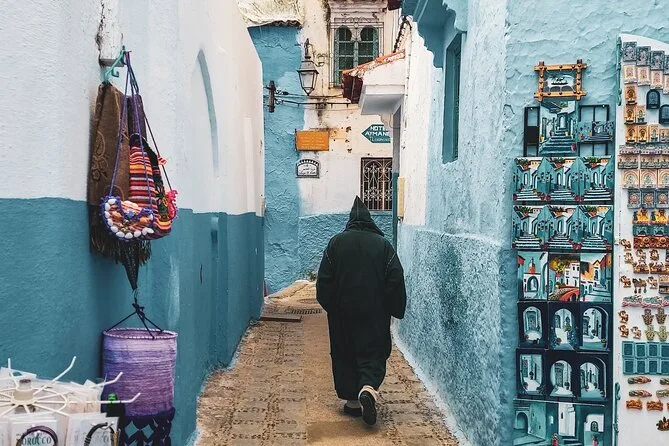
Chefchaouen was something else entirely. The blue-washed streets twisted uphill; every corner looked like a postcard but felt lived-in—women chatting over laundry lines, little shops selling fresh goat cheese wrapped in palm leaves. We followed the sound of water to Ras el-Maa waterfall just outside town—kids splashing their feet while an old man sold oranges by the glass (fresh-squeezed, tart). It’s cooler here than down south; bring a sweater for evenings.
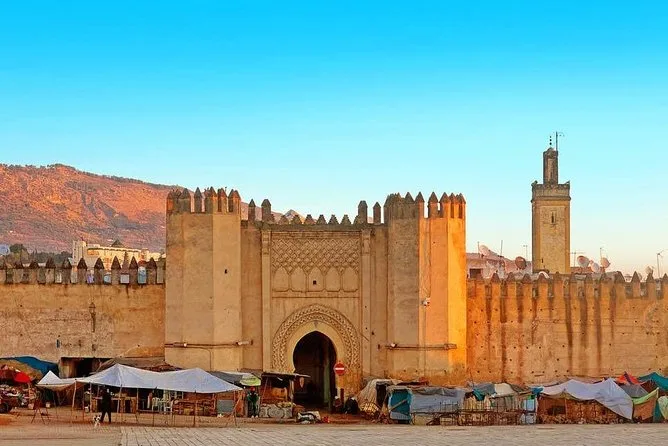
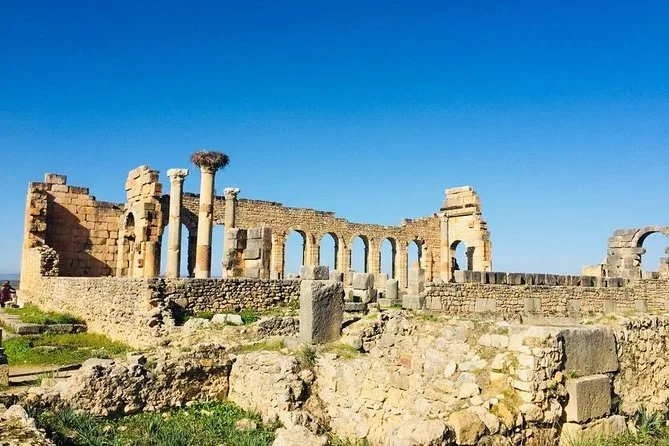
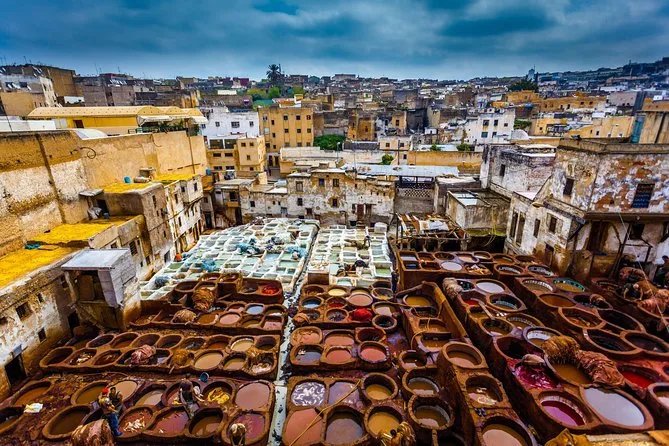
Heading towards Fes meant winding through olive groves and past Volubilis—the Roman ruins are scattered across green hillsides with wildflowers poking through ancient stones. Meknes had its own rhythm: Lahdim Square buzzed with market stalls selling everything from figs to copper lanterns. Our guide in Fes knew every shortcut through the Medina’s maze; he showed us Al-Qarawiyyine University (the world’s oldest) and let us peek into tiny workshops where artisans hammered brass by hand. The scent of leather tanneries hit me before I saw them—sharp but oddly comforting after a while.
Ifrane surprised me—it really does look like Switzerland with its pointy roofs and clean streets (and yes, there are cedar forests full of monkeys near Azrou). Midelt was quieter; we watched sunset over distant mountains from our kasbah window while sheep bells clinked somewhere below.
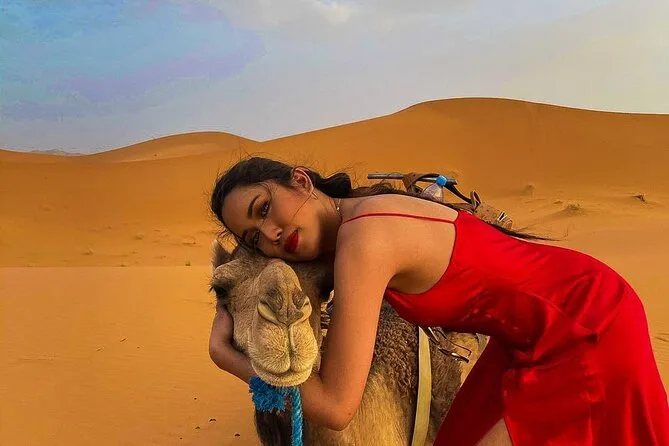
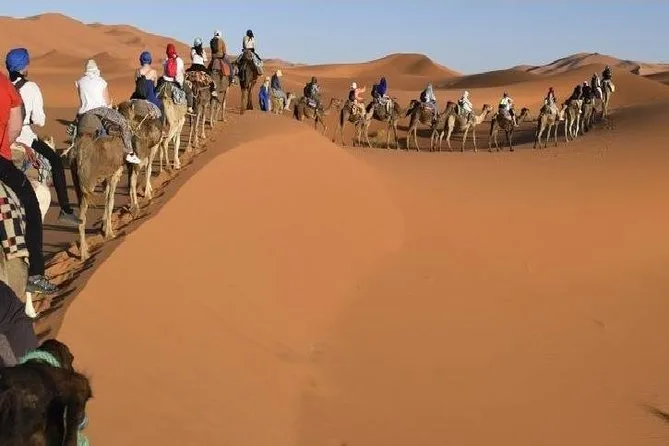
The drive down Ziz Valley into Erfoud felt endless but beautiful—palms stretching forever along dusty roads dotted with fossil shops (I picked up a trilobite for my nephew). Merzouga appeared just as the light turned gold; walking barefoot on warm sand dunes at sunset is something I’ll never forget. Camel trekking into Erg Chebbi under a sky full of stars—there’s nothing quite like it. At camp that night, Berber music drifted around our fire as someone roasted almonds nearby.
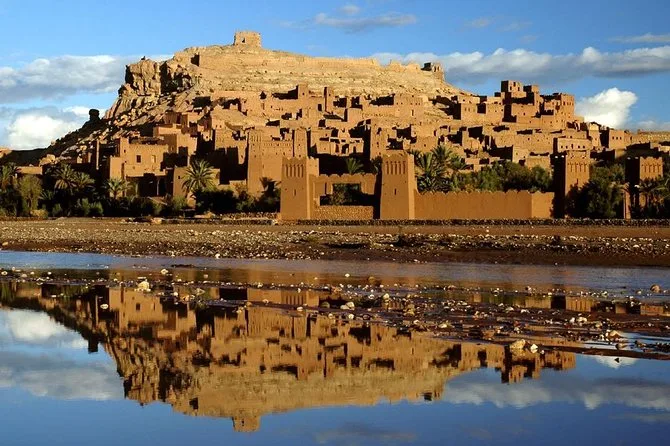
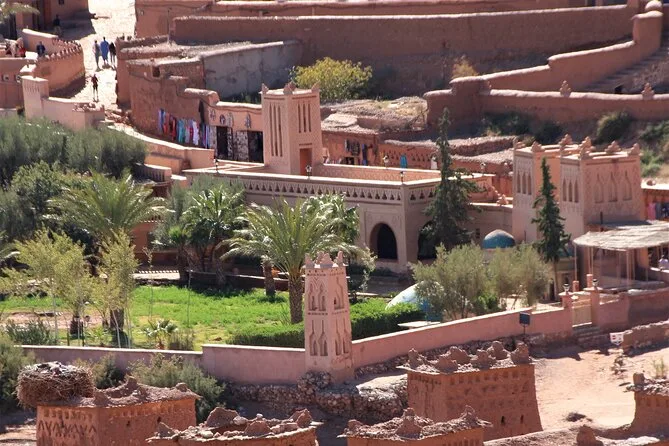
Todra Gorges echoed with birdsong bouncing off sheer rock walls; Boumalne Dades smelled faintly of roses (they grow them everywhere here). The “Road of a Thousand Kasbahs” really lives up to its name—each fortress tells its own story if you stop long enough to listen.
We passed saffron fields near Taliouine (the farmers let us smell fresh-picked flowers), then reached Taroudant—a city wrapped in ochre walls where locals still ride donkey carts through narrow lanes. Agadir brought sea air again; goats really do climb argan trees along this stretch of road toward Essaouira! In Essaouira itself, gulls wheel above ramparts while fishermen haul nets onto blue boats—you can taste salt on your lips just walking by the port.
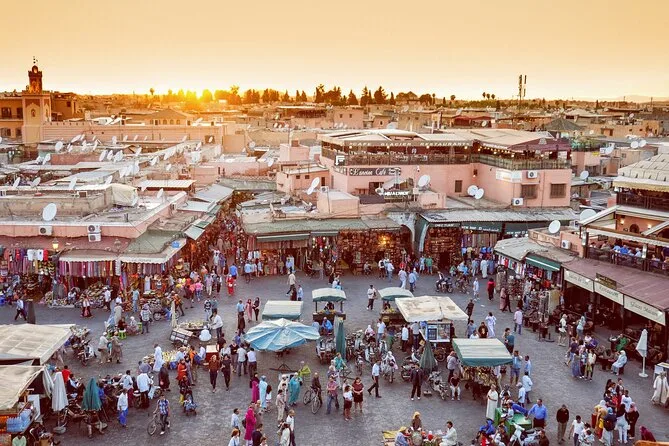
Marrakech is pure energy: snake charmers in Djemaa El Fna square at dusk, orange juice vendors shouting prices over drumming musicians, tiled courtyards hidden behind plain doors. Our local guide led us through Bahia Palace’s cool halls before lunching on chicken tagine somewhere only locals seemed to know about.
 15d
15d

Step-by-step itinerary
Day 1 — Arrival in Casablanca
- Airport pickup and transfer to hotel
Day 2 — Casablanca to Rabat
- Visit Hassan II Mosque
- Drive to Rabat and visit Mechouar, Mohamed V tombs, Kasbah of Oudayas
Day 3 — Rabat to Tangier via Asilah
- Visit Asilah town
- Explore Tangier city, Cap Spartel, Hercules caves
Day 4 — Tangier to Chefchaouen
- Visit Tangier city and Hercules cave, then travel to Chefchaouen
Day 5 — Chefchaouen to Fes via Volubilis and Meknes
- Visit Roman ruins of Volubilis and Meknes old Medina
- Continue to Fes and check in
Day 6 — Explore Fes
- Tour Fes old Medina, Al-Attarine Madrasa, Al-Qarawiyyine university, Bou Inania Madrasa, Mausoleum of Moulay Idriss, Fes Al-jdid
Day 7 — Fes to Midelt via Ifrane
- Travel through Middle Atlas mountains and Berber villages
- Arrive and stay overnight in Midelt
Day 8 — Midelt to Merzouga via Ziz Valley and Erfoud
- Cross Ziz Valley and visit fossil shops in Erfoud
- Arrive in Merzouga, desert walk and sand dune sunset
Day 9 — Merzouga Desert Exploration
- Visit Khamlia village, desert lake, Rissani, camel trekking, sunset, Berber camp
Day 10 — Merzouga to Ouarzazate via Todra Gorges
- Sunrise and visit Todra Gorges
- Drive through Rose Valley and Boumalne Dades to Ouarzazate
Day 11 — Ouarzazate to Taroudant
- Visit saffron fields and tour Taroudant Medina
Day 12 — Taroudant to Essaouira via Agadir
- Drive to Agadir, lunch, then coastal road to Essaouira
Day 13 — Essaouira to Marrakech
- Visit Essaouira seaport, Medina, museum, market
- Travel to Marrakech
Day 14 — Explore Marrakech
- Visit Menara, Bahia and Badi Palaces, Saadian mausoleums, Koutoubia Mosque, Djemaa El Fna square
Day 15 — Departure from Casablanca
- Transfer to Casablanca airport

Top questions

Is this tour suitable for families with young children?
Absolutely! Kids can join all activities—including camel rides—and infant seats or strollers are available if needed.
Do I need special fitness levels for this trip?
No special fitness required—the pace is relaxed and transport is private. Some medina walks involve cobblestones or stairs but guides adjust for comfort.
Are meals included throughout?
Breakfasts are included most days; lunches and dinners give you freedom to try local spots recommended by your guide or explore on your own.
What should I pack for weather changes?
Packing layers is smart—mountain towns get chilly at night while desert days can be hot but evenings cool off quickly.

What’s included
Your private transport between cities is covered throughout the journey. Local expert guides join you in Fes and Marrakech for deeper insights into history and culture. A camel trek across Sahara dunes is part of your adventure—with an overnight stay in a Berber camp under desert stars included too!
 Super deal
  Free booking, free cancellation.
  Don't lose your place.


 Do you need help planning your next activity?
  +507 6792-0894


