
Beirut: Dog River, Jeita Grotto & Harissa Half-Day Private Tour




Three Thousand Years, Six Hours: Beirut's Layers in One Private Morning
You start at a limestone cliff carved with 3,000 years of military history, descend into an underground river cave system, then ride a cable car 650 metres above the Mediterranean to a mountaintop shrine. Hotel pickup and drop-off are included, along with all entry fees and the cable car. The tour runs six hours, entirely private, with optional lunch in Jounieh at the end.
 6h
6h

Step-by-step itinerary
Explore Dog River, Jeita Grotto, Harissa
- Depart from Beirut hotel at 9:00 AM
- Visit Dog River inscriptions cliff
- Descend into Jeita Grotto caves
- Ride Harissa cable car to shrine
- Visit Our Lady of Lebanon statue
- Optional lunch at Jounieh waterfront
- Return to Beirut hotel

The Experience
You're standing at the Dog River canyon, 20 minutes north of Beirut, and the limestone cliff in front of you is covered in carved names — Egyptian pharaohs, Roman emperors, French generals, Lebanese soldiers. Your driver points to each one and tells you when it was cut into the rock. Ramesses II was here in 1274 BC. Marcus Aurelius came later. Napoleon's army left their mark in the 1800s. The same cliff still records the Lebanese Republic's own inscriptions from decades ago. No other stretch of rock on earth holds this much military history in one place, and you're reading it like an open book carved over three millennia.
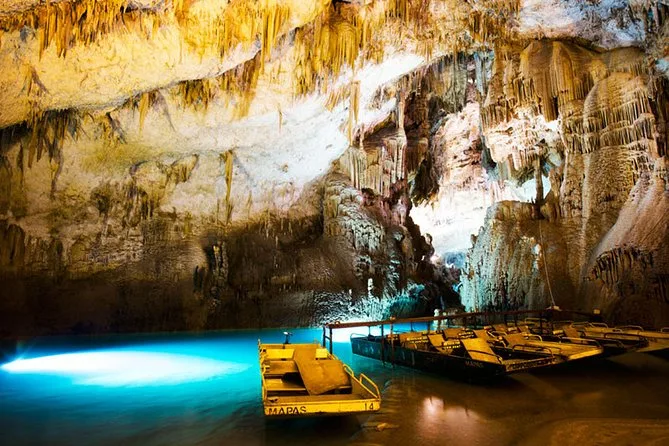
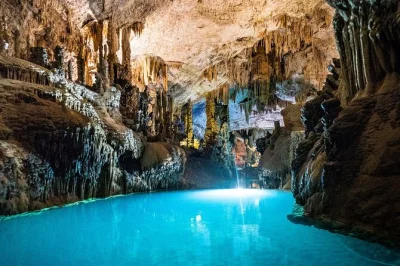
From that inscribed cliff face, you descend into Jeita Grotto — a UNESCO tentative World Heritage Site and a top-five finalist in the New 7 Wonders of Nature. The upper cave is explored on foot along an elevated walkway where stalactites and stalagmites tower up to 8 metres tall, formations that took millions of years to build. Then you board a silent electric boat and drift through the lower cave along an underground river, moving through chambers so quiet and strange it feels like you've left the world behind. The contrast hits hard: ancient humans carving their victories into stone at Dog River, and here, time itself carving cathedrals out of limestone with nothing but water and patience. Both are archives. One is written by hand, one by geology.
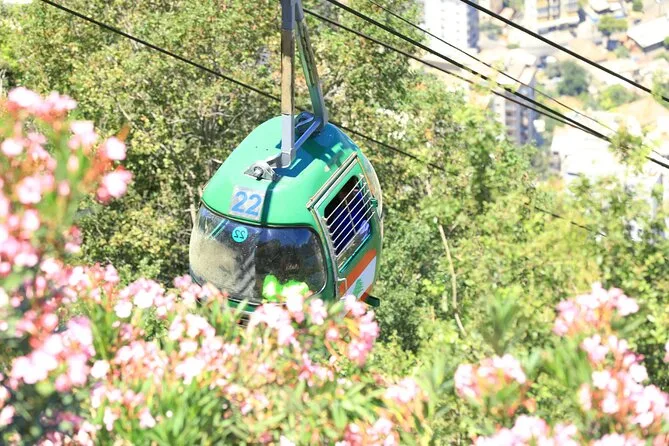
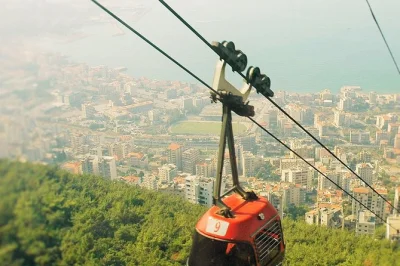
After the cave, the Harissa cable car takes you 650 metres above the Mediterranean in a few minutes. The bay spreads out beneath you — Jounieh's waterfront, the coastline stretching north, the Lebanese mountains rising inland. At the top stands the bronze statue of Our Lady of Lebanon, 8.5 metres tall, arms open toward the sea below. It's one of the most recognisable religious monuments in the Middle East, surrounded by the Maronite Basilica and pilgrimage churches that have drawn visitors for generations. You've moved from inscribed cliff to underground darkness to mountaintop shrine — three entirely different worlds, all within six hours and all private, which means no waiting for groups, no fixed pace except your own.
The drive back to Beirut takes about 20 minutes from Harissa. If you want to stop for lunch in Jounieh first — fresh Lebanese mezze and seafood at one of the waterfront restaurants — that's optional and at your own expense, but the timing works naturally if you do. Your driver drops you at your hotel around 3:00 to 4:00 PM, depending on whether you've eaten. The whole thing is unhurried, which is the real luxury of a private tour.

What’s included
- Your half-day includes hotel pickup and drop-off in Beirut, an air-conditioned private vehicle with an English-speaking driver, entry to Jeita Grotto with both the upper cave walkway and the lower cave boat ride, the Harissa cable car ascent to 650 metres above the Mediterranean, and access to the Our Lady of Lebanon shrine.
- Lunch in Jounieh is optional and at your own expense.
- The entire tour runs six hours at your own pace, entirely private.
Operated by Lebanon Tours & travels
Is this one for you?Book this if you want to see three of Lebanon's most significant attractions — ancient inscriptions, a world-class cave system, and a mountaintop shrine — without arranging separate transport, tickets, or timing between stops. The private format means you move at your own rhythm and skip the group waits.
Traveler reviews
Compare the 9 similar options
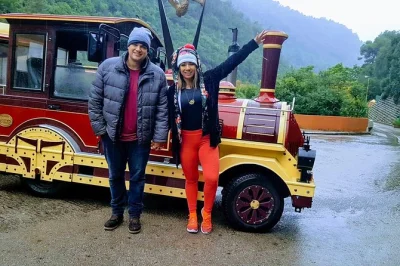 Beirut: Dog River, Jeita Grotto & Harissa Half-Day Private Tour★ 5.00 (11)6hEN · ARUS$ 75
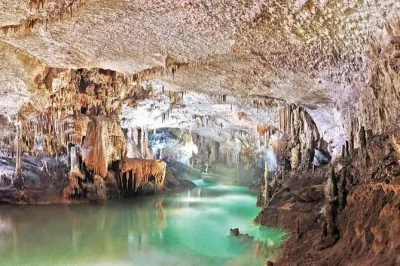 Jeita Grotto, Byblos & Harissa Day Trip from BeirutPrivate tour from Beirut to Jeita Grotto, Byblos, and Harissa. Includes hotel pickup, expert guide, and visits to UNESCO sites and local markets.★ 5.00 (23)8hEN · ARUS$ 100View ›
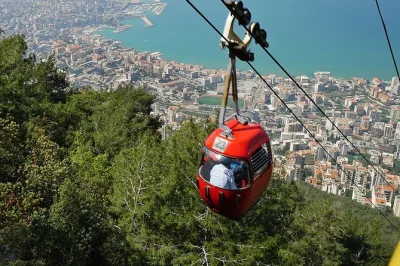 Jeita Grotto, Harissa & Byblos: Small Group Day Trip with PickupStart your Lebanon adventure with hotel pickup in Beirut, explore Jeita Grotto’s caves, ride the Harissa cable car, and wander Byblos’ ancient port—all in one day.★ 4.94 (170)8hEN · ARUS$ 30View ›
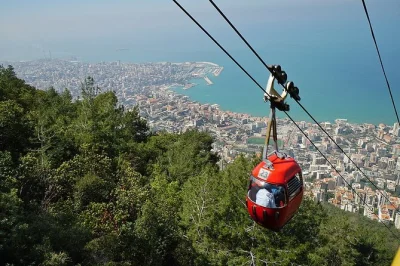 Jeita Grotto, Harissa & Byblos: Small Group Tour with LunchExperience Jeita Grotto, Harissa’s Lady of Lebanon, and ancient Byblos on a small group day trip from Beirut. Includes hotel pickup, lunch, and local guide.★ 4.78 (59)8hEN · ARUS$ 45View ›
 Jeita Grotto, Harissa & Byblos: Small Group Day Trip with LunchStart your Lebanon journey with Jeita Grotto’s caves, ride the Harissa cable car, and wander Byblos’ ancient streets—includes pickup, local guide, and lunch.★ 4.97 (419)8hEN · ARUS$ 45View ›
 Jeita Grotto, Harissa & Byblos: Full-day private tour from BeirutPrivate full-day tour from Beirut to Jeita Grotto, Harissa and Byblos with hotel pickup, English-speaking guide and lunch included★ 4.84 (225)8h–9hEN · ARUS$ 75View ›
 Jeita Grotto, Harissa & Byblos: Cable Car, Caves & Ancient PortFeel the cool air of Jeita Grotto caves, ride the Harissa cable car over Jounieh Bay, and wander Byblos’ ancient streets—all with hotel pickup included.★ 4.79 (190)8hUS$ 39View ›
 Byblos, Jeita Grotto & Harissa Day Trip from Beirut with LunchFull-day tour from Beirut to Byblos castle and Jeita Grotto's two caves, ending at the Harissa statue overlooking the coast, with Lebanese lunch and guide.★ 4.36 (146)8hEN · FRUS$ 110View ›
 Lebanon tour: Jeita Grotto, Harissa & Byblos Castle with guideTour three of Lebanon's most important sites in one day with pickup and guide: boat through Jeita Grotto's stalactites, cable car to Our Lady of Lebanon★ 5.00 (27)7hEN · AR +3US$ 115View ›
Top questions
How long is the Dog River, Jeita Grotto & Harissa tour from Beirut?
Six hours total, including all stops, cave exploration, and cable car ride. Hotel pickup and drop-off are included.
What's included in the private Beirut half-day tour?
Hotel pickup and drop-off, air-conditioned private vehicle, English-speaking driver, entry to Jeita Grotto, the Harissa cable car, and access to all three attractions. Lunch in Jounieh is optional and at your own expense.
Is Jeita Grotto suitable for children?
Yes. Infants and small children can ride in a pram or stroller, and specialized infant seats are available in the vehicle. The tour is suitable for all fitness levels.
What time does the tour depart from Beirut?
Departure is at 9:00 AM from your Beirut hotel. The Dog River canyon is 20 minutes away, and you return around 3:00 to 4:00 PM depending on lunch stops.
Can I have lunch during the tour?
Yes, lunch in Jounieh is optional. The waterfront has restaurants serving Lebanese mezze and seafood with views over the bay. It's at your own expense and adds about an hour to the tour.
Is the Harissa cable car included?
Yes, the cable car ride up 650 metres to Our Lady of Lebanon is included in the tour price.
How many people can join this private tour?
The tour is private, so it's just you and your group in the vehicle. The vehicle accommodates multiple passengers comfortably.
What's the Dog River canyon famous for?
The limestone cliffs are carved with victory inscriptions from Egyptian pharaohs, Assyrian kings, Roman emperors, French generals, and Lebanese forces spanning over 3,000 years — the world's oldest continuously updated archive of military history.
Beirut: Dog River, Jeita Grotto & Harissa Half-Day Private Tour
6h · EN · AR · at your hotel
from US$ 75 per person
★★★★★★★★★★5.0011 reviewsVerified traveler reviews via our booking provider
