
Tajikistan Adventure: Pamir Highway, Fann Mountains & Local Life




Pamir Highway Journey: Lakes, Passes & Village Stays in Tajikistan
If you’re looking for real adventure—high passes, wild lakes, mountain villages where hospitality is genuine—this journey across Tajikistan delivers it all. You’ll hike glacier trails, soak in local hot springs, share meals with families who call these valleys home, and see landscapes that feel untouched by time.
 12d
12d

Step-by-step itinerary
Day 1 — Osh to Tulpar Kol Lake
- Drive to Sarymogol village and cross to yurt camp at Tulpar Kol Lake
- Walk around Tulpar Kol Lake
- Overnight in yurt camp
Day 2 — Hike and Border Crossing to Karakul Lake
- Hike to Traveler’s pass
- Return to yurts and lunch
- Drive to checkpoint and cross border
- Drive to Karakul Lake and short walk
- Overnight in guesthouse
Day 3 — Trek Ortoboz Pass and Murgab
- Drive to trek start at Karakul Lake
- Trek to Ortoboz Pass and descend
- Drive to Murgab village
- Overnight in homestay
Day 4 — Pshart-Madyan Trek to Alichur
- Trek from yurt camp to Gumbozkul Pass and descend
- Visit yurt for cheese and tea
- Drive to Alichur village
- Overnight in guesthouse
Day 5 — Lakes and Panorama Ridge Hike
- Visit Bulunkul & Yashylkul Lakes and hot springs
- Drive to Kargush pass
- Trek Panorama Ridge
- Drive along Panj river to Langar village
- Overnight in homestay
Day 6 — Fortresses and Khorog City Tour
- Visit Yamchun Fortress and hot springs
- Stop at Khaaka fortress
- Drive to Khorog city
- Visit Regional Museum and Central Park
- Evening hike in Botanical Garden
- Overnight in hotel
Day 7 — Jiseu Valley Exploration
- Drive to Bartang Valley and cross bridge
- Walk to river lakes
- Explore First Lake and local culture
- Overnight in homestay
Day 8 — Hike and Drive to Kalaikhum
- Morning hike to second lake
- Return to car
- Drive to Kalaikhum village
- Overnight in guesthouse or hotel
Day 9 — Travel to Dushanbe
- Drive to Dushanbe with stops
- Visit Hulbuk Palace and view Nurek hydropower station
- Overnight in hotel
Day 10 — Dushanbe to Sarytag Village
- Explore Dushanbe city
- Lunch in café
- Drive to Sarytag village via Anzob Tunnel and Iskander Kul Lake
- Overnight in guesthouse
Day 11 — Kulikalon Lake Hike
- Drive to mountaineering camp via Artush village
- Hike to Kulikalon Lake and return
- Overnight in homestay
Day 12 — Seven Lakes and Penjikent
- Drive and explore Seven Lakes
- Lunch at Hazor Chashma lake
- Drive to Penjikent city
- Overnight in hotel

The Experience
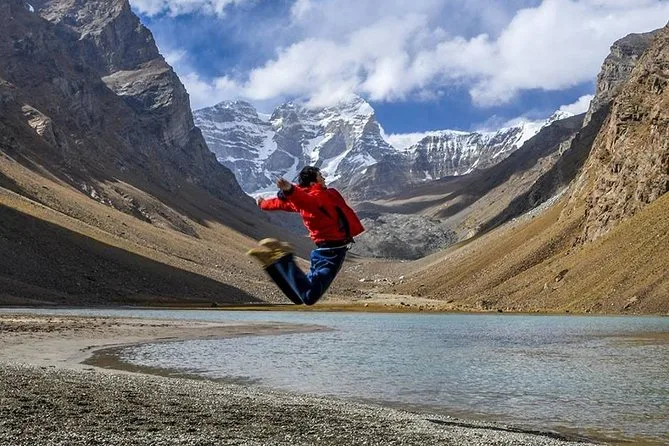
We set out early from Osh, winding up through the Taldyck pass where the air felt thin and yaks grazed quietly on the green slopes. By the time we reached Sarymogol village, the sky had that sharp clarity you only get at altitude. Crossing a rickety bridge brought us to our first yurt camp by Tulpar Kol Lake—icy blue water right at the foot of Lenin Peak. I remember the crunch of frost underfoot as we walked around the lake before dinner, and how the wind carried a hint of wood smoke from nearby yurts.
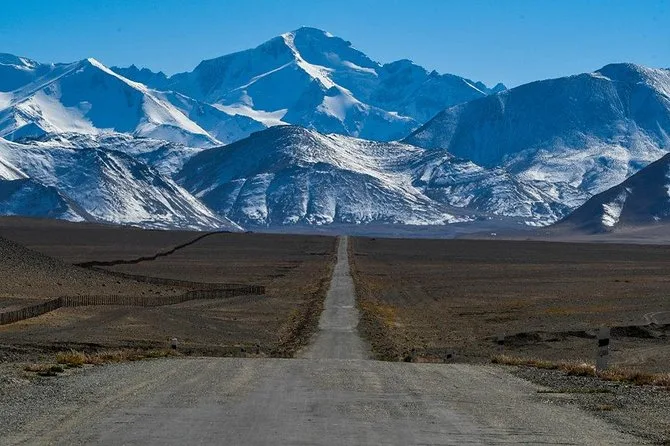
The next morning started with hot tea and bread in our yurt before hiking up to Traveler’s Pass at 4,130 meters. The climb was slow but steady; every few steps I’d stop just to catch my breath and stare at glaciers tumbling down from Lenin Peak. After lunch back at camp, we crossed into Tajikistan—suddenly the landscape shifted, almost lunar around Karakul Lake. Our guesthouse there had a Russian-style sauna (no electricity though), and after a short walk by the lake’s edge, we all huddled inside for warmth as dusk settled in.
From Karakul, it was a quick drive to start our trek up Ortoboz Pass—over 5,000 meters high. The first part was grassy and gentle; then it turned rocky and tough near the top. Standing there with Pamir giants all around made me feel tiny but alive. Later that day we rolled into Murgab village for a hot shower and some wifi—a rare treat out here.
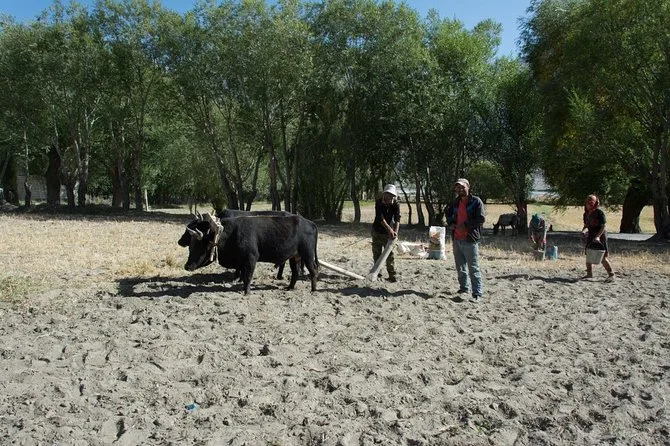
The next day’s hike took us over Gumbozkul Pass after leaving Murghab behind on a bumpy dirt road. Talus stones slid underfoot as we climbed, but reaching a yurt near the end meant fresh cheese and sweet tea with locals who seemed genuinely happy to see us. Nights in Alichur were quiet except for an occasional dog barking somewhere far off.
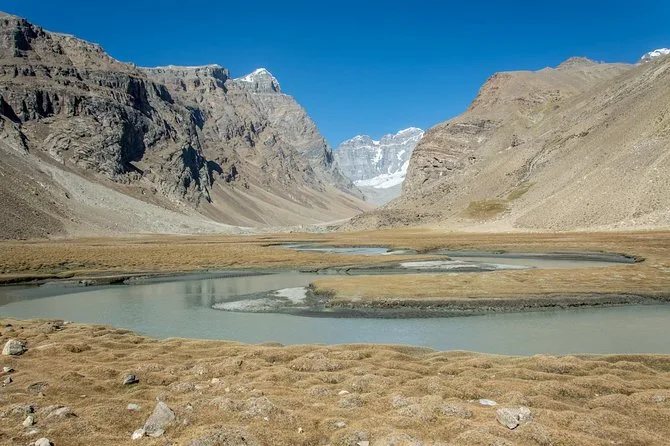
We detoured to Bulunkul and Yashilkul Lakes—both mirror-still that morning—and soaked in natural hot springs before tackling Panorama Ridge above Kargush Pass. From up there you could spot Afghanistan’s Wakhan Range across an endless valley; even saw what looked like Kyrgyz caravans moving along distant ridges. That night in Langar village, our host served homemade soup while telling stories about life along this borderland.
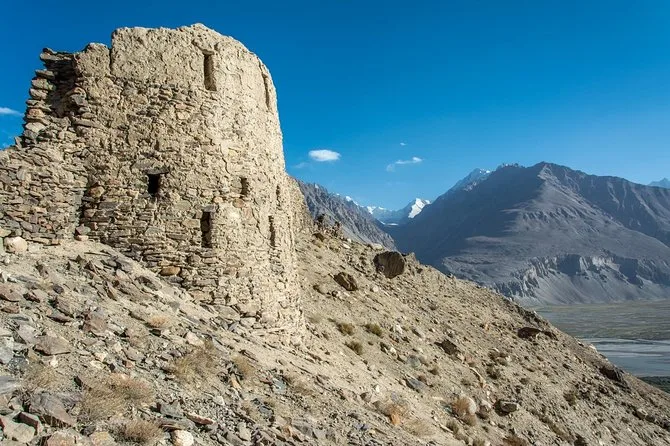
Yamchun Fortress was something else—perched on raw rock above Wakhan Valley. We scrambled up for views stretching forever, then headed to Bibi Fatima hot springs (locals swear by its healing minerals). Onward past another old fort at Namadgut before rolling into Khorog city for museum visits and an evening stroll through their botanical garden—never thought I’d see so many different trees in one place out here.
Bartang Valley led us into Jiseu—a remote spot where you cross a narrow bridge then follow a stream lined with wildflowers (and buzzing bees if you’re lucky). The lakes here overflow seasonally; walking around them felt like stepping into another world entirely. Locals invited us for tea again—hospitality is just part of life here.
After a morning hike to another hidden lake beyond Jiseu’s last house, we drove along twisting roads hugging the Afghan border toward Kalaikhum village. The scenery kept changing: steep cliffs gave way to wider valleys as we neared Vanj.
The final stretch followed the Panj River all the way to Dushanbe—with stops for lunch at roadside chaikanas (try their plov if you can) and a quick look at Hulbuk Palace ruins from the 11th century. Somewhere near Nurek Dam you’ll spot what’s said to be one of the world’s highest hydropower stations glinting in the distance.
Dushanbe itself is lively—cafés buzzing mid-morning before heading north through Anzob Tunnel (a bit nerve-wracking if you don’t like tunnels) toward Sarytag village in the Fann Mountains. Iskander Kul Lake was bluer than any photo could show; we stopped just to watch clouds drift over its surface before moving on.
Hiking up toward Kulikalon Lake meant passing through villages where kids waved as we went by—the trail wound through three valleys until suddenly opening onto glaciated peaks reflected in turquoise water below Chimtarga Peak. Back down in Artush village that night, dinner tasted better than usual after so much walking.
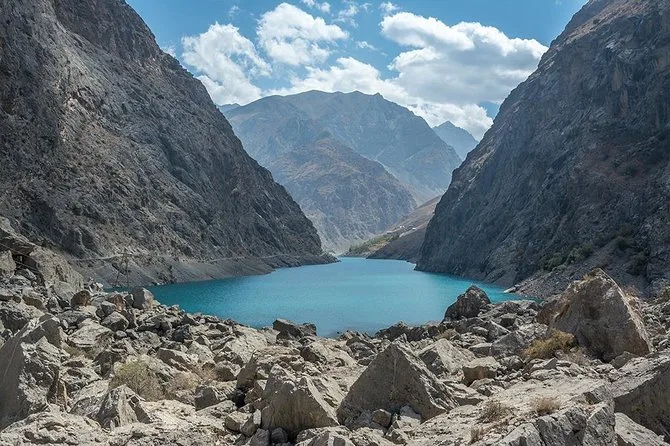
The last day took us exploring Haft-Kul—the Seven Lakes—each one different shades of green or blue depending on sunlight and depth. We picnicked by Hazor Chashma (the seventh lake), then wound our way down toward Penjikent city for one last hotel stay before heading home.

What’s included
- This trip covers private transport throughout Tajikistan with an English-speaking driver who knows these roads well.
- All meals are included for both you and your driver; accommodations range from cozy yurts by alpine lakes to friendly homestays in mountain villages—and yes, sometimes even hotels with hot showers or wifi!.
- Air-conditioned vehicles keep things comfortable between stops.
Operated by Visit Alay - Tajikistan tours
Traveler reviews
More experiences you might like
 Tajikistan Adventure: Pamir Highway, Fann Mountains & Local Life★ 4.33 (6)12dENUS$ 3,200
 Kyrgyzstan Alay Mountains Trek: Yurts, Passes & Nomad LifeFeel the wild silence of Kyrgyzstan’s Alay Mountains, trek high passes, sleep in yurts, and share meals with nomads. Includes guide, luggage transfer & transport.★ 4.92 (157)8dEN · RUUS$ 1,100View ›
 Osh to Dushanbe on Pamir Highway: 7-day guided tourDrive the Pamir Highway from Osh to Dushanbe over 7 days with a 4WD vehicle, English-speaking driver, and stays in yurts and guesthouses along the way★ 4.96 (124)7dEN · RUUS$ 2,300per groupView ›
Top questions
How difficult are the hikes on this tour?
You’ll need moderate fitness since some treks reach over 4,000 meters with rocky sections—but guides pace things well and there are plenty of breaks along the way.
What kind of accommodation can I expect?
You’ll stay mostly in family-run guesthouses or yurts—simple but comfortable—with occasional hotels offering showers and wifi when available.
Is vegetarian food available?
Yes! Just let your guide know ahead of time—they’re used to accommodating dietary needs using local produce when possible.
Are border crossings complicated?
Your English-speaking driver handles paperwork at checkpoints—it’s usually straightforward but bring your passport handy each time.
Tajikistan Adventure: Pamir Highway, Fann Mountains & Local Life
12d · EN · at your hotel
from US$ 3,200 per person
★★★★★★★★★★4.336 reviewsVerified traveler reviews via our booking provider
