
Wadi Rum: 8-Hour Jeep Tour & Sunset with Bedouin Guide









Eight hours in Wadi Rum's red desert, ending where the light turns gold
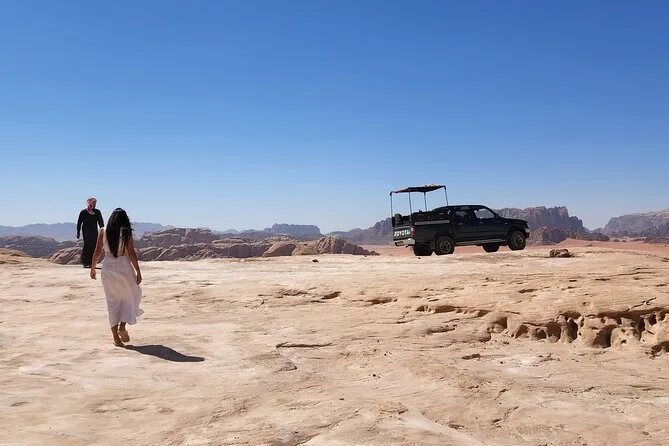
You spend eight hours in a jeep with a Bedouin guide moving through Wadi Rum's protected desert, stopping at nine landmarks including rock bridges, canyons with ancient carvings, and sand dunes where you can sandboard. Lunch is cooked over a fire in the desert, and the tour ends watching the sunset with tea while the landscape turns gold. Hotel or camp pickup is available, and the whole day includes water, food, and a guide who knows where to be when the light is best.
 8h–9h
8h–9h

Step-by-step itinerary
Full day Jeep tour in Wadi Rum
- Meet in Wadi Rum Village
- Drive to Nabatean temple
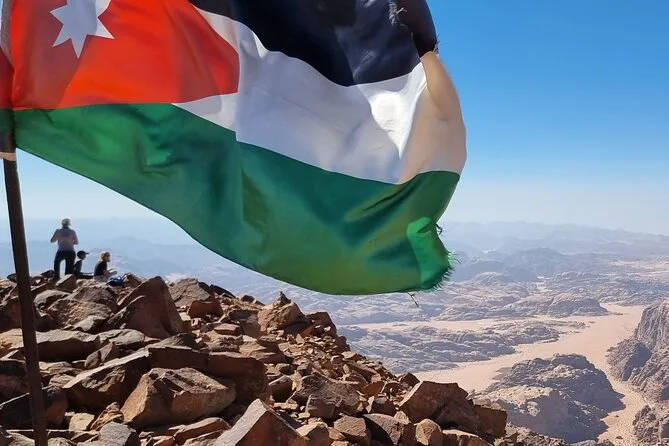
- Visit Lawrence Spring and climb mountain
- Drive to red sand dune
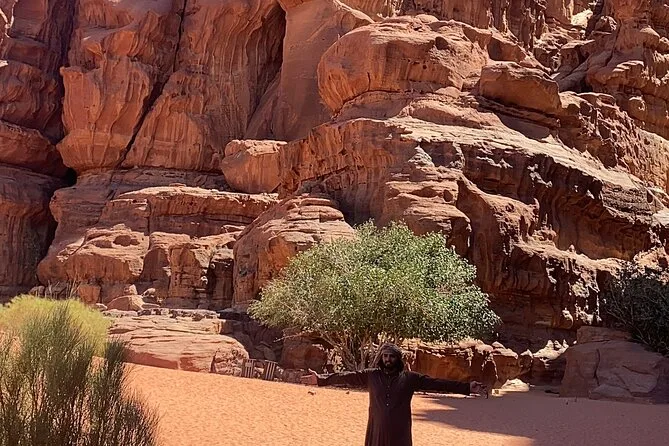
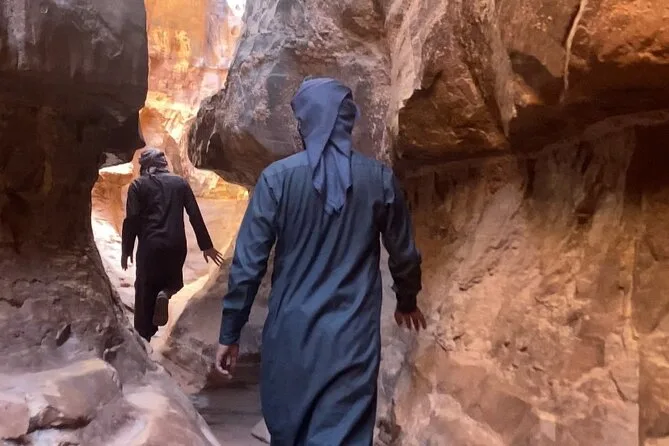
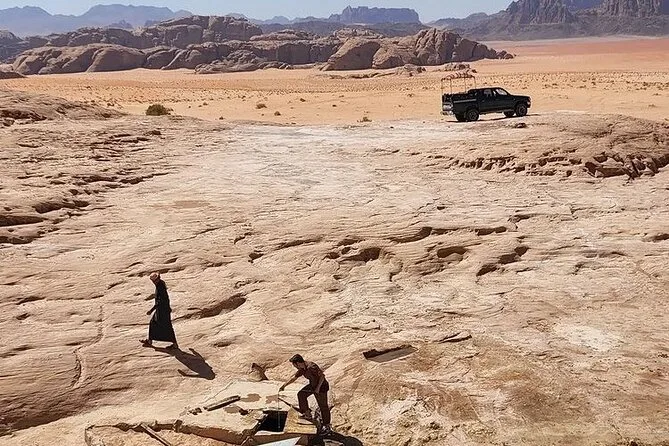
- Visit Khazali Canyon and see petroglyphs
- Hike to Small Rock Bridge
- Hike to Lawrence’s House cave
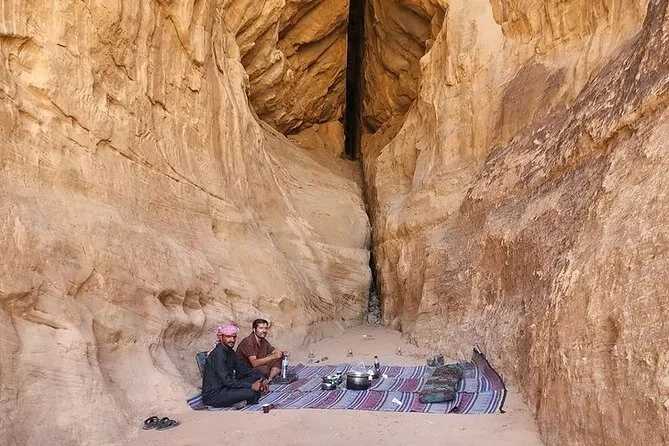
- Lunch with Bedouin guide
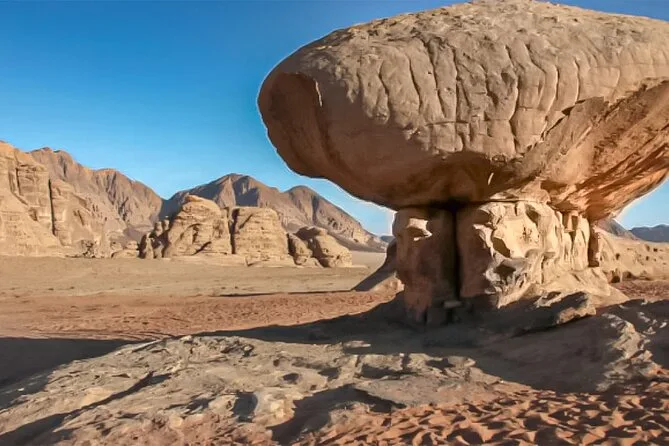
- Visit Mushroom Rock
- See Burdah Mountain and Rock Bridge
- Walk Red Canyon and sandboard dune
- Climb Um Frouth Rock Bridge
- Watch sunset with Bedouin tea

The Experience
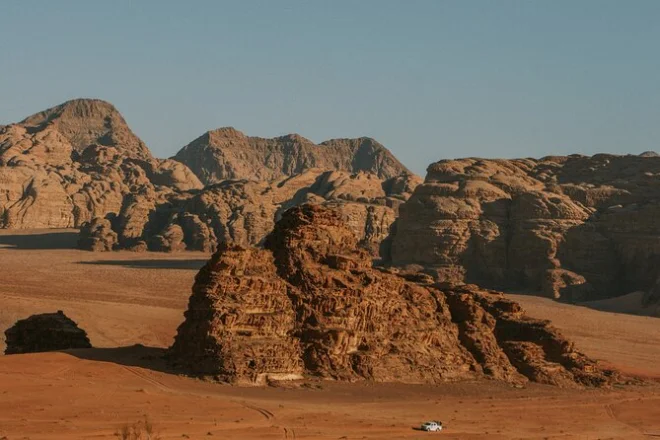
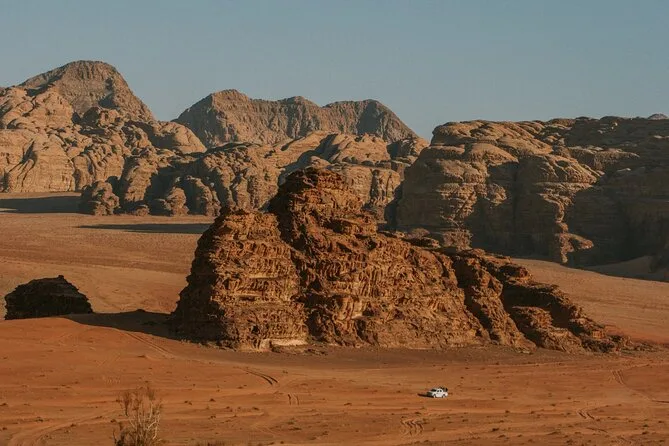
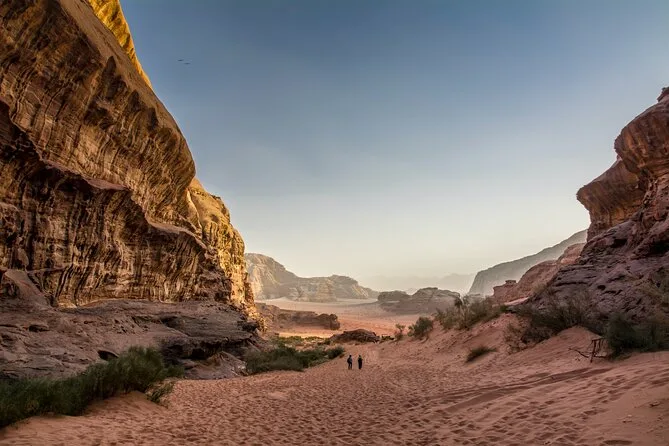
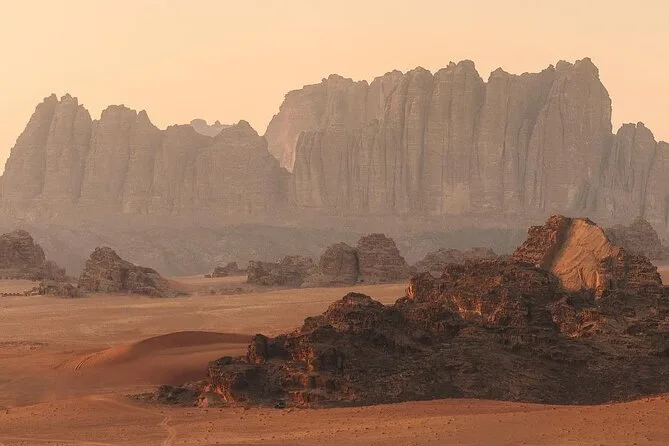
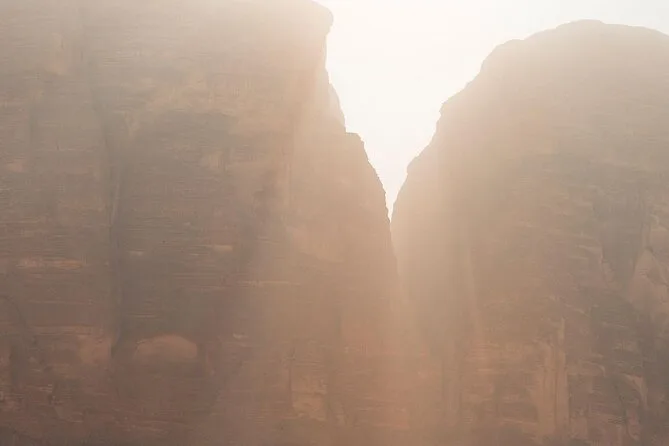
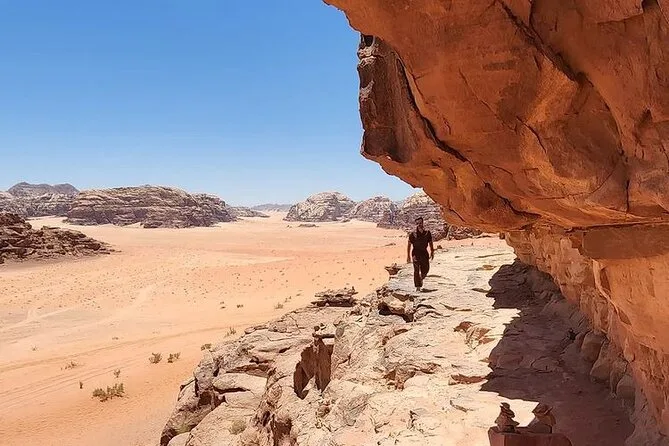
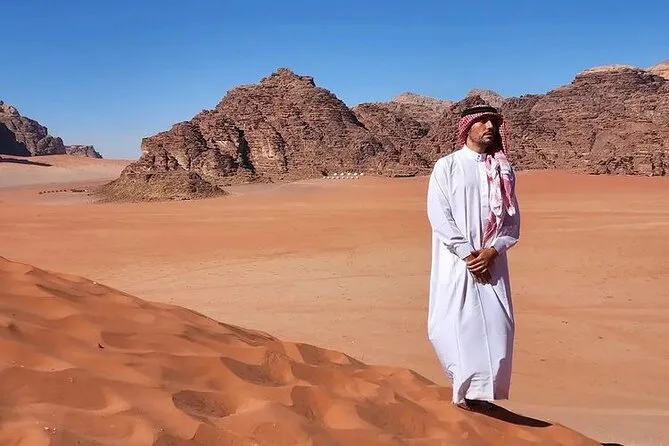
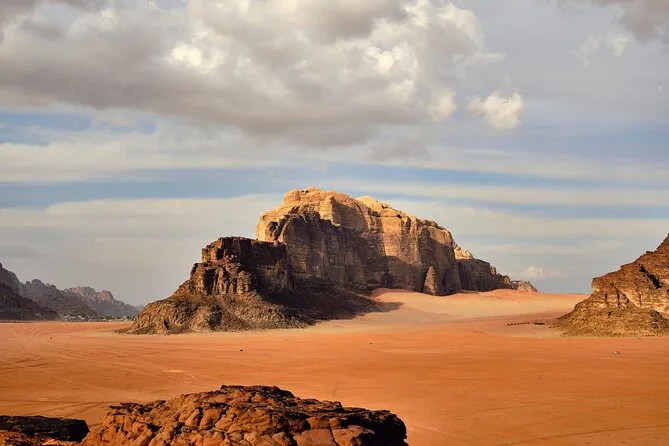
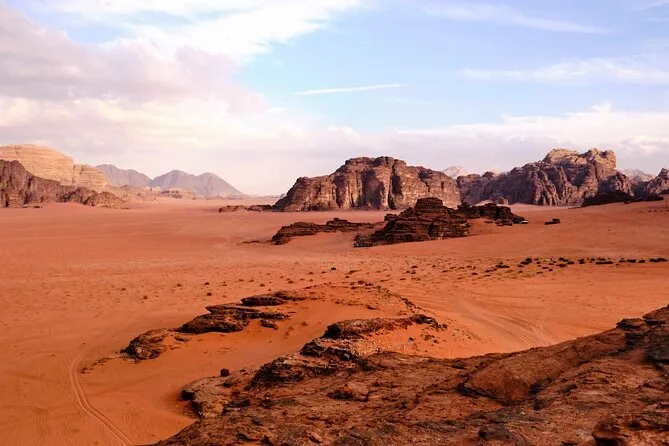
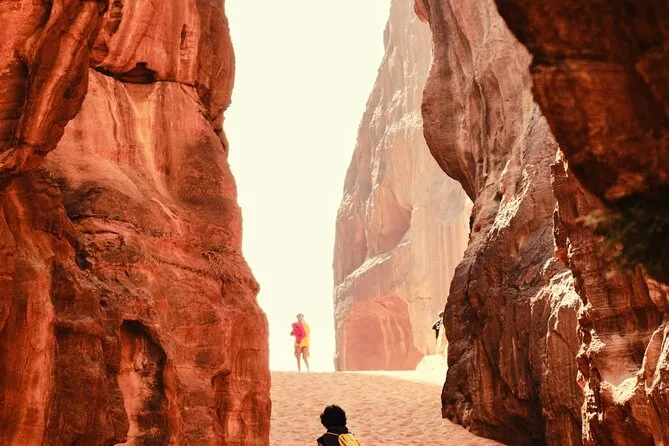
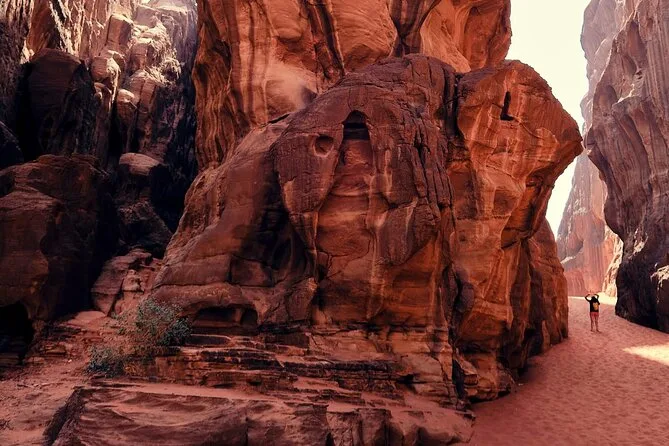
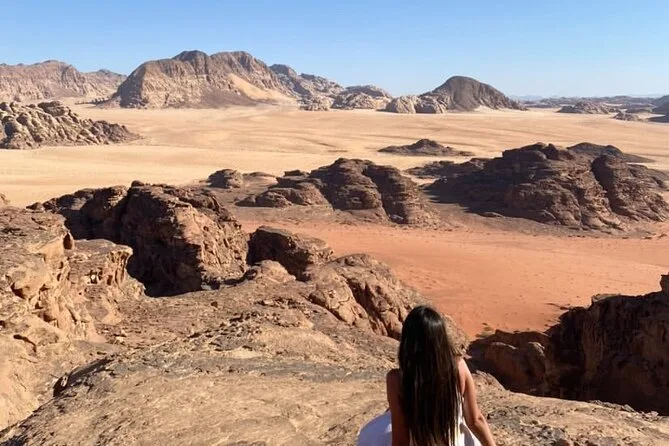
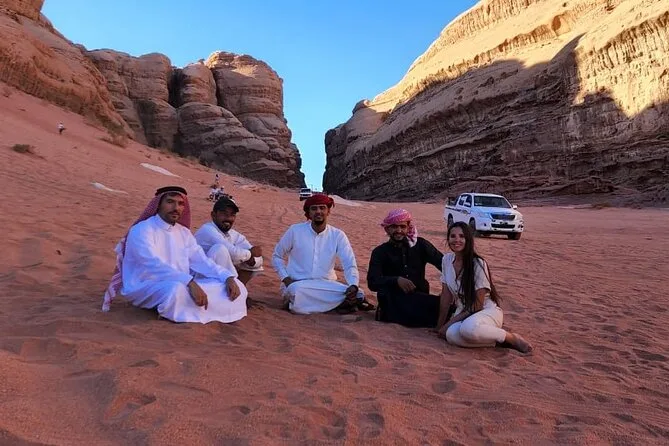
There's something about standing in a desert that's been shaped by wind and time for millennia that makes you want to slow down. The Wadi Rum jeep tour runs eight hours, and you spend most of it moving through a landscape that feels almost unreal — red and white sand cliffs rising without warning, rock bridges hanging 80 meters above the ground, canyons that narrow until you're walking between walls of stone. Your Bedouin guide drives, stops, and knows where the light will be best when the sun starts to drop. You're not rushing through a checklist; you're following someone who's lived here.
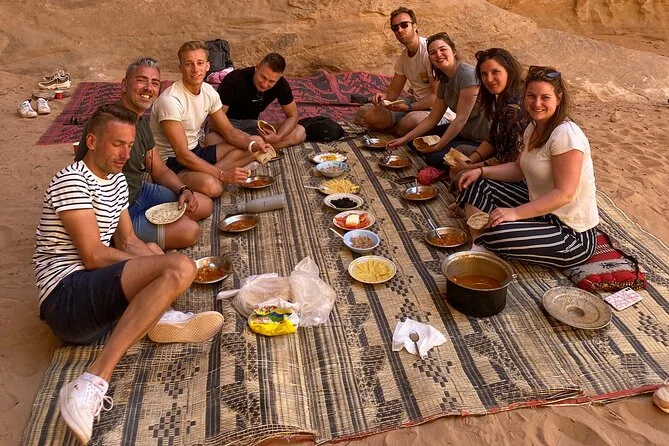
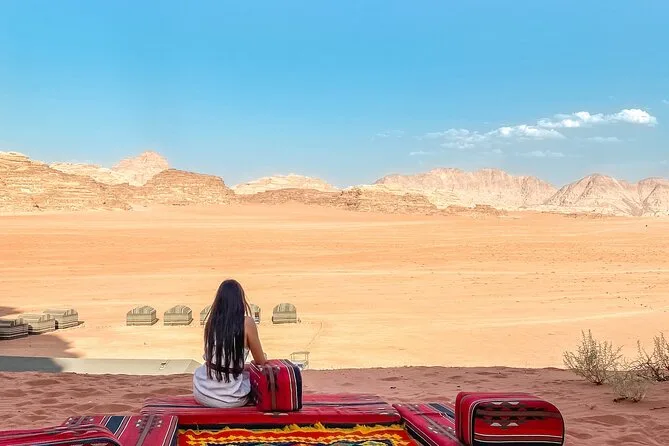
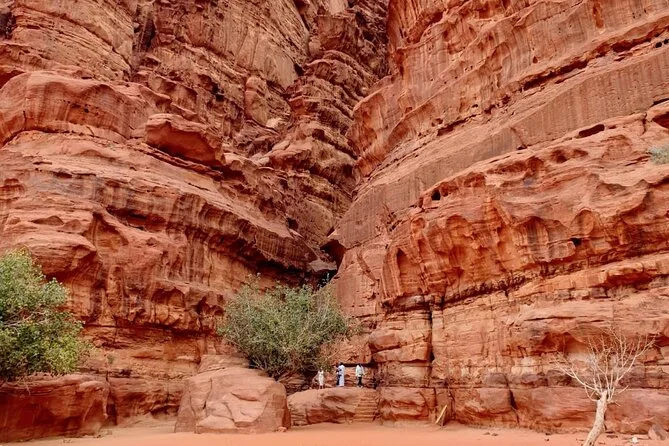
The day starts at Wadi Rum Rest House in the village, about 7 kilometers from the Visitor Center, and moves through nine main stops. Lawrence Spring comes early — you climb to see where water still flows and camels still drink, and the view opens up across the whole valley. Then the red sand dunes, where you can actually sandboard down the slope if you want to, or just stand there covered in rust-colored dust taking photos that don't quite capture how big it all is. Khazali Canyon has ancient petroglyphs carved into the rock face. The Little Rock Bridge and Lawrence House (a cave where the British officer actually lived with the Bedouins) both involve short hikes that get harder as the day goes on, but nothing brutal if you've got moderate fitness. Lunch happens in the middle — your guide builds a fire in a quiet spot and cooks traditional Bedouin food, vegetables and bread, and you eat sitting in the sand with tea or coffee.
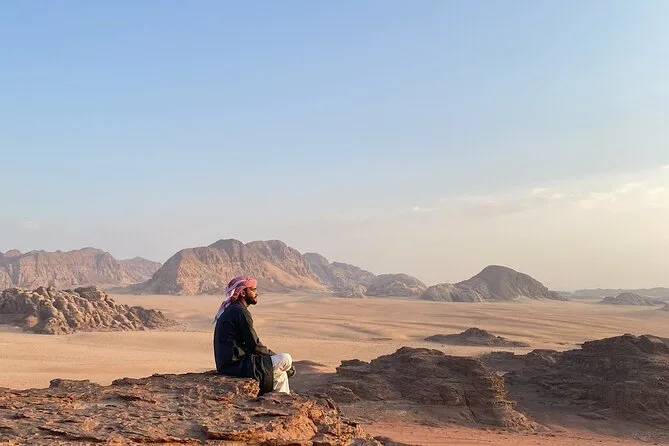
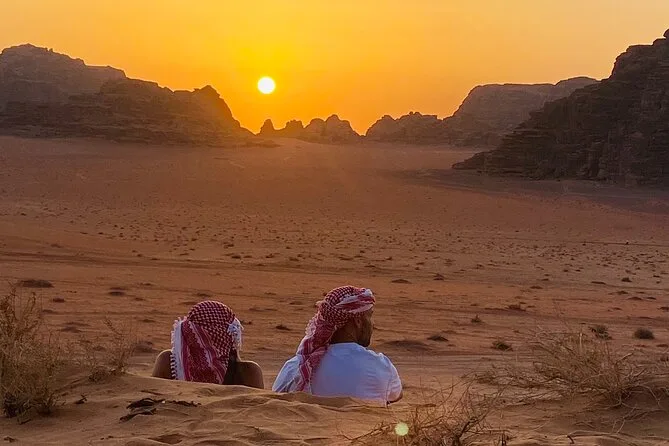
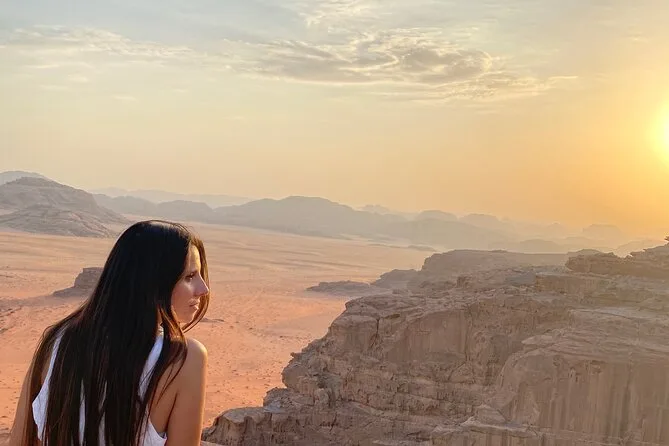
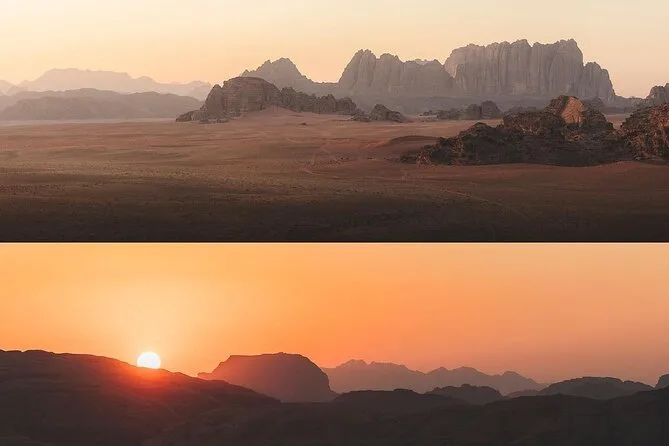
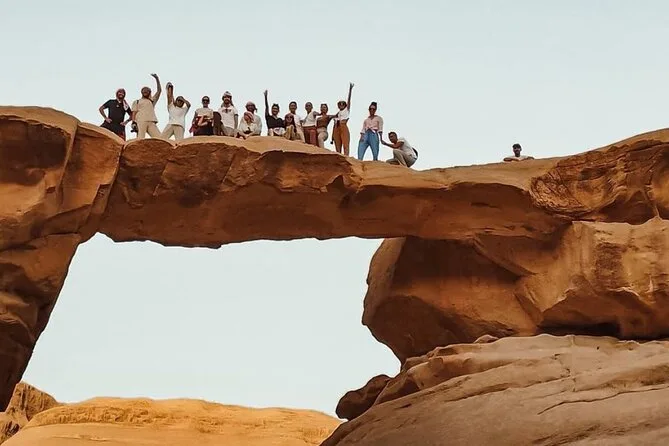
After lunch the tour picks up again with the Mushroom Rock (exactly what it sounds like, a natural formation that looks impossible), then Burdah Mountain, where the rock bridge has three arches and sits high enough that the sunset from there is the kind of thing you'll think about for years. The Red Canyon is a walk through a narrow passage with sand dunes on the other side where you can sandboard again if you've got energy left. Um Frouth Rock Bridge is the last real stop — you climb and walk across it — and then the guide takes you to a spot in the protected area to watch the sun go down with Bedouin tea in your hands and the desert turning orange and purple around you.
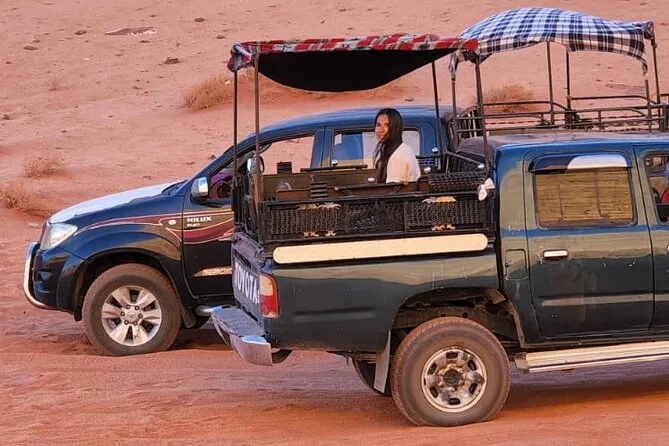
The whole thing moves at a pace that lets you actually see things instead of just passing them. You're in a jeep with a Bedouin guide who knows the desert, not a bus full of people. If you're staying in a camp nearby, pickup can happen there instead of the Rest House, and drop-off at the end can be the same. You'll need moderate fitness — there's climbing and walking, and the desert heat is real — but it's not a mountaineering trip. Pregnant travelers and anyone with spinal injuries should skip this one.

What’s included
Your day includes jeep transport with a Bedouin guide, entry to the Wadi Rum protected area, lunch with traditional Bedouin food cooked over a fire in the desert, bottled water, coffee and tea, sandboarding at red sand dunes, and all stops at the nine main landmarks (Lawrence Spring, Khazali Canyon, rock bridges, canyons, and more). Hotel or camp pickup is available, and the tour ends with sunset and Bedouin tea before returning to the Visitor Center or your accommodation.
Operated by Fares Wadi Rum
Is this one for you?Book this if you want to see Wadi Rum's main landmarks in one full day without arranging your own jeep, guide, or timing — the eight-hour structure fits all nine stops, lunch, and the sunset into a single experience, and a Bedouin guide means you're learning the desert from someone who's lived in it.
Traveler reviews
Compare the 13 similar options
 Wadi Rum: 8-Hour Jeep Tour & Sunset with Bedouin Guide★ 5.00 (30)8h–9hEN · AR +1US$ 89
 Wadi Rum: 4x4 Highlights Tour & Bedouin Camp OvernightFeel the desert’s silence on a Wadi Rum 4x4 tour, try sand-boarding, see ancient petroglyphs, and share tea in a Bedouin tent. Includes overnight stay & meals.★ 4.90 (146)4h–5hEN · ARUS$ 70View ›
 Wadi Rum: Full Day Jeep Safari, Rock Bridges & Bedouin LunchFeel the desert’s silence, climb natural rock bridges, and share tea with Bedouins on a Wadi Rum jeep tour. Includes pickup, lunch cooked on fire, and sunset stop.★ 4.93 (113)7h–9hEN · ARUS$ 79View ›
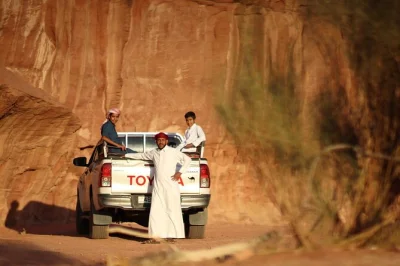 Wadi Rum 2-Day Jeep Tour with Bedouin Camp & MealsExplore Wadi Rum on a 2-day jeep tour with Bedouin guide, overnight in a panoramic tent, local meals, and desert sunset. Book your desert adventure now.★ 5.00 (24)2dEN · ARUS$ 92View ›
 Wadi Rum: Jeep Desert Highlights Tour with Bedouin TeaFeel the silence of Wadi Rum on a 4-hour jeep tour, climb red dunes, sip tea with Bedouins, and catch the sunset or walk a canyon. Includes transfer & local guide.★ 4.74 (92)4h 30mEN · ARUS$ 47View ›
 Full Day Jeep Tour in Wadi Rum: 8 stops with Bedouin guideEight-hour Wadi Rum jeep tour with a Bedouin guide, visiting Lawrence Spring, red sand dunes, canyons and rock arches — lunch prepared in the desert★ 4.98 (96)8hEN · ARUS$ 56View ›
 Wadi Rum half-day jeep tour: sandboarding and Bedouin guideHalf-day jeep tour of Wadi Rum's red sand dunes, rock arches and canyon with a Bedouin guide from the al Zalahbieh tribe, including water, tea and optional sandboarding.★ 4.96 (69)4hEN · ARUS$ 30View ›
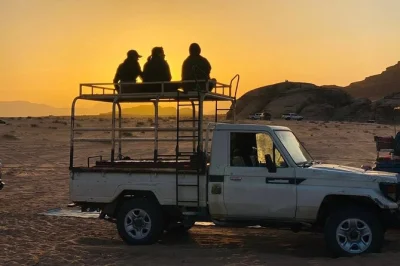 Wadi Rum: Full Day Jeep Tour & Bedouin Overnight CampFull-day Wadi Rum jeep tour with ten landmark stops, fire-cooked lunch, sunset tea, and overnight in a Bedouin tent with dinner and breakfast included.★ 4.91 (380)2dEN · ARUS$ 110View ›
 Wadi Rum: Full Day Jeep Tour & Overnight Bedouin CampFull-day Wadi Rum jeep tour with overnight camping. Includes lunch, dinner, breakfast, and visits to Lawrence Spring, Khazali Canyon, and red sand dunes. Max 15 people.★ 4.95 (20)2dEN · ARUS$ 100View ›
 Wadi Rum Jeep Tour: Lawrence’s House, Rock Bridges & Bedouin TeaExplore Wadi Rum by jeep—visit Lawrence’s House, natural rock bridges, Khazali Canyon, and enjoy Bedouin tea with locals. 5-hour guided desert tour.★ 4.75 (36)5hEN · ARUS$ 90View ›
 2-Day Petra, Wadi Rum & Dead Sea Tour from Amman2-day tour from Amman to Petra, Wadi Rum and the Dead Sea with Bedouin camp overnight, meals, and 4WD jeep tour included★ 4.93 (82)2dUS$ 190View ›
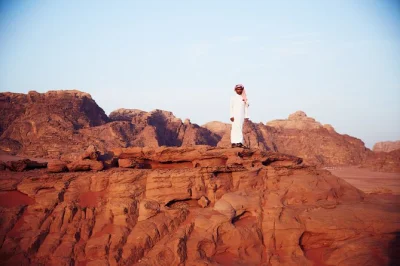 Wadi Rum: 4-Hour Jeep Safari & Sunset with Bedouin GuideClimb red dunes in a 4x4 with a Bedouin guide, visit Lawrence of Arabia's house and rock formations, end at sunset. Bottled water and camel rides included.★ 4.87 (30)3h–4hEN · ARUS$ 59View ›
 Full-Day Wadi Rum 4x4 Desert Tour with Local GuideFull-day 4x4 tour of Wadi Rum's main desert sights with a local guide, lunch cooked in the shade, and sunset from the best vantage point in the Protected Area.★ 4.99 (157)8h–9hENUS$ 90View ›
Top questions
How long is the Wadi Rum jeep tour?
Eight hours, starting from Wadi Rum Rest House or your camp and ending at the Visitor Center or your accommodation.
What's included in the tour?
Jeep transport with a Bedouin guide, lunch (traditional Bedouin food cooked over a fire), bottled water, coffee and tea, sandboarding, and all entry to the protected area. Hotel or camp pickup is available.
Can I do sandboarding on this tour?
Yes. You'll have the chance to sandboard on red sand dunes at two stops during the day.
Will I see camels?
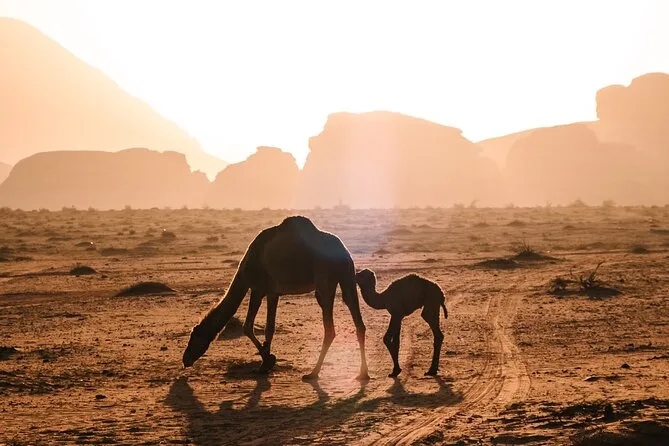
Yes. You'll see camels at Lawrence Spring and may encounter them elsewhere in the desert. You can feed them from the jeep if they approach.
Is this tour physically demanding?
It involves moderate hiking and climbing at several stops (rock bridges, canyons, mountains). You should have at least moderate fitness. It's not recommended for pregnant travelers or those with spinal injuries.
What time does the tour end?
The tour ends with the sunset, which happens at different times depending on the season. You'll be back at the Visitor Center or your camp by early evening.
Can I arrange pickup from my hotel in Aqaba?
Pickup is available from camps in Wadi Rum. For hotels in Aqaba, confirm directly with the operator, as the tour starts from Wadi Rum Rest House, about 7 kilometers from the Visitor Center.
What should I bring?
Sunscreen, a hat, comfortable hiking shoes, and a camera. Water and tea are provided. Wear layers — the desert is hot during the day and cools quickly at sunset.
Wadi Rum: 8-Hour Jeep Tour & Sunset with Bedouin Guide
8h–9h · EN · AR +1
from US$ 89 per person
★★★★★★★★★★5.0030 reviews
