
Tokyo: Sumo Tournament Arena Tour & Ryogoku Walk with Expert


Sumo rituals, Ryogoku streets, live matches and shared laughter
You’ll wander Ryogoku’s backstreets where sumo wrestlers train, hear stories from an expert guide, feel the electric atmosphere inside Kokugikan Stadium during live bouts (with commentary), and maybe share chanko-nabe hot-pot after. You’ll leave feeling like you’ve glimpsed a side of Tokyo most visitors miss.
Compare the 12 alternatives
 Harajuku Food Tour with Crepes & Sweets Family-FriendlyEvery day · 11:00 · All ages★ 5.00 (4)4hEN · JAJP¥ 29,885View ›
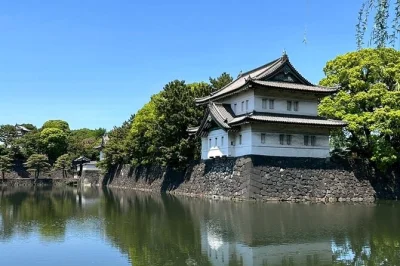 Tokyo Imperial Palace & Edo Castle Ruins Walking TourEvery day except Monday and Friday · First departure 09:30, last 14:00 · All ages★ 4.95 (3,290)2hENJP¥ 2,000View ›
 Tokyo: Imperial Palace & Samurai Castle Walk with Expert GuideEvery day except Monday and Friday · 10:30 and 13:30 · From age 5★ 4.99 (220)2hENJP¥ 6,000View ›
 Tokyo Ramen Tasting Tour: 6 Mini Bowls at Top ShopsEvery day · First departure 13:00, last 18:30 · All ages★ 4.97 (152)3hENJP¥ 18,500View ›
 Tokyo Imperial Palace: Historian's Tour & Edo Castle RuinsEvery day except Wednesday · First departure 09:30, last 14:00 · All ages★ 4.95 (222)2hENJP¥ 4,846View ›
 Tokyo Shibuya Crossing & Hachiko: Private Walking TourEvery day · First departure 10:00, last 17:00 · From age 7★ 5.00 (1)2h 30mENJP¥ 12,762View ›
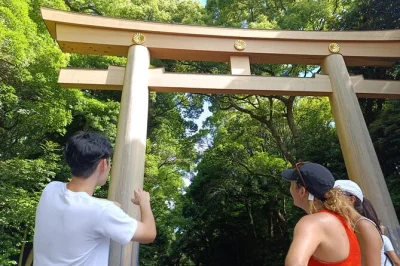 Tokyo Meiji Shrine: Shinto Culture Walking Tour & RitualsEvery day · 09:00, 10:00 and 12:30 · Up to age 81★ 4.98 (539)2hENJP¥ 3,200View ›
 Tokyo National Museum: Private Guide & Permanent CollectionsTue–Sun · 10:00 and 14:00 · All ages★ 4.79 (34)2hEN · JAJP¥ 16,000View ›
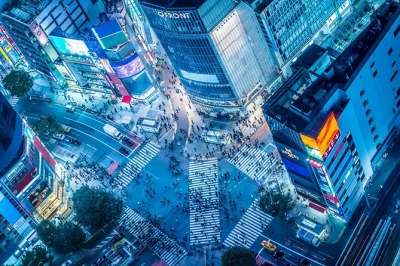 Shibuya Crossing & Hidden Streets Walking Tour TokyoEvery day · 10:30, 14:00 and 18:00 · All ages★ 4.90 (175)2hEN
 Tokyo Temples & Shrines Tour: Meiji, Asakusa, ZojojiEvery day · 09:00★ 4.67 (3)3hENJP¥ 11,000View ›
 Tokyo Highlight Tour: Meiji Shrine & Harajuku with Local GuideEvery day · First departure 10:00, last 15:00 · From age 3★ 4.88 (25)2hENJP¥ 6,000View ›
 Tokyo Imperial Palace: 2-Hour Walking Tour & Nijubashi BridgeEvery day · 10:00 and 15:00 · From age 3★ 2.00 (1)2hEN · ZHJP¥ 8,061View › Compare more experiences like this »
Step-by-step itinerary
Sumo culture tour and tournament viewing
- Visit Hakkaku-beya Sumo Stable
- Visit Nomi no Sukune Shrine
- Visit Ryogoku Kokugikan
- Visit Ryōgoku Edo NOREN
- Visit Ekō-in
- Visit Kasugano-beya Sumo Stable
- See murals inside the arena
- See championship prizes
- Visit sumo museum
- View paintings and photos of Yokozunas
- Receive wrestler pamphlet and cheer-up towel
- Watch live sumo tournament matches
- Optional chanko-nabe dinner near arena
The experience
It started with a thud, not from the arena yet, but from somewhere behind us on a quiet Ryogoku street. Our guide, Kenji, grinned and pointed out a wooden door just as two wrestlers in yukata slipped inside. The air smelled faintly of soy sauce and old tatami. I’d never realized how much this part of Tokyo hums with sumo history until we stopped by Nomi no Sukune Shrine and Kenji told us about the first legendary bout (I probably mispronounced half the names, but he didn’t mind). There was something comforting about walking these streets in a small group, learning bits of sumo trivia I’ll probably bring up at awkward dinners for years.
The real rush hit when we stepped into Kokugikan Sumo Stadium. It’s loud in a way that’s hard to describe, not just cheers but this low, collective anticipation that buzzes through your chest. Kenji handed me a cheer towel (mine was for Mitakeumi, I still have it), and showed us how to wave it at just the right moment. He kept up a steady stream of explanations during the matches (why they stomp before fighting, what the salt means), which made everything click into place. At one point, I got so caught up shouting that I nearly forgot to take photos. The guy next to me offered me some dried squid snack. I tried it out of politeness but honestly…not my thing.
If you go for the chanko-nabe dinner after, don’t expect fancy. It’s hearty, steaming hot-pot packed with chicken and veggies, eaten elbow-to-elbow with locals who know every wrestler’s stats by heart. The broth is richer than I expected. Maybe that’s why sumo wrestlers are so big? Anyway, by then my brain was buzzing with new words and rituals. There’s something about being part of that crowd, even just for an afternoon, that sticks with you longer than any souvenir.
What’s included
- Your day includes all arena entry fees and taxes, a cheer towel to support your favorite wrestler, an English-language info package about current wrestlers and rankings (the guide explains as bouts unfold), plus guiding by a local sumo expert throughout both the walking tour in Ryogoku and inside Kokugikan Stadium.
- For groups of three or more, headsets are provided so you won’t miss anything even if you wander off for photos or snacks during breaks.
- Optional chanko-nabe dinner can be added after the tournament nearby.
Options for this experience
4 optionsYou pick the guide language when booking.
Before you book
Prices and times updated today
Operated by Arumachi
Traveler reviews
Top questions
What languages is the guide in?
Live guide in English and Japanese.
Can children come?
Yes. Ticket types: Infant (under 4): free.
How long does the Tokyo sumo tournament tour last?
The full tour including Ryogoku walk and arena viewing runs from 13:00 to around 18:00. Dinner after is optional.
What’s included in the sumo tournament experience?
You get arena entry, an information package on wrestlers, cheer-up goods, taxes/fees, and guiding in English.
Can I join only for watching the sumo matches?
Yes, there is a viewing-only option if you prefer to skip the walking tour.
Is food included in this Tokyo sumo tour?
The chanko-nabe dinner is optional and can be added. Drinks are not included.
Where does the tour take place in Tokyo?
The main locations are Ryogoku neighborhood and Kokugikan Sumo Stadium & Museum.
How big are the groups on this day trip?
The group size is small: maximum 10 participants per tour.
Tokyo: Sumo Tournament Arena Tour & Ryogoku Walk with Expert
6h · EN +1
from JP¥ 33,000 per person
4.92123 reviewsVerified traveler reviews via our booking provider