
Tokyo Sumo Morning Practice: Talk to Wrestlers


Ask the wrestlers your own questions after watching them train
A guided tour of Tokyo sumo morning practice that includes direct interaction with athletes during an exclusive Q&A session, not just silent observation. You'll start with an orientation at Narihira Park covering sumo history and etiquette, watch the wrestlers' dawn training up close, take photos with them, and leave with an official Banzuke ranking sheet in a souvenir folder. Children are welcome from age 6; the full experience runs 2.5 to 3 hours.
 2h 30m–3h

Step-by-step itinerary
Sumo Practice and Interaction Experience
- Orientation at Narihira Park
- Watch morning sumo practice
- Exclusive Q&A and photo session
- Return to park for souvenirs
- Extra Q&A and closing session

The Experience
Most sumo tours end after you watch the practice. This one keeps going. You begin at Narihira Park near the multipurpose restroom, where your English-speaking guide walks you through the hidden history, rituals and etiquette of sumo before you step into the stable—so you know what you're watching and why it matters. The wrestlers train at dawn during what's called Asageiko, and you stand meters away as they collide with force that shakes the ground. During the Grand Sumo Tournament (roughly 2 weeks each in January, May and September), practice starts 30 minutes earlier and the viewing window is about an hour; outside those periods, the schedule is longer.
The difference lands in what happens next. After the training ends, you get time with the wrestlers themselves—a chance to ask them directly about their lives, their training, their stories. You can take photos with them, something you won't get at a tournament or a standard viewing. When the wrestlers' schedule allows, male guests may even step into the ring for a friendly challenge, though this doesn't happen during tournament season. Your guide stays through a closing session back at the park, where you receive an official Banzuke (the ranking sheet that shows every wrestler's position in the hierarchy) in a specially designed folder. If you have more questions about sumo tradition or the wrestlers' world, your guide will answer them then—or point you toward a good lunch spot nearby.
The whole tour runs between 2.5 and 3 hours, which means you can fit it into a morning and still have most of the day ahead. Public transportation is available near Narihira Park. Infants can sit on an adult's lap; the tour suits all fitness levels, and children from age 6 are welcome.

What’s included
- English-speaking guide who leads the orientation and stays through the closing session.
- official Banzuke ranking sheet in a souvenir folder.
- sumo morning practice viewing fee.
- access to the exclusive Q&A session with wrestlers and photo opportunity.
Operated by TASUKI Travel
Is this one for you?At 2.5 to 3 hours, this tour fits into a morning and leaves your afternoon open—the early start and fixed schedule mean you're done by late morning and can explore the rest of Tokyo without rushing or planning transport separately.
Traveler reviews
Compare the 13 similar options
 Tokyo Sumo Morning Practice: Talk to Wrestlers★ 4.83 (89)2h 30m–3hENJP¥ 14,500
 Tokyo & Mt. Fuji Private Tour: Custom Itinerary, Pickup & DriverFeel Tokyo’s pulse from Shibuya Crossing to Senso-ji Temple, with a private English-speaking driver, hotel pickup, and flexible stops—even Tsukiji Market snacks.★ 4.96 (336)9hEN · RU +1JP¥ 54,538per groupView ›
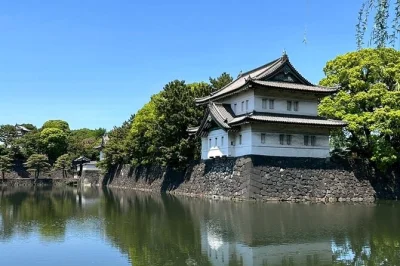 Tokyo Imperial Palace & Edo Castle Ruins Walking TourTour Tokyo Imperial Palace East Gardens and Edo Castle ruins with an English-speaking guide. See samurai history, stone gates, and Ninomaru Garden. Wheelchair accessible.★ 4.95 (3,180)2hENJP¥ 2,000View ›
 Tokyo: Shibuya Food Tour with Izakaya & 13 Local DishesStep into Shibuya’s lively streets on a guided food tour, tasting 13 dishes across four izakayas and bars. Includes all food, drinks, and a local guide.★ 4.92 (1,248)3hEN · JAJP¥ 13,000View ›
 Tokyo Shibuya Crossing & Hachiko: Private Walking TourShibuya walking tour with local guide: Hachiko Statue, Scramble Crossing, Shibuya Center Gai, matcha break, JUMP SHOP. Guide takes and shares photos.2h 30mENJP¥ 10,138View ›
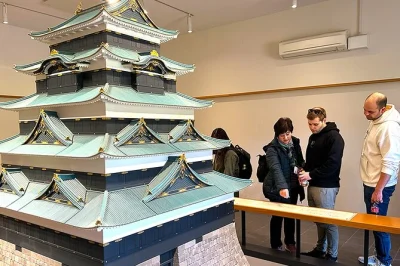 Tokyo: Edo Castle & Imperial Palace Samurai Walking TourEdo Castle secrets, samurai history & Imperial Palace gardens in small groups under 10. Expert guide, 2,600-year imperial legacy, English-only tour from Tokyo Station.★ 4.95 (1,846)2hENJP¥ 2,000View ›
 Shinjuku: Food Tour with 15 Dishes & Memory Lane StopsFollow a local guide through Shinjuku’s lively alleys, taste 15 dishes at hidden spots, see Godzilla Head, and wander Memory Lane. Includes all food & drinks.★ 4.95 (528)3hENJP¥ 13,000View ›
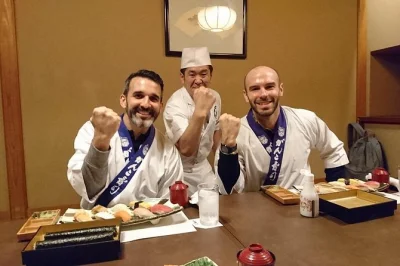 Tokyo: Tsukiji Fish Market Tour & Sushi Making with ChefWalk Tokyo’s Tsukiji Market, taste fresh flavors, and learn sushi making from a local chef. Includes guided tour, hands-on class, and lunch with tea and soup.★ 4.88 (979)4hENJP¥ 15,700View ›
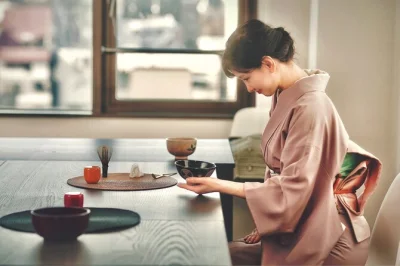 Tokyo Asakusa: Tea Ceremony with Kimono & Two-Bowl MatchaFeel the quiet beauty of a real Tokyo tea ceremony in Asakusa, try kimono dressing, taste seasonal wagashi, and prepare your own matcha—includes English guidance.★ 4.99 (222)1h 30mEN · JAJP¥ 8,820View ›
 Tokyo Imperial Palace: 2-Hour Walking Tour & Nijubashi Bridge2-hour guided walking tour of Tokyo Imperial Palace with local expert. Small groups, Nijubashi Bridge, East Gardens, samurai history included.2hEN · ZHJP¥ 8,004View ›
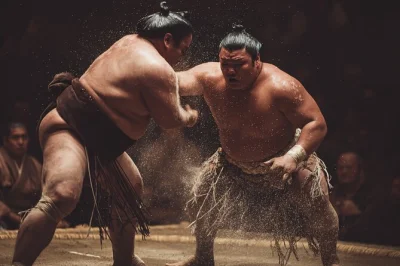 Tokyo Shinjuku: Sumo Show, Photo & Drinks with Real WrestlersStep into Tokyo’s Shinjuku for a sumo show up close—watch live matches, try a sumo challenge, snap photos, and enjoy a welcome drink. Includes bilingual guide.★ 4.94 (4,276)1h 30mENJP¥ 12,000View ›
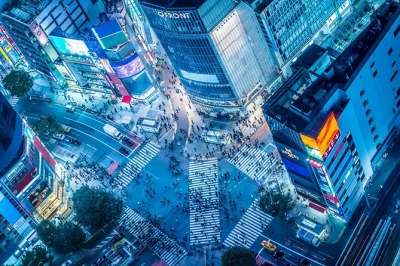 Tokyo Shibuya Walking Tour: Crossing, Nonbei Yokocho & HachikoFeel the pulse of Tokyo on a Shibuya walking tour—cross the famous scramble, wander Nonbei Yokocho’s cozy bars, and end at Hachiko. All fees included.★ 4.89 (168)2hENJP¥ 4,010View ›
 Tokyo Ramen Tasting Tour: 6 Mini Bowls at Top ShopsStart in Shibuya, Shinjuku, or Ueno and taste 6 unique ramen bowls at award-winning shops. Includes local guide, food tasting, and all walking logistics.★ 4.97 (150)3hENJP¥ 18,500View ›
Top questions
Can I actually talk to the sumo wrestlers, or is it just watching from a distance?
You get an exclusive Q&A session with the wrestlers after practice ends, where you can ask them questions directly and take photos together. This is not available on standard sumo tours, which only allow silent observation.
What exactly is the Banzuke I'll receive as a souvenir?
The Banzuke is the official ranking sheet that lists every professional sumo wrestler and their position in the hierarchy. You'll receive it in a specially designed souvenir folder to take home.
When does the morning practice start, and how long do I watch?
During the Grand Sumo Tournament (roughly 2 weeks in January, May and September), practice starts 30 minutes earlier than usual and viewing time is about an hour. Outside tournament season, the schedule allows for longer observation of the training.
What happens at the orientation before we go to the stable?
Your guide meets you at Narihira Park and gives you a briefing on sumo history, rituals and etiquette so you understand what you're about to witness and why the training matters to the wrestlers.
Is there a chance to step into the ring myself?
When the wrestlers' schedule allows, male guests may have the opportunity to step into the ring for a friendly challenge with one of the athletes. This bonus is not available during the Grand Sumo Tournament season.
How old do children need to be to join this tour?
Children are welcome from age 6. Infants can attend if they sit on an adult's lap during the tour.
Tokyo Sumo Morning Practice: Talk to Wrestlers
2h 30m–3h · EN
from JP¥ 14,500 per person
★★★★★★★★★★4.8389 reviewsVerified traveler reviews via our booking provider
