
Tokyo Sumo Morning Practice: Real Stable & Wrestler Photos
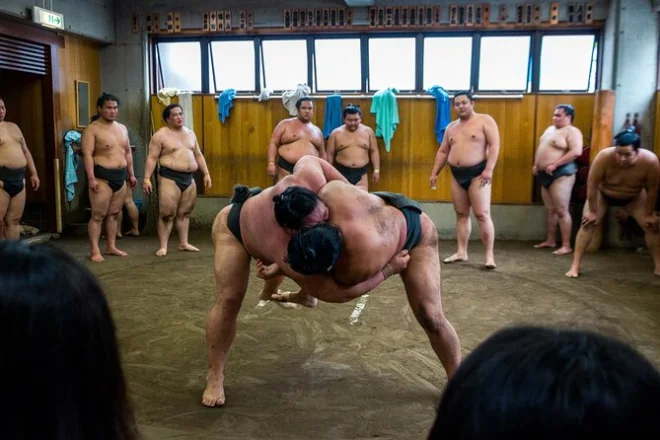
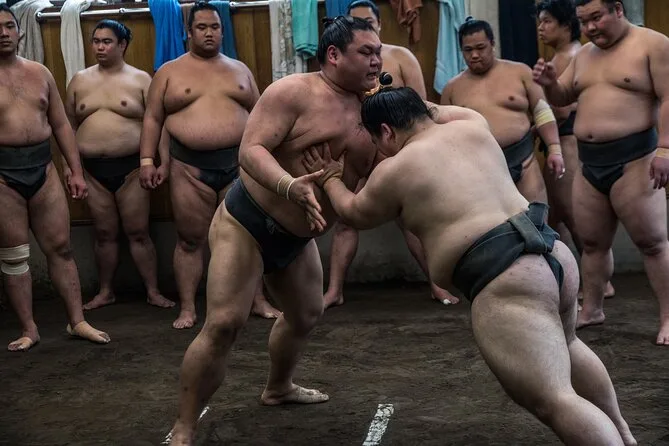

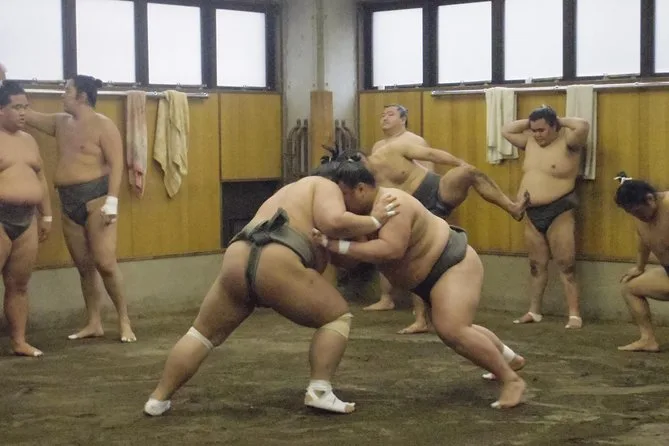
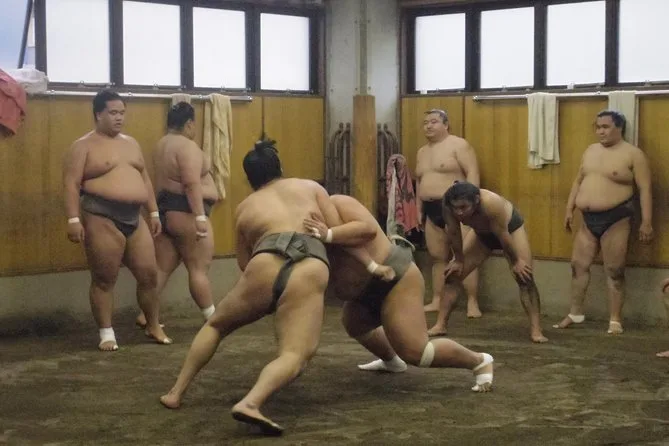

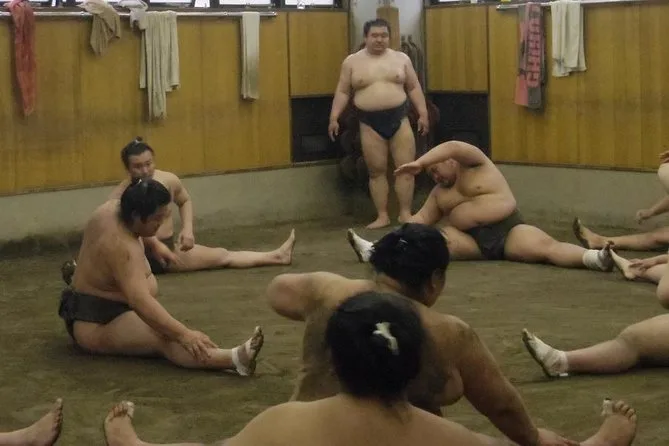
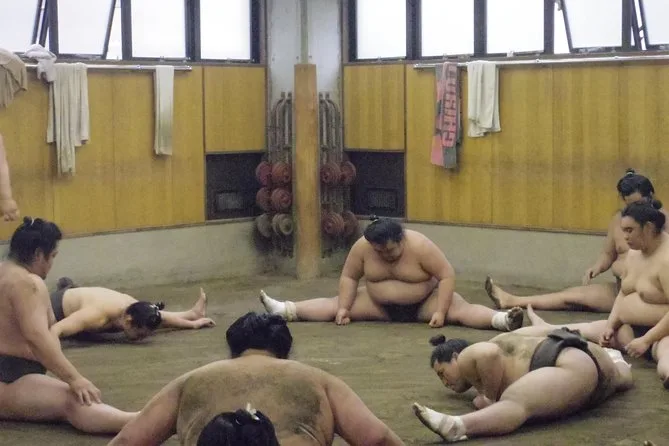
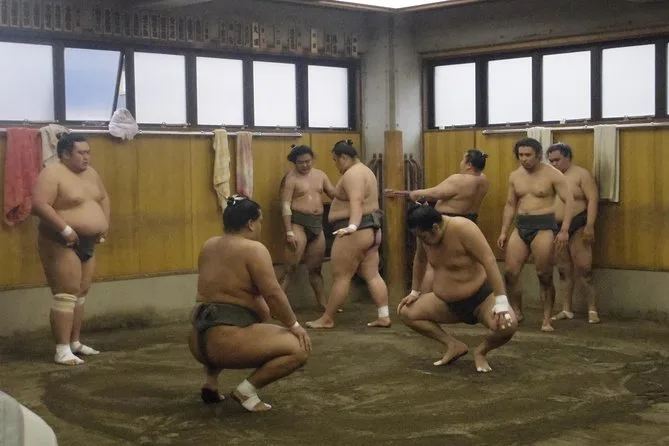
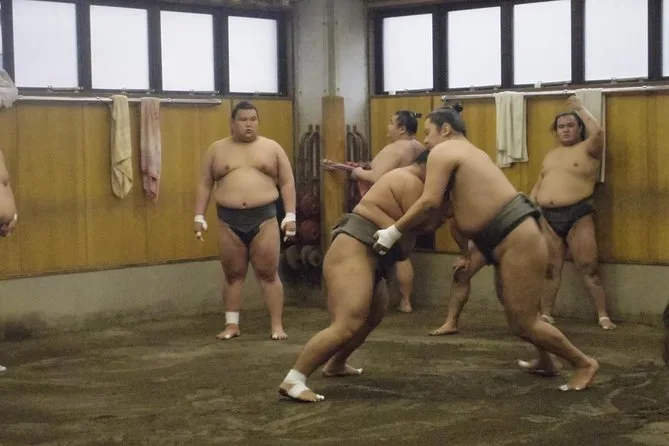
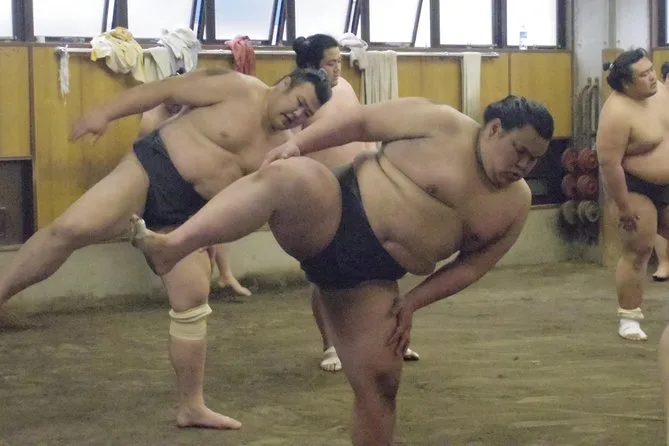
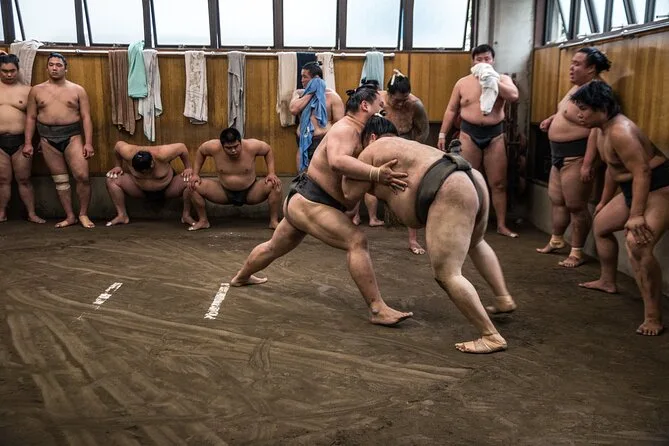
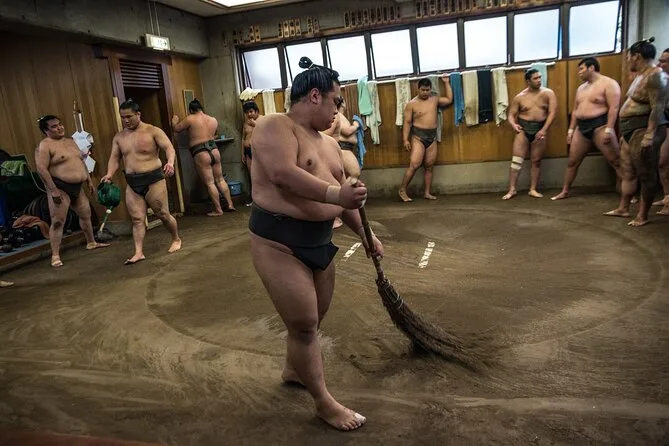


You'll Stand Feet From Real Sumo Training—Not a Tourist Show
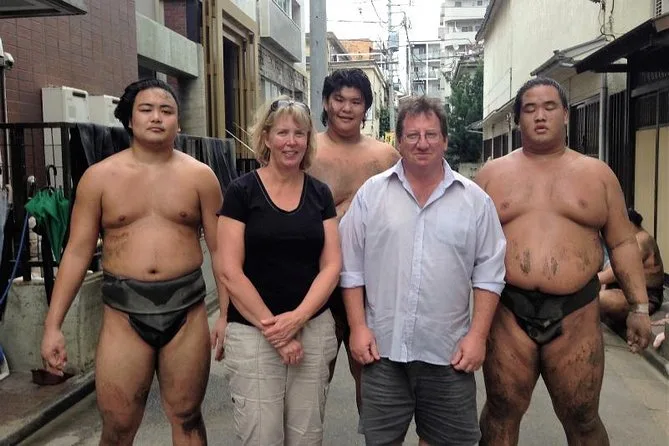
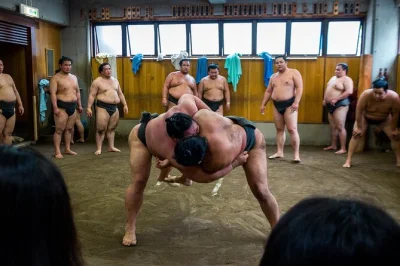
You meet a local guide at a Tokyo train station, walk to an active sumo stable, and watch wrestlers train from the ground level. Your guide explains the sport's 1,500-year history and Shinto roots before you observe the morning practice in silence. If timing allows, you'll photograph wrestlers after they finish. The tour includes stable entry, guidance, and the chance for photos—no videos, no flash, no interruptions.
 1h–2h
1h–2h

Step-by-step itinerary
Sumo stable visit and morning practice
- Meet guide at station
- Walk 10 minutes to sumo stable
- Learn sumo history and rituals
- Sit and watch morning practice
- Return to train station with guide

The Experience
You're standing in a Tokyo train station at dawn, wondering if you're about to see the real thing or just another packaged experience. Your guide meets you there and walks you ten minutes to the stable—no bus, no theater, just the two of you and the sound of wrestlers already warming up inside. Before you enter, they explain the weight of what you're about to watch: sumo isn't just sport. It's a 1,500-year-old ritual that started as entertainment for Shinto deities, and the wrestlers treat the ring as sacred ground. The rules matter. Your phone goes silent. No flash. No videos. No stretching your legs toward the ring—showing the soles of your feet is considered deeply disrespectful.
Then you're inside, sitting on the ground as the wrestlers collide. The sound is nothing like video captures it—the impact of bodies, the sharp breath, the smell of the fragrance they wear. Your guide narrates quietly: which wrestler is preparing for the next Grand Tournament, how the six annual tournaments work, why three of them happen in Tokyo. You watch the morning practice routine unfold, the intensity real and unfiltered. There's no applause, no commentary, just the concentration of athletes doing what they've done every morning for years. If the wrestlers are in the mood after practice ends, you might get to take a photo with one of them outside the stable—but that's not guaranteed, and that's part of what makes it feel authentic.
The whole thing takes a couple of hours, though the exact length depends on what the wrestlers are doing that day. Your guide walks you back to the station afterward, and you're left with the kind of memory that doesn't fade because you were close enough to feel it, not just see it. Summer heat is intense and there's no air conditioning, so bring water and something cold to wear—the stable allows drinks during the hot months because they know you'll need them.

What’s included
- Your tour includes a local, professional guide who meets you at the station and walks with you to the stable.
- You get entrance to the sumo stable and watch the real morning practice from the ground level close to the ring.
- The guide explains sumo history, the Grand Tournaments, and the Shinto traditions behind the sport.
- Photos with wrestlers after practice are included if they're willing—this depends on the day.
- Public transportation is available near the meeting point.
- You'll need to bring your own water and any cooling items for summer heat.
Operated by Japan Wonder Travel
Is this one for you?Book this if you want to see sumo the way wrestlers actually train, not as a performance—the early start and silence requirement are what keep it real and keep the stable from becoming a tourist circus.
Traveler reviews
Compare the 13 similar options
 Tokyo Sumo Morning Practice: Real Stable & Wrestler Photos★ 4.84 (394)1h–2hENJP¥ 18,000
 Tokyo & Mt. Fuji Private Tour: Custom Itinerary, Pickup & DriverFeel Tokyo’s pulse from Shibuya Crossing to Senso-ji Temple, with a private English-speaking driver, hotel pickup, and flexible stops—even Tsukiji Market snacks.★ 4.96 (329)9hEN · RU +1JP¥ 53,371per groupView ›
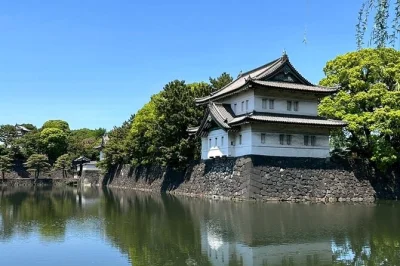 Tokyo Imperial Palace & Edo Castle Ruins Walking TourTour Tokyo Imperial Palace East Gardens and Edo Castle ruins with an English-speaking guide. See samurai history, stone gates, and Ninomaru Garden. Wheelchair accessible.★ 4.95 (3,147)2hENJP¥ 2,000View ›
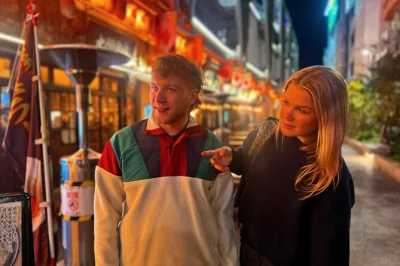 Tokyo: Shibuya Food Tour with Izakaya & 13 Local DishesStep into Shibuya’s lively streets on a guided food tour, tasting 13 dishes across four izakayas and bars. Includes all food, drinks, and a local guide.★ 4.91 (1,232)3hEN · JAJP¥ 13,000View ›
 Tokyo Shibuya Crossing & Hachiko: Private Walking TourShibuya walking tour with local guide: Hachiko Statue, Scramble Crossing, Shibuya Center Gai, matcha break, JUMP SHOP. Guide takes and shares photos.2h 30mENJP¥ 9,921View ›
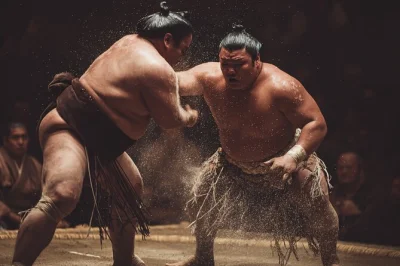 Tokyo Shinjuku: Sumo Show, Photo & Drinks with Real WrestlersStep into Tokyo’s Shinjuku for a sumo show up close—watch live matches, try a sumo challenge, snap photos, and enjoy a welcome drink. Includes bilingual guide.★ 4.94 (4,117)1h 30mENJP¥ 12,000View ›
 Tokyo: Edo Castle & Imperial Palace Samurai Walking TourEdo Castle secrets, samurai history & Imperial Palace gardens in small groups under 10. Expert guide, 2,600-year imperial legacy, English-only tour from Tokyo Station.★ 4.95 (1,812)2hENJP¥ 2,000View ›
 Tokyo: Tsukiji Fish Market Tour & Sushi Making with ChefWalk Tokyo’s Tsukiji Market, taste fresh flavors, and learn sushi making from a local chef. Includes guided tour, hands-on class, and lunch with tea and soup.★ 4.88 (976)4hENJP¥ 15,700View ›
 Shinjuku: Food Tour with 15 Dishes & Memory Lane StopsFollow a local guide through Shinjuku’s lively alleys, taste 15 dishes at hidden spots, see Godzilla Head, and wander Memory Lane. Includes all food & drinks.★ 4.95 (527)3hENJP¥ 13,000View ›
 Tokyo Imperial Palace: 2-Hour Walking Tour & Nijubashi Bridge2-hour guided walking tour of Tokyo Imperial Palace with local expert. Small groups, Nijubashi Bridge, East Gardens, samurai history included.2hEN · ZHJP¥ 7,833View ›
 Tokyo Asakusa: Tea Ceremony with Kimono & Two-Bowl MatchaFeel the quiet beauty of a real Tokyo tea ceremony in Asakusa, try kimono dressing, taste seasonal wagashi, and prepare your own matcha—includes English guidance.★ 4.99 (220)1h 30mEN · JAJP¥ 8,820View ›
 Tokyo Shinjuku Bar Hopping: Golden Gai & All-You-Can-DrinkThree izakaya bars in Shinjuku with full dinner, all-you-can-drink included, and a certified MagicalTrip guide. Small groups, local crowds, evening tour.★ 4.92 (3,982)3hENJP¥ 16,880View ›
 Tokyo Shinjuku: Food Tour 13 Dishes & 4 Local EateriesSmall-group food tour in Tokyo's Shinjuku with 13 dishes at 4 local spots: izakaya, stall, traditional restaurant & gastrobar. Includes 2 drinks & expert guide.★ 4.94 (9,689)3hENJP¥ 13,000View ›
Top questions
What time does the tour start?
Tours begin early morning to catch the wrestlers' daily practice. Meet your guide at the station; exact time is confirmed in your booking email.
Can I bring my phone and take photos?
Yes, but only without flash or shutter sounds. Videos are not allowed. Cellphones must be on silent inside the stable.
Will I definitely get a photo with a wrestler?
Wrestlers may pose for photos after practice ends, but it depends on the day and their mood. It's not guaranteed.
Is it suitable for children?
Children must be at least 12 years old to enter the stable. Younger children cannot attend.
How far is the walk from the station?
About 10 minutes on foot from the meeting point to the stable.
What if it's very hot?
There is no air conditioning in the stable. In summer months, you're allowed to drink water and sports drinks inside. Bring an ice pack or cold towel to stay comfortable.
Can I leave early if I get uncomfortable?
Once you leave the stable, you cannot re-enter. It's best to plan to stay for the entire practice.
What should I avoid doing inside the stable?
Keep your phone silent, watch respectfully, don't step on the ring or sandy ground, and don't stretch your legs toward the ring. Sunglasses and hats are not allowed.
Tokyo Sumo Morning Practice: Real Stable & Wrestler Photos
1h–2h · EN
from JP¥ 18,000 per person
★★★★★★★★★★4.84394 reviews
